Texas Homeowners Are Replacing Foundation Plantings With This Native Shrub
Foundation plantings across Texas tend to follow a short and predictable list. The same non-native shrubs show up in yard after yard, chosen more out of habit than intention, and maintained through a cycle of watering, trimming, and replacing that never really ends.
A growing number of Texas homeowners are stepping off that cycle by switching to a native shrub that handles foundation conditions with far less effort while looking considerably better doing it.
This plant is drought tolerant once established, scales well to residential spaces, and brings seasonal interest that the standard foundation lineup rarely offers.
It also supports pollinators and local wildlife in ways that non-natives simply do not. Once it goes in and settles, the maintenance demands drop significantly and the visual reward goes in the opposite direction.
For homeowners who have been running the same foundation plant on repeat, this native is the kind of upgrade that makes the old choice feel obvious in hindsight.
1. Dwarf Yaupon Holly Is The Native Shrub Texans Use For Foundation Plantings
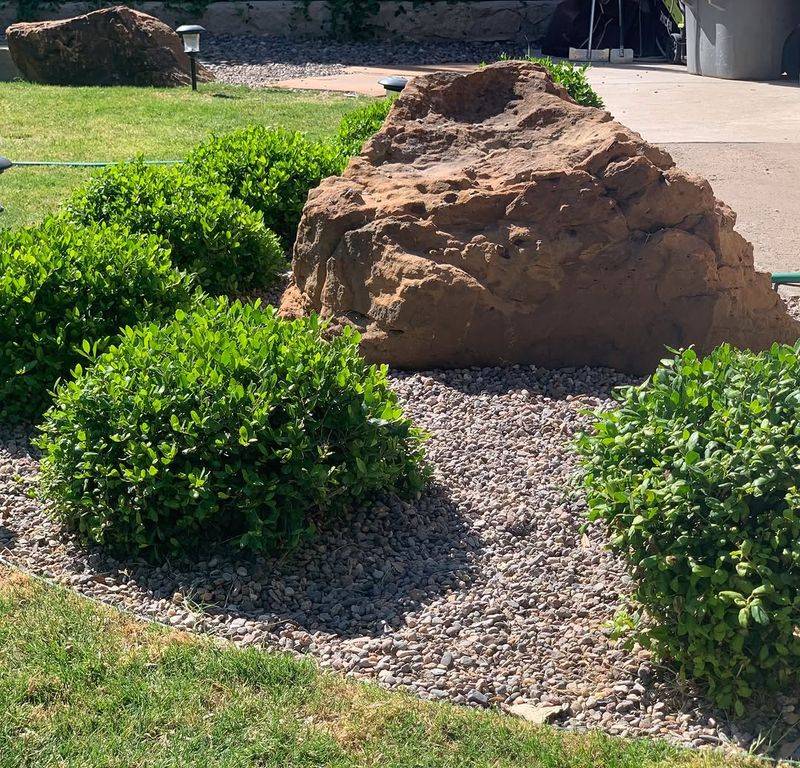
Walk through any established Texas neighborhood and you will start noticing a pattern. The old boxwoods and Asian hollies that once lined front porches are disappearing, and a tidy little native shrub is taking their place.
That shrub is dwarf yaupon holly, and it is quickly becoming the go-to foundation plant for Texas homeowners who are tired of fighting their landscape.
Traditional foundation shrubs like boxwood, Indian hawthorn, and nandina were popular choices for decades. But many of these plants were not bred for Texas conditions.
They struggle in extreme summer heat, wilt during droughts, and often develop root rot when rains come too fast. Homeowners end up spending money and time on plants that never really thrive.
Dwarf yaupon holly is different because it actually belongs here. It is native to Texas and much of the southeastern United States.
It evolved alongside the local climate, soil, and wildlife. That means it already knows how to handle the heat, the dry spells, and the unpredictable Texas weather without much help from you.
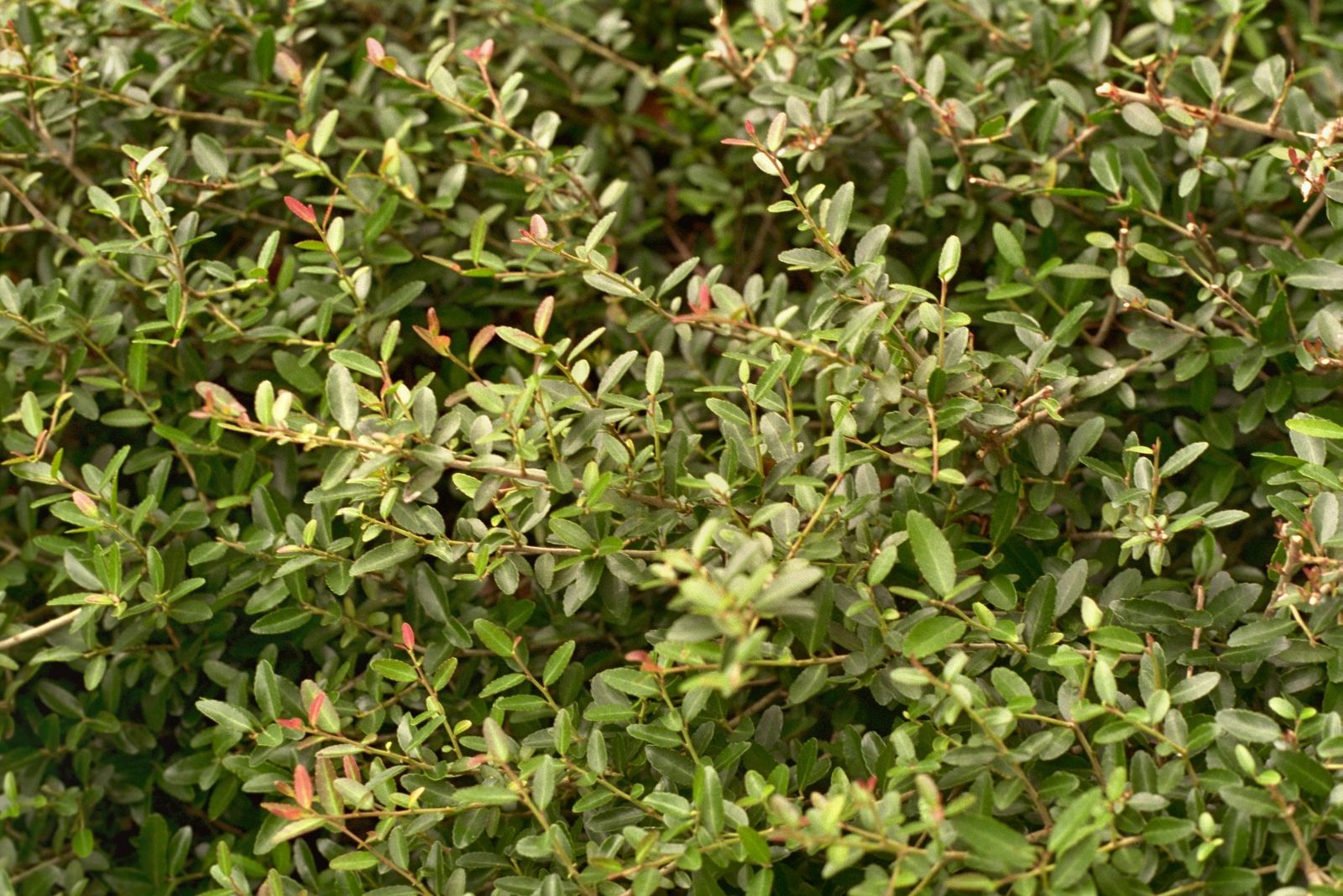
Its evergreen foliage stays full and green all year long. The plant grows in a naturally rounded shape that works beautifully along home foundations.
Most dwarf varieties stay between two and four feet tall, making them easy to manage near windows and entryways. They rarely need heavy pruning to stay looking neat and tidy.
For Texas homeowners who want a foundation planting that actually performs, dwarf yaupon holly checks every box. It looks great, grows reliably, and fits the Texas landscape like it was always meant to be there, because it was.
2. It Handles Texas Heat Better Than Boxwood
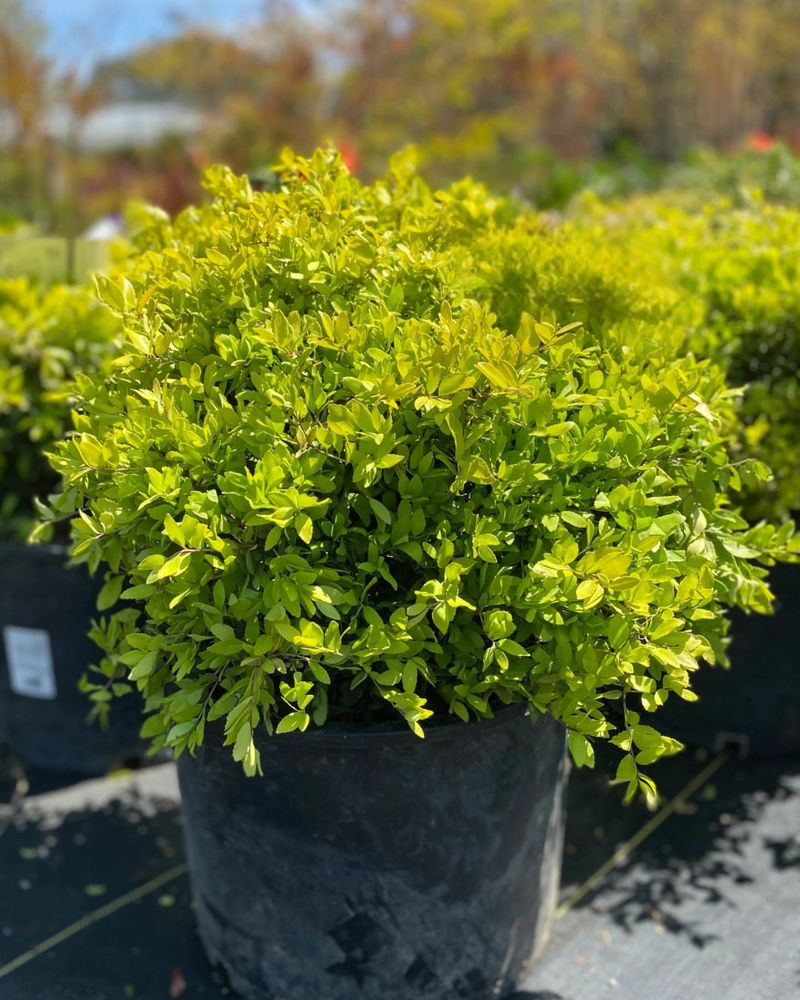
Boxwood has a reputation problem in Texas. Gardeners plant it hoping for that classic, formal look, and then watch it turn brown and crispy by mid-July.
The problem is not the gardener. The problem is that boxwood simply was not built for Texas summers, and no amount of watering will fully fix that.
Dwarf yaupon holly, on the other hand, barely notices the heat. It evolved in the South, where temperatures regularly climb past 100 degrees.
Your Texas Garden Changes Every Week. Your Plan Should Too.
Gardening in Texas changes quickly throughout the season. Every Friday you’ll receive a simple weekly plan showing exactly what to plant, prune, fertilize, harvest, and protect so you never miss the right timing.
Its waxy, small leaves are designed to hold moisture and reflect sunlight rather than absorbing it like a sponge. This natural adaptation gives it a huge advantage over plants that come from cooler climates.
Foundation areas are especially brutal for plants. Brick walls, concrete walkways, and dark mulch all absorb heat and radiate it back outward.
Many non-native shrubs planted in these spots suffer from what gardeners call reflected heat stress. Leaves scorch, stems weaken, and the plant slowly declines even when it gets regular water.
Yaupon handles reflected heat without skipping a beat. Plant it right next to a south-facing brick wall or a sun-baked concrete path, and it will still look full and healthy through the hottest months.
Homeowners across central and north Texas have reported that their yaupon plantings look better in August than their neighbors’ boxwoods did in May.
Choosing a plant that matches your climate is one of the smartest moves a homeowner can make.
With dwarf yaupon holly, you get a foundation shrub that performs well when temperatures rise, stays attractive all summer long, and never leaves you scrambling for solutions during a heat wave.
3. It Stays Compact And Neat
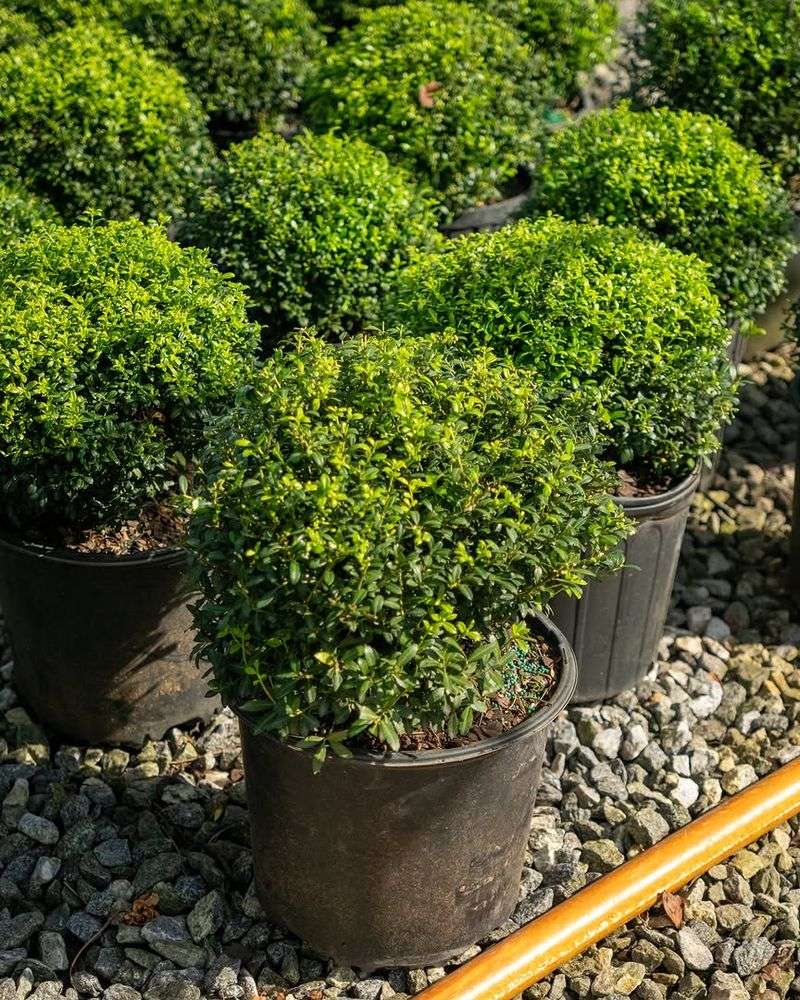
One of the most frustrating things about traditional foundation shrubs is how quickly they outgrow their space. You plant a small juniper near your front door, and three years later it is blocking your window and brushing against your siding.
Pruning becomes a constant chore, and the plant never quite looks right again after heavy cutting.
Dwarf yaupon holly grows in a naturally compact, rounded form that fits foundation beds without constantly trying to escape them. Most popular dwarf varieties, like Schillings Dwarf and Bordeaux, stay right around two to four feet tall and wide at maturity.
That is a perfect size for planting under windows, lining walkways, or anchoring the corners of a small front bed.
Because the plant grows slowly and evenly, it rarely needs aggressive shaping. A light trim once or twice a year is usually enough to keep it looking polished.
Homeowners who have switched from fast-growing shrubs like ligustrum or viburnum often say they spend a fraction of the time on maintenance after making the switch to yaupon.
The naturally mounded shape also pairs well with different home styles. It looks clean and formal next to a brick colonial, but it also fits naturally into a more relaxed cottage-style garden.
That versatility makes it easy to use in front yards with different design goals. Small front beds and tight entryway borders are no problem for this shrub.
Its predictable size and tidy growth habit make it one of the easiest foundation plants to work with, especially for homeowners who want a great-looking yard without spending every weekend in the garden.
4. It Needs Less Water Once Established
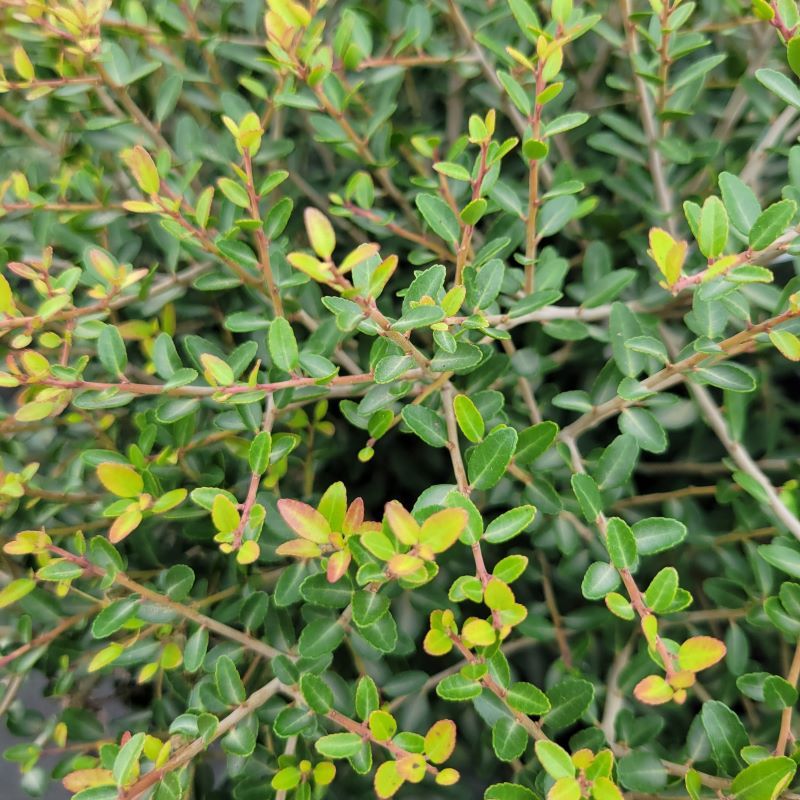
Water bills in Texas can get painful during summer droughts. Many homeowners spend a significant portion of their outdoor budget just trying to keep their foundation shrubs alive through July and August.
Non-native plants with shallow roots and low drought tolerance are usually the biggest water consumers in the front yard.
Dwarf yaupon holly flips that script. Once it has been in the ground for about one full growing season, it develops a deep, spreading root system that taps into soil moisture far below the surface.
At that point, it can survive and even look great on rainfall alone during most Texas summers. That means less time dragging hoses and lower water bills every month.
Native plants like yaupon are adapted to the feast-and-famine rainfall patterns that Texas is known for. They can handle several weeks without rain and then bounce back quickly when moisture returns.
Non-native shrubs often struggle to recover from drought stress, developing brown patches and weak stems that never fully heal.
Established yaupon plants are also forgiving of heavy rains and clay soil drainage issues, which are common in many parts of Texas. They do not sit in wet soil and develop root rot the way boxwood and some hollies often do.
That resilience makes them reliable in a wide range of yard conditions. For homeowners who want to reduce their landscape maintenance without sacrificing curb appeal, switching to drought-tolerant natives is one of the most practical moves available.
Dwarf yaupon holly gives you a full, attractive foundation planting that looks after itself once it gets settled in, saving you real time and real money.
5. It Gives Year-Round Greenery
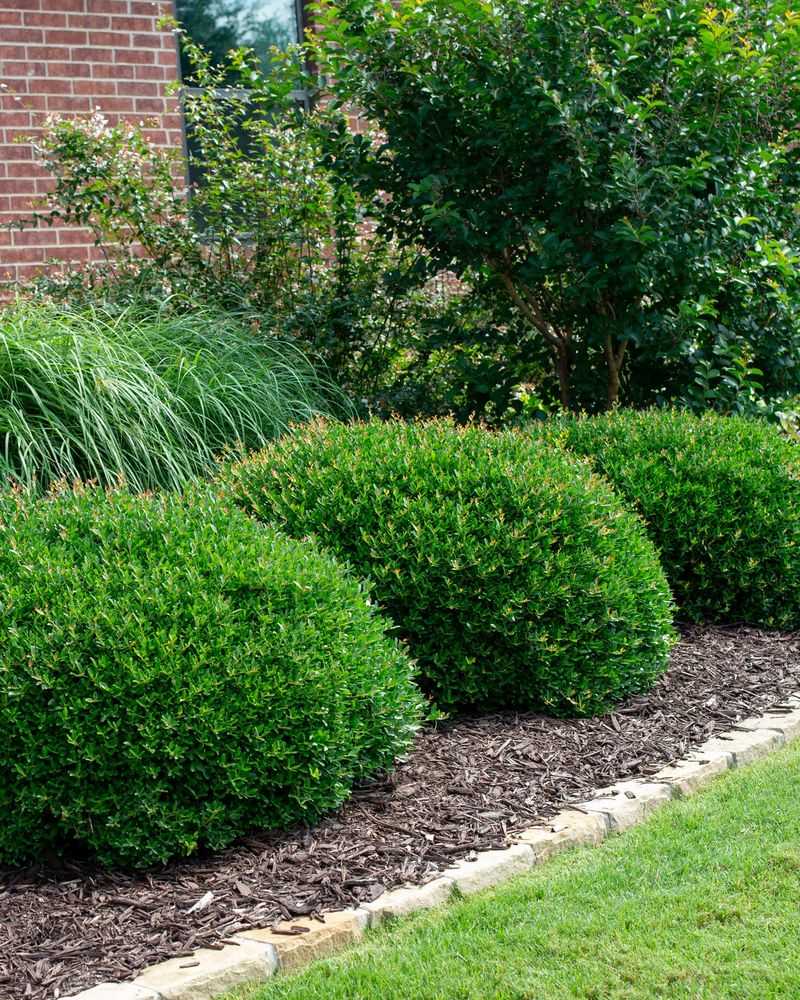
Winter in Texas can leave front yards looking bare and washed out. Deciduous shrubs drop their leaves, ornamental grasses turn tan, and foundation beds that looked lush in October suddenly look empty by December.
That loss of structure can make even a well-designed yard look neglected during the cooler months.
Dwarf yaupon holly stays evergreen all year, which means your foundation beds never go bare. The small, dark green leaves hold their color through frost, freeze events, and the gray winter days that stretch from December into February.
Your home keeps its curb appeal even when the rest of the yard has gone dormant. That year-round presence does more than just look nice. Evergreen shrubs provide visual weight and structure that helps anchor a landscape design in every season.
Without that structure, flower beds and mulched areas can look scattered and unfinished. Yaupon holds the design together whether it is spring, summer, fall, or winter.
The shrub also works well in both formal and naturalistic landscape styles. Planted in straight rows, it creates a clean, classic look along walkways and porches.
Grouped in irregular clusters, it blends into a more relaxed, wildlife-friendly garden design. That flexibility makes it useful for homeowners with very different aesthetic goals.
Gardeners who have tried other evergreen options in Texas often find that yaupon outperforms them in consistency. Plants like boxwood can suffer winter bronzing, and some hollies thin out in shaded spots.
Dwarf yaupon stays full and green without needing special protection or extra feeding, making it one of the most reliable year-round foundation choices available in Texas landscapes today.
6. It Supports Wildlife Without Looking Messy
Most homeowners want a yard that looks cared for and intentional. The idea of planting something wild or wildlife-friendly can sound like an invitation for a messy, overgrown garden.
But dwarf yaupon holly breaks that assumption completely. It supports local wildlife while still looking like a polished, well-maintained landscape plant.
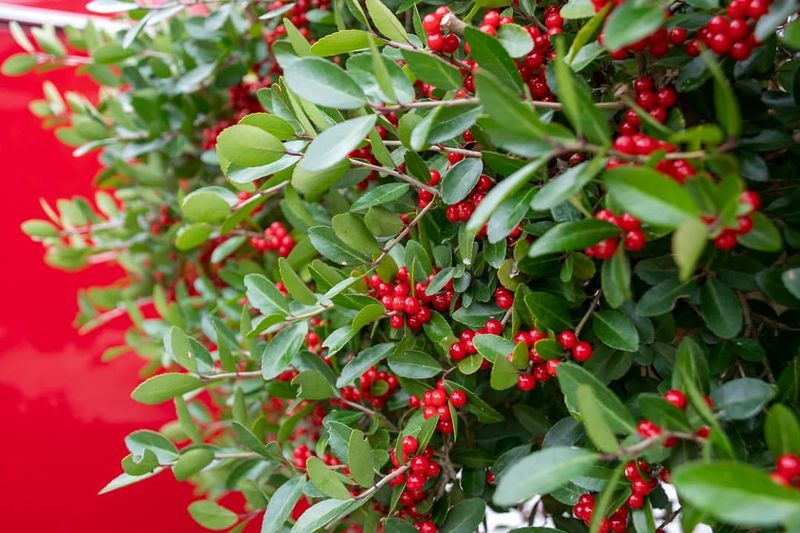
Female yaupon holly plants produce small, round berries that ripen in fall and persist through winter. These berries are a valuable food source for songbirds like cedar waxwings, mockingbirds, and robins.
During cold months when other food sources are scarce, a yard with yaupon berries can attract a surprising variety of birds right outside your front window.
The dense branching structure of the shrub also provides shelter. Small birds use thick, low shrubs as cover from predators and harsh weather.
A row of dwarf yaupons along a foundation gives local wildlife a safe place to rest, especially during winter storms that occasionally sweep through Texas.
Here is something many people do not realize: only female plants produce berries. If you want to attract birds, look for female varieties when shopping at your local nursery.
Planting one male plant nearby for every few females helps ensure good berry production each season.
Despite all of this wildlife activity, the shrub itself never looks out of control. The berries are small and do not create a mess on sidewalks or porches.
The plant holds its tidy shape regardless of how many birds visit. You get the satisfaction of supporting native wildlife and the pride of a front yard that looks sharp and well-kept, all from one reliable, hardworking native shrub.