The Reason Your Pennsylvania Veggie Garden Quits In July (And How To Fix It)
A vegetable garden that looks strong in June and starts falling apart in July is one of the most common and discouraging experiences Pennsylvania gardeners face.
The plants are in the ground, the season is far from over, and yet something shifts and the productivity just stops.
Most gardeners assume it is the heat, or a pest problem, or just bad luck. The real reasons are usually more specific and more fixable than that.
July in Pennsylvania brings a combination of high temperatures, humidity, inconsistent rain, and pest pressure that stresses vegetable gardens in predictable ways, and most of the damage that shows up mid-month was set in motion weeks earlier.
Understanding what actually causes the July slowdown, and what to do about it before it takes hold, can completely change how your garden performs through the second half of the season. The fixes are straightforward once you know where to look.
1. Heat-Stressed Soil Is The Main Reason Pennsylvania Veggie Gardens Slow Down In July
July in Pennsylvania does not just feel hot to you. It feels brutal to your vegetable garden, too.
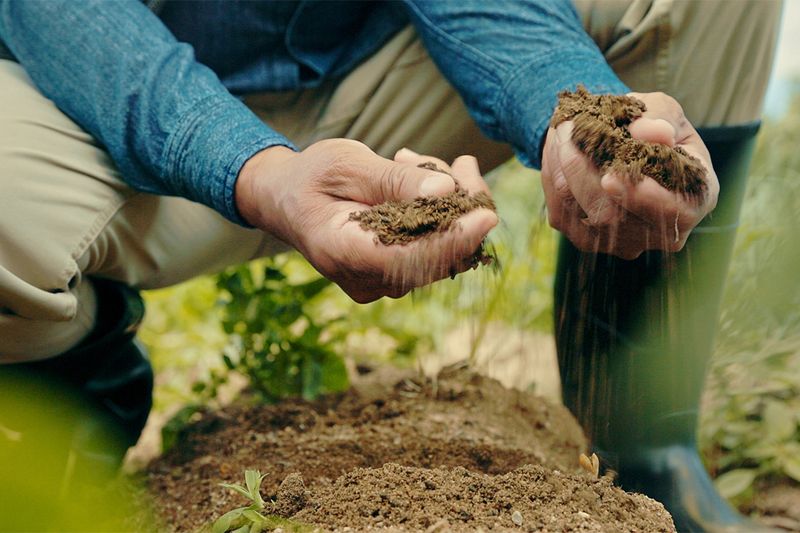
Soil temperatures in Pennsylvania can climb well above 85 degrees Fahrenheit during July heat waves. When that happens, the roots of your plants struggle to absorb water and nutrients the way they normally would.
Hot soil creates a chain reaction of problems. Roots that are too warm slow down their activity.
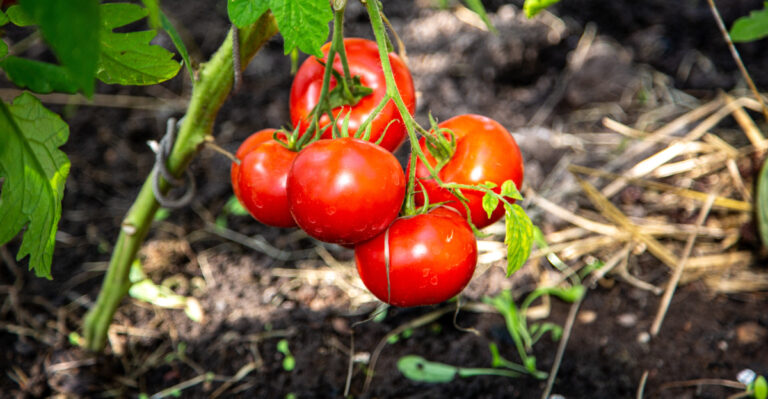
They stop pulling up the water and nutrients plants need to keep growing. This is why you might notice your tomatoes dropping flowers or your peppers refusing to set new fruit during the hottest weeks of summer.
Uneven moisture makes things even harder. When the top layer of soil dries out fast but the deeper layers stay cool and wet, roots get confused.
They do not grow deep the way they should. Instead, they stay near the surface where conditions are unpredictable. This weakens the whole plant over time.
Pennsylvania summers also bring sudden downpours followed by long dry spells. That kind of cycle is tough on vegetable roots.
Plants that are already stressed from heat cannot recover quickly between rainstorms. They start to look tired, yellow, and unproductive even though they are still alive.
Understanding that the soil itself is the starting point of the problem helps you focus your energy in the right place.
Fixing the soil environment is more effective than any other single step you can take to help your garden survive and thrive through a Pennsylvania July.
2. Mulch Before The Soil Overheats
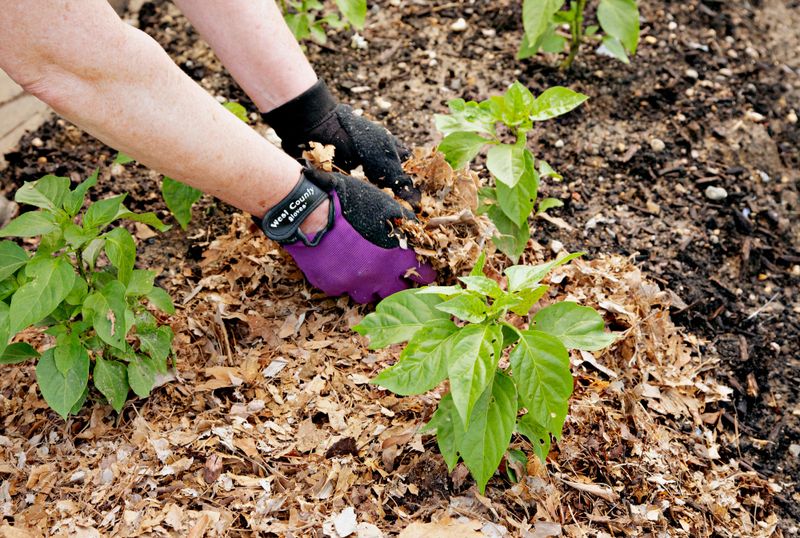
Mulch might be the single best tool a Pennsylvania gardener has for surviving July. Spreading a thick layer of organic mulch around your plants before the worst heat arrives can change everything about how your garden holds up through summer.
Most gardeners wait too long to mulch, and by then the soil is already suffering. A three to four inch layer of straw, wood chips, or shredded leaves acts like a blanket for your soil. It keeps the surface from heating up as fast during the day.
Your Pennsylvania Garden Changes Every Week. Your Plan Should Too.
Gardening in Pennsylvania changes quickly throughout the season. Every Friday you’ll receive a simple weekly plan showing exactly what to plant, prune, fertilize, harvest, and protect so you never miss the right timing.
Research from Penn State Extension has shown that mulched garden beds can stay several degrees cooler than bare soil during peak summer heat. Those few degrees make a real difference to your plant roots.
Moisture retention is another huge benefit. Bare soil loses water to evaporation quickly, especially on hot and windy days.
Mulch slows that process down dramatically. You will find yourself watering less often, and your plants will have more consistent access to the moisture they need to keep producing fruit.
Weed control comes as a bonus. Weeds compete with your vegetables for water, nutrients, and space.
During July, when your plants are already stressed, that competition is especially harmful. A good layer of mulch blocks most weed seeds from getting the sunlight they need to sprout.
Apply mulch in late June or early July before temperatures peak. Pull it slightly away from plant stems to prevent rot. Refresh it mid-season if it thins out from rain or foot traffic.
3. Water Deeply And Consistently
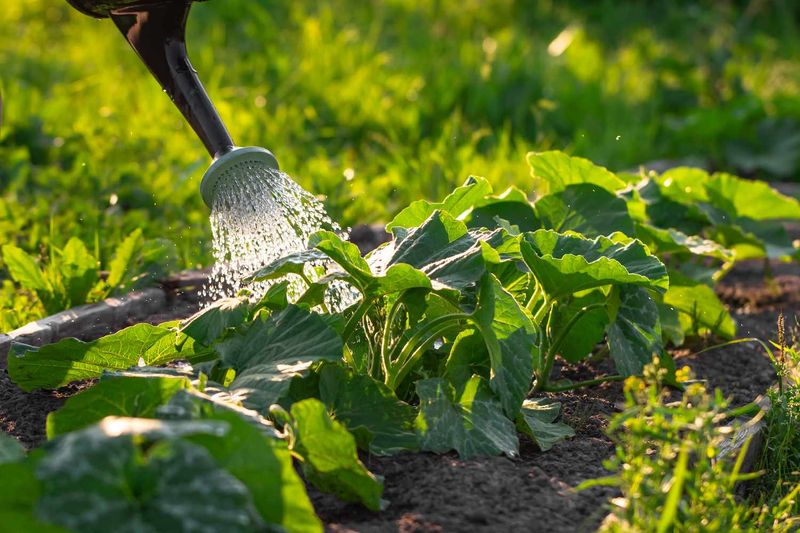
Shallow watering is one of the most common mistakes gardeners make during July. When you water just a little bit each day, the moisture barely reaches below the surface.
Roots follow the water, so they stay shallow and weak. Shallow roots cannot handle heat or drought stress well at all.
Deep watering means getting moisture down six to eight inches into the soil at least two to three times per week during hot weather. Soaker hoses and drip irrigation systems are the most efficient ways to do this.
They deliver water directly to the root zone without wasting it on leaves or pathways. Morning is the best time to water so plants are fully hydrated before the hottest part of the day arrives.
Steady watering also helps prevent common summer problems like blossom end rot in tomatoes and cracking in tomatoes and peppers. Both of those issues are connected to inconsistent moisture levels.
When plants go back and forth between dry and wet, they cannot absorb calcium properly, and the fruit suffers as a result.
A rain gauge in your garden is a simple and inexpensive tool that helps you track how much natural rainfall your beds are getting each week. Pennsylvania summers can be unpredictable, with heavy rain one week and nothing the next.
Knowing exactly what your garden received helps you decide when to supplement with irrigation.
Consistent deep watering supports strong, productive plants that can handle summer stress far better than plants that get irregular or surface-level moisture throughout the season.
4. Give Plants Afternoon Shade During Heat Waves
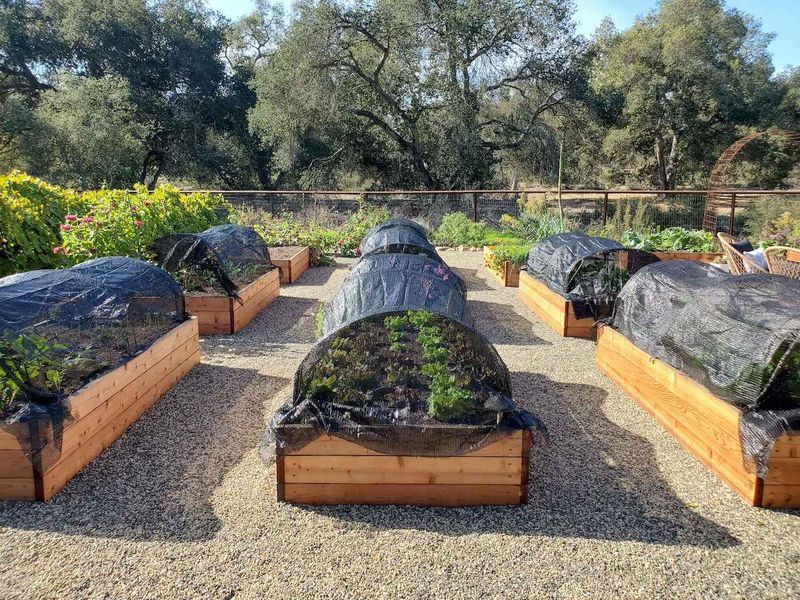
Not every plant in your garden handles full afternoon sun well during a Pennsylvania heat wave. Tomatoes, peppers, and leafy greens are especially vulnerable when temperatures climb above 90 degrees Fahrenheit.
Even tomatoes, which love warmth, can stop setting fruit when daytime heat gets too intense for too long.
Shade cloth is a practical and affordable solution. A lightweight shade cloth rated at 30 to 40 percent shade reduction can make a noticeable difference for stressed plants.
You can drape it over simple wire hoops or a basic frame made from PVC pipe. It blocks the harshest afternoon rays while still letting in enough light for photosynthesis to continue at a healthy pace.
Wilting during peak afternoon heat does not always mean a plant is in serious trouble. Plants sometimes wilt midday as a natural response to high temperatures, then recover on their own by evening.
But repeated wilting day after day wears plants down over time. Afternoon shade helps reduce how often and how severely plants experience that kind of stress.
Leafy greens like lettuce and spinach benefit the most from shade during July. Even if they have already started to bolt, some shade can slow the process and extend your harvest window by a week or two.
That extra time is worth the small effort of setting up a shade structure. Planting taller crops like corn or sunflowers on the south or west side of smaller plants is a natural way to create afternoon shade without any extra materials at all.
5. Stop Overfeeding In Hot Weather
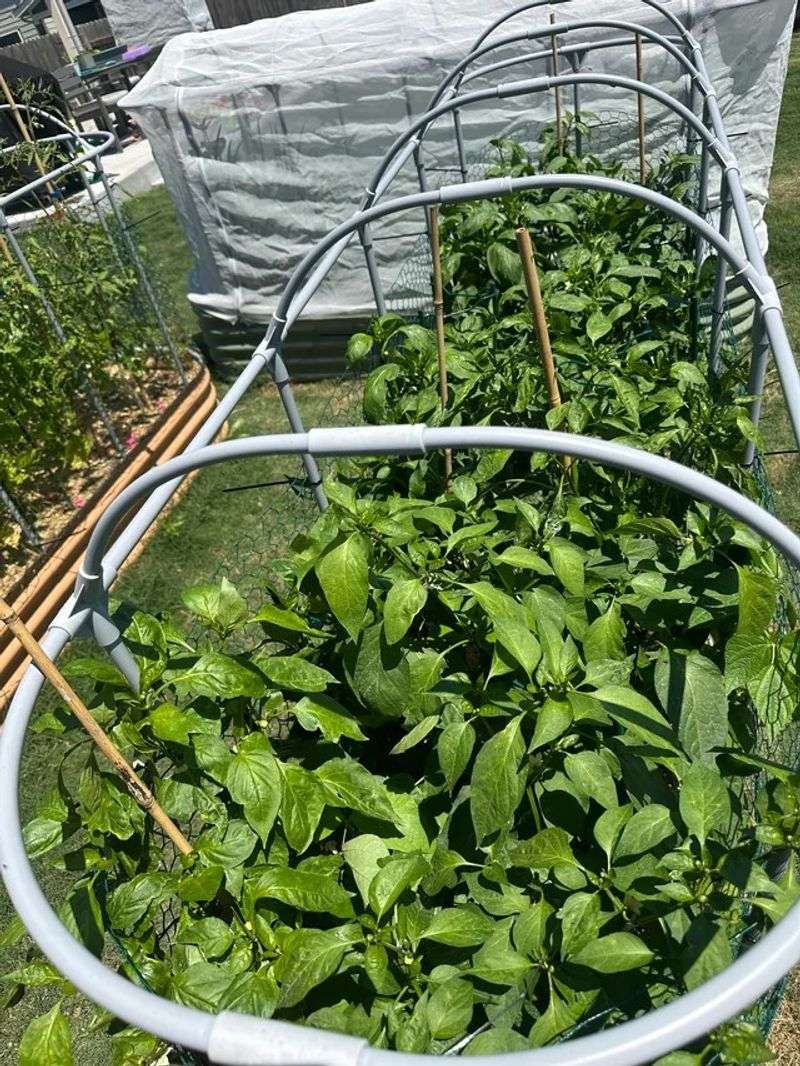
More fertilizer does not always mean more vegetables. During July heat, overfeeding your plants can actually backfire in a big way.
Hot weather slows down the natural processes inside plants, including their ability to use nutrients efficiently.
Pushing fertilizer into stressed soil during a heat wave can make things worse, not better. Excess nitrogen is the biggest offender. Nitrogen encourages lush, leafy growth.
That sounds good until you realize that all that extra foliage comes at the expense of flowers and fruit. If your tomato plants look huge and green but are not producing much fruit, too much nitrogen during summer is often the reason.
High nitrogen levels also attract more aphids and other soft-bodied pests that love to feed on tender new growth.
A plant that is pushing out lots of soft leaves in July becomes a magnet for pest pressure at exactly the time when it can least afford it. Reducing fertilizer input helps the plant focus its energy on what you actually want from it.
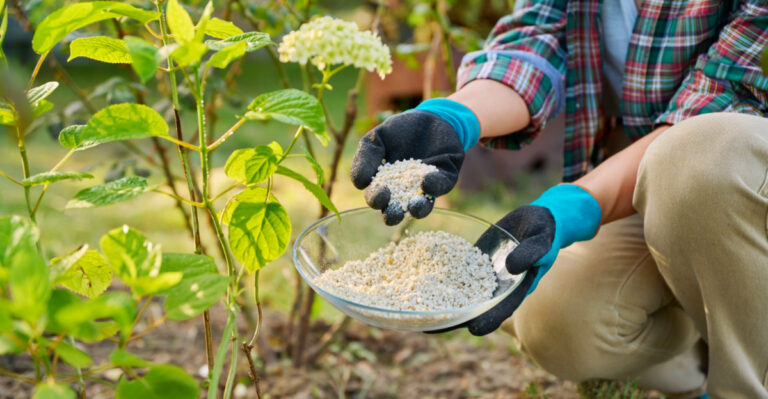
Light feeding with a balanced, slow-release fertilizer is a smarter approach during summer heat. Products with a lower nitrogen ratio and higher phosphorus and potassium content support root health and fruit development without triggering a flush of weak, leafy growth.
Always water well before and after applying any fertilizer during hot weather. A simple soil test from Penn State Extension can tell you exactly what your garden needs.
Testing takes the guesswork out of feeding and helps you avoid both overfeeding and underfeeding throughout the growing season.
6. Remove Struggling Cool-Season Crops
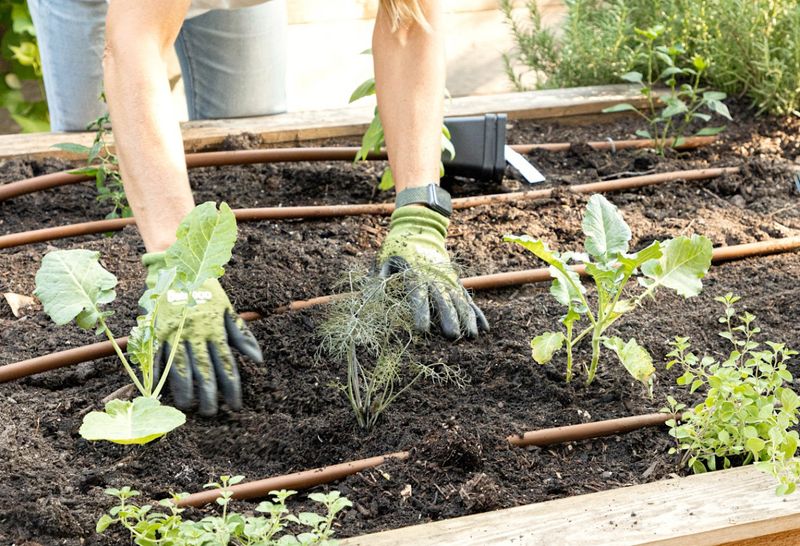
Lettuce, spinach, and peas had a great run in spring. But July in Pennsylvania is simply not their season.
Once temperatures climb and days grow long, these cool-season crops bolt quickly. Bolting means the plant shifts its energy from producing edible leaves or pods to making seeds. The leaves turn bitter, the plants look ragged, and the harvest window closes fast.
Leaving spent cool-season crops in the ground is a common mistake. Old, struggling plants create hiding spots for pests like aphids, spider mites, and slugs.
They can also harbor fungal diseases that spread to nearby healthy plants. Pulling them out promptly is one of the simplest ways to reduce pest and disease pressure in your summer garden.
Clearing out finished crops also opens up valuable bed space. That space does not have to sit empty for long.
July is actually a prime time to prepare beds for fall planting. Broccoli, kale, carrots, and beets all do well when started in late summer for a Pennsylvania fall harvest.
After removing old plants, add a couple of inches of compost to the cleared bed. Work it lightly into the top few inches of soil.
This refreshes the nutrient levels that the spring crop used up and gives your fall vegetables a healthy start right from the beginning.
Removing spent plants feels a little sad at first, especially if you loved your spring garden. But think of it as making room for the next chapter of your garden season rather than losing something you worked hard to grow.
7. Start Planning The Fall Garden Early
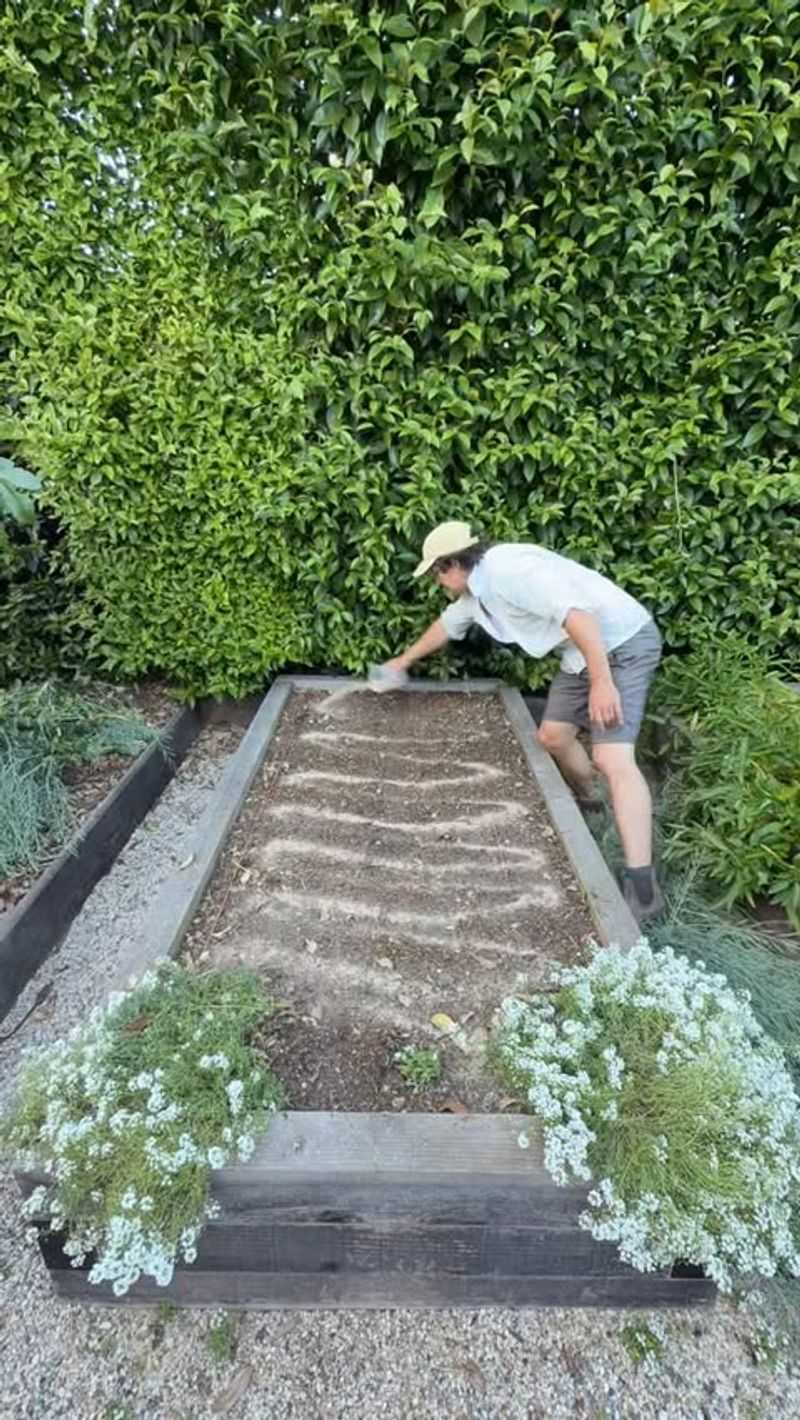
July feels like the middle of summer, but smart Pennsylvania gardeners know it is also the beginning of fall garden planning season.
Starting your fall garden planning in July gives you enough lead time to get seeds started, beds prepared, and transplants in the ground before the window for fall crops closes.
Pennsylvania’s first frost typically arrives somewhere between late September and mid-October depending on your region.
Many fall crops need to be started from seed in late July or early August to be ready for harvest before frost arrives. Broccoli, cauliflower, kale, Brussels sprouts, and cabbage all fall into this category.
Starting them too late means they will not have enough time to mature. A little planning in July makes all the difference for a productive fall harvest.
Preparing beds in July is easier than waiting until fall when you are busier and the weather is more unpredictable. Clear finished crops, add compost, and let the bed rest for a week or two before planting fall seedlings.
That rest period gives the soil microbes time to break down the compost and create a healthy growing environment.
Root vegetables like carrots, beets, and radishes can be direct sown into garden beds in late July or early August. They grow quickly and handle light frost well, which makes them perfect candidates for extending your harvest season well past summer.
Keeping a simple garden journal helps you track what you planted, when you planted it, and how it performed. That information is incredibly useful for making better decisions in future seasons and avoiding the same July slowdowns year after year.