The Pennsylvania Garden Borders Deer Walk Right Past Without Stopping
Deer pressure in Pennsylvania is a year-round frustration for gardeners, but it peaks at exactly the moments that hurt most, right when perennials are coming in strong, annuals are freshly planted, and the garden is finally starting to look the way you intended.
Fencing is effective but expensive and changes the look of a yard entirely. Repellent sprays work until they get washed off or the deer get used to them.
What holds up more consistently is building borders around plants that deer find genuinely unappealing, ones they will walk right past without pausing.
It is not about planting things deer will never touch under any circumstances, because hungry deer will sample almost anything. It is about making your yard consistently less interesting to them than whatever is growing somewhere else.
Pennsylvania has a strong selection of border plants that fit that description, and several of them are beautiful enough to be worth growing regardless of the deer situation.
1. Lavender
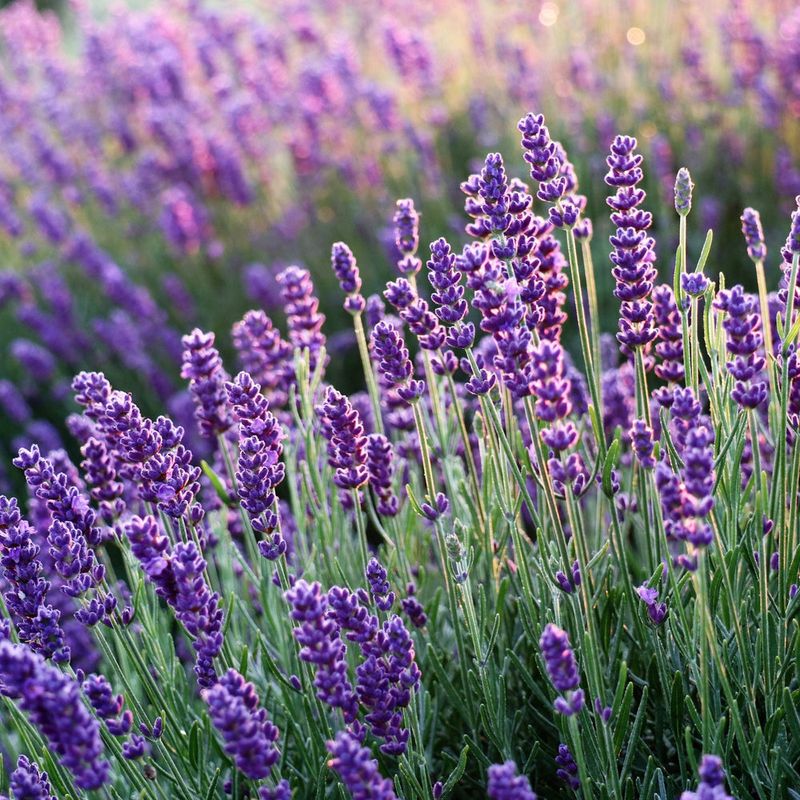
Walk past a lavender plant on a warm afternoon, and you will immediately understand why deer want nothing to do with it. The scent is powerful, almost overwhelming, and that is exactly the point.
Deer rely heavily on their sense of smell, and lavender’s strong essential oils send a clear message to stay away.
Lavender thrives in Pennsylvania’s sunny spots with well-drained soil. It does not love soggy ground, so raised beds or sloped areas work really well.
Once it gets established, it is surprisingly low-maintenance and comes back year after year without much fuss.
Beyond keeping deer away, lavender is genuinely beautiful. The tall purple spikes bloom from late spring into summer and attract bees and butterflies like crazy.
Planting it along a garden border gives you a soft, cottage-garden look that feels welcoming and relaxed.
There are several varieties that do well in Pennsylvania, including Hidcote and Munstead. Both stay compact and handle cold winters better than some other types.
They top out around 18 to 24 inches, which makes them perfect for front-of-border planting.
One extra tip: do not cut lavender all the way back in fall. Leave a few inches of woody stem so the plant has energy to push through the cold.
In spring, trim it back lightly to encourage fresh new growth and another season of those gorgeous blooms that deer will keep walking right past.
2. Catmint
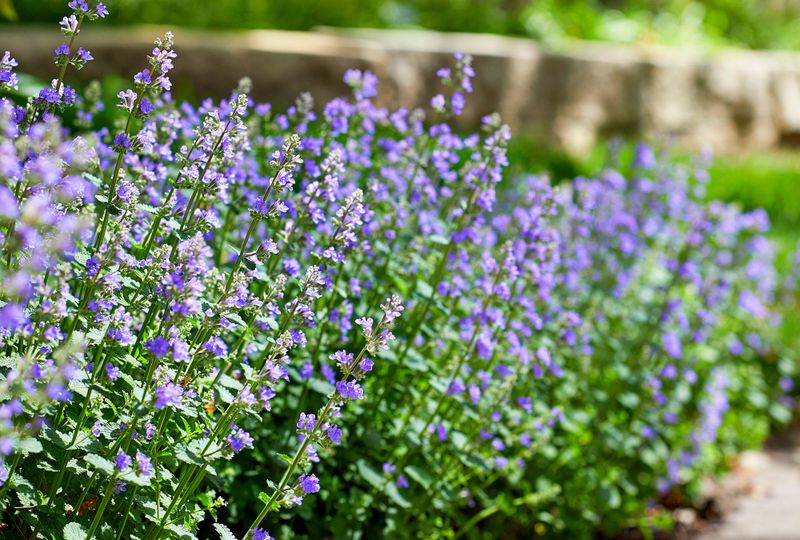
Catmint has a secret weapon that most people overlook. Yes, cats love rolling around in it, but deer?
They want absolutely nothing to do with it. The plant releases a minty, slightly sharp fragrance that deer find deeply unappealing, which makes it one of the most reliable border plants you can choose.
What makes catmint especially useful is how it grows. It forms soft, mounding clumps that spill gently over the edges of paths and beds.
The blue-purple flowers bloom heavily in late spring, then take a brief break before blooming again in late summer if you cut it back after the first flush. That kind of repeat performance is hard to beat.
Your Pennsylvania Garden Changes Every Week. Your Plan Should Too.
Gardening in Pennsylvania changes quickly throughout the season. Every Friday you’ll receive a simple weekly plan showing exactly what to plant, prune, fertilize, harvest, and protect so you never miss the right timing.
Pennsylvania summers can get hot and dry, and catmint handles that like a champ. It does not need much water once it is established, and it actually prefers lean soil over rich, fertilized ground.
Overfeeding it makes it flop and sprawl more than you want. For borders, Walker’s Low is one of the most popular varieties. Despite the name, it grows about two to three feet tall and wide, creating a generous mound of color.
It pairs beautifully with roses, ornamental grasses, and taller perennials in the back of the bed. Catmint is also a pollinator magnet. Bees absolutely swarm it during bloom time.
Planting a long stretch of catmint along a sunny border does double duty by keeping deer away and feeding the local bee population all season long.
3. Bee Balm
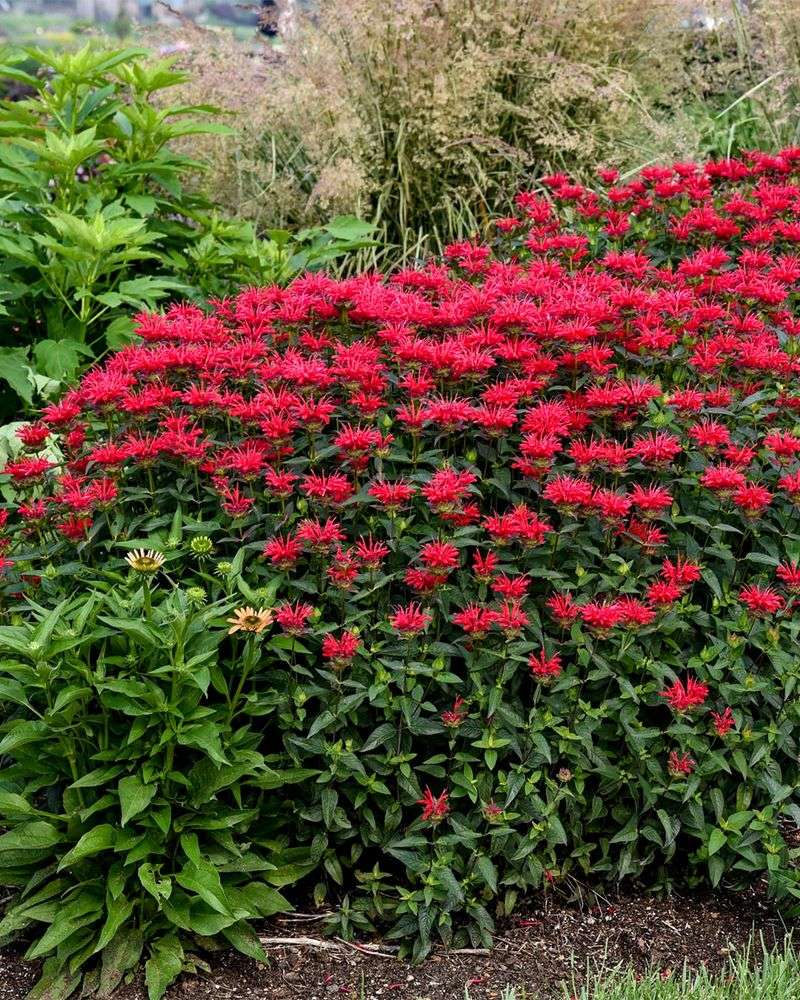
Bee balm is one of those plants that looks too pretty to be tough, but do not let the showy flowers fool you. This plant is a powerhouse.
It belongs to the mint family, and like all its minty relatives, it produces oils that make deer wrinkle their noses and move along.
The fragrance is bold and herbal, almost like a cross between oregano and mint. Rub a leaf between your fingers and you will get a strong whiff of it right away.
That same scent that makes it interesting to humans is exactly what makes it unattractive to browsing deer looking for a quick snack.
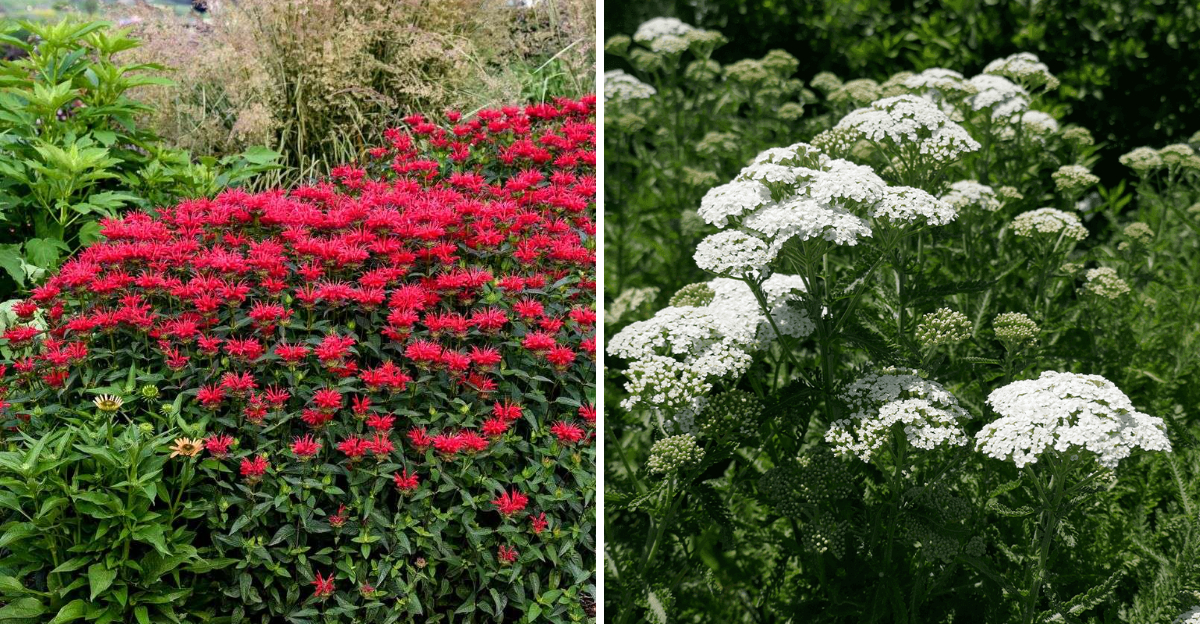
Bee balm blooms in midsummer with dramatic, shaggy flowers in red, pink, purple, and white. Hummingbirds go absolutely wild for it.
Planting it along a border not only helps with deer pressure but turns your yard into a mini wildlife sanctuary during the hottest months of the year.
In Pennsylvania, bee balm does best in full sun to partial shade with consistent moisture. It spreads by underground runners, so give it room or plan to divide it every few years to keep it from taking over. Division actually keeps it blooming more vigorously anyway.
Powdery mildew can be an issue in humid summers, so look for mildew-resistant varieties like Jacob Cline or Raspberry Wine.
These hold up much better through Pennsylvania’s sticky July and August weather while still delivering those spectacular blooms that make the whole border look alive.
4. Russian Sage
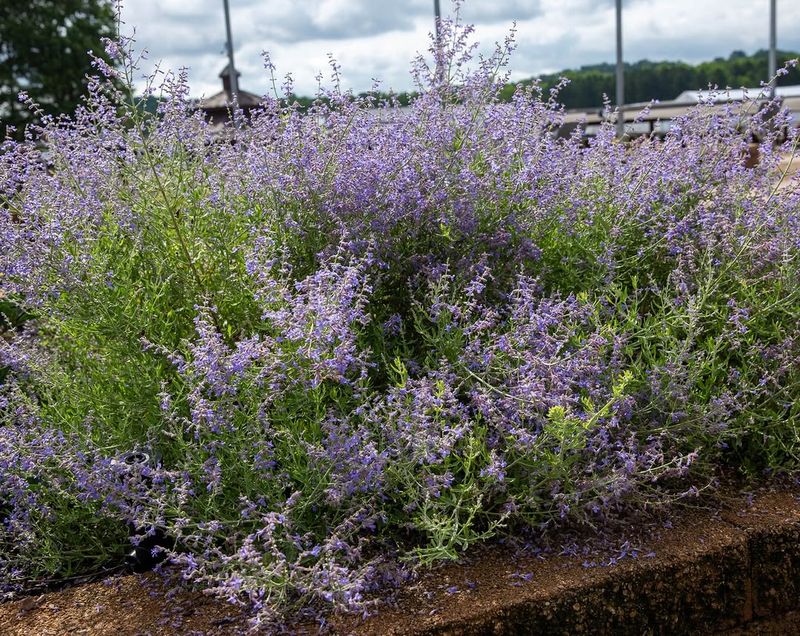
Russian sage looks like something out of a painting. Its tall, airy stems are covered in tiny lavender-blue flowers that create a hazy, dreamy effect in the late summer garden.
But beyond the looks, this plant has a smell that deer find genuinely off-putting, which is exactly why it earns a spot on this list.
The scent is sharp and herbal, similar to sage but with a slightly medicinal edge. Deer have sensitive noses, and plants with strong, unfamiliar odors tend to get skipped.
Russian sage fits that description perfectly. It is not a plant most deer bother twice. Growing Russian sage in Pennsylvania is straightforward. It needs full sun and well-drained soil.
It hates wet feet, so avoid low spots that collect water after rain. Once established, it is extremely drought-tolerant and rarely needs watering, even during dry Pennsylvania summers.
The plant can get three to five feet tall, which makes it ideal for the middle or back of a border. Its silver-white stems and blue flowers pair beautifully with yellow coneflowers, orange daylilies, or deep purple salvia.
The color combinations are stunning and require very little effort to maintain. Cut Russian sage back hard in early spring, right down to about six inches from the ground. New growth will push up quickly once temperatures warm.
This keeps the plant looking tidy and prevents it from getting too woody and open in the center over time. It is a reliable, beautiful, and deer-resistant choice for any Pennsylvania border.
5. Yarrow
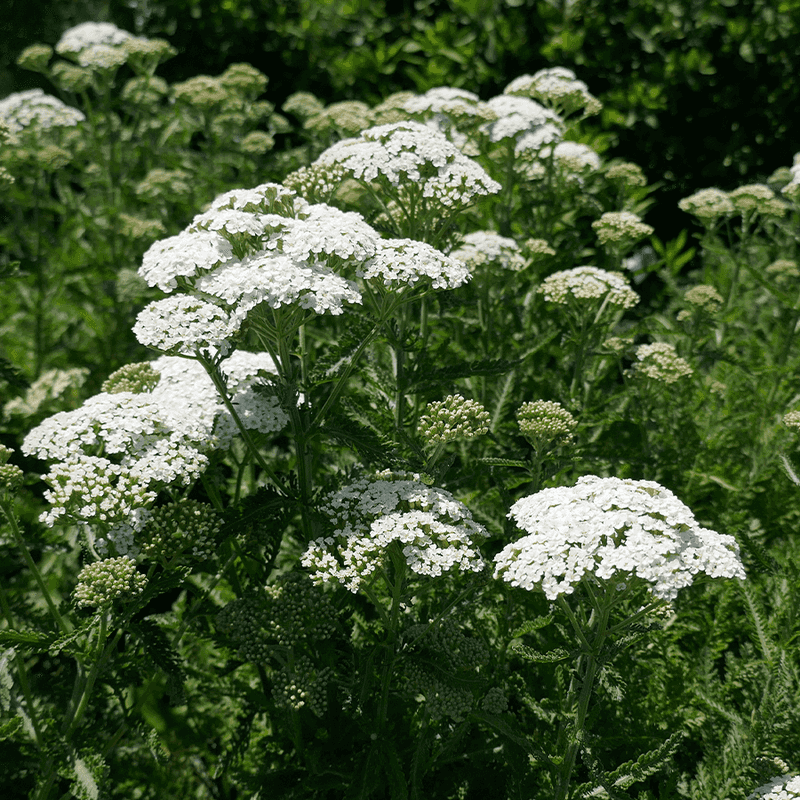
Yarrow has been growing wild along Pennsylvania roadsides for centuries, and there is a good reason deer do not bother it out there either. The leaves have a strong, slightly bitter, almost medicinal scent that is unappealing to browsing animals.
Combined with the rough, feathery texture of the foliage, yarrow sends a clear message that it is not worth stopping for.
As a garden border plant, yarrow brings a lot to the table. It blooms in flat-topped clusters of tiny flowers in colors ranging from white and yellow to deep red and coral pink.
The blooms last for weeks and attract all kinds of beneficial insects, including native bees and predatory wasps that help control garden pests naturally.
One of yarrow’s best qualities is its toughness. It handles poor soil, drought, and heat without complaint.
Pennsylvania’s clay-heavy soils can be challenging for many plants, but yarrow adapts well. In fact, overly rich soil makes it flop and grow too tall, so skipping the fertilizer is actually the right move here.
Yarrow spreads over time, forming wide clumps that fill in gaps along a border nicely. Divide it every two to three years to keep it vigorous and prevent it from crowding out neighboring plants.
The divisions transplant easily, so you can spread it to new areas of the garden without spending a dime.
For borders, Moonshine is a classic variety with bright yellow flowers and silvery foliage. Paprika and Cerise Queen offer warmer tones that pop beautifully against green foliage through the long Pennsylvania summer season.
6. Daffodil
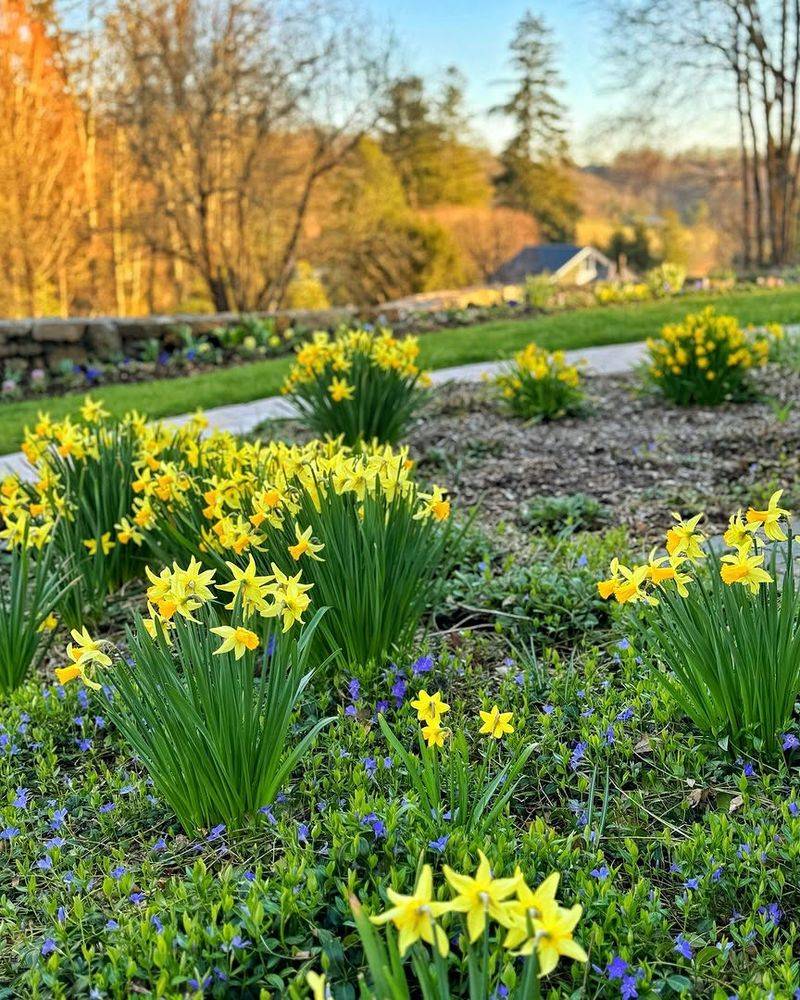
Every spring, daffodils push up through cold Pennsylvania soil and put on one of the most cheerful shows in the garden. And while deer happily munch on tulips and crocuses nearby, they leave daffodils completely alone.
The reason is simple: daffodils contain toxic alkaloids throughout the entire plant, and deer instinctively avoid them.
This makes daffodils one of the most reliable deer-resistant choices you can plant. Unlike scent-based deterrents that might lose effectiveness over time, the natural compounds in daffodils are a consistent reason for deer to pass them by without hesitation.
Once you plant them, you can count on them to come back every spring without getting browsed.
Daffodils are also incredibly easy to grow. Plant the bulbs in fall, about six inches deep and six inches apart, in a spot that gets at least six hours of sun.
They are not picky about soil as long as it drains well. After blooming, let the foliage die back naturally so the bulbs can store energy for next year.
For borders, mixing early, mid, and late-season varieties extends the bloom time from March well into May.
Try combining large-cupped varieties like Carlton with small, fragrant types like Jetfire or Tete-a-Tete for a layered, long-lasting display that lights up the front of the bed.
Daffodils also naturalize beautifully, meaning they multiply slowly over the years and fill in on their own. A border that looks sparse at first will become thick and lush over time with almost no extra effort from you at all.
7. Mountain Mint
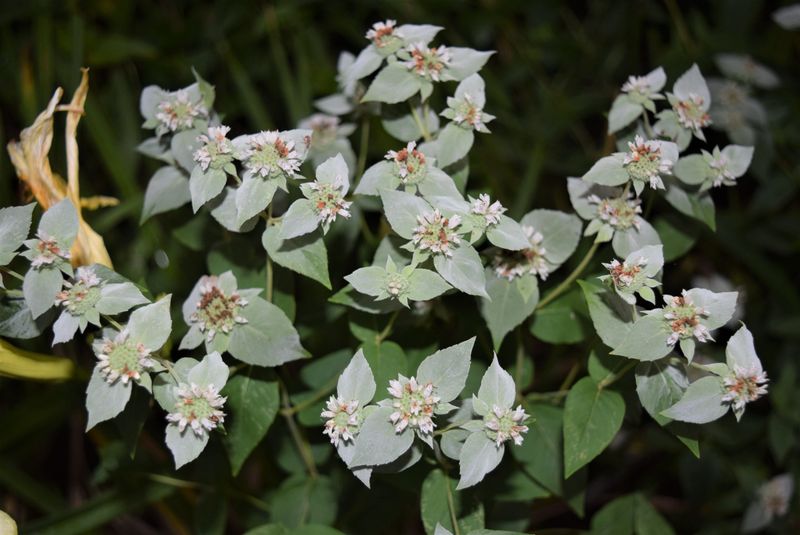
If you have ever walked past a patch of mountain mint on a warm day, you know exactly how strong the smell is. It hits you from several feet away, sharp and clean and intensely minty.
That is not an accident. Mountain mint is loaded with aromatic oils, and those oils are a major reason deer consistently avoid it.
What makes mountain mint especially exciting for Pennsylvania gardeners is that it is actually native to the region. That means it is perfectly adapted to local rainfall, soil types, and temperature swings.
It does not need babying, and it will not struggle through a tough summer or a hard winter the way non-native plants sometimes do.
The flowers are small and white with tiny purple spots, which might not sound flashy, but the effect in the garden is lovely. More importantly, mountain mint is one of the top pollinator plants you can grow.
Research has shown it attracts more bee species than almost any other native plant, making it an ecological powerhouse in a compact package.
Mountain mint spreads by underground runners, similar to other mint-family plants. In a border setting, you can contain it by dividing it regularly or by planting it in an area where spreading is welcome.
It works well along naturalistic borders or cottage-style beds where a full, lush look is the goal.
Virginia Mountain Mint and Clustered Mountain Mint are two varieties that perform especially well in Pennsylvania.
Both stay manageable in size, topping out around two to three feet, and both deliver that knockout fragrance that keeps deer moving right along without stopping.