The One Thing You Must Do To Keep North Carolina Passion Vine From Taking Over
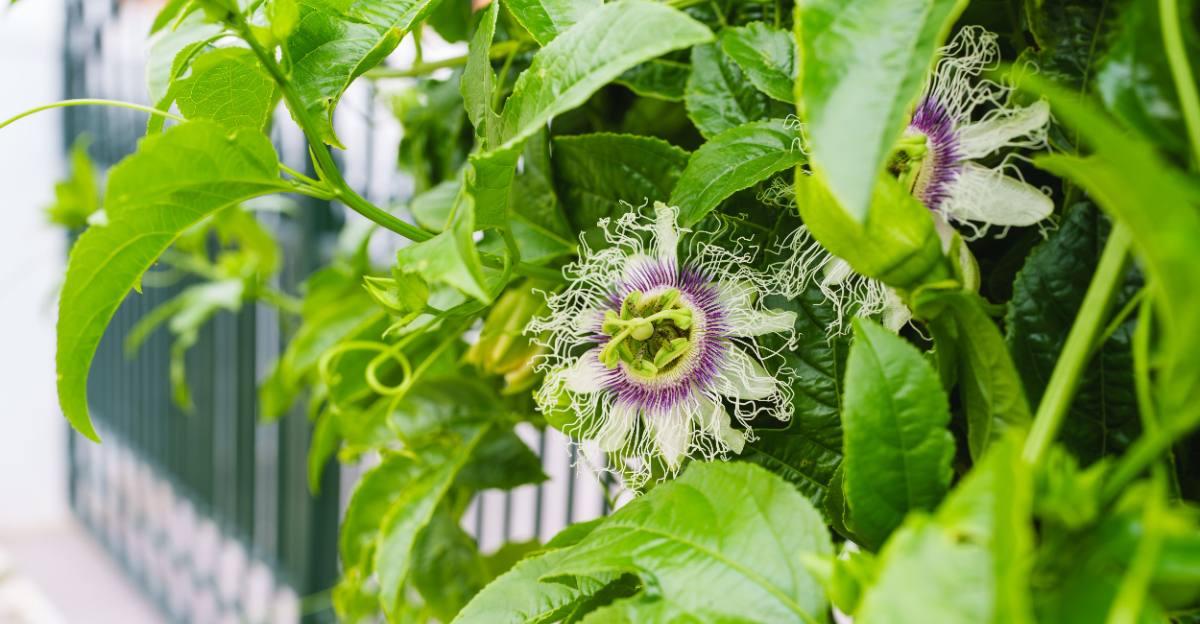
Passion vine is one of those plants that makes you fall in love fast. The flowers are unlike anything else in a North Carolina garden, intricate and almost tropical-looking, showing up reliably through the heat of summer.
Then it starts to spread. What began as one well-behaved vine quietly sends out runners, climbs into nearby shrubs, threads itself through fences, and pops up in places you never planted it.
Passion vine doesn’t creep. It moves with real purpose. Left alone through a couple of growing seasons, it can swallow structures and crowd out everything around it. The good news is that keeping it manageable isn’t complicated.
It comes down to one consistent habit, done at the right time, that keeps the plant looking intentional rather than like something that escaped from a science experiment.
1. Cut Back Underground Runners Regularly
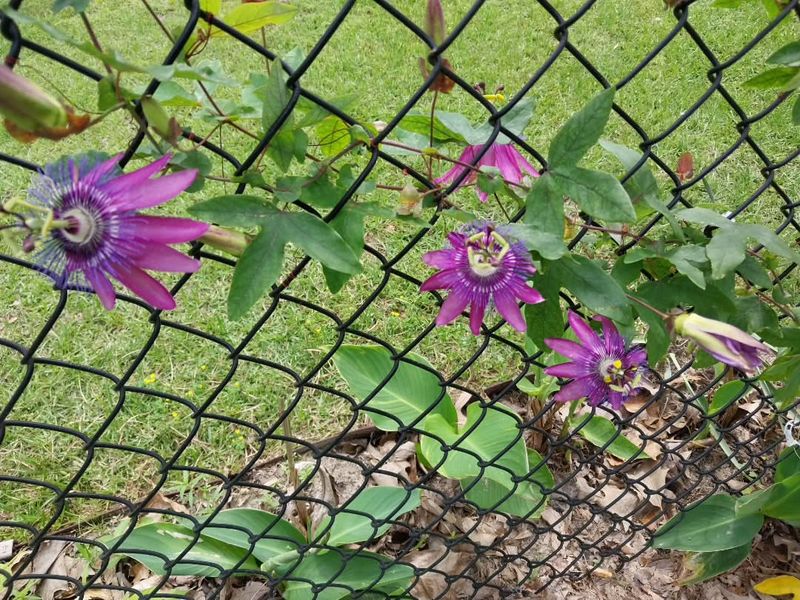
Picture waking up one morning to find vines creeping across your lawn where there were none the day before. That is not a nightmare scenario for North Carolina gardeners who grow maypop passion vine.
It is just Tuesday. The native Passiflora incarnata is a vigorous spreader that sends out underground rhizomes, and those rhizomes push up new shoots several feet away from the original plant before you even realize what is happening.
Cutting back underground runners is the single most important thing you can do to keep this vine under control. Grab a pair of sturdy garden gloves and a sharp hand trowel or garden spade, then trace the runner back toward its source as far as you can reach.
Snipping or pulling the runner near its base is far more effective than just removing the tip of the new shoot above ground.
Doing this every two to three weeks during the growing season from late spring through early fall makes a massive difference. North Carolina summers are warm and humid, which means the vine grows fast and runners can pop up almost weekly.
Staying consistent with your runner checks prevents the vine from establishing a wide underground network that becomes increasingly tough to manage over time.
The good news is that removing runners does not harm the main plant at all. The original vine stays healthy and continues blooming beautifully.
You get all the gorgeous flowers and the butterfly traffic without sacrificing your entire garden bed to an unstoppable green takeover.
2. Passion Vine Spreads Far Beyond The Original Plant
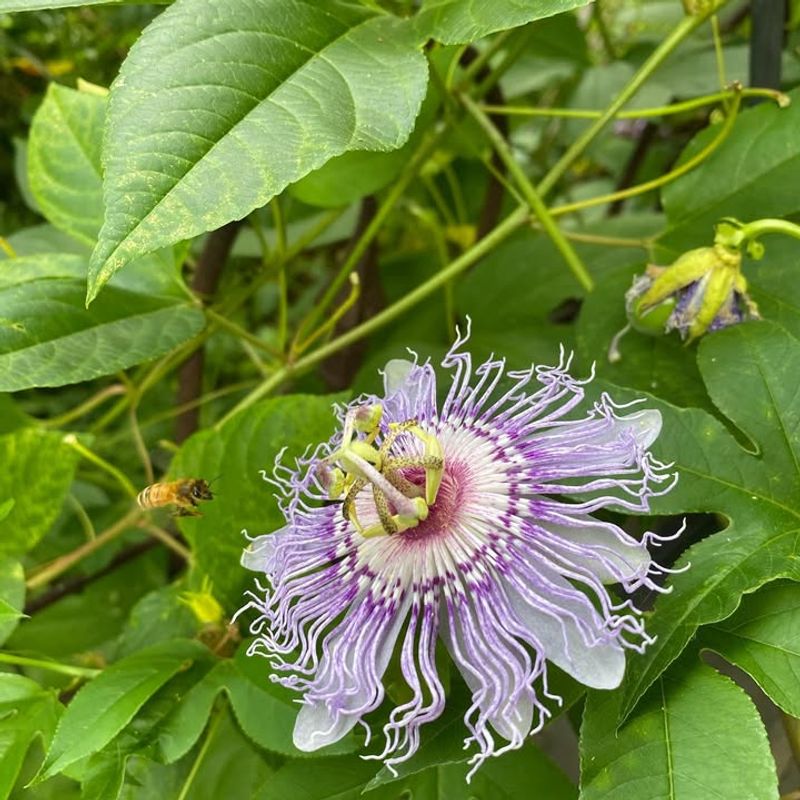
Most people plant passion vine expecting it to stay politely in one spot. Then, a season later, they find it growing through the neighbor’s fence, popping up in the vegetable bed, and threading through the rose bushes.
Maypop passion vine is famously adventurous underground, and its spreading habit is one of the most surprising things about growing it in the Southeast.
The vine spreads through a network of underground rhizomes that can travel three to six feet or more from the original planting site in a single season. These rhizomes are tough, fibrous, and surprisingly long-lived in the soil.
Your North Carolina Garden Changes Every Week. Your Plan Should Too.
Gardening in North Carolina changes quickly throughout the season. Every Friday you’ll receive a simple weekly plan showing exactly what to plant, prune, fertilize, harvest, and protect so you never miss the right timing.
Even after you remove a shoot above ground, the underground portion can remain active and send up new growth the following week if you do not address the root system directly.
Understanding this spreading behavior helps you garden smarter from the start. When you first plant passion vine, choose a location where it has room to roam or where you can easily monitor its edges.
Planting it near a fence line, a mowed lawn, or a hard border like a driveway gives you a natural checkpoint for spotting new runners early before they travel too far.
Knowing that spread is normal and expected takes the stress out of growing this plant. Passion vine is not misbehaving when it spreads.
It is just doing what it evolved to do across the open meadows and roadsides of North Carolina. Your job is simply to set the boundaries and check in regularly to keep things tidy.
3. New Shoots Can Appear In Nearby Lawns And Beds
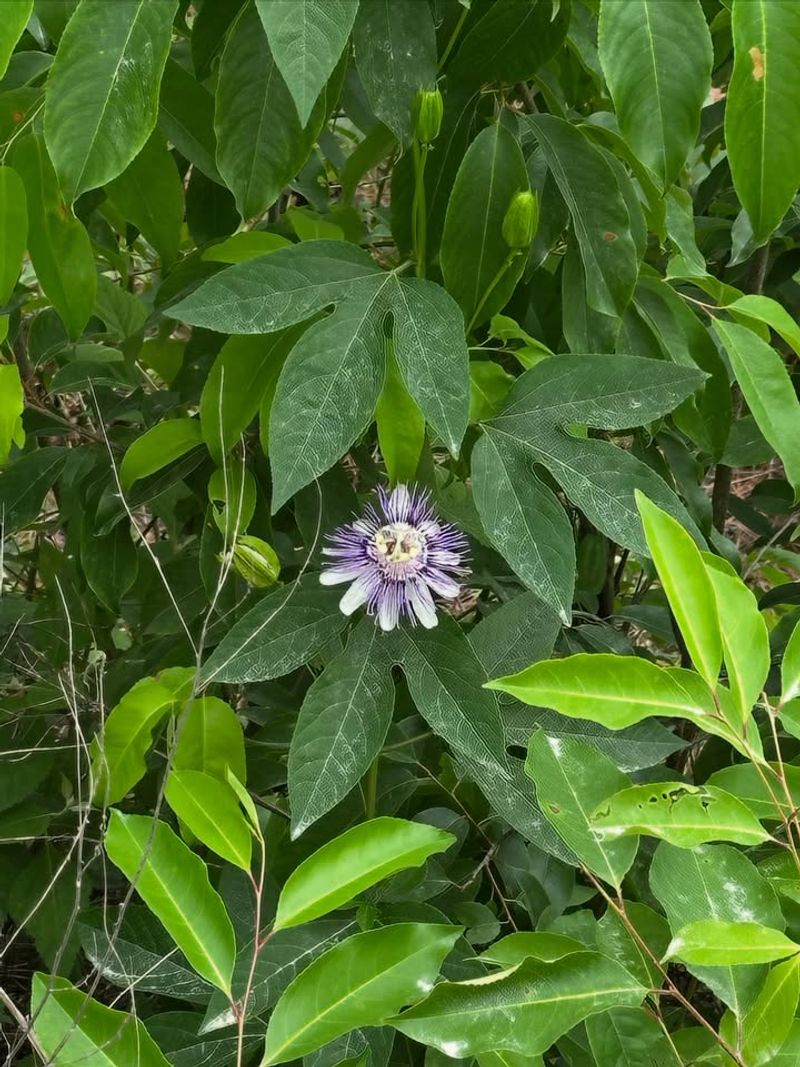
One of the quirkiest surprises passion vine delivers is its ability to show up in places you never expected. You might spot a small, delicate-looking sprout pushing through a thick layer of mulch three feet from the main plant.
Or you might notice a slender green stem threading its way up through your lawn grass, looking almost innocent. Do not be fooled by how small and harmless it looks.
Those tiny new shoots are connected to an underground runner that is already on the move. If you ignore a new sprout for even two or three weeks, it can develop its own root system and become significantly harder to remove cleanly.
Early action is always easier and more effective than trying to untangle a mature runner that has settled into the soil and started branching.
Walking your garden beds and lawn edges every week or two during summer is the best habit you can build. Bring a hand trowel so you can trace each sprout back along its runner and remove as much of the underground stem as possible.
Even if you cannot get the entire root, removing the above-ground growth consistently weakens the runner over time and eventually discourages it from resprouting in that spot.
Mulching garden beds thickly can slow down sprout emergence slightly, but it will not stop determined passion vine runners entirely. The vine is resourceful and persistent.
Staying observant and responding quickly when you spot new shoots is genuinely the most reliable strategy you have in your corner throughout the growing season.
4. Warm North Carolina Summers Speed Up Growth
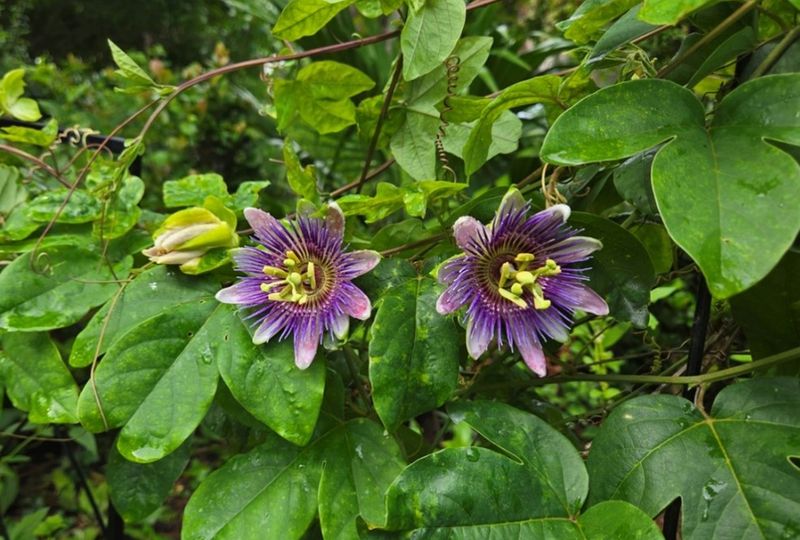
North Carolina summers are no joke. The combination of heat, humidity, and long sunny days creates growing conditions that passion vine absolutely thrives in.
What might be a slow spreader in a cooler climate becomes a full-on growth machine once July temperatures roll in across the Piedmont and coastal plain.
Gardeners who plant passion vine for the first time in spring are often genuinely shocked by how much the plant has expanded by August.
Warm soil temperatures are a big part of why growth accelerates so dramatically in summer. Underground rhizomes stay active and push out new runners much faster when the soil is consistently warm.
Research on native Passiflora incarnata confirms that rhizome growth is most vigorous between late June and early September in the Southeast, which lines up perfectly with North Carolina’s hottest stretch of the year.
This means your runner-control schedule needs to be most active during those months. Checking for new growth every ten days to two weeks from June through September will keep you ahead of the vine’s most aggressive spreading phase.
Scaling back to monthly checks in spring and fall, when temperatures are cooler and growth slows naturally, is a reasonable approach once you have the main plant established.
Hot summers also mean the vine produces more flowers and more fruit during peak season, which is a real reward for staying on top of maintenance.
The more you manage the runners, the more energy the plant channels into blooming above ground instead of spreading below it. Consistent summer care truly pays off in the most beautiful way.
5. Ignoring Runners Makes Removal Much Harder Later
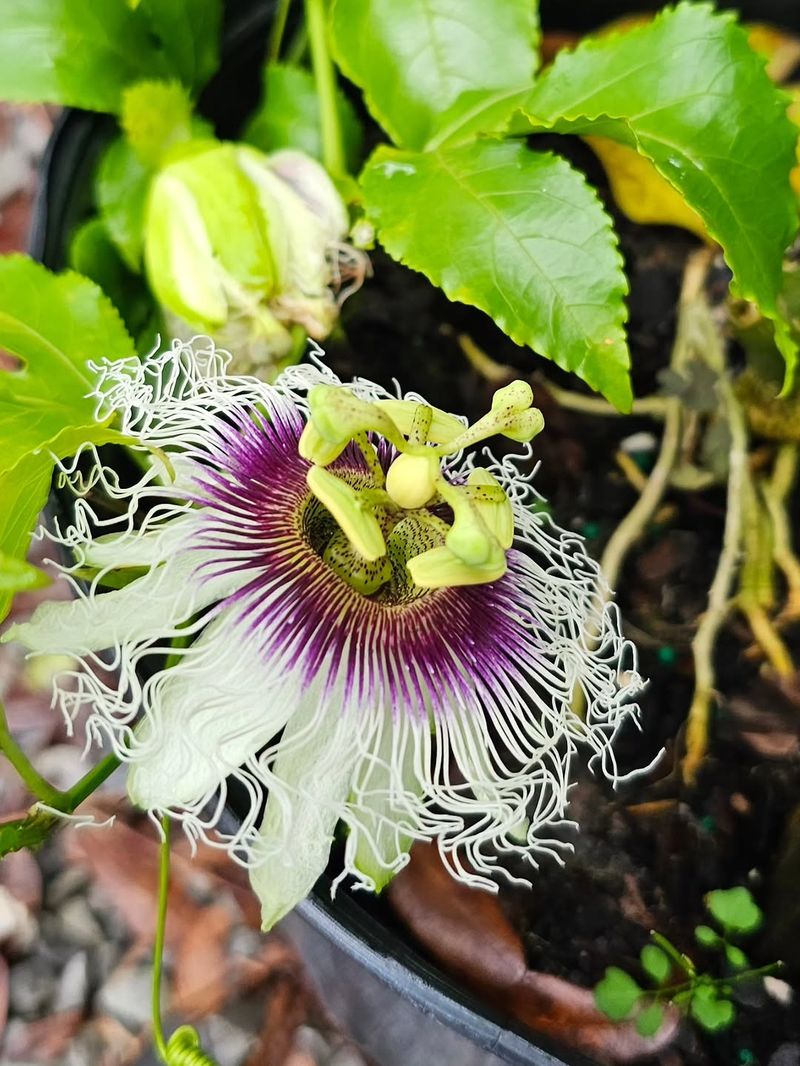
Here is an honest truth that experienced gardeners will tell you: the longer you wait to address passion vine runners, the more work you create for yourself down the road.
What starts as a manageable task of pulling a few sprouts each week can snowball into a major project if you skip maintenance for even one full season.
Passion vine is patient, persistent, and very good at establishing itself while you are not looking.
When runners go unchecked for months, they develop thicker root systems and branch out into multiple new shoots. A single ignored runner from June can turn into a cluster of five or six new stems by September.
Each of those stems begins to harden and develop its own fibrous root system, which makes clean removal progressively more difficult and time-consuming as summer wears on.
Removing a well-established runner network from a garden bed often means disturbing nearby plants, digging up chunks of soil, and still leaving behind root fragments that will resprout the following season.
The process is frustrating and can take multiple seasons of persistent follow-up before the vine retreats back to its original boundaries. Staying ahead of it from the beginning is genuinely the smarter and easier path.
Think of regular runner control like weeding. Nobody loves doing it every week, but everyone appreciates how much easier the garden is to manage when it stays consistent.
A quick ten-minute walk-through every two weeks during summer is all it takes to prevent a small spreading habit from turning into a full-scale garden takeover that consumes your weekends.
6. Root Barriers Can Help In Small Gardens
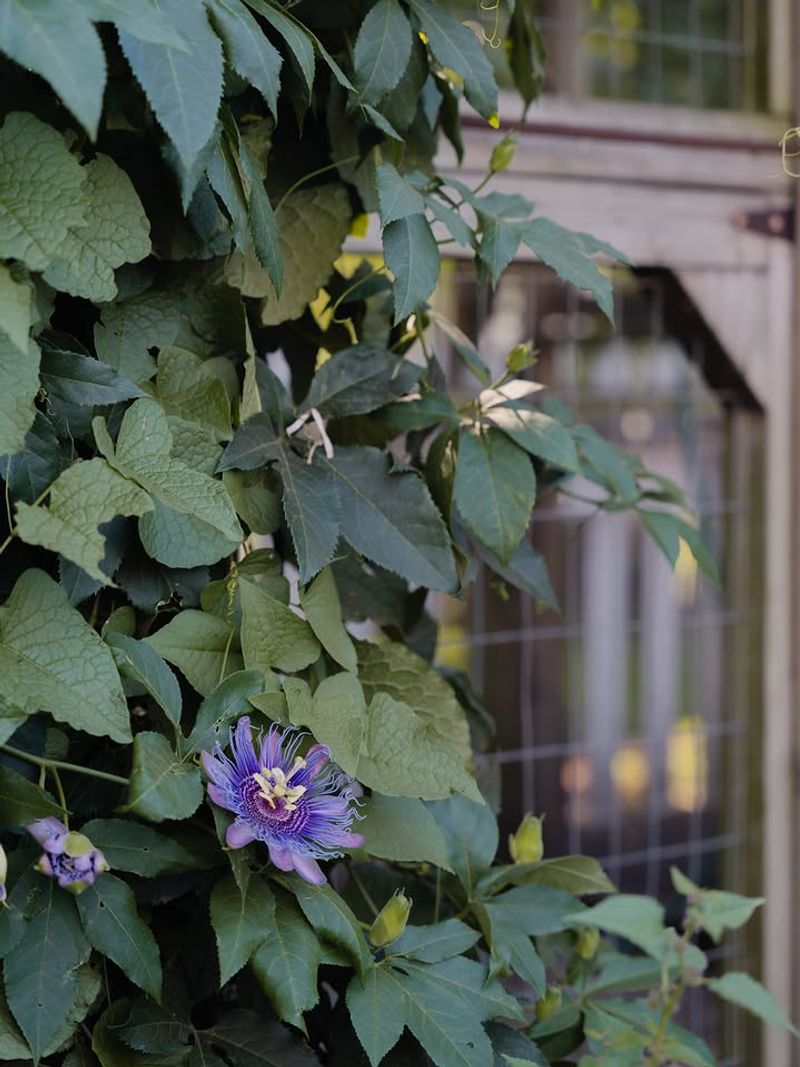
Small gardens require smart solutions, and when it comes to passion vine, a physical root barrier can be one of the most practical tools in your containment toolkit.
If you are working with a compact backyard, a raised bed near a patio, or a garden bordered by a lawn you care about keeping tidy, a root barrier gives you a physical line that underground runners simply cannot cross without intervention.
Root barriers are typically made from heavy-duty polyethylene or metal sheeting and are buried vertically in the soil to a depth of at least twelve to eighteen inches.
That depth matters because passion vine rhizomes travel horizontally near the soil surface, usually within the top six to twelve inches of ground.
A barrier that goes deep enough will redirect or stop runners before they escape the planting zone.
Installing a root barrier works best when you do it at the time of planting rather than trying to retrofit one around an already-established vine. Retrofitting requires careful digging around existing roots and risks disturbing the main plant.
Starting fresh with a barrier in place saves you significant effort and keeps the vine neatly contained from day one.
Root barriers are not a total substitute for regular runner checks, though. Runners can sometimes find gaps at the barrier edges or travel just above the barrier if it is not deep enough.
Pairing a root barrier with periodic monitoring gives you the most reliable containment system for small spaces. Together, these two strategies make growing passion vine in a tight garden genuinely manageable and enjoyable.
7. Cutting Back New Shoots Early Works Better Than Waiting
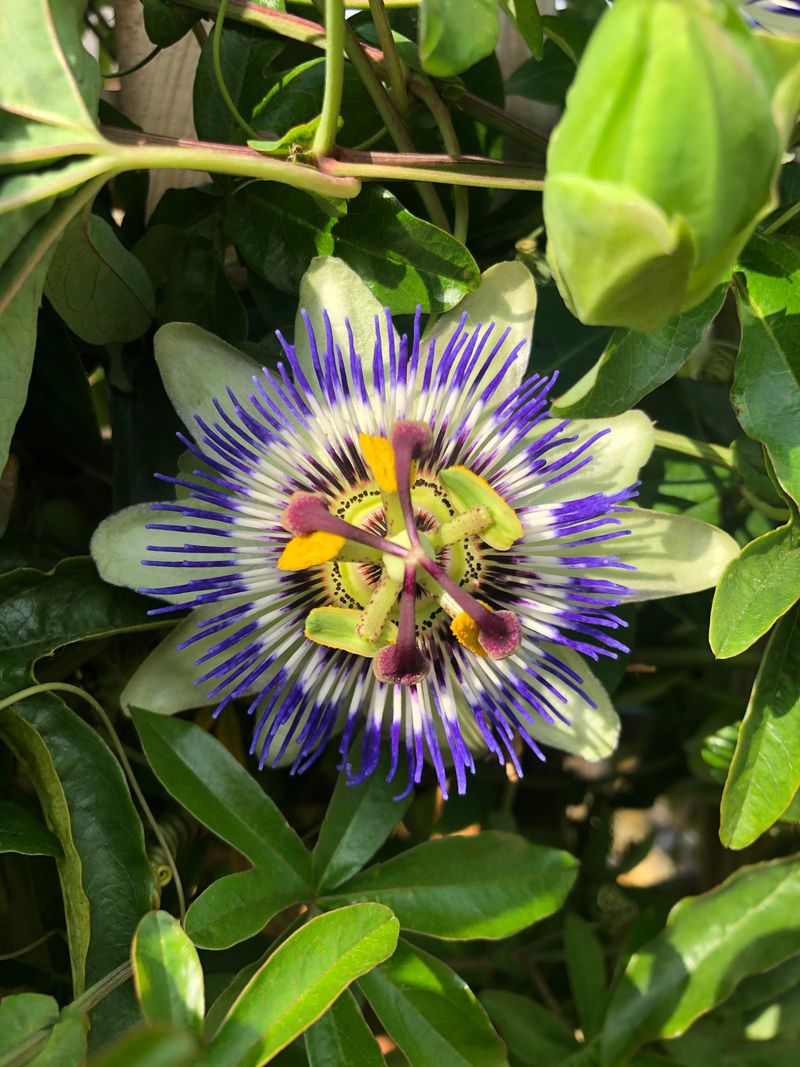
Timing is everything in gardening, and with passion vine runners, catching them early is not just helpful, it is genuinely the most effective strategy you have.
A new shoot that is two inches tall and freshly emerged from the soil is easy to remove in about ten seconds with a hand trowel.
That same shoot, left alone for three weeks, becomes a foot-tall vine with a strengthening root attachment that takes considerably more effort to pull cleanly.
Early removal works so well because young runners have not yet had time to develop secondary root anchors along the underground stem. When you remove a new shoot quickly, you can often pull the entire runner in one clean motion, root and all.
That clean removal prevents resprouting from the same spot, which saves you from dealing with the same runner repeatedly through the season.
Building a habit of early action is more about consistency than effort. A quick sweep of your garden bed edges once a week during peak growing season takes only a few minutes and keeps new runners from ever gaining a foothold.
Many experienced gardeners pair their runner checks with another routine task like watering or checking for pests, so it becomes a natural part of their garden walk rather than a separate chore.
Young shoots are also much easier to spot when they first emerge because they stand out against mulch or soil before surrounding foliage covers them.
Training your eye to look for those small, bright green sprouts at the edge of the vine’s growing zone is a skill that gets faster and more intuitive with every season you spend growing this beautiful, spirited plant.
8. Regular Runner Control Keeps The Vine Manageable Without Removing It
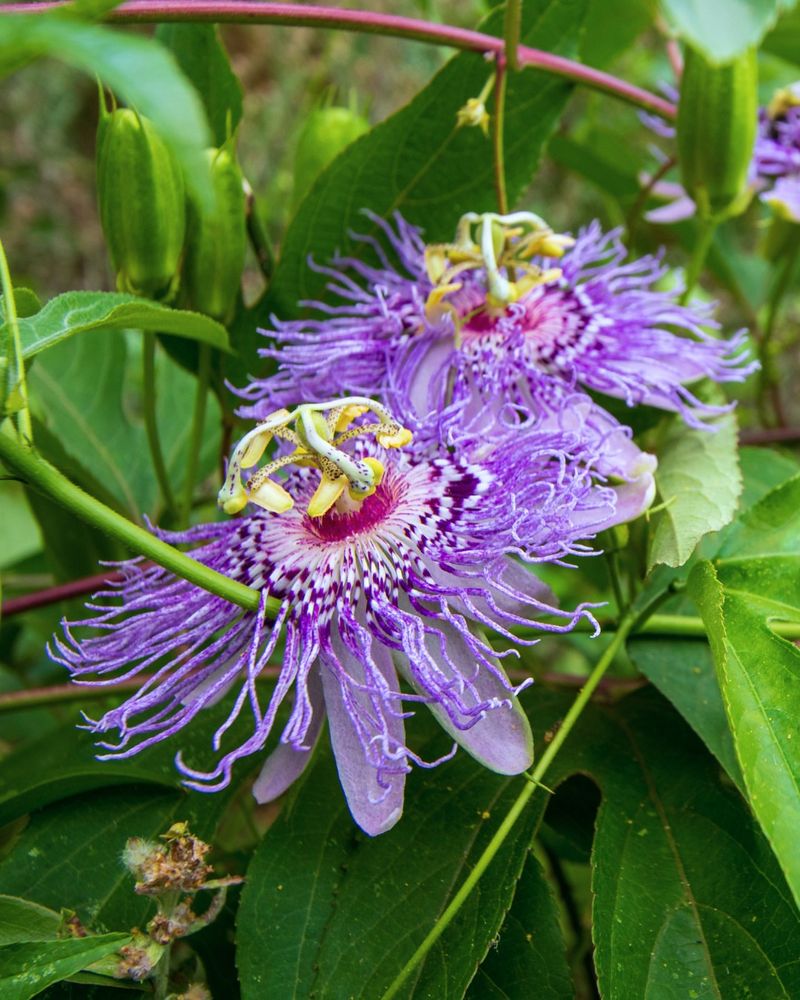
The best part about staying on top of passion vine runners is that you never have to choose between having the plant and having a tidy garden. Regular runner control is not about getting rid of passion vine.
It is about setting the terms of your relationship with it so both you and the vine can coexist happily. With consistent maintenance, you get the stunning blooms, the butterfly activity, and the ecological benefits without sacrificing every garden bed you own.
Maypop passion vine is a host plant for the Gulf Fritillary and Zebra Longwing butterflies, two species that are genuinely spectacular to watch in a garden. Keeping the vine healthy and contained means you maintain a living butterfly habitat right in your backyard.
That is a pretty wonderful trade-off for spending a few minutes every couple of weeks pulling runners at the garden edge.
Gardeners who commit to regular runner control often find that the vine actually becomes one of their favorite plants over time.
Once you understand its growth habits and stay ahead of the spreading, it stops feeling like a problem and starts feeling like a manageable, rewarding part of the garden ecosystem.
The learning curve is mostly about building the habit, not about any complex horticultural skill.
A well-managed passion vine on a trellis or fence is genuinely one of the most striking features a North Carolina garden can have. The flowers are exotic and intricate, the foliage is lush, and the wildlife it supports is remarkable.
All it asks in return is a little consistent attention, and that is a very fair deal for everything it brings to your outdoor space.