These Plants Bloom All Summer Long In North Carolina Heat Even When Others Fade
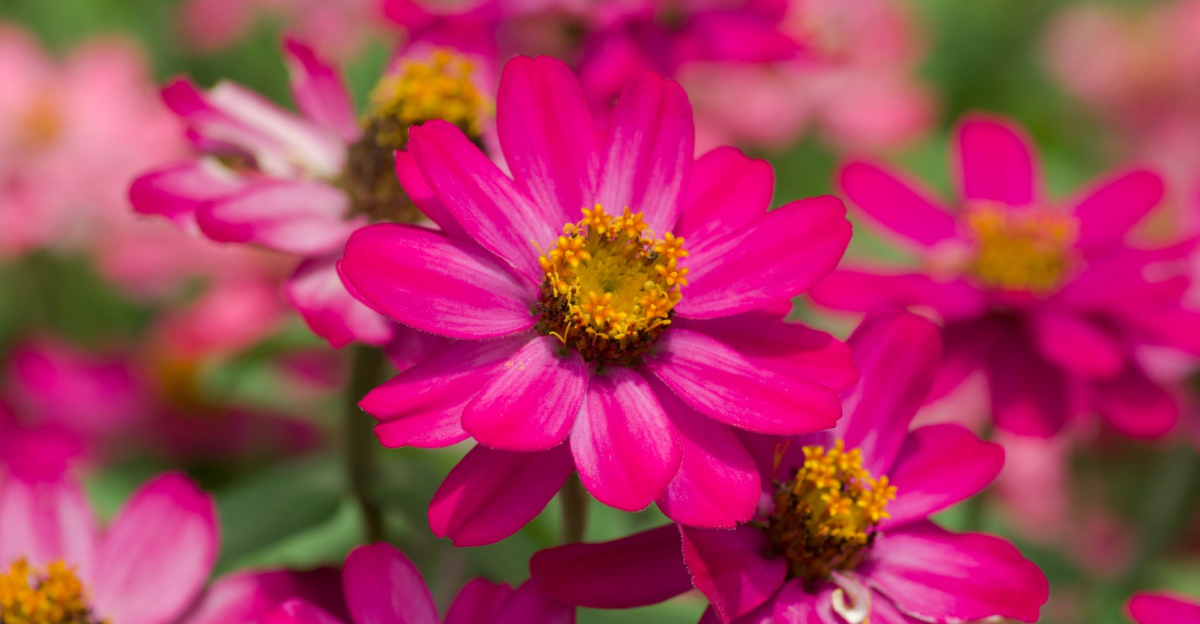
North Carolina summers do not ease you in gently. One week it is a pleasant June morning and the next it is mid-July, the humidity is absolutely suffocating, and half your flower bed is looking seriously rough around the edges.
If you have ever watched a garden go from gorgeous to exhausted before August even shows up, you know exactly how deflating that feels.
Here is the thing though: some plants were basically built for this punishment.
They do not just survive a North Carolina summer, they actually keep blooming through it, week after week, while everything around them waves a little white flag.
When we say all summer long, we genuinely mean it.
With the right plant choices your garden can stay colorful and lively well into fall without you hovering over it constantly.
1. Gomphrena ‘Fireworks’ Loves Long Hot Summers
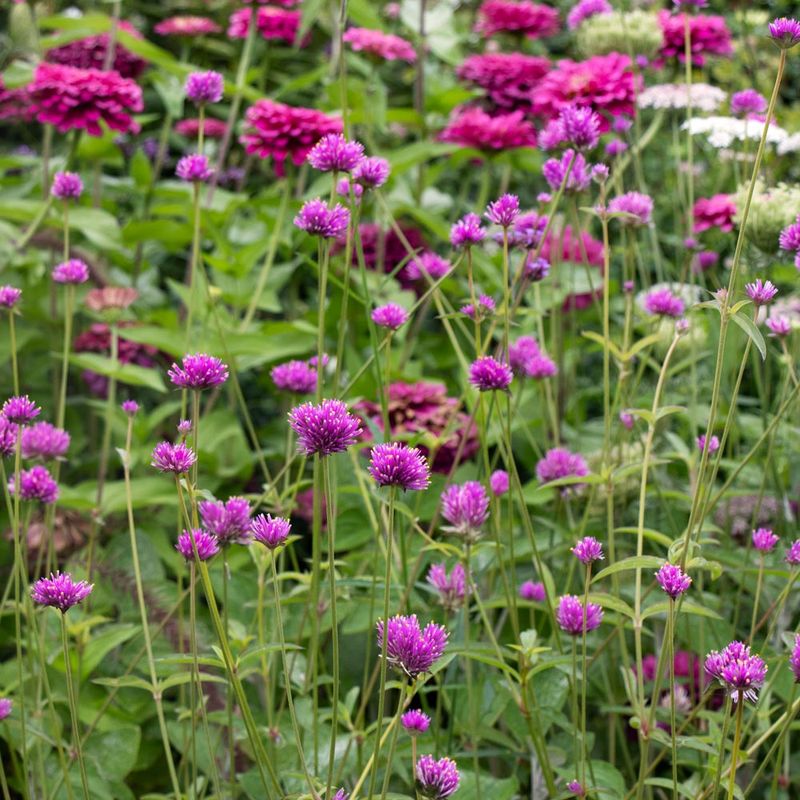
Some flowers practically beg for cooler weather, but Gomphrena ‘Fireworks’ seems to get more excited the hotter it gets. This standout variety produces long, arching stems tipped with bright magenta and golden-yellow blooms that look like tiny bursting fireworks.
The display starts in late spring and carries right through the hottest weeks of a summer without much complaint.
What makes this plant so valuable in a summer garden is its combination of heat tolerance, drought resilience, and genuine staying power.
Even when temperatures push well into the 90s and the humidity feels suffocating, ‘Fireworks’ keeps pushing out new flower stems.
It handles the sticky, heavy air that can slow down so many other annuals without missing a beat.
In North Carolina gardens, this variety works beautifully as a bold accent in sunny borders, a tall filler in mixed containers, or a lively addition to a pollinator bed. Butterflies and bees visit the blooms regularly, which adds extra life to the garden.
It grows best in full sun and well-drained soil. Giving it consistent moisture during dry stretches helps it perform at its best, though it can tolerate short dry periods once established.
Deadheading is not required, but removing spent stems can encourage a cleaner, more productive plant through the season.
2. Rose Verbena Stays Colorful For Months
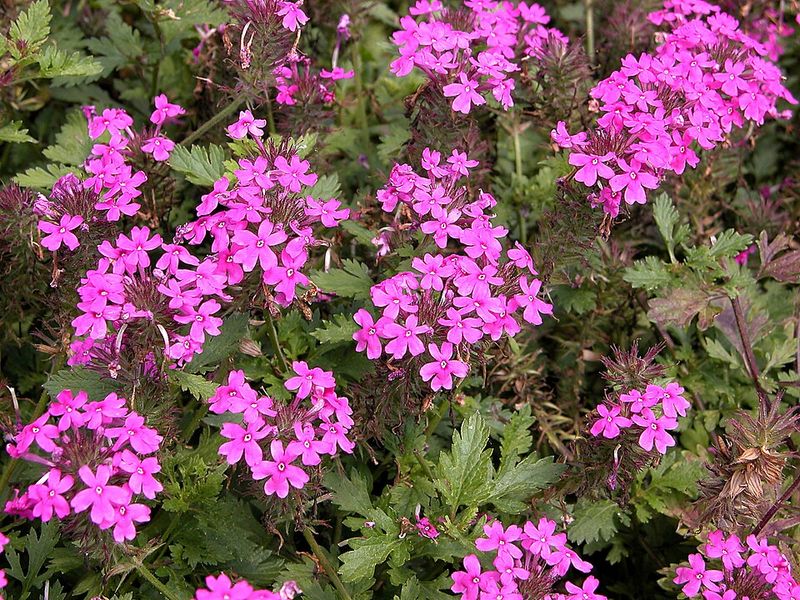
Few low-growing plants match the staying power of rose verbena once the summer heat settles over a North Carolina garden.
This native wildflower spreads into a low, dense mat covered with clusters of rosy-pink blooms, and it keeps that color going through months of heat and humidity that would exhaust most other flowering plants.
Gardeners who have struggled to keep color in dry, sunny spots often find that rose verbena fills that gap better than almost anything else.
One of its biggest strengths is drought tolerance. Once established in well-drained soil, rose verbena can push through dry stretches that leave other annuals looking wilted and sad.
It thrives in full sun and actually tends to perform better in lean soil than in heavily amended beds. Too much moisture or poor drainage can cause problems, so planting in a spot where water moves away quickly makes a real difference.
Your North Carolina Garden Changes Every Week. Your Plan Should Too.
Gardening in North Carolina changes quickly throughout the season. Every Friday you’ll receive a simple weekly plan showing exactly what to plant, prune, fertilize, harvest, and protect so you never miss the right timing.
In North Carolina landscapes, rose verbena works well along sunny slopes, in rock gardens, at the front edge of a mixed border, or spilling over the sides of raised planters.
The blooms attract butterflies and small pollinators throughout the season, giving the planting extra movement and energy.
Shearing the plant back lightly in midsummer if it starts to look straggly can encourage a fresh flush of growth and renewed flowering through late summer and into fall. It is a reliable choice for long-season color with minimal fuss.
3. Mexican Zinnia Keeps Blooming When Others Slow Down
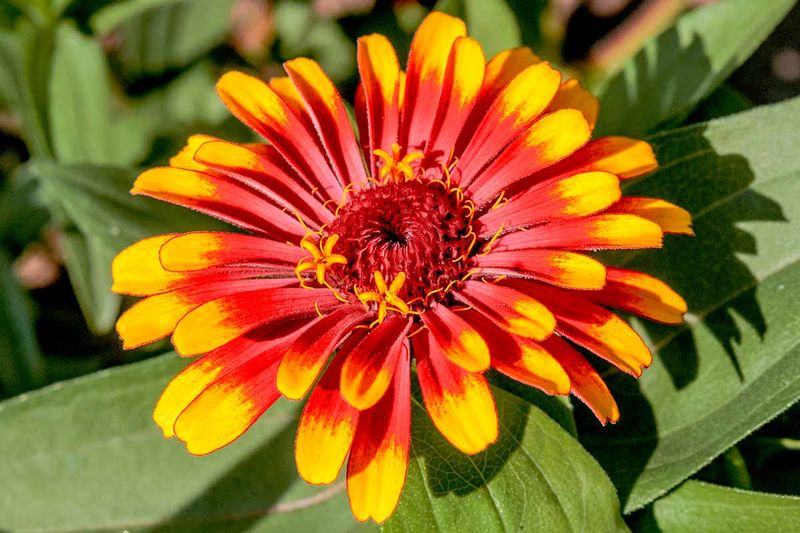
By August in North Carolina, plenty of plants are showing signs of fatigue. Flower production slows, foliage looks tired, and the garden can start to feel a little deflated.
Mexican zinnia, also known as Zinnia haageana, tends to ignore all of that and just keeps going.
Its small, daisy-like flowers in shades of orange, red, and bicolor combinations pop up steadily from late spring until the first frost, making it one of the more dependable bloomers for the long stretch of summer.
Unlike common zinnias, Mexican zinnia has a naturally compact, bushy growth habit and tends to show stronger resistance to powdery mildew, which can be a real issue in the humid air of a North Carolina summer.
Good air circulation still helps, so spacing plants well and avoiding overhead watering when possible are smart habits.
It grows best in full sun and well-drained soil, and it handles dry conditions reasonably well once it has settled in.
Gardeners use Mexican zinnia in sunny borders, cottage-style beds, pollinator gardens, and container plantings where compact size and nonstop color are both important.
The blooms are a magnet for butterflies, and the flowers hold up well enough to cut for small arrangements.
Deadheading spent flowers or shearing the plant lightly encourages continued bloom production. In North Carolina’s long growing season, a plant this consistent and low-maintenance earns its spot in any summer garden plan.
4. Scarlet Sage Brings Bright Color Into Fall
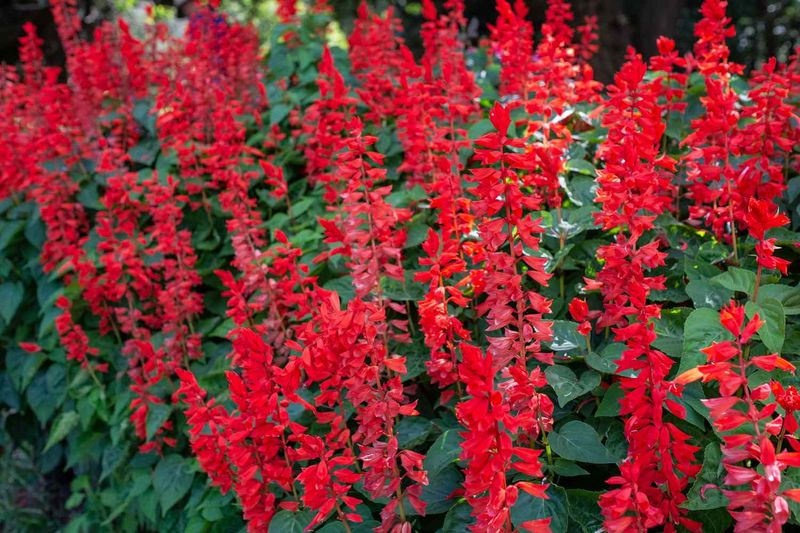
Walk past a bed of scarlet sage on a hot afternoon and the color almost stops you in your tracks.
Those tall spikes of vivid red tubular flowers stand up to summer heat in a way that feels almost defiant, and they keep going long after many other annuals have started to look ragged.
Salvia splendens, commonly called scarlet sage, earns its place in summer gardens by combining bold visual impact with genuine heat and humidity tolerance.
Hummingbirds are drawn to the tubular red blooms throughout the season, which makes scarlet sage a popular choice for gardeners who want to attract wildlife alongside beautiful color. Butterflies and bees also visit the flowers regularly.
Beyond its pollinator appeal, scarlet sage works well as a vertical accent in mixed borders, as a reliable anchor plant in container arrangements, or as a bold mass planting in sunny front-yard beds where consistent color matters most.
In North Carolina, scarlet sage performs best in full sun to light partial shade with moist, well-drained soil. It can tolerate the humidity well, though good soil drainage remains important for healthy plants.
Deadheading spent flower spikes encourages the plant to send up fresh blooms and keeps the planting looking tidy. Some gardeners cut plants back by about a third in midsummer to refresh growth and boost late-season flowering.
With this light attention, scarlet sage can carry strong color all the way into October in many parts of North Carolina.
5. Señorita Rosalita Cleome Powers Through Summer
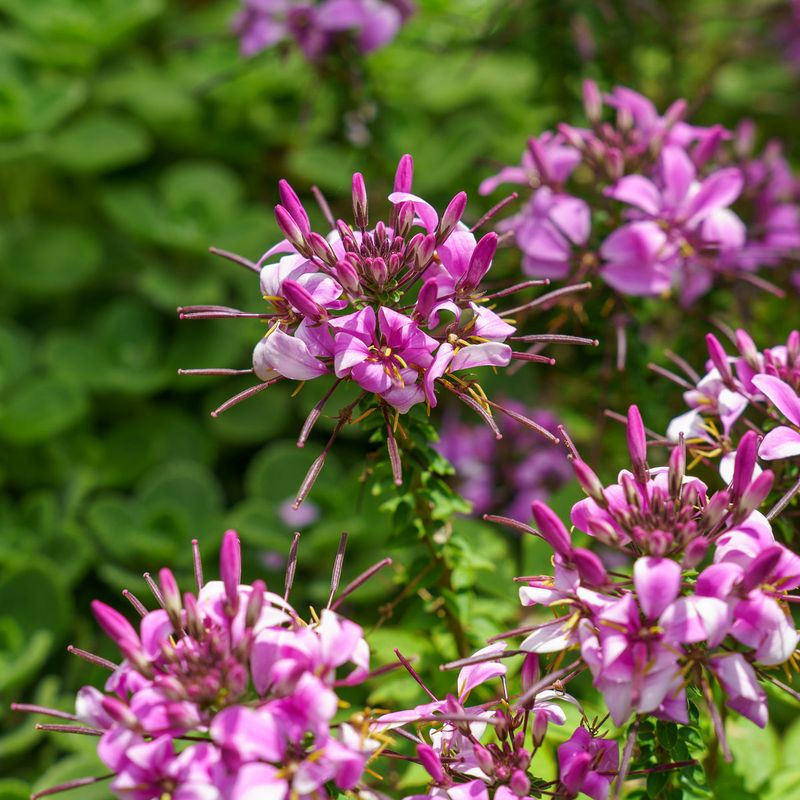
Cleome has a long history in American cottage gardens, but the old-fashioned types came with a few drawbacks, including thorny stems, a strong scent, and the tendency to reseed everywhere.
Señorita Rosalita is a newer selection that keeps the best qualities of cleome while leaving most of those issues behind.
It produces airy clusters of soft pink and lavender flowers on smooth, thornless stems from late spring through summer and into fall, making it a genuinely useful plant for North Carolina’s long, hot growing season.
The flowers have a light, almost tropical quality that pairs beautifully with bolder summer bloomers like zinnias and salvias. Señorita Rosalita grows into a fairly large, rounded plant, so giving it room to spread in the garden pays off.
It handles heat and humidity well, and once it gets going, it proves surprisingly tough through stretches of dry weather. Full sun is where it performs best, though it can manage in spots with a bit of afternoon shade during the most intense summer heat.
Pollinators love this plant. Butterflies, bees, and hummingbirds visit the blooms regularly throughout the season, which adds real energy to any garden space.
Because Señorita Rosalita is a sterile variety, it does not produce viable seeds, so it will not spread into unwanted areas the way older cleome types sometimes do.
In North Carolina gardens, it works especially well in large mixed borders, cutting gardens, and naturalistic plantings where long bloom season and pollinator value both matter.
6. Angelonia Keeps The Garden Looking Fresh
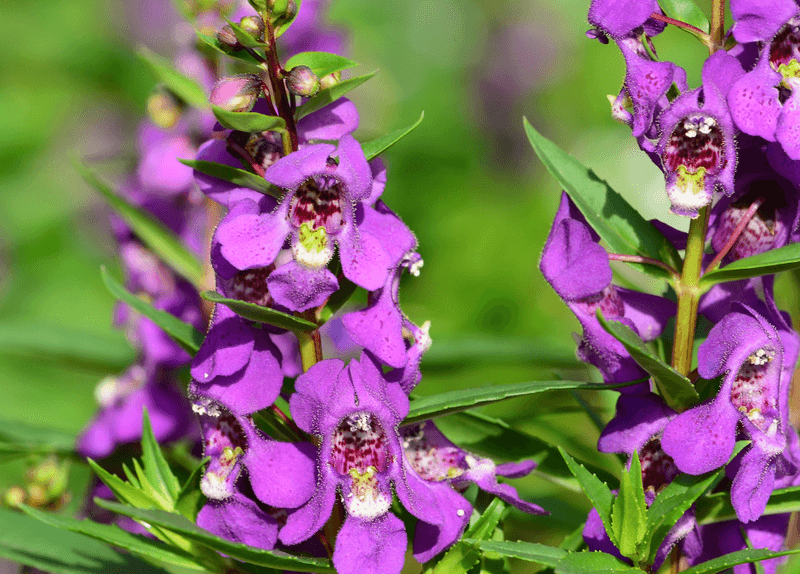
Sometimes called summer snapdragon, angelonia has a quiet confidence that makes it one of the most reliable warm-season annuals for North Carolina gardens.
While other plants struggle and stall when the heat climbs, angelonia just keeps producing its slender spikes of small, snapdragon-like flowers in shades of purple, pink, white, and bicolor blends.
The blooms have a faint sweet scent, and the plant holds its shape well even through weeks of intense summer weather.
Angelonia is particularly well suited to the combination of heat and humidity that defines a North Carolina summer.
It handles hot afternoons with ease and tends to look better as the season progresses rather than worse, which is not something you can say about every summer annual.
It grows best in full sun with well-drained soil and regular moisture. Allowing the soil to stay too wet for extended periods can lead to root problems, so good drainage matters.
In garden design, angelonia works beautifully in containers, window boxes, sunny border plantings, and mixed beds where vertical interest is needed.
It pairs well with spreading plants like verbena or sweet potato vine, creating a layered look that stays attractive from late spring through fall.
Deadheading is generally not necessary since spent blooms drop cleanly on their own, but trimming the plant lightly in midsummer can encourage a burst of fresh new growth.
For gardeners looking for a low-maintenance, long-blooming annual, angelonia is a strong and dependable option worth adding to the summer garden plan.
7. Heat-Tolerant Zinnias Carry Color To Frost
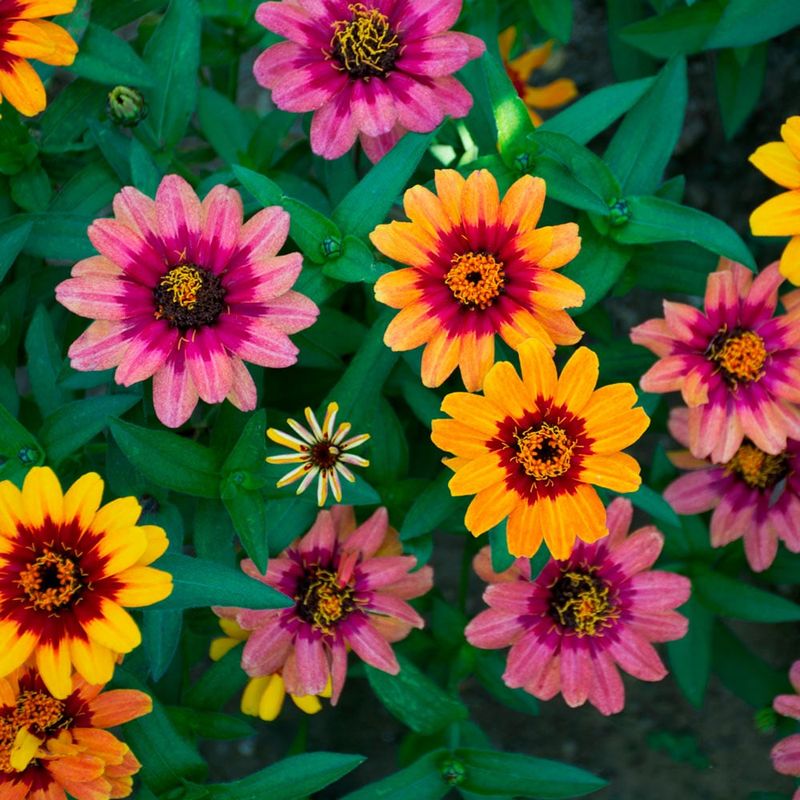
Zinnias have earned their reputation as one of the best summer annuals for hot, sunny gardens, and in North Carolina, the right varieties can carry bold color from early summer all the way until frost shuts things down for the season.
Heat-tolerant selections like the Profusion series, Zahara series, and State Fair types are especially well suited to the long, steamy summers that gardeners know well.
They produce large, colorful blooms in nearly every shade imaginable, and they keep going through conditions that slow down most other flowering plants.
One challenge with zinnias in humid climates is powdery mildew, which can affect older varieties and cause the foliage to look unattractive late in the season.
Choosing mildew-resistant varieties, spacing plants for good airflow, and watering at the base rather than overhead can all help manage this issue.
Even with some foliage problems, well-chosen zinnia varieties tend to keep blooming reliably through the heat.
Zinnias thrive in full sun and well-drained soil, and they appreciate consistent moisture during dry spells, especially when they are young and getting established.
Deadheading spent flowers regularly encourages the plant to put energy into new blooms rather than seed production, which extends the flowering season noticeably.
Butterflies flock to zinnia beds throughout summer, making them a natural choice for pollinator gardens.
Whether planted in a cutting garden, a sunny border, or large patio containers, zinnias bring reliable, cheerful color to North Carolina gardens through the season’s most challenging months.