This Is The Biggest Mistake Georgia Gardeners Make With Hydrangeas In Spring
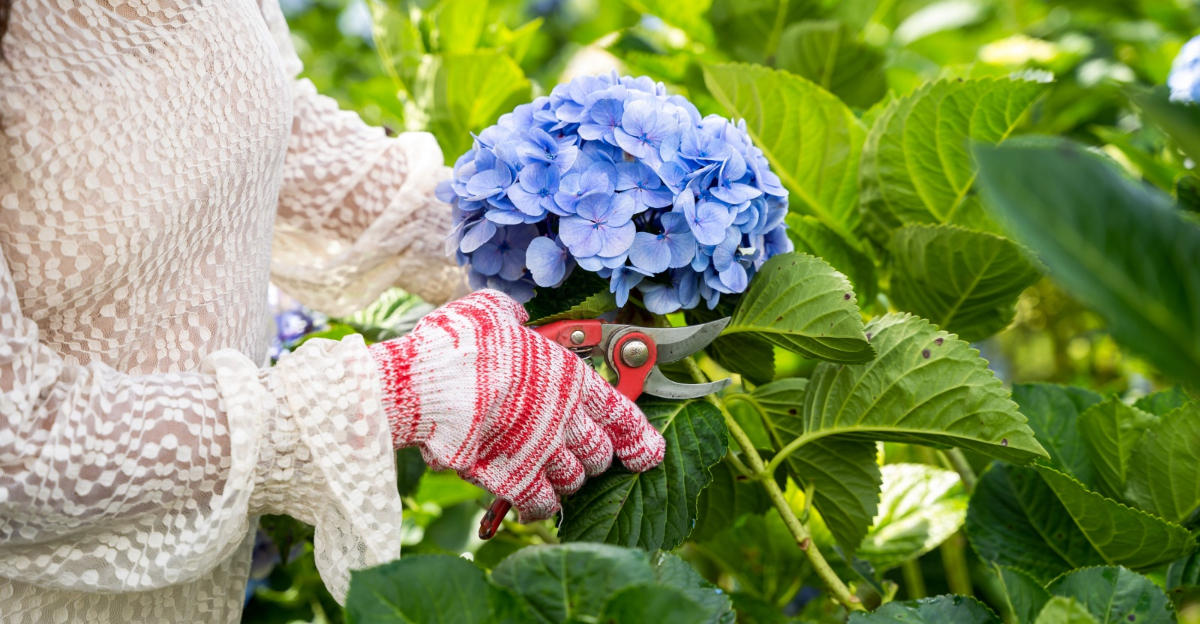
Hydrangeas have a talent for making a Georgia garden look like something out of a magazine. And then pruning season rolls around and suddenly everyone’s standing in the yard holding clippers and quietly panicking.
The most common spring mistake is reaching for the shears before figuring out what type of hydrangea is actually growing in the bed.
It sounds like a small detail, but it genuinely isn’t.
Bigleaf and oakleaf hydrangeas carry this season’s flower buds on older stems, while panicle and smooth hydrangeas bloom on brand new growth.
Cut the wrong one at the wrong time and you’re looking at a whole summer of nothing but leaves.
Georgia’s warm spring temperatures make shrubs look trim-ready fast, which makes it even easier to jump in too soon. Know your hydrangea first and the rest gets a lot simpler.
1. Pruning Before Knowing The Hydrangea Type
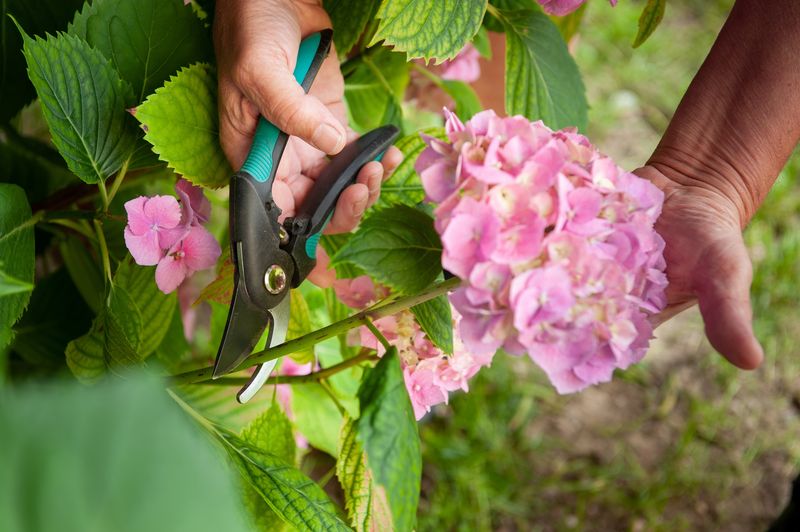
Pruning hydrangeas before identifying the type is the classic spring mistake, and it is easy to understand why Georgia gardeners run into it. The shrub starts pushing fresh leaves, the old stems look messy, and the whole plant seems like it is asking for a haircut.
The problem is that hydrangeas do not all bloom the same way. Bigleaf hydrangeas and oakleaf hydrangeas bloom on old wood, which means their flower buds were formed on stems that grew during the previous season.
Panicle hydrangeas and smooth hydrangeas bloom on new wood, so their flowers come from current-season growth. That difference changes the timing completely.
A spring trim that works for a panicle hydrangea can remove bloom potential from a bigleaf hydrangea.
Georgia gardeners often grow several hydrangea types in shaded borders, foundation beds, and mixed shrub plantings, so guessing can lead to disappointment later.
Before cutting, look at the leaves, flower shape, plant tag, or planting records if available.
Bigleaf types often have rounded flower clusters, oakleaf types have lobed leaves, panicle types have cone-shaped blooms, and smooth types often have rounded white flowers.
The clippers can wait a few minutes. The blooms may thank you later.
UGA Extension explains that pruning timing depends on hydrangea type and old wood versus new wood bloom habits.
2. Bigleaf Hydrangeas May Lose Spring Flower Buds
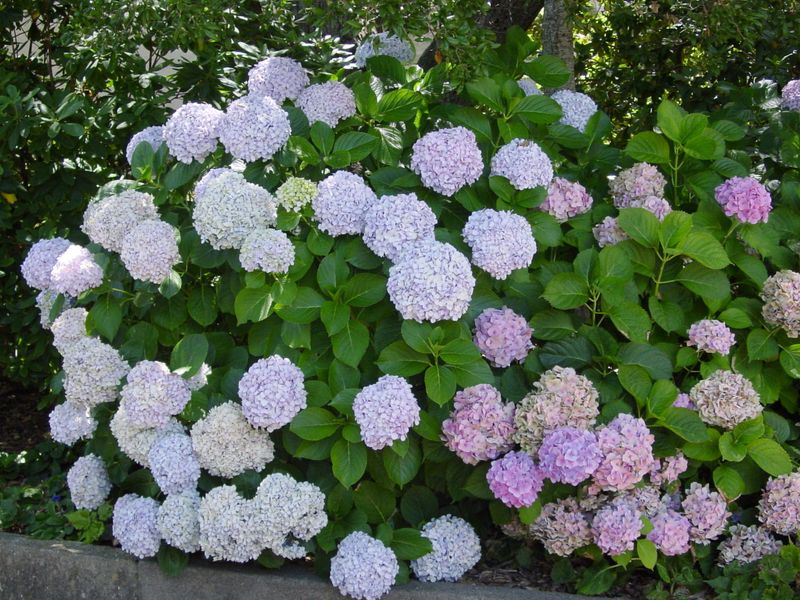
Bigleaf hydrangeas are the ones that cause a lot of spring pruning regret in Georgia yards. These are the classic mophead and lacecap hydrangeas many gardeners love for their big, showy flower clusters.
The catch is that most bigleaf hydrangeas bloom on old wood, meaning their flower buds formed in late summer or early fall of the previous year.
By spring, those buds may already be sitting on the stems, quietly waiting to open.
If a gardener cuts the plant back hard in spring because it looks uneven or too large, those flower buds may be removed before they ever have a chance to show off. That can lead to a much smaller bloom display, even if the plant itself grows plenty of leaves.
Your Georgia Garden Changes Every Week. Your Plan Should Too.
Gardening in Georgia changes quickly throughout the season. Every Friday you’ll receive a simple weekly plan showing exactly what to plant, prune, fertilize, harvest, and protect so you never miss the right timing.
In Georgia, where hydrangeas often grow near porches, shaded foundations, and woodland edges, bigleaf types are common enough that this mistake is worth calling out clearly.
A better approach is to watch the plant as it leafs out, remove only clearly damaged or weak stems when needed, and save real shaping until after flowering.
If you are not sure which type you have, wait until it blooms and take notes. Future you, standing in front of a fuller hydrangea, will be very pleased.
UGA Fulton County notes that bigleaf hydrangeas bloom on old wood and that pruning at the wrong time can reduce flowering.
3. Oakleaf Hydrangeas Need Post-Bloom Pruning
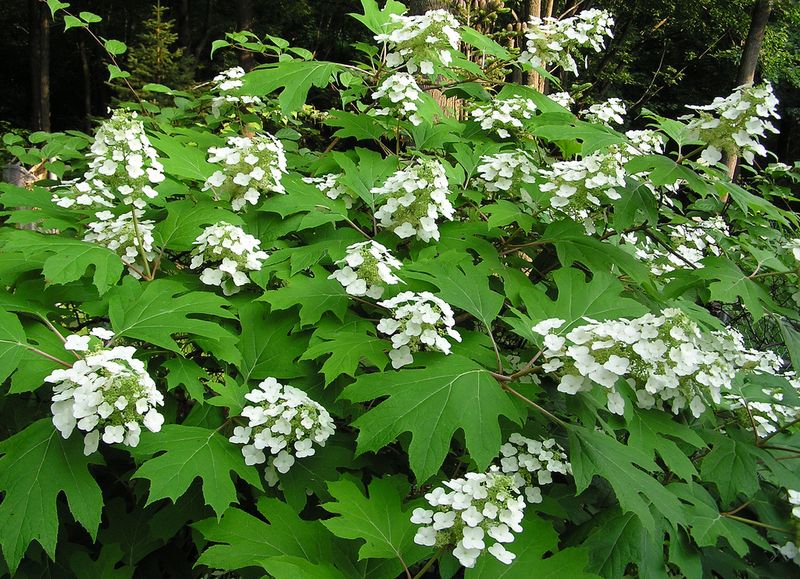
Oakleaf hydrangeas bring a completely different look to Georgia gardens with their bold leaves, cone-shaped flowers, and handsome seasonal color. They are also old-wood bloomers, which means spring pruning needs to be handled with care.
Like bigleaf hydrangeas, oakleaf hydrangeas set flower buds on stems from the previous growing season. If gardeners trim them before they finish blooming, they may remove the very stems that would have carried flowers.
That is why oakleaf hydrangeas are best shaped right after bloom, not randomly in spring when the garden cleanup mood strikes.
In Georgia landscapes, oakleaf hydrangeas often sit in partly shaded foundation beds, woodland-style borders, or naturalized edges, where their loose shape is part of the charm.
They do not usually need heavy shaping to look good. A little selective trimming after the flowers fade can help manage size while keeping the plant’s natural form.
Cutting too much in spring can leave the shrub leafy but less exciting when bloom season arrives. It can also make the plant look awkward if branches are shortened without a plan.
With oakleaf hydrangeas, the simple rule is to enjoy the flowers first, then tidy later. That is a pretty pleasant pruning schedule, honestly.
UGA guidance says oakleaf hydrangeas bloom on old wood and should be pruned immediately after flowering to avoid removing next year’s buds.
4. Panicle Hydrangeas Follow A Different Pruning Rule
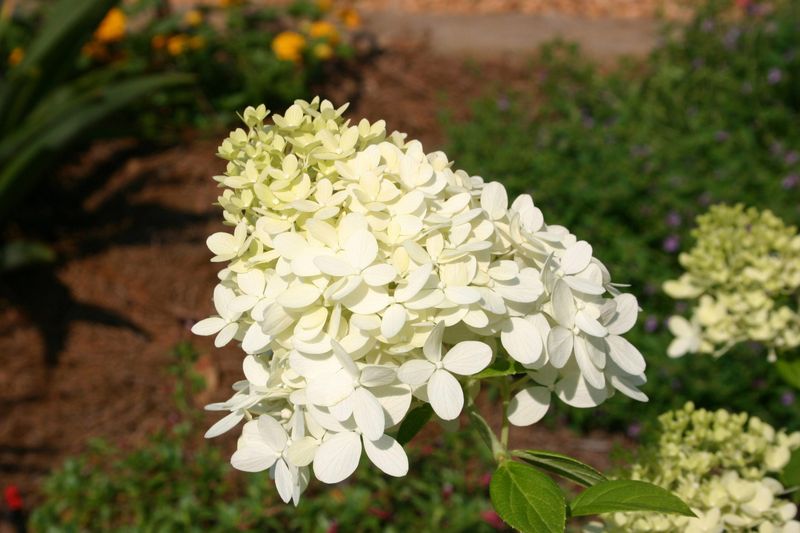
Panicle hydrangeas are a relief for Georgia gardeners who get nervous around pruning shears. These hydrangeas bloom on new wood, which means their flowers develop on stems that grow during the current season.
Because of that, they can usually be pruned in late winter or early spring before new growth really gets going. That is very different from bigleaf and oakleaf hydrangeas, which carry bloom buds on older stems.
Panicle hydrangeas often have cone-shaped flower clusters and a more upright habit, and many types handle sunnier spots better than bigleaf hydrangeas if they have enough moisture.
In a Georgia landscape, that can make them useful near sunny borders, open foundation beds, or larger mixed plantings.
The key is not assuming every hydrangea in the yard follows the panicle rule. A spring pruning plan that fits a panicle hydrangea may be a bad fit for an old-wood bloomer nearby.
When pruning panicle hydrangeas, gardeners can focus on shaping, removing weak or crossing stems, and supporting a strong branch structure. Heavy cutting is not required every time, and light, purposeful pruning is often enough.
The main point is simple: if you know it is a panicle hydrangea, spring pruning can make sense. If you are guessing, put the pruners down and investigate first.
UGA Fulton County notes that panicle hydrangeas bloom on new wood and can be pruned in late winter or early spring.
5. Smooth Hydrangeas Bloom On New Wood
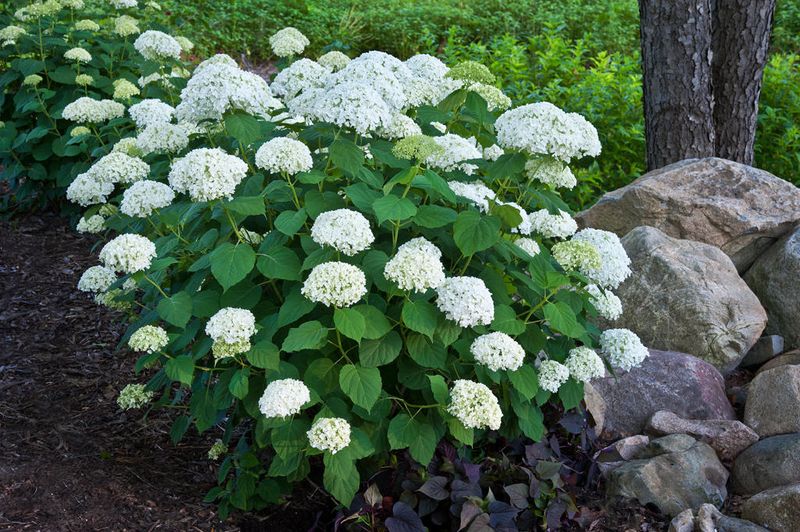
Smooth hydrangeas, including familiar white-flowering types often grown in Southern gardens, also bloom on new wood.
That means their bloom stems form during the current growing season, so spring pruning does not carry the same risk as it does with bigleaf or oakleaf hydrangeas.
For Georgia gardeners, this can make smooth hydrangeas a little easier to manage in late winter or early spring. They can be cut back more confidently than old-wood bloomers, although that does not mean every plant needs a dramatic trim every year.
The goal should still be healthy growth, good shape, and a plant that fits the space. Smooth hydrangeas are often used in part-shade beds, mixed borders, and foundation plantings where their rounded flower heads add a soft summer look.
The mistake happens when gardeners look at one smooth hydrangea, prune it successfully in spring, then apply the same method to every hydrangea in the yard. That is where the trouble begins.
Smooth hydrangeas follow their own rule, and that rule does not transfer to all hydrangeas. If your plant blooms on new wood, spring pruning may support strong new stems.
If it blooms on old wood, that same timing may reduce flowers. Hydrangeas like to keep gardeners humble like that.
UGA Extension identifies smooth hydrangeas as new-wood bloomers that can be pruned in late winter or early spring.
6. Old Wood And New Wood Change Everything
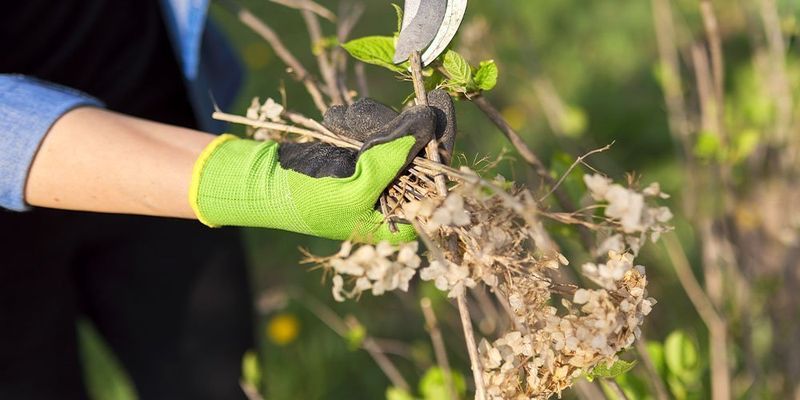
Old wood and new wood sound like garden jargon, but the idea is actually pretty simple. Old wood means stems that have been on the plant since the previous season.
New wood means stems that grow during the current season. Hydrangea pruning depends on this difference because some types carry flower buds on old stems, while others make flowers on fresh growth.
In Georgia gardens, this matters a lot in spring because many hydrangeas leaf out before gardeners can clearly tell what is happening with future blooms.
A shrub may look like it needs a fresh start, but if it is a bigleaf or oakleaf hydrangea, those older stems may already hold the flower buds gardeners are waiting for.
Panicle and smooth hydrangeas work differently, so they can handle spring pruning more easily. Once gardeners understand old wood and new wood, hydrangea pruning feels less like guesswork.
It also helps explain why one hydrangea blooms beautifully after spring pruning while another becomes mostly leaves. The plant is not being mysterious just for fun, although it may feel that way.
It is simply following its bloom habit. Before cutting, identify the type, then match the pruning time to how that hydrangea makes flowers.
That one step can save a lot of spring confusion. UGA Paulding County explains that old wood stems came from the previous season, while new wood stems develop during the current season.
7. Spring Cutting Can Reduce This Year’s Blooms
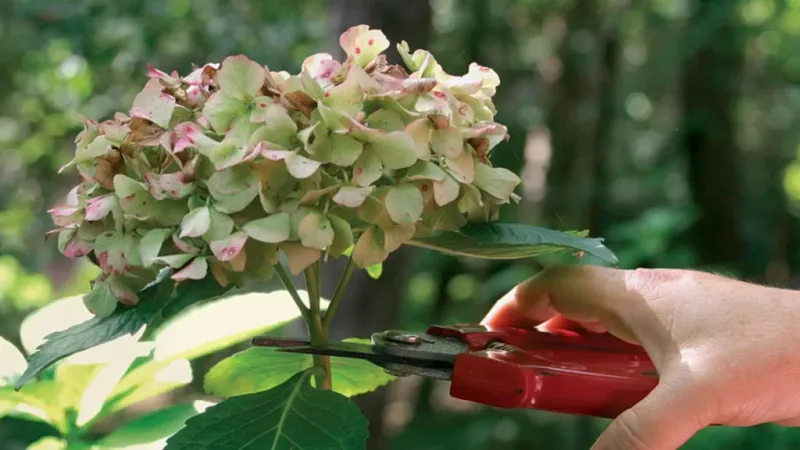
Spring cutting can reduce this year’s blooms when the hydrangea is an old-wood type. This is the part that catches many Georgia gardeners by surprise.
A plant may look overgrown in March or April, especially if old flower heads are still hanging on or stems look uneven after winter. It is tempting to cut everything back and make the bed look tidy.
With bigleaf and oakleaf hydrangeas, though, those stems may be carrying buds that were set the previous year. If those stems are shortened too much, the flower display can shrink before the season even gets started.
The plant may still leaf out and look healthy, which makes the missing blooms even more confusing. Gardeners may blame fertilizer, shade, weather, or the plant itself, when the real issue was timing.
In Georgia, where spring cleanup often happens quickly once warm weather arrives, it helps to pause around hydrangeas. Remove spent flowers carefully if needed, watch for new growth, and avoid broad cutting until the plant type is clear.
If the hydrangea blooms first, pruning right after flowering is often the safer timing for old-wood types. It is a small delay, but it can make the difference between a leafy shrub and one that earns its spot in the garden.
UGA sources note that old-wood hydrangeas should be pruned after flowering and that wrong-season pruning can reduce flowering.
8. Non-Blooming Hydrangeas May Not Need More Pruning
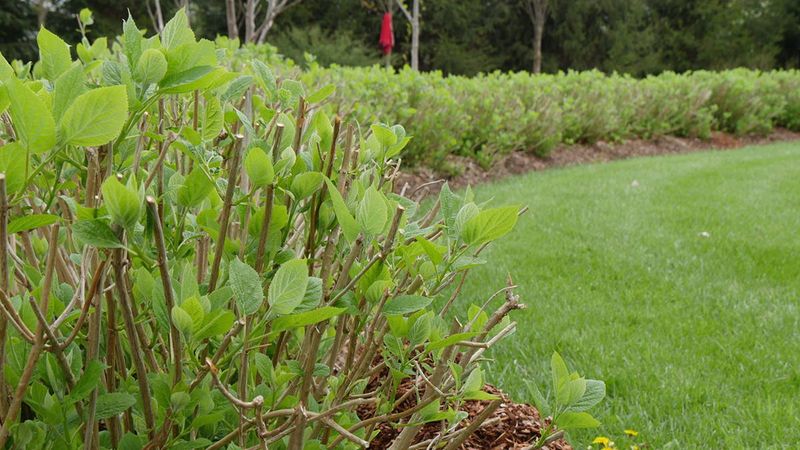
A hydrangea that does not bloom can make any Georgia gardener suspicious. The first instinct is often to prune it harder, feed it more, or start fussing with it every weekend.
But more pruning is not usually the smartest first move. If the plant is a bigleaf or oakleaf hydrangea, past pruning at the wrong time may already be part of the problem.
Cutting again in spring could repeat the same mistake and remove more bloom potential. Other issues can also affect flowering, including too much shade, weather injury, heavy nitrogen, poor timing, or a plant that is still settling into its space.
The better plan is to become a garden detective. Identify the hydrangea type, check how much sun it gets, look at when it was last pruned, and watch where new growth appears.
If the plant is healthy and leafy but not flowering, the answer may be patience and better timing, not a bigger haircut.
Georgia gardeners with unknown hydrangeas can take photos when the plant blooms or bring a sample to a local Extension office for help with identification.
Once the type is clear, pruning choices get much easier. Hydrangeas are not trying to be difficult.
They just want gardeners to learn their rules before reaching for the clippers. UGA notes that hydrangea pruning depends on type, and its guidance warns against excessive pruning on bigleaf and oakleaf hydrangeas because it can reduce future flowering.