How To Grow Hardy Cyclamen In Oregon Shade Gardens
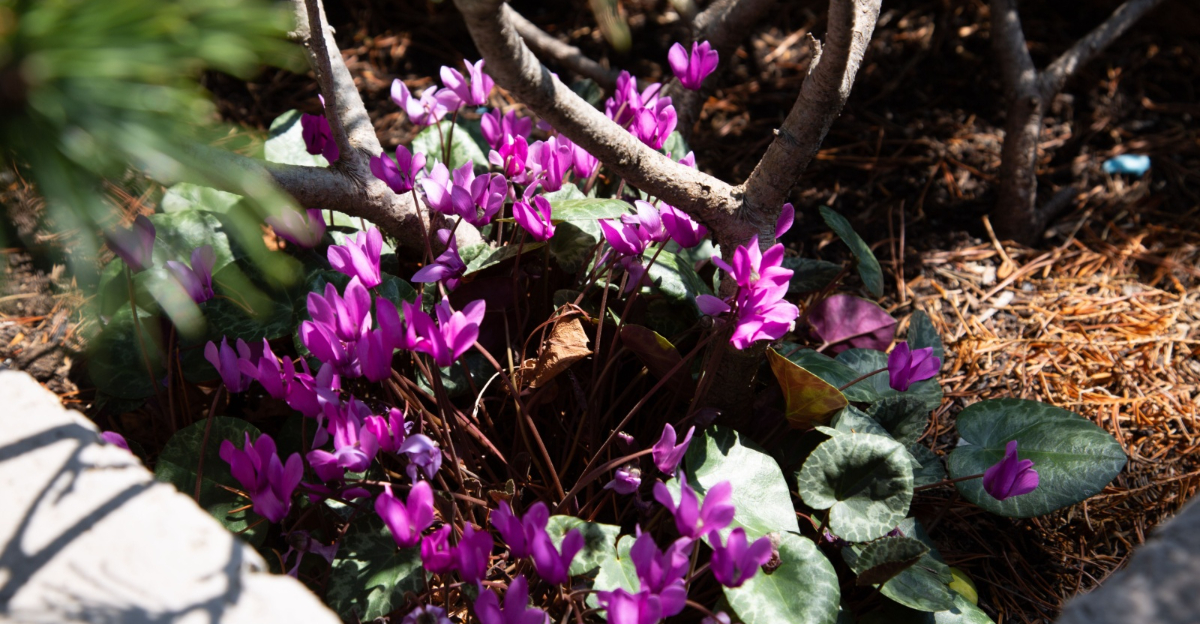
Shade gardens have a reputation for being the tricky corner of the yard where good intentions go to get humbled.
You plant something that looks promising, the dry summer hits, and suddenly that shady spot under the tree looks exactly like it did before you tried.
Oregon’s seasonal pattern of wet winters and bone-dry summers is genuinely tough on a lot of plants, especially in spots where tree roots are competing for every drop of moisture. Hardy cyclamen, however, did not get that memo.
These plants look like they belong in a florist’s window, all dainty flowers and beautifully patterned leaves, but they are surprisingly tough once they find their footing.
They handle Oregon’s seasonal swings with remarkable ease and bring real personality to the shadiest, driest corners of your yard.
Delicate looking, absolutely not delicate.
1. Hardy Cyclamen Thrive In Dry Shade Once Established
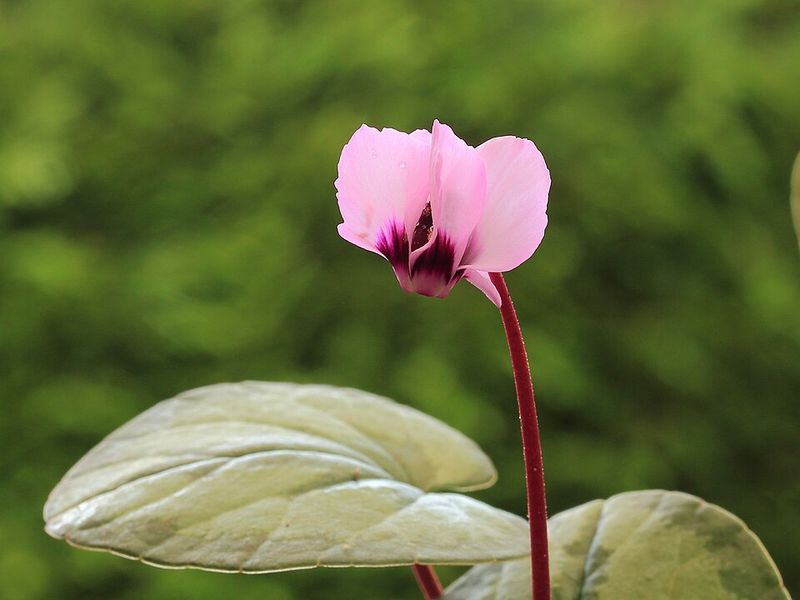
Dry shade is one of the most challenging spots in any Oregon garden, and most plants will sulk or fade when tucked beneath a thirsty tree.
Hardy cyclamen, though, tend to settle into those conditions surprisingly well once they get past their first season or two.
The key is understanding that they are built for exactly this kind of environment in their natural habitat.
In the wild, hardy cyclamen grow in rocky, well-drained soils under deciduous trees across parts of Europe and the Mediterranean.
Oregon’s mild, wet winters followed by dry summer shade actually mimic those conditions closely enough to keep cyclamen comfortable.
That overlap is a big reason why they perform so well in Pacific Northwest gardens when planted thoughtfully.
Getting them established takes a little patience. The first year, plants may look slow to spread or fill in, and that is completely normal.
They are putting energy into developing their corm, which is the rounded, flattened tuber that stores nutrients and water underground.
Once that corm grows large and healthy, the plant becomes noticeably more resilient and begins to naturalize slowly over time. Shaded beds under oaks, maples, or conifers can become lovely spots for cyclamen colonies.
Giving them the right start with good drainage and low competition from aggressive ground covers sets them up for years of low-effort seasonal beauty.
2. Good Drainage Matters More Than Extra Water
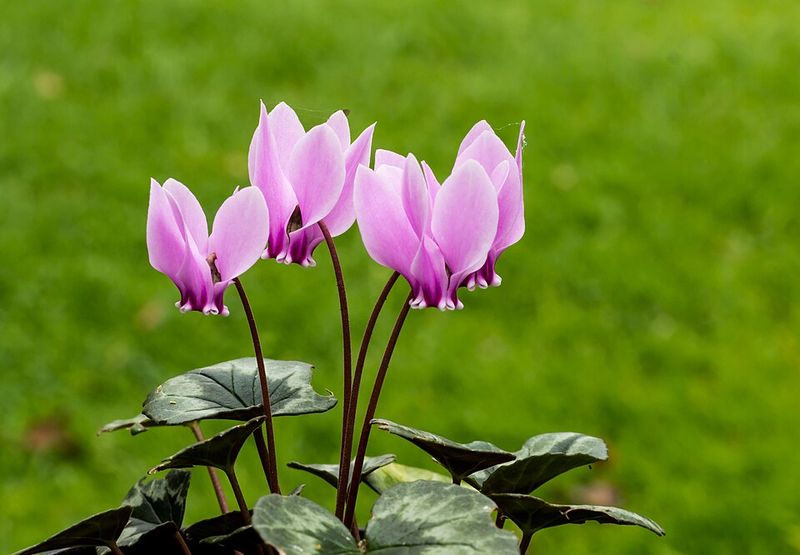
Soggy soil is the fastest way to run into trouble with hardy cyclamen. While Oregon winters bring plenty of rain, cyclamen corms sitting in waterlogged ground can rot before they ever get a chance to bloom.
Good drainage is not just a nice bonus with these plants, it is genuinely the most important factor in whether they thrive long term.
When planting, look for spots where water moves through the soil quickly rather than pooling. Raised beds, slopes, and areas with naturally sandy or gritty soil tend to work well.
If your shaded area has heavy clay, mixing in coarse sand, perlite, or fine gravel before planting can make a real difference in how well the corms survive winter wet.
Your Oregon Garden Changes Every Week. Your Plan Should Too.
Gardening in Oregon changes quickly throughout the season. Every Friday you’ll receive a simple weekly plan showing exactly what to plant, prune, fertilize, harvest, and protect so you never miss the right timing.
Planting depth also matters for drainage. Hardy cyclamen corms do best when placed just at or barely below the soil surface rather than buried deep.
Shallow planting helps keep the top of the corm from staying too wet for too long during Oregon’s rainy months.
A light layer of leaf litter or coarse bark mulch around the plants can help moderate moisture without smothering the corms. Avoid thick, dense mulch that holds excessive moisture against the crown of the plant.
Getting drainage right from the start saves a lot of frustration later and gives cyclamen the foundation they need to naturalize and spread over time.
3. Summer Dormancy Changes How You Water
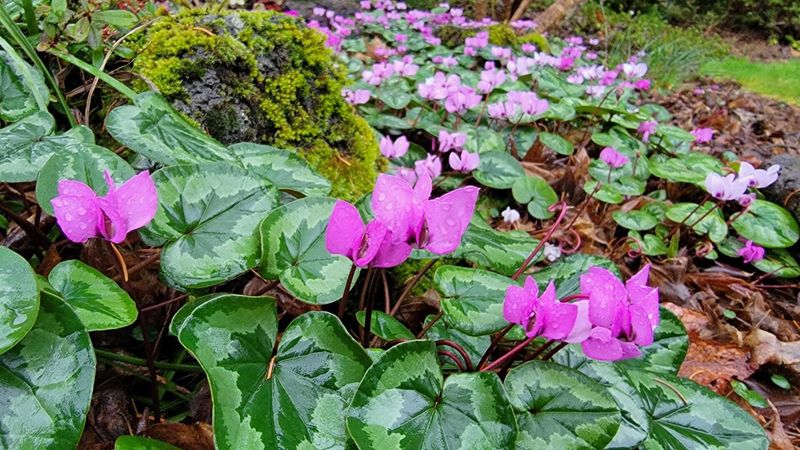
One of the most misunderstood things about growing hardy cyclamen is what happens in summer. When the warm, dry months arrive in Oregon, cyclamen go dormant and their leaves yellow and disappear entirely.
To a new gardener, this can look alarming, but it is simply part of the plant’s natural seasonal rhythm.
During dormancy, the corm rests underground and does not need water the way actively growing plants do. In fact, extra summer irrigation can cause more harm than good.
Consistently wet soil around a dormant corm raises the risk of rot, which is one of the more common reasons cyclamen fail to return the following season.
Oregon’s dry summers actually do much of the right work on their own in many gardens. Under deciduous trees or along the dry edge of a building, the soil stays naturally dry through July and August, which suits dormant cyclamen just fine.
Gardeners who run regular drip systems or overhead sprinklers through summer should consider whether dormant cyclamen are getting more moisture than they need.
If you have cyclamen planted in a bed that receives regular summer watering for other plants, try to position them where they get a bit less direct irrigation.
Marking their location with a small stake during dormancy can help you avoid accidentally digging them up or overwatering them while they are out of sight and resting underground.
4. Cyclamen Coum Brightens Late Winter Shade
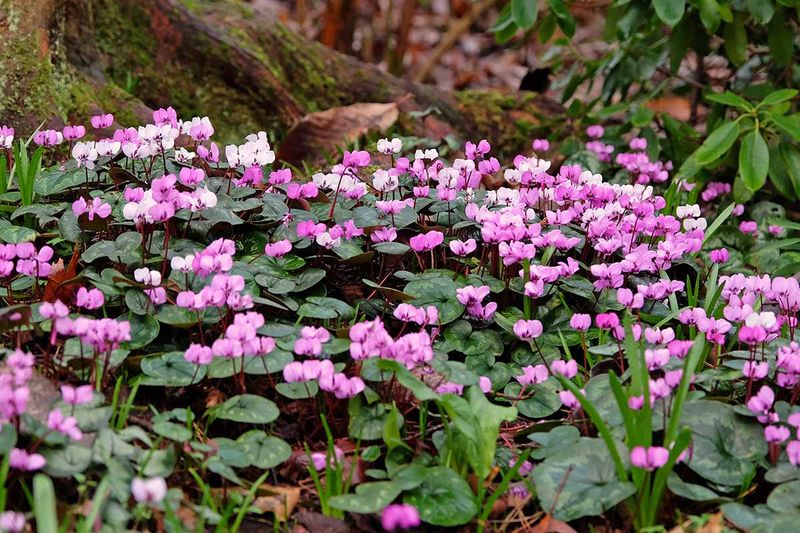
Few plants can match the cheerful surprise of Cyclamen coum blooming in the middle of a gray Oregon winter.
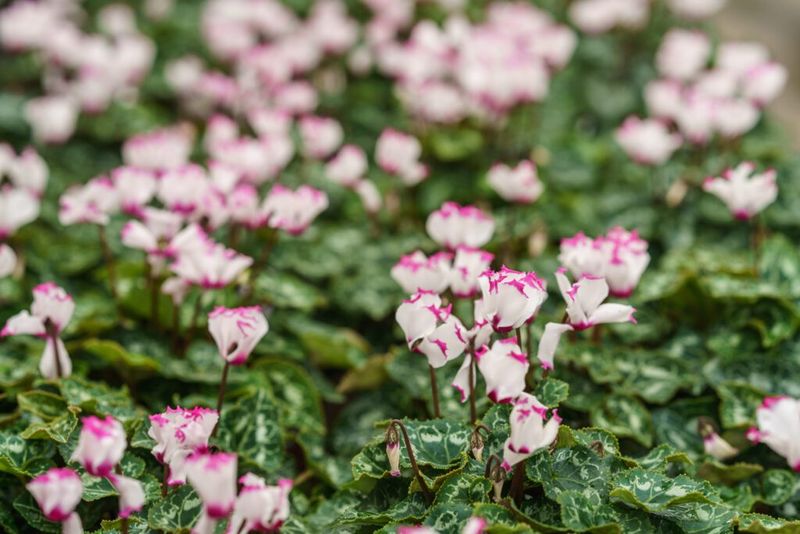
When most shade garden plants are still months away from showing any signs of life, coum sends up small, swept-back flowers in shades of pink, magenta, white, and soft rose, often as early as late January or February.
The timing alone makes it worth growing. Oregon winters can feel long and dreary, especially in heavily shaded gardens under conifers or along the north side of a house.
Seeing a patch of coum in bloom during a January cold snap is genuinely uplifting, and visitors to the garden often do a double take when they spot it.
Beyond the flowers, Cyclamen coum has some of the most attractive foliage of any small shade perennial. The leaves are rounded and often heavily marked with silver, pewter, or pale green patterns that vary from plant to plant.
Even when the flowers are not present, the foliage provides visual interest through fall and into spring before going dormant in summer.
Coum tends to be a little smaller overall than Cyclamen hederifolium, making it a good fit for tighter spots or container plantings. It naturalizes slowly under trees and shrubs, gradually forming small colonies that expand year after year.
Planting several corms together rather than just one or two gives a more immediate visual impact in the garden.
5. Cyclamen Hederifolium Adds Fall Interest
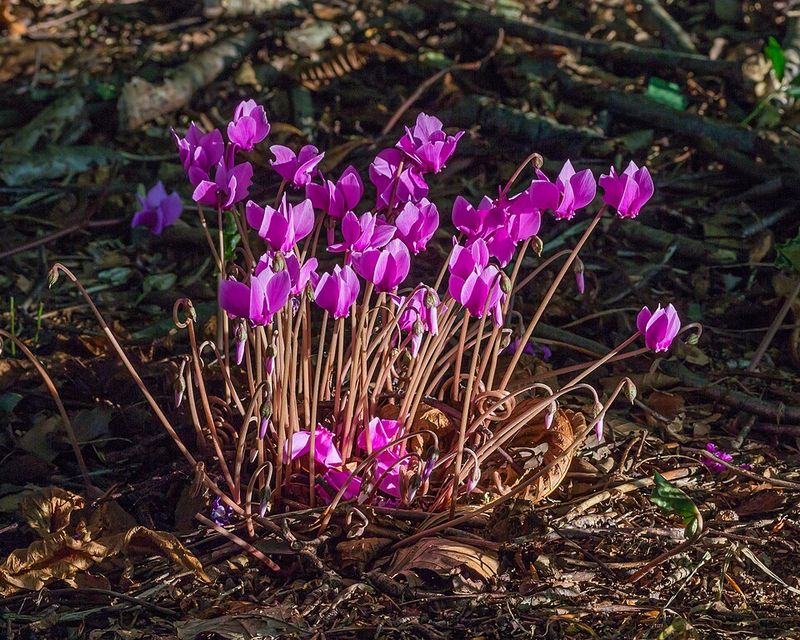
Something quietly magical happens in the fall garden when Cyclamen hederifolium starts to bloom.
The flowers appear before the leaves, pushing up through bare, dry soil in September and October just as most other shade plants are winding down for the season.
That unusual growth pattern makes hederifolium one of the more unexpected and rewarding plants for Oregon shade gardens.
The blooms range from soft white to pale and deep pink, and they have that same swept-back petal shape that makes all hardy cyclamen so recognizable.
After the flowers fade, the foliage emerges and it is truly some of the most ornamental leaf patterning available in a hardy shade plant.
The leaves are shaped somewhat like ivy, which is where the species name comes from, and they display a wide range of silver marbling and pale green patterning.
Hederifolium is generally considered the more vigorous and cold-tolerant of the two main garden species, and it tends to naturalize more readily under Oregon’s deciduous trees.
Established plants can produce corms that grow quite large over many years, and a mature colony in full fall bloom is a striking garden feature.
Planting hederifolium along the edges of shaded paths, under large shrubs, or at the base of deciduous trees gives them a naturalistic look that suits Oregon woodland-style gardens well.
They pair nicely with ferns, epimediums, and other dry shade companions that do not compete too aggressively for root space.
6. Hardy Cyclamen Need Very Little Maintenance
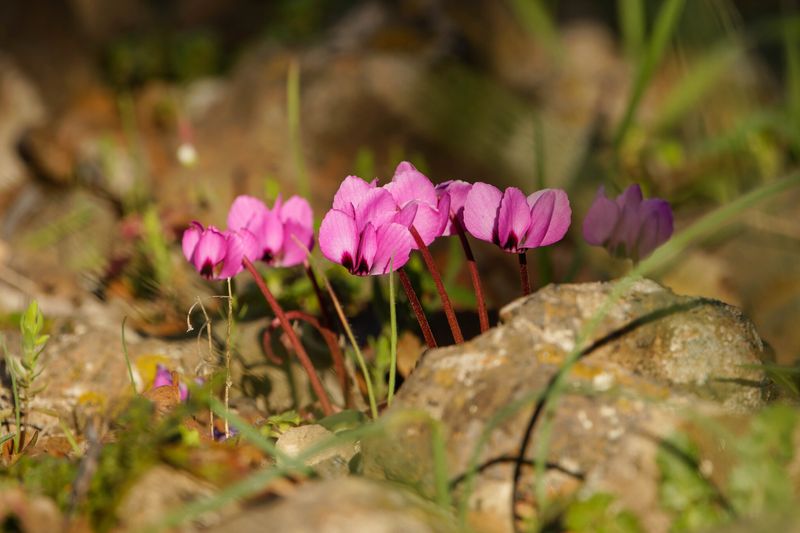
Low-maintenance plants are always welcome in a busy home garden, and hardy cyclamen rank among the most hands-off perennials you can grow in Oregon shade.
Once they are established and blooming reliably, there is genuinely very little you need to do to keep them happy through the seasons.
Deadheading spent flowers is optional. Cyclamen actually set seed naturally and the seed heads curl down to the soil on a coiled stem, which is part of how the plants slowly spread on their own over time.
Removing spent flowers is not necessary unless you prefer a tidier look. Leaving them alone allows for natural self-seeding, which can gradually fill in a shaded bed over several years.
Fertilizing is rarely needed and can sometimes cause more harm than good if it pushes lush, soft growth that becomes more attractive to slugs.
A light topdressing of leaf mold or compost in fall is usually enough to keep the soil in good shape without overfeeding the plants.
Dividing cyclamen is generally not recommended the way it is with other perennials. The corms do not respond well to being split or moved frequently, and established plants that are left undisturbed tend to perform much better over time.
Resist the urge to reorganize them once they settle in. The less interference they get, the more reliably they bloom and spread through your Oregon shade garden year after year.
7. Slugs Can Be A Winter Problem For Cyclamen Leaves
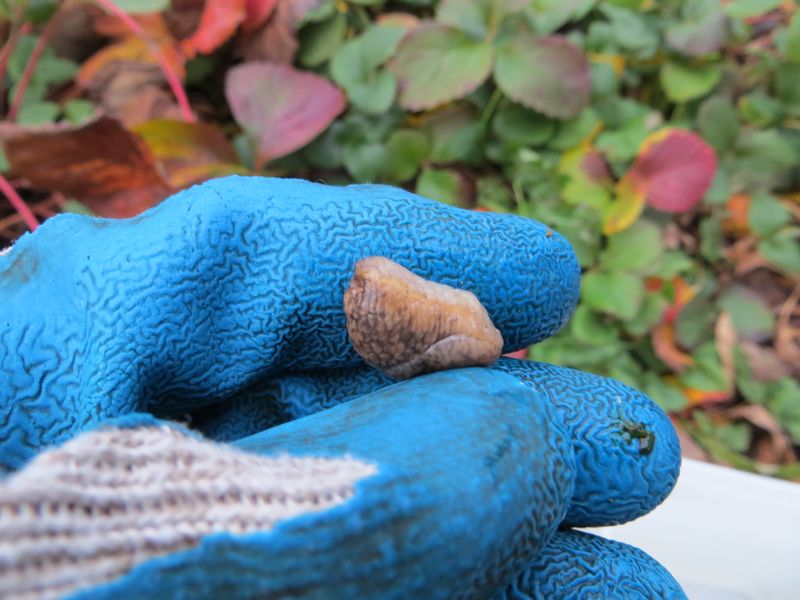
Oregon winters are famously wet, and that moisture creates ideal conditions for slugs, which are one of the few real pest concerns for hardy cyclamen growers in the Pacific Northwest.
Slugs are drawn to the soft, patterned leaves of cyclamen and can cause noticeable ragged damage along leaf edges during the cooler, wetter months when plants are actively growing.
The damage is rarely severe enough to threaten the corm or stop the plant from flowering, but it can make the foliage look tattered and less attractive through winter.
In a garden where the decorative leaves are a big part of the appeal, slug pressure can be genuinely frustrating, especially during mild, wet stretches in November through February.
Managing slugs around cyclamen does not have to be complicated. Iron phosphate-based slug baits are widely available, considered relatively safe around garden wildlife, and work well when scattered lightly around affected plants.
Reapplying after heavy rain keeps them effective through the wetter months.
Reducing hiding spots near cyclamen can also help. Thick mulch, dense ground covers, and piles of damp debris close to the plants give slugs more places to shelter during the day.
Keeping the area around cyclamen a little more open and tidy through winter reduces slug habitat without stressing the plants.
Checking plants during damp evenings and hand-removing slugs is another option for smaller garden spaces where chemical-free methods are preferred.
8. Avoid Too Much Summer Water Once Plants Settle In
Established hardy cyclamen and summer irrigation do not mix well, and this is a point worth keeping in mind as you plan your shade garden layout.
Once cyclamen are dormant in summer, their corms are vulnerable to extended moisture, and gardens that receive regular summer watering can unintentionally create conditions that weaken or rot them over time.
Oregon’s dry summers are actually an advantage for cyclamen growers in many parts of the state. Western Oregon in particular tends to see very little rainfall between June and September, which lines up well with the cyclamen’s natural dormant period.
In those conditions, established plants under trees or along dry shade borders often need no supplemental water at all from midsummer through early fall.
The challenge arises when cyclamen share a bed with water-loving summer perennials or shrubs that need regular irrigation.
If repositioning is not practical, adjusting drip emitter placement to keep moisture away from where the corms are resting can help reduce the risk.
Even partial protection from summer water makes a meaningful difference for long-term plant health.
New plantings during summer are a different situation. Freshly planted corms benefit from occasional gentle watering during their first summer to help them get rooted before the fall growing season begins.
After that first year, stepping back on summer water is the right approach. Trusting the plant’s natural rhythm rather than treating it like a typical summer perennial leads to much better results in Oregon gardens.