North Carolina Plants You Should Still Water In June Even After Rain
Rain hit yesterday, so your plants are fine, right? Not exactly.
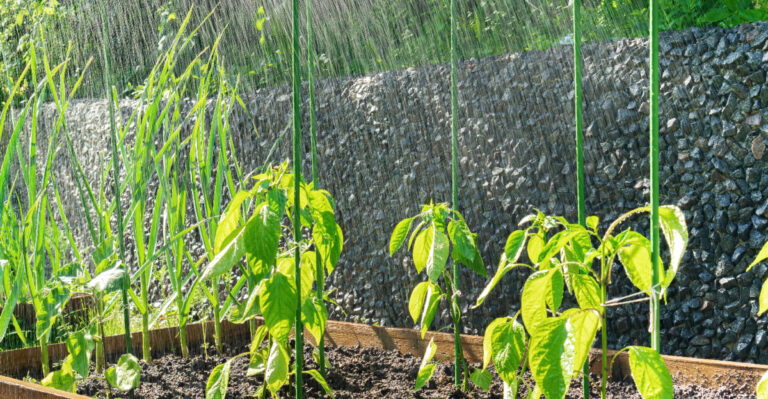
In North Carolina, June rain can look convincing but still leave your garden running on empty. A quick shower barely soaks past the top inch of soil, and with summer heat already cranking up, that moisture disappears fast.
Some plants are sneaky about drought stress too. They don’t wilt dramatically or turn brown overnight.
They just quietly struggle until the damage is done. Certain plants in your yard are especially good at hiding thirst, and those are the ones that can surprise you by midsummer.
Knowing which ones to check, even after a decent rain, can be the difference between a thriving garden and a frustrating recovery job in the middle of July.
1. Smooth Hydrangea
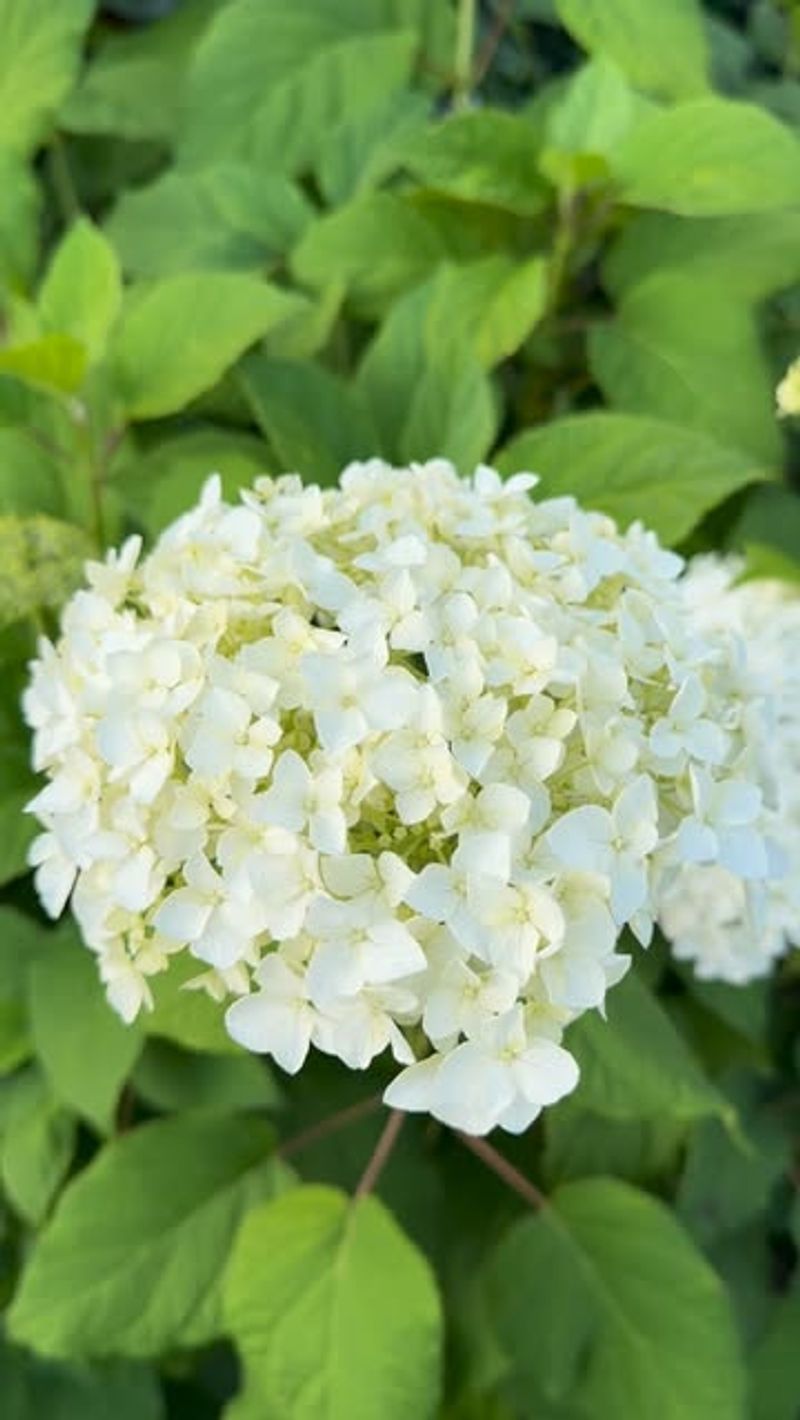
Few plants put on a summer show quite like Smooth Hydrangea, and North Carolina gardeners love it for good reason.
Known botanically as Hydrangea arborescens, this native shrub lights up shade beds with its enormous white blooms through June and into July.
What most people do not realize is how thirsty it gets during that exact same period.
Scattered afternoon storms can fool you. The top inch of soil may feel damp right after rain, but the root zone beneath can stay surprisingly dry, especially in beds near mature trees.
Tree roots are sneaky competitors, soaking up moisture before your hydrangea even gets a chance. Hot June temperatures speed up evaporation too, so the soil dries faster than you expect.
Push a finger two inches into the soil near the base of the plant. If it feels dry or barely cool, your Smooth Hydrangea wants water.
Water deeply and slowly, letting moisture soak down eight to ten inches rather than just wetting the surface. A three-inch layer of shredded bark mulch over the root zone slows evaporation and keeps roots cooler on hot afternoons.
Avoid soaking the foliage when you water, since wet leaves in humid weather can invite fungal problems. Morning watering works best.
Consistent moisture during bloom time keeps those flower heads large, bright, and beautiful all the way through summer.
2. Oakleaf Hydrangea
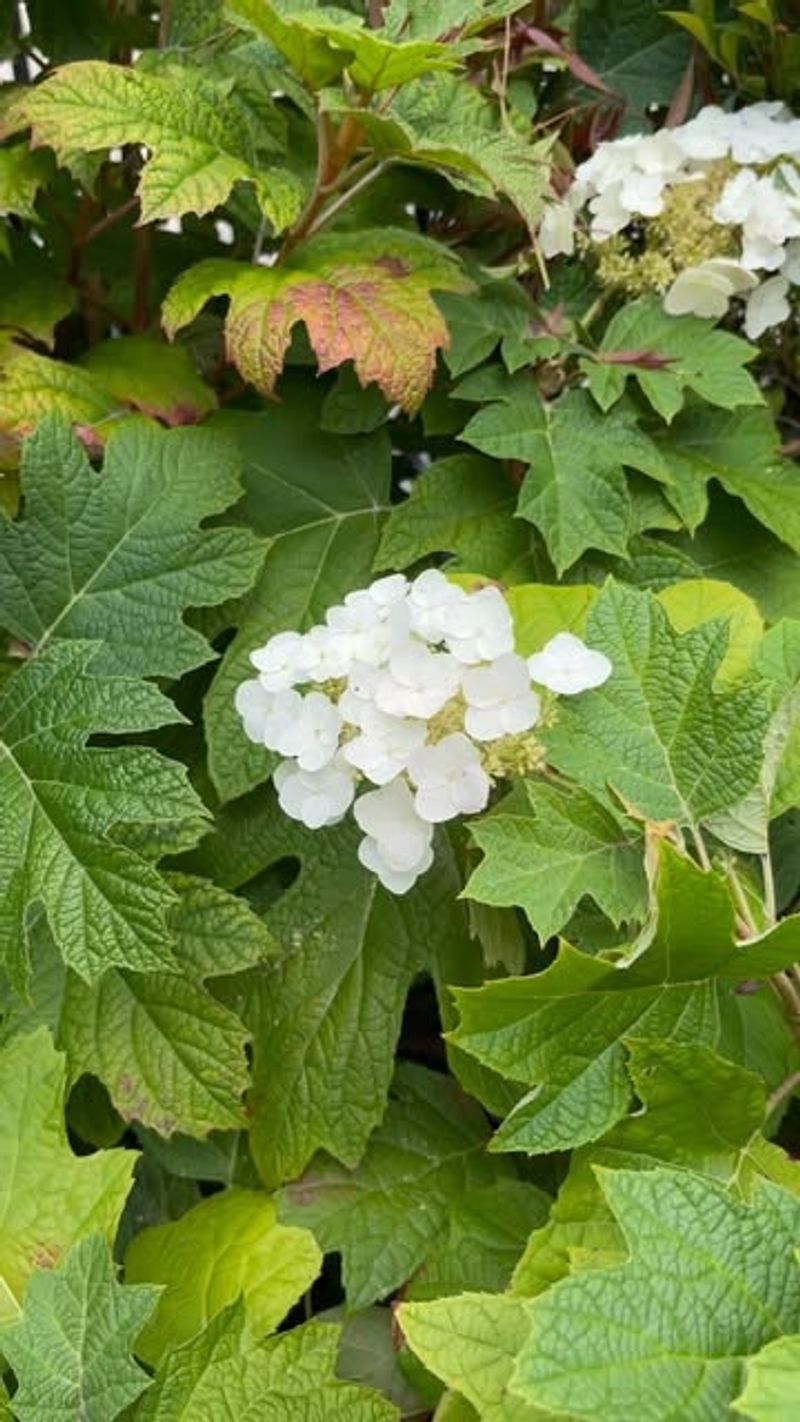
Oakleaf Hydrangea is one of the toughest native shrubs you can grow in North Carolina, but tough does not mean carefree.
Hydrangea quercifolia earns its reputation for drought tolerance once it is fully established, yet young or recently planted shrubs can struggle badly during June heat even when rain has fallen recently.
The leaves are a big part of the story. Those bold, deeply lobed leaves are gorgeous, but they are also large, and large leaves lose moisture through transpiration faster than small ones.
On a hot June afternoon, a young Oakleaf Hydrangea can lose more water through its leaves than scattered rain replaced the night before. That imbalance shows up fast as wilting or leaf edges that look scorched and papery.
Check soil moisture by pressing down two to three inches near the drip line of the shrub. Dry or barely moist soil means it is time to water, regardless of recent rainfall.
Your North Carolina Garden Changes Every Week. Your Plan Should Too.
Gardening in North Carolina changes quickly throughout the season. Every Friday you’ll receive a simple weekly plan showing exactly what to plant, prune, fertilize, harvest, and protect so you never miss the right timing.
Water deeply at the base, aiming for the root zone rather than the foliage. Mulching generously around the plant helps hold moisture and keeps the soil temperature steady during hot spells.
Part-shade placement suits young plants especially well, reducing the moisture demand on warm afternoons. Good drainage still matters, since waterlogged roots cause their own problems.
With the right balance of moisture and airflow, Oakleaf Hydrangea rewards you with stunning blooms and rich fall foliage year after year.
3. Cardinal Flower
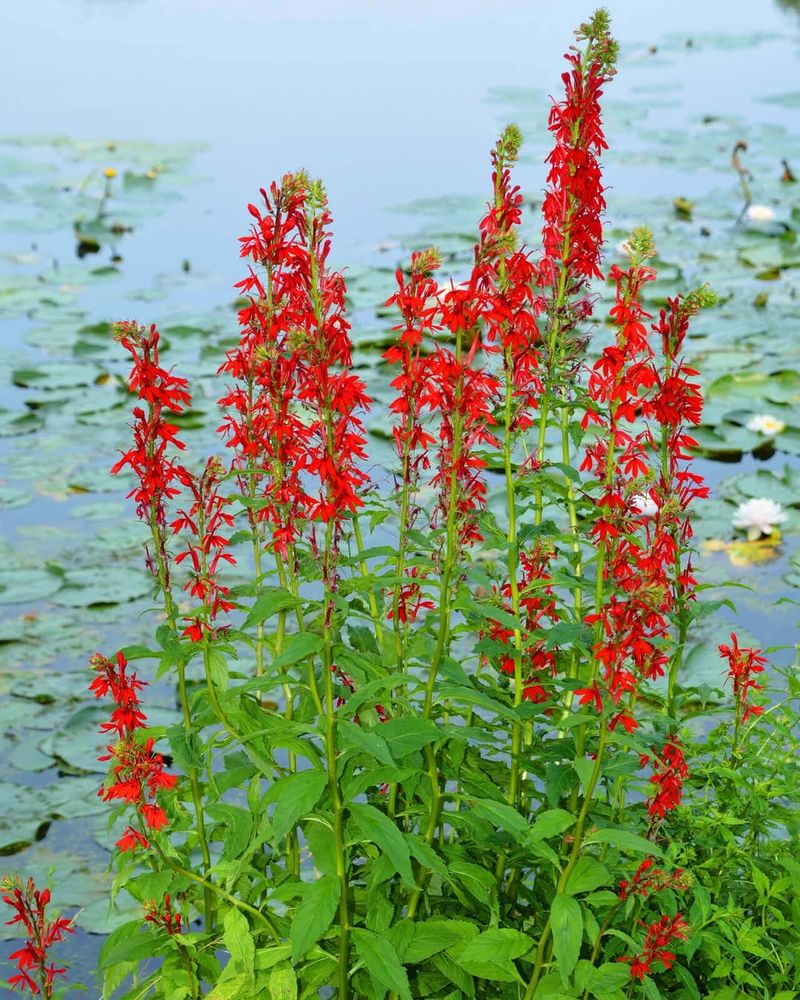
Bright, fiery red and built for hummingbirds, Cardinal Flower is one of the most striking native perennials you can grow in North Carolina. Lobelia cardinalis naturally grows along stream banks, pond edges, and low-lying areas where soil stays reliably moist.
That natural habitat tells you everything you need to know about its water needs in June.
Rain gardens and damp borders can dry out faster than you think during early summer heat. A quick afternoon shower drops an inch of rain, but hot temperatures and fast-drying sandy or clay soils mean the moisture is gone within a day or two.
Cardinal Flower roots are shallow and spread close to the surface, which makes them especially vulnerable when the top layer of soil dries out between storms.
Young plants need the most attention. Check the soil around Cardinal Flower every couple of days in June, pressing a finger into the ground near the base.
If it feels dry an inch down, water right away. A light layer of fine mulch, about two inches deep, helps hold moisture without smothering the crown of the plant.
Avoid heavy mulch that piles against the stem, since that can cause crown rot in humid weather.
Planting Cardinal Flower near a downspout, rain garden, or low spot in your yard gives it the naturally consistent moisture it loves. Keep it happy in June and it will reward you with weeks of brilliant blooms.
4. Foamflower
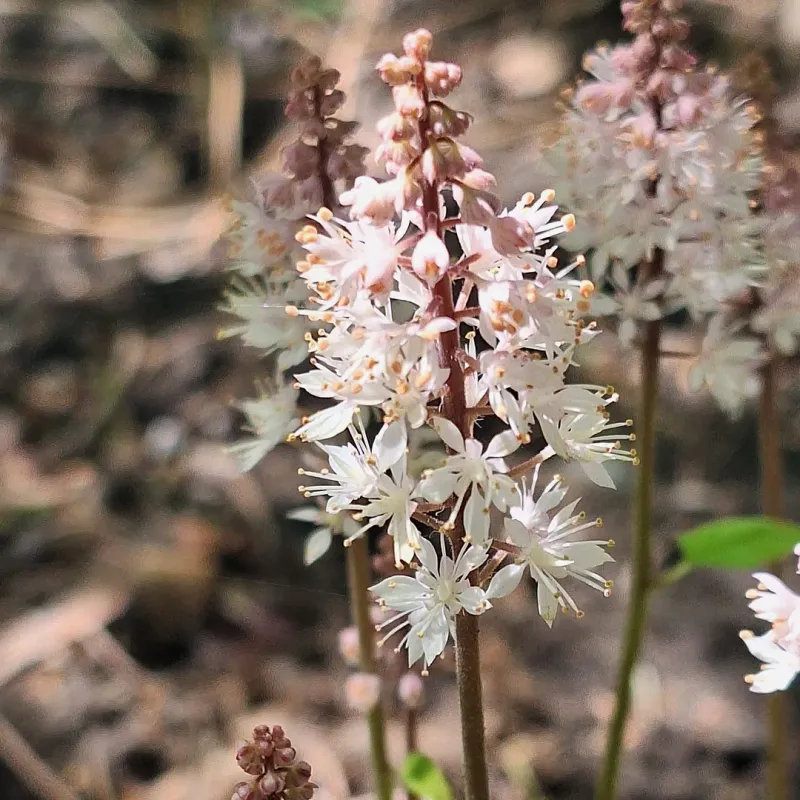
Foamflower is one of those plants that looks delicate but actually handles shade beautifully when its roots stay happy.
Tiarella cordifolia is a native woodland perennial that spreads slowly through shaded beds, producing fluffy white flower spikes in spring and holding its attractive foliage well into summer.
June is when gardeners need to pay closer attention to what is happening underground.
Shaded beds under large trees present a hidden challenge. Tree canopies intercept rainfall before it ever reaches the soil, and tree roots aggressively absorb whatever moisture does soak in.
After a scattered storm, the ground beneath a dense canopy can stay surprisingly dry while open areas nearby look thoroughly soaked. Foamflower roots are shallow and thrive in loose, organic-rich soil, which dries faster than compacted ground.
Scratch the soil surface gently with your finger near a Foamflower clump. If it feels dry past the first inch, the plant needs water.
Water gently and slowly, keeping moisture off the leaves to reduce the risk of fungal issues in humid weather. A two-inch layer of shredded leaf mulch mimics the plant’s natural forest floor environment and does a remarkable job holding moisture between waterings.
Compost-amended soil makes a noticeable difference for this plant, improving both moisture retention and drainage at the same time. Keep Foamflower out of hot afternoon sun, since direct heat wilts foliage quickly.
With consistent moisture and good organic soil, it spreads steadily and stays lush and green all summer long.
5. Wild Ginger
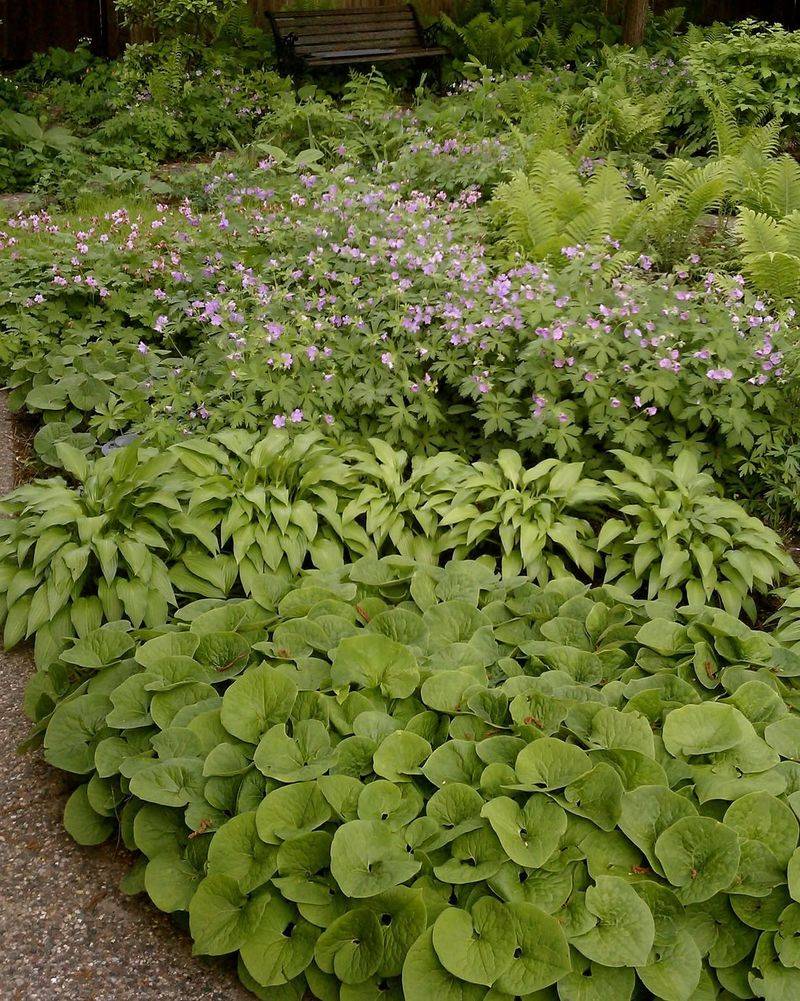
Wild Ginger is the kind of groundcover that makes a shaded garden floor look like a lush forest. Asarum canadense spreads quietly under trees, filling gaps with broad, heart-shaped leaves that stay green and full through summer.
It looks tough, and established patches generally are, but June brings conditions that can push even well-settled plants toward stress.
Dry shade is one of the trickiest environments in any garden. Overhead canopies block rainfall, and mature tree roots pull moisture away from the top few inches of soil where Wild Ginger roots live.
A half-inch of rain might not penetrate far enough to benefit plants growing beneath a thick layer of leaf litter and competing roots. Young Wild Ginger plants are especially sensitive during their first and second summers.
Lift the leaf litter gently and press your finger into the soil beneath. Cool and moist is what you want to feel.
Dry or barely damp means it is time to water. Water slowly and deeply, giving moisture time to soak past the leaf litter and into the root zone rather than running off the surface.
A refreshed layer of shredded leaves or fine bark mulch after watering helps lock that moisture in.
Planting Wild Ginger in rich, organic soil from the start gives it the best chance of handling summer dry spells on its own over time. Patience pays off with this plant.
Once truly established over a few seasons, it becomes a remarkably low-maintenance and beautiful addition to any North Carolina shade garden.
6. Creeping Phlox
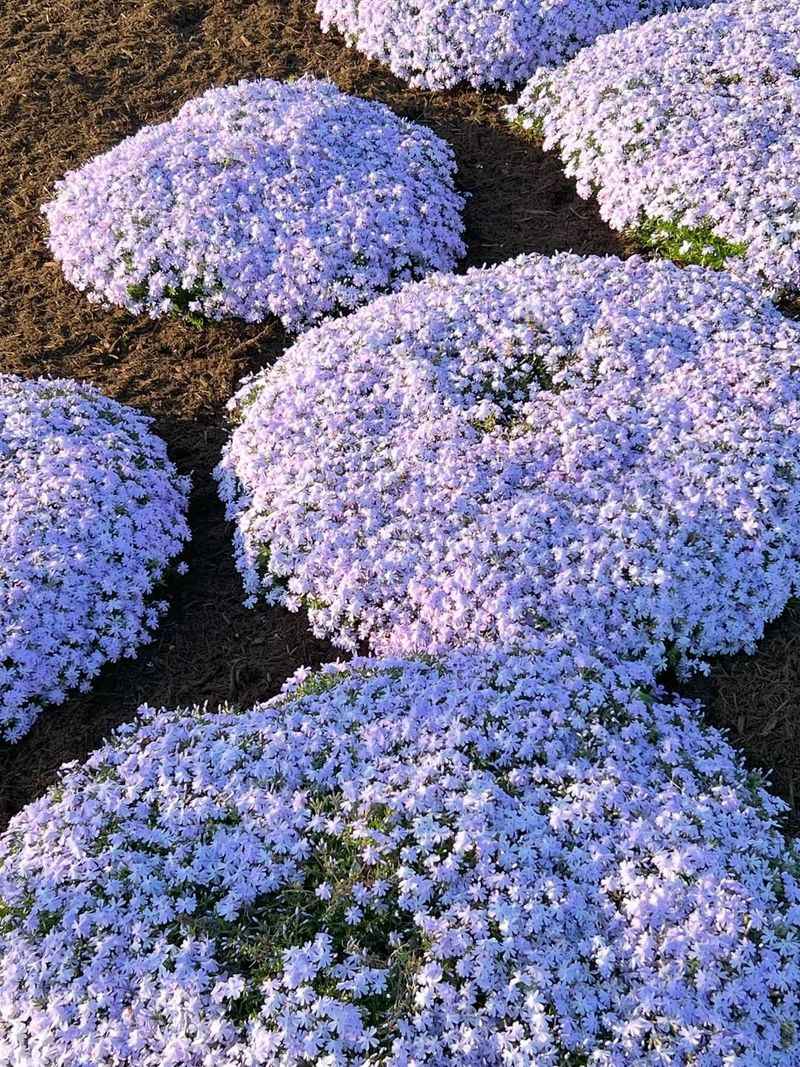
Creeping Phlox is a charming native groundcover that hugs the ground and spreads gently along woodland edges and shaded slopes. Phlox stolonifera puts on a cheerful show of small flowers in spring, and then settles into a season of quiet, steady growth.
By June, the flowers are gone, but the foliage still needs consistent care to stay healthy through summer heat.
Shallow soil is this plant’s biggest vulnerability. Creeping Phlox roots stay close to the surface, and shallow soils dry out fast after scattered rain.
A quick storm may wet the top layer but leave the root zone dry within a day in hot weather. On slopes or areas with sandy soil, moisture drains away even faster, making regular checks important throughout June and into July.
Feel the soil about an inch below the surface near a Creeping Phlox patch. If it feels dry or barely cool, water gently and thoroughly.
Avoid overhead watering in humid weather, since wet foliage and poor airflow can invite powdery mildew on this plant. Water at the base instead, keeping leaves as dry as possible.
A thin layer of shredded bark mulch around the planting helps hold moisture and keeps roots cooler without smothering the low stems. Good spacing between plants also improves airflow, which matters a lot in North Carolina’s humid summers.
Humus-rich soil amended with compost before planting gives Creeping Phlox the moisture-retaining foundation it needs to thrive long-term in your garden.
7. Coral Honeysuckle
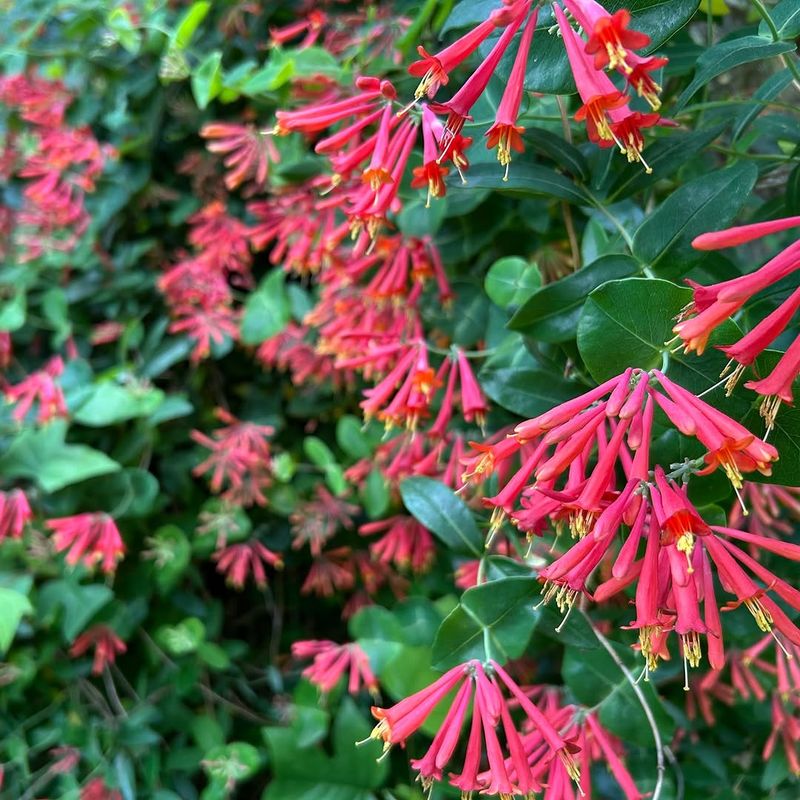
Coral Honeysuckle is a native vine that North Carolina gardeners love for its trumpet-shaped red and orange blooms that hummingbirds cannot resist.
Lonicera sempervirens is far better behaved than its invasive Japanese cousin, and once established it handles summer conditions fairly well.
The catch is that newly planted vines need a lot more attention than most gardeners expect in June.
Young vines are putting enormous energy into root development during their first season, and that process demands steady moisture.
Even after a decent rainfall, the root ball of a recently planted Coral Honeysuckle may stay drier than the surrounding soil because the roots have not yet spread wide enough to access moisture from a larger area.
Uneven rainfall in June makes this even more unpredictable. Check moisture at the base of the vine by pressing a finger two inches into the soil near the planting hole. Dry or slightly damp means water is needed.
Water deeply at the root zone rather than spraying the foliage, and let the soil dry slightly between waterings to avoid soggy roots. Good drainage is just as important as consistent moisture for this plant.
A two-inch ring of mulch around the base keeps the root zone cooler and reduces evaporation without trapping too much water against the stem. Full sun to part shade suits Coral Honeysuckle well, and a sturdy trellis or fence gives the vine structure to climb.
Steady care through the first summer sets this plant up for years of low-maintenance beauty.
8. Bottlebrush Buckeye
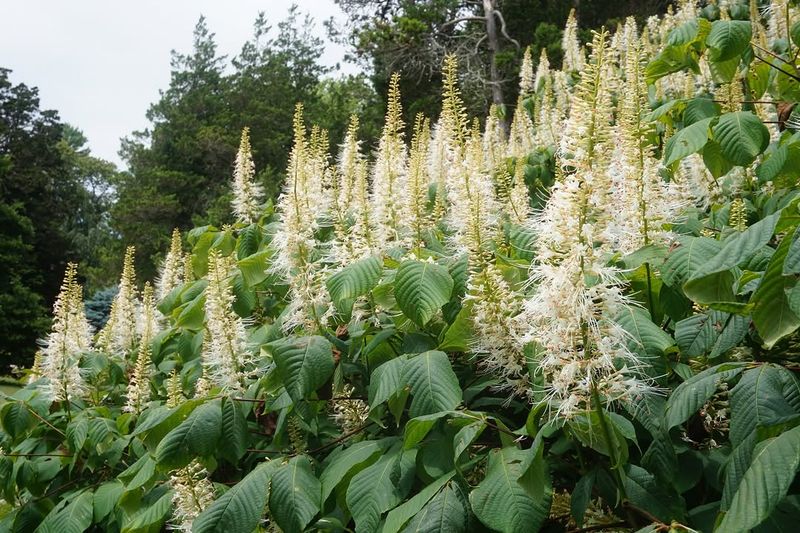
There is nothing subtle about Bottlebrush Buckeye when it blooms in summer.
Aesculus parviflora is a bold, spreading native shrub that can reach eight to twelve feet wide over time, and its tall white bottlebrush flower spikes are absolutely stunning in late June and July.
Big plants, though, have big roots, and those roots need reliable moisture to support all that growth.
Young Bottlebrush Buckeye plants are particularly vulnerable during their first few summers. Even in partial shade, the combination of large leaves and hot temperatures means this shrub loses a significant amount of moisture through transpiration every day.
Scattered rain often does not replace what is lost, especially during dry stretches between storms. Under mature trees, root competition makes the situation even more challenging.
Watch for drooping leaves as an early warning sign that the plant needs water. Do not wait for wilting to become severe before acting.
Check soil moisture at the base of the shrub by pressing down two to three inches. If it feels dry, water deeply and slowly, allowing moisture to soak eight to ten inches into the ground where the roots can actually use it.
A generous layer of mulch, three to four inches deep, makes a real difference in how long the soil stays moist between waterings. Space plants well to allow airflow, and choose a woodland edge or shaded border location to reduce heat stress.
With good soil and steady moisture during establishment, Bottlebrush Buckeye becomes a spectacular long-lived presence in any North Carolina landscape.
9. Woodland Phlox
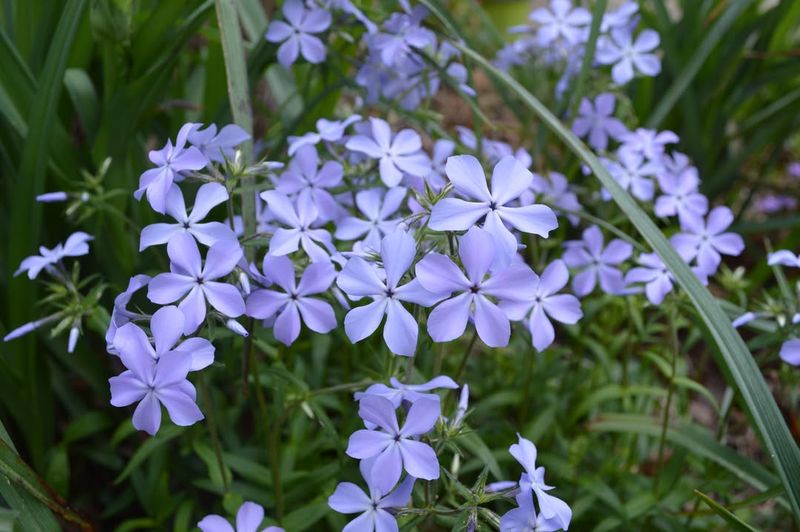
Woodland Phlox is a spring favorite in North Carolina shade gardens, filling beds with soft lavender-blue flowers that smell faintly sweet on warm evenings.
Phlox divaricata finishes blooming by late spring, but the foliage keeps growing through June and needs consistent care to stay healthy.
Gardeners who stop paying attention after the flowers fade often find the plant struggling by midsummer.
Shaded soil beneath deciduous trees has its own complicated relationship with rainfall. Leaf canopies intercept a surprising amount of water, and what does reach the ground competes with tree roots.
Woodland Phlox has relatively shallow roots that depend on the top few inches of soil staying consistently moist. When that layer dries out in June heat, foliage starts to look tired and faded well before it should.
Check the soil around Woodland Phlox by pressing a finger about an inch into the ground near the base of the plant. If it comes up dry, water gently at the base.
Avoid wetting the foliage directly, since humid conditions combined with wet leaves can encourage powdery mildew, which is already a common concern for this plant in North Carolina summers.
Shredded leaf mulch is the best choice for Woodland Phlox because it mimics the natural forest floor and keeps moisture in the root zone without compacting. Part-shade placement with good airflow helps the foliage stay clean and healthy.
During extended dry stretches in June, even well-established plants benefit from a slow, deep watering every week to maintain their vigor and appearance.
10. Solomon’s Seal
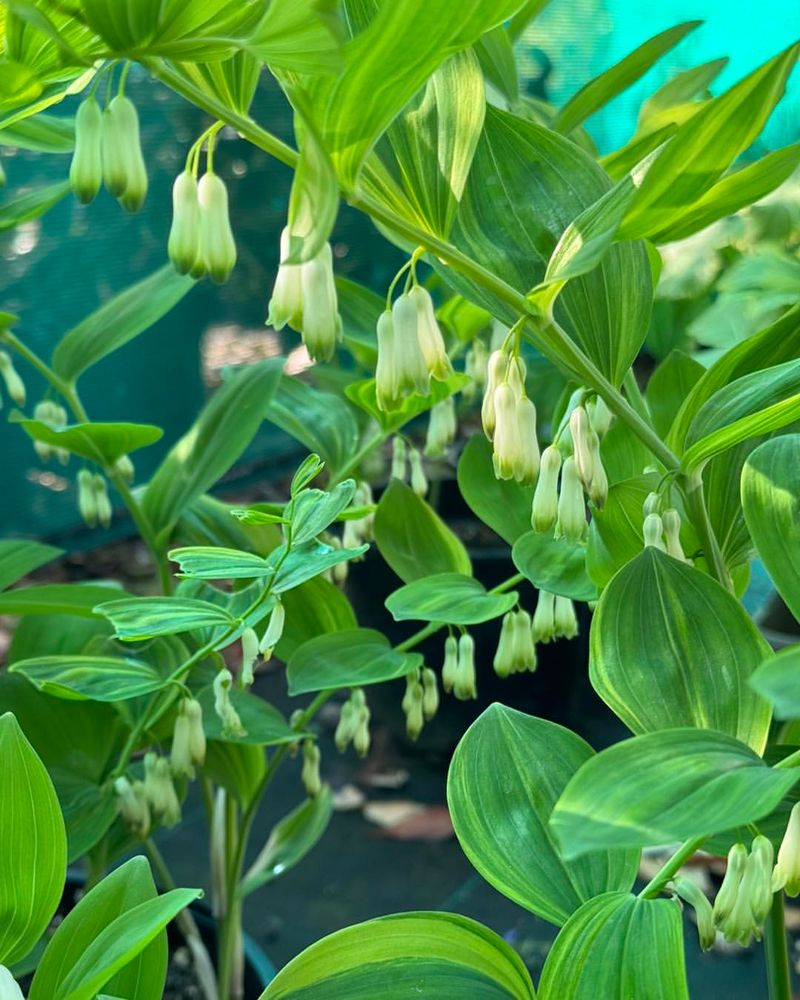
Solomon’s Seal brings graceful elegance to shaded garden beds, with arching stems lined with oval leaves and small white bell-shaped flowers dangling underneath in spring.
Polygonatum biflorum is a native woodland perennial that handles shade beautifully and is more resilient than many woodland plants once it settles in.
Even so, June can bring challenges that even a tough plant like this does not always handle well on its own.
Dry shade is the main culprit. Established Solomon’s Seal can tolerate brief dry spells, but when summer heat combines with tree-root competition and inconsistent rainfall, the plant’s energy reserves get stretched thin.
Leaves may start to look pale or slightly curled at the edges, which is an early signal that the root zone is drying out faster than rain is replacing moisture. Catching this early makes a big difference.
Check soil moisture by pressing two inches into the ground near the base of the plant. Rich, organic soil holds moisture well, so if you feel dryness that deep, watering is overdue.
Water slowly and deeply, allowing moisture to reach the rhizomes that run just below the soil surface. A refreshed layer of shredded bark or leaf mulch after watering locks in that moisture for several extra days.
Spacing plants with enough room for airflow reduces humidity-related stress in summer. Compost-amended soil improves moisture retention naturally and feeds the plant at the same time.
Solomon’s Seal is a long-lived perennial that spreads steadily over the years, and a little extra watering care in June keeps it looking full and lush all season long.
11. Swamp Milkweed
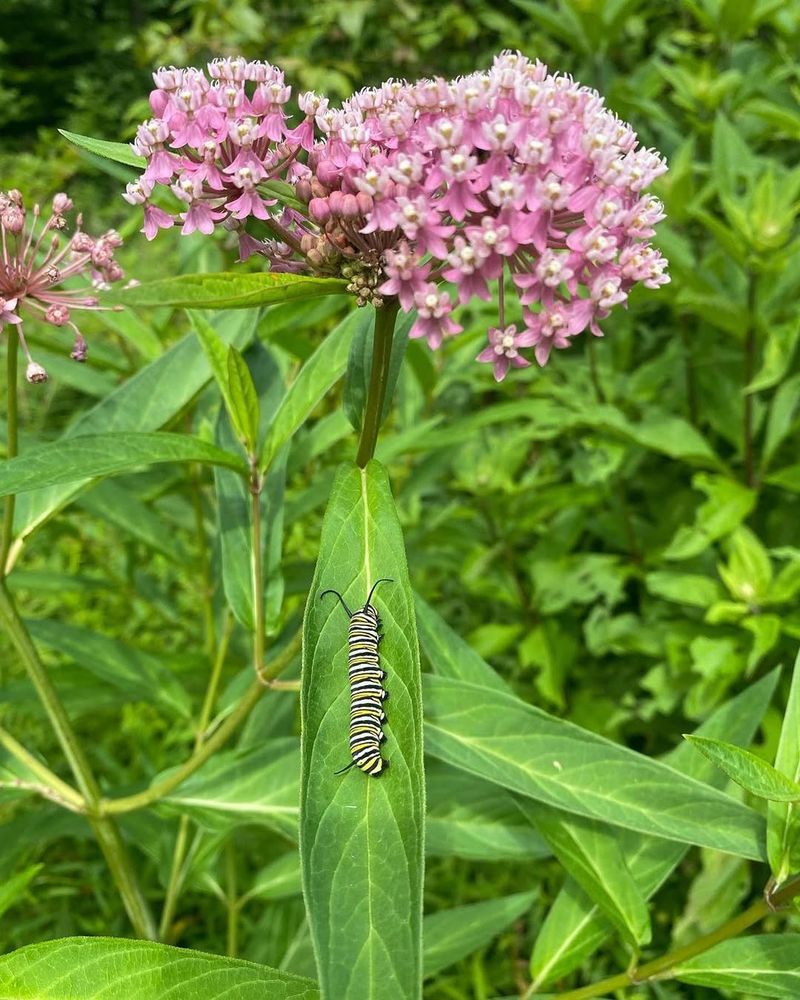
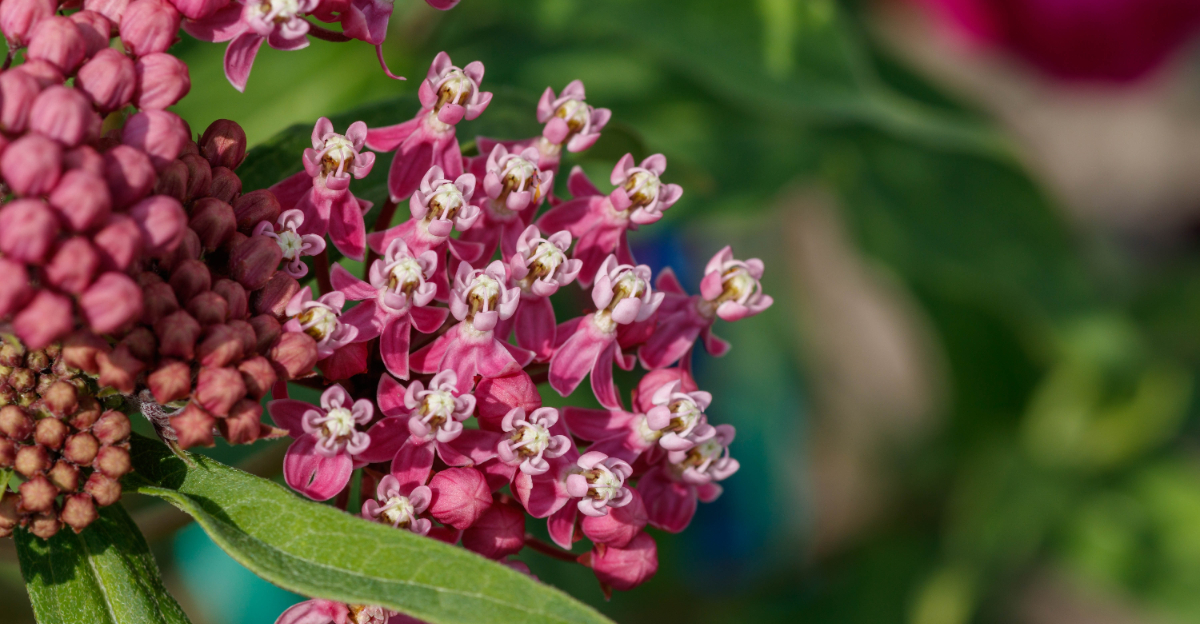
Swamp Milkweed is a powerhouse for pollinators, and if you want to support monarch butterflies in your North Carolina garden, Asclepias incarnata belongs in your planting plan.
It blooms in June and July with clusters of rosy-pink flowers that attract monarchs, bees, and a whole crowd of other beneficial insects.
But here is what surprises many gardeners: even a plant named swamp milkweed can run short on water during a hot June.
When Swamp Milkweed grows in average garden soil rather than naturally damp areas, it relies on consistent rainfall or supplemental watering to stay vigorous during its peak growth and bloom period.
Scattered afternoon storms in June often drop rain unevenly, and hot sunny days dry out soil quickly between storms.
A plant that looks fine in the morning can show signs of stress by late afternoon if the root zone dried out overnight.
Check soil moisture about two inches down near the base of the plant. If it feels dry, water deeply and let the moisture soak in slowly.
Full sun placement maximizes blooms but also increases the plant’s water demand, so regular checks matter most in sunny spots. Mulching around the base with two to three inches of shredded material slows evaporation noticeably.
Rain gardens and moist borders are ideal long-term homes for Swamp Milkweed because they naturally provide the consistent moisture this plant prefers. Even in those spots, a dry June week warrants a check.
Keeping it well-watered through bloom time means more flowers, more monarchs, and a garden full of life all summer long.
12. Turtlehead
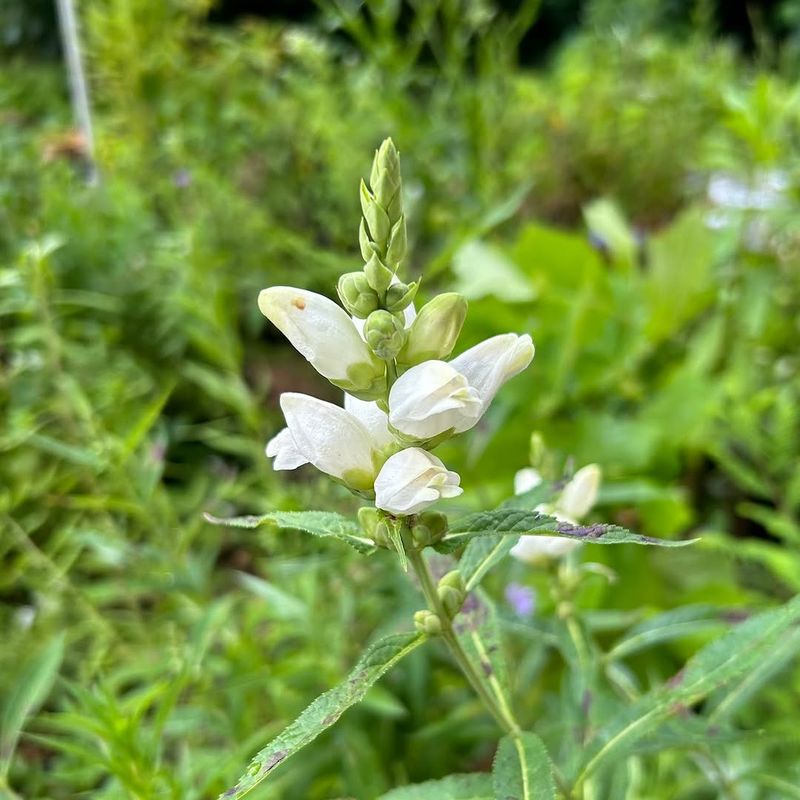
Turtlehead gets its memorable name from its flowers, which look remarkably like the head of a turtle peeking out of its shell. Chelone glabra is a native perennial that thrives in wet borders, stream-side plantings, and rain gardens across North Carolina.
It is not a plant that tolerates dry soil gracefully, and June is exactly when gardeners need to pay close attention to what is happening at the root zone.
Even after rain, Turtlehead can struggle if the moisture does not stay consistent. This plant naturally grows along stream banks and in low, wet areas where the soil rarely fully dries out.
When it is placed in a regular garden border or part-shade bed, it depends on the gardener to replicate those conditions. Light or scattered rainfall in June often does not soak deeply enough into the soil to keep Turtlehead roots satisfied for long.
Press two fingers into the soil near the base of the plant. Cool and moist is what you are hoping to feel.
Dry or barely damp soil means watering is needed right away. Water slowly and deeply at the base, keeping moisture in the root zone where it counts.
Compacted soil is a real problem for this plant, so loose, organically rich soil makes a noticeable difference in how well it handles summer heat.
Part shade suits Turtlehead well, reducing heat stress and slowing evaporation from the soil surface. Mulching with two to three inches of shredded material keeps the root zone consistently moist between waterings.
With reliable moisture through June, Turtlehead builds strong stems and sets up a beautiful late-summer bloom that makes every effort worthwhile.