What North Carolina Pepper Plants Really Need In July To Keep Producing Through First Frost
Pepper plants that start strong in June and quietly fall apart by August are one of the most common disappointments in North Carolina vegetable gardens. The problem almost never shows up suddenly.
It builds through July when specific needs go unmet during the stretch of the season that is most demanding on the plant.
North Carolina’s combination of intense heat, humidity swings, and the particular stress pattern of midsummer creates a window where what peppers need shifts significantly from what worked earlier in the season.
Gardeners who adjust their care during this window keep plants producing consistently all the way through the first frost. Those who do not start losing ground in August and never fully recover it.
1. Keep Soil Moisture Steady In July
Steady soil moisture might be the single most important thing you can give your pepper plants in July. North Carolina summers get brutally hot, and that heat pulls moisture out of the soil faster than most gardeners expect.
When the soil swings between soaking wet and bone dry, pepper plants feel that stress immediately.
Stressed plants slow down on flowering. They may drop the blooms they already have, and the fruit that does form can end up smaller or tougher than it should be.
Consistent moisture keeps the plant calm and focused on doing what you want it to do, which is set fruit and keep growing.
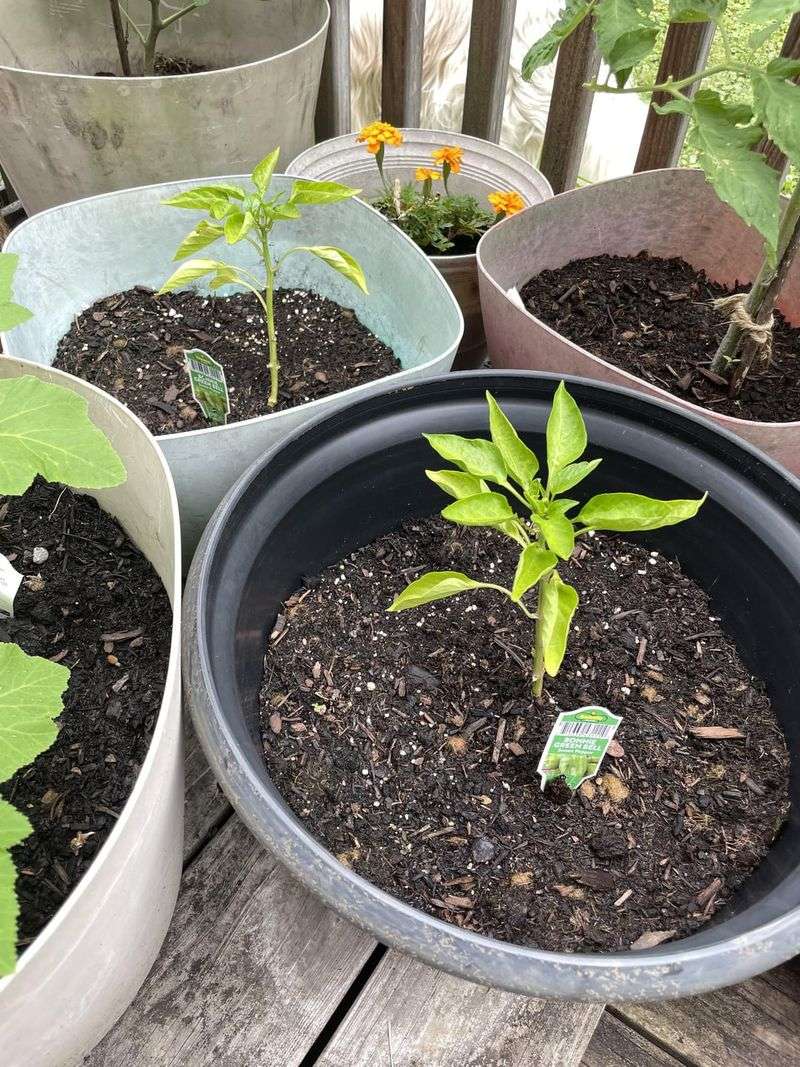
Aim for soil that feels like a wrung-out sponge, moist all the way through but never waterlogged. Stick your finger about two inches into the soil every morning.
If it feels dry at that depth, water right away. Most pepper plants in July need water every one to two days depending on heat and rainfall.
A simple soil check takes ten seconds and saves you a lot of guesswork. Getting this habit going early in the month sets your plants up for a strong finish all the way through October.
2. Water The Roots Instead Of The Leaves
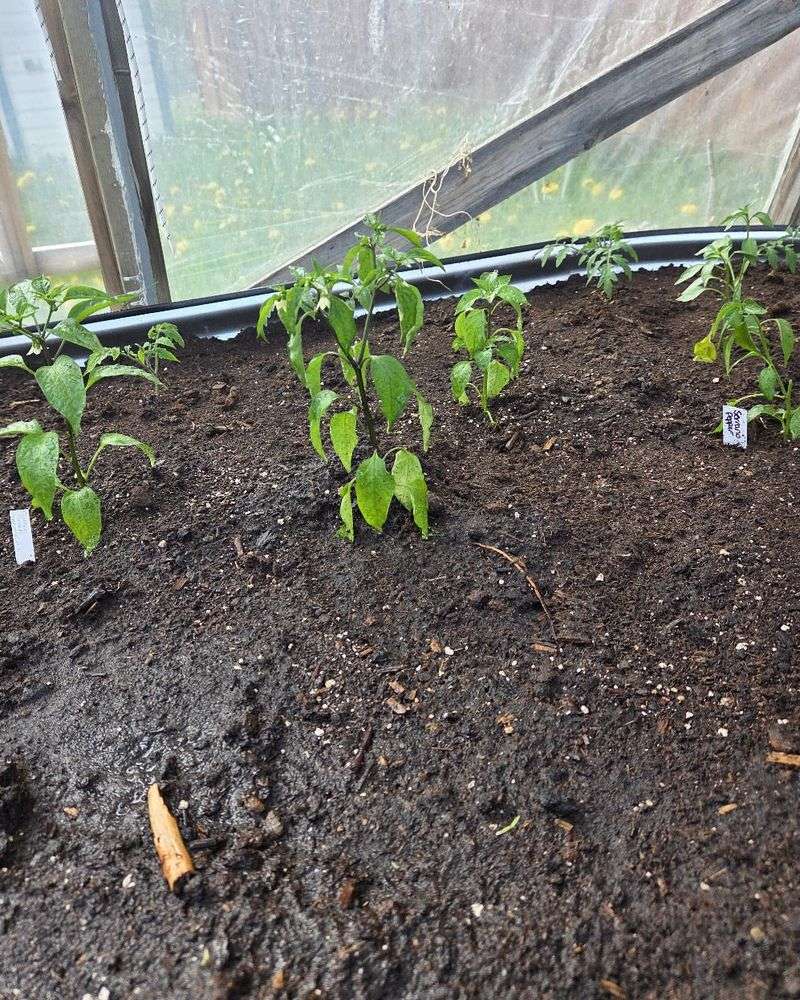
Picture this: you grab the hose after a long hot day and spray the whole pepper plant from top to bottom because it looks thirsty. It feels satisfying, but it is actually one of the less helpful things you can do in July.
Wetting the leaves during humid North Carolina summers creates the perfect setup for fungal problems, and the plant still does not absorb water through its foliage anyway.
Pepper roots are where all the action happens. Water that reaches the root zone gets pulled up into the plant quickly and efficiently.
Water that sits on leaves in humid heat just causes trouble. Drip irrigation systems and soaker hoses are fantastic tools for this exact reason.
They deliver moisture slowly and directly to the soil without splashing anything above ground.
If you hand water, aim the hose or watering can right at the base of the plant and let the water soak in slowly rather than rushing past the roots. A slow, deep watering is always better than a quick splash.
Your North Carolina Garden Changes Every Week. Your Plan Should Too.
Gardening in North Carolina changes quickly throughout the season. Every Friday you’ll receive a simple weekly plan showing exactly what to plant, prune, fertilize, harvest, and protect so you never miss the right timing.
Deep watering encourages roots to grow further down into the soil, which actually makes the plant more resilient during hot dry spells.
Getting the water where it belongs makes your effort count and your pepper plants noticeably stronger through the rest of summer.
3. Mulch Before The Soil Swings Too Much
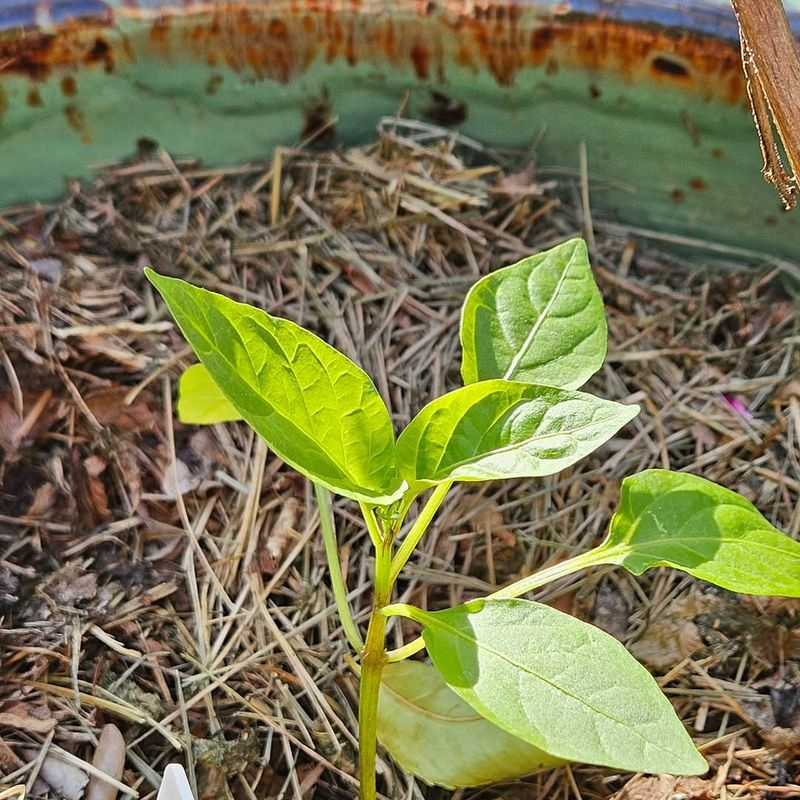
Mulch is one of those garden tools that quietly does so much work while you are doing other things. In the North Carolina summer heat, bare soil around your pepper plants heats up fast, dries out faster, and invites weeds to move right in.
A good layer of mulch changes all of that almost overnight.
Straw, shredded leaves, pine straw, and finished compost all work well around pepper plants. Spread two to three inches around each plant, keeping a small gap right around the stem itself.
Piling mulch directly against the stem can trap moisture there and cause rot, so give the base of the plant a little breathing room. Beyond that gap, pile it on generously.
What mulch does for your soil is genuinely impressive. It keeps the ground cooler on scorching days, slows evaporation so you water less often, and slowly breaks down to feed the soil over time.
Weeds have a much harder time pushing through a thick mulch layer, which means less competition for your peppers. If you laid mulch down earlier in the season, check it now because it may have thinned out.
Top it off before the hottest weeks hit. This one simple step can reduce your watering needs noticeably and keep your pepper plants far more comfortable through the rest of the growing season.
4. Feed Lightly Only If Plants Need It
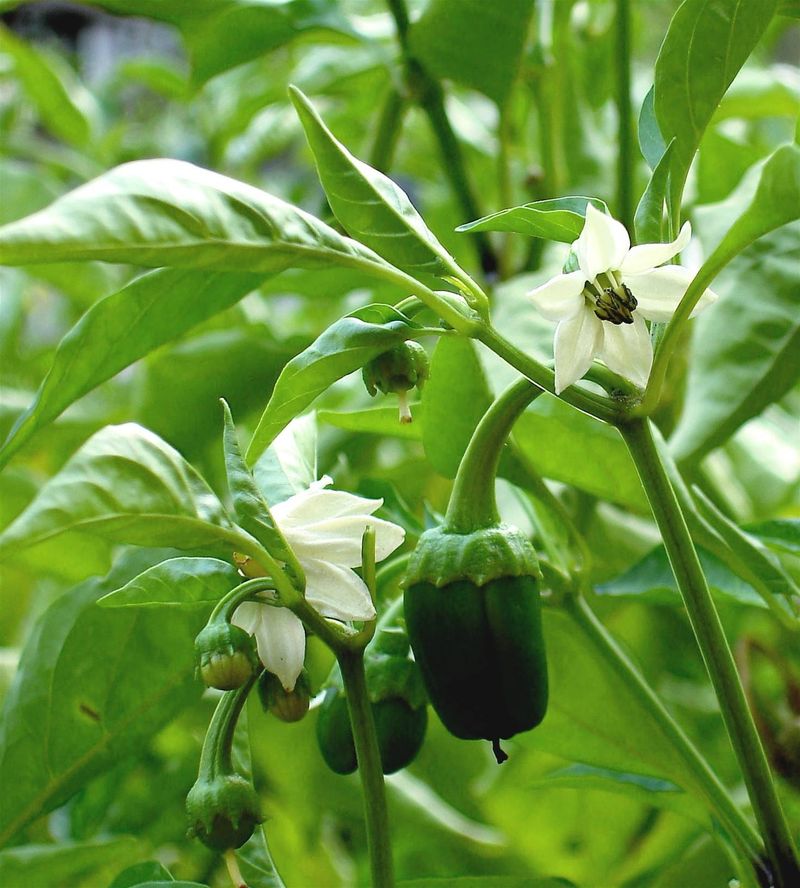
Fertilizing pepper plants in July sounds straightforward, but it is one area where more is definitely not better.
Peppers are heavy producers during a long season, and they can benefit from a little extra nutrition mid-summer if they are showing signs of slowing down.
Pale leaves, weak new growth, or very slow fruit development can all be signals that nutrients are running low.
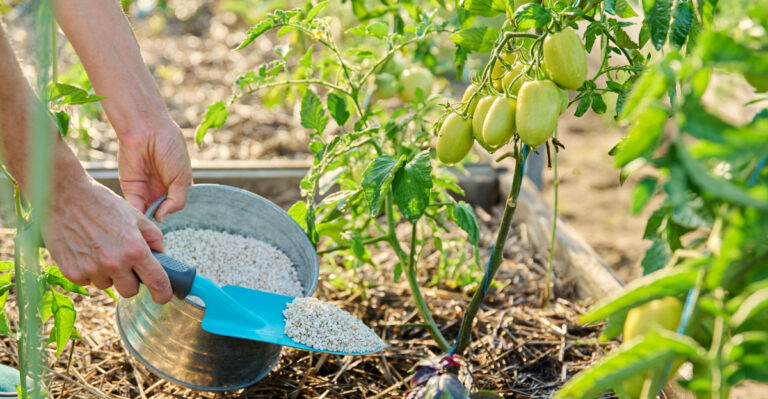
Nitrogen is the nutrient most likely to be low by July, especially if your soil has been watered heavily all season. A small dose of a balanced fertilizer or a nitrogen-focused feed can perk things back up.
However, too much nitrogen at this stage pushes the plant to grow lots of lush leaves instead of putting energy into flowers and fruit. That is the last thing you want when you are trying to maximize production before frost.
Before you feed, take a close look at your plants. Healthy, dark green plants with lots of flowers and developing fruit probably do not need anything right now.
Save the fertilizer for when the signs are clear. If you do feed, use about half the recommended dose and water it in well.
Slow-release granular fertilizers or a diluted liquid feed both work well. A soil test from your local North Carolina cooperative extension office can give you the most accurate picture of what your garden actually needs.
5. Pick Peppers Regularly To Keep Plants Working
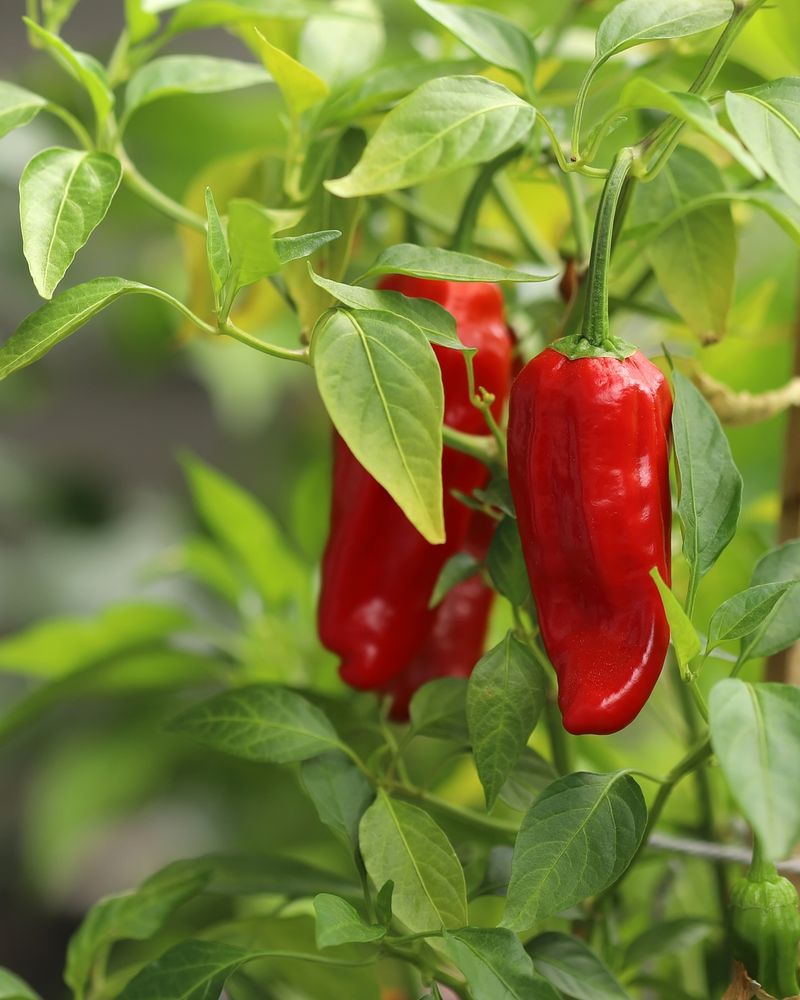
Here is something that surprises a lot of first-time pepper growers: the more you pick, the more you get. Pepper plants are wired to produce fruit for one reason, which is to make seeds and reproduce.
Once a plant feels like it has enough mature fruit on it, it naturally slows down on setting new flowers. Regular harvesting tricks the plant into thinking the job is not done yet, so it keeps flowering and fruiting.
Sweet peppers like bell peppers can be picked once they reach full size and feel firm, even if they have not changed color yet.
Picking them green actually speeds up production because the plant does not have to spend energy ripening that fruit further.
Hot peppers can stay on the plant longer if you want full color and peak flavor, but even those benefit from being picked before they get overly soft or start to shrink.
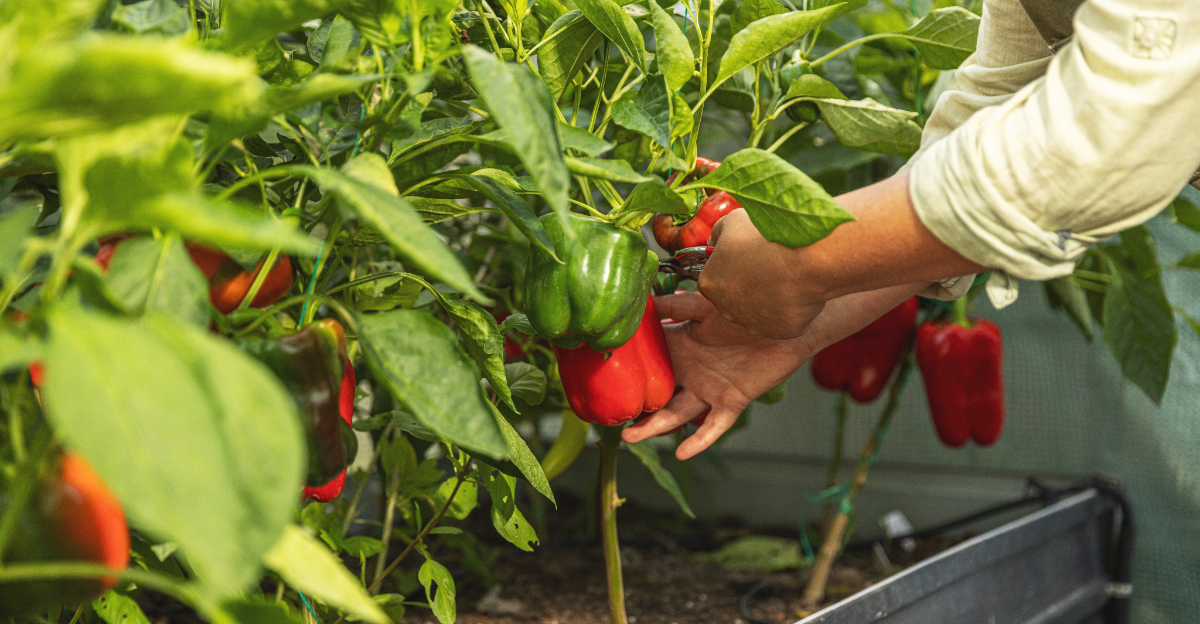
Make a habit of walking your pepper plants every two to three days in July. Bring a small basket and a pair of clean scissors or pruners.
Twist or snip peppers off carefully rather than yanking them, which can damage the branch. Any pepper that looks fully formed is fair game for picking.
Keeping the plant lightly loaded rather than overloaded is one of the most effective ways to stretch your harvest all the way to the first frost date in your part of North Carolina.
6. Support Branches Before They Snap
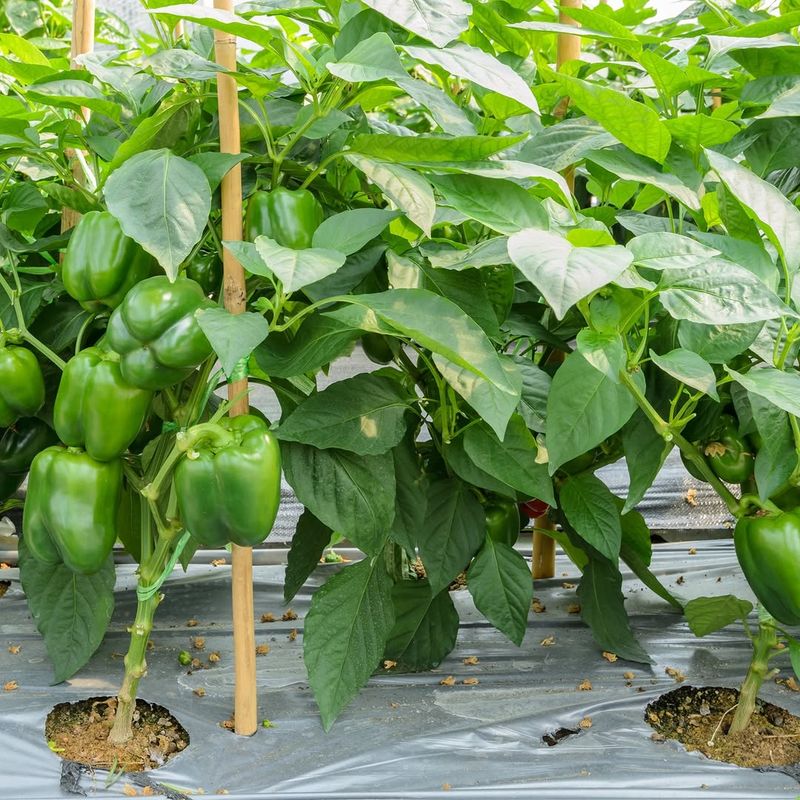
Pepper plants look sturdy, but their branches can be surprisingly brittle when they are loaded with fruit. July is often when plants hit their heaviest production, and all that weight on the branches adds up quickly.
A single strong summer storm or a heavy rain can bend or break a loaded branch in seconds, and a broken branch means lost fruit and a stressed plant.
Getting support in place before problems happen is always easier than trying to fix damage after the fact. Simple wooden stakes work great for single-stem plants.
Tomato cages also do a solid job of holding pepper plants upright, especially wider bushy varieties. For plants already leaning, tie the main stem gently to a stake using soft garden twine, strips of old fabric, or foam plant ties that will not cut into the stem.
When you tie branches, leave a little slack so the plant can still move slightly in the wind. A branch tied too tightly can actually rub and damage itself over time.
Check your supports every week or so as the plant grows and the fruit gets heavier. If a branch is bending under the weight of a cluster of peppers, add a small secondary tie to hold it up.
A well-supported plant puts its energy into fruit rather than into surviving structural stress, which is exactly what you want heading into the fall production stretch.
7. Watch Flowers During Extreme Heat
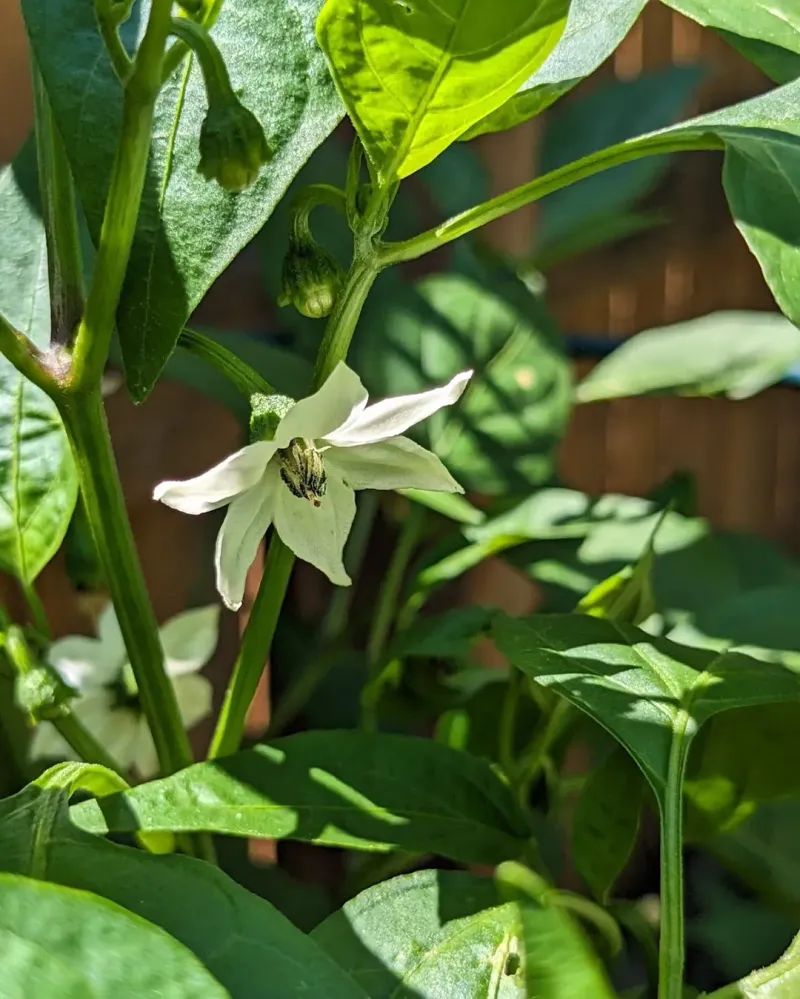
Nothing is more frustrating than watching your pepper plants covered in flowers and then noticing no new peppers forming. In North Carolina, extreme July heat is often the culprit.
When daytime temperatures climb above 90 degrees Fahrenheit consistently, pepper pollen becomes less viable and fruit set slows down or pauses entirely. This is completely normal and not a sign that something is seriously wrong.
The instinct many gardeners have is to throw extra fertilizer at the problem, hoping to push the plant harder. That actually tends to make things worse.
Over-fertilizing during a heat-stress period can push leafy growth at the exact time the plant needs to conserve energy. The better move is to focus on what the plant actually needs: steady moisture, cool roots from good mulch, and patience.
Pepper plants are remarkably good at bouncing back once temperatures drop even slightly, usually in late July or early August. When nighttime temperatures fall back into the lower 70s, fruit set often resumes strongly and quickly.
Some gardeners in North Carolina even see a second big flush of fruit in August and September because of this recovery period.
Keep caring for the plant through the hot stretch, do not give up on it, and trust that the effort you put in during July will pay off with a strong fall harvest that can stretch right up to the first frost.
8. Keep Weeds From Competing With Peppers
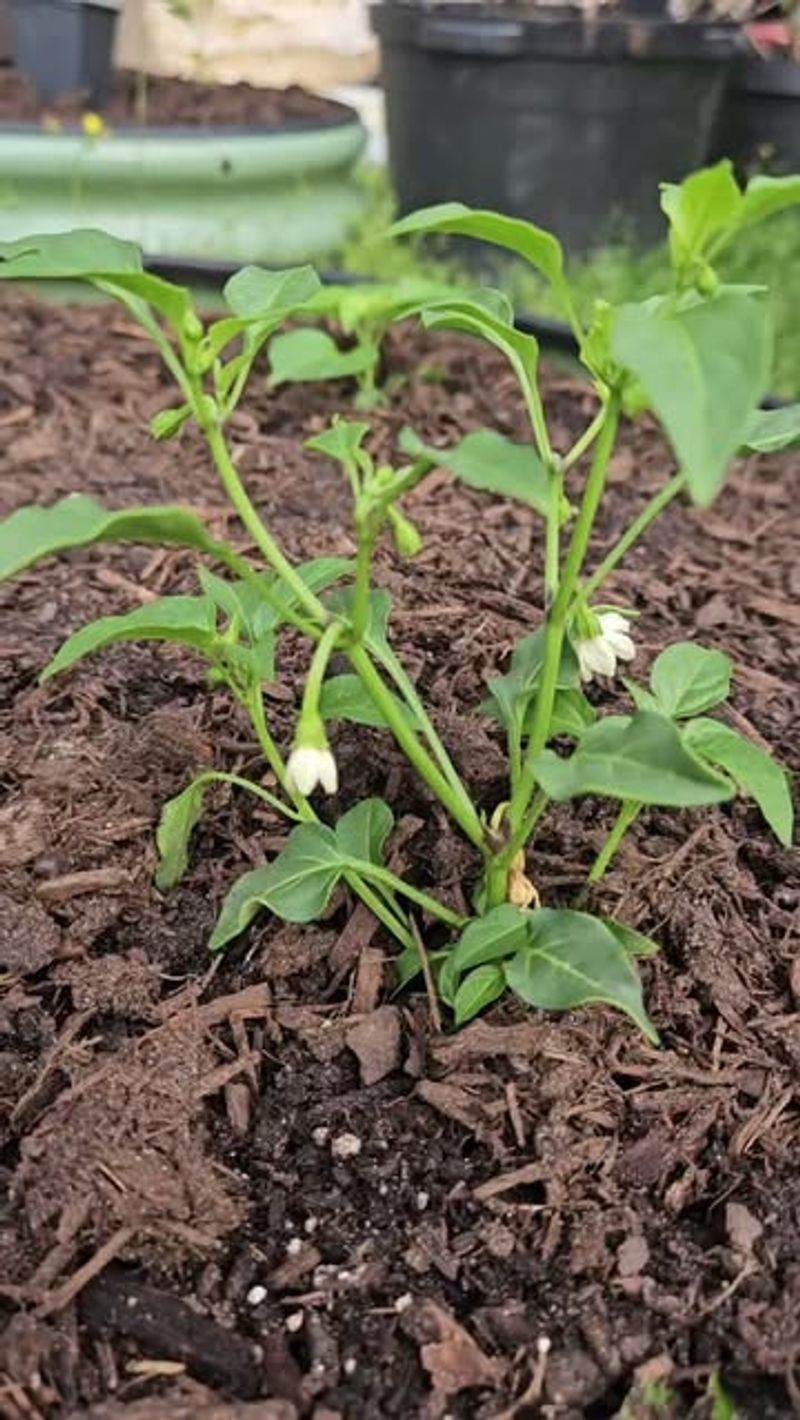
Weeds in July are not just an eyesore. They are actively working against your pepper plants every single day.
A weed growing near a pepper plant is pulling water from the same soil, grabbing nutrients before the pepper roots can get to them, and blocking the airflow around the lower part of the plant.
In a humid North Carolina summer, poor airflow around plants is a real problem because it encourages fungal disease.
The good news is that staying on top of weeds does not have to be an all-day project. Pulling weeds when they are small and young takes far less effort than battling mature ones with deep roots.
A quick pass through the garden every few days, pulling anything that does not belong, keeps the situation manageable.
Shallow cultivation with a hoe or hand tool between rows also works well, though you want to stay shallow near pepper roots to avoid disturbing them.
Mulch is your best long-term weed prevention tool, as mentioned earlier, but even mulched beds get the occasional weed pushing through. Pull those promptly before they set seed.
One weed going to seed in your garden can mean hundreds of new weeds the following season.
Keeping the area around your peppers clean and clear through July gives your plants the full benefit of every bit of water and fertilizer you put into the soil, which translates directly into more fruit through the fall.
9. Scout For Pests Every Few Days
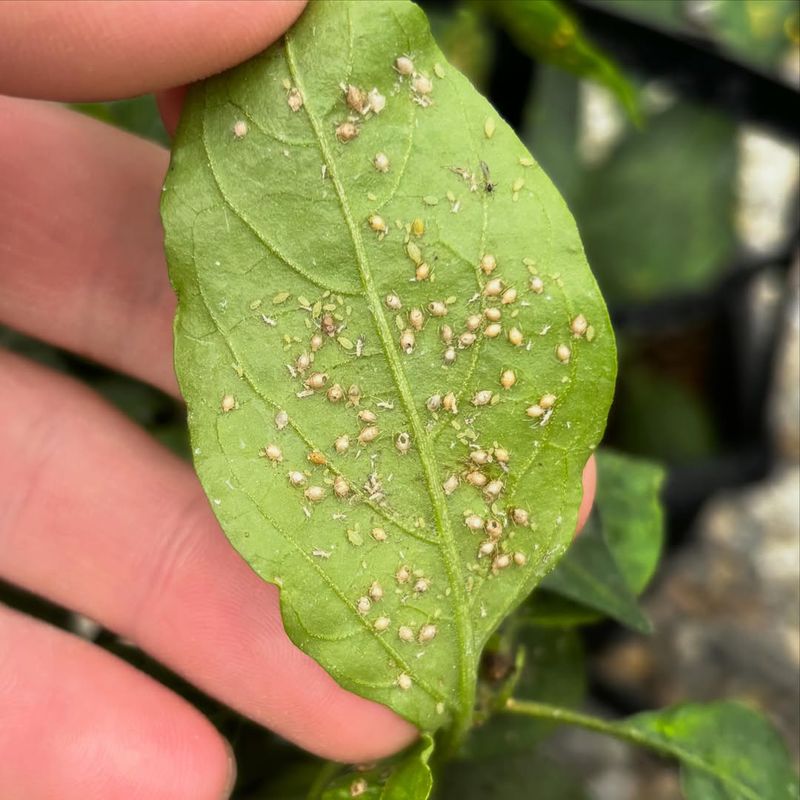
July in North Carolina is peak season for more than just peppers. Aphids, spider mites, stink bugs, caterpillars, and a handful of other pests are all actively looking for plants to feed on during the hottest weeks of summer.
Pepper plants that are already dealing with heat stress are a little more vulnerable than usual, which makes regular scouting even more important this time of year.
The key to pest management is catching problems early. A small cluster of aphids on one branch is easy to handle with a strong spray of water or a diluted insecticidal soap solution.
That same infestation ignored for two weeks can spread across the entire plant and become a much bigger project.
Checking plants every two to three days takes only a few minutes and gives you the early warning you need to act before things get out of hand.
Know where to look. Flip leaves over and check the undersides, where aphids and mites love to hide.
Look at new growth tips, which are soft and attractive to many insects. Examine developing peppers for holes, discoloration, or soft spots that suggest feeding damage.
Check flowers for caterpillars or other small feeders. Stink bugs are usually visible on the outside of fruit, leaving dimpled or discolored spots behind.
Keeping a simple garden journal with your observations helps you spot patterns and respond faster when something new shows up in the garden.
10. Keep Plants Healthy Until First Frost
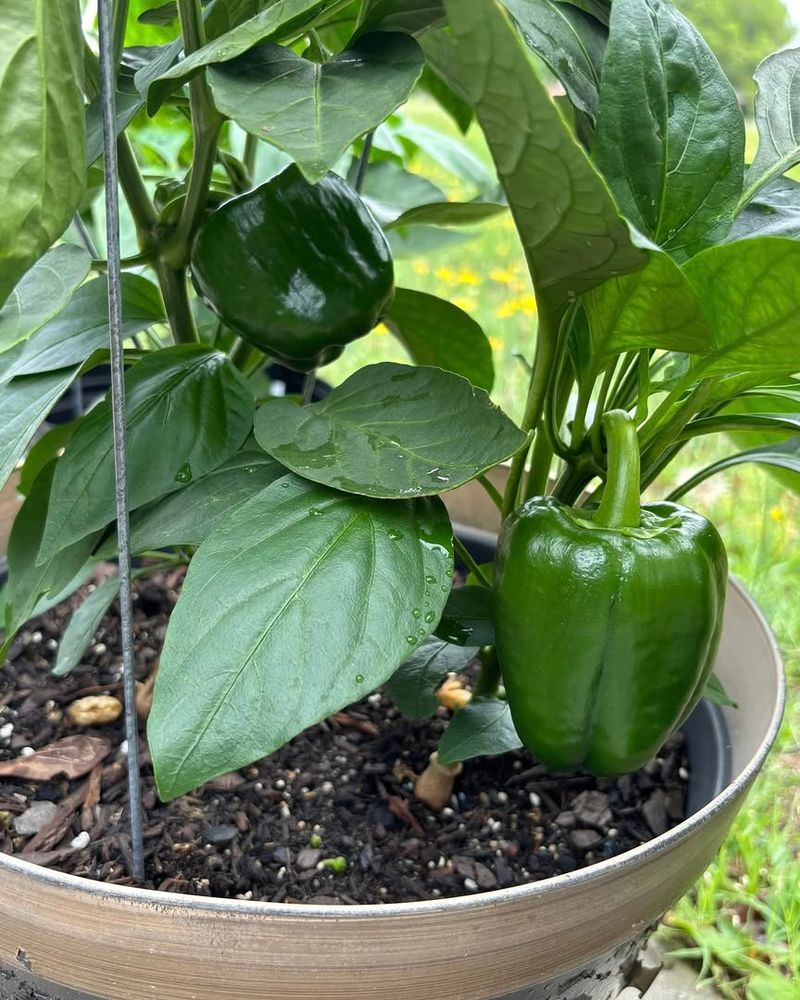
Everything you do in July is really an investment in what happens between August and October.
North Carolina gardeners in most parts of the state have a first frost date somewhere between mid-October and mid-November, which means a well-cared-for pepper plant has months of productive time left after July ends.
The care you put in now is what keeps that window open. Think of your July routine as a package deal.
Steady watering, smart mulching, light and careful feeding, regular harvesting, solid support, weed control, and frequent pest checks all work together.
No single task saves the season on its own, but all of them together create a plant that stays strong, resilient, and productive through the late summer heat and into the cooling days of fall. Skipping any one piece makes the others slightly less effective.
Pepper plants are genuinely impressive producers when they are well supported. Some North Carolina gardeners harvest peppers well into November in warmer zones of the state, pulling fruit right up until a hard frost finally ends the season.
That kind of extended harvest does not happen by accident. It happens because someone paid attention in July, stayed consistent with the basics, and kept the plant healthy enough to keep doing its job.
Your peppers are more than capable of carrying you all the way to frost. Give them what they need this month and they absolutely will.