The One Thing You Must Do To North Carolina Oakleaf Hydrangeas Before June Ends
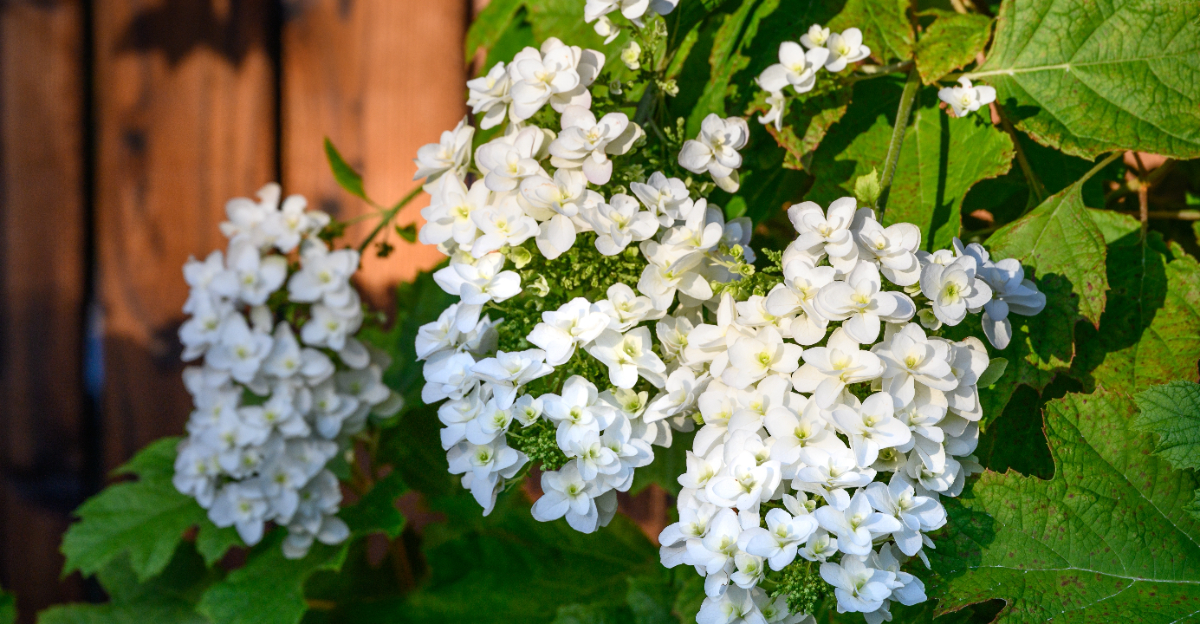
Oakleaf hydrangeas are one of the toughest, most rewarding shrubs you can grow in North Carolina. They handle heat, tolerate dry spells, and put on a show every summer without much fuss.
But there’s a single task that a lot of gardeners skip, or do at the wrong time, that quietly affects how well these plants perform the following year. It sounds simple, and it is, but the timing matters more than most people realize.
Miss the window and you will likely shortchange next summer’s blooms without even knowing why. Oakleaf hydrangeas set their buds earlier than most people expect, and once that process starts, any interruption shows up in the results.
June is your last real chance to get this right before the season moves on without you.
1. Mulch The Root Zone Before Peak Summer Heat
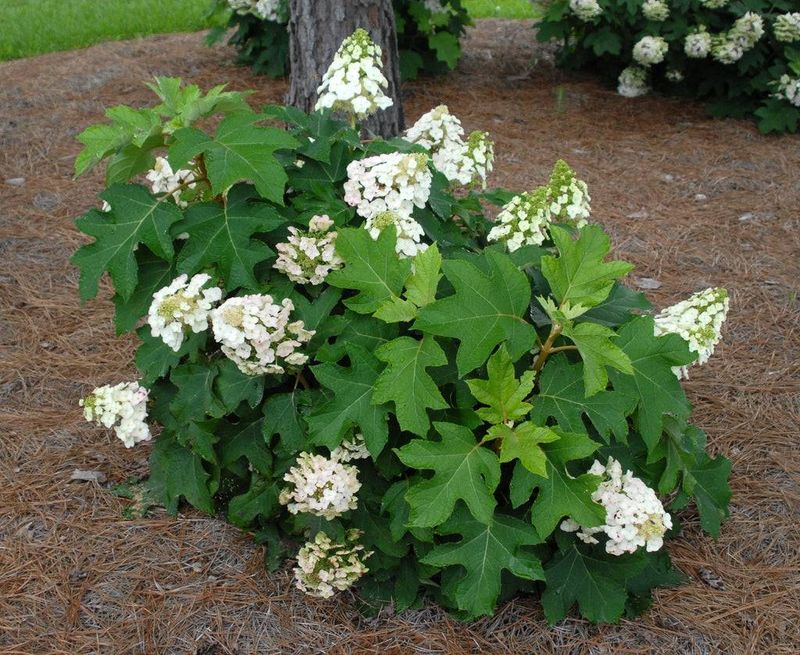
Picture this: it is a hot North Carolina June afternoon, and your oakleaf hydrangea is already starting to look a little tired. The soil around it feels warm to the touch, and the leaves are just slightly droopy.
That is your plant telling you something needs to change, and mulching the root zone is the answer it is looking for.
Spreading a fresh layer of mulch before peak summer heat arrives works like a shield for the soil. It slows down moisture loss, keeps soil temperatures from spiking, and gives the roots a stable environment to keep growing.
Oakleaf hydrangeas are tough shrubs, but they perform so much better when their roots are comfortable and cool beneath the surface.
Timing matters more than most gardeners realize. Getting mulch down before the hottest weeks of summer gives the layer time to settle and start doing its job properly.
Even two to three inches of good organic mulch can make a noticeable difference in how lush and full your hydrangea looks by late July and August. Do not wait until you see stress signs.
Getting ahead of the heat is always the smarter move for keeping these gorgeous shrubs thriving all season long.
2. Oakleaf Hydrangeas Have Shallow Roots
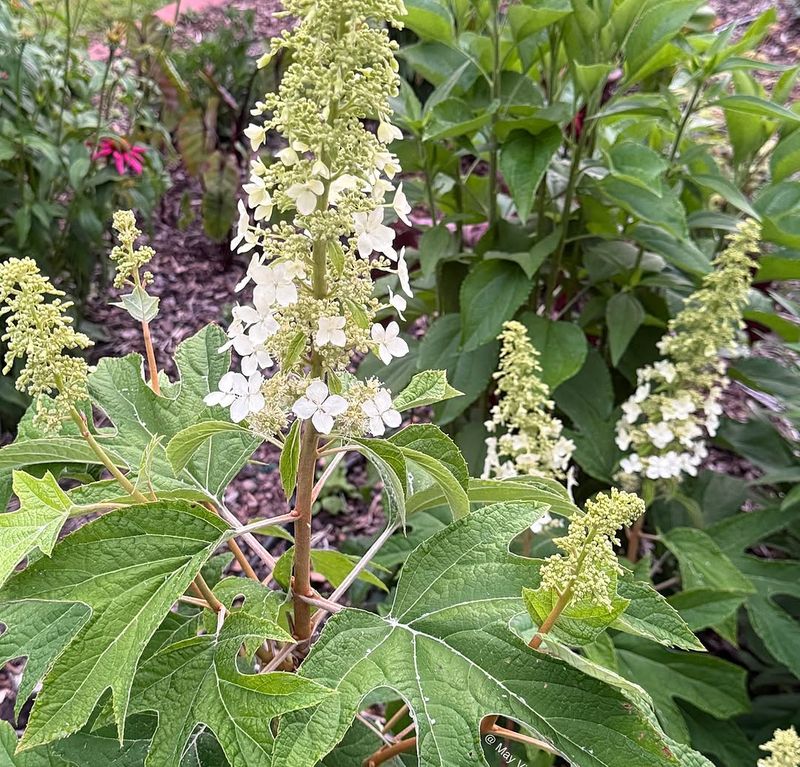
Shallow roots might sound like a weakness, but for oakleaf hydrangeas, it is simply a characteristic you need to understand and work with.
Unlike deep-rooted trees that can pull moisture from far below the surface, oakleaf hydrangeas rely heavily on the top few inches of soil to meet their water needs.
That makes the soil directly around the base of the plant incredibly important.
When the top layer of soil dries out quickly, these shallow roots feel it almost immediately. You might notice the large, dramatic leaves starting to droop or curl slightly at the edges during a dry stretch.
That is not a permanent problem, but it is a signal that the root zone is losing moisture faster than the plant can handle comfortably.
Mulching directly addresses this vulnerability in a really practical way. A good layer of organic mulch acts like a sponge over the shallow root zone, holding moisture in place and slowing evaporation.
Your North Carolina Garden Changes Every Week. Your Plan Should Too.
Gardening in North Carolina changes quickly throughout the season. Every Friday you’ll receive a simple weekly plan showing exactly what to plant, prune, fertilize, harvest, and protect so you never miss the right timing.
It also softens the impact of heavy summer rains by reducing soil compaction, which helps roots stay loose and well-aerated. Knowing that your oakleaf hydrangea roots sit close to the surface should motivate you to protect that zone before summer heat fully takes over.
It is one of the simplest and most effective things any gardener can do.
3. June Heat Dries Soil Faster Than Many Gardeners Expect
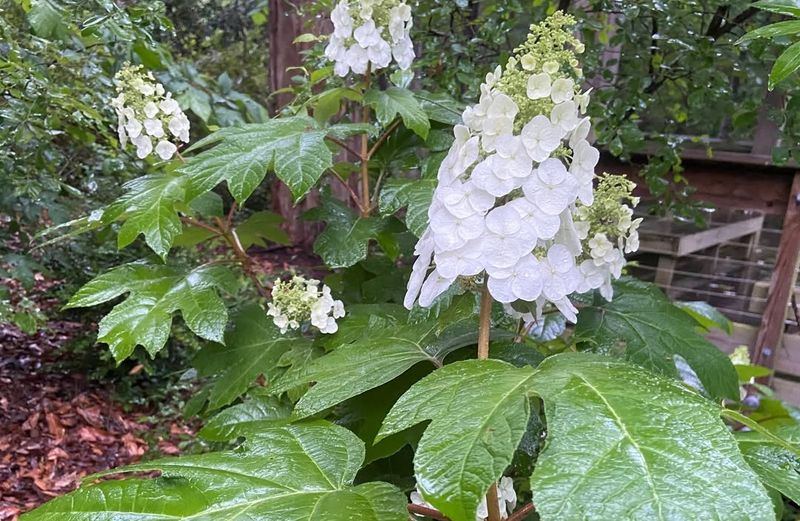
June in North Carolina can feel deceptively manageable in the early weeks, but by the time the month is winding down, the heat is genuinely intense.
Soil that felt moist in the morning can be dry and crumbly by mid-afternoon, especially in beds that catch direct sunlight during peak hours. Many gardeners are caught off guard by just how fast that moisture disappears.
Evaporation speeds up dramatically as temperatures climb. Bare soil loses water much faster than mulched soil because there is nothing sitting on top to slow that process down.
For oakleaf hydrangeas, which already depend on shallow soil moisture, this kind of rapid drying can create real stress in a short amount of time.
Here is what makes June the critical window: once July and August arrive, the heat is already baked in and the soil is already depleted.
Getting mulch down in June means you are setting up a moisture-retention system before conditions get tough, not scrambling to fix problems after they have already started. Think of it as preventive care rather than emergency rescue.
A two to three inch mulch layer can cut evaporation rates significantly, giving your oakleaf hydrangea a much steadier supply of soil moisture through the driest and hottest parts of the North Carolina summer season.
4. Mulch Helps Soil Stay Cooler Longer
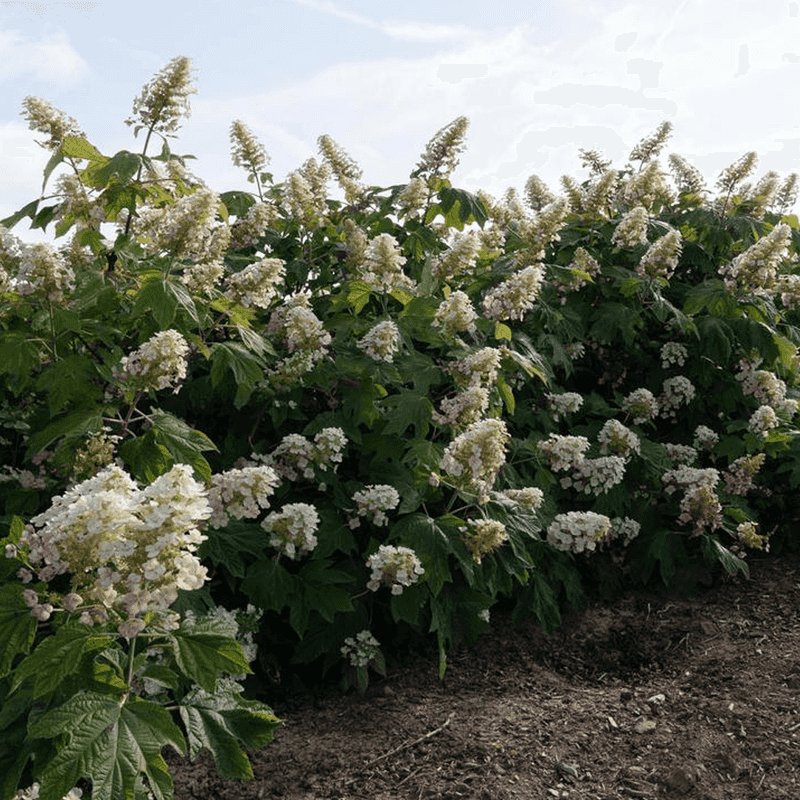
Soil temperature is something most gardeners never actually measure, but it matters more than you might expect. When soil gets too hot near the surface, roots slow down their activity and the plant struggles to absorb water and nutrients efficiently.
Oakleaf hydrangeas are native to the southeastern United States, so they can handle warmth, but even they have limits when soil temperatures spike during a brutal North Carolina summer.
Mulch acts as natural insulation. Just like insulation in your home keeps the inside cooler during summer, a layer of organic mulch over the soil keeps ground temperatures from rising as sharply during the hottest parts of the day.
Research from university extension programs has shown that mulched soil can be significantly cooler than bare soil sitting in similar conditions.
Cooler soil means healthier, more active roots. When roots stay within a comfortable temperature range, the plant can continue taking up water and nutrients without interruption.
You will notice the difference in how your oakleaf hydrangea looks through July and August. Shrubs with properly mulched root zones tend to hold their foliage better, produce more consistent blooms, and recover faster after hot, dry spells.
It is one of those behind-the-scenes benefits that quietly keeps your garden looking great all summer without requiring constant attention or extra watering.
5. Pine Bark Mulch Fits Oakleaf Hydrangeas Well
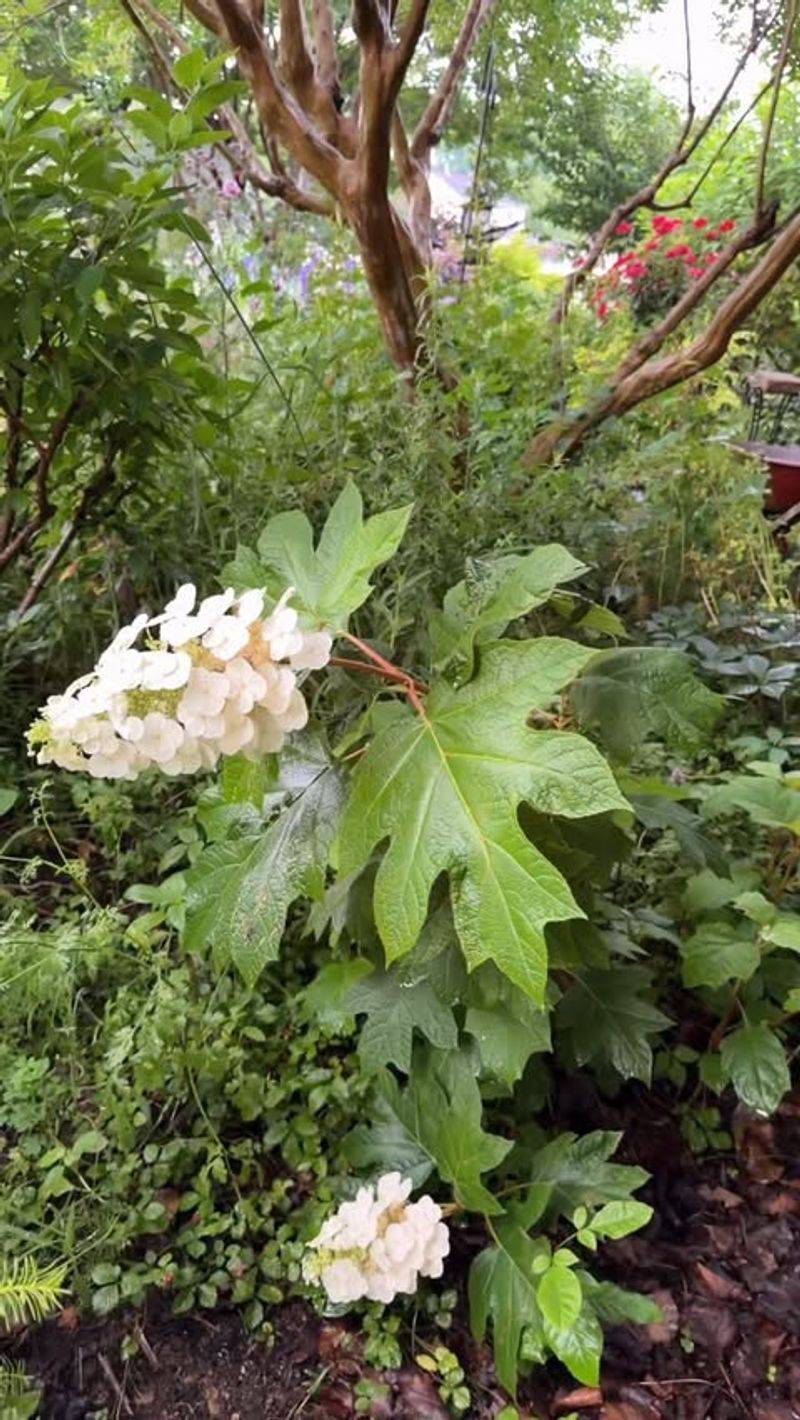
Walk into any garden center in North Carolina and you will find several types of mulch staring back at you. Straw, shredded hardwood, pine straw, pine bark nuggets, and more all have their fans.
But for oakleaf hydrangeas specifically, pine bark mulch tends to be a particularly smart match for a few really practical reasons.
Oakleaf hydrangeas naturally grow in woodland environments where the soil tends to be slightly acidic and rich in organic matter.
Pine bark mulch breaks down slowly and contributes mild acidity to the soil over time, which aligns well with what these shrubs prefer.
It also has a looser texture that allows water to move through it easily, so rainfall and irrigation can still reach the roots without pooling on the surface.
Another bonus is that pine bark holds its color and structure longer than some other mulch types, which means you are not refreshing it as frequently throughout the season. For busy gardeners, that is a real convenience.
Mini pine bark nuggets or finely shredded pine bark both work well, depending on the look you prefer for your garden bed.
Either way, the combination of mild acidity, good drainage, and slow decomposition makes pine bark a natural partner for oakleaf hydrangeas growing in the beautiful, humid conditions of a North Carolina summer garden.
6. Mulch Helps Reduce Water Stress Between Rains
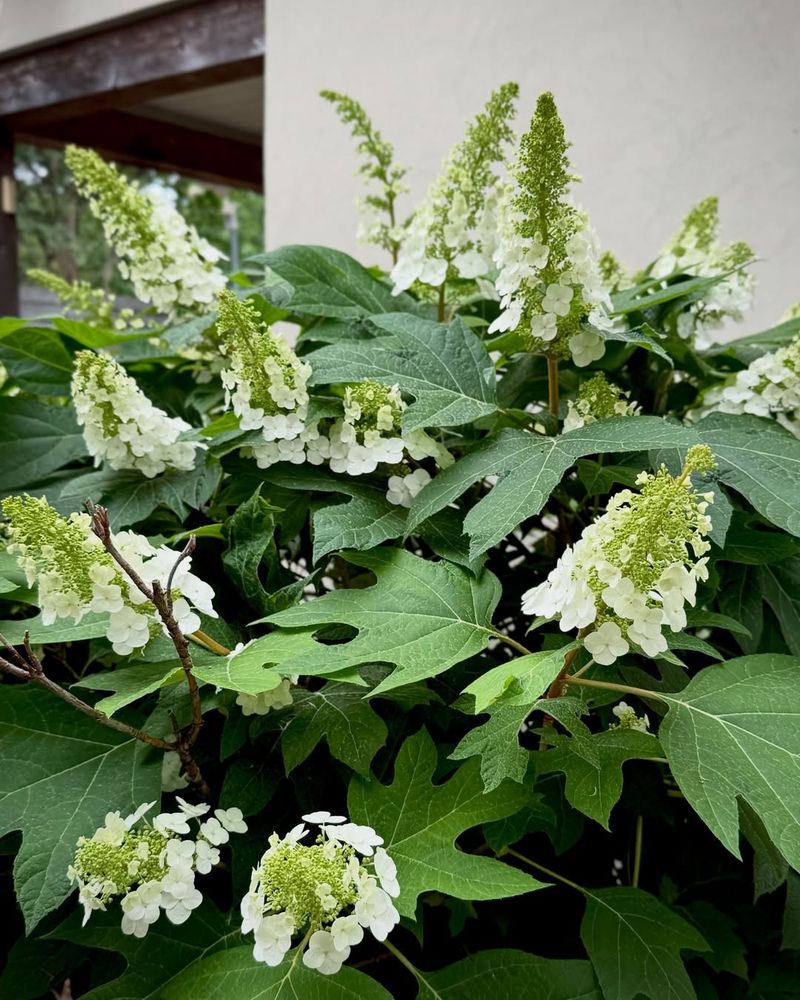
North Carolina summers bring a mix of heavy rain bursts and long dry stretches that can be hard to predict. One week your garden might feel waterlogged, and the next it is bone dry for ten days straight.
Oakleaf hydrangeas can handle some of this variability, but repeated cycles of wet and dry put real strain on the plant over time.
Mulch acts as a buffer between those extremes. When rain falls heavily, a good mulch layer slows runoff and helps water absorb into the soil more gradually rather than rushing across the surface and washing away.
When dry spells follow, that same mulch layer holds onto the moisture that was absorbed, releasing it slowly to the roots over days instead of hours.
Gardeners who mulch consistently often notice they need to water their oakleaf hydrangeas far less frequently than those who leave the soil bare. That is not just convenient, it is actually better for the plant.
Consistent soil moisture encourages steadier root growth and keeps foliage looking lush and healthy rather than stressed and wilted.
Reducing water stress between rains is one of the most underrated benefits of mulching, and it becomes especially obvious during those mid-summer dry spells that seem to stretch on forever in the Carolina heat. Your hydrangea will reward you for the effort.
7. Keep Mulch Pulled Back From The Main Stems
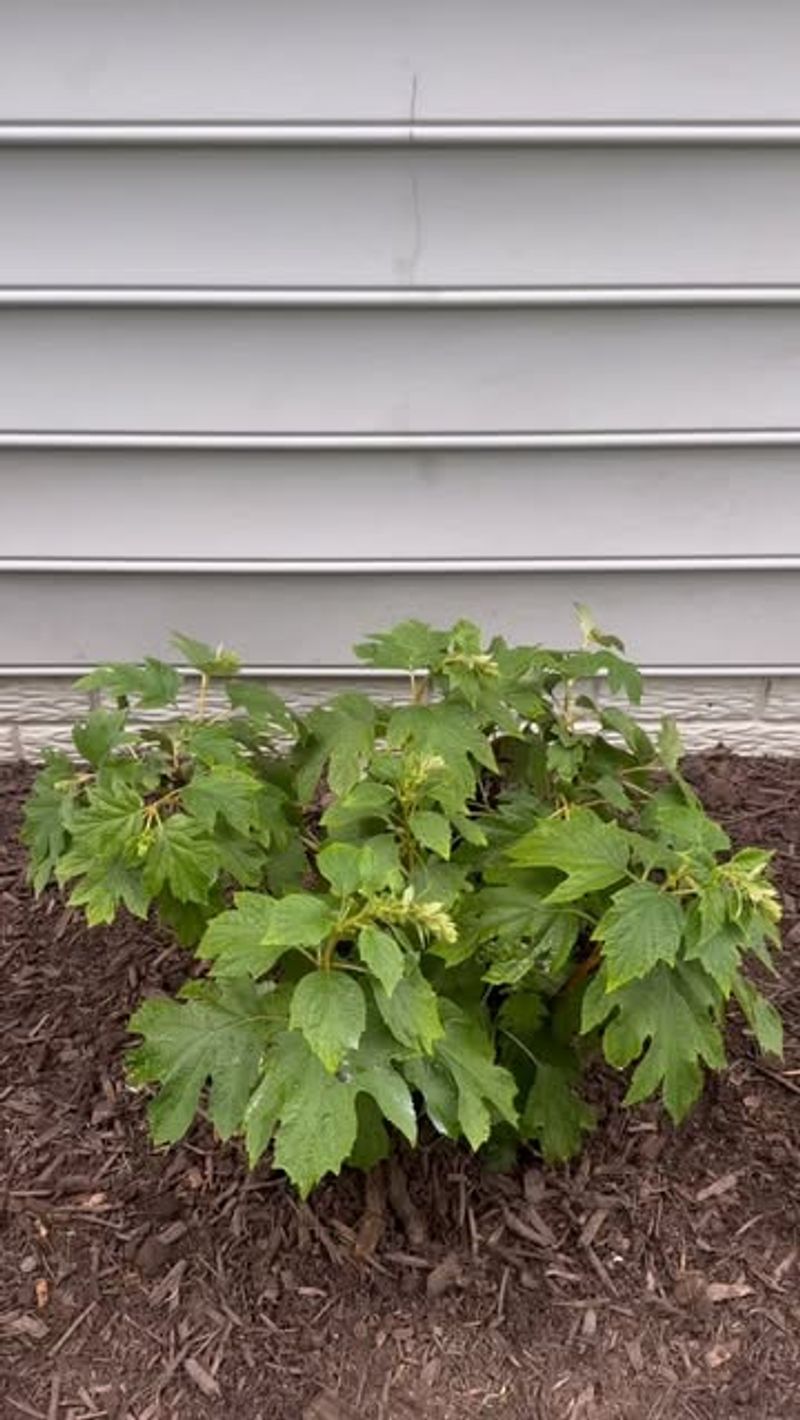
Mulching is one of the best things you can do for an oakleaf hydrangea, but there is one common mistake that can actually cause problems if you are not careful.
Piling mulch up against the main stems of the shrub, sometimes called volcano mulching, traps moisture directly against the bark and creates conditions where rot and fungal issues can develop over time.
The fix is simple and takes about thirty seconds. When you spread your mulch, pull it back a few inches from the base of the stems so the root flare where the stem meets the soil remains exposed and can breathe.
You want the mulch to cover the root zone broadly but stay clear of the stems themselves. Think of it as a donut shape rather than a mound piled up against the trunk.
Keeping that space open allows air to circulate around the base of the plant, which discourages fungal growth and keeps the bark healthy. It also makes it easier to spot any early signs of pest activity or stem damage before they become bigger issues.
Proper mulch placement is just as important as the mulch itself, and getting it right takes almost no extra effort. A few inches of clearance around the stems can protect your oakleaf hydrangea for the entire growing season and beyond.
8. A Proper Mulch Layer Helps Oakleaf Hydrangeas Stay Fuller Through Summer
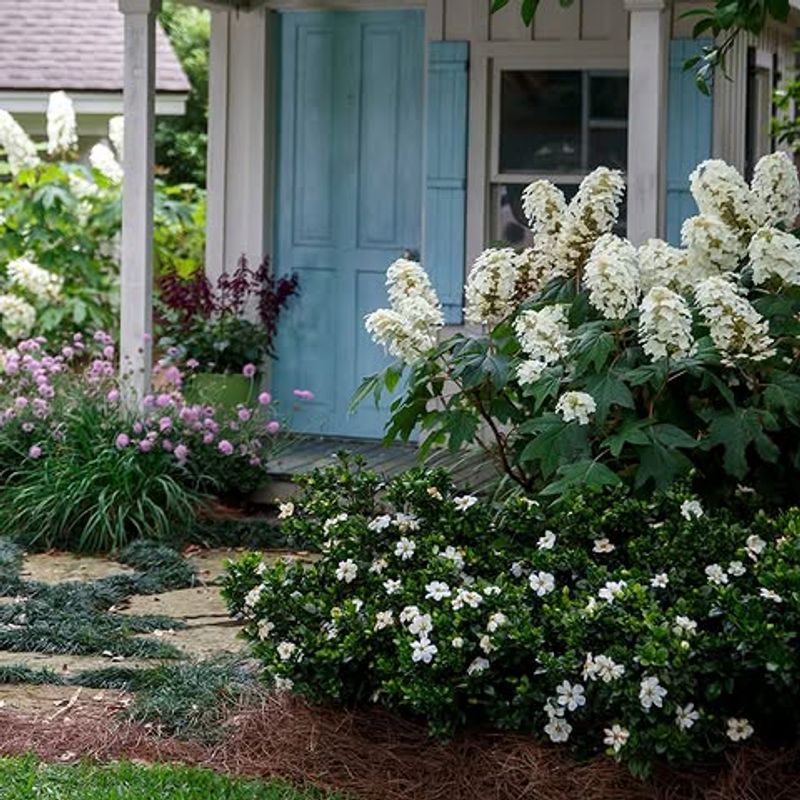
There is something genuinely satisfying about watching an oakleaf hydrangea stay full and lush all the way through August when neighboring shrubs are looking ragged and tired. That kind of summer performance does not happen by accident.
It is almost always connected to how well the root zone was prepared before the heat arrived.
A proper mulch layer, two to three inches deep and spread evenly across the root zone, creates the conditions the plant needs to keep producing healthy foliage and sustain its blooms through the longest and hottest part of the season.
Roots that stay cool and consistently moist can keep doing their job without interruption. That steady root activity translates directly into fuller, greener growth above ground where you can actually see and enjoy it.
Oakleaf hydrangeas are already one of the most rewarding native shrubs you can grow in North Carolina. Their enormous white flower clusters, peeling cinnamon-colored bark, and brilliant fall color make them four-season standouts in the landscape.
Giving them the mulch support they need in June means you are setting them up to show off their best qualities all summer long.
It really is one of the highest-return gardening tasks you can do in just a few minutes, and the results will be visible every single time you look out at your garden.
9. How Much Mulch Is Actually Enough For Oakleaf Hydrangeas
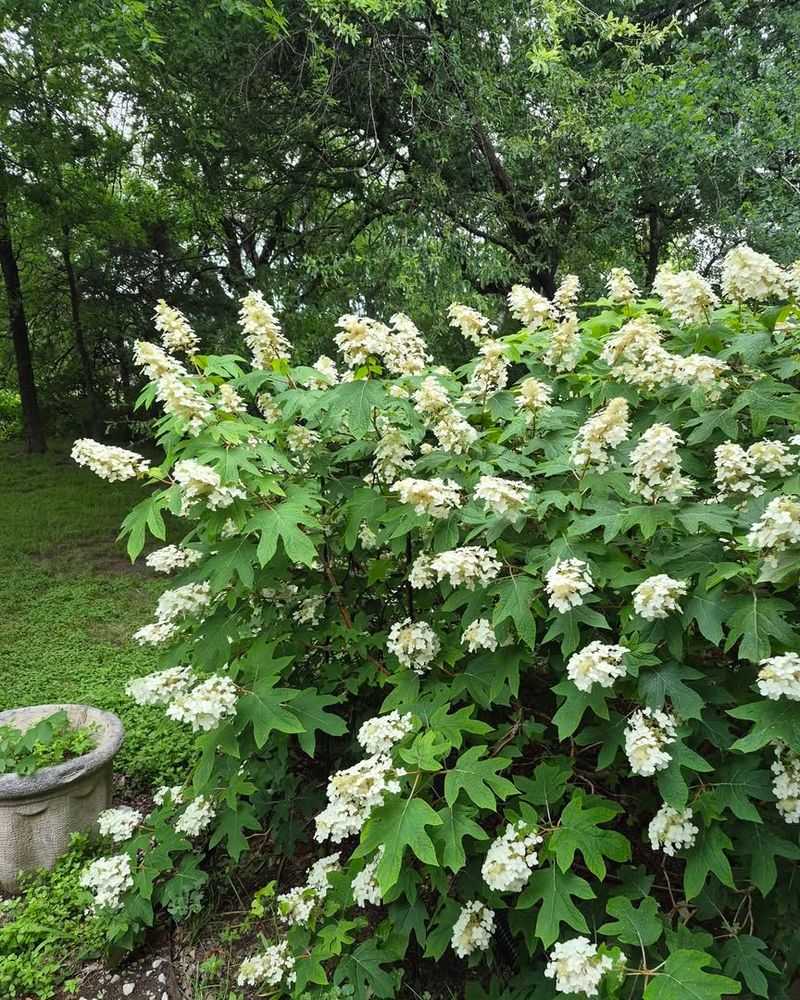
More is not always better when it comes to mulching. Some gardeners go overboard thinking a thicker layer will protect the plant even more, but piling mulch too deep can actually create its own set of problems.
Understanding the right amount makes the whole process more effective and keeps your oakleaf hydrangea genuinely happy rather than accidentally smothered.
Two to three inches is the sweet spot for most shrubs, including oakleaf hydrangeas. That depth is enough to insulate the soil, slow evaporation, and buffer temperature swings without blocking oxygen from reaching the roots.
Going beyond four inches starts to limit how well air and water move through the mulch layer, which can stress the root zone in ways that are not immediately obvious but show up later in the season.
Spreading mulch out wide also matters as much as getting the depth right. Oakleaf hydrangeas can spread several feet across as mature shrubs, and their roots extend outward to match that spread.
Covering just the area directly under the stems is not enough. Aim to mulch out to the drip line of the shrub, which is roughly where the outermost branches reach.
That wider coverage gives you much better protection across the full root zone and makes a real difference in how the plant handles the heat and humidity of a North Carolina summer.