These 8 Watering Habits Keep Missouri Petunias Blooming Longer Than Most Gardeners Expect
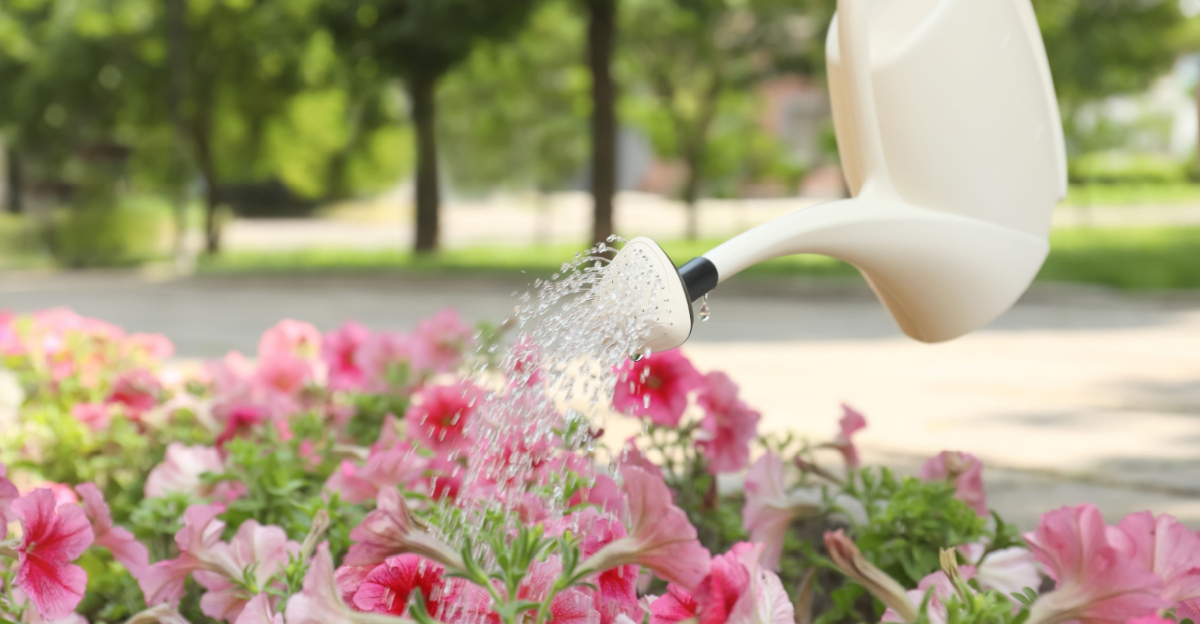
These blooms are generous by nature. Give them what they need, and they will cover themselves in color from May straight through October.
But water them wrong, and they will sulk, yellow, and quietly give up on you by July.
The tricky part? Most watering mistakes look like the right thing to do.
Watering every day feels responsible. Spraying the whole plant feels thorough.
Watering in the evening feels convenient.
None of it is doing your petunias much good, and fixing your watering routine takes about five minutes of reading and almost no trips to the garden center. These eight habits can help your petunias stay lush, healthy, and blooming well into the season.
Water At The Base, Not The Blooms
Petunias hate wet petals. Watering directly onto the blooms is one of the fastest ways to invite fungal problems and turn your flowers into a mushy, spotted mess.
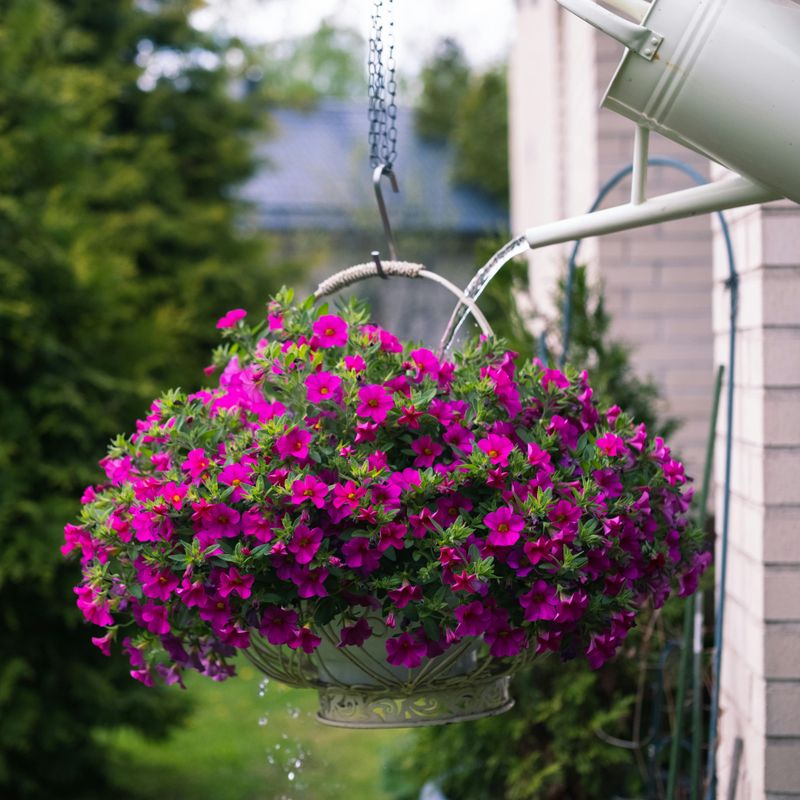
The fix is simple: aim low. Direct the water right at the soil line, as close to the base of the plant as you can get.
This keeps the roots hydrated while the leaves and flowers stay dry and happy. A long-necked watering can or a soaker hose works beautifully for this.
Overhead sprinklers might seem convenient, but they drench everything indiscriminately. Wet foliage sitting in warm, humid Missouri air is practically an invitation for botrytis and other fungal diseases to move in.
Base watering also means the moisture goes exactly where it is needed most. Roots can only absorb water from the soil, not from a shower of droplets on the leaves.
Think of it like feeding a friend at the dinner table. You would not toss food at their face and hope they catch it.
You hand it directly to them.
And if you are still not sure your technique is right, watch the soil after you water. Dry patches near the stem mean you are missing the mark, literally.
Once you make this habit automatic, you will notice healthier stems, cleaner blooms, and far fewer disease issues throughout the growing season. Your petunias will practically glow with gratitude.
Water In The Morning Before The Heat Sets In
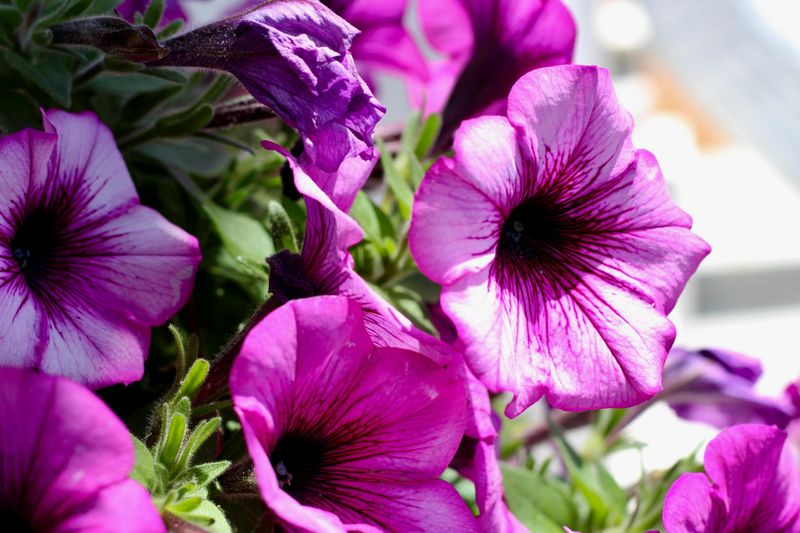
Morning watering is one of the simplest things you can do for your petunias. The soil is still cool, the sun is low, and the water has time to soak deep before the afternoon heat arrives.
When you water early, any moisture that splashes onto leaves has hours of warmth ahead to dry off completely. That helps lower the risk of fungal issues taking hold.
Evening watering, on the other hand, leaves the soil and foliage damp all night. In Missouri’s warm summers, that is a recipe for rot and mildew to develop fast.
Midday watering is not ideal either. The heat causes rapid evaporation, so much of your effort is lost before the roots ever get a chance to drink.
Watering in the early morning tends to work best for most gardeners. That sweet window gives your petunias everything they need to face the heat of the day with confidence.
Your Missouri Garden Changes Every Week. Your Plan Should Too.
Gardening in Missouri changes quickly throughout the season. Every Friday you’ll receive a simple weekly plan showing exactly what to plant, prune, fertilize, harvest, and protect so you never miss the right timing.
If mornings feel too rushed, set a simple reminder on your phone or put your hose near the door the night before. Small habits lead to big results in the garden.
Consistent morning watering also helps you spot problems early. You will notice wilting, yellowing, or pest damage before the day gets away from you.
Starting the day with your petunias is a small habit that quietly adds up over the season.
Check The Soil Before You Reach For The Hose
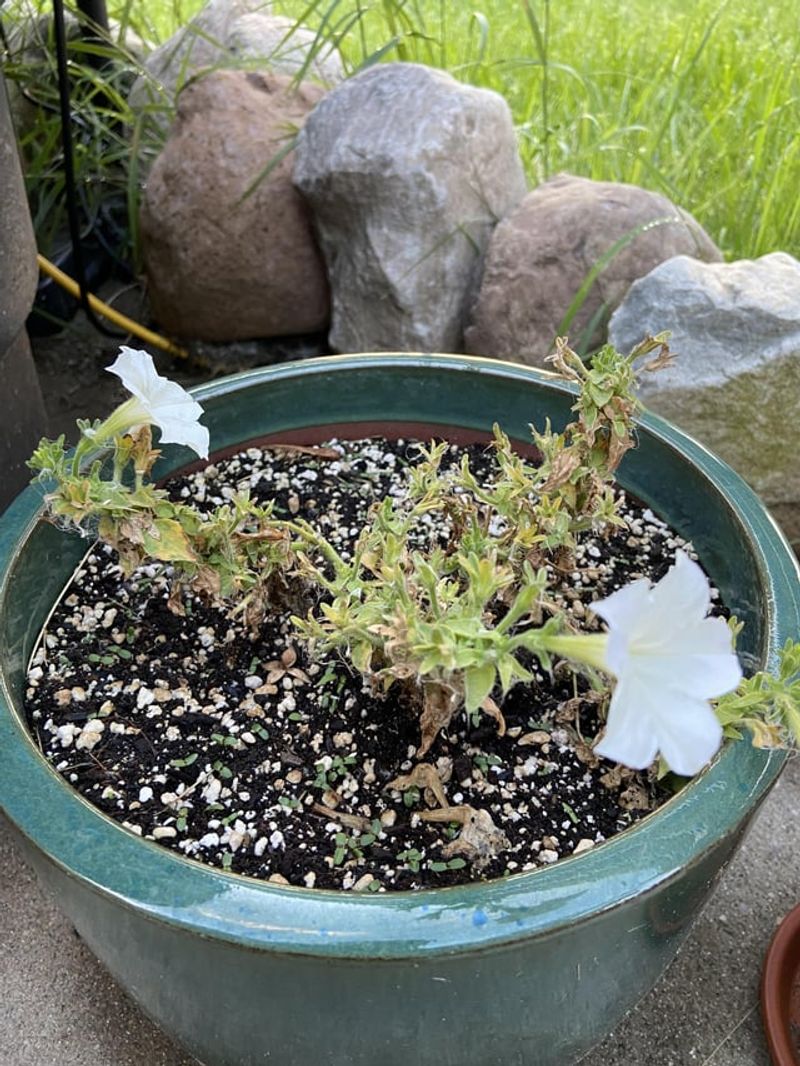
Stick your finger about an inch or two into into the soil before you water. That one simple check can save your petunias from the number one mistake gardeners make: overwatering.
If the soil feels moist and cool at that depth, put the hose down and walk away. Your petunias are doing just fine and do not need more water yet.
If the soil feels dry and crumbly, that is your green light to water thoroughly. The goal is to keep the root zone consistently moist, not waterlogged and not bone dry.
Petunias in containers dry out much faster than those in garden beds. You may need to check pots daily during peak summer heat, especially small ones sitting in full sun.
A moisture meter is a handy tool if you want something more precise than the finger test. They are inexpensive and available at most garden centers across the region.
Overwatered petunias often look just as sad as underwatered ones. Yellow leaves, mushy stems, and root rot are all signs that the soil has been too wet for too long.
Training yourself to check before you water turns a mindless chore into a mindful practice. You will quickly learn your plants’ rhythm and feel confident adjusting to whatever the weather throws at you.
Water Deeply But Less Frequently
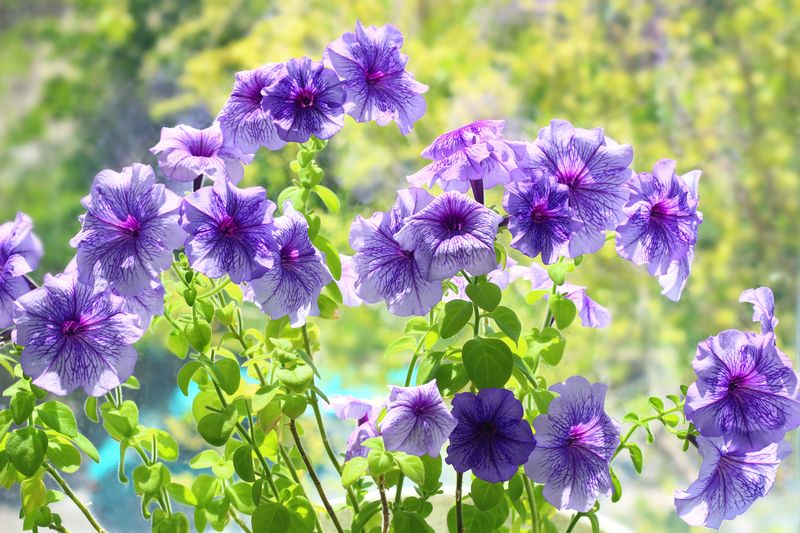
Shallow, frequent watering trains roots to stay near the surface. That makes plants fragile and highly vulnerable to heat stress during Missouri’s brutal midsummer stretches.
Deep watering encourages roots to chase moisture downward into cooler soil. Plants with deep root systems are far more resilient when temperatures climb and rainfall gets scarce.
When you water, go slow and go long. Let the water soak in gradually rather than flooding the surface and letting it run off before it penetrates the root zone.
A good rule of thumb for in-ground petunias is to water until the top six to eight inches of soil are moist. That takes longer than you might expect, especially in dense or clay-heavy Missouri soils.
After a deep watering session, let the soil dry out somewhat before watering again. That drying period pushes roots to grow deeper in search of moisture, which strengthens the whole plant.
For containers, water until it flows freely from the drainage holes. That confirms the entire root ball has been saturated, not just the top layer of potting mix.
Containers dry out faster than garden beds, so if you are growing petunias in pots, check the moisture level every day or two during hot weather. When you do water, go deep rather than light.
Deep watering every two to three days typically beats daily light sprinkling. Your petunias will develop stronger roots, produce more blooms, and handle the summer heat with noticeably more grace.
Still not convinced? Dig an inch into the soil a day after your usual watering.
If it is bone dry, you are not going deep enough.
Adjust Your Schedule For Missouri’s Summer Heat
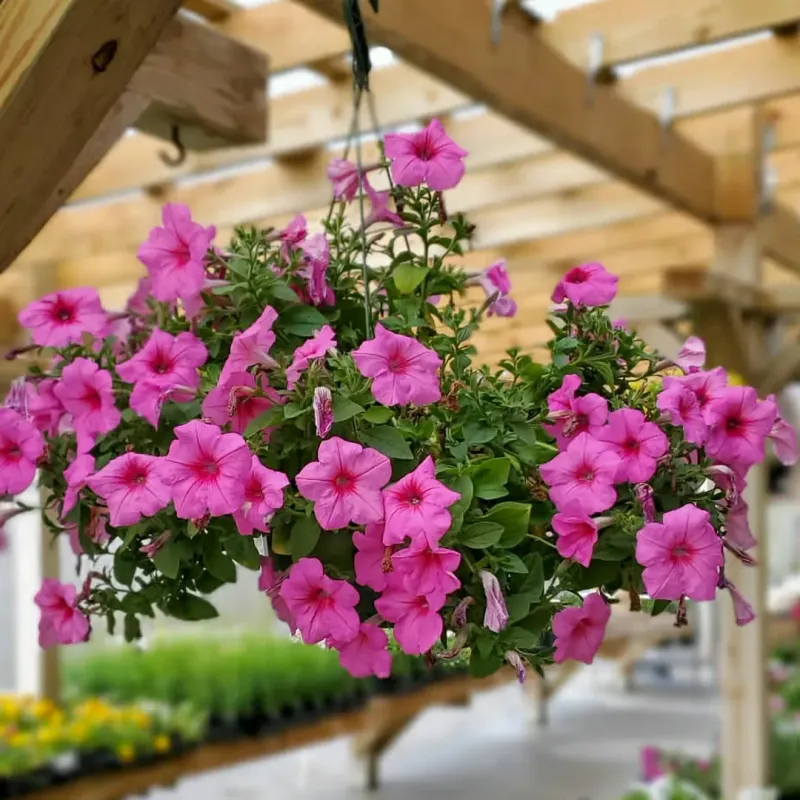
A watering schedule that works in May will not cut it in July. Missouri summers are intense, and your petunias’ water needs shift dramatically as temperatures rise.
During a heat wave, container petunias may need water twice a day. The sun beats down, the pots heat up, and the soil can go from moist to parched in just a few hours.
In-ground petunias have a bit more buffer because the surrounding soil holds moisture longer. Still, extended dry spells in June, July, and August call for more frequent attention than spring planting season does.
Pay attention to the forecast each week. If rain is coming, hold off on watering.
If a stretch of ninety-degree days is ahead, get proactive and water deeply before the heat peaks.
Wind is another factor that many gardeners overlook. Hot, dry breezes pull moisture from both the soil and the plant itself, so windy days may require extra hydration even when temperatures seem manageable.
Grouping containers together can help reduce water loss by creating a bit of shared humidity around the plants. It is a small trick that adds up over a long, hot season.
Flexibility is the key to keeping petunias thriving when summer turns relentless. Treat your watering schedule as a living plan, not a fixed rule, and your blooms will reward that adaptability.
Slow Down Watering As The Season Cools
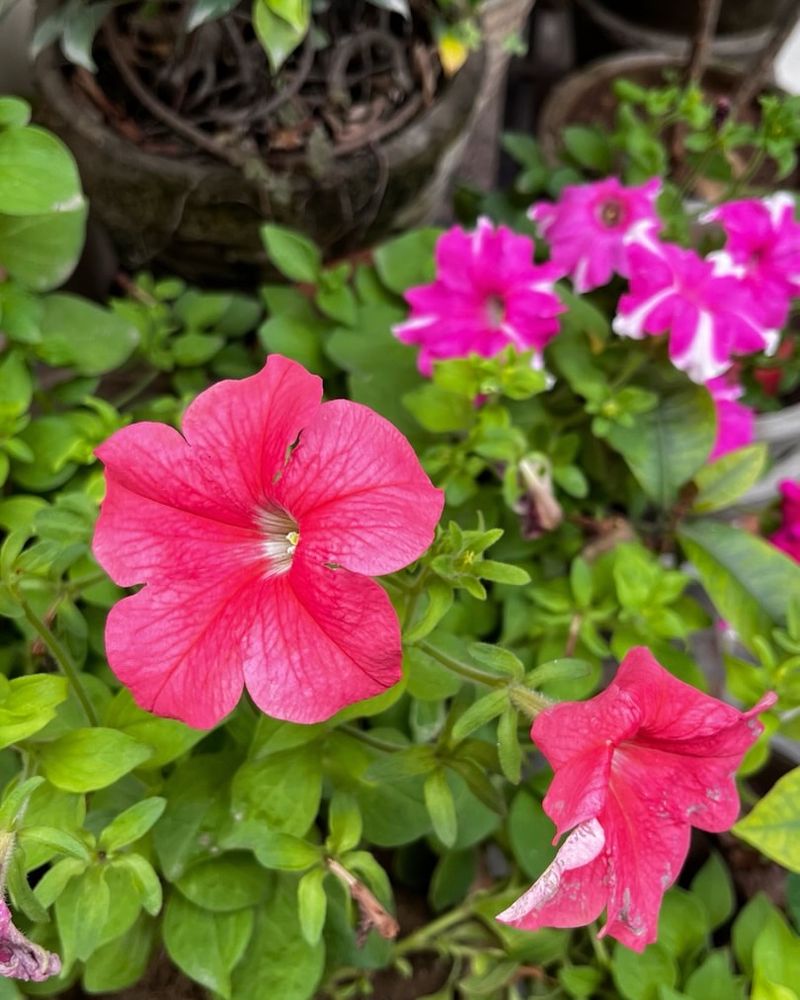
Fall arrives, temperatures drop, and your petunias breathe a collective sigh of relief. But if you keep watering at your summer pace, you could actually cause more harm than good.
Cooler air means slower evaporation. The soil stays moist much longer than it did during peak summer, so your plants simply do not need as much water as they once did.
Overwatering in fall leads to soggy roots, which weakens the plant right at the end of the season when it should be putting energy into one last burst of blooms.
Start checking soil moisture every other day instead of daily. You will likely find that the soil is still damp when you thought it would be dry, which tells you to hold off a bit longer.
Rainy fall weeks can mean skipping supplemental watering altogether. Let nature handle it and save your effort for the days when the forecast shows nothing but dry air and blue skies.
Reducing water frequency also signals to the plant that the season is winding down. This is a natural cue that helps petunias finish the season strong rather than burning out early.
Slowing your watering rhythm in autumn keeps roots healthy right up until the first frost. It is one of those quiet adjustments that makes a surprisingly visible difference in late-season bloom quality.
Use Mulch To Lock In Moisture Between Waterings
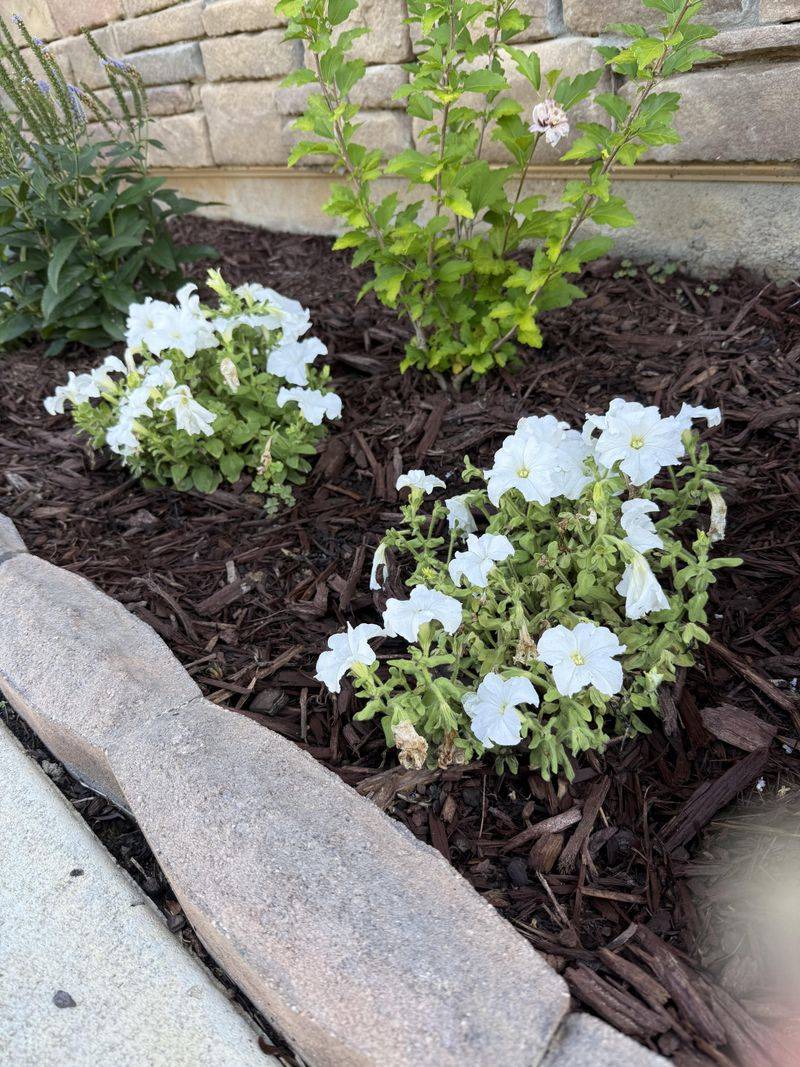
Mulch is one of the most underrated tools in a petunia grower’s arsenal. A two-to-three-inch layer around your plants can reduce how often you need to water during hot spells.
It works by shading the soil surface, which slows evaporation dramatically. The ground stays cooler and holds onto moisture far longer than bare soil ever could.
Shredded bark, straw, and wood chips all work well. Avoid piling mulch directly against the plant stems, though, as that can trap moisture and encourage rot right at the crown.
Beyond water retention, mulch also suppresses weeds that compete with your petunias for both moisture and nutrients. Fewer weeds mean less stress on your plants and less work for you.
Organic mulches do double duty as they decompose. They feed the soil while protecting it, which means your petunias get a slow, steady boost without any extra effort from you.
In Missouri’s clay-heavy soils, mulch helps improve soil structure over time as it breaks down. It adds organic matter that improves drainage and creates a more welcoming environment for roots to spread.
For containers, a thin layer of mulch on top of the potting mix can help slow moisture loss on hot days. It is a small addition that makes a measurable difference between waterings.
Think of mulch as a slow, steady partner working alongside your watering habits. Together, they create the kind of consistent moisture environment that Missouri petunias absolutely love to grow in.
Watch For These Signs That Your Petunias Are Thirsty
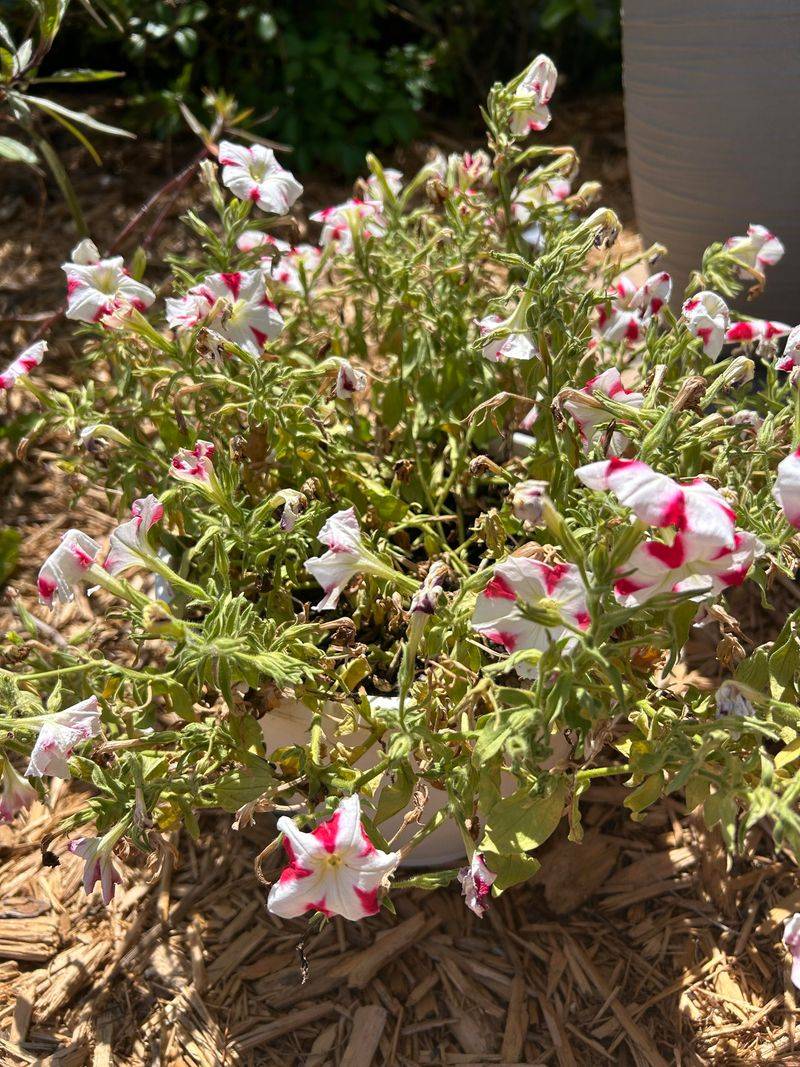
Your petunias will tell you when they are thirsty. You just have to know what to look for before the situation becomes a real problem for your blooms.
Wilting is the most obvious signal. When stems droop and leaves curl inward, the plant is conserving moisture by reducing its exposed surface area as fast as it can.
But wilting can be tricky. Petunias sometimes wilt in the heat of the afternoon even when the soil is moist, only to perk back up once the evening cools things down.
Check the soil first before assuming thirst is the issue. If the soil is moist and the plant is still wilting by evening, root problems rather than drought may be the culprit.
Dry, crispy leaf edges are another sign of water stress. When leaves start to brown at the tips and feel papery, the plant has been running low on moisture for a while.
Fewer blooms and buds dropping before opening are also signals worth noting. Drought-stressed petunias redirect energy away from flowering and toward simple survival, which means less color for you.
Learning your petunias’ body language is one of the most satisfying parts of growing them. Once you can read these cues with confidence, you will always know exactly when to water.
And your Missouri petunias will keep rewarding you with bold, beautiful blooms all season long.