The Real Reason Foxes Keep Appearing In Missouri Backyards

You glance out the kitchen window and freeze. A fox is trotting across your lawn like it owns the place, and honestly, right now, it kind of does.
Missouri backyards are seeing more fox activity than ever, and most homeowners chalk it up to bad luck or a weird coincidence. It is neither.
That fox showed up for a reason, and your yard quietly checked every box on its list. Food, water, shelter, safety, suburban properties have become surprisingly good at delivering all four without anyone meaning to.
Missouri is home to two fox species, and they are nothing alike in how they live, where they roam, or what pulls them toward your property. Understanding what draws them in does not just satisfy curiosity.
It helps you make smarter decisions about your outdoor space, whether you want to roll out the welcome mat or politely ask them to move along. Either way, the fox already knows more about your yard than you do.
Your Yard Has More Food Than You Realize
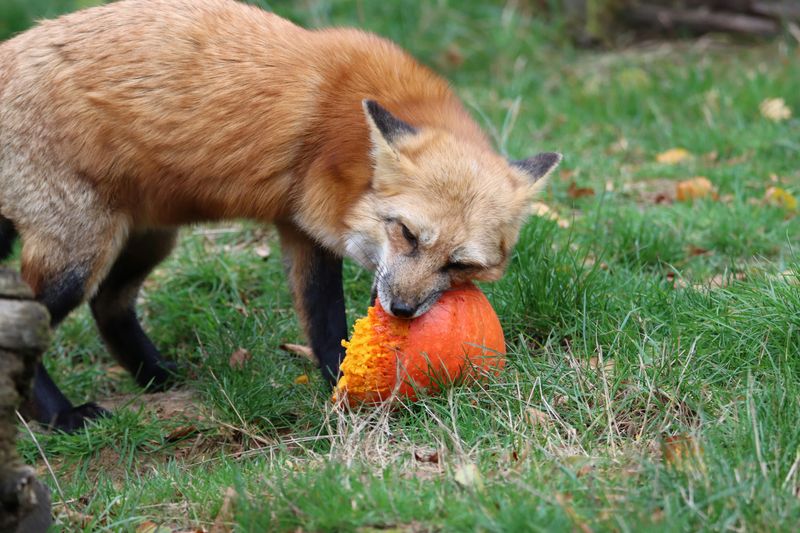
Bird feeders are basically a fox buffet. Seeds that fall to the ground attract mice, voles, and squirrels, which are exactly the prey a hungry fox is hunting.
Compost piles send out a powerful scent signal. Fruit scraps, vegetable peels, and meat remnants can pull a fox in from a surprising distance away.
Fallen fruit from apple or pear trees is another overlooked magnet. A fox will patrol the same tree night after night if the food supply stays consistent.
Garden beds full of earthworms after rain are also fair game. Foxes do eat earthworms, particularly after rain when worms surface, one more reason your lawn can become a quiet hunting ground.
Pet food left outside overnight is one of the biggest attractants of all. Even a small bowl of dry kibble can signal to a passing fox that your yard is worth a return visit.
Cleaning up fallen seeds, securing your compost bin, and bringing in pet dishes before dark are simple steps. Removing these food signals is the fastest way to reduce fox activity near your home.
Missouri Foxes Are Moving Into Suburbs
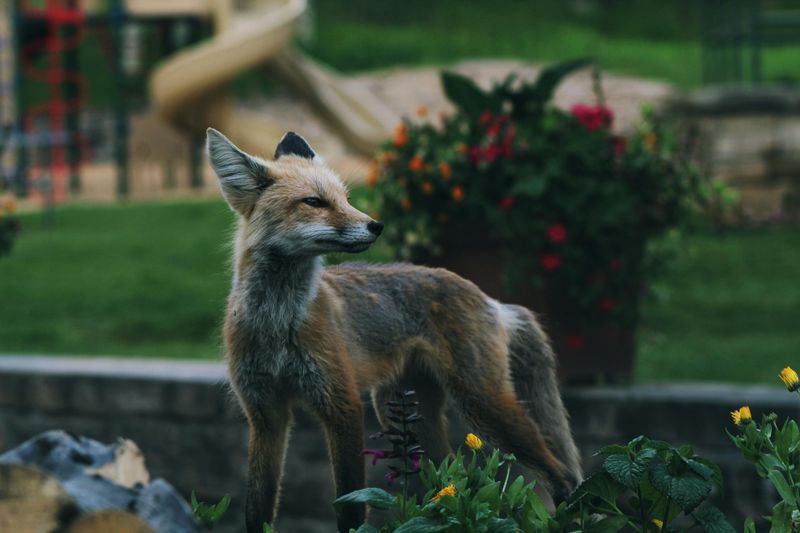
Urban sprawl is reshaping where foxes live. As forests and farmland give way to neighborhoods, foxes are adapting faster than most people expect.
Missouri has two resident fox species, the red fox and the gray fox. Both have shown a clear trend toward suburban living over the past two decades.
Suburbs actually offer foxes something wild forests sometimes cannot: a reliable, year-round food supply. Trash cans, gardens, and small rodents create a consistent pantry that keeps foxes well-fed.
Reduced predator pressure in neighborhoods is another draw. Coyotes and larger predators tend to avoid densely populated residential areas, giving foxes a safer environment to raise pups.
Foxes keep appearing in Missouri backyards partly because the habitat edges between neighborhoods and green spaces are ideal hunting zones. These transition areas hold high concentrations of small prey animals.
Your Missouri Garden Changes Every Week. Your Plan Should Too.
Gardening in Missouri changes quickly throughout the season. Every Friday you’ll receive a simple weekly plan showing exactly what to plant, prune, fertilize, harvest, and protect so you never miss the right timing.
Your backyard sighting is not unusual, it is part of a much bigger ecological shift happening across the Midwest.
They Are Scouting For A Safe Place To Den
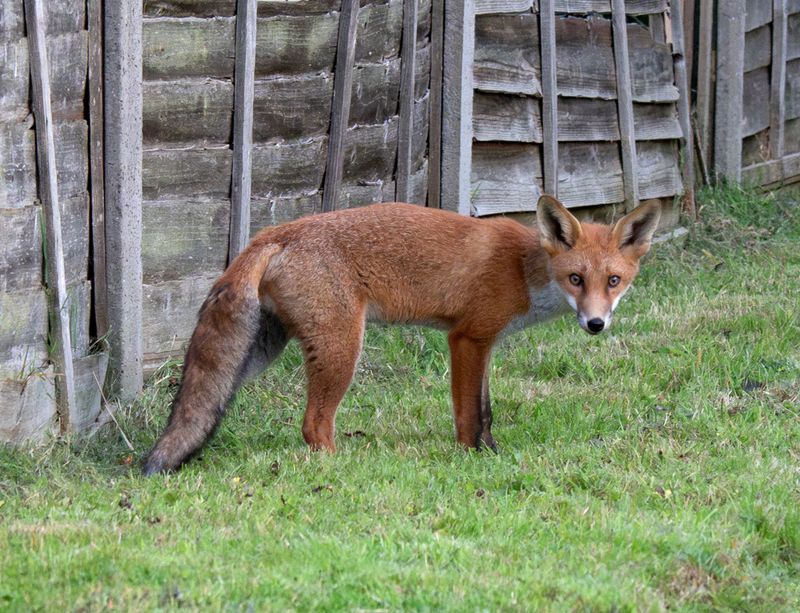
A fox sniffing along your fence line is not lost. It is house hunting, and your yard may be exactly what it has been searching for.
Foxes den in quiet, sheltered spots close to food and water. The space under a deck, a shed, or a dense shrub row can look like a five-star nursery to a pregnant vixen.
Missouri foxes begin scouting den sites as early as late January, with most pups born in late March or April. If you spot a fox repeatedly checking the same corner of your yard, there is a good chance it is evaluating that spot as a potential nesting site.
A fox family under your deck is not automatically a crisis. Many homeowners report that fox families are quiet, tidy, and gone within a few months once the pups are old enough to travel.
If you want to prevent denning, block potential entry points before late January. Hardware cloth secured tightly along the base of structures is the most effective deterrent available.
Acting early matters because once a vixen gives birth, options become limited. Disturbing an active den can cause more problems than simply waiting out the season patiently.
Water Sources On Your Property Are A Bigger Draw Than You Think
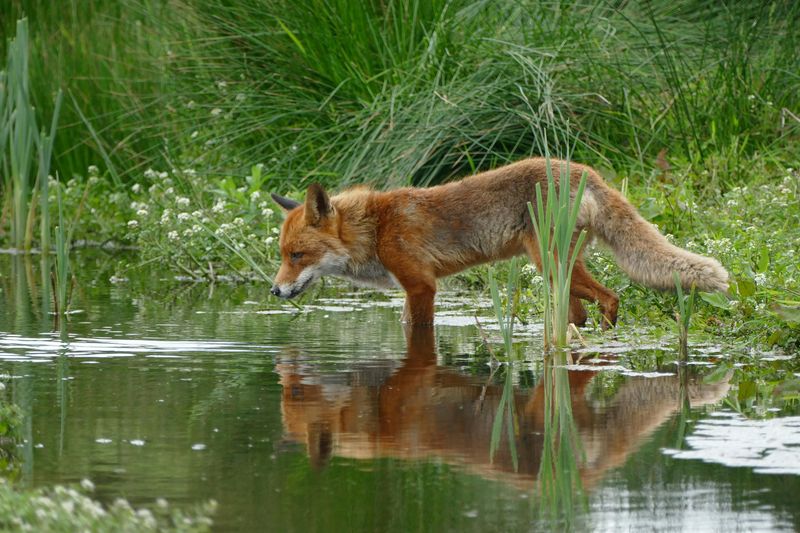
Fresh water is surprisingly scarce in suburban landscapes. During hot Missouri summers, a birdbath, garden pond, or even a clogged gutter can become a critical water stop for local wildlife.
Foxes need regular access to water, especially when nursing pups. A yard with a reliable water source becomes a destination, not just a passing curiosity on a nightly patrol.
Birdbaths placed low to the ground are particularly attractive. Foxes are not climbers, so ground-level water sources are far more accessible than elevated basins perched on tall pedestals.
Leaky hoses and dripping outdoor faucets also create small puddles that foxes learn to revisit. Something as minor as a slow drip can establish a habit that brings a fox back for weeks.
If water sources are drawing unwanted visitors, simple changes make a real difference. Elevating birdbaths, fixing leaks, and covering ponds at night can significantly reduce the appeal of your yard.
On the flip side, if you enjoy watching foxes, a shallow ground-level water dish placed away from your home can give them what they need. Watching a fox drink at dusk is genuinely unforgettable.
Two Species, Two Different Reasons To Visit
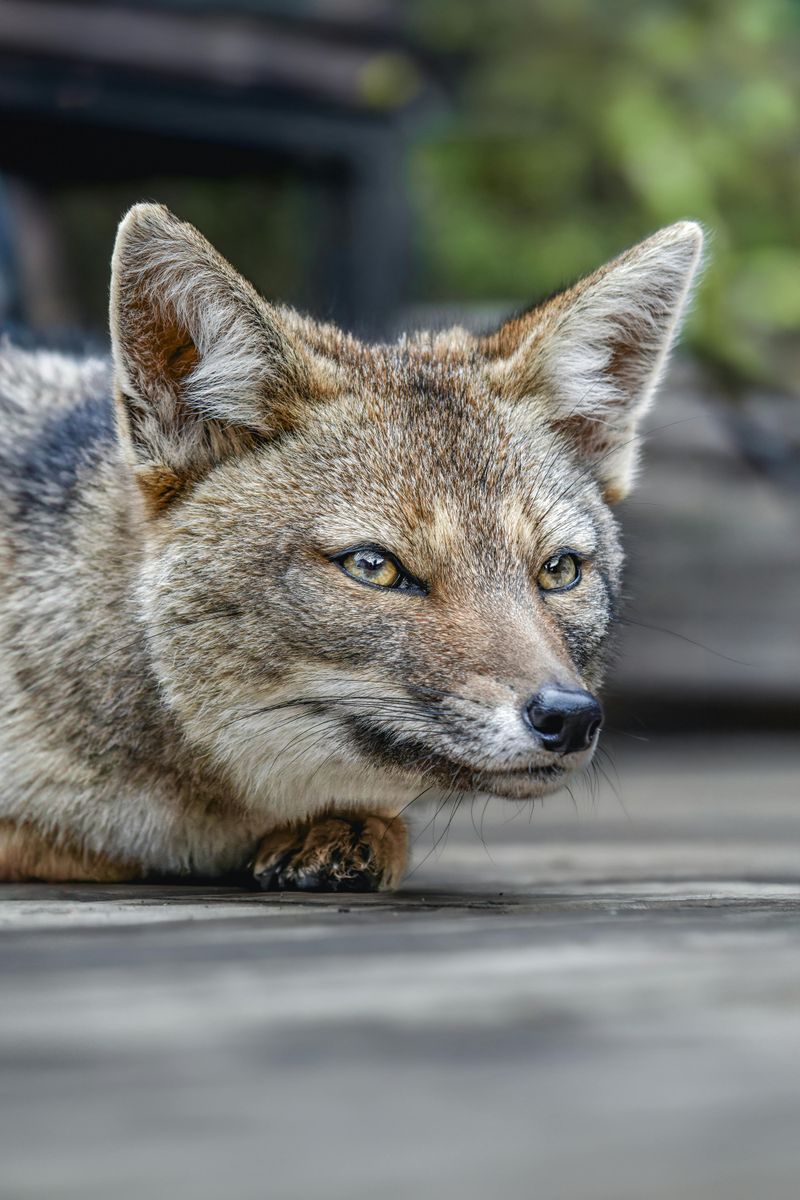
Not every backyard fox is the same animal. Missouri is home to both the red fox and the gray fox, and they visit yards for slightly different reasons.
Red foxes are the bold, open-ground hunters. They thrive in open lawns, meadow edges, and areas with short grass where they can spot and pounce on small rodents with ease.
Gray foxes are more secretive and heavily tied to wooded areas. If your yard borders a tree line or has mature shrubs, a gray fox is the more likely nighttime visitor in that setting.
Red foxes are drawn to yards with bird feeders, compost, and open ground. Gray foxes tend to visit properties with fruit trees, dense cover, and proximity to creek corridors or wooded patches.
Telling them apart is straightforward once you know what to look for. Red foxes have white-tipped tails and a bright rusty coat, while gray foxes have a black-tipped tail and a salt-and-pepper body.
Knowing which species you are seeing helps you understand exactly what your yard is offering. Each species tells a slightly different story about your local landscape and habitat conditions.
What A Fox Visit Actually Tells You About Your Yard’s Health

A fox in your yard is a sign, and it is mostly a good one. Foxes are mid-level predators that end to do best where prey populations are healthy and habitat is intact.
Seeing a fox regularly means your yard supports a functioning food web. You likely have healthy populations of mice, voles, rabbits, or insects, which are the building blocks of a balanced local ecosystem.
Native plantings attract the insects and small mammals that foxes depend on. Yards with native grasses, berry shrubs, and leaf litter tend to see far more wildlife activity than sterile, manicured lawns.
Foxes also act as a natural check on rodent populations. A single fox can cover several acres nightly and help keep local rodent populations in check throughout the season.
Healthy soil, diverse plants, and minimal pesticide use create the kind of yard that supports an entire chain of creatures. Foxes keep appearing in Missouri backyards that quietly offer all of these things without the homeowner even realizing it.
Think of a fox visit as a free ecological audit. Your yard passed, and the wildlife noticed before you did.
When To Worry And When To Just Watch
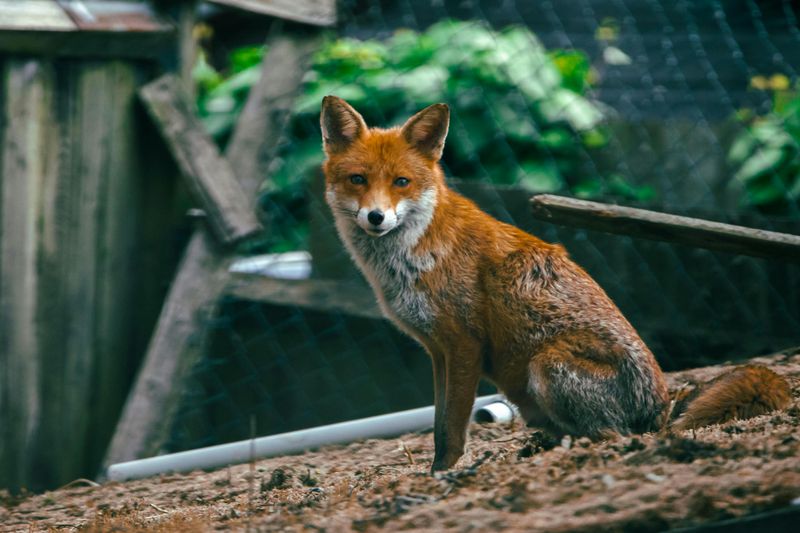
Most fox encounters do not require any action at all. A healthy fox moving through your yard during dawn or dusk is simply doing what foxes do naturally.
Concern is warranted in specific situations. A fox that staggers, moves in circles, or appears disoriented may be showing signs of illness and should be reported to a local wildlife rehabilitator promptly.
Foxes that are overly bold or approach humans without hesitation are also worth a second look. Normal foxes are cautious around people; unusual boldness can sometimes signal a problem worth investigating.
If you have small pets, supervision during dawn and dusk hours is a smart habit. Foxes rarely target animals larger than a rabbit, but small cats or toy-breed dogs could attract attention in rare cases.
Securing chicken coops with hardware cloth and burying wire aprons underground stops most fox intrusion attempts effectively. A determined fox is an excellent digger, so surface-level fencing alone is rarely enough protection.
Foxes keep appearing in Missouri backyards because the environment keeps inviting them in. Adjust what your yard offers, and you adjust exactly how often these clever, beautiful animals decide to stop by.