Florida Perennials You Should Divide Before June Ends And Ones You Shouldn’t Divide At All
June is slipping away fast. That window matters more than most Florida gardeners realize.
Once summer heat locks in hard, the ground turns brutal and perennials shift into pure survival mode. Dividing at the wrong time is not just a wasted afternoon.
It can set a plant back an entire season, sometimes longer. But dividing at the right time?
That one good decision multiplies your garden for free, fills bare spots, and keeps crowded plants vigorous and blooming. The catch is that Florida plays by its own rules.
Timing, humidity, soil temperature, and rainfall patterns all factor into a calculation that most general gardening advice completely ignores. Some perennials practically beg to be divided right now.
Others will punish you for even trying. So which ones reward a little tough love and which ones hold a grudge?
Your June gardening list just got a serious upgrade.
1. Divide Daylilies Before Summer Stress Builds
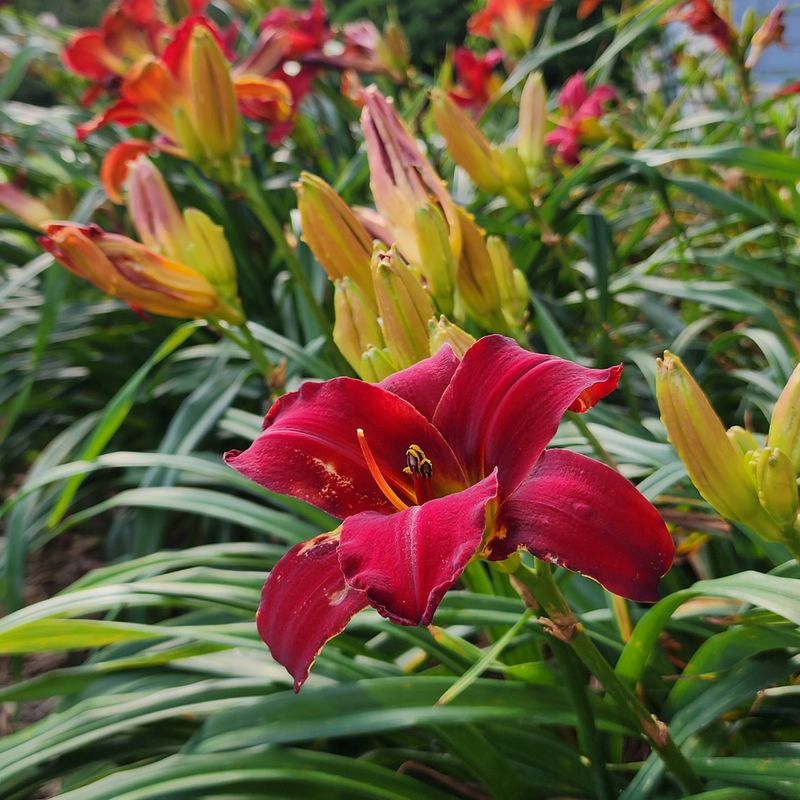
Crowded clumps are the real reason to divide daylilies, not habit or routine. Hemerocallis hybrids can grow in Florida landscapes, and over several seasons, those clumps can get thick, congested, and stingy with blooms.
When a clump that used to flower reliably starts producing fewer blooms, or when the center looks worn out, that is a sign it may be ready for division.
Spring and fall are generally easier on the plants. But if you are already working the beds before June ends, dividing early in the morning gives divisions a better chance.
Work when the soil is moist, lift the clump carefully, and pull or cut it into sections that have healthy fans and roots attached.
After replanting, water the divisions well and keep them consistently moist while they settle in. Afternoon shade from nearby plants or a temporary shade cloth can reduce stress during the first week or two.
Daylilies do not need dividing every year. Only split them when the clump is clearly overcrowded, bloom has dropped off noticeably, or you want to fill another spot in the bed with a plant you already trust.
2. Split Society Garlic When Clumps Get Crowded
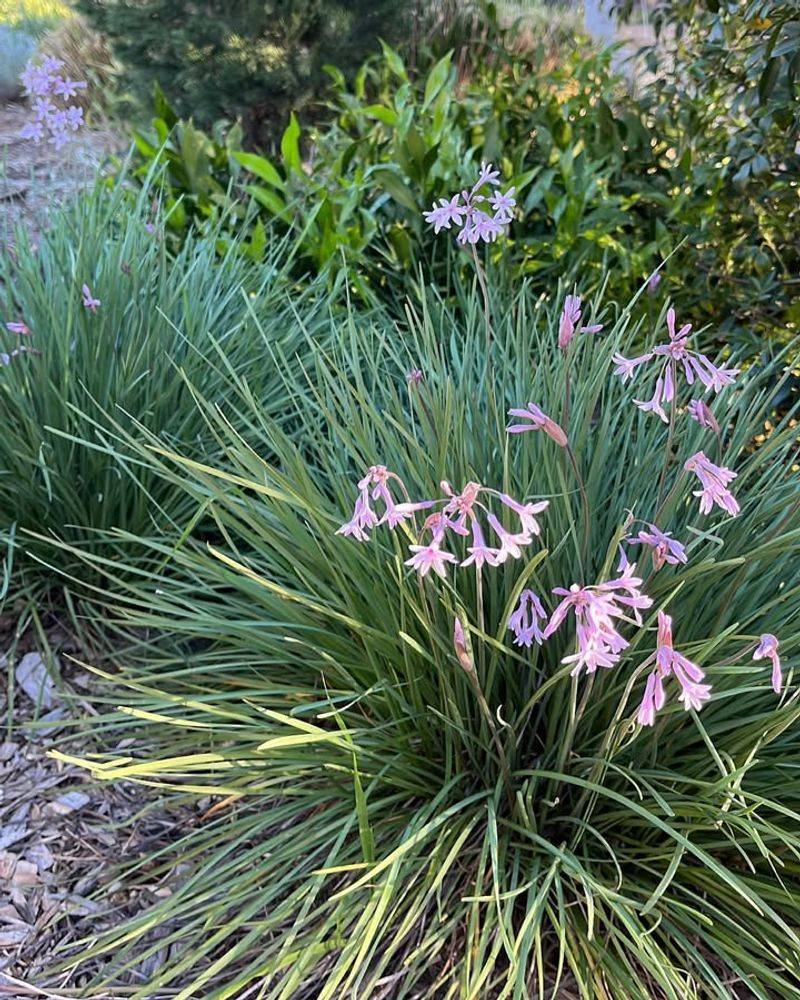
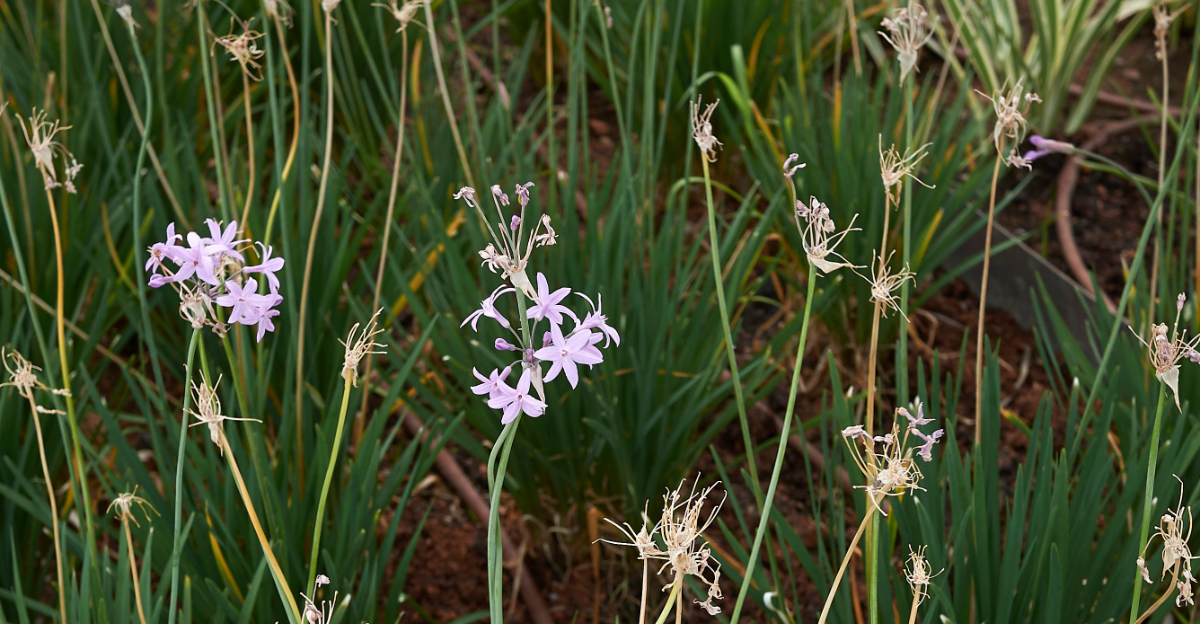
A tidy edge can hide a packed root system, and society garlic is a good example of that. Tulbaghia violacea grows in neat-looking clumps, but over time those clumps can get dense and crowded at the base.
When that happens, the outer sections may still flower well while the center starts to thin or stall.
Society garlic is not native, but it is a reliable performer in sunny local borders and low-water landscapes. It prefers well-drained soil and does not like sitting in wet ground for long periods.
Before the rainy season peaks, dividing crowded clumps gives the new divisions time to root in before heavy rainfall settles in.
To divide, lift the clump with a garden fork, shake off loose soil, and pull the clump apart into smaller sections. Each section should have healthy roots and several green shoots.
Replant at the same depth, space divisions so air can move between them, and water thoroughly after planting. Keep the soil from drying out completely while the divisions establish.
Your Florida Garden Changes Every Week. Your Plan Should Too.
Gardening in Florida changes quickly throughout the season. Every Friday you’ll receive a simple weekly plan showing exactly what to plant, prune, fertilize, harvest, and protect so you never miss the right timing.
Society garlic is generally forgiving once it settles, but consistent moisture right after division helps it recover more smoothly in warm conditions.
3. Divide Agapanthus Only When It Needs More Room
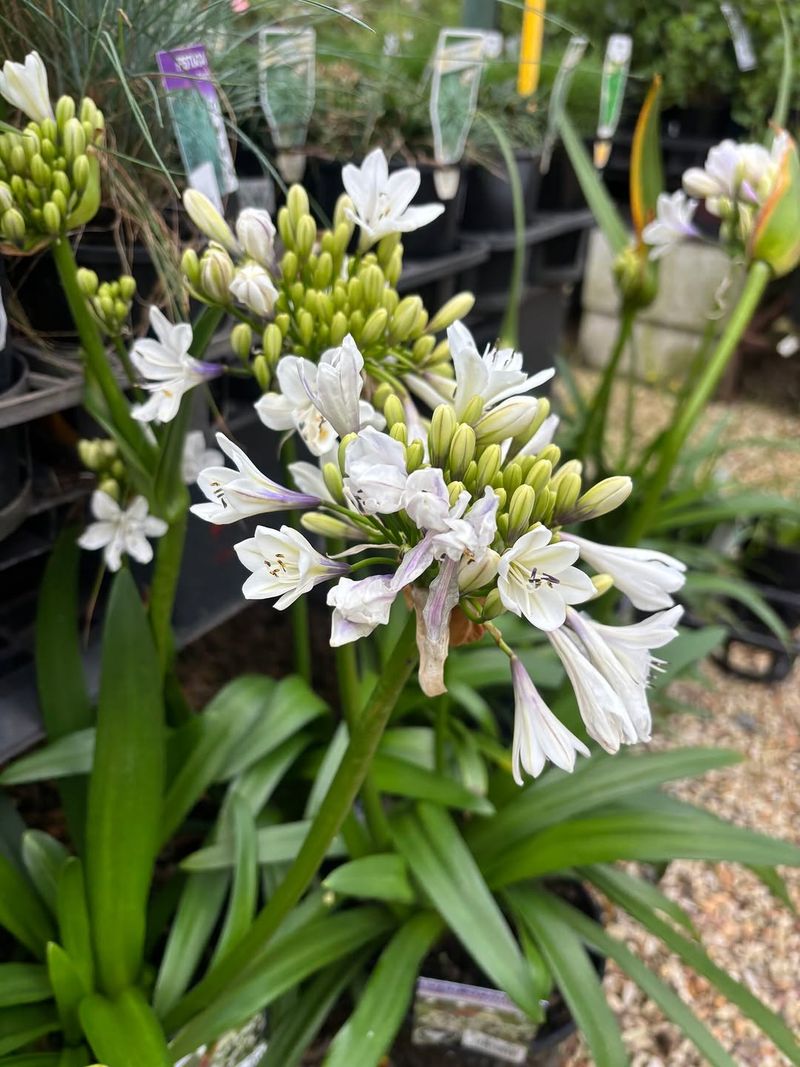
Some plants flower better when left alone longer, and agapanthus is one of them. Agapanthus africanus and common landscape hybrids can form impressive, long-lived clumps in local gardens.
Many gardeners find that slightly crowded agapanthus clumps actually produce more flower stalks than those that were divided too soon or too often.
Division is worth considering only when the clump has clearly outgrown its space, flowering has dropped off significantly, or the root mass is pushing out of the ground.
Disturbing agapanthus too frequently can set back the bloom cycle by a full season or more.
If the clump still looks healthy and flowers reasonably well, leaving it alone is usually the better call.
When division is needed, late spring to early summer is an acceptable window before peak rainy-season stress. Lift the clump carefully, divide it into sections that each have several healthy leaves and a good root system, and replant promptly.
Water well after replanting and keep the soil from drying out while the divisions settle. Agapanthus is not a plant that rewards impatient or frequent splitting.
Give each division room to grow, and expect it to take at least one full season before flowering resumes reliably.
4. Lift And Split Walking Iris Before The Rainy Season Peaks
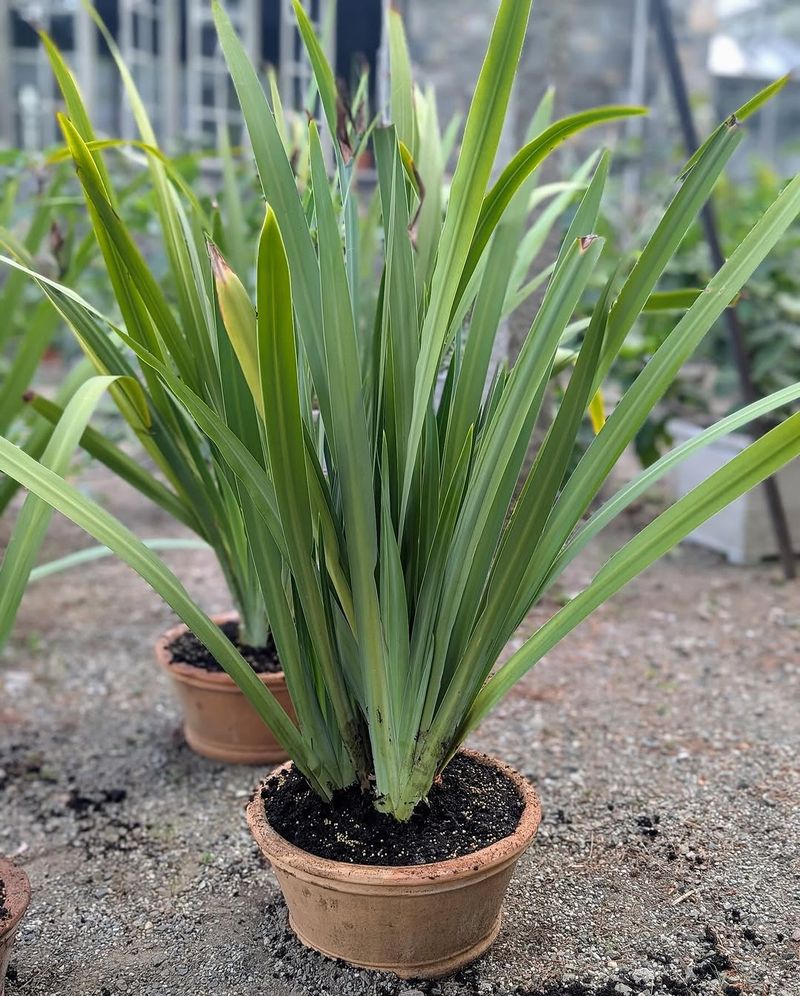
Rainy-season timing matters before you lift a clump, and walking iris is a plant where that timing can make a real difference.
Neomarica species spread through offsets that form at the tips of flowering stems, eventually arching down and rooting where they touch the ground.
Over time, a single planting can fan out into a wide, layered spread that starts competing with itself for space and light.
Walking iris is grown in local gardens, often in part shade where it gets some protection from the harshest afternoon sun. It is not native, but it fits well in shaded borders and areas with consistent moisture and reasonable drainage.
Before the rainy season peaks and soggy conditions make root work harder, lift and split congested clumps. That gives divisions a chance to root in without sitting in waterlogged soil.
When dividing, separate rooted offsets from the main clump and replant them at a similar depth in prepared soil. Water the divisions in well and keep them from drying out during the first few weeks.
Part shade helps reduce stress on newly planted divisions during warm weather. Walking iris is generally adaptable once it settles, but it does best when given a site with good drainage even in a shaded, moist spot.
5. Divide Garden Cannas Before Clumps Crowd The Bed
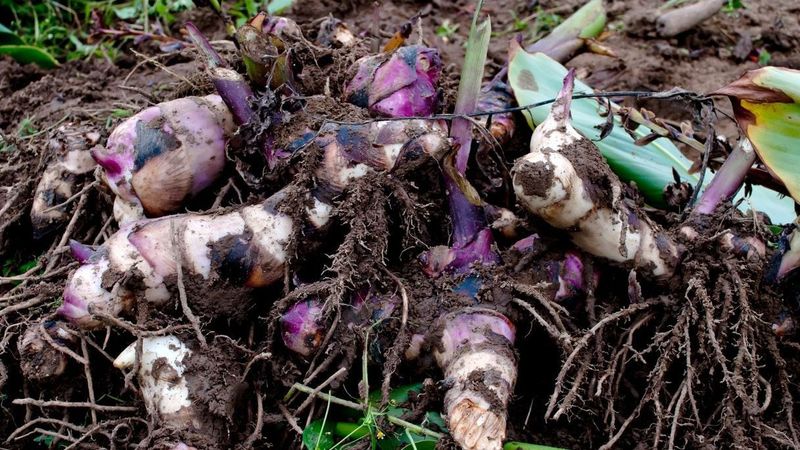
Rhizomes can crowd a bed if they are ignored, and garden cannas are one of the more enthusiastic spreaders in warm-season beds. Ornamental canna cultivars already planted in local gardens can expand steadily season after season.
Eventually, they may crowd out neighboring plants or push to the edges of a bed in ways that become difficult to manage.
When an established garden canna clump has clearly overtaken its space, dividing the rhizomes is a practical way to reset the planting. Lift the clump, separate healthy rhizome sections that each have at least one growth eye, and replant only what you need.
Discard old, soft, or damaged sections rather than replanting them. Keep divisions contained by replanting in defined areas or using edging to limit future spread.
One important note: gardeners should avoid planting or recommending Canna indica, which carries invasive or high-risk concerns in parts of Florida. Stick with named ornamental cultivars already established in your garden.
After dividing, water the replanted rhizomes well and keep the soil consistently moist while they establish.
Cannas are warm-season growers, so they recover relatively quickly in summer heat as long as they are not left to dry out during the first few weeks after division.
6. Do Not Divide Butterfly Weed’s Deep Taproot
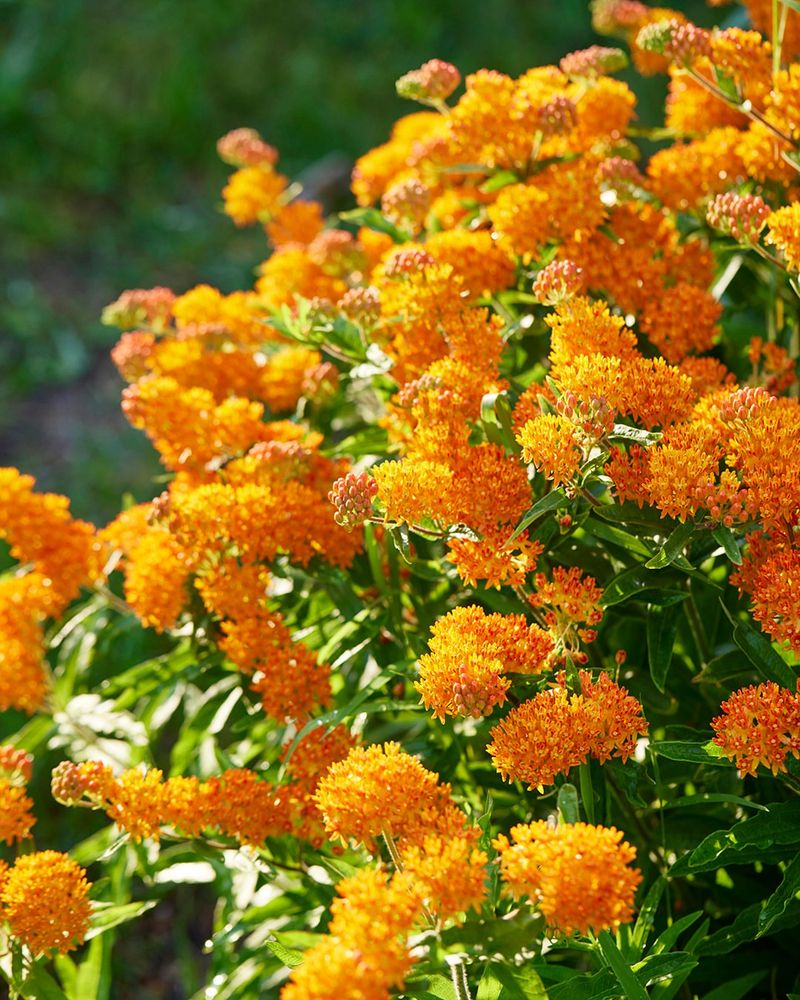
A taproot changes the whole division question, and Butterfly Weed makes that point clearly. Asclepias tuberosa grows a deep, thick taproot that anchors it firmly in well-drained, often sandy soil.
That root system is part of what makes established plants so resilient through heat and drought. Trying to split or dig up a mature plant almost always causes serious root damage that the plant struggles to recover from.
Butterfly Weed is best treated as a permanent planting. Once it is settled in a sunny, well-drained spot, leave it there.
It may take a couple of seasons to fully establish, but once it does, it tends to return reliably year after year without much interference. Moving or dividing an established plant often sets it back significantly or causes it to fail entirely.
Gardeners who want more Butterfly Weed plants have better options than trying to split a mature specimen. Starting from seed is the most reliable approach, and young nursery-grown plants transplant more successfully than divided roots from older plants.
Let the established plant do what it does best, which is anchor itself deeply and flower year after year. Give it space, good drainage, and full sun, and resist the urge to disturb it once it has found its footing.
7. Leave Gaillardia Alone And Refresh It Another Way
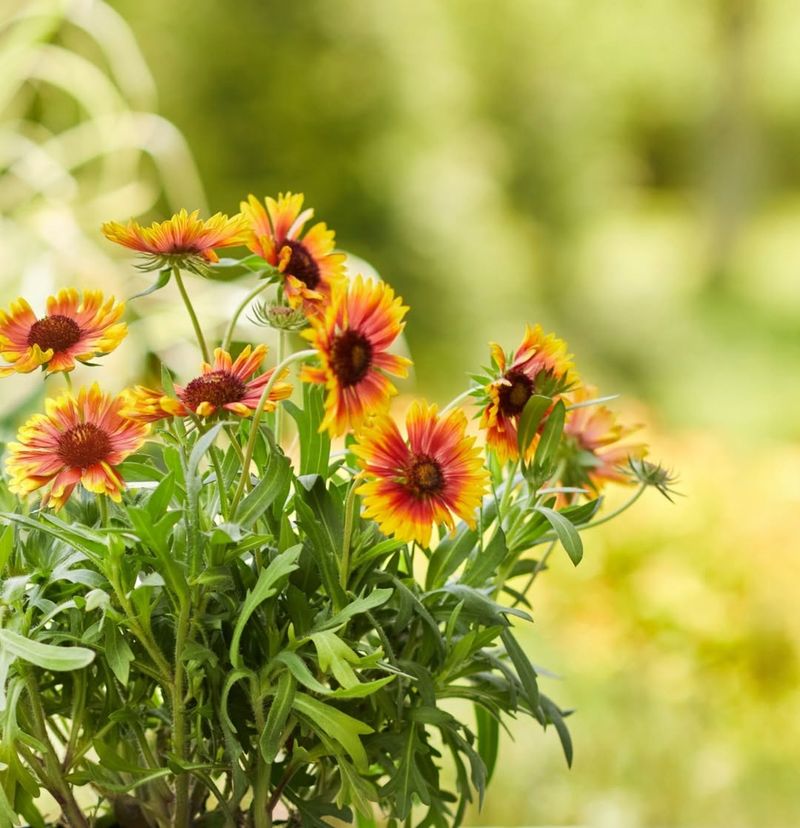
Not every short-lived flower needs a shovel, and gaillardia is a good reminder of that. Blanketflower tends to be a relatively short-lived plant in many gardens.
Its root system does not lend itself well to rough division the way a thick, clump-forming perennial does. Digging it up and splitting it can cause more harm than benefit, especially during warm, humid conditions.
A better approach is to let gaillardia refresh itself naturally where the site allows. Some types reseed modestly, and allowing those seedlings to develop in place can keep the planting going without any digging at all.
Where reseeding does not happen reliably, replace worn plants with fresh nursery plants or start new ones from seed. That is more effective than trying to divide mature specimens.
Light trimming after bloom can help extend the flowering season and keep plants from looking ragged.
Regardless of the type in your garden, the general advice holds: skip the division attempt and focus on good drainage and full sun. Use seed or replacement plants to refresh the planting when it starts to decline.
8. Do Not Split Coral Honeysuckle Like A Clump Perennial
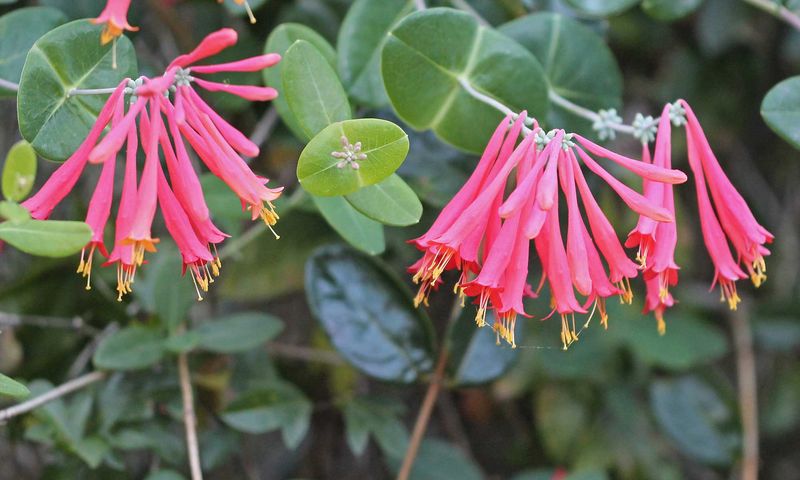
A vine needs training, not splitting, and coral honeysuckle is exactly the kind of plant that gets mishandled when gardeners treat it like a dividable clump.
Lonicera sempervirens is a native vine with twining stems that climb and spread through trained support, not through a root clump that can be lifted and pulled apart.
Trying to dig and divide it like a daylily or canna will not produce new plants. It will only damage the root system of the original plant.
When coral honeysuckle needs attention, the right tools are pruning shears and a good support structure, not a garden fork. Pruning helps manage size, improve airflow, and encourage fresh growth.
If a vine has become tangled or overgrown, selective pruning and redirecting stems is a much better approach than digging into the root zone.
Gardeners who want more coral honeysuckle plants should look into proper propagation methods, such as stem cuttings taken at the right time of year. They can also buy young nursery plants and train them from the start.
Established vines that are healthy and well-placed should be left to grow. Give them a sturdy support, keep them pruned when needed, and let them climb rather than treating them like a perennial clump that needs refreshing.
9. Avoid Dividing Firebush Because It Is A Shrub
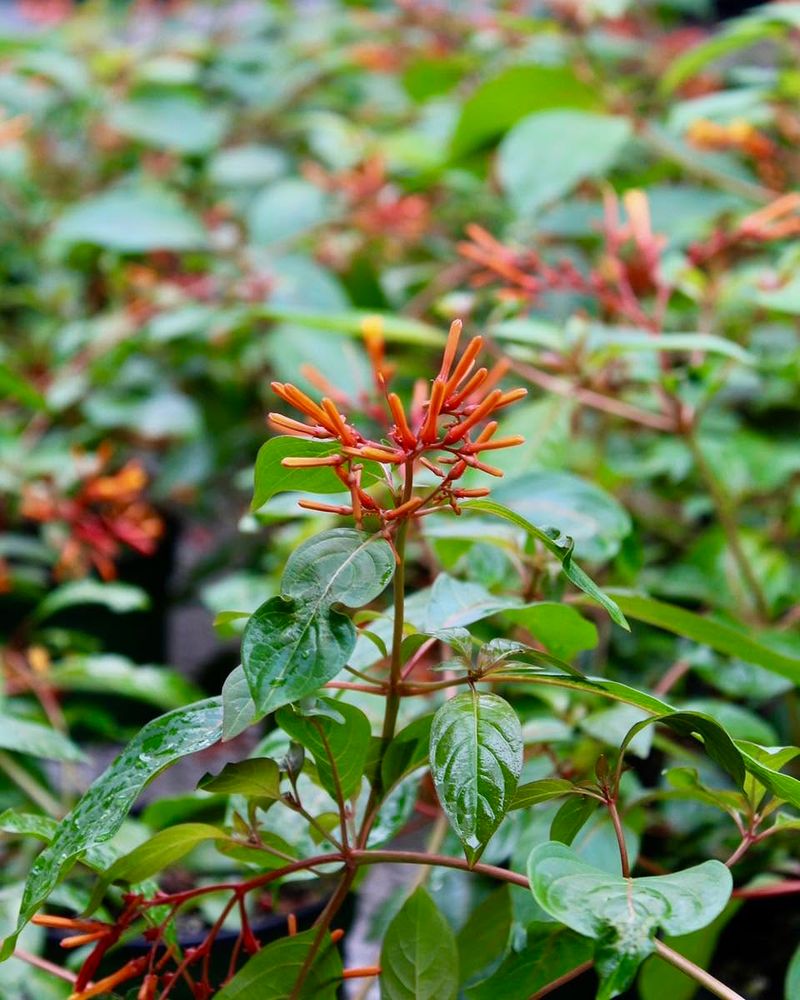
Shrubs do not refresh the same way clumps do, and native firebush is a clear example of why plant type matters before you reach for a shovel.
Hamelia patens var. patens is a Florida native shrub, not a clump-forming perennial with a root system designed to be lifted and divided.
Treating it like one will not give you new plants. It will only damage a healthy, established shrub.
Firebush can grow into a substantial shrub in warm parts of the state, sometimes reaching six feet or more in height and spread over time. That growth habit means spacing and placement matter far more than division.
If the plant has outgrown its spot, selective pruning is the right response. Cutting it back hard in late winter or early spring can help manage size and encourage fresh growth from the base.
Gardeners who want additional firebush plants should buy them from a nursery that carries the true native variety, Hamelia patens var. patens. That helps avoid the non-native cultivar sometimes sold under similar names.
Plant new shrubs with enough space to grow to their natural size without crowding. Good drainage, full sun to part shade, and appropriate spacing will serve firebush far better than any attempt at division.
10. Leave Coontie Undisturbed Once It Settles In
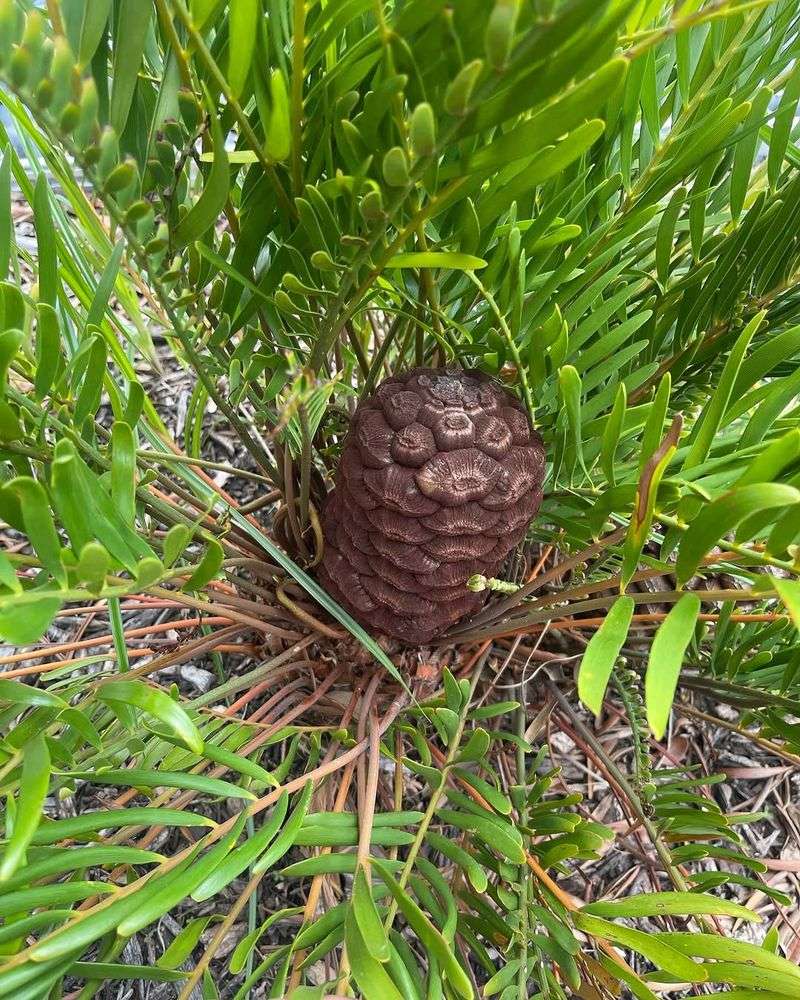
Slow native structure is better left settled, and coontie is the kind of plant that earns its place through patience, not through frequent intervention.
Zamia integrifolia, also known as Zamia floridana in some references, is a native cycad, not a clumping perennial.
Its root system is not designed to be divided like a daylily or a canna rhizome. Attempting to split or transplant an established plant causes significant root disturbance that can set it back for years.
Coontie is also not cardboard palm, a common mix-up that can lead to incorrect care decisions. It is a true native cycad with a slow growth rate and a preference for a permanent, well-chosen spot.
Once it is established in a site with good drainage and appropriate light, the best thing a gardener can do is leave it alone. It does not need regular lifting, splitting, or moving.
If more coontie plants are needed for a native bed or wildlife planting, purchase them from a reputable nursery rather than trying to dig or divide an existing plant. Young nursery plants establish more reliably than disturbed mature specimens.
Give coontie a spot it can occupy for the long term, keep the soil well-drained, and let it grow at its own unhurried pace without unnecessary root disturbance.