The Best Critter-Repelling Plants For Your Washington Garden
Your garden looked perfect yesterday. This morning?
Something has been at it again. Deer have been grazing through your flower beds.
Aphids are staging a quiet takeover. Washington gardeners know this struggle all too well.
The frustrating part is that most people reach for fences or sprays before realizing the best defense was already growing in someone else’s garden all along. Certain plants are naturally wired to repel the creatures that wreak havoc on your yard.
They do it through scent, taste, or just being downright unpleasant to anything that tries to snack on them.
The best part is that these plants also happen to be beautiful, low-maintenance, and perfectly suited to the Pacific Northwest climate. So before you declare war on your local wildlife with traps and chemicals, let your garden do the heavy lifting.
Lavender
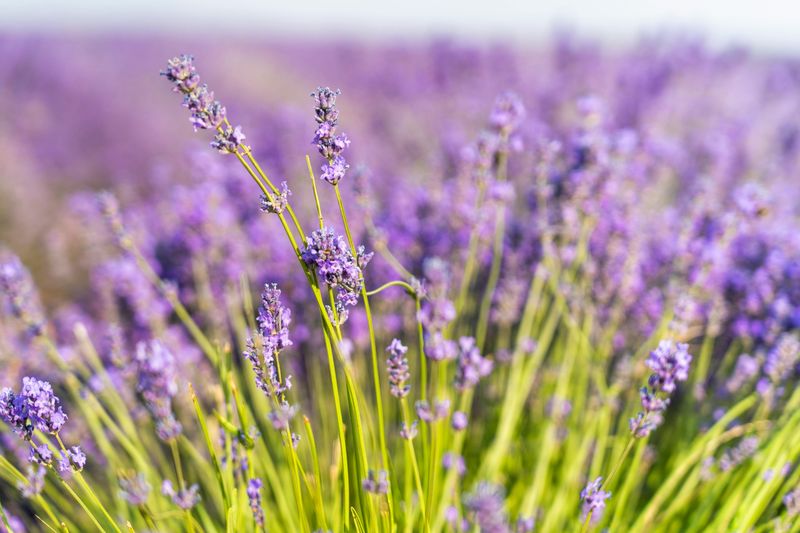
Few plants pack as much punch as lavender does in a garden. That signature purple bloom is pure heaven to humans.
That bold, woody scent? A nightmare to deer, rabbits, and most insects.
Lavender thrives in the sunny, well-drained spots that Washington summers provide. It loves heat and dislikes soggy roots, so raised beds or slopes work beautifully for it.
The plant’s strong essential oils are what make critters turn the other way. Deer especially hate the smell and will skip right past a lavender border to find easier pickings elsewhere.
Plant lavender along garden edges or near vegetable beds to create a fragrant barrier. It pairs well with roses, which are a favorite deer snack, offering them some much-needed protection.
Beyond pest control, lavender attracts bees and butterflies, making your garden more productive overall. Harvest the blooms in midsummer and dry them for sachets, cooking, or homemade cleaning sprays.
One established lavender plant can spread two to three feet wide, so give each one plenty of room. With minimal watering and full sun, this plant rewards you season after season without complaint.
Rosemary
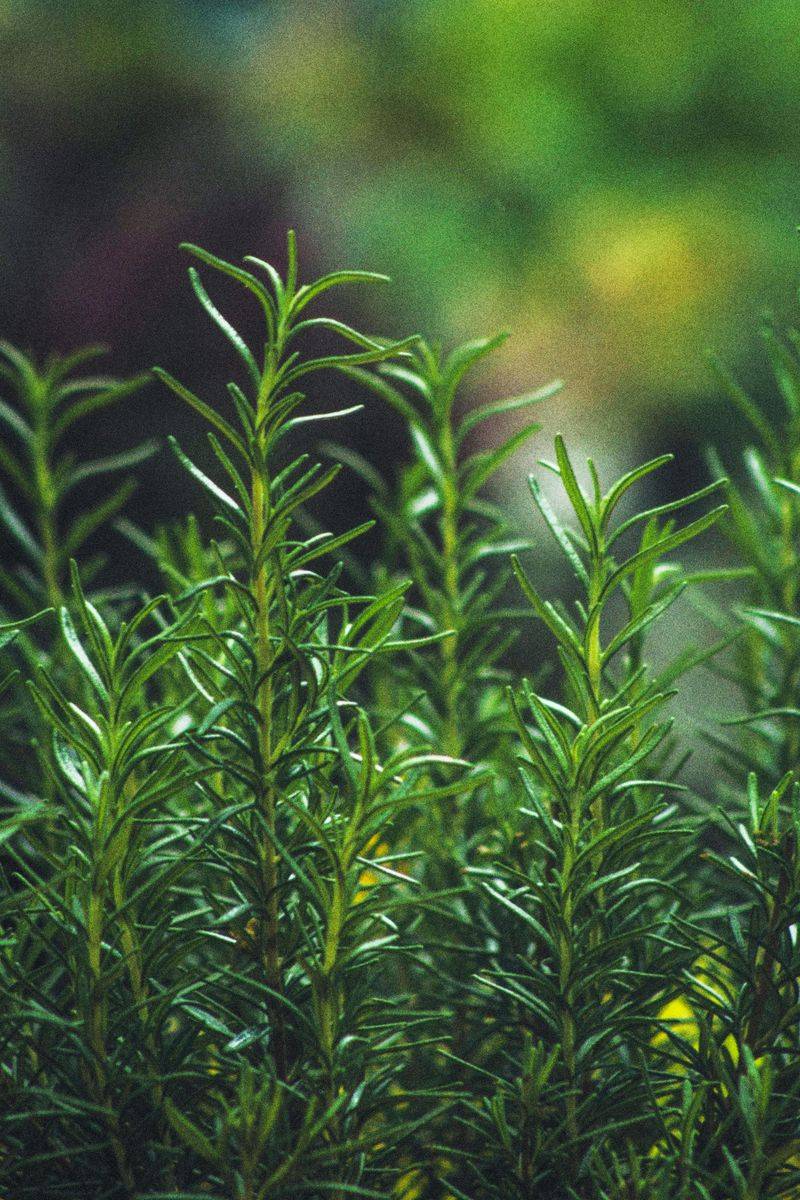
Rosemary is one of those plants that pulls double duty without even trying. Your kitchen loves it, your garden needs it, and almost every nibbling pest in the yard absolutely cannot stand it.
The sharp, piney scent of rosemary is overwhelming to deer, rabbits, and a wide range of insects. They rely heavily on smell to find food, and rosemary simply scrambles their radar completely.
In Washington’s mild coastal zones, rosemary can grow into a sprawling woody shrub over several years. In colder inland areas, treat it as a container plant that comes indoors before the first hard frost hits.
Plant rosemary near entryways, along pathways, or as a low hedge to create a scent barrier around more vulnerable plants. It looks tidy, stays green most of the year, and needs almost no maintenance once settled in.
Rosemary also repels carrot flies, bean beetles, and cabbage moths, making it a fantastic companion for vegetable gardens. Tuck a few sprigs near your brassicas and root vegetables for an extra layer of natural protection.
Your Washington Garden Changes Every Week. Your Plan Should Too.
Gardening in Washington changes quickly throughout the season. Every Friday you’ll receive a simple weekly plan showing exactly what to plant, prune, fertilize, harvest, and protect so you never miss the right timing.
Harvest stems regularly to encourage bushy, full growth. The more you prune, the more fragrant and dense it becomes.
And that only strengthens its pest-fighting power throughout the growing season.
Allium
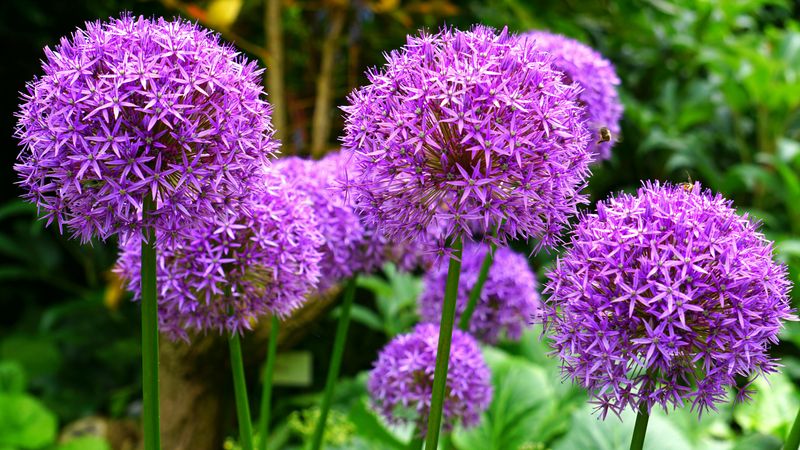
Picture a plant that looks like a firework frozen mid-explosion and smells like the world’s strongest onion. That’s allium, and critters absolutely want nothing to do with it.
Alliums belong to the onion and garlic family, and their sulfur-rich scent is deeply offensive to deer, moles, voles, and aphids. A few of these planted strategically can protect a surprisingly wide area of your garden.
They bloom in late spring to early summer, producing those iconic globe-shaped flower heads in shades of purple, white, and pink. The blooms can reach up to four inches across on some varieties, making them a true showstopper.
Plant allium bulbs in fall for spring blooms, tucking them in among tulips, roses, or other deer-favored plants. The pests will smell the allium and assume the whole area is off-limits, protecting everything nearby.
Alliums may also repel slugs, which is a serious bonus for Washington gardeners who deal with slimy invaders every wet season. The leaves wither after flowering, so pair them with perennials that fill in the gap later.
Once planted, alliums naturalize and multiply over time with almost no effort from you. These low-maintenance bulbs are one of the smartest investments any critter-weary gardener can make.
Daffodils
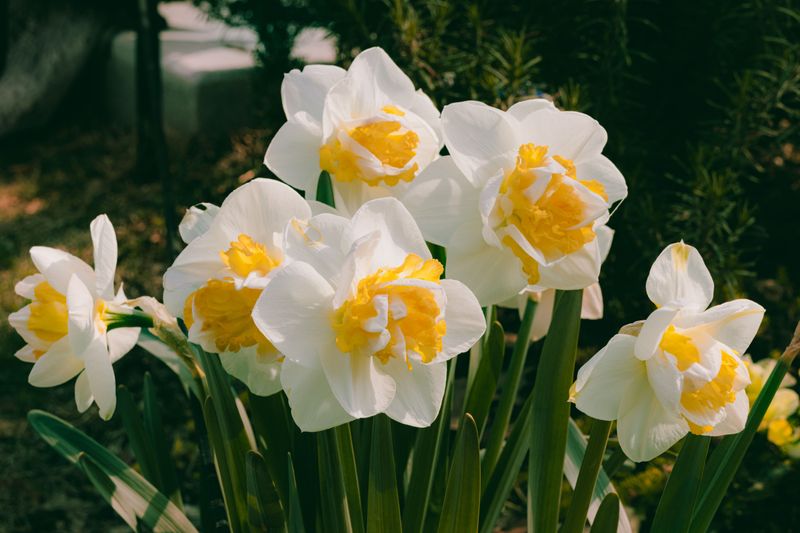
Daffodils are one of spring’s most cheerful surprises, and they come with a hidden superpower most gardeners overlook. Every part of this plant is toxic to deer, rabbits, squirrels, and voles, making it one of nature’s best natural fences.
Unlike tulips, which deer practically treat as a buffet, daffodils are left completely alone. Plant them as a border around your tulip beds and watch the deer stop short every single time.
The alkaloids in daffodil bulbs and stems taste terrible to most animals and can cause real digestive distress. Over time, animals learn to avoid plants that made them sick, and daffodils tend to get left alone once that association is made.
Washington’s cool, wet springs are practically perfect for daffodil growing. They naturalize beautifully in lawns, woodland edges, and garden beds, returning reliably each year with almost no effort from you.
Plant bulbs in October or November about six inches deep for the best spring show. Choose a mix of early, mid, and late-season varieties to extend the bloom time across several weeks.
Daffodils also signal to pollinators that the garden is open for business after winter. Their cheerful blooms do double duty as pest deterrents and as one of the most mood-lifting sights in any Pacific Northwest yard.
Marigold
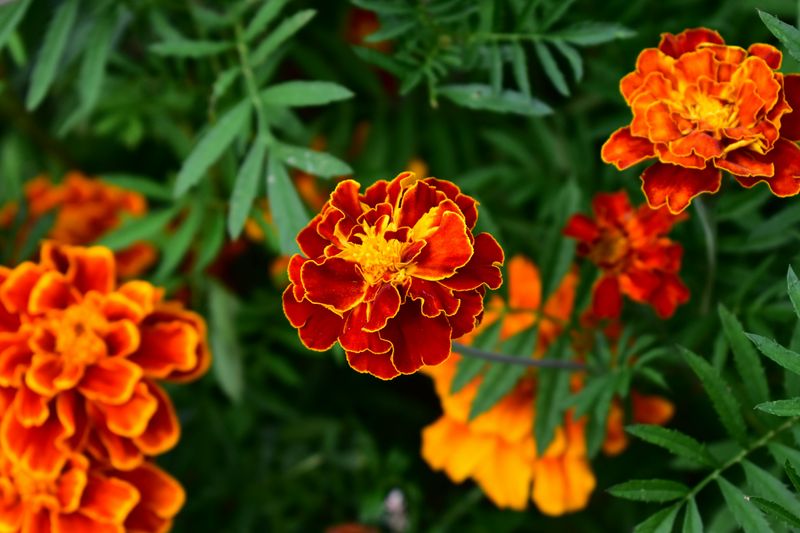
Marigolds are the underdog champions of the garden world. They look cheerful and unassuming, but beneath those bright petals lies a chemical arsenal that sends pests running for the hills.
The pungent scent of marigold leaves and roots is offensive to deer, rabbits, whiteflies, aphids, and even nematodes in the soil below. Few plants protect both above and below ground at the same time.
French marigolds release a compound called alpha-terthienyl from their roots, which has been shown to suppress certain harmful nematode populations in the soil.
Plant them in your vegetable beds for a season and you may notice an improvement in root health over time.
In Washington, marigolds thrive from late spring through the first fall frost, pumping out blooms nonstop with minimal watering. Remove spent flowers regularly to encourage even more blooms and keep the plant looking sharp all season.
Place marigolds near tomatoes, squash, and peppers to ward off aphids, whiteflies, and spider mites that love to target those crops. They’re one of the most widely recommended companion plants in gardening for a good reason.
Their bold orange and yellow tones also add serious visual punch to any garden layout. Beauty and brawn in one compact, sun-loving package is a combination that is hard to beat anywhere in the yard.
Catmint
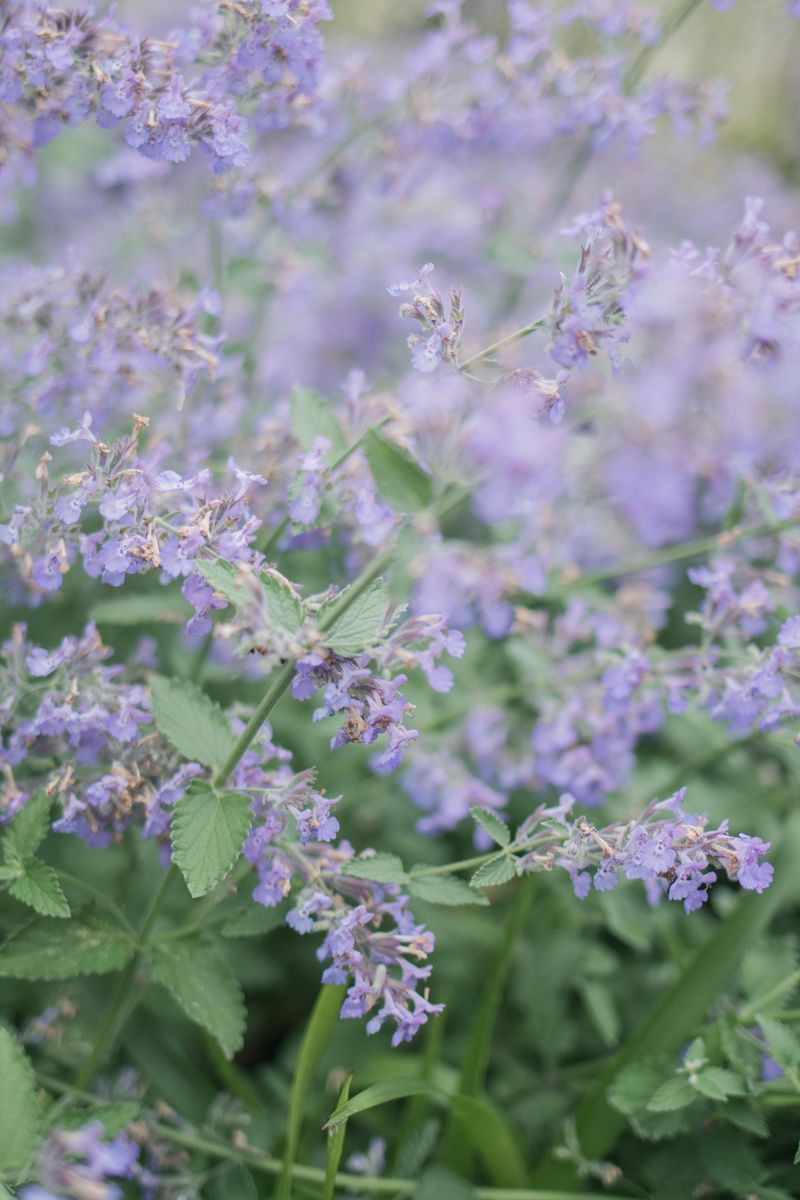
Catmint sounds like something that would attract every cat in the neighborhood, but the story is a little more complicated than that. While cats do enjoy rolling in it occasionally, catmint is a serious deterrent for deer, and may help deter some insects.
The minty, slightly medicinal scent that wafts off the silvery leaves is deeply unappealing to most garden pests. Deer especially tend to avoid it, making it a smart choice for front yard borders and exposed garden beds.
Catmint is a tough, drought-tolerant perennial that handles Washington’s dry summers without complaint. Once established, it needs almost no supplemental watering and spreads into a lush, mounding form that looks great along pathways and garden edges.
The soft lavender-blue flower spikes bloom in late spring and again in late summer if you cut the plant back by half after the first flush. This two-season bloom cycle gives you double the pest-repelling power and double the visual interest.
Bees and butterflies absolutely love catmint, flocking to it in huge numbers throughout the blooming season. While pests stay away, the beneficial insects that help pollinate your garden come running, making it a win on every front.
Plant it where you want a soft, billowy look that also does serious protective work. Catmint earns its place in any critter-conscious Washington garden without asking for much in return.
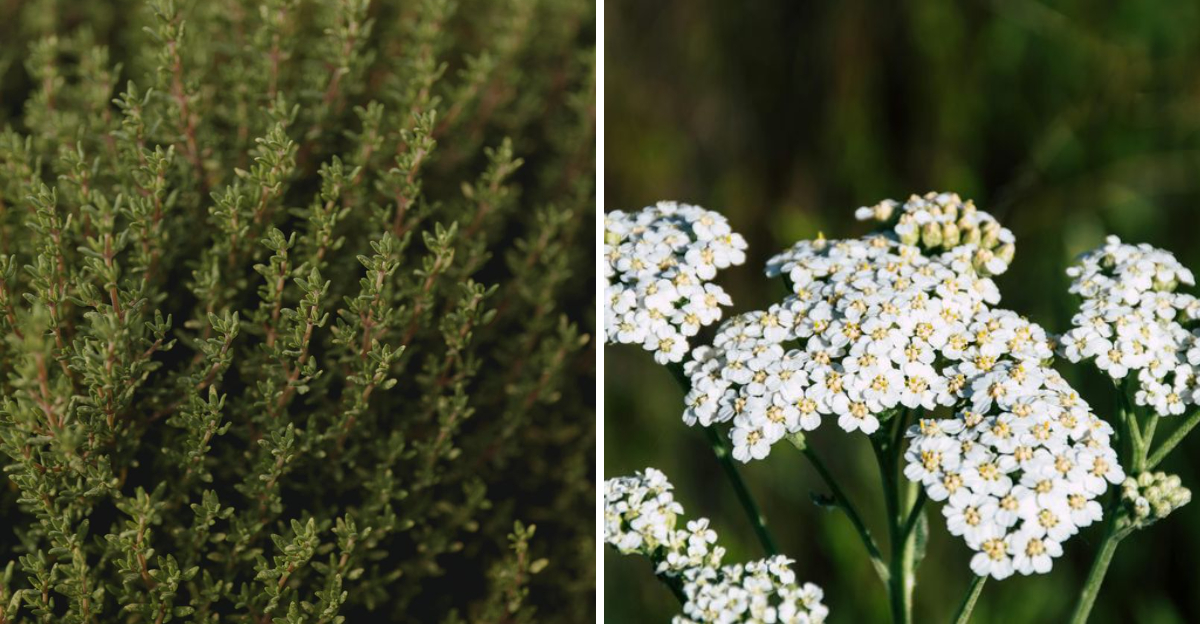
Yarrow
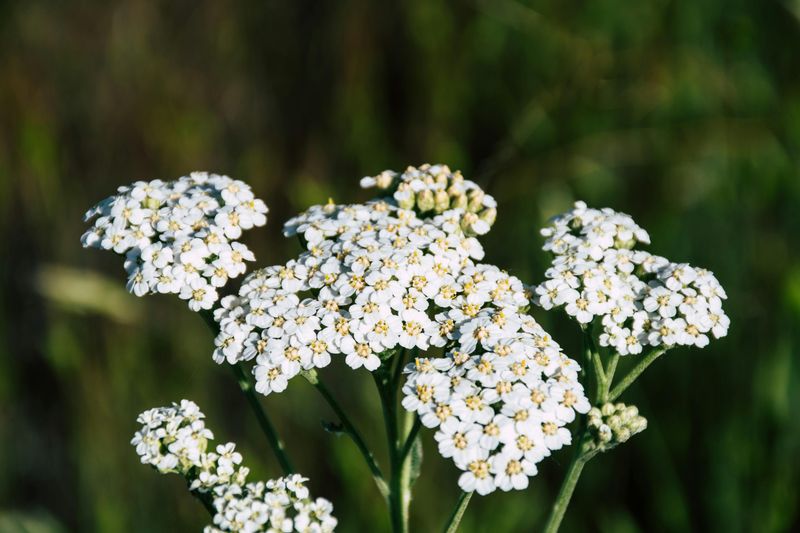
Image Credit: © Brett Sayles / Pexels
Yarrow has been growing wild across the Pacific Northwest for centuries, and there’s a reason wildlife tends to walk right past it. The bitter, medicinal scent of its feathery leaves is a strong signal to deer and rabbits that this plant is not worth eating.
Beyond repelling deer and rabbits, yarrow also deters aphids, whiteflies, and ants. Its flat-topped flower clusters attract predatory insects like lacewings and parasitic wasps, which hunt the pests you want gone.
Yarrow is remarkably tough and thrives in poor, dry soil where other plants struggle. Washington’s rocky slopes, sun-baked hillsides, and neglected corners of the yard are exactly where this plant feels most at home.
It blooms from early summer through fall in shades of white, yellow, pink, and red depending on the variety. The flowers dry beautifully on the stem and can be cut for long-lasting arrangements that bring the garden indoors.
Plant yarrow in full sun with well-draining soil and then essentially leave it alone. It spreads steadily over time through underground runners, filling in bare patches and creating a dense mat that crowds out weeds naturally.
For a garden that takes care of itself while keeping critters at bay, yarrow is one of the most reliable performers you can plant this season.
Thyme
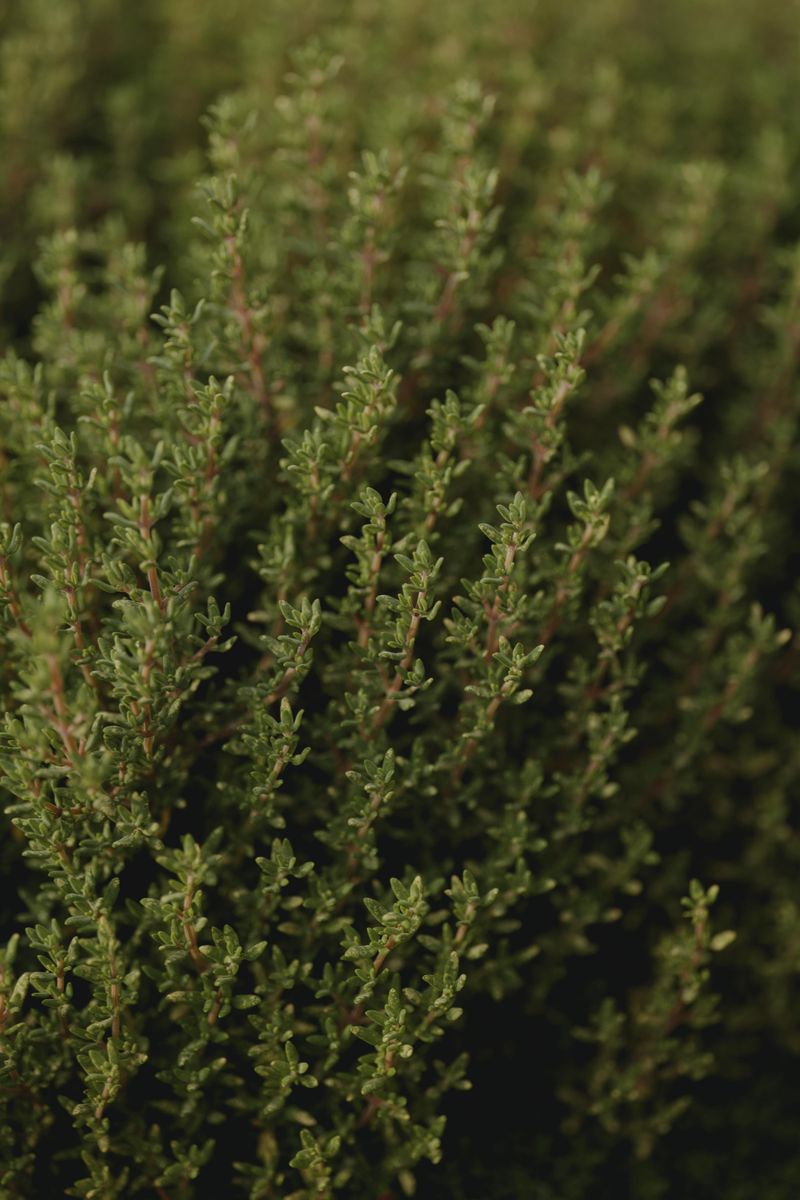
Image Credit: © Lauri Poldre / Pexels
Thyme is one of those plants that seems almost too small to matter, but do not let its size fool you. This compact herb packs a fragrant punch that deer, rabbits, and most crawling insects find genuinely repulsive.
The essential oils in thyme leaves, particularly thymol, are used in natural insect repellents and antimicrobial products for a good reason.
That same chemistry works overtime in the garden, keeping slugs, aphids, and cabbage worms away from nearby plants.
Creeping thyme varieties are especially useful in Washington gardens. They spread low and wide, forming a dense aromatic ground cover between stepping stones or along bed edges.
It handles foot traffic surprisingly well and stays green through much of the year in milder zones.
Plant thyme near brassicas, tomatoes, or strawberries to create a protective scent barrier around crops that pests love to target. The stronger the thyme scent in an area, the more confused and deterred the pest population tends to become.
Thyme needs very little water once established and actually prefers slightly lean, dry conditions over rich, moist soil. Overwatering is the quickest way to harm it, so plant it in a sunny, well-drained spot and trust it to do its job.
Harvest stems often to keep the plant full and fragrant, and let a few stems flower to attract bees that your garden depends on.
Foxglove
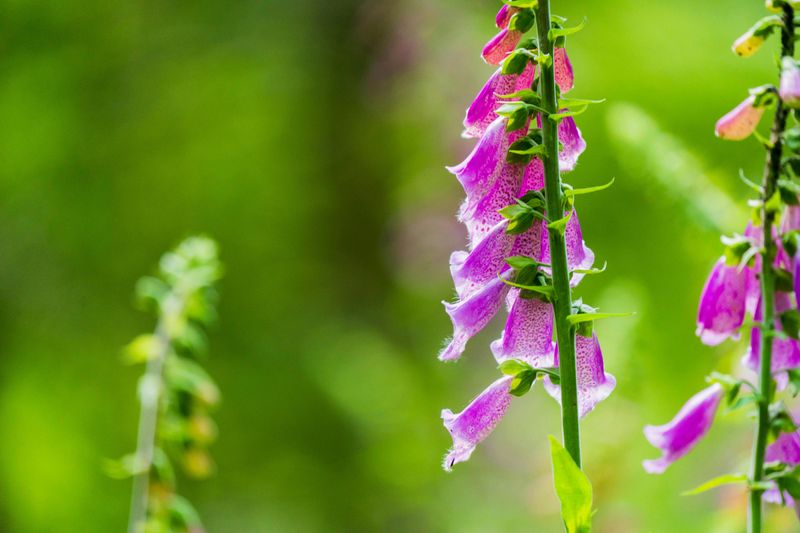
Foxglove is one of the most dramatic plants you can grow in a Pacific Northwest garden. It also comes with a built-in defense system that most critters respect immediately.
Every part of this plant contains cardiac glycosides, compounds that are toxic to deer, rabbits, and rodents when ingested.
Animals generally avoid foxglove, likely because of its bitter taste, and tend to leave it alone even when other food sources are limited. That makes it one of the most reliable critter-repelling plants for Washington gardens where deer pressure is high year-round.
The towering flower spikes can reach four to six feet tall, covered in tubular blooms in shades of pink, purple, white, and cream. Each flower is spotted inside like a tiny painting, giving the whole plant an almost magical, storybook quality.
Foxglove thrives in partial shade, making it perfect for the dappled light conditions found under Pacific Northwest trees. It self-seeds freely, so once you plant it, the colony tends to expand and return on its own each year.
Pair foxglove with hostas, ferns, and astilbe for a woodland garden that stays lush and largely unbothered by browsing animals. The tall spikes also add incredible vertical structure to spots where most plants stay flat and low.
For a garden that stops critters and stops people in their tracks at the same time, foxglove is the bold finishing touch your Washington garden has been waiting for.