North Carolina Gardeners Who Do This One Thing In June Have Fewer Pest Problems All Summer

June in a North Carolina garden is a lot. Vegetables are practically growing in real time, ornamental beds are finally hitting their stride, and everything feels lush, colorful, and exciting.
But here is the part nobody puts on a gardening mood board: pest activity is ramping up right alongside all that beautiful growth.
The good news is that North Carolina gardeners who take a few minutes each week to actually look closely at their plants tend to catch problems early, and early is everything when it comes to keeping small issues from snowballing into a genuinely stressful situation.
This habit even has a name: pest scouting. It sounds very official and serious, but it is really just paying attention on purpose.
A little time now can save a lot of headaches later this summer.
1. Check Your Plants Every Week

Walking through your garden at least once a week during June gives you a real advantage over pests. North Carolina summers heat up fast, and insects that might have been barely noticeable in May can show up in much larger numbers by mid-June.
Getting into a steady weekly routine means you are out there looking before populations have time to build up.
A quick ten-minute walk through vegetable beds, herb containers, and ornamental borders can reveal a surprising amount of information.
You might notice a handful of aphids clustering on new tomato growth, a few chewed edges on basil leaves, or tiny eggs tucked along a pepper stem.
Catching these signs early gives you more options and more time to respond thoughtfully.
Weekly plant checks also help you get to know your garden on a deeper level. When you visit regularly, you start to recognize what healthy growth looks like for each plant, which makes it much easier to spot something unusual.
A slight color change, a curled leaf tip, or a sticky residue on stems can all point toward pest activity that is just getting started.
Consistent attention during June sets a strong foundation for managing your North Carolina garden through the rest of summer with far fewer surprises.
2. Look For Pests Before They Spread
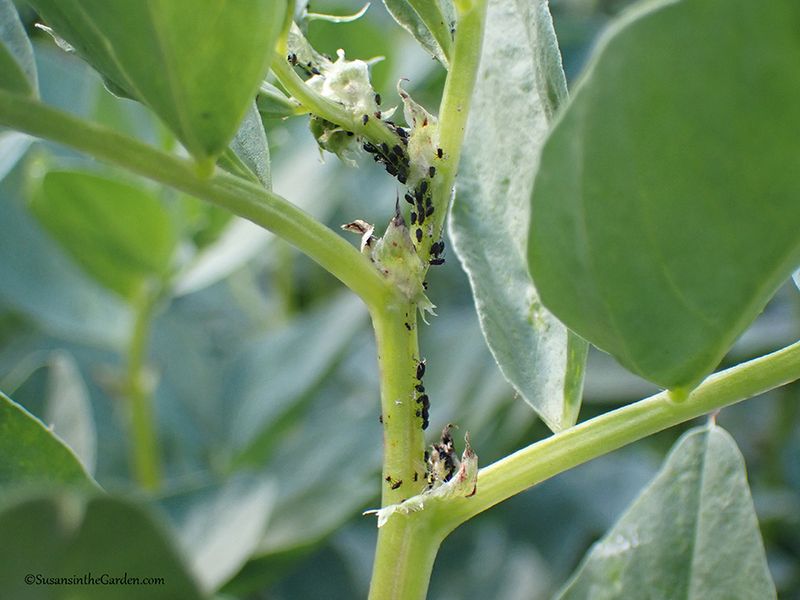
Pest populations can move surprisingly fast once conditions are right, and North Carolina’s warm, humid June weather creates exactly the kind of environment many common garden pests love.
Aphids, spider mites, whiteflies, and caterpillars can go from a minor presence to a noticeable infestation within just a few weeks if nothing interrupts their cycle.
Spotting pests early, before they spread across multiple plants or establish large colonies, is one of the most practical things a home gardener can do. When you find just a small cluster of aphids on one squash plant, for example, you have real choices available.
You might remove them by hand, rinse the plant with water, or simply monitor the situation more closely for a few days before deciding on a next step.
Early detection also helps you avoid reaching for broad treatments that might affect beneficial insects in your garden. Pollinators and natural predators like ladybugs and parasitic wasps play a valuable role in keeping pest numbers in check.
Your North Carolina Garden Changes Every Week. Your Plan Should Too.
Gardening in North Carolina changes quickly throughout the season. Every Friday you’ll receive a simple weekly plan showing exactly what to plant, prune, fertilize, harvest, and protect so you never miss the right timing.
When you scout weekly and catch issues while they are still small, you protect those helpful insects along with your plants.
Thinking about pest management as something you do gradually and early, rather than reactively after damage has already spread, makes a meaningful difference across an entire North Carolina summer growing season.
3. Watch For Small Warning Signs
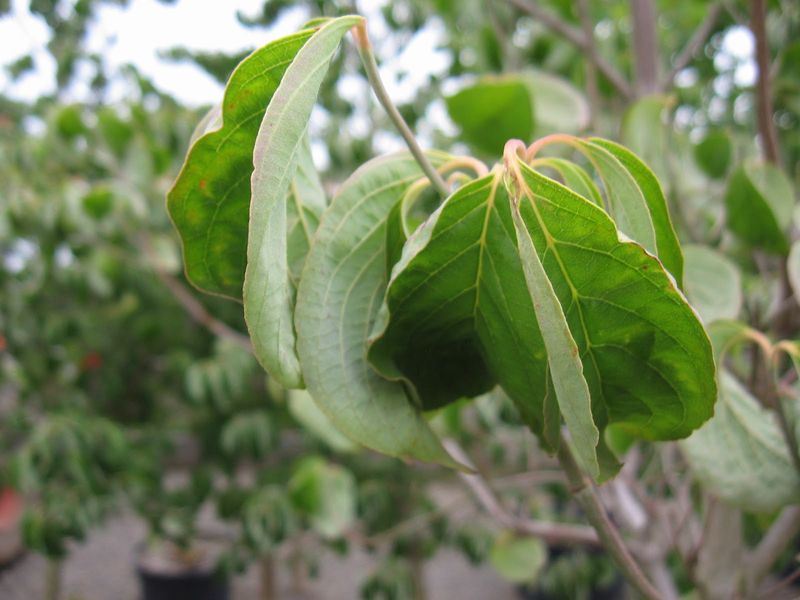
Plants communicate stress in quiet but readable ways, and learning to notice those early signals can save a garden from serious trouble. Small warning signs often appear before any pest is even visible to the naked eye.
Stippling on leaves, which looks like tiny pale or yellow dots scattered across the surface, frequently points to spider mite feeding. Curled or cupped leaves on new growth can suggest aphid activity underneath.
Sticky residue on stems or leaves is another early clue worth taking seriously. Many soft-bodied insects produce a sugary waste called honeydew, which can also lead to a dark sooty mold developing on plant surfaces over time.
Noticing that residue during a weekly walk means you can investigate further and identify what is actually going on before the situation worsens.
Other warning signs include small holes in leaves, ragged edges on foliage, wilting that does not improve after watering, or unusual discoloration on stems.
In North Carolina’s June garden, where heat and humidity encourage fast plant growth, these signals can show up quickly and change just as fast.
Paying attention to how your plants look from week to week, rather than only glancing at them occasionally, helps you build a mental picture of what is normal and what deserves a closer look.
Small observations made consistently add up to much better outcomes by late summer.
4. Protect Your Vegetables And Flowers
Vegetable gardens and ornamental flower beds both face pest pressure during June in North Carolina, and giving each area regular attention helps protect the time and effort you have invested in growing them.
Tomatoes, peppers, squash, cucumbers, and beans are among the most commonly grown vegetables across the state, and each one can attract its own set of hungry insects during warm months.
Flowering plants like zinnias, dahlias, coneflowers, and roses are equally worth watching. Japanese beetles, for example, tend to emerge in June and can cause noticeable leaf and petal damage across many ornamental plants.
Thrips are another concern for flower growers, often causing silvery streaks or distorted petals that are easy to overlook unless you are checking plants up close on a regular basis.
Scouting both vegetable and flower areas during the same weekly walk saves time while giving you a more complete picture of what is happening across your landscape. It also helps you notice whether pest activity seems concentrated in one area or is beginning to spread.
Healthy, well-watered plants with good soil tend to handle minor pest pressure better than stressed ones, so keeping up with basic garden care supports your scouting efforts.
Protecting the plants you have worked hard to grow starts with simply knowing what is happening out there week by week throughout the summer.
5. Check The Undersides Of Leaves
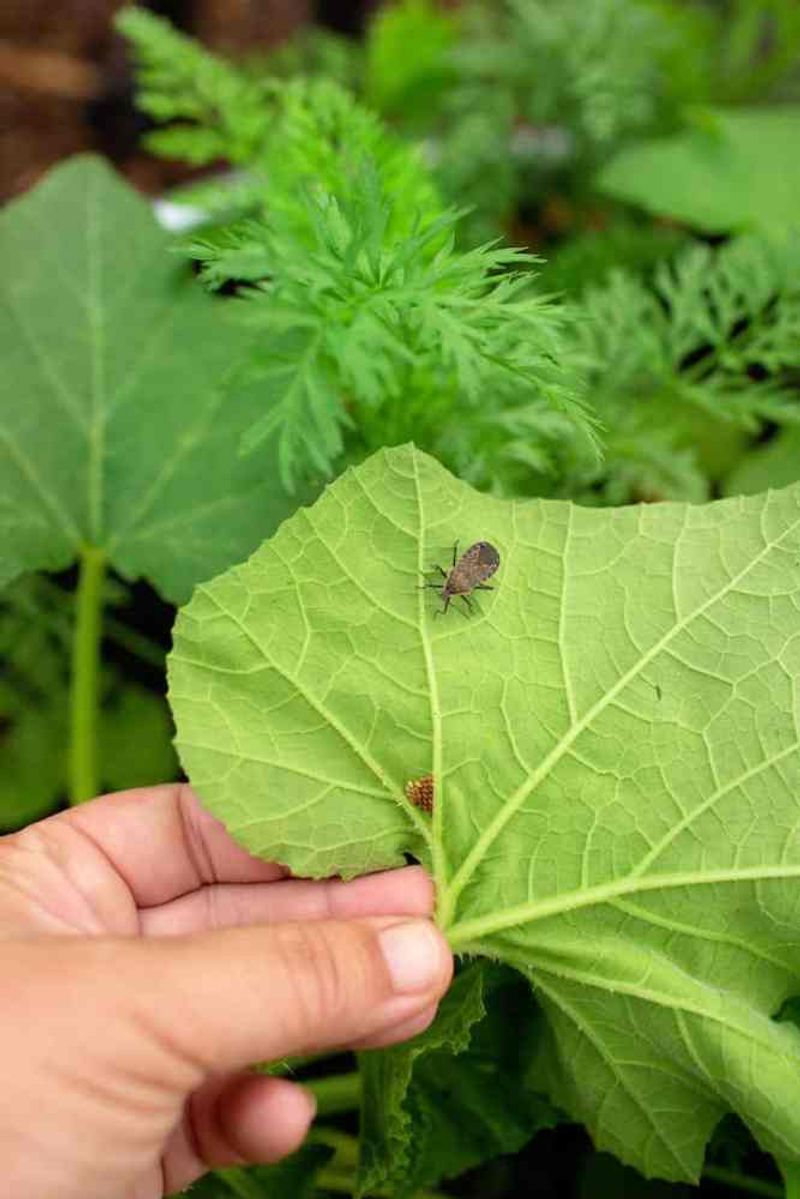
Flipping over a leaf might seem like a small thing, but it is one of the most useful habits a gardener can build.
Many common garden pests spend most of their time on the undersides of leaves, where they are sheltered from sun, rain, and the eyes of passing gardeners.
Spider mites, whiteflies, aphids, and squash bug eggs are frequently found on leaf undersides long before any damage becomes obvious on the tops of leaves.
In North Carolina’s June heat, spider mites in particular tend to thrive on the undersides of beans, tomatoes, cucumbers, and ornamental shrubs.
Their populations can grow quickly during dry, hot stretches, and the fine webbing they produce is sometimes the first visible sign that something is wrong.
Checking leaf undersides regularly means you are much more likely to catch them before their numbers climb.
Squash bug eggs, which are small, bronze-colored, and neatly arranged in clusters, are another thing worth looking for on the undersides of squash and pumpkin leaves.
Removing egg clusters early is far more manageable than dealing with large numbers of nymphs later in the season.
Making leaf underside checks a standard part of your weekly scouting routine adds only a minute or two to your garden walk but can prevent some of the most frustrating pest situations North Carolina vegetable gardeners face each summer.
6. Identify Pests Before You Treat
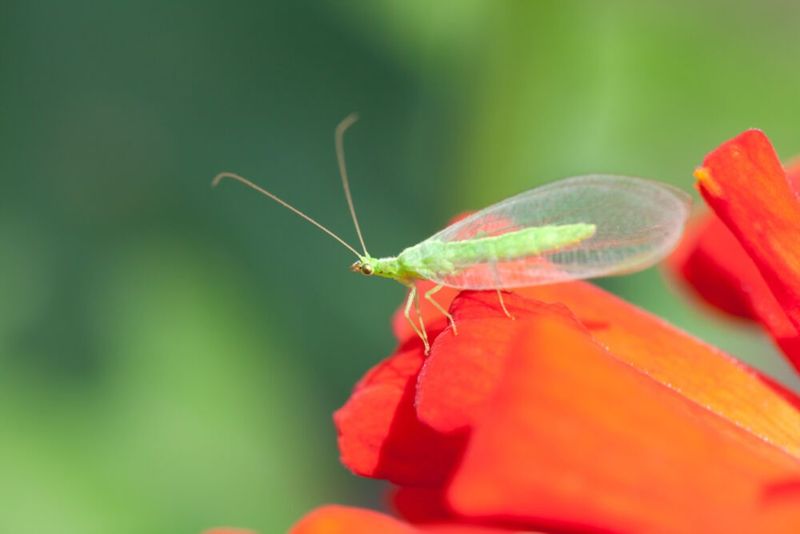
Reaching for a treatment before knowing exactly what pest you are dealing with is one of the most common mistakes home gardeners make.
Not every chewed leaf or yellowing plant is the result of an insect problem, and not every insect found in the garden is actually causing harm.
Many insects are neutral or even beneficial, and treating without a clear identification can disrupt a garden’s natural balance.
Weekly scouting gives you the time and opportunity to identify what you are actually seeing before making any decisions.
If you notice unusual damage, you can observe the plant over several days, look for the insect responsible, and compare what you find to reliable identification resources.
University extension resources and online insect identification tools can be genuinely helpful for matching what you see to an accurate name and life stage.
Knowing whether you are looking at a caterpillar that will become a moth or a butterfly, a beneficial predatory insect, or a true plant-feeding pest changes everything about how you respond.
Some situations call for no action at all because natural predators are already present and managing the population on their own.
Others might call for targeted, careful intervention. Either way, identification first leads to smarter, more confident decisions.
In a North Carolina summer garden, that kind of informed approach tends to produce much better results than reacting quickly without the full picture.
7. Keep Plants Healthier Through Summer
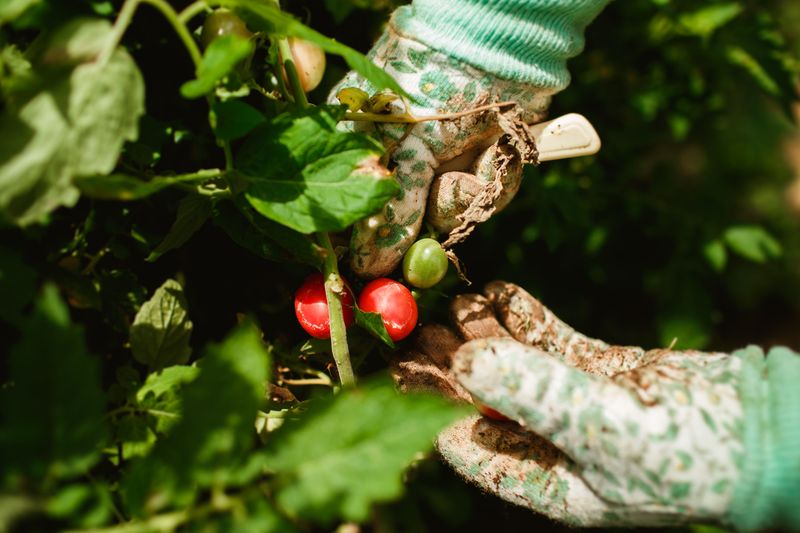
Plants that receive consistent attention tend to stay in better shape throughout the season, and that is especially true during North Carolina’s long, warm summers. Regular pest scouting is not just about finding problems.
It is also about understanding how your plants are growing, whether they need water or nutrients, and whether stress from heat or soil conditions might be making them more vulnerable to pest pressure.
Stressed plants are often more attractive to certain pests and less able to recover from feeding damage.
A tomato plant struggling with inconsistent watering or poor drainage may show more severe responses to aphid feeding than a well-maintained plant in healthy soil.
Noticing those stress signals during a weekly walk gives you a chance to address them before pests take advantage of the situation.
Building a weekly scouting habit in June also means that by July and August, when pest pressure in North Carolina tends to be at its peak, you already have a solid understanding of your garden’s patterns.
You know which plants tend to attract certain insects, which areas of your yard dry out faster, and which spots seem to stay healthier with less intervention.
That accumulated knowledge is genuinely useful and hard to replace. Gardening through the summer with open eyes and a consistent routine leads to fewer unpleasant surprises and more satisfying harvests and blooms from season to season.