Smart Tricks Oregon Gardeners Use To Keep Weeds Out Of Raised Beds
Raised beds can make gardening feel easier, until weeds start acting like they were invited. Oregon gardeners know the struggle well.
A bed can look clean on Saturday, then pop with tiny green trouble by Wednesday. Rain helps vegetables grow, but it also wakes up seeds hiding in soil, compost, and nearby paths.
The good news is that raised beds give you more control than an open garden patch. A few smart habits can keep unwanted growth from taking over your carrots, lettuce, and herbs.
It starts with what you put under the bed, what you add on top, and how you handle open soil between plantings. Small choices matter more than big weekend cleanups.
With the right tricks, your beds stay easier to manage and your plants get more room to shine. That means less pulling, less frustration, and more time enjoying the harvest through the whole growing season.
1. Start With Weed-Free Soil From The Beginning
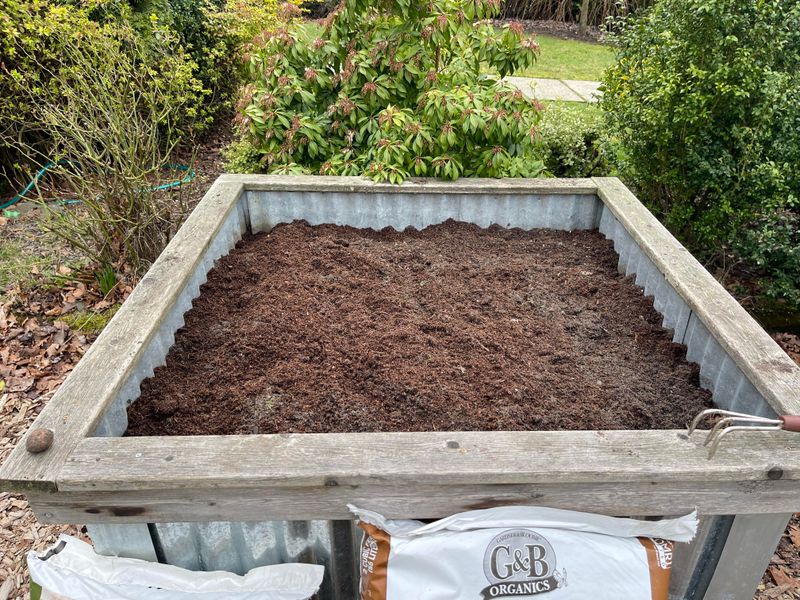
Getting the soil right from day one is one of the most powerful things you can do. Many weeds enter raised beds through low-quality soil mixes that contain seeds.
Buying or mixing your own clean growing medium makes a huge difference right away.
A good raised bed mix usually combines compost, topsoil, and a material like perlite or aged wood chips. Always buy from a trusted local source that screens and heats their compost.
Heat kills weed seeds during the composting process, so properly made compost is much safer to use.
Some gardeners in this state make their own soil blend using materials they know are clean. Avoid using garden soil dug from your yard because it almost always contains weed seeds.
Even a small scoop of yard soil can introduce dozens of different weed species into your bed.
Before filling your bed, also check the wood or materials used to build the frame. Cracks and gaps can allow grass and weeds from outside to sneak in underneath.
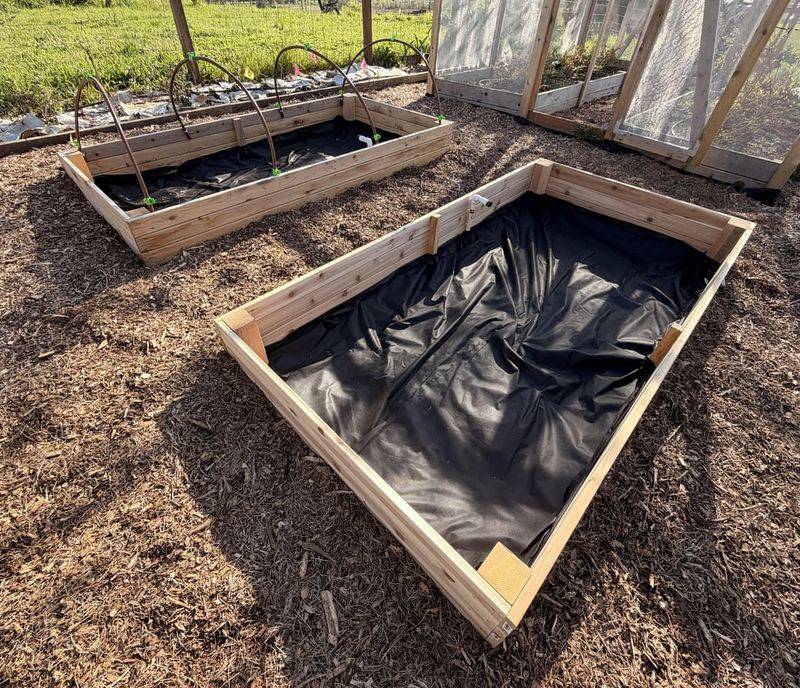
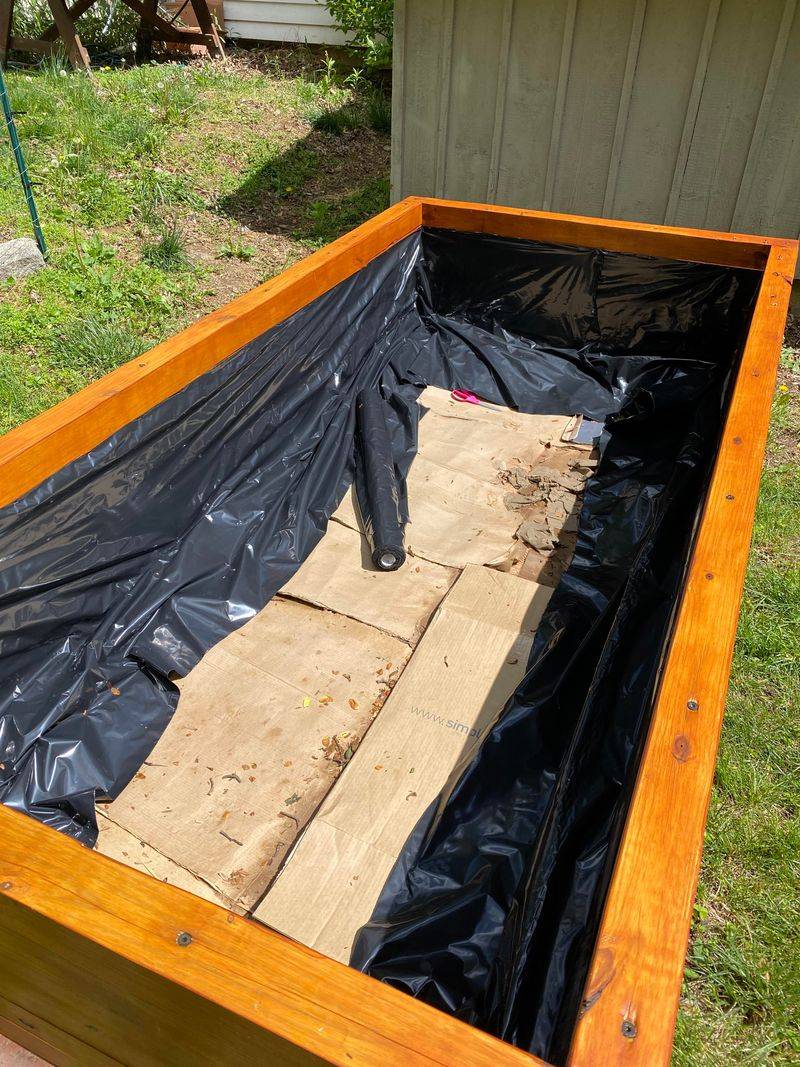
Adding a layer of cardboard or landscape fabric at the bottom of the bed before filling it creates a solid barrier against weeds pushing up from below.
Starting clean means less work later. You will spend far less time pulling weeds during the growing season if you take the time to set things up correctly at the very beginning.
2. Cover Bare Soil Before Weeds Move In
Bare soil is an open invitation for weeds. As soon as the ground is exposed, weed seeds carried by wind, birds, and rain begin to settle in.
Covering that soil quickly is one of the smartest moves any gardener can make.
Gardeners here often use landscape fabric, cardboard, or even old bedsheets to cover empty areas between transplants.
These covers block sunlight from reaching the soil surface. Without sunlight, most weed seeds cannot sprout and grow.
Black plastic sheeting works especially well in early spring. It warms the soil while blocking light at the same time.
Some gardeners lay it down a few weeks before planting to both warm the bed and smother any seeds that are already trying to germinate.
Your Oregon Garden Changes Every Week. Your Plan Should Too.
Gardening in Oregon changes quickly throughout the season. Every Friday you’ll receive a simple weekly plan showing exactly what to plant, prune, fertilize, harvest, and protect so you never miss the right timing.
For a more natural look, a thick layer of compost spread over bare areas also works well. It adds nutrients while forming a surface that is harder for small seeds to root into.
Just make sure the compost you use has been properly heated so it does not introduce new weed seeds.
The key idea here is simple: never leave soil uncovered for long. Even a few sunny days of bare soil can lead to a flush of weed seedlings that seem to appear overnight. Cover it up fast and stay ahead of the problem before it gets out of hand.
3. Mulch Between Plants After The Soil Warms
Mulch is one of the most talked-about weed control tools in any garden, and for good reason.
A thick layer spread between your plants blocks light, holds moisture, and keeps the soil temperature steady. It is simple, affordable, and very effective.
In this state, gardeners usually wait until late spring to mulch raised beds. The soil needs to warm up first.
Mulching too early traps cold temperatures in the ground, which can slow plant growth and delay germination of your crops.
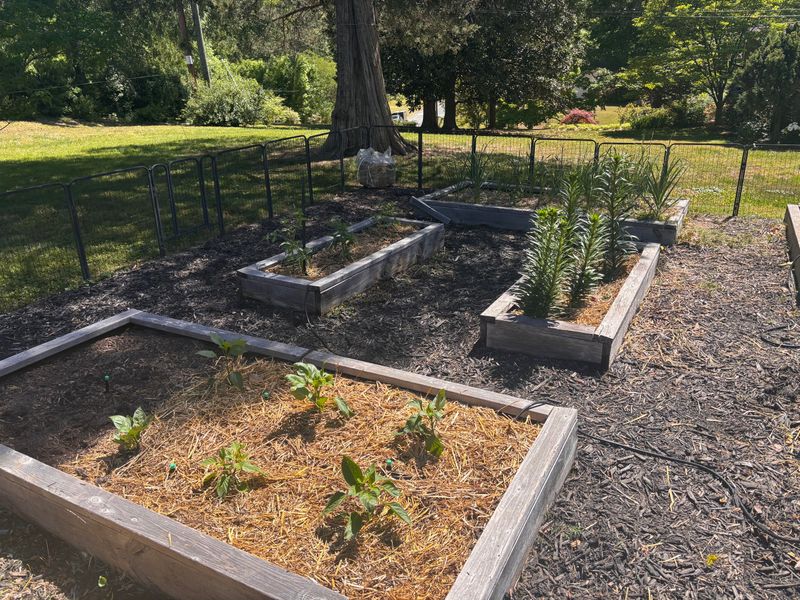
Straw is a popular choice because it is light, easy to spread, and breaks down slowly over the season. Wood chips work great too, especially for beds that will not be replanted for several months.
Avoid hay, which often contains grass seeds that will sprout right in your bed. Aim for a layer about two to three inches thick.
Thinner layers let too much light through, while very thick layers can stay too wet and invite slugs, which are already a common problem in the Pacific Northwest.
Keep mulch pulled slightly away from plant stems to prevent rot. Refreshing the mulch layer mid-season is also a good idea. As it breaks down, it thins out and loses its weed-blocking power.
Adding a fresh layer in midsummer can stop a second wave of weeds that often shows up after the first flush is cleared away.
4. Water The Crops, Not The Weed Seeds
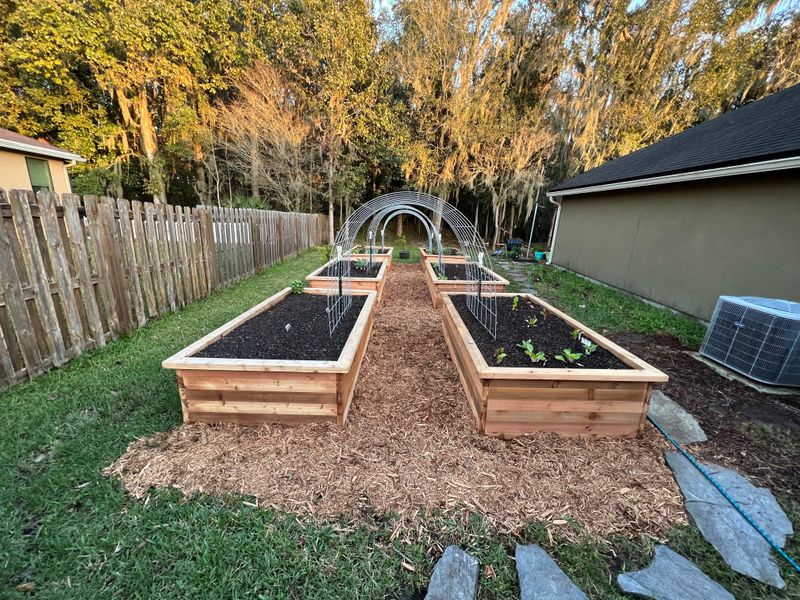
Overhead watering with a sprinkler or hose wets the entire surface of your raised bed.
That moisture wakes up weed seeds hiding in the top layer of soil and gives them exactly what they need to sprout. Changing how you water is a simple fix that makes a real difference.
Drip irrigation is the preferred method for most serious raised bed gardeners in this state. Small tubes deliver water right to the base of each plant.
The soil between plants stays dry, and dry soil is much less welcoming to weed seeds.
Soaker hoses work in a similar way. You can weave them through your bed along plant rows so water seeps slowly into the root zone.
Both drip lines and soaker hoses also reduce water waste, which matters during dry summer months when water bills add up.
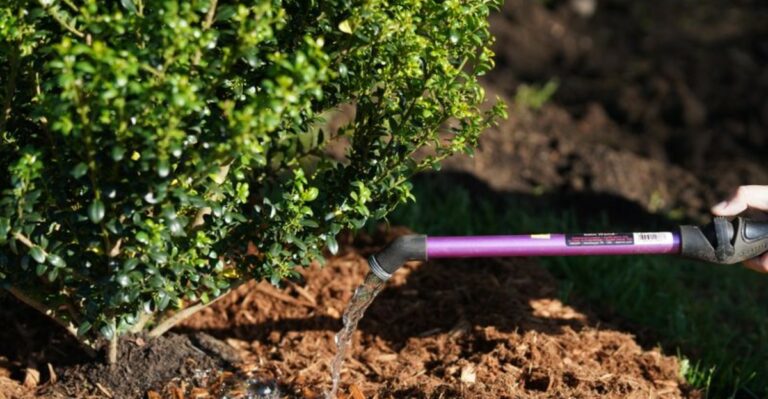
Even hand-watering can be improved. Using a watering can or a hose with a gentle wand attachment lets you direct water right where your plants need it.
Try to avoid splashing water across the whole bed surface.
Fewer weeds sprouting means less time spent on your knees pulling them out. Targeted watering is one of those habits that pays off every single week of the growing season.
Set up your drip system at the start of the year and it will quietly work for you all season long without much extra effort.
5. Pull Tiny Weeds Before Their Roots Settle In
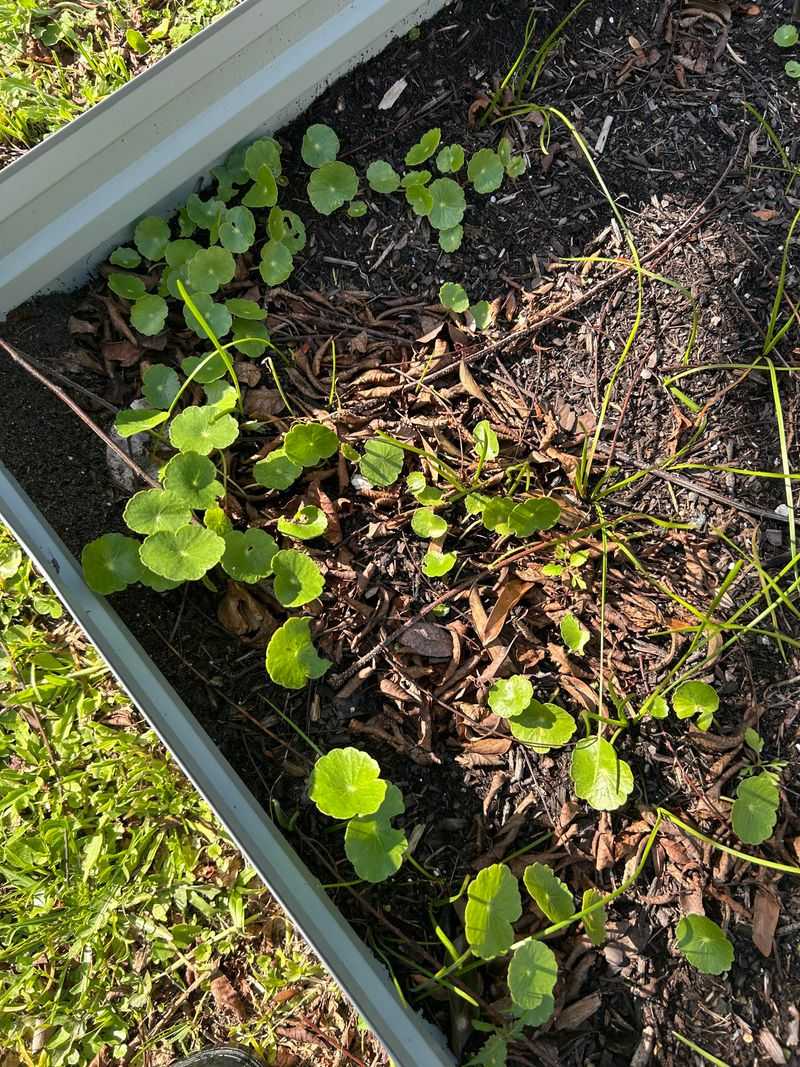
Catching weeds when they are tiny is so much easier than wrestling with them after they have been growing for a few weeks.
Small weeds have shallow roots that come out with almost no effort. Waiting even a week or two can turn a quick task into a tough job.
Most experienced gardeners here make it a habit to do a quick walk-through of their raised beds every few days.
They look for any green growth that does not belong and remove it right away. This kind of regular attention takes only a few minutes but prevents big problems.
A small hand cultivator or a stirrup hoe works great for disrupting tiny weed seedlings just below the soil surface. You do not even need to pull them out by hand.
Just scratching the top inch of soil on a dry day knocks them loose and lets the sun finish the job.
The best time to weed is after a light rain or after watering. Moist soil releases roots much more easily than dry, packed ground.
But try to weed on a day when the surface will dry out quickly. Weeds left on wet soil can sometimes re-root if they still have leaves.
Making early weeding a regular routine is one of the most effective habits any gardener can build. A few minutes every few days beats spending an entire afternoon clearing an overgrown bed after things have gotten out of control.
6. Keep The Outside Edges Of The Bed Clean
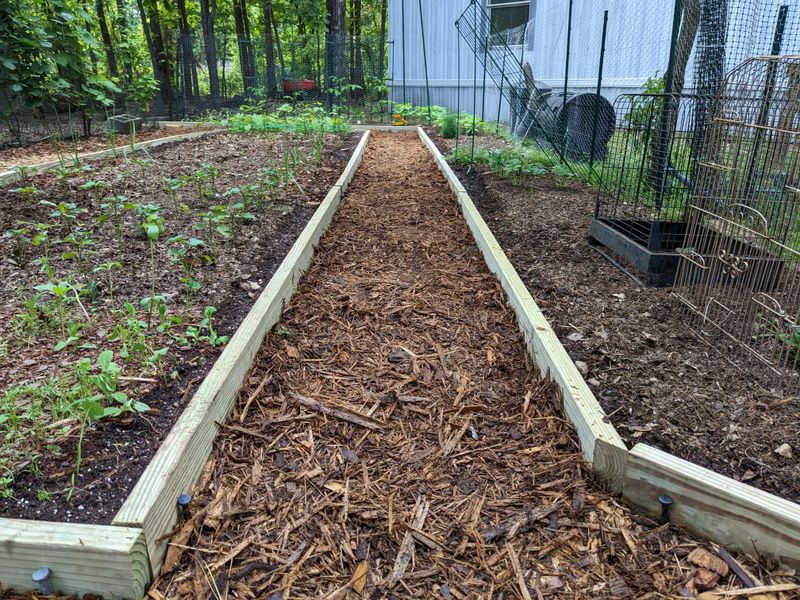
The area right outside your raised bed is where a lot of weed trouble starts. Grass, clover, and creeping weeds grow right up to the edge of the frame and then start sneaking inside.
Keeping that border zone clean is just as important as weeding inside the bed itself.
Many gardeners in this state use a flat spade or edging tool to cut a clean line along the outside of each raised bed. Doing this every few weeks keeps grass from creeping in under the frame.
It also makes mowing easier and gives the whole garden a neat, cared-for appearance.
Gravel paths or wood chip paths around the beds create a dry, loose surface that most weeds struggle to grow in.
A four to six inch path of coarse gravel around each bed creates a buffer zone that slows down creeping plants trying to reach your vegetables.
Some gardeners add a strip of landscape fabric under their gravel paths for extra protection. This stops deep-rooted weeds from pushing up through the path over time.
It is a small investment that saves a lot of hand-pulling work over the course of a season.
Staying on top of the edges is a habit worth building early in the season.
Once grass or weeds get a foothold inside the frame walls, they become much harder to remove without disturbing your crops. A clean edge equals a cleaner bed all season.
7. Don’t Let Nearby Weeds Go To Seed
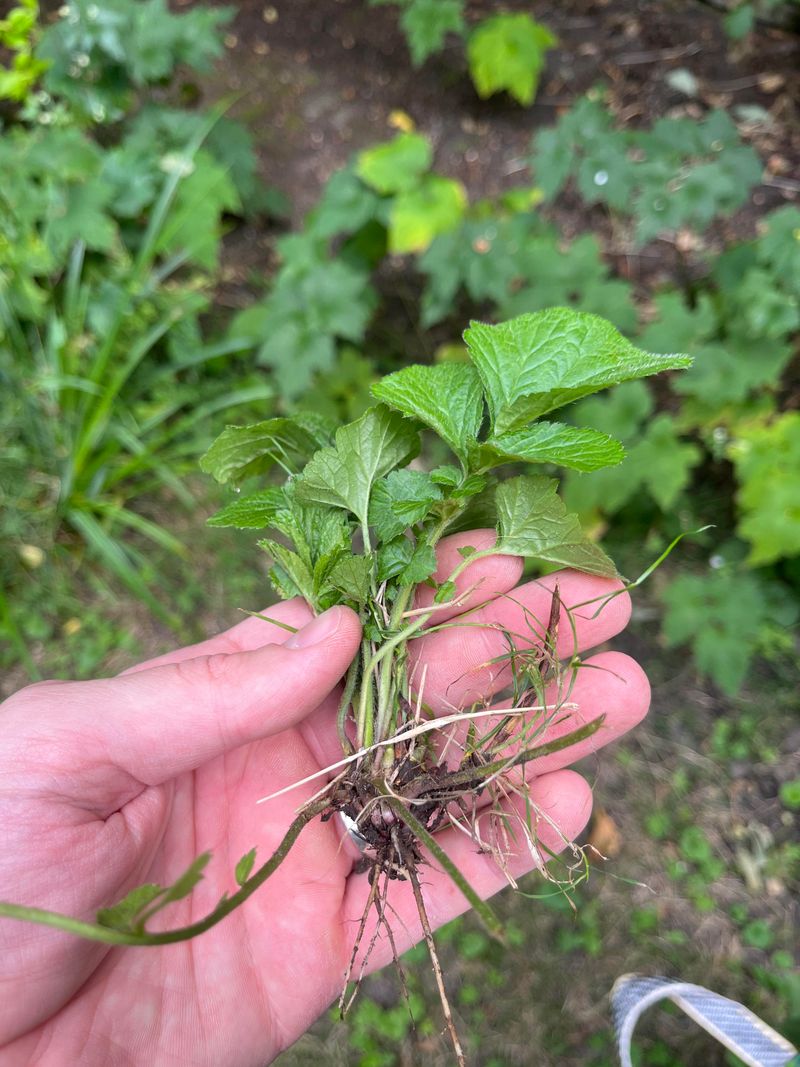
One dandelion going to seed can release hundreds of fluffy seeds that drift right into your raised bed. One bittercress plant can fling seeds several feet in every direction.
Letting weeds around your garden go to seed is one of the fastest ways to create a much bigger problem for yourself next season.
The rule most experienced gardeners follow is simple: never let a weed flower if you can help it. Once you see a weed forming a flower bud, that is your signal to remove it right away.
You do not even need to pull the roots at that point. Just cut it off at the base.
Pay close attention to the areas around your beds, not just inside them. Fence lines, lawn edges, compost bins, and garden paths are all common spots where weeds flower and seed without anyone noticing.
A quick walk around the whole garden once a week helps catch these before they become seed factories.
Weeds that have already gone to seed should be bagged and thrown in the trash, not added to a home compost pile.
Unless your pile gets very hot, the seeds will survive and spread right back into the garden when you use the finished compost.
Staying ahead of seed production is a long-term strategy. Fewer seeds in the soil this year means fewer weeds to deal with next year.
It takes consistent effort, but the results really do build on themselves over time.
8. Cover Empty Beds Between Plantings
After you harvest a crop, the bed sits empty for a period of time. That empty space is prime real estate for weeds.
Our long, wet falls and mild winters give weeds plenty of time to establish themselves in any uncovered soil before you are ready to plant again.
Cover crops are a popular solution among gardeners in this state. Plants like crimson clover, winter rye, or field peas are sown after the main crop is harvested.
They grow quickly, cover the soil completely, and crowd out weeds naturally. In spring, you simply turn them into the soil as green fertilizer.
If you prefer not to plant a cover crop, a thick layer of straw or wood chips does the job well. Spread three to four inches over the entire bed surface.
This blocks light and keeps the soil from being disturbed by heavy rain, which can actually encourage weed seeds to sprout.
Black plastic or row cover fabric anchored over the bed is another option that works well through the rainy season. It keeps the bed dry, warm, and weed-free until you are ready to plant again in spring.
Some gardeners leave it on all winter with great results. An empty bed left bare is a weed bed waiting to happen.
Taking even a small step to cover it up after each harvest protects all the hard work you put in earlier in the season and gives you a clean start for the next planting.