These 8 Oregon Perennials Need Pinching Now For More Flowers Later
Certain Oregon perennials need a little tough love before they put on their best show. Pinching may feel wrong at first because you are removing fresh growth that looks healthy.
But that small snip can lead to fuller plants and a bigger flush of flowers later in the season. Oregon’s spring weather often gives perennials a strong push, especially when rain and mild days arrive together.
If that growth stretches too quickly, plants can get lanky and bloom less than they should. Pinching helps them branch out instead of racing upward.
It can also keep garden beds looking tidy as summer heat settles in. The key is timing.
Pinch too late and you may lose blooms. Skip it completely and some plants may flop before they shine.
Give these perennials attention now, and your garden can reward you with more color when it matters most.
1. Pinch Garden Phlox Before It Gets Tall And Leggy
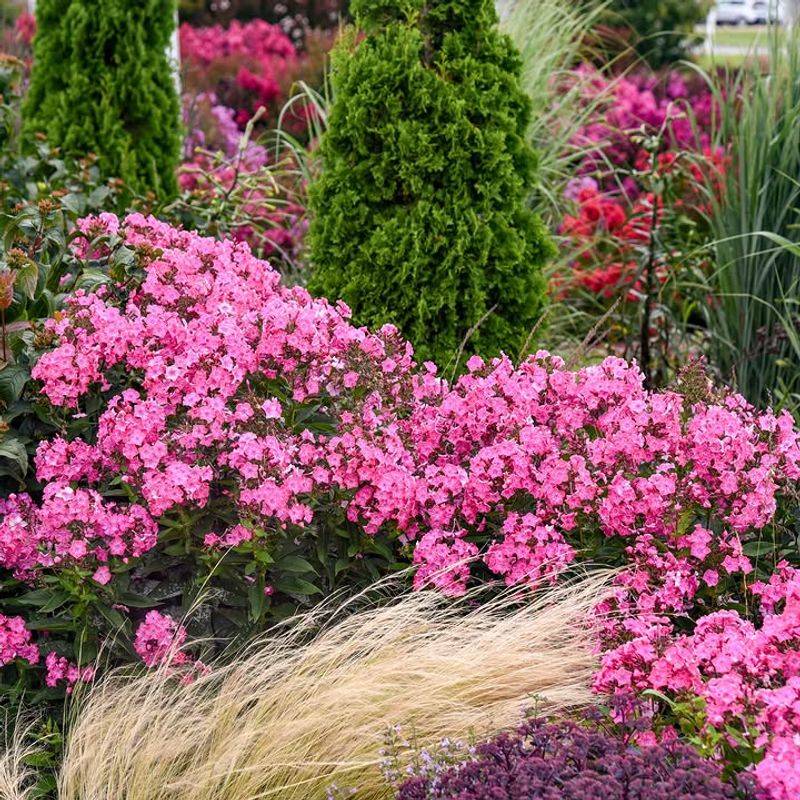
Garden phlox has a sneaky habit of shooting straight up and then flopping over before it even gets a chance to bloom. Pinching it early stops that from happening.
When plants are about 8 to 12 inches tall, simply pinch off the top inch or two of each stem with your fingers.
Doing this pushes the plant to grow side shoots instead of just one tall, weak stem. You end up with a much fuller, bushier plant that stands on its own without needing staking.
That means less work for you and a better-looking garden overall.
Garden phlox is a beloved plant in our state because it thrives in both sunny and partly shaded spots. It also comes in gorgeous shades of pink, purple, white, and red.
Pinching once in late spring gives you more of those beautiful blooms by midsummer.
One thing to keep in mind is that garden phlox is prone to powdery mildew. Better air circulation from a bushier, more open plant structure actually helps reduce that problem.
So pinching is not just about flowers; it also helps keep the plant healthier overall.
Try pinching every stem on the plant, not just a few. Consistency matters here.
If you only pinch half the stems, you will end up with an uneven plant that looks lopsided when it finally blooms in late summer.
2. Cut Back Bee Balm For Bushier Summer Growth
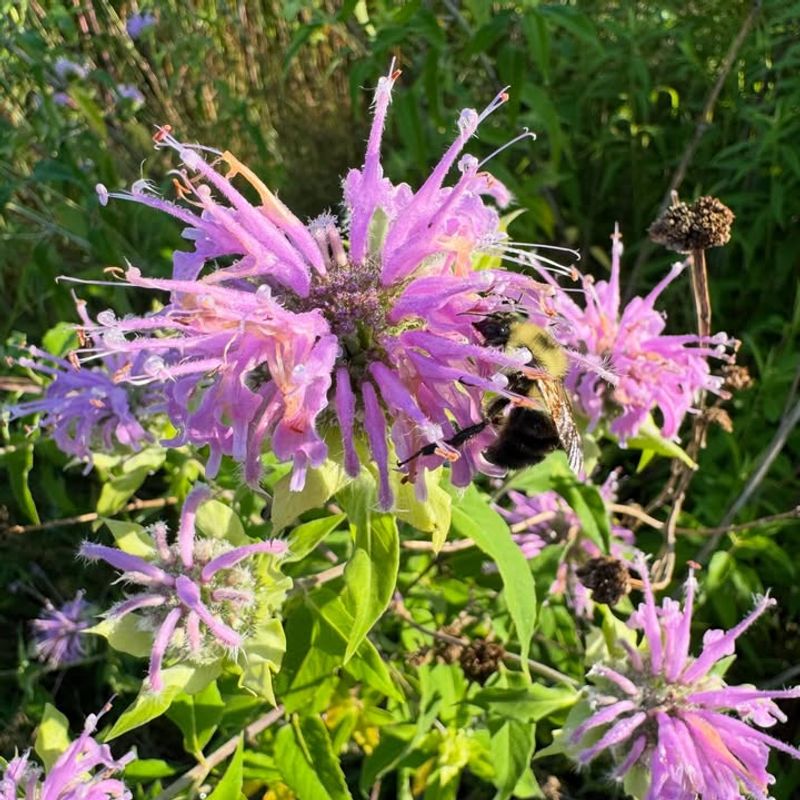
Bee balm is one of those plants that looks amazing when it blooms but gets seriously leggy and floppy if you ignore it in spring.
The stems can shoot up fast, and without a little trimming, the whole plant tends to sprawl out in a messy way. Cutting it back early makes a real difference.
When your bee balm reaches about 10 to 12 inches tall, cut the stems back by about one-third. Use clean garden scissors or just pinch with your fingers if the stems are still soft.
This simple step encourages the plant to send out multiple new side shoots from each cut stem.
More side shoots mean more flower stems, and more flower stems mean more of those bright, shaggy blooms that pollinators absolutely love.
Your Oregon Garden Changes Every Week. Your Plan Should Too.
Gardening in Oregon changes quickly throughout the season. Every Friday you’ll receive a simple weekly plan showing exactly what to plant, prune, fertilize, harvest, and protect so you never miss the right timing.
Hummingbirds, bees, and butterflies flock to bee balm all summer, so the more flowers you get, the better for your local ecosystem too.
Bee balm also spreads aggressively, so keeping it trimmed and tidy helps manage its size in the garden bed.
Our state’s mild and moist springs are perfect for bee balm, but that same moisture can lead to mildew issues. Thinning out crowded stems while you pinch helps improve airflow.
Do not be afraid to cut it back hard. Bee balm is tough and bounces back quickly.
A little boldness now pays off with a spectacular flower show from midsummer through early fall.
3. Pinch Asters Now For More Fall Flowers
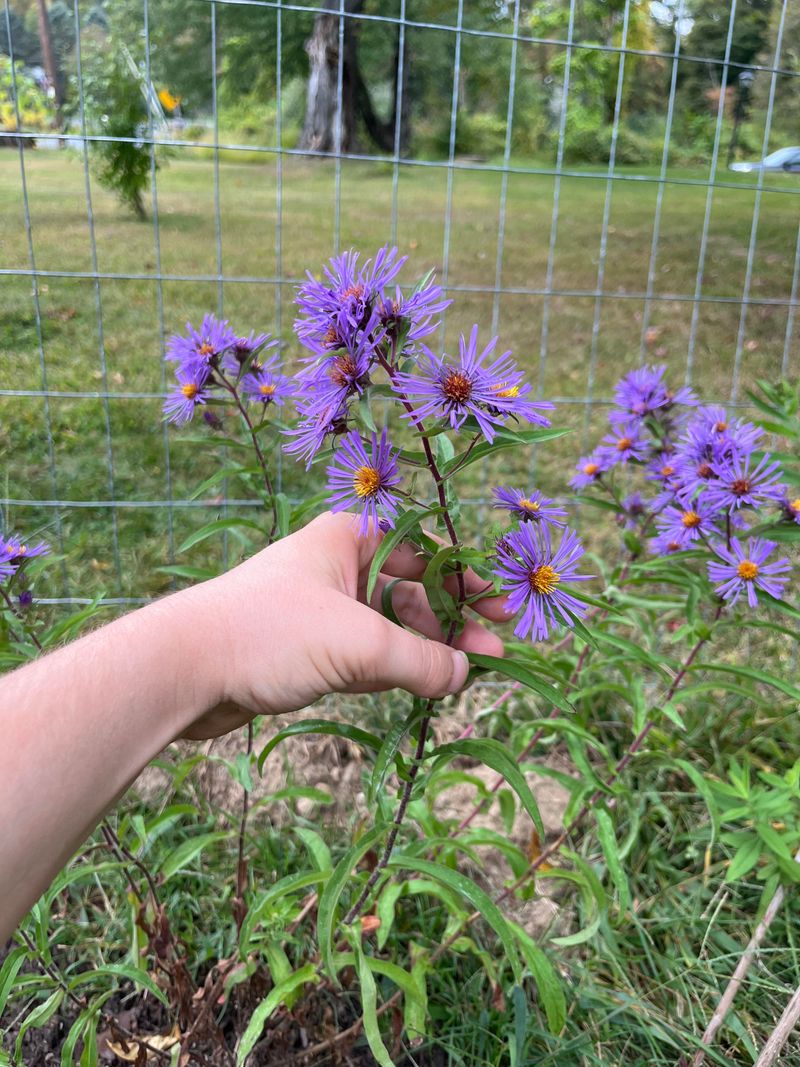
Asters are the superstars of the fall garden, but they need a little help getting there.
Without pinching, asters tend to grow tall and lanky, producing just a handful of flowers at the very top of each stem. That is a disappointing payoff for a plant with so much potential.
Start pinching asters when they reach about 6 inches tall. Pinch off the top half inch to one inch of each stem.
Repeat this process once or twice more as the plant keeps growing, stopping by early to mid-July so the plant has enough time to set flower buds before fall.
Each time you pinch, the stem splits into two new branches. Those branches split again when you pinch a second time.
By the time fall rolls around, you have a compact, mounded plant covered in dozens of blooms instead of a few straggly ones. The difference is really striking.
Asters are especially valuable in our state because they bloom after most other perennials have finished for the season.
They fill that late-season gap beautifully, bringing color to the garden well into October. Pinching them now is the single best thing you can do to maximize that fall display.
Purple and blue asters pair especially well with ornamental grasses and late-blooming sedums.
Pinching keeps them at a manageable height too, which makes those combinations look more intentional and polished in the garden.
4. Trim Garden Mums Early So They Bloom Fuller Later
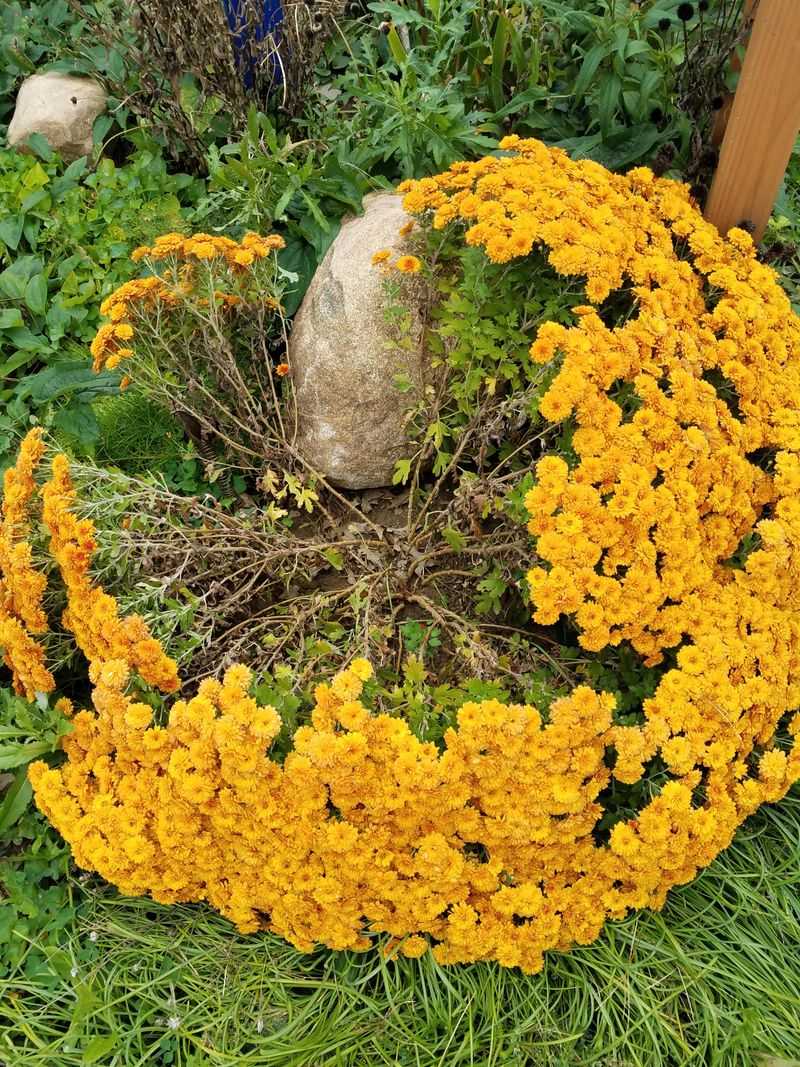
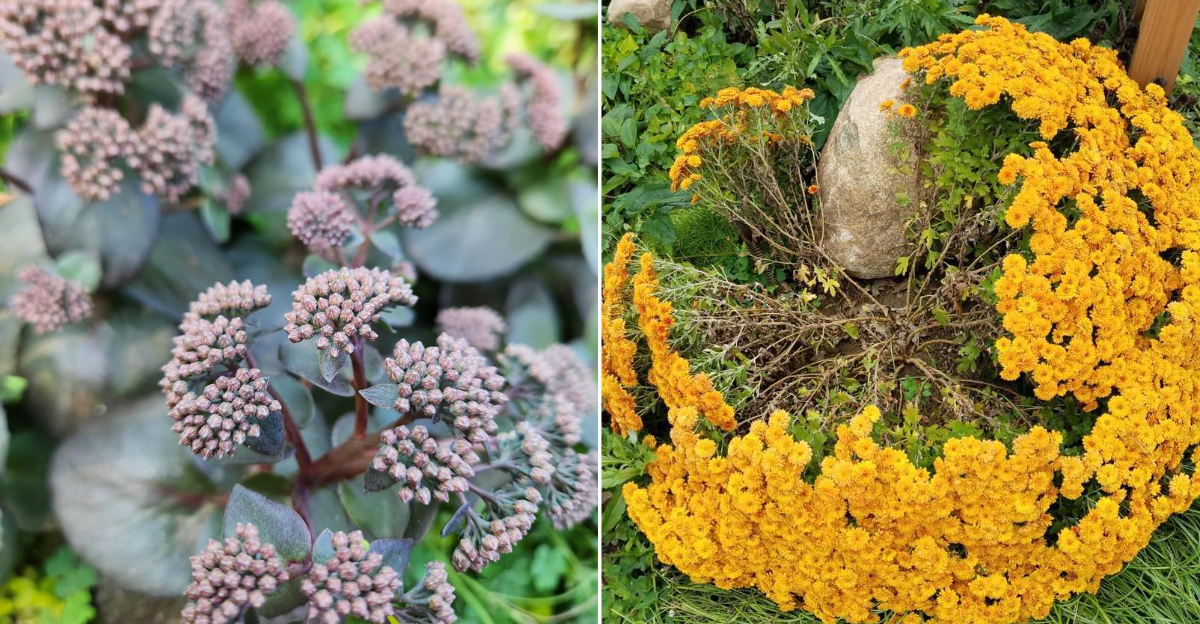
Most people think of mums as fall plants you buy at the grocery store, but garden mums are actually tough perennials that come back year after year.
The secret to getting a full, rounded mound of flowers in autumn is starting to pinch them back now, in late spring and early summer.
When new growth reaches about 4 to 6 inches long, pinch off the top inch of each stem. Repeat every few weeks until mid-July.
It sounds like a lot of work, but each session only takes a few minutes and the results are absolutely worth it.
Without pinching, garden mums grow into tall, open plants with flowers clustered at the tips.
With regular pinching, they transform into tight, rounded mounds absolutely covered in blooms.
That full-dome shape is what makes fall mums so visually impressive in garden beds and containers.
Our state’s cool fall temperatures are perfect for mums, and they often keep blooming well into November in the Willamette Valley and coastal areas.
Getting them to that full, bushy shape through summer pinching means you get weeks more color than you would from a store-bought potted plant.
Stop pinching by late July at the absolute latest. If you pinch too late in the season, you risk removing flower buds that have already started forming.
Timing matters here, so mark your calendar and stay consistent through the summer months.
5. Chelsea Chop Sedum Before Heavy Stems Flop
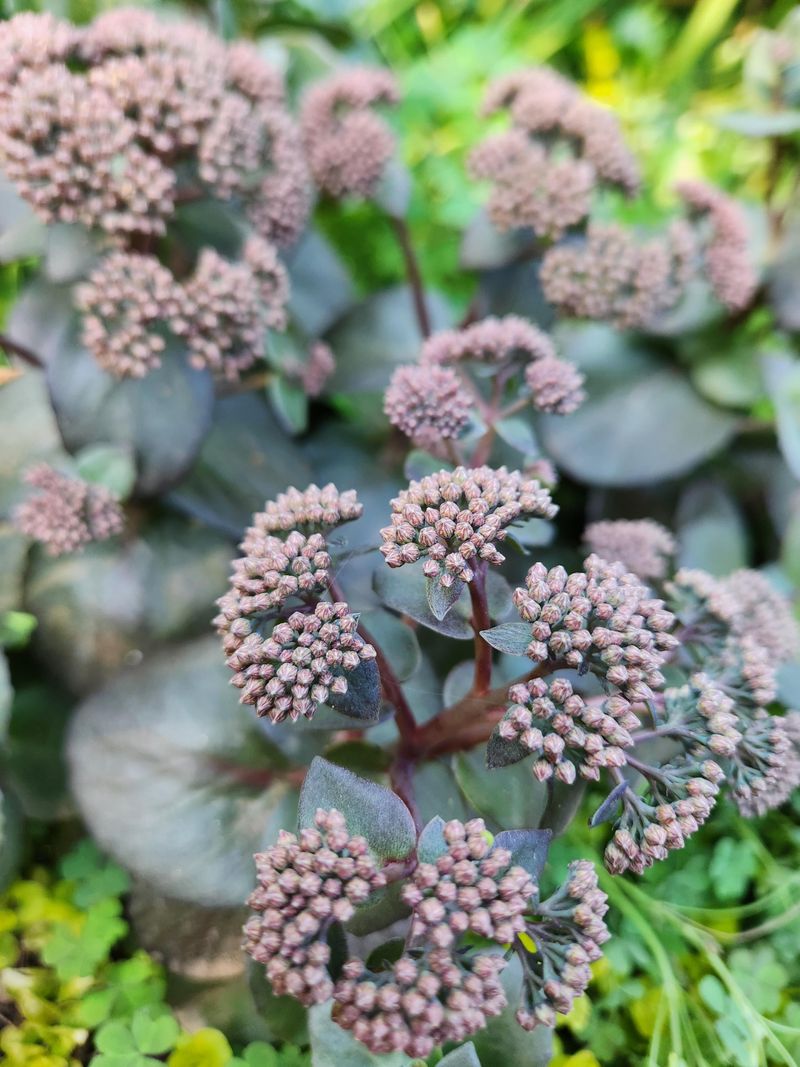
There is a classic gardening technique called the Chelsea Chop, named after the famous Chelsea Flower Show in England where it became popular.
The idea is simple: cut back certain perennials by half in late spring to delay blooming and prevent heavy stems from flopping over. Sedum is one of the best candidates for this treatment.
Tall sedum varieties, like Autumn Joy, have thick, fleshy stems that get heavy when they grow tall.
Without support, those stems splay outward and the center of the plant opens up in an unattractive way.
Cutting them back by half in late May or early June fixes this completely. After the chop, new growth comes in thicker and shorter.
The stems are sturdier and much better at holding themselves upright. The blooms arrive a little later than usual, which actually extends your garden’s color season into fall and sometimes early winter in mild parts of our state.
Sedum is incredibly low-maintenance and drought-tolerant once established, making it a favorite in water-wise gardens across the region. Its late-season blooms are also a critical food source for bees and butterflies preparing for winter.
Keeping it upright through the Chelsea Chop ensures those pollinators can actually access the flowers.
You can also Chelsea Chop just half the plant, leaving the other half untouched. This staggers the bloom time and gives you both early and late flowers on the same plant, which is a clever trick for extending garden interest.
6. Pinch Shasta Daisies For A Stronger Flower Show
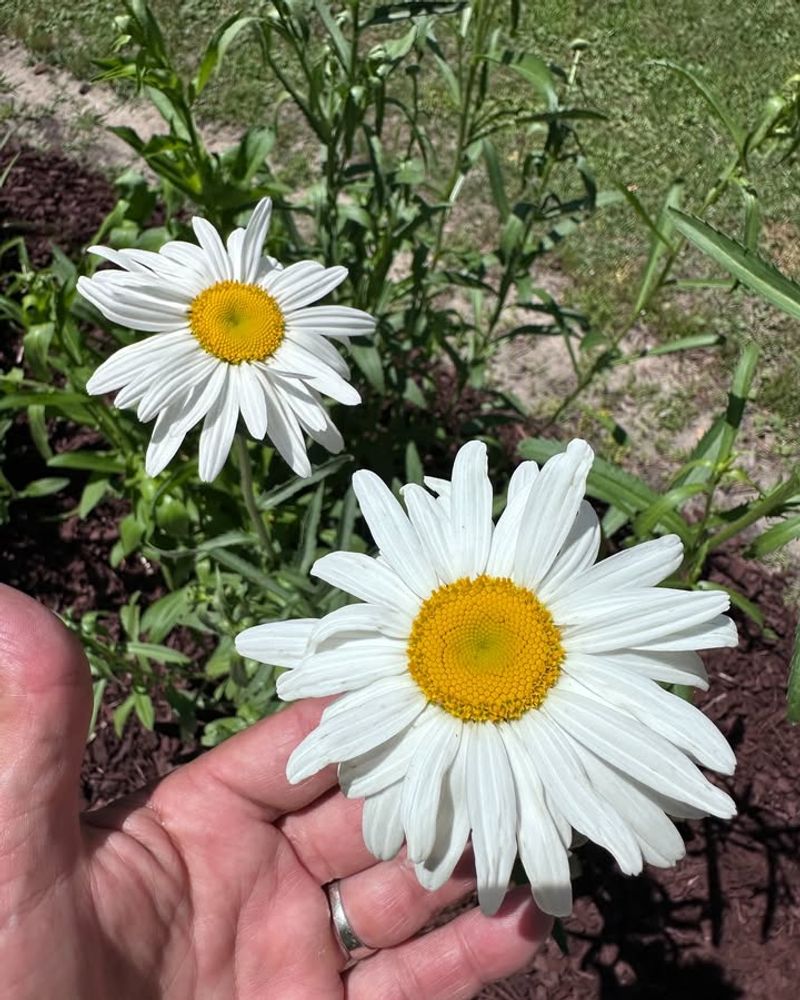
Few flowers feel as cheerful and classic as a bright white Shasta daisy with its sunny yellow center.
But left unpinched, Shasta daisies can get floppy and produce fewer blooms than they are truly capable of.
A quick pinch in late spring sets them up for a much more impressive performance. When plants reach about 8 to 10 inches tall, pinch off the top inch of each stem.
This is usually sometime in May here in our state, depending on how early spring arrived.
You may only need to pinch once, but a second pinch three weeks later will further increase the flower count.
The pinched stems branch out and each branch produces its own flower bud. So instead of one flower per stem, you end up with two, three, or even more.
Multiply that across an entire clump of Shasta daisies and the difference is dramatic, especially in a cutting garden.
Shasta daisies are wonderful cut flowers, and pinching them means you will have even more stems to bring inside and arrange in a vase.
They last well in water and look beautiful mixed with other summer perennials like coneflowers and black-eyed Susans.
One extra tip: deadhead spent flowers throughout the blooming season to keep new buds coming.
Pinching now gets you started on the right foot, and consistent deadheading keeps the momentum going all the way through late summer. Together, these two habits make a big difference.
7. Trim Penstemon Lightly To Encourage More Branching
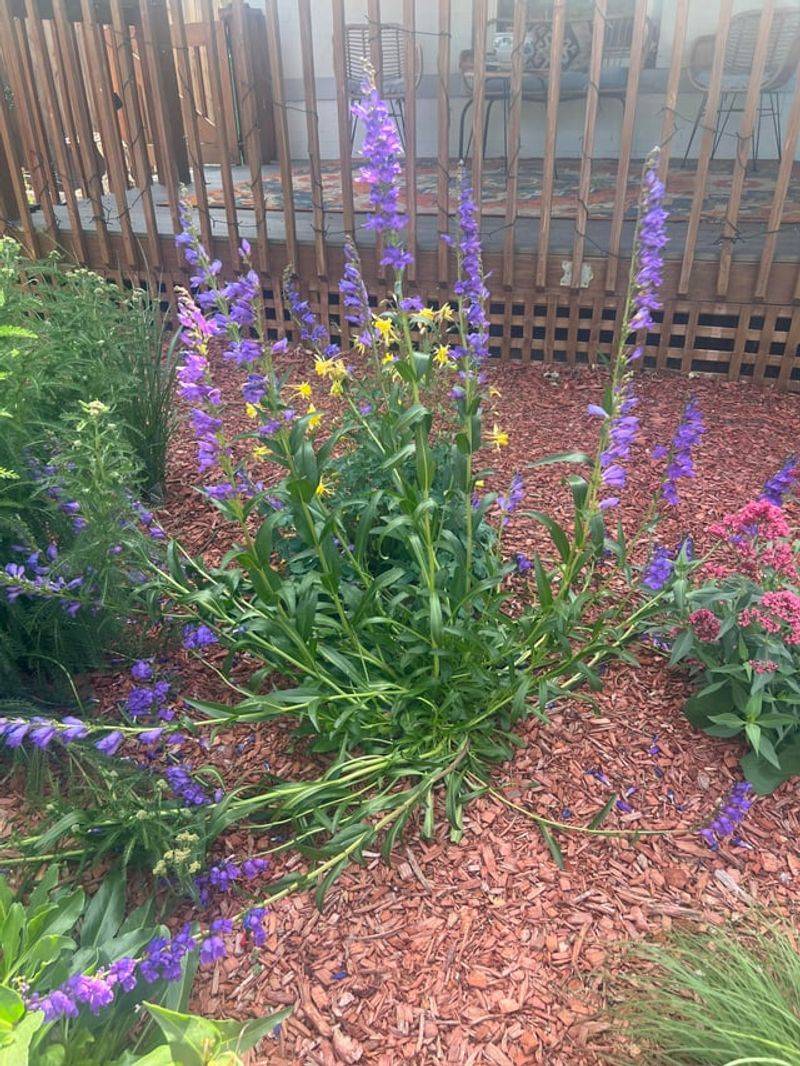
Penstemon is a native plant superstar across the Pacific Northwest, and it thrives in our state’s varied climates, from the dry eastern plains to the wetter western valleys.
Most gardeners plant it and forget it, but a light trim in spring can seriously boost how many flower spikes it produces.
Unlike some perennials that need aggressive pinching, penstemon only needs a gentle touch. When new stems are about 6 to 8 inches long, pinch off just the very tip of each one.
That small action is enough to trigger branching and produce multiple flower spikes where there would have been only one.
The tubular flowers that penstemon produces are absolutely irresistible to hummingbirds. More branching means more flowers, and more flowers means your garden becomes a reliable hummingbird destination all summer long.
That alone is a great reason to spend five minutes pinching in spring. Penstemon does not like to be over-handled, so keep your trimming light and stop after one round.
Heavy cutting can stress the plant and reduce blooming rather than increase it. The goal is just a gentle nudge, not a dramatic haircut.
After blooming, you can cut the flower spikes back to encourage a possible second flush of blooms in late summer.
Combined with that early pinch, this keeps penstemon looking great from spring all the way through summer, making it one of the hardest-working plants in the garden.
8. Cut Back Catmint For A Fresh Flush Of Blooms
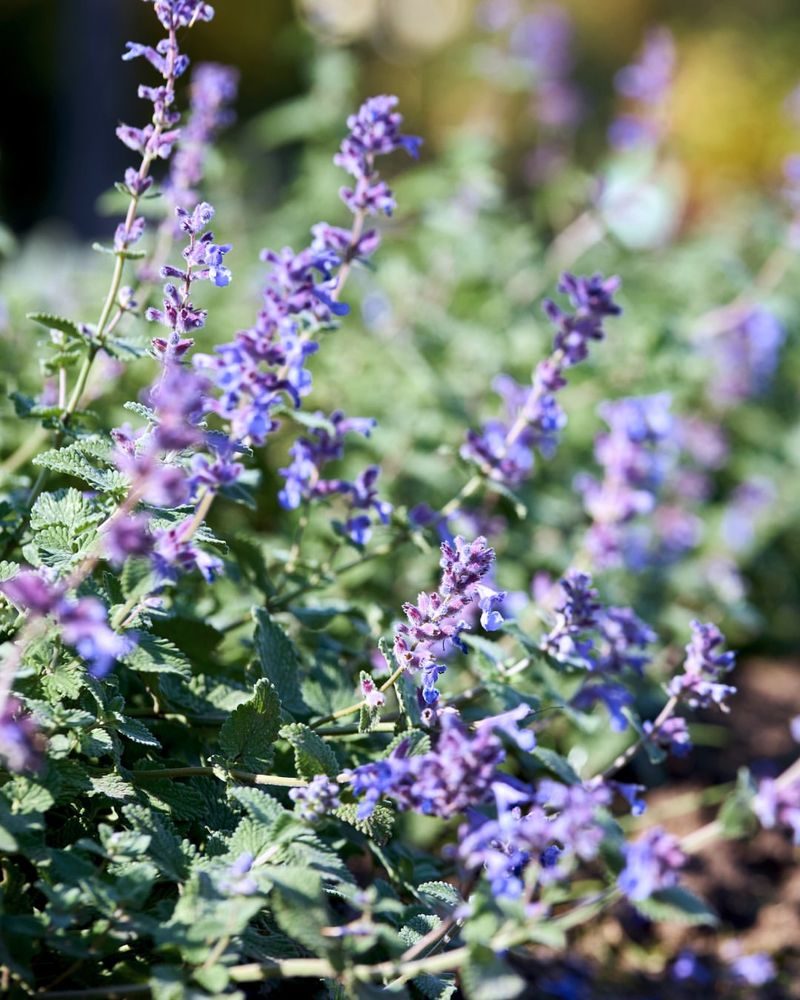
Catmint is one of the most reliable and low-fuss perennials you can grow, and it has a wonderful secret.
Cut it back hard after its first big bloom and it will rebound with a fresh flush of flowers that can last all the way into fall. It is like getting two plants for the price of one.
The first bloom usually happens in late spring to early summer, covering the plant in soft lavender-blue flowers that are absolutely buzzing with bees.
Once those flowers start to fade and look tired, grab your shears and cut the whole plant back by about half to two-thirds. It feels dramatic, but the plant handles it beautifully.
Within a few weeks, fresh new growth pushes out from the base and lower stems.
By midsummer, you will have a tidy, compact mound of new foliage covered in a second wave of those lovely blue flowers.
In mild years, a third flush is even possible in early fall in warmer parts of our state.
Catmint is also wonderfully drought-tolerant once established, which makes it a smart choice for water-conscious gardeners. It pairs beautifully with roses, salvias, and ornamental grasses.
The silvery-green foliage looks attractive even between bloom cycles, so there is never an awkward gap in the garden.
Cats are famously attracted to catmint, so if you have feline visitors in your yard, consider placing a small wire cage around the plant after cutting back to protect the new growth.