Plants You’ll Never Need To Replant In Your Georgia Garden
If replanting the same flower beds and veggie patches every spring is starting to feel like an annual chore you’d rather skip, good news: it doesn’t have to be that way.
Georgia gardening comes with real challenges, clay-heavy soil, rainfall that swings between drought and downpour, summers that push heat and humidity to extremes, and winters that occasionally surprise everyone.
Finding plants that genuinely hold on through all of that can feel like a small victory. The thing is, Georgia’s climate is actually more accommodating than it sometimes gets credit for.
A good range of perennials and long-lived edibles can return season after season when they’re planted in the right spot with the right conditions.
Matching plants to your specific yard goes a long way toward cutting down on that yearly replanting cycle.
1. Purple Coneflower Brings Color And Pollinator Support
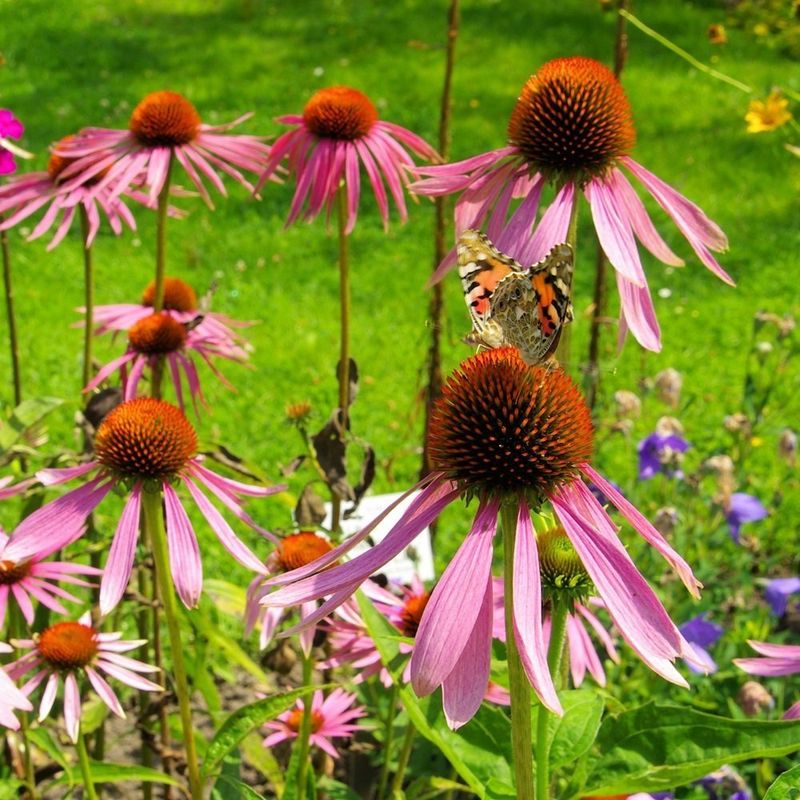
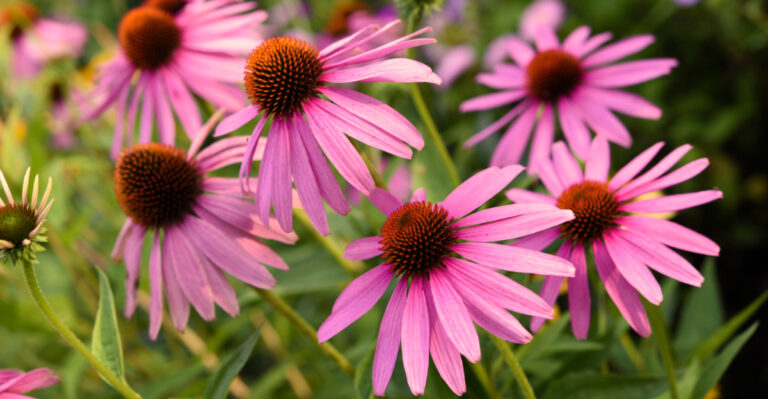
Few sights in a Georgia summer garden are as satisfying as a clump of purple coneflowers swaying in the heat with bees buzzing around every bloom.
Also known as Echinacea purpurea, this tough native wildflower has been thriving across the southeastern United States long before it became a garden staple.
It handles summer heat with ease and tends to return reliably when planted in well-drained soil with full sun or light afternoon shade.
The blooms typically appear from late spring through midsummer, drawing in bumblebees, native bees, and butterflies throughout the season. As the petals fade, the spiky seed heads stick around and attract goldfinches and other seed-eating birds well into fall and winter.
Leaving those seed heads in place rather than cutting them back helps support wildlife and allows the plant to self-seed into nearby spaces over time.
Purple coneflower spreads gradually through both root division and self-seeding, which means a small planting can slowly fill out a sunny border without much effort.
Dividing clumps every few years keeps plants vigorous and gives you extras to share or move to new spots in the garden.
It pairs beautifully with black-eyed Susans and ornamental grasses in Georgia pollinator beds.
2. Butterfly Weed Helps Support Monarchs And Pollinators
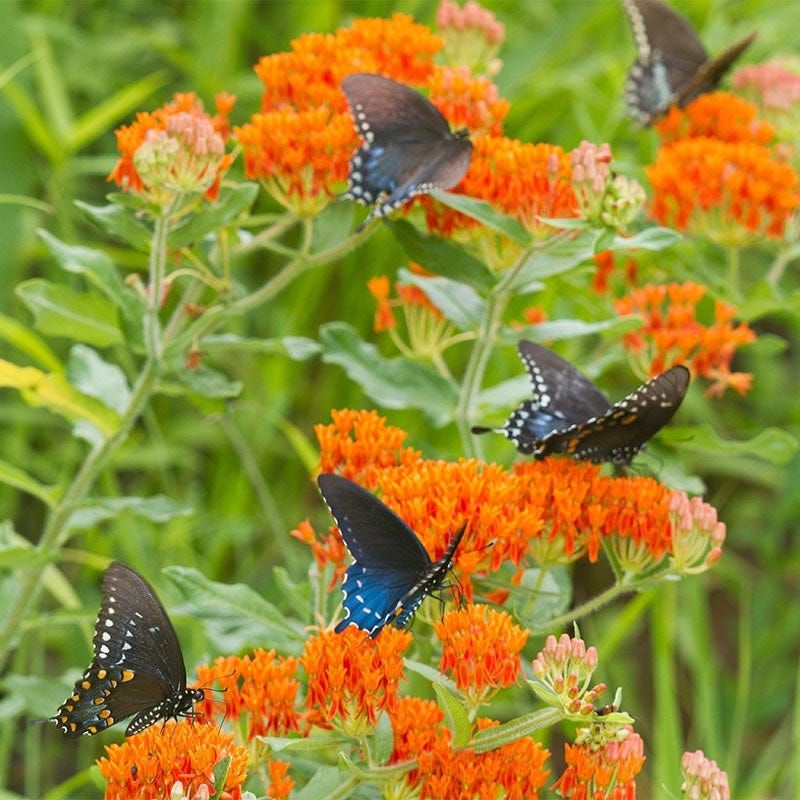
Monarch butterflies passing through Georgia each season rely heavily on native milkweeds, and butterfly weed is one of the most garden-friendly options available to home growers across the state.
Asclepias tuberosa produces clusters of vivid orange flowers that light up sunny beds from late spring through midsummer and occasionally rebloom later in the season.
Unlike some milkweed species, butterfly weed tolerates dry conditions well and actually prefers soil that drains quickly rather than staying wet.
One thing that surprises many gardeners is how late butterfly weed emerges in spring. The stems can take their time pushing up from the ground, so marking the spot after planting helps avoid accidentally disturbing the roots.
Once established, the deep taproot makes this plant quite drought-tolerant and gives it staying power through Georgia’s hot, dry stretches.
Butterfly weed fits well in rain gardens with good drainage, sunny borders, and naturalized areas where the soil stays lean and dry.
Your Georgia Garden Changes Every Week. Your Plan Should Too.
Gardening in Georgia changes quickly throughout the season. Every Friday you’ll receive a simple weekly plan showing exactly what to plant, prune, fertilize, harvest, and protect so you never miss the right timing.
Planting it alongside other native perennials like purple coneflower or black-eyed Susan creates a layered habitat garden that supports a wide range of pollinators.
Because the taproot dislikes disturbance, choosing the right spot from the start helps this plant settle in and return for many years.
3. False Indigo Adds Strong Roots And Spring Color
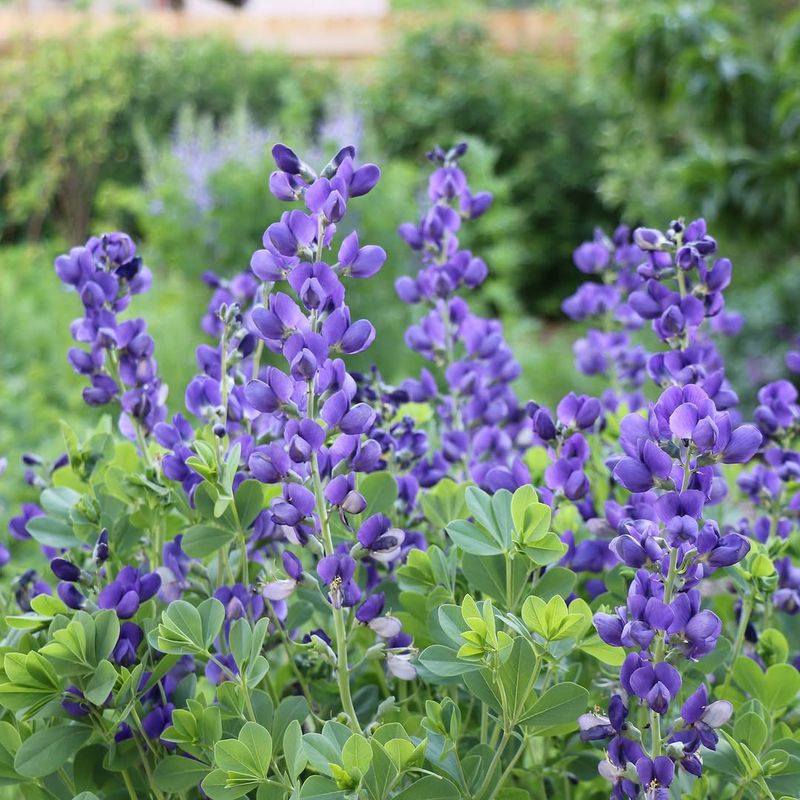
Spring in Georgia arrives quickly, and false indigo is one of the first big perennials to remind you that the growing season has truly begun.
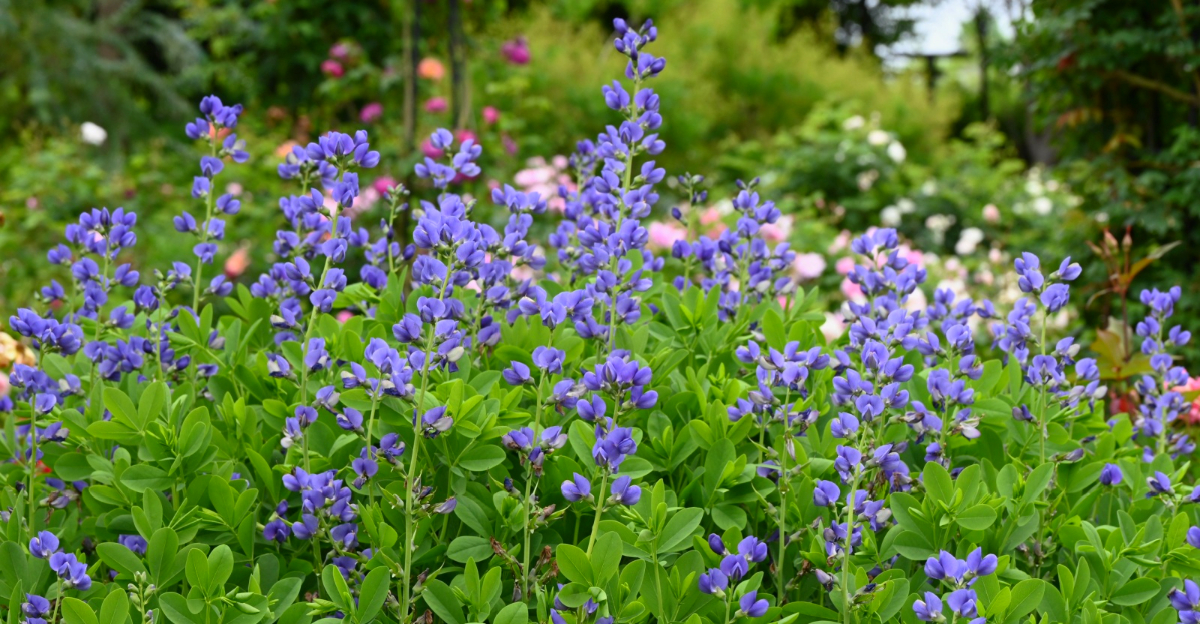
Baptisia australis sends up tall spikes of deep blue-purple flowers in mid to late spring, creating a bold focal point in sunny borders before most summer perennials hit their stride.
The blooms last several weeks and are followed by inflated seed pods that rattle in the breeze and add textural interest through fall.
What makes false indigo such a long-term investment for Georgia gardens is its root system. The deep, woody roots anchor the plant firmly in the ground and allow it to access moisture far below the surface during dry stretches.
This same root structure also means that once false indigo is established, it strongly dislikes being moved, so choosing the right location before planting saves a lot of frustration later.
Full sun to light shade suits false indigo well, and it handles Georgia’s clay soils better than many perennials as long as drainage is reasonable. The blue-green foliage stays attractive through summer even after flowering ends, giving the plant a long season of visual interest.
Established clumps can grow quite large over the years, so spacing plants generously from the start gives them room to develop into their full, rounded form.
4. Blue Star Brings Soft Blooms And Easy Beauty
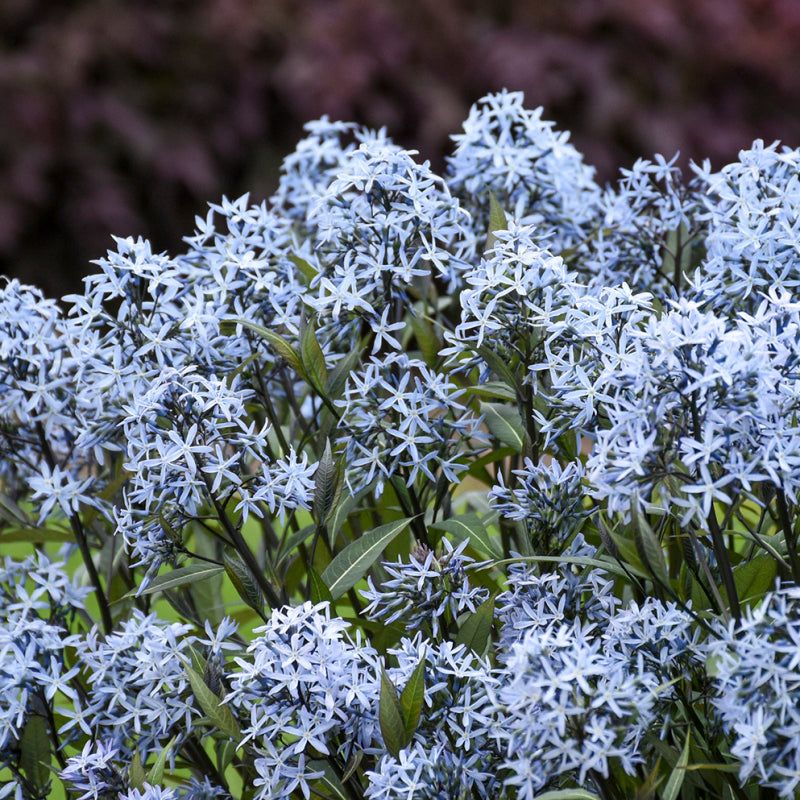
There is something quietly beautiful about blue star that makes it stand out in Georgia gardens across all four seasons.
Amsonia hubrichtii, sometimes called Arkansas blue star, opens clusters of pale blue star-shaped flowers in spring that have a soft, airy quality unlike the bold colors of many other perennials.
After flowering, the fine-textured feathery foliage takes over and creates a mounded, almost ornamental grass-like appearance through summer.
The real show comes in fall, when the foliage turns a brilliant golden yellow that rivals many ornamental grasses and shrubs.
In Georgia landscapes where fall color can be hit or miss depending on the year, blue star delivers consistently warm autumn tones that brighten the garden before winter.
This four-season interest makes it a practical and visually rewarding choice for homeowners who want plants that earn their space year-round.
Blue star grows well in full sun to partial shade and adapts to a range of soil types, including the clay-heavy soils common across much of Georgia. It tends to be slow to establish but becomes increasingly drought-tolerant once its roots are settled.
Clumps expand gradually over time without becoming invasive, and the plant rarely needs dividing unless you want extra plants to spread around the yard. Cutting stems back by about half after flowering keeps the mound tidy.
5. Stoke’s Aster Adds Cheerful Blooms In Sunny Beds
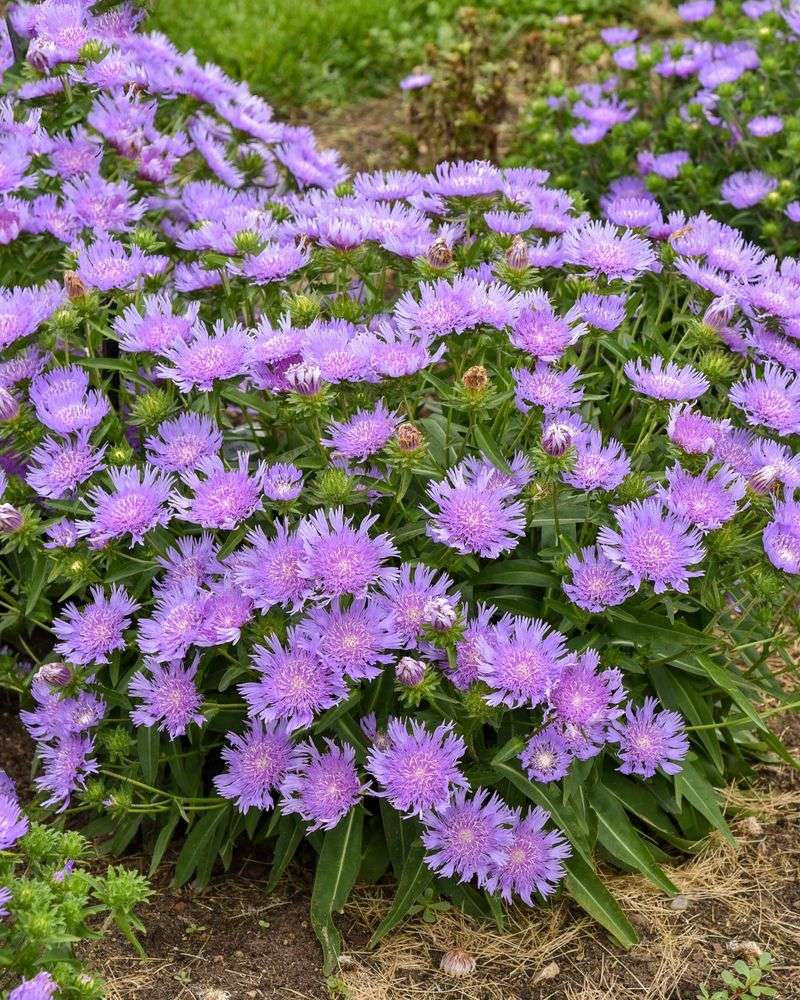
Named after Jonathan Stokes, an English botanist who studied American plants in the 18th century, Stokesia laevis is actually a Georgia native that has been charming gardeners for generations.
The large, fringed flowers come in shades of lavender-blue, white, and soft purple, and they bloom from late spring well into summer when given enough sun.
Few plants offer such a long flowering window with so little fuss in Georgia’s warm climate.
Stoke’s aster grows as a low, spreading rosette of evergreen foliage that stays green through winters and looks tidy even when nothing is blooming.
This evergreen quality is a genuine bonus in the landscape during the colder months when many other perennials have gone completely dormant.
The foliage provides some visual structure to beds that might otherwise look bare from late fall through early spring.
Well-drained soil is the most important factor for long-term success with Stoke’s aster, as it can struggle in spots where water pools after heavy rain. Sandy soils and amended clay beds both work well as long as drainage is adequate.
Full sun produces the most flowers, though light afternoon shade is tolerated in the warmer parts of Georgia. Deadheading spent blooms encourages additional flowers and keeps the planting looking neat through the season.
Dividing clumps every three to four years helps keep plants vigorous and blooming well.
6. Lenten Rose Brightens Shady Spots Early
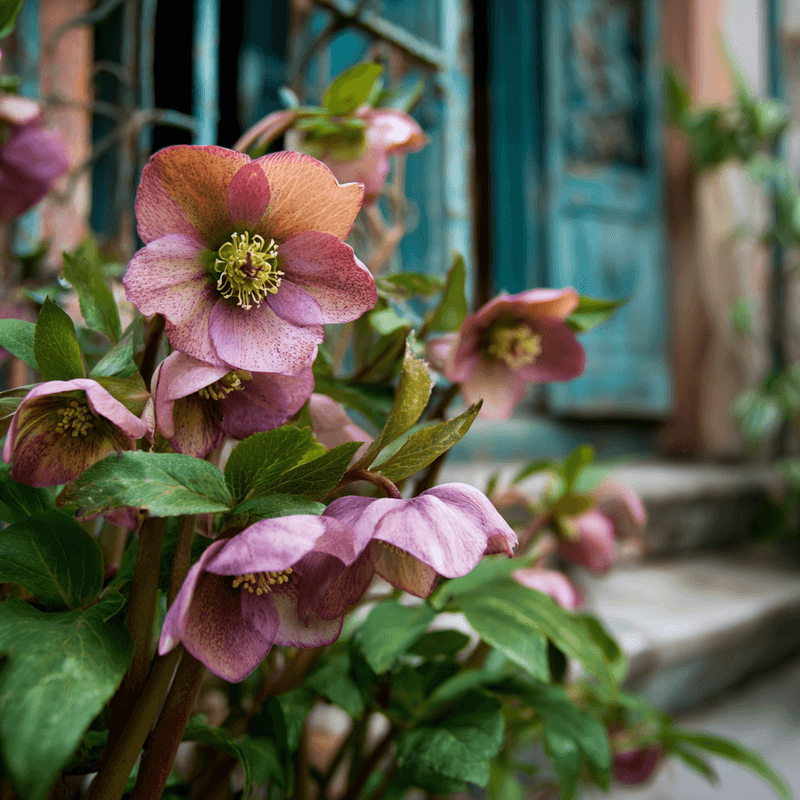
Shaded Georgia gardens can be tricky to fill with color, especially in late winter when most plants are still dormant and the yard feels dull.
Lenten rose, or Helleborus orientalis, steps in during late winter and early spring with nodding blooms in shades of white, pink, purple, burgundy, and speckled cream that feel almost out of place given how early they appear.
Blooming when little else is awake, these plants create a welcome focal point under trees and along shaded borders.
The thick, leathery foliage of Lenten rose stays evergreen through winters, providing year-round structure in shaded beds where other perennials go dormant.
The old leaves can look a bit worn by late winter, and many gardeners trim them back before flowering begins to give the blooms a cleaner backdrop.
New foliage emerges shortly after and remains attractive through the rest of the growing season.
Lenten rose prefers organically rich, well-drained soil with consistent moisture and does best under deciduous trees where it gets winter sun and summer shade.
Once established in a good spot, it tends to be quite long-lived and low maintenance, rarely needing division unless clumps become overcrowded.
Self-seeding is common, and seedlings can appear nearby over time, gradually filling in a shaded area with minimal effort from the gardener. Patience during the first year or two pays off as plants settle in.
7. Moss Phlox Spreads Color Across Sunny Ground
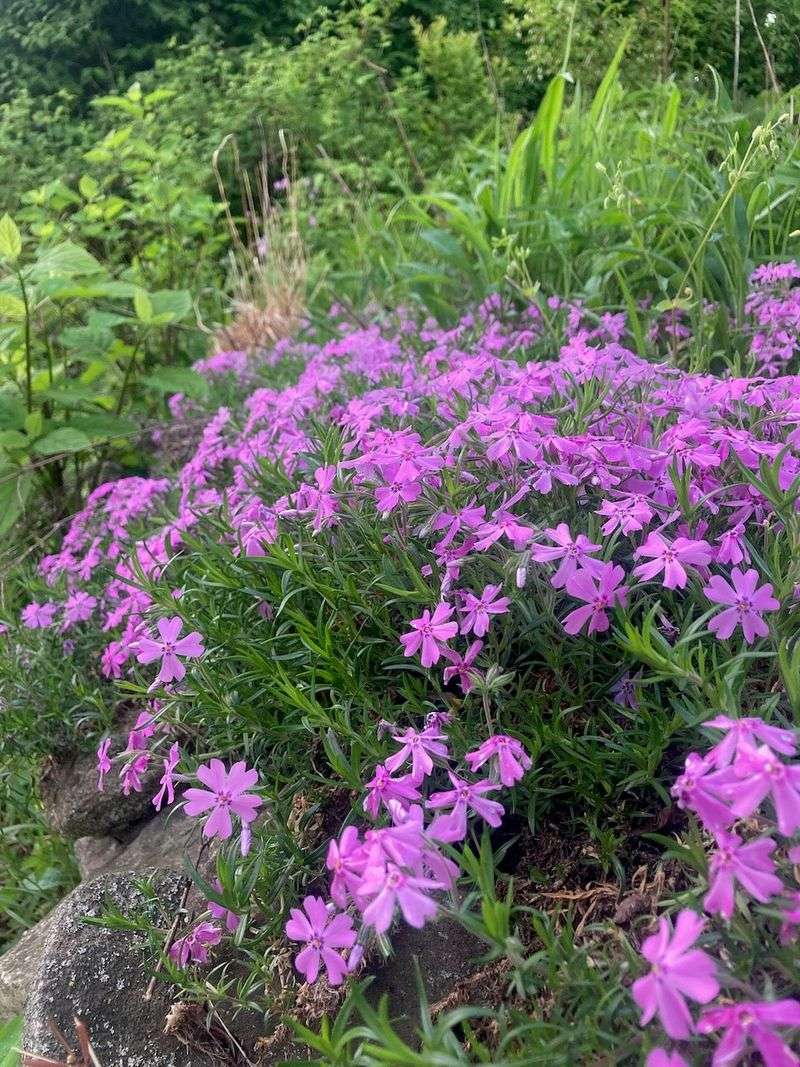
Early spring can catch gardeners off guard with a burst of color from moss phlox before most perennials even wake up.
Phlox subulata forms a dense, low-growing mat of needle-like foliage that becomes almost entirely covered with tiny blooms in shades of pink, purple, lavender, and white from late winter through early spring.
The effect is almost like a colorful ground cover, making it one of the most visually dramatic plants for sunny slopes and rock gardens in Georgia landscapes.
Moss phlox thrives in full sun and well-drained soil, which makes it an excellent candidate for raised beds, hillsides, and spots where water moves away quickly after rain.
It handles Georgia’s winter temperatures without much trouble and tends to bounce back reliably each spring.
After blooming, the foliage remains dense and green through the rest of the growing season, providing ground-covering texture that helps suppress weeds.
Shearing the plant back lightly after flowering encourages compact growth and can prompt a modest second flush of blooms in some years. Moss phlox spreads gradually to fill in open areas, making it useful for covering slopes or softening the edges of garden paths and walls.
It pairs well with spring bulbs, creeping sedum, and early-blooming perennials to create a layered carpet of color that greets gardeners as the season begins. Good drainage remains the key to keeping it healthy long term.
8. Daylily Adds Easy Color Year After Year
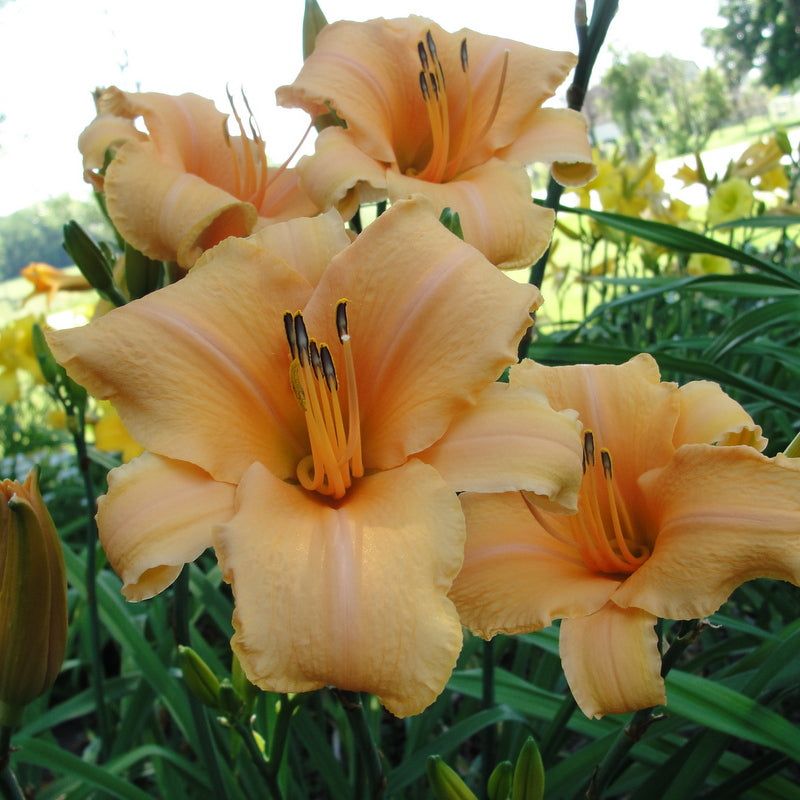
Walk through almost any established Georgia neighborhood in early summer and you are likely to spot clumps of daylilies lining fences, driveways, and garden beds with their cheerful trumpet-shaped blooms.
Hemerocallis species and hybrids have been a staple of southern gardens for decades, and for good reason.
They are adaptable, forgiving, and capable of thriving in a wide range of conditions, from full sun to partial shade and from sandy soil to heavier clay.
Each flower lasts only a single day, which is actually where the name daylily comes from, but each stem carries multiple buds that open in succession over several weeks.
Reblooming varieties extend the flowering season even further, providing color from late spring through early fall in some Georgia gardens.
The strap-like foliage adds texture to beds even when the plants are not in bloom.
Daylilies spread slowly by forming larger clumps over time, and dividing them every three to five years keeps them blooming vigorously. Division is also a great way to multiply plants and fill in other areas of the yard.
While the common tawny orange daylily can spread aggressively in naturalized areas, named hybrid varieties tend to stay more contained and offer a much wider range of flower colors, sizes, and bloom times.
Established clumps handle Georgia heat and humidity with ease once their roots are settled into the ground.
9. Rabbiteye Blueberry Brings Fruit And Seasonal Beauty
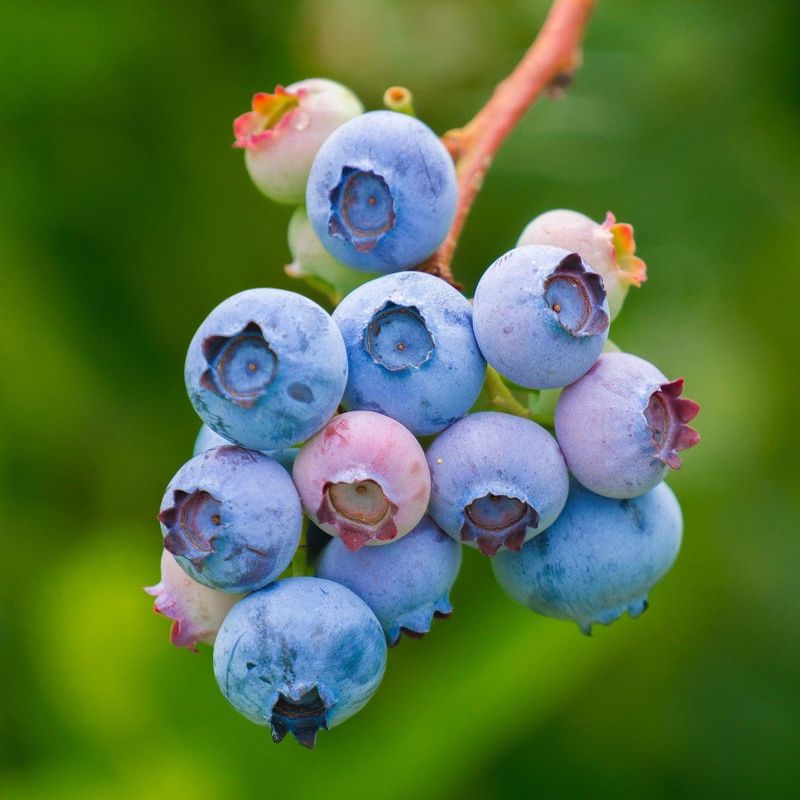
Georgia has a long history with blueberries, and rabbiteye varieties are among the most well-suited to the state’s climate, soils, and growing conditions.
Vaccinium virgatum, the rabbiteye blueberry, is native to the southeastern coastal plain and has been cultivated in home gardens and commercial operations for generations.
These shrubs can grow quite large over time, eventually reaching eight feet or more in height, and they tend to be long-lived when planted in the right conditions.
Rabbiteye blueberries prefer acidic, well-drained soil with a pH between 4.5 and 5.5, which aligns well with the naturally acidic soils found in many parts of Georgia.
Amending soil with pine bark or sulfur before planting helps get the pH into the right range in areas where the soil needs adjustment.
Planting at least two different varieties nearby improves cross-pollination and results in better fruit production.
Beyond the fruit, rabbiteye blueberries offer genuine ornamental value throughout the seasons. White bell-shaped flowers appear in early spring and attract native bees and other pollinators.
Summer brings the familiar clusters of fruit that ripen from late June through August depending on the variety. Fall foliage turns shades of orange, red, and burgundy before the leaves drop, giving the shrubs a final burst of seasonal color.
Full sun and good drainage are the two most important factors for long-term success in Georgia home landscapes.
10. Muscadine Grape Adds Fruit To Sunny Garden Spaces
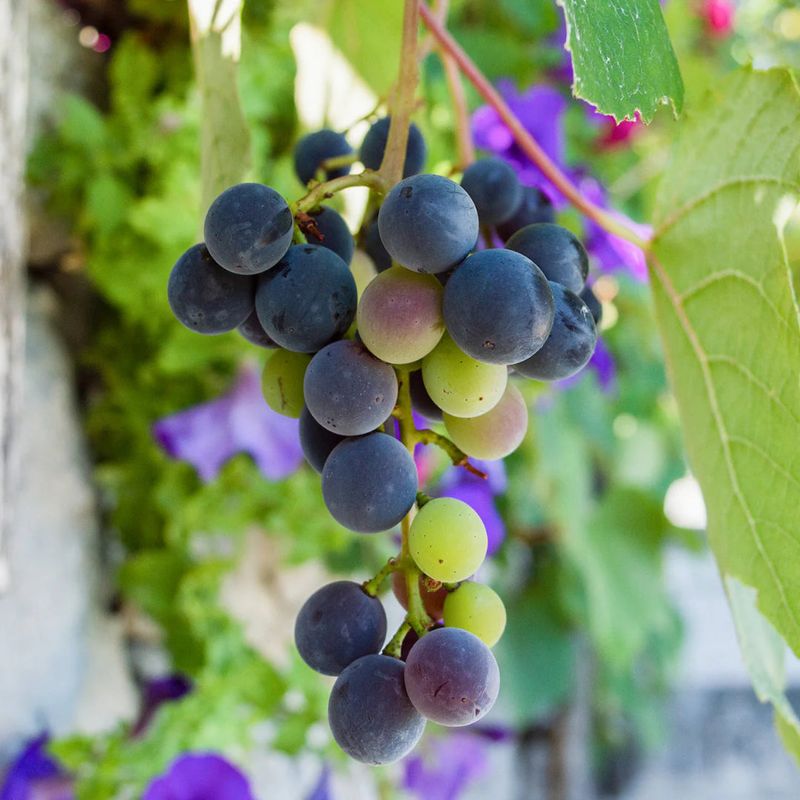
Muscadine grapes are as deeply connected to Georgia as peaches and pecans, and planting one in a sunny yard is a way to bring both history and homegrown fruit into the landscape.
Vitis rotundifolia is a native vine that has been growing wild across the southeastern United States for centuries, and cultivated varieties have been developed specifically for home gardens and small orchards.
When given a sturdy trellis, fence, or arbor to climb, muscadine vines can become productive and visually striking features in a sunny Georgia landscape.
One of the biggest advantages of muscadine grapes in Georgia is their natural resistance to many of the fungal diseases that trouble other grape species in humid southeastern climates.
The thick-skinned fruit ripens in late summer and early fall, and depending on the variety, the grapes can be bronze, red, or deep purple.
They are eaten fresh, juiced, made into preserves, or used for homemade wine.
Muscadine vines need full sun, well-drained soil, and a strong support structure to grow on. Most varieties benefit from having a pollinator variety planted nearby to improve fruit set, though self-fertile selections are available for smaller spaces.
Pruning each winter keeps the vine productive and manageable over the long term.
Once established, a healthy muscadine vine can remain productive for many decades, making it one of the most rewarding long-term investments in a Georgia edible garden.