The Mushroom Phenomenon In Tennessee Lawns And What It Actually Means
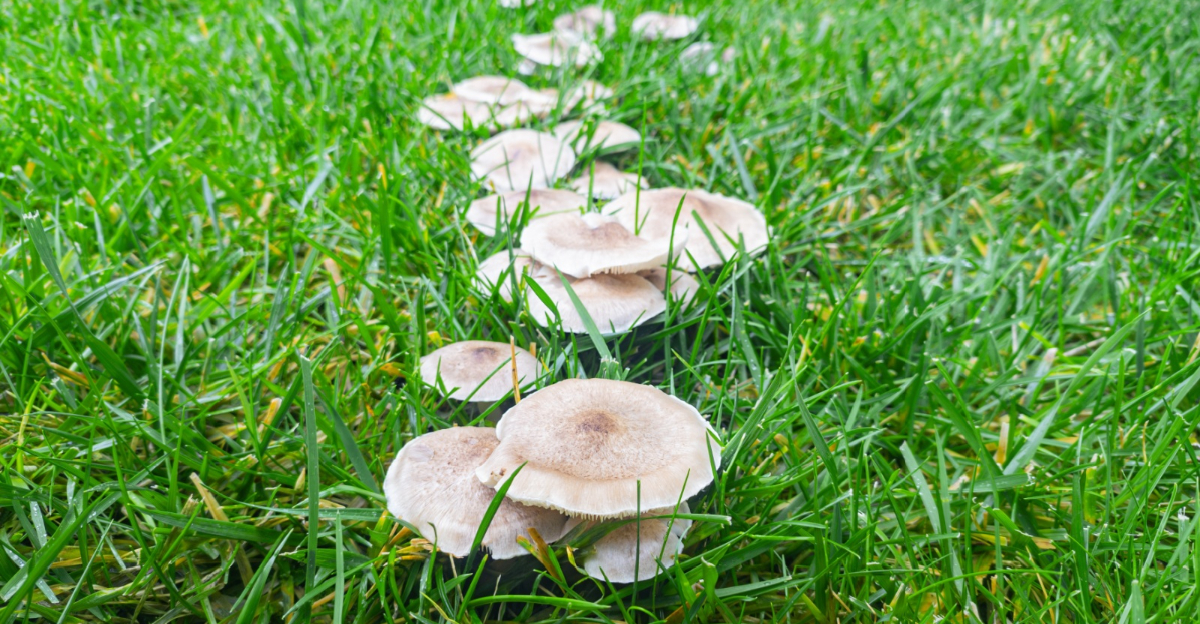
One dewy Tennessee morning, I walked outside and stopped right in my tracks. A perfect circle of mushrooms had appeared overnight, right in the middle of my lawn.
I had no idea what to make of it. Mushrooms in yards are far more common across Tennessee than most homeowners ever expect.
They are not random, mysterious accidents. They are your lawn communicating something very specific about what is happening beneath the surface.
The soil below your grass holds an entire living world. Fungi threads weave through decomposing roots, old stumps, and buried organic matter down there.
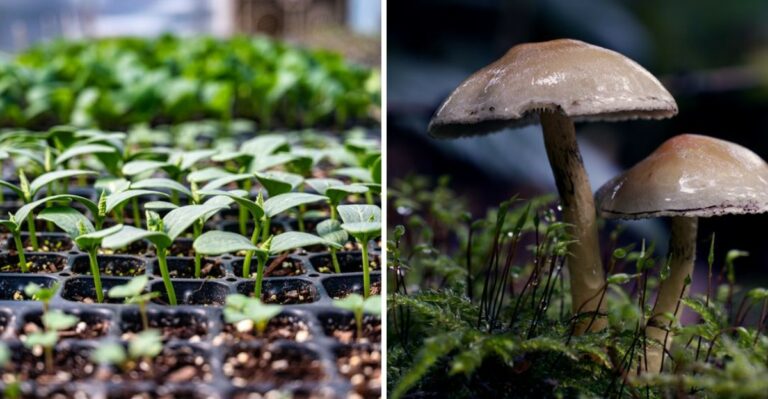
When conditions align just right, moisture and temperature trigger visible mushrooms to push through overnight. Some homeowners worry at the sight of them.
Others simply mow them down without a second thought. But understanding what these little growths are actually telling you could completely transform how you care for your yard.
Tennessee’s Warm, Humid Climate Creates The Perfect Mushroom Playground
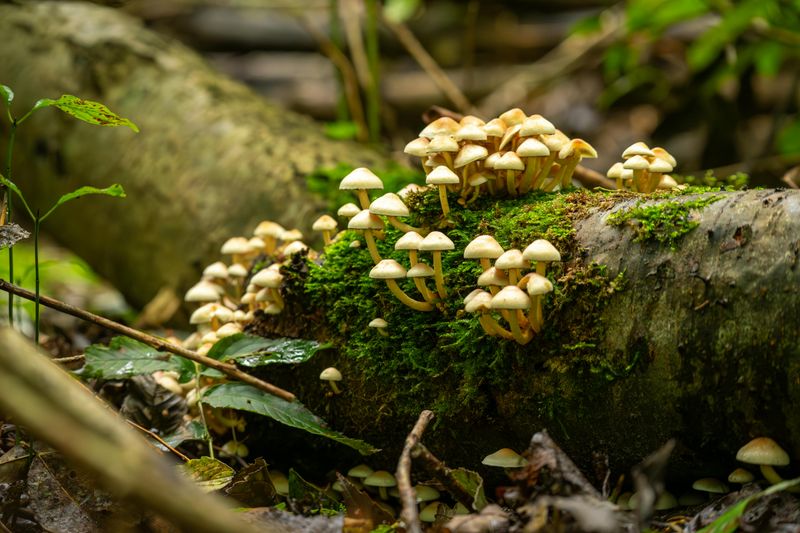
Mushrooms do not just show up anywhere on a whim. Tennessee sits in a sweet spot of heat and humidity that fungi absolutely love.
The state’s average summer humidity hovers above 70 percent, which creates near-perfect conditions for fungal growth almost overnight. Fungi need two things more than anything else: moisture and warmth.
When daytime temps stay in the 70s and 80s and nights stay muggy, the soil holds onto that warmth like a slow cooker.
That combination speeds up the underground activity of mycelium, the web-like root system that mushrooms grow from. Spring and fall are especially active seasons in this state.
After a good rain followed by a warm afternoon, mushrooms can emerge within 24 hours. It sounds almost magical, but it is pure biology at work.
Homeowners in the Nashville basin and Knoxville area tend to report mushroom clusters more frequently than neighbors in drier states. The geography here traps moisture in low-lying yards and wooded neighborhoods.
If your lawn keeps producing mushrooms season after season, blame the climate first before assuming something is wrong with your soil.
Rain Saturates The Soil Profile And Wakes Up Dormant Fungi
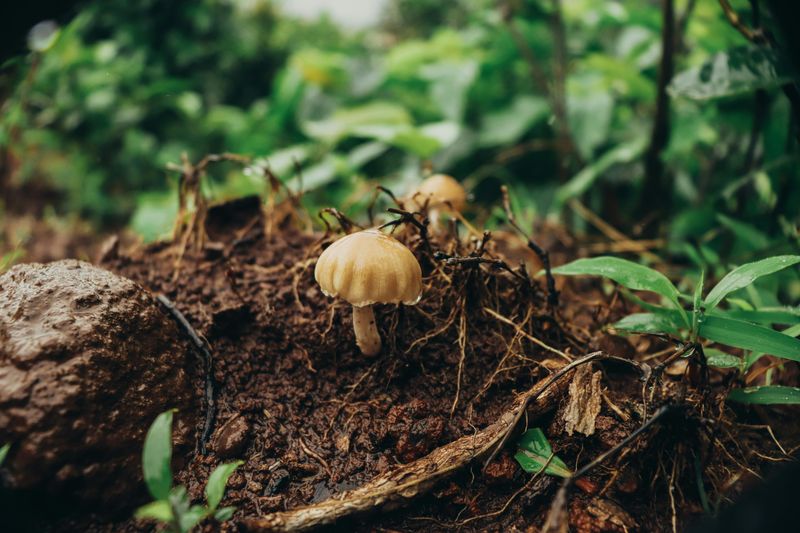
One solid rainstorm can completely transform your lawn in less than a day. When water saturates the soil profile, it pushes oxygen out of the pores and fills those spaces with moisture.
That shift in the underground environment is basically a wake-up call for dormant fungal networks. Mycelium threads sit quietly in the soil for months, waiting for exactly this moment.
Once the moisture level hits a certain threshold, the network activates and starts pushing energy toward the surface.
What you see as a mushroom is actually the fruiting body, the final stage of a process that started deep underground weeks or even months ago.
Tennessee gets an average of around 52 inches of rainfall per year, which is significantly above the national average.
That extra moisture means fungal networks in local lawns stay active far longer than in drier climates.
Every heavy downpour is essentially a reset button for underground biological activity. After a soaking rain, check your yard within 48 hours.
Your Tennessee Garden Changes Every Week. Your Plan Should Too.
Gardening in Tennessee changes quickly throughout the season. Every Friday you’ll receive a simple weekly plan showing exactly what to plant, prune, fertilize, harvest, and protect so you never miss the right timing.
You will often find mushrooms clustered near tree roots, fence lines, or low spots where water pools. Those locations are not random.
They are the zones where moisture lingers longest, drawing fungal activity naturally toward them.
Buried Organic Matter Underground Is Feeding The Whole Operation
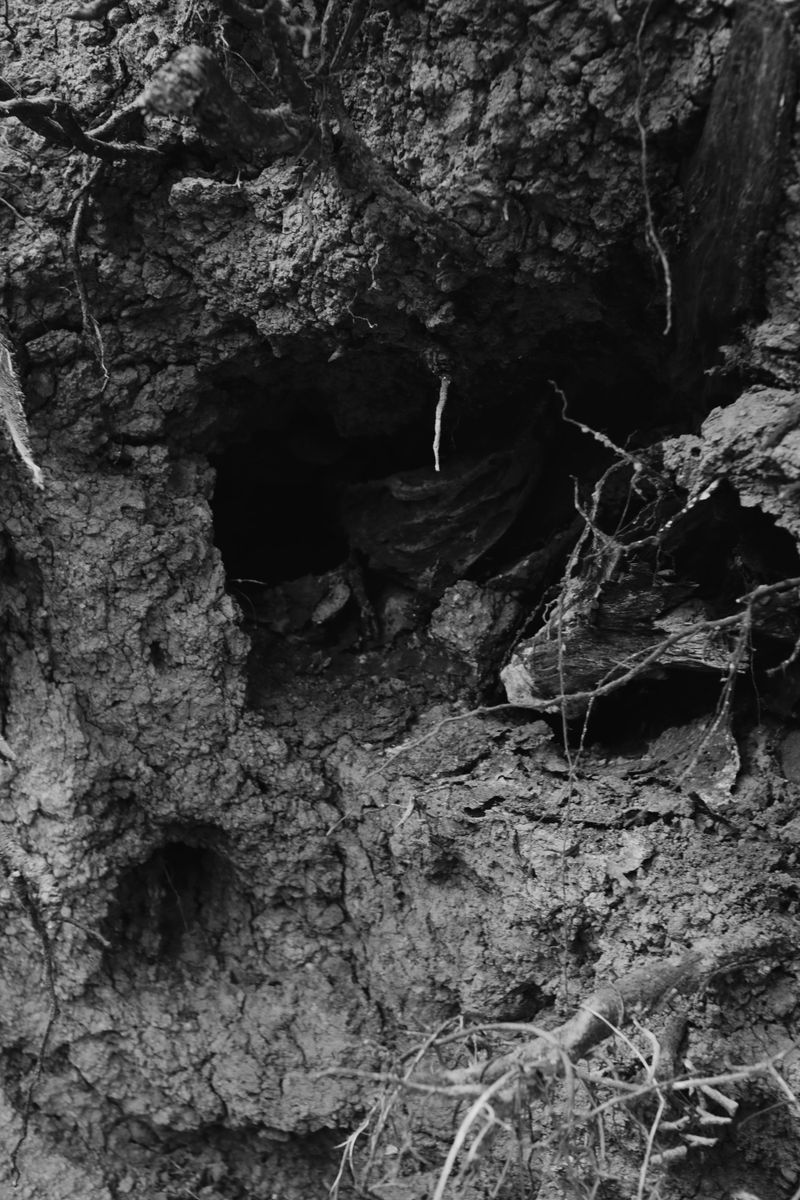
Beneath almost every mushroom in your yard, there is something rotting. Old tree stumps, buried construction lumber, dry root systems, even thick layers of thatch can all serve as food sources for fungi.
You may not see any of it, but the mushrooms are a clear sign that decomposition is happening below ground. Fungi are nature’s cleanup crew. They break down organic matter that bacteria and other microbes cannot easily process.
Wood, in particular, takes years to fully decompose, and during that entire time it feeds the fungal network that lives around it. Many Tennessee homeowners discover old stumps or buried debris only after mushrooms start appearing in strange spots.
A cluster popping up in the middle of a flat lawn with no trees nearby often means something is buried just a foot or two down. A quick probe with a screwdriver or garden trowel usually confirms the suspicion.
Removing the buried material is the most permanent fix, but it is not always practical. Sometimes the debris is too deep or too spread out to excavate.
In those cases, improving drainage and reducing surface moisture can slow mushroom production while the organic matter continues its slow, natural breakdown.
Clay-Heavy Tennessee Soils Hold Water And Keep Fungi Thriving

Red clay soil is practically a Tennessee tradition, and it comes with a specific set of challenges for lawn care.
Clay particles are incredibly fine and pack together tightly, which means water drains slowly and stays in the root zone far longer than in sandy or loamy soils. For fungi, that lingering moisture is a five-star dining experience.
Much of the Middle and West Tennessee regions sit on clay-dominant soil profiles. After a rain event, these soils can stay saturated for days while neighboring sandy soils dry out in hours.
That extended wet period gives fungal networks extra time to activate, spread, and fruit. Aerating your lawn once or twice a year can make a real difference.
Core aeration pulls small plugs of soil out, creating channels that let water drain more efficiently. Over time, adding compost and organic matter also improves soil structure and reduces that stubborn clay compaction.
Mushrooms in clay-heavy zones are not a sign of a sick lawn. They are a sign of a wet one. Addressing the drainage issue is the most effective long-term strategy, and your grass will thank you just as much as you will enjoy a drier, less mushroom-dotted yard.
Dense Tree Canopy In Wooded Yards Locks In Moisture And Spores
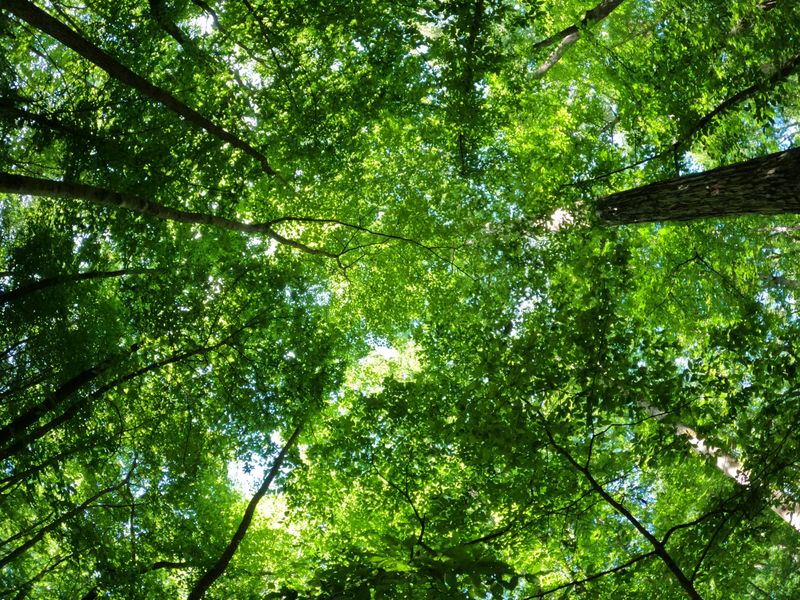
Shade changes everything in a yard. A dense tree canopy blocks sunlight and slows evaporation, which means the soil beneath it stays damp long after the rest of the lawn has dried out.
In wooded Tennessee neighborhoods, this effect is especially pronounced because the canopy is often thick and continuous.
Oak, hickory, and tulip poplar are among the most common native trees here, and all of them have extensive root systems that interact with soil fungi.
Many of these relationships are actually symbiotic, meaning the tree and the fungus help each other survive.
The mushrooms you see under your trees may literally be connected to the tree’s root system in a beneficial partnership. Thinning out low-hanging branches can improve airflow and let more sunlight reach the ground.
More sun means faster evaporation, which means less surface moisture for fungi to work with.
It is a simple adjustment that can noticeably reduce mushroom activity over a single growing season. That said, eliminating all shade is neither practical nor desirable for most homeowners.
Learning to accept a few mushrooms under a beautiful old oak is part of living with a mature, biologically active landscape. Some things in a yard are features, not problems, and a thriving tree ecosystem is one of them.
Spore Banks Already In The Soil Explain Why Mushrooms Keep Coming Back
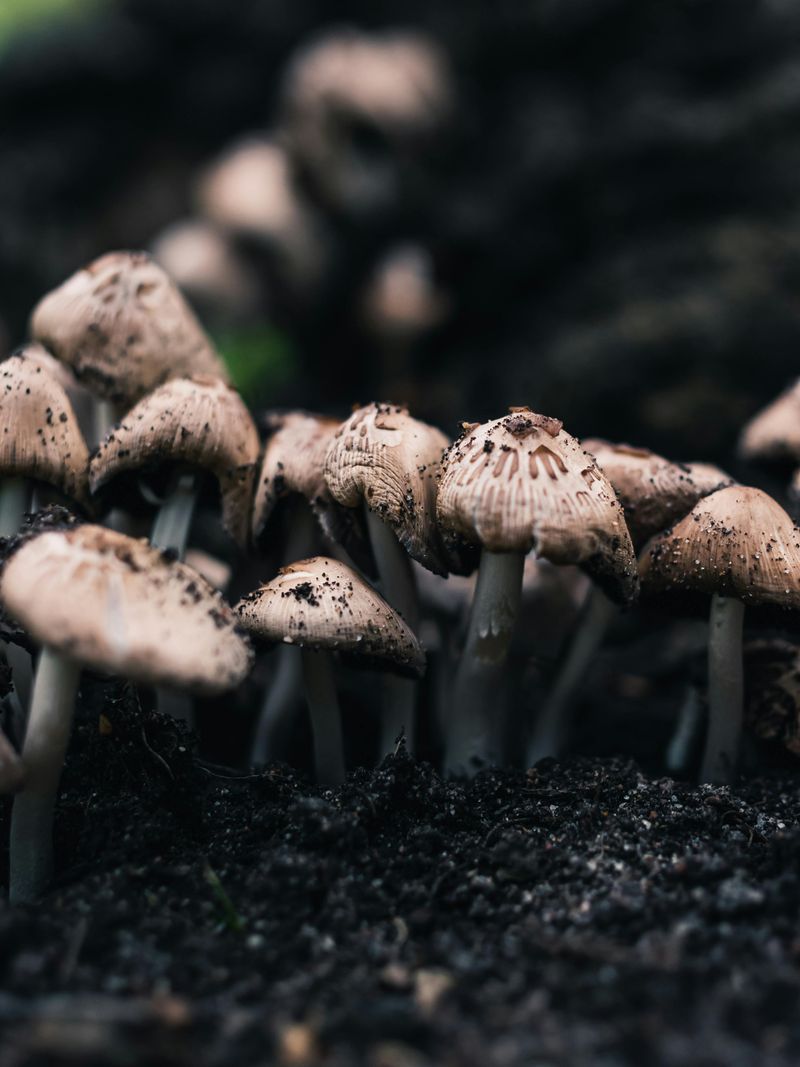
Pulling a mushroom out of the ground does absolutely nothing to stop the next one from growing.
Fungi reproduce through spores, which are microscopic particles that spread through air, water, and soil movement.
Once spores settle into your lawn and conditions are right, they establish themselves and build what scientists call a spore bank. A spore bank is essentially a reserve of dormant fungal material waiting for the right moment to activate.
It can persist in the soil for years, even decades, without producing a single visible mushroom. Then one wet spring arrives and suddenly mushrooms appear right across the lawn.
Fungicides are sometimes marketed as a solution, but they rarely eliminate an established spore bank.
They may reduce surface fruiting temporarily, but the underlying network remains intact. For most residential lawns, chemical treatments are more trouble than they are worth.
The most effective approach is managing conditions rather than fighting the spores directly. Reduce excess moisture, improve drainage, and remove decaying organic matter where possible.
When the environment becomes less hospitable for fungi, the spore bank goes quiet on its own. Patience and soil management are far more powerful tools than any spray bottle.
Your Soil Is Biologically Healthy And The Mushroom Phenomenon Proves It
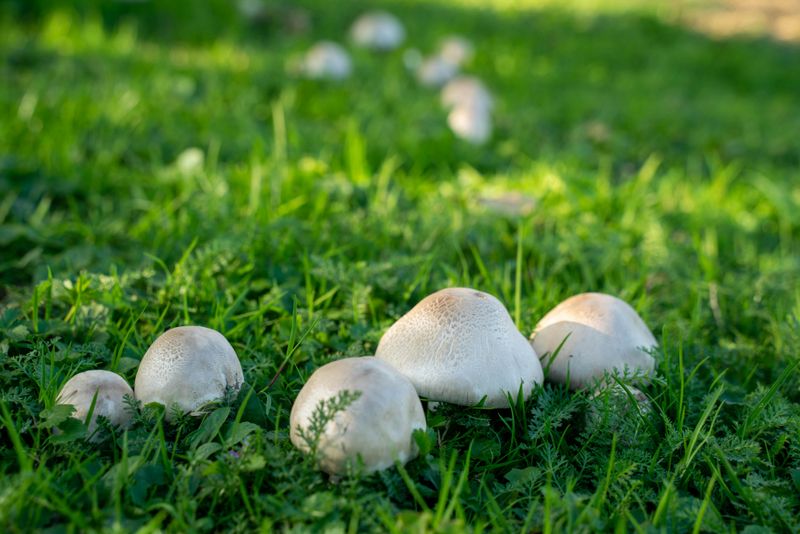
Here is the plot twist most homeowners never expect: mushrooms in your lawn are often a sign of a genuinely thriving ecosystem.
A biologically active soil is full of fungi, bacteria, earthworms, and other organisms that work together to break down organic matter and feed your grass. Mushrooms are the visible proof that this underground community is doing its job.
Healthy soil biology improves nutrient cycling, water retention, and root development in ways that synthetic fertilizers simply cannot replicate.
When mycelium networks are active, they extend the reach of grass roots and help plants access water and minerals from a much wider area. That is a genuine advantage for any lawn.
Lawns that are over-treated with chemical products often show reduced fungal activity. The mushroom phenomenon in Tennessee lawns is not a warning sign.
It is a green flag. Before grabbing a spray or shovel, consider whether your yard might actually be in better shape than you thought.
The only real concern is keeping children and pets away from unknown species, since some wild mushrooms are toxic and should never be eaten without expert identification.
But from a soil health perspective, a mushroom-dotted lawn is something to appreciate. Nature is working hard underneath your feet, and that is worth celebrating.
When To Actually Remove Mushrooms From Your Lawn
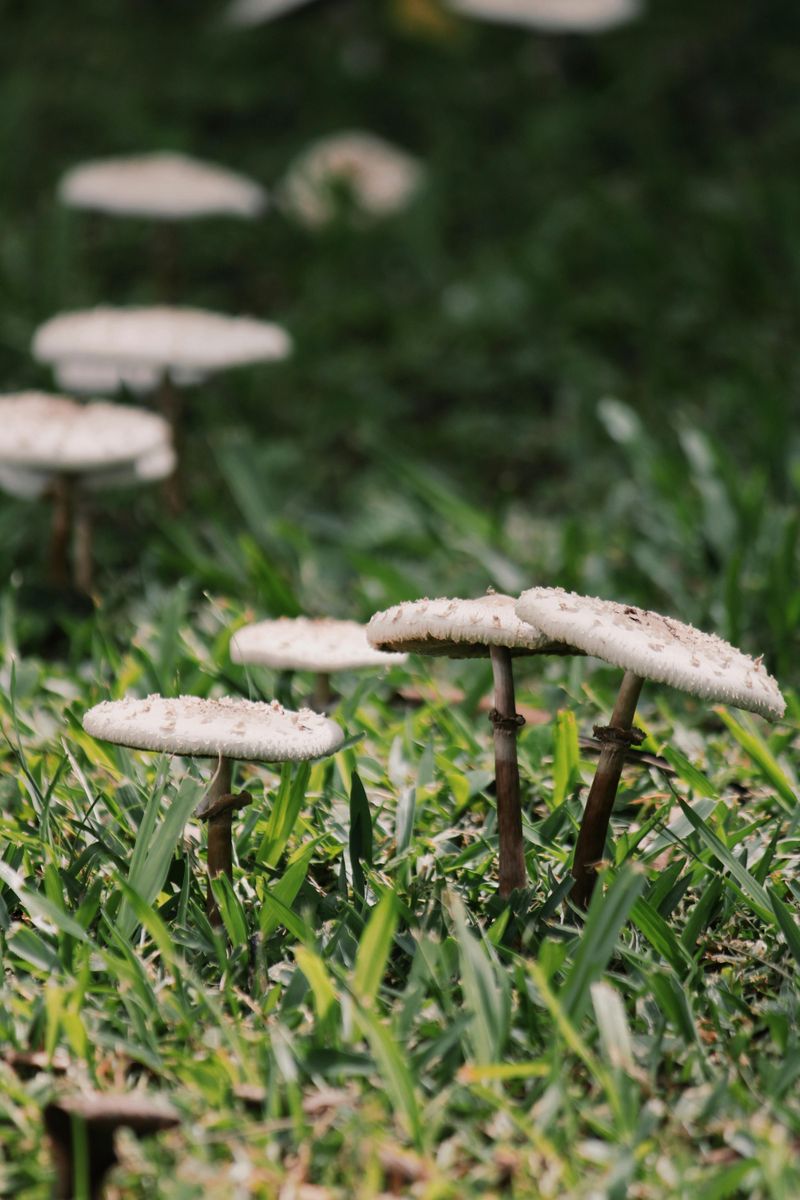
Most mushrooms in a home lawn do not need to be removed at all. They are temporary. A few days of dry weather will cause them to shrivel and disappear on their own.
However, there are situations where removal makes sense. If you have young children or pets who spend time in the yard, clearing visible mushrooms quickly reduces any risk of accidental contact or ingestion.
The safest method is simply to knock them over with a rake and let them dry out. Do not pull them by hand without gloves, as some species can cause skin irritation.
Mowing over them is another option, though it can scatter spores and encourage wider spread across the lawn. Bagging the clippings afterward helps contain that.
What removal will never do is stop more mushrooms from growing. The underground network remains completely untouched no matter how many fruiting bodies you clear from the surface.
Focus on reducing moisture and improving drainage if you want fewer mushrooms long term, and treat removal as a surface-level maintenance step rather than a permanent solution.
What Fairy Rings Mean And Why They Form
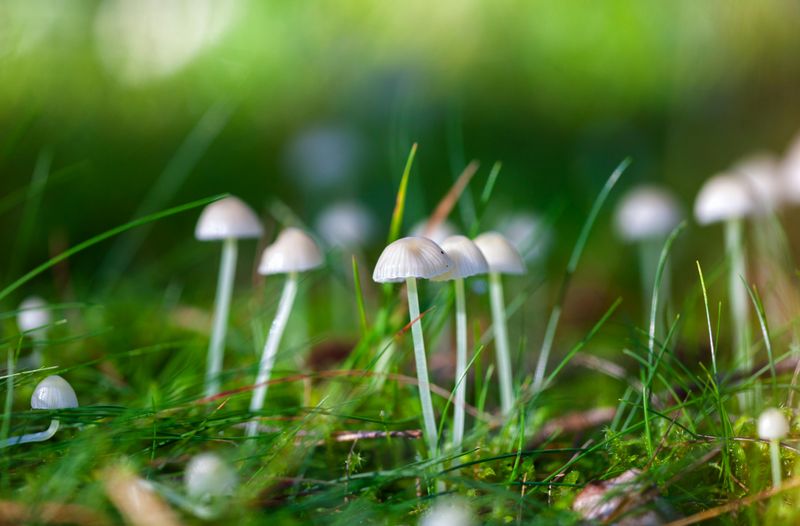
A fairy ring is one of the more striking things a Tennessee lawn can produce. It appears as a circle or arc of mushrooms, sometimes accompanied by a ring of darker, faster-growing grass.
The sight of it stops most homeowners in their tracks. Folklore aside, the explanation is straightforward.
A single fungal colony starts at a central point and spreads outward in all directions at an equal rate, forming a circle over time.
As the mycelium moves outward, it breaks down organic matter and releases nitrogen into the soil, which is what causes that ring of greener, lusher grass. The mushrooms appear at the outer edge where the fungal activity is most concentrated.
Fairy rings are extremely common in Tennessee lawns, particularly in yards with a history of tree removal or buried root systems. They are not harmful to your lawn in most cases.
Some rings can persist and expand for years, occasionally causing dry patches inside the circle where the dense mycelium blocks water absorption.
Aerating inside the ring and watering deeply can help break up that compaction. Beyond that, a fairy ring is largely a natural feature of a biologically active yard, and in many cases it is simply worth appreciating for what it is.