What To Feed Oregon Blueberries For The Biggest Harvest Of The Season
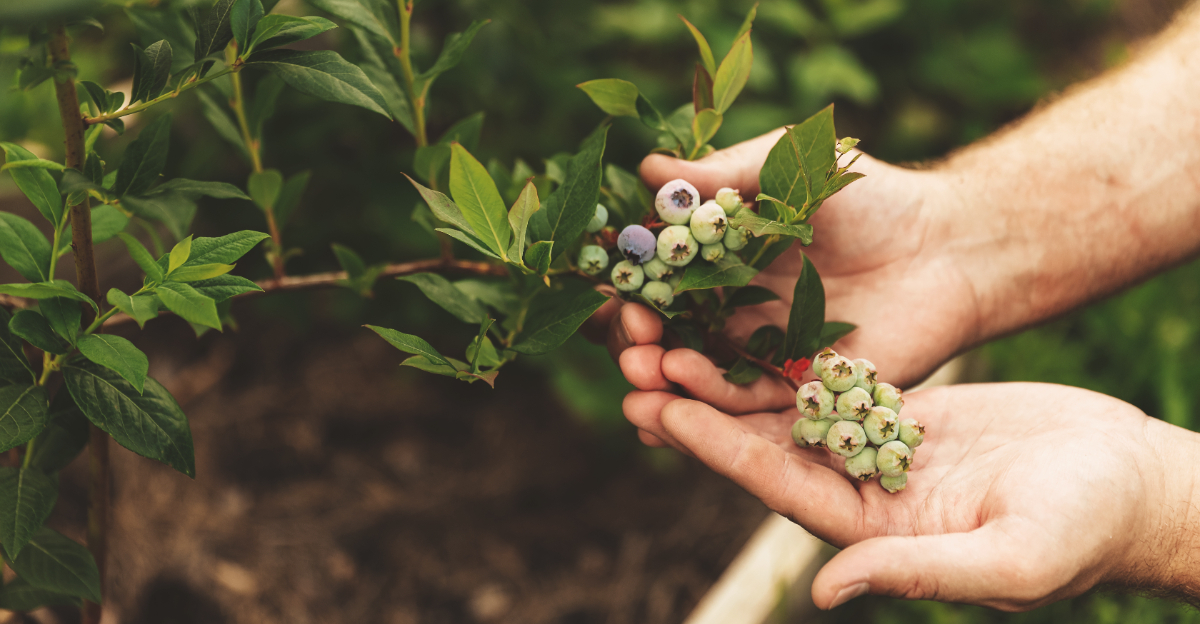
Blueberries can be generous in Oregon, but they have their own rules when it comes to feeding. Treat them like ordinary garden shrubs, and the harvest may never reach its full potential.
These plants prefer acidic soil and steady nutrition that supports strong roots before berries begin to swell. The right feeding routine can make the difference between a light picking and a bowl-filling season.
Timing matters too, because a late or heavy push can send energy into leaves when you want better fruit. Oregon’s rain can also move nutrients through the soil faster than gardeners expect.
That is why smart feeding starts with knowing what blueberries actually use best. Give them the right support now, and those little green berries can turn into the kind of harvest worth checking every morning.
1. Start With Acid-Loving Fertilizer
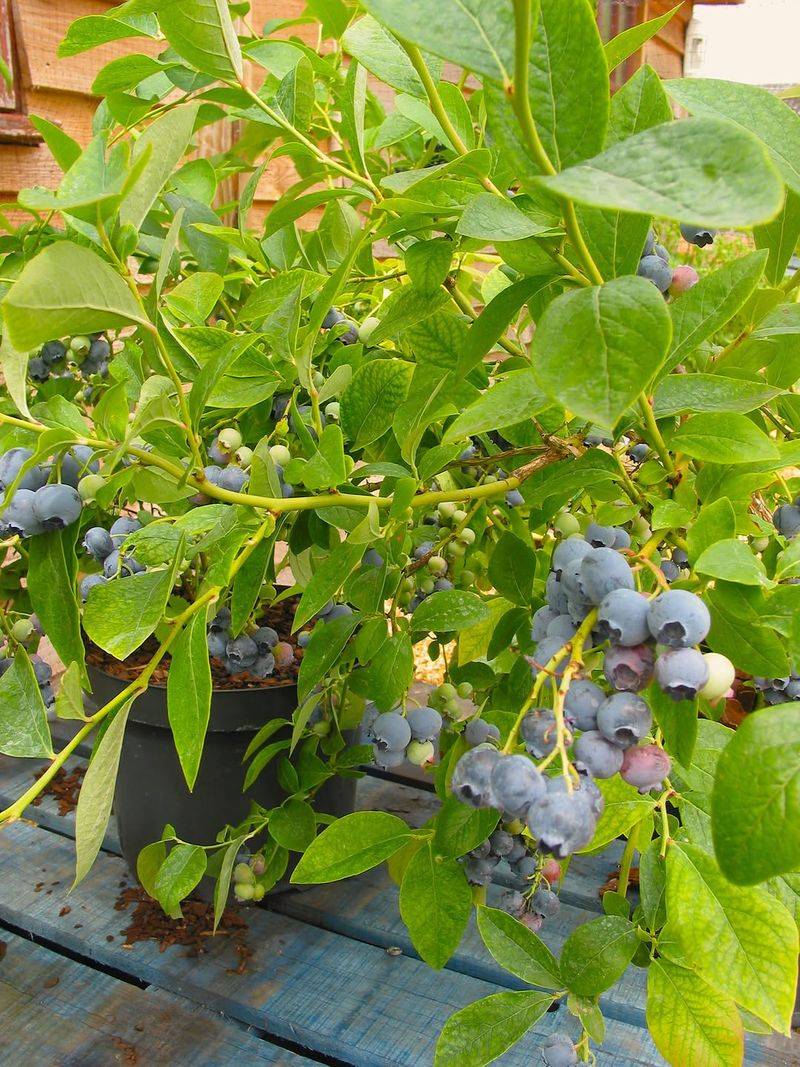
Blueberries are not like most backyard fruits. They have very specific nutritional needs, and using the wrong fertilizer can actually slow their growth instead of helping it.
The best place to start is with a fertilizer made specifically for acid-loving plants.
Products labeled for azaleas, rhododendrons, or blueberries are a great fit. These fertilizers are formulated to work in acidic soil, which is exactly where blueberries thrive.
Look for one with a lower pH and a good balance of nitrogen, phosphorus, and potassium.
Oregon’s soil can vary a lot depending on where you live. In some areas, the ground is already naturally acidic, which is perfect.
In others, you may need to adjust the soil before your fertilizer can even do its job properly.
Always read the label before applying any fertilizer. More is not always better, especially with blueberries.
Too much of even a good fertilizer can stress the plant and reduce your berry yield at the end of the season.
Applying acid-loving fertilizer in early spring, just as new growth begins, gives your plants a strong head start. A second application in late spring or early summer can keep the momentum going.
Stick to the recommended amounts and your plants will reward you with a fuller, healthier harvest than you thought possible.
2. Feed Before The Berries Size Up
Timing your fertilizer applications can make or break your harvest. One of the most important windows is right before the berries start to grow and fill out.
If you miss this window, you miss the chance to fuel that critical growth phase.
Most blueberry growers in Oregon aim to fertilize in early to mid-spring, right around the time buds are opening.
At this stage, the plant is hungry for nutrients and ready to put that energy directly into flower and fruit development.
Feeding too late, after the berries have already started forming, is far less effective. The plant has already made its decisions about how much fruit to set, and extra fertilizer at that point mostly goes to leafy growth instead of berries.
Split your feeding into two smaller doses rather than one large one. The first dose goes in early spring, and the second goes in about six weeks later.
Your Oregon Garden Changes Every Week. Your Plan Should Too.
Gardening in Oregon changes quickly throughout the season. Every Friday you’ll receive a simple weekly plan showing exactly what to plant, prune, fertilize, harvest, and protect so you never miss the right timing.
This keeps a steady supply of nutrients flowing without overwhelming the roots.
Blueberries fed at the right time tend to produce berries that are larger, sweeter, and more plentiful. You will notice the difference when you are picking handfuls instead of just a few here and there.
Getting your timing right is one of the easiest ways to boost your harvest without spending more money or doing extra work.
3. Use Ammonium Sulfate Carefully
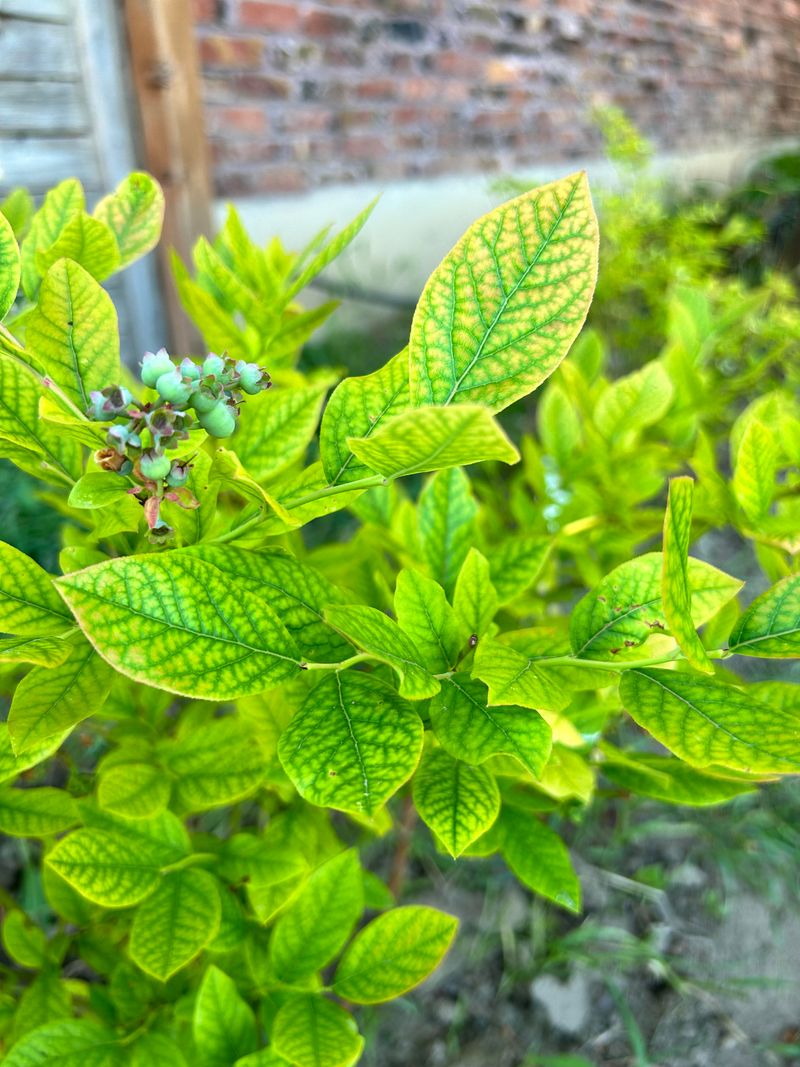
Ammonium sulfate is one of the most popular fertilizers for blueberries, and for good reason. It provides nitrogen in a form that blueberries can easily absorb, and it also helps lower soil pH over time.
That double benefit makes it a go-to choice for many growers in Oregon.
But here is the thing: this fertilizer is powerful, and using too much of it can cause real problems.
Overapplication can burn roots, push the soil pH too low, and actually reduce your harvest rather than improve it.
For mature blueberry bushes, a general guideline is to use about one ounce of ammonium sulfate per plant in early spring.
You can add a second small application about six weeks later if growth seems slow. Always water it in well after applying.
Young plants need even less. A new blueberry bush in its first year only needs a tiny amount, roughly a tablespoon, spread around the base.
Too much nitrogen too soon can push leafy growth at the expense of root development.
When used correctly, ammonium sulfate can really push your blueberries to perform at their best. It is affordable, widely available, and well-suited to the acidic soil conditions that blueberries love.
Just measure carefully, apply at the right time, and always follow up with a good deep watering to move the nutrients down to the roots where they belong.
4. Skip Lime Around Blueberries
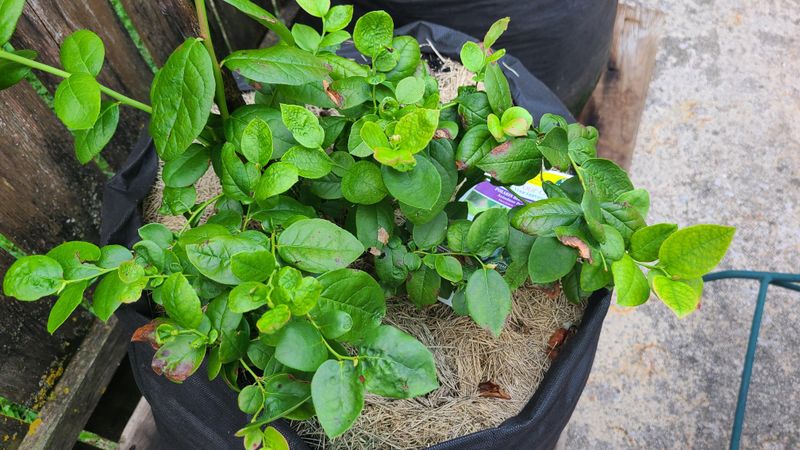
Lime is a common soil amendment used in many gardens to raise pH and reduce acidity. It works great for vegetables like tomatoes and peppers.
However, applying it around blueberries is one of the biggest mistakes a grower can make.
Blueberries need acidic soil to survive and produce well. Their roots rely on a specific type of fungal relationship that only functions in low-pH conditions.
When you add lime, you raise the pH, and that disrupts everything the plant depends on to absorb nutrients.
Even a small amount of lime applied near blueberry roots can cause yellowing leaves, poor growth, and a dramatically smaller harvest.
The damage may not show up right away, but over time, your plants will struggle to pull in the iron and other minerals they need.
If you grow other plants nearby that need lime, be careful about how close you apply it to your blueberry patch. A good buffer zone of several feet can help protect your berries from accidental pH changes.
Instead of lime, look for amendments that maintain or lower pH, like sulfur or peat moss. These are much better choices for blueberry beds.
Keeping lime far away from your blueberry plants is one of the simplest things you can do to protect your harvest and keep your plants healthy for many growing seasons to come.
5. Keep Soil pH In The Sweet Spot
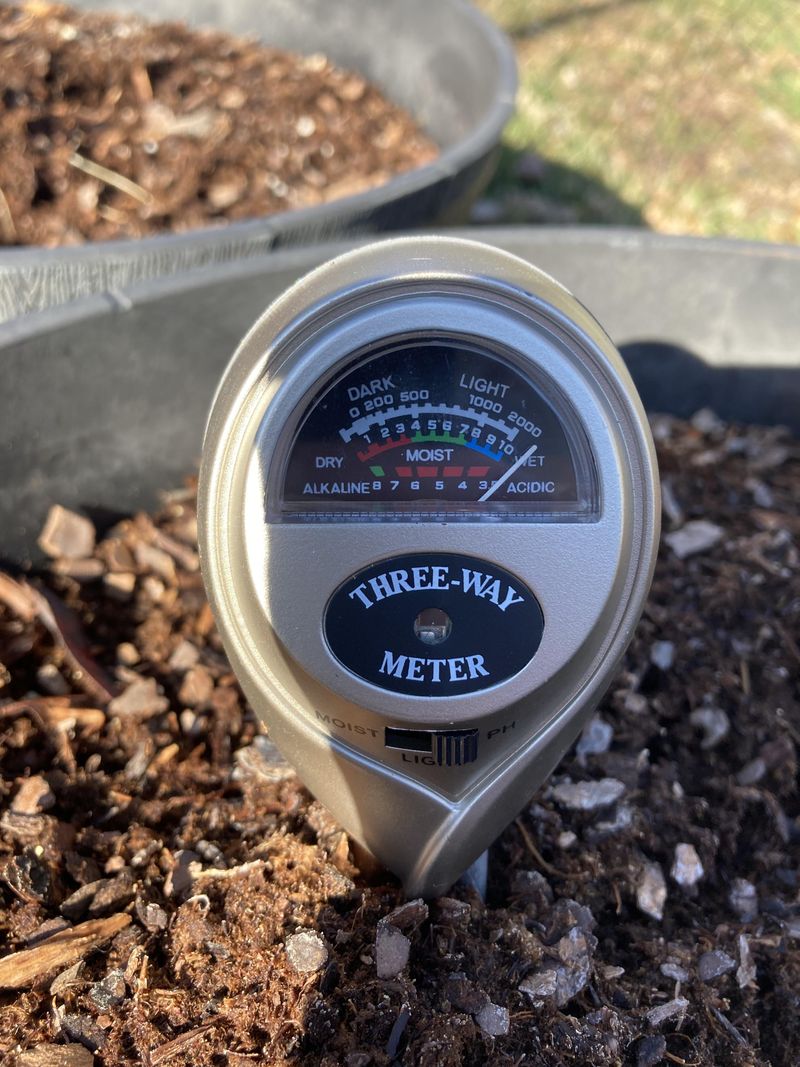
Soil pH might sound like a science class topic, but it is one of the most practical things you can track in your blueberry garden. Blueberries grow best in soil with a pH between 4.5 and 5.5.
Outside that range, even perfect fertilization will not help much.
When soil pH is too high, blueberries cannot absorb iron, manganese, or zinc properly. The leaves turn yellow, growth slows, and fruit production drops.
This condition is called chlorosis, and it is very common in gardens where pH has not been checked.
Testing your soil once a year is a smart habit. Simple test kits are available at most garden centers, and they are easy to use.
You just take a small sample of soil, mix it with water, and compare the color to a chart.
If your pH is too high, elemental sulfur is one of the best ways to bring it down. It works slowly, so apply it in fall for best results by spring.
Peat moss mixed into the soil also helps maintain acidity over time.
In Oregon’s western regions, rainfall can gradually wash away acidity and push pH higher over the years.
Checking your soil regularly and making small adjustments keeps your blueberry plants in the right growing zone.
A stable, acidic pH is the foundation that all your other feeding efforts are built on, so do not skip this step.
6. Mulch With Sawdust Or Bark
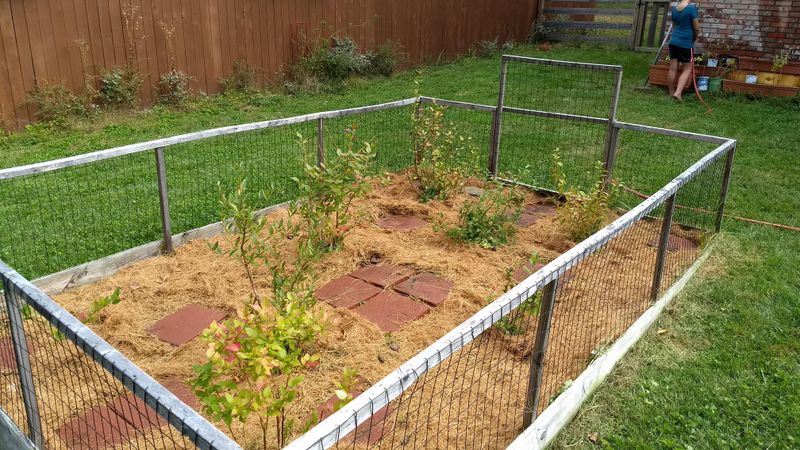
Mulching might not seem like feeding, but it absolutely is. The right mulch slowly breaks down and adds organic matter to the soil, which feeds your blueberries naturally over time.
It also keeps the soil cool, moist, and acidic, which is exactly what these plants love.
Sawdust and bark chips are two of the best mulch options for blueberries. Both are slightly acidic as they decompose, which helps maintain the low pH your plants need.
They also break down slowly, meaning you do not have to reapply them every few weeks.
Apply a layer about three to four inches thick around each plant, keeping the mulch a few inches away from the main stem. Piling mulch directly against the trunk can trap moisture and lead to rot.
Spread it out to the edge of the plant’s canopy for best results.
Fresh sawdust can tie up nitrogen in the soil as it decomposes, so it is a good idea to add a small extra dose of nitrogen fertilizer when using it. This prevents a temporary nitrogen shortage that can slow your plants down during the growing season.
Beyond feeding, mulch acts as a natural weed barrier and helps keep roots from drying out between waterings.
In our state’s dry summer months, that moisture retention can be the difference between stressed plants and thriving ones.
A good mulch layer is one of the easiest investments you can make for a bigger harvest.
7. Water Deeply After Feeding
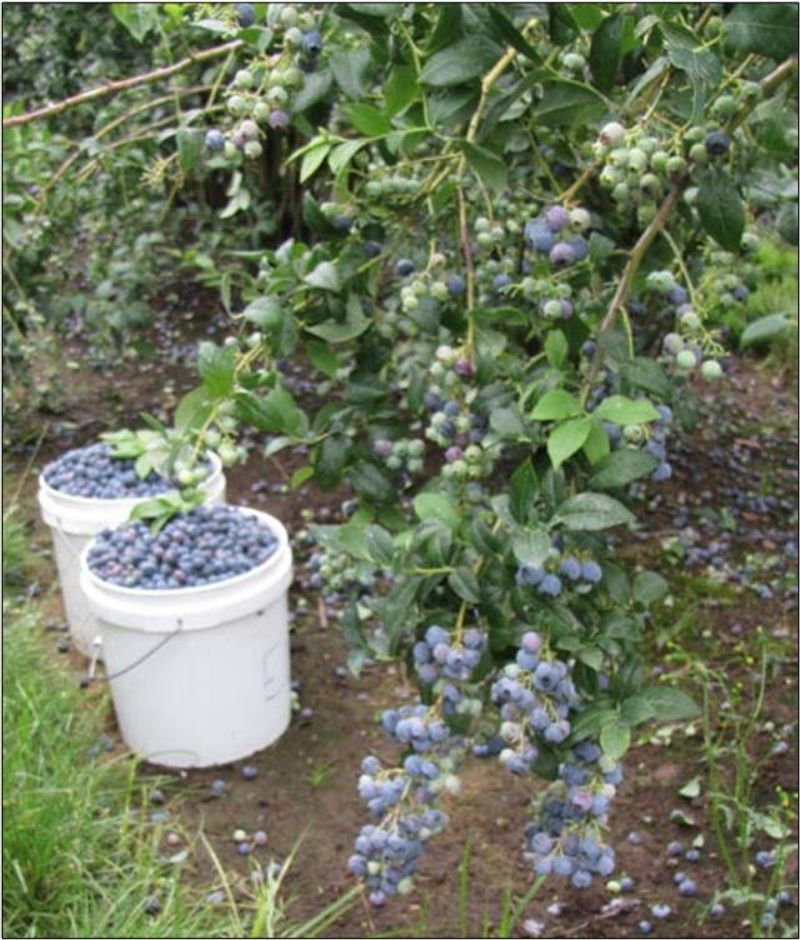
Fertilizer sitting on dry soil is basically useless. Water is what carries nutrients down through the soil and into the root zone where your plants can actually use them.
That is why watering deeply after every feeding session is non-negotiable.
A light sprinkle is not enough. You want the water to soak down at least six to eight inches into the ground.
This ensures that the fertilizer moves past the surface and reaches the deeper roots where most nutrient absorption happens.
Blueberries have shallow, fibrous root systems, which means they can dry out quickly. But those roots also extend outward from the plant, so watering a wide area around each bush is just as important as watering deeply.
Aim for a slow, steady soak rather than a quick burst. In warmer summer months, blueberries may need watering every few days, especially if you have recently fertilized.
Dry spells right after feeding can stress the plant and reduce the effectiveness of everything you just applied.
Drip irrigation is a great option for blueberry growers who want consistent moisture without much effort. It delivers water slowly and directly to the root zone, which is ideal.
Whether you use a hose, a soaker, or a drip system, the goal is the same: keep the soil evenly moist after feeding so your plants can make the most of every nutrient you give them.
8. Don’t Overfeed Young Plants
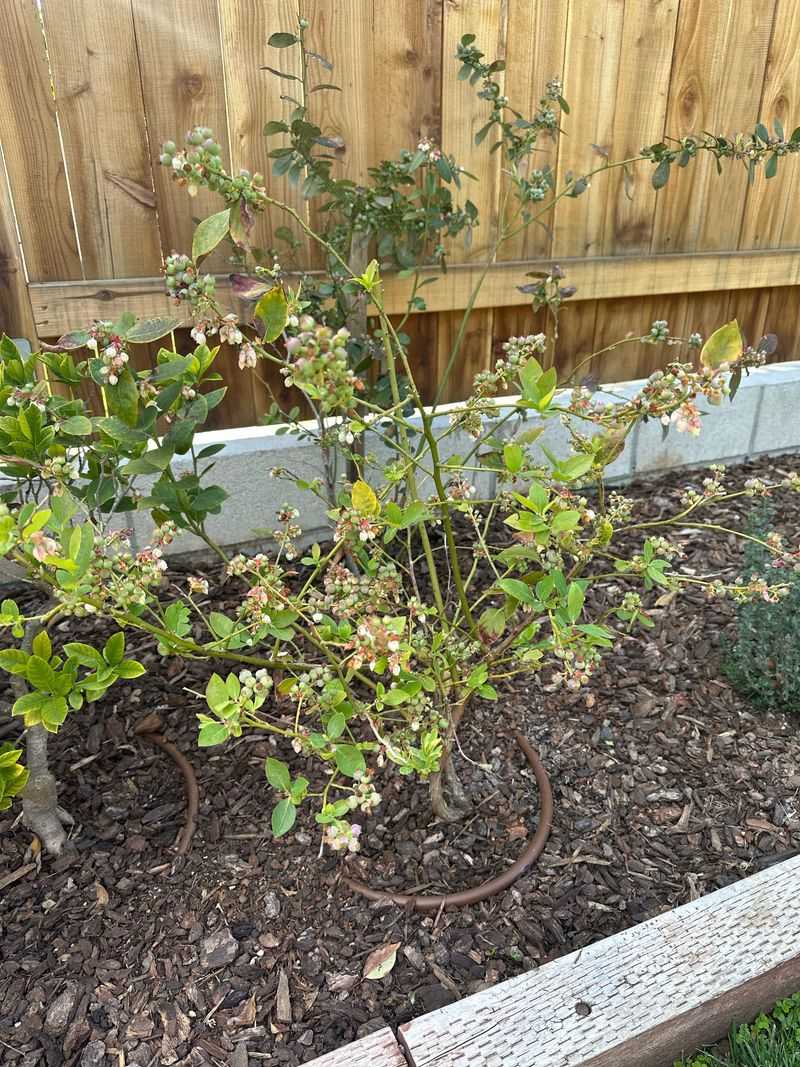
Young blueberry plants are a bit like kids who are just getting started. They need nourishment, but not too much all at once.
Overfeeding a new plant is one of the most common mistakes new growers make, and it can set the plant back significantly.
In the first year, a blueberry bush is focused on growing roots and establishing itself. Giving it too much fertilizer pushes it to grow leaves and shoots faster than its root system can support.
That imbalance weakens the plant and makes it more vulnerable to stress.
For first-year plants, a very small amount of fertilizer is all you need. About one tablespoon of ammonium sulfate, spread around the base and watered in well, is plenty for the whole spring season.
Skip the second application if the plant looks healthy and is growing steadily.
By the second and third year, you can gradually increase the amount as the plant matures and its root system expands.
Always increase slowly rather than jumping straight to the full adult dose. Watch the plant’s response and adjust from there.
Patience is a real virtue when it comes to young blueberry plants. Rushing their nutrition often leads to poor long-term performance.
Give them time to build a strong foundation, and by their third or fourth year, they will start rewarding you with the kind of full, generous harvests that make all that careful tending feel completely worth it.
9. Watch Leaves For Nitrogen Clues
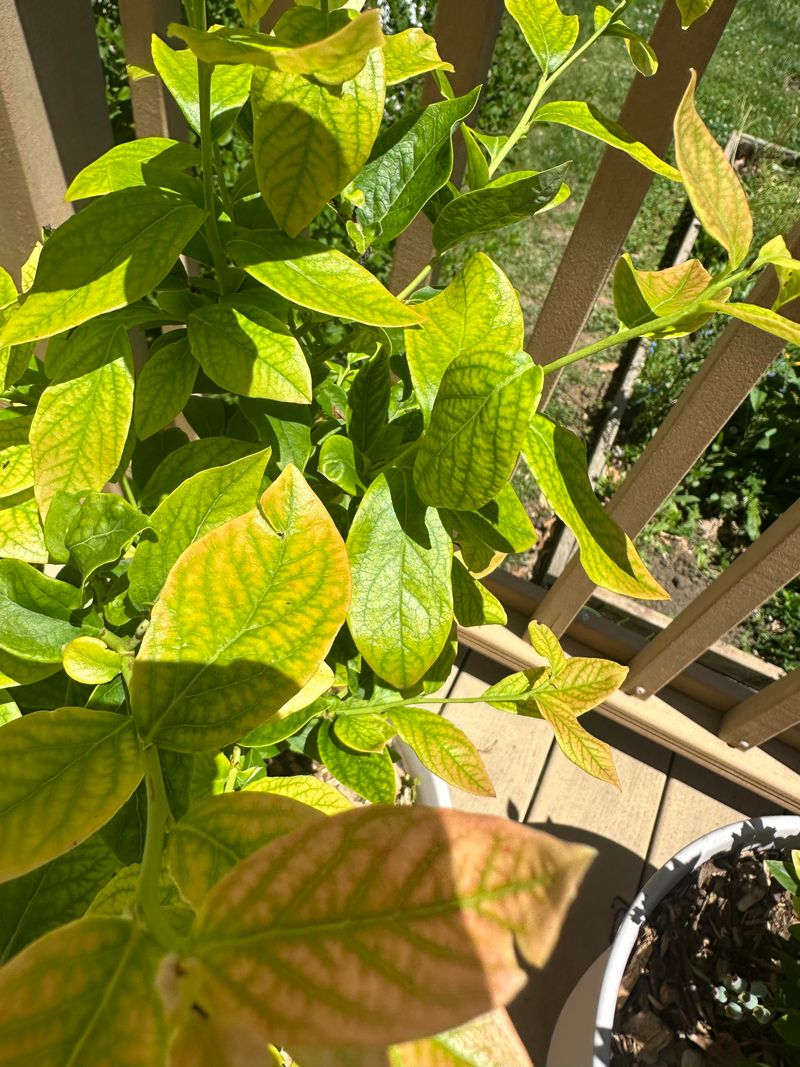
Your blueberry plants are always communicating with you. You just have to know what to look for.
The leaves are one of the best indicators of whether your plants are getting the right amount of nitrogen, and reading them correctly can save your harvest.
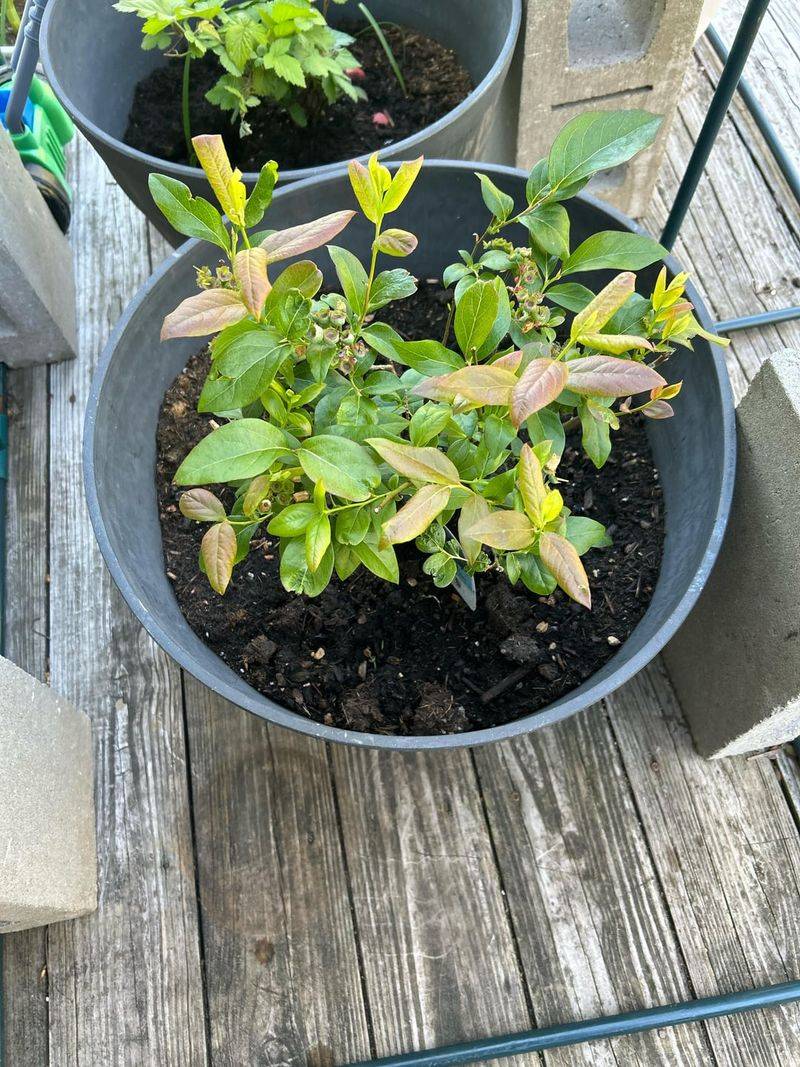
Healthy blueberry leaves should be a deep, rich green during the growing season. If the leaves start looking pale, yellowish-green, or washed out, that is often a sign of nitrogen deficiency.
The plant is telling you it needs more fuel to keep growing strong.
On the flip side, leaves that are dark green and the plant is pushing out a lot of leafy growth but not much fruit can signal too much nitrogen.
Too much of this nutrient directs energy toward leaves instead of berries, which is not what you want at harvest time.
Look at the older leaves first. Nitrogen deficiency usually shows up in the older, lower leaves before moving to newer growth.
If you see yellowing starting at the bottom and working upward, a small nitrogen boost is likely what your plant needs.
Checking your plants weekly during the growing season takes only a few minutes, but it gives you valuable information. Catching a nutrient problem early means you can fix it before it affects your berry production.
Healthy, well-fed leaves are a sign that your plants are on track for a strong, plentiful harvest at the end of the season.