Plant Garlic In Fall For The Best Summer Harvest In Illinois
Most gardeners know garlic is a fall crop. In Illinois, the trick is knowing exactly when in fall to get it in the ground.
Garlic does best when it goes in two to four weeks before your average frost date. For most of Illinois, that window lands in October.
That timing gives your cloves enough time to root, settle, and build the foundation they need before the ground freezes. Roots establish properly, bulbs size up better, and by the time harvest rolls around, you are pulling up something worth bragging about.
Illinois falls are not just a countdown to winter. For garlic, they are the main event.
The cooling soil does the early work for you. By the time the ground freezes, your plant is already anchored and ready for whatever comes next.
If you have ever dug up a garlic bulb that looked more like a pebble than produce, timing was probably the culprit. Stick around.
Everything you need for a strong harvest is right here.
Fall Is The Right Time To Plant Garlic In Illinois
Early fall carries a certain energy in the garden. Planting garlic in October puts that energy to work and gives your cloves exactly the start they need.
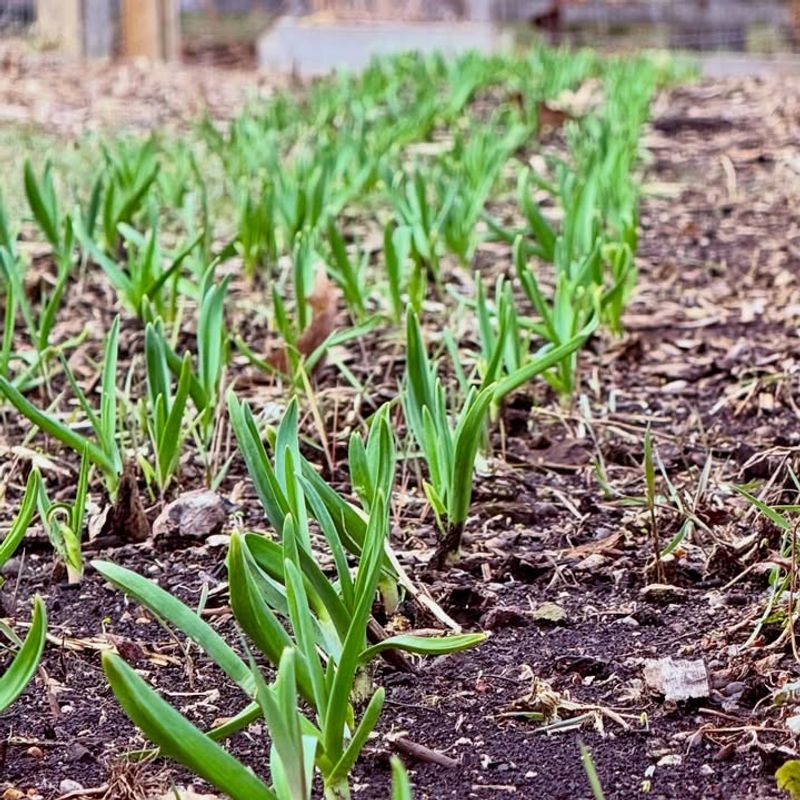
The soil is still workable and beginning to cool. That cooling encourages steady root development, which means your garlic gets anchored and settled before the ground freezes.
Most experienced growers in Illinois target early to mid-October for their planting window. That range gives cloves enough time to sprout and push roots deep without rushing the process.
Fall planting also fits naturally into the rhythm of the season. You are already out there putting the garden to bed, and garlic slots right into that routine.
The goal is to get cloves in the ground two to four weeks before your first expected frost date. In central Illinois, that first frost typically arrives around mid-October, making early October the sweet spot.
Think of fall planting like giving your garlic a calm, unhurried start. The conditions are cooling, the pressure is off, and the ground is ready to do its job.
Gardeners who stick to a consistent October planting schedule often report bigger, more uniform bulbs year after year. Starting now puts you on that track.
The Right Variety Makes All The Difference For Your Harvest
Not all garlic is created equal, and choosing the wrong type can leave you with a disappointing harvest. The variety you select shapes everything from flavor to storage life to how well it handles Midwest winters.
Hardneck varieties are the top choice for Illinois growers. They thrive in cold climates, produce large cloves, and deliver a bold, complex flavor that softneck types rarely match.
Rocambole is a popular hardneck choice among Midwest gardeners. It has a rich, almost nutty flavor and cloves that peel easily, which makes it a favorite for home cooks who use garlic often.
Music garlic is another strong performer in this region. It produces large, easy-to-handle bulbs and holds up well through the temperature swings that Illinois summers and falls are known for delivering.
Your Illinois Garden Changes Every Week. Your Plan Should Too.
Gardening in Illinois changes quickly throughout the season. Every Friday you’ll receive a simple weekly plan showing exactly what to plant, prune, fertilize, harvest, and protect so you never miss the right timing.
Softneck varieties like Silverskin and Artichoke can also work here, especially in southern parts of the state. They store longer than hardnecks and tend to be milder in flavor, which suits some gardeners just fine.
Buying seed garlic from a reputable local supplier matters more than most beginners realize. Grocery store garlic is often treated to slow sprouting and may carry disease, making it a risky choice for your garden bed.
Matching your variety to your specific location within the state gives you a real advantage. A little research upfront saves a lot of frustration come harvest time.
Illinois Soil And Climate Shape Your Garlic Timeline
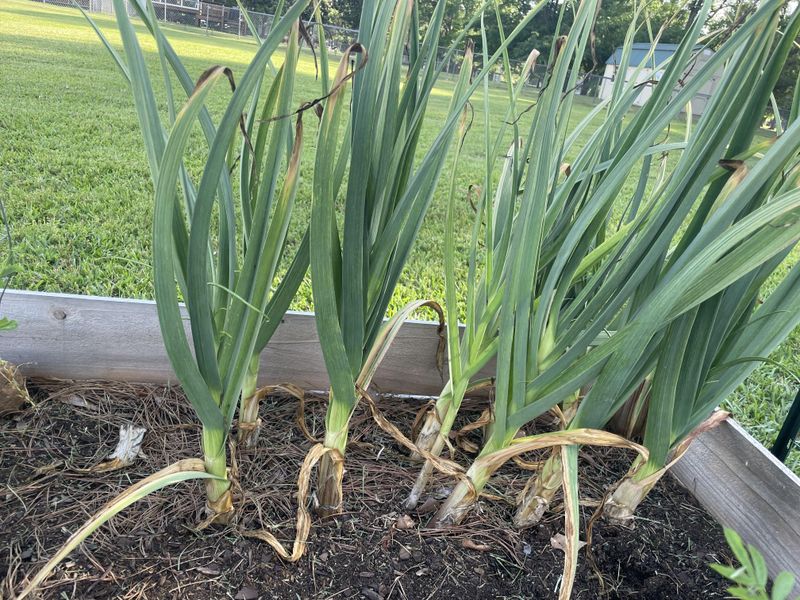
Illinois soil has a personality all its own. The rich, dark loam found across much of the state is genuinely excellent for growing garlic, but only when you understand what it needs.
Garlic prefers well-draining soil with a pH between 6.0 and 7.0. If your beds tend to stay soggy after rain, raised beds or added compost can fix that problem before it costs you a harvest.
The climate across the state varies more than people expect. Northern Illinois sees colder winters and shorter growing seasons, while the southern tip enjoys milder conditions that allow for slightly earlier or later planting windows.
Central Illinois sits in a reliable sweet spot. Gardeners there benefit from consistent seasonal patterns that make timing your planting straightforward once you know your average first frost date.
Fall temperatures in Illinois are ideal for garlic during its early root-building phase. The key is getting cloves in the ground while the soil is still workable but beginning to cool.
Rainfall patterns also matter quite a bit. Garlic needs consistent moisture during establishment but hates sitting in wet soil for long periods, so watching the forecast after planting helps you decide when to water and when to hold off.
Understanding your local microclimate makes a real difference. A spot near a fence or building may retain warmth longer into fall and stay drier, which can actually benefit your garlic bed significantly.
Proper Aftercare Sets You Up For A Strong Harvest
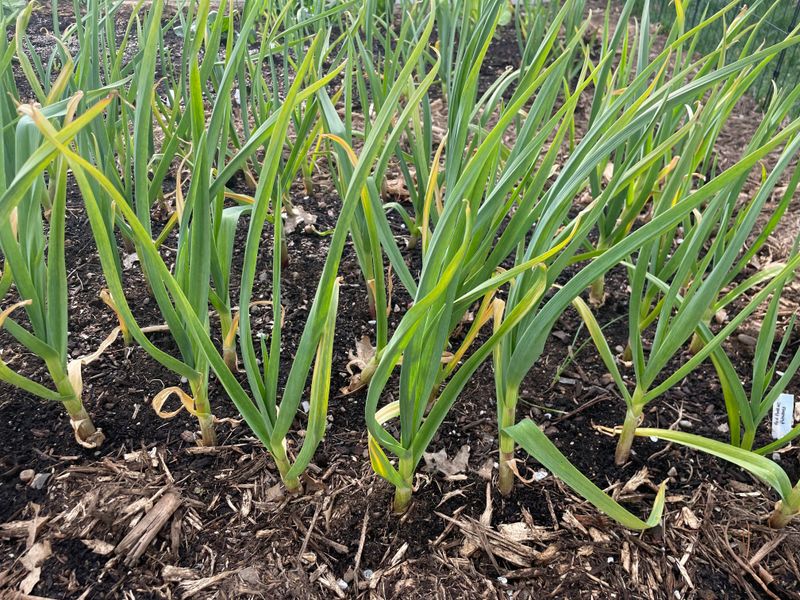
Once your garlic is in the ground and growing, the work is far from over. Consistent aftercare during the weeks between planting and harvest can make or break the final size and quality of your bulbs.
Hardneck varieties produce flower stalks called scapes that curl upward in a spiral shape. Removing these scapes as soon as they appear redirects the plant’s energy back into bulb development rather than seed production.
Scape removal is one of the most impactful single tasks you can do for your harvest. Grower experience and some research suggest that plants with scapes removed produce noticeably larger bulbs than those left untouched.
Weeding regularly is equally important during the growing period. Garlic has shallow roots and does not tolerate competition well, so weeds nearby will steal moisture and nutrients that should be going straight to your bulbs.
Check your plants weekly for signs of yellowing leaves, which can indicate a nutrient deficiency or overwatering. Catching small problems early gives you time to adjust before they become serious enough to affect the harvest.
Staking is not typically needed for garlic, but keeping an eye on plant posture can tell you a lot. Drooping or leaning plants sometimes signal a pest issue or soil problem worth investigating before it spreads.
Good aftercare habits practiced consistently from planting through harvest create the conditions for a strong, rewarding result that makes all that October effort feel completely worth it.
Signs Your Garlic Is Growing Strong
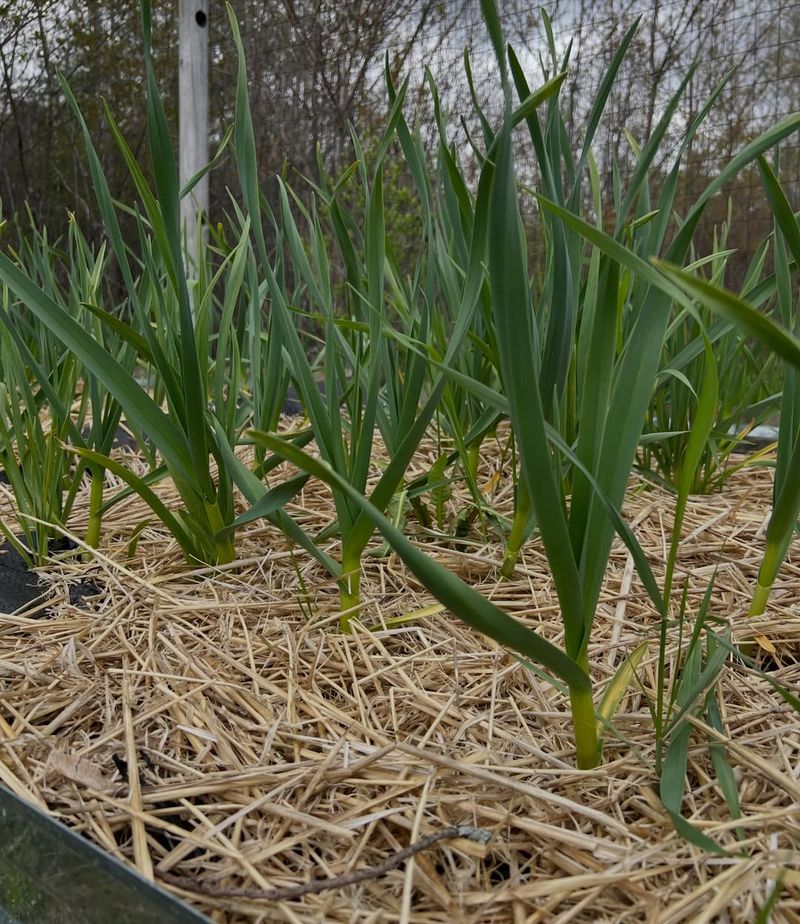
Knowing what healthy garlic looks like takes the guesswork out of the season. Your plants will tell you a lot if you know what to look for.
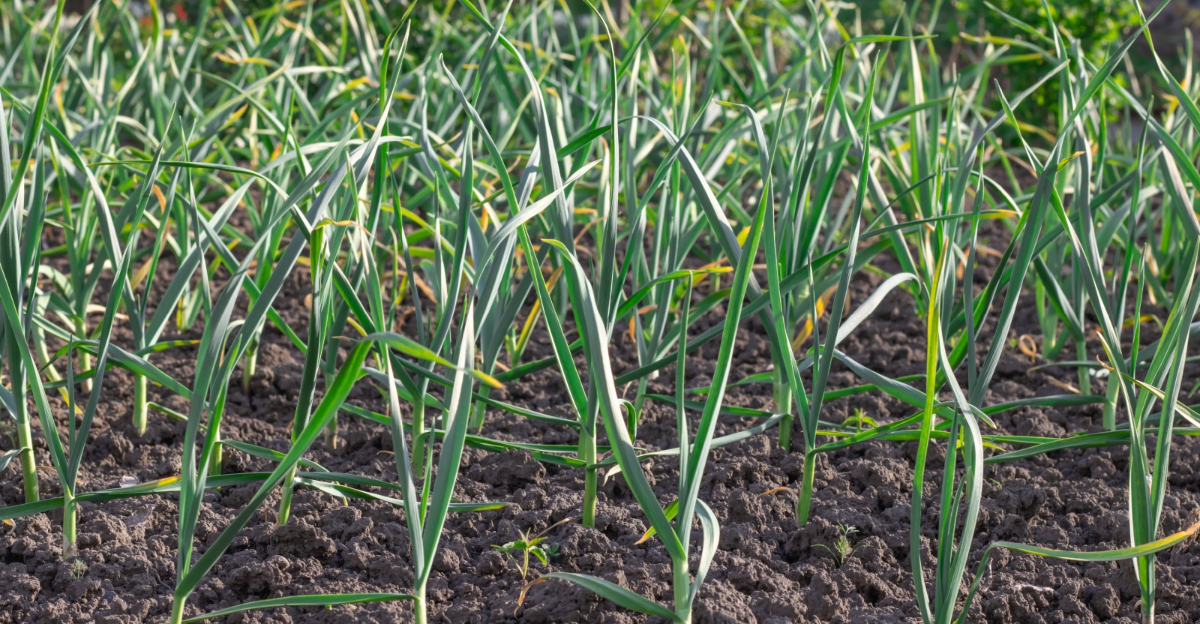
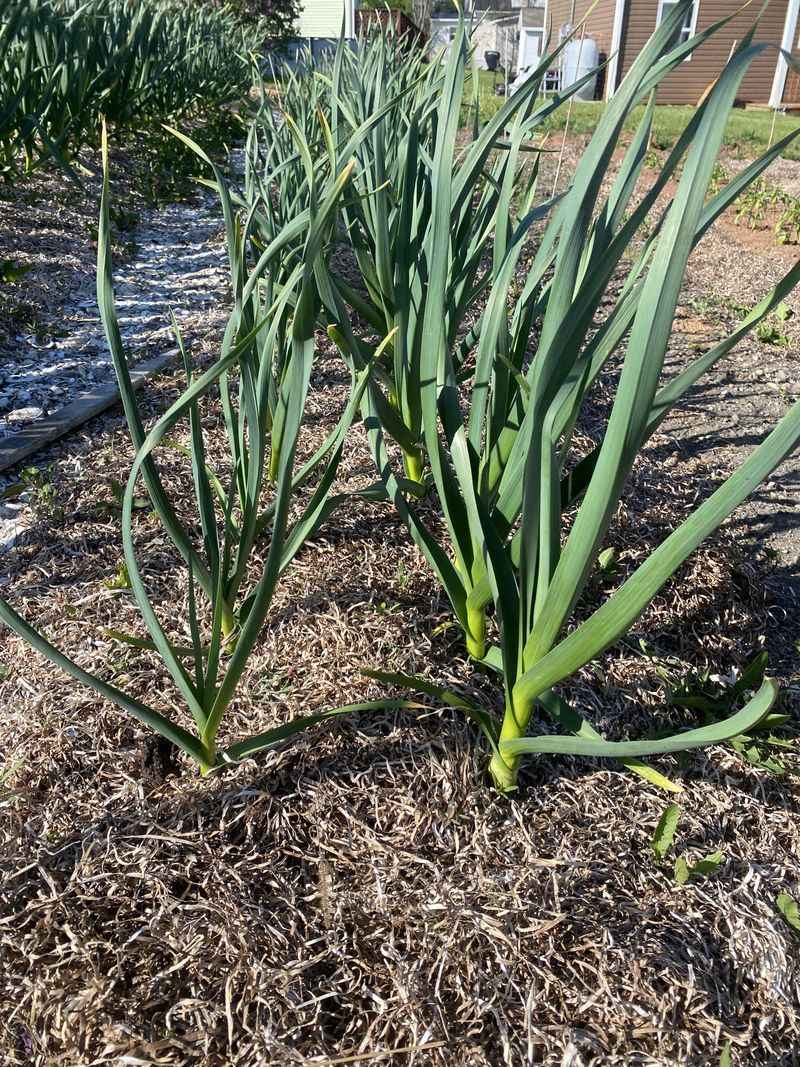
Strong, upright green leaves are the clearest sign things are going well. Each leaf represents a wrapper layer on the bulb underground.
More healthy leaves generally means a better-formed bulb at harvest.
By late spring, a well-established plant should have six to eight healthy leaves. That number suggests the bulb is developing properly and the plant has enough stored energy to carry it through to fall.
Steady, even growth across all your plants is another good sign. If some plants look noticeably smaller than others, that can point to uneven soil conditions, pest pressure, or inconsistent watering.
Some yellowing of the lower leaves as summer approaches is completely normal. The plant is shifting energy away from foliage and into final bulb development.
It is not a problem.
Squeeze the base of the stem gently near the soil line. It should feel firm and slightly swollen.
That firmness tells you the bulb is sizing up and the outer wrapper is forming as it should.
Learning to read these cues keeps you from harvesting too early or waiting too long. Both mistakes affect quality.
Your plants are giving you the information. You just have to pay attention.
Timing Mistakes Cost Illinois Gardeners Their Best Yields
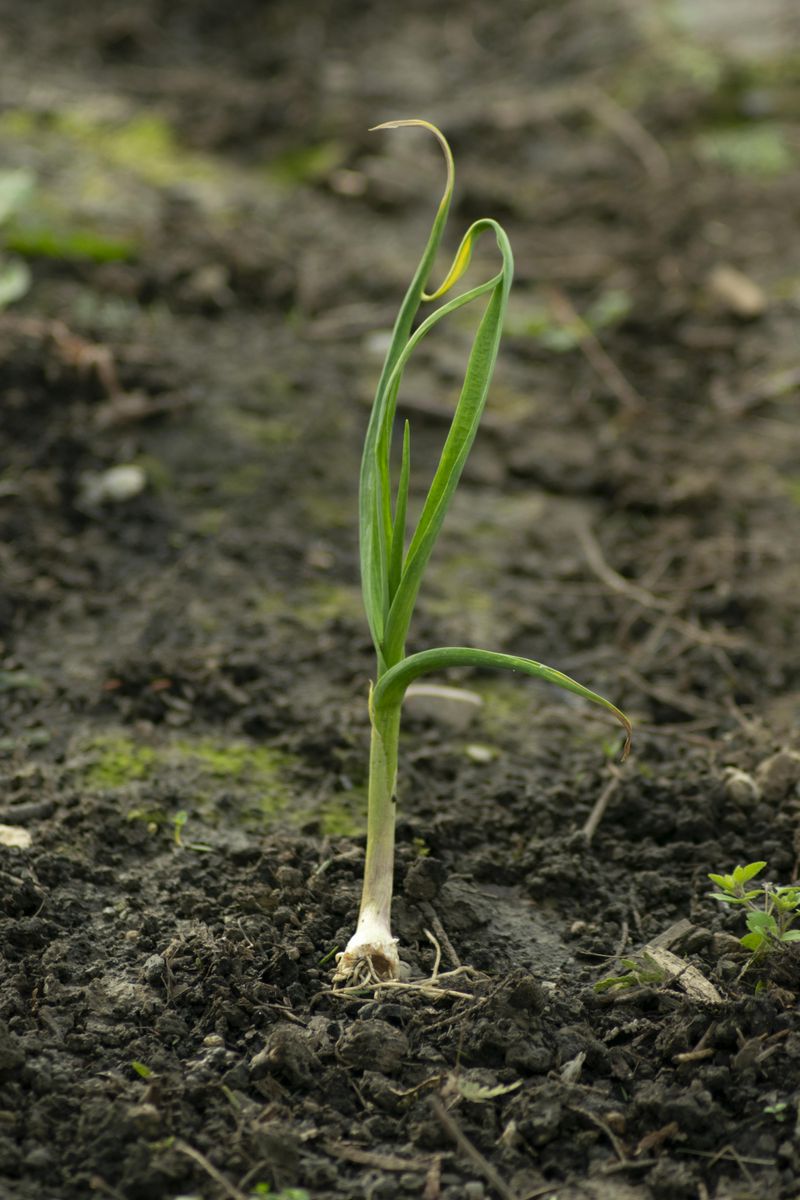
Timing errors are one of the most common reasons Illinois gardeners walk away from their garlic beds feeling let down. The good news is that most of these mistakes are completely avoidable once you know what to watch for.
Planting too late is the most common mistake. Cloves that go in the ground in November or later do not have enough time to build strong roots before frost.
The result is weak plants and undersized bulbs.
Planting too early brings its own problems. Warm September soil can stress newly planted cloves before they get a chance to root, especially in drought years when soil temperatures stay high longer than usual.
Harvesting before the plant is ready costs you storage life. Pulling bulbs while too many green leaves are still standing means the outer wrapper has not finished forming.
Those bulbs deteriorate fast.
Waiting too long creates the opposite problem. Overripe bulbs start splitting their wrappers underground, exposing individual cloves and cutting storage life short once you bring them inside.
Ignoring your local frost dates is a planning mistake that catches beginners off guard. Every zone in Illinois has a slightly different frost calendar.
Using the wrong date can throw your entire planting schedule off by weeks.
Staying aware of these common timing pitfalls puts you ahead of most home growers, and it means your October planting delivers exactly the harvest you have been working toward all season long.