Plants For Privacy Missouri Homeowners Are Choosing Over Arborvitae
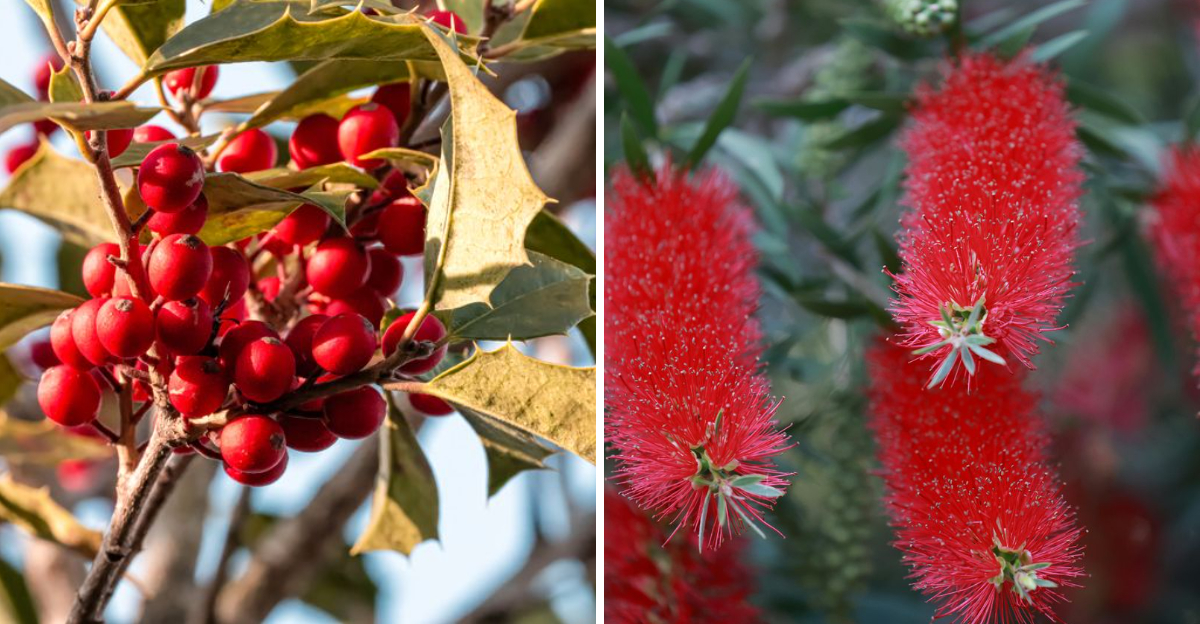
Arborvitae used to be the go-to privacy screen for Missouri yards. But those tall green columns struggle in the Show-Me State’s humid summers, heavy clay soils, and unpredictable winters.
Homeowners are waking up to a hard truth.
There are better options out there. Plants that thrive here naturally, look stunning through every season, and actually hold up without constant babysitting.
From glossy hollies to frothy hydrangeas, Missouri gardeners are building living walls that outperform arborvitae in every way. And many of these plants bring something arborvitae never could.
1. Nellie Stevens Holly
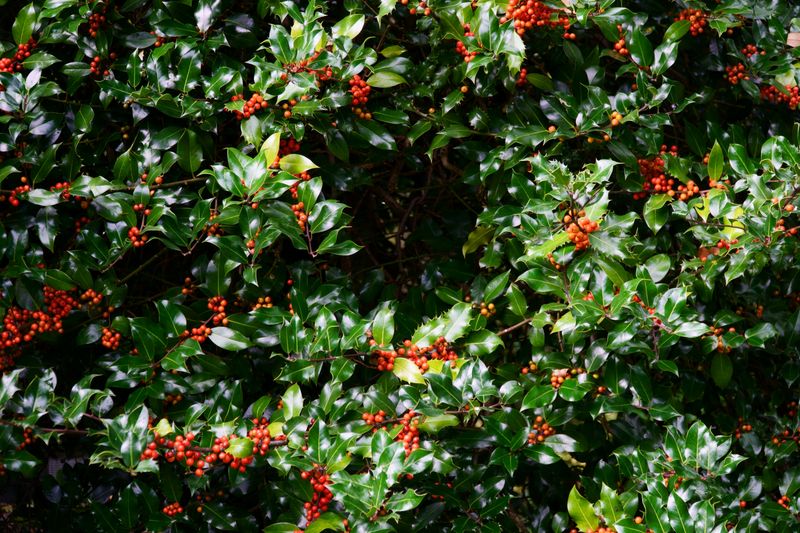
Walk past a Nellie Stevens Holly hedge and you will immediately understand the hype. The leaves are so dark and glossy they almost look lacquered, and the bright red berries add a punch of color that arborvitae simply cannot match.
This evergreen holly grows fast, sometimes two to three feet per year under ideal conditions in its early years. That kind of speed makes it one of the top privacy plants Missouri homeowners reach for when they want results without waiting a decade.
It handles heat, humidity, and clay soil like a champ. Nellie Stevens is generally considered more resistant to bagworms and spider mites than arborvitae, which saves a lot of frustration during Missouri summers.
Plant them six to eight feet apart and they will knit together into a solid wall within a few seasons. The pyramidal shape naturally stays tidy without heavy pruning, which means less weekend work for you.
Birds absolutely love the berries, so you get privacy and a little wildlife action in one package. The dense branching structure also blocks wind effectively, making it a smart choice for exposed corners and open backyards.
Full sun to partial shade works fine for this plant, giving homeowners flexibility in tricky spots. Once established, it is surprisingly drought tolerant, needing only occasional deep watering during dry stretches.
If you have been burned by arborvitae turning brown in the middle of a hedge, Nellie Stevens Holly is worth a serious look.
2. Evergreen Viburnum
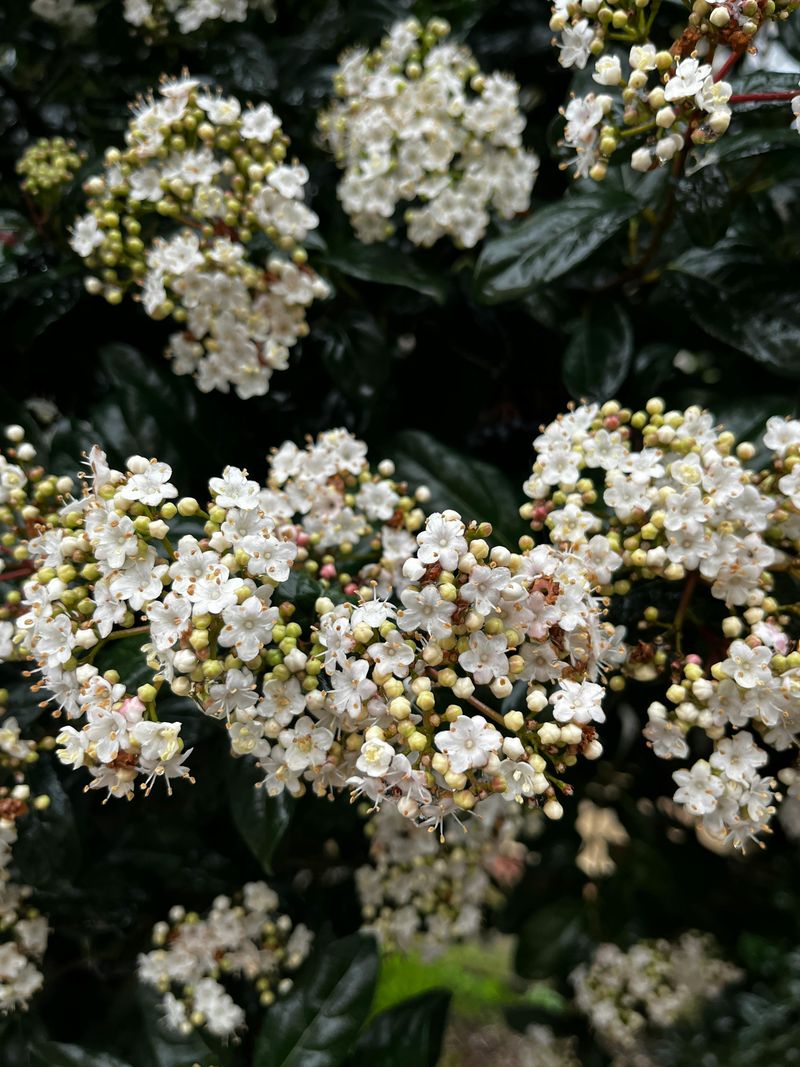
Most people overlook viburnum for privacy screens, and that is a mistake. Evergreen viburnum brings thick, leathery foliage that stays on the plant through winter.
You get year-round coverage without the finicky behavior of arborvitae.
Viburnum rhytidophyllum, sometimes called leatherleaf viburnum, is one of the toughest options in this region. The leaves have a deeply textured, almost wrinkled surface.
It gives the hedge a bold, architectural look. You won’t find anything quite like it in the neighborhood.
It handles shade better than most privacy shrubs, making it a great solution for north-facing fence lines or spots under large trees. Few plants can claim that kind of flexibility while still providing dense screening.
Spring brings clusters of creamy white flowers that attract pollinators by the dozens. Come fall, the berries shift from red to glossy black, adding seasonal interest that a plain green wall of arborvitae never could.
Growth rate is moderate, reaching eight to ten feet tall at maturity. Spacing plants four to five feet apart creates a full, overlapping screen within two to three growing seasons.
Your Missouri Garden Changes Every Week. Your Plan Should Too.
Gardening in Missouri changes quickly throughout the season. Every Friday you’ll receive a simple weekly plan showing exactly what to plant, prune, fertilize, harvest, and protect so you never miss the right timing.
One underrated quality is its tolerance for clay-heavy soils, which are common across much of the state. Amending with compost at planting time helps it get established faster, but it will not throw a fit if conditions are less than perfect.
Evergreen viburnum rewards patient gardeners with a screen that looks better every single year.
3. Fringe Tree
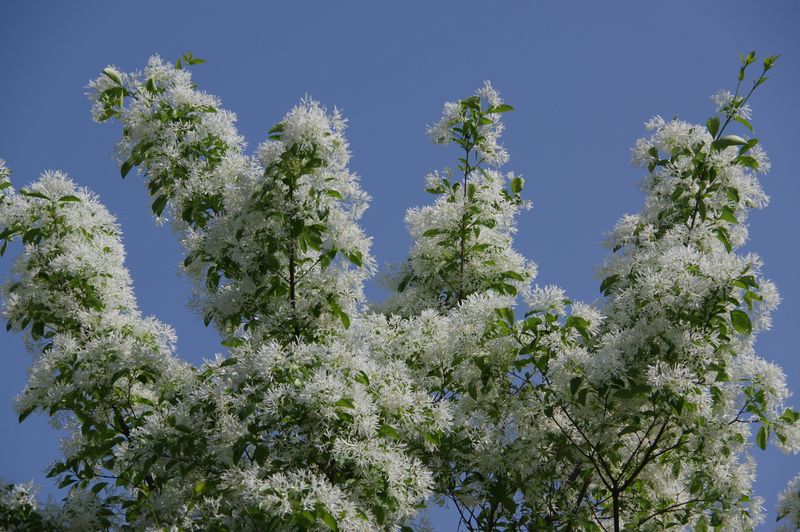
No plant in the Midwest puts on a spring show quite like the fringe tree. When it blooms in late April or May, the branches disappear beneath a cloud of wispy, snow-white flowers that look like they belong in a fairy tale.
Chionanthus virginicus is native to the eastern United States and thrives in Missouri’s climate without any fussing. Its deep roots make it notably tolerant of summer drought once it settles in, which is a major advantage over shallow-rooted arborvitae.
The fringe tree grows as a large shrub or small tree, typically reaching twelve to twenty feet tall. That height makes it useful for screening second-story windows or blocking sightlines from elevated neighbors and nearby roads.
Fall foliage turns a clean, buttery yellow that adds warmth to the landscape right when everything else starts looking tired. Female plants also produce small, olive-like fruits that songbirds find irresistible through the colder months.
It prefers moist, well-drained soil and full sun to light shade. Planting near a rain garden or low-lying area of the yard gives it the moisture it loves while solving a drainage problem at the same time.
Fringe tree grows slowly in its first year while establishing roots, then picks up pace considerably. A little patience early on pays off with a stunning, long-lived plant that requires almost no maintenance once settled.
For homeowners who want privacy plants Missouri locals rarely expect, this native gem is hard to top.
4. Serviceberry
Serviceberry might be the most underestimated plant in the entire Midwest. It blooms first in spring, feeds birds all summer, blazes orange-red in fall, and still manages to look graceful in winter with its smooth gray bark and arching branches.
Amelanchier species are native across much of North America, and they are perfectly tuned to survive Missouri’s wild temperature swings. Late freezes that damage arborvitae rarely faze a well-established serviceberry.
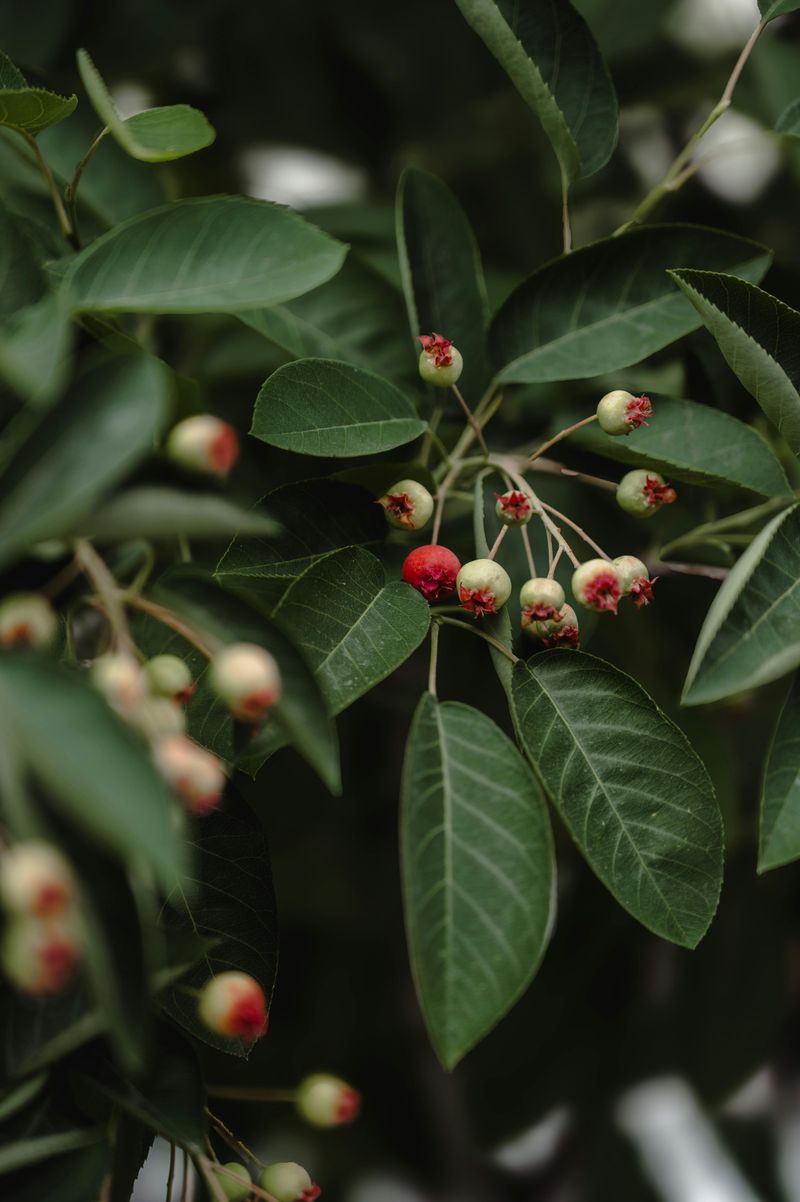
The berries ripen in early summer and taste surprisingly sweet, almost like a blueberry with a hint of almond. Plenty of homeowners plant them along the back fence specifically to enjoy fresh handfuls while doing yard work.
Multi-stem forms grow eight to fifteen feet tall, creating a soft, natural-looking screen that blends beautifully with other plantings. Unlike the rigid geometry of arborvitae rows, serviceberry hedges look like they belong to the landscape.
Birds are obsessed with the fruit, and cedar waxwings, robins, and catbirds will visit in flocks during peak ripening. That kind of wildlife activity turns a simple privacy planting into a genuine backyard experience.
It adapts to a wide range of soil conditions, from sandy loam to moderate clay, and tolerates both full sun and partial shade. Watering regularly during the first growing season helps roots spread quickly.
Once established, serviceberry is low maintenance and surprisingly long-lived. Few privacy shrubs offer this much seasonal interest packed into one plant.
5. Panicle Hydrangea
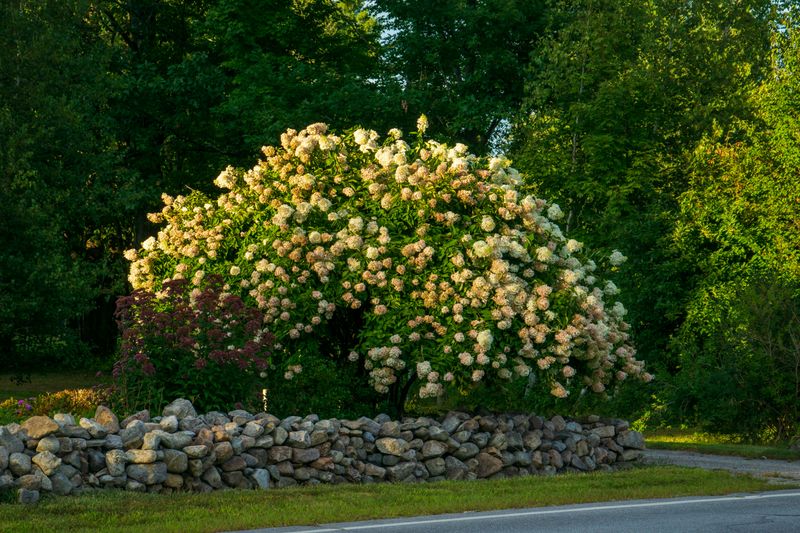
Imagine a privacy screen that blooms from midsummer straight through fall. That is exactly what panicle hydrangea delivers, and it is one big reason privacy plants Missouri gardeners love are shifting away from plain green walls.
Hydrangea paniculata is tougher than most people expect from a hydrangea. It blooms on new wood, so even if a hard winter knocks it back, it recovers fast and still puts on a full show the same season.
The flower heads start white in July, then slowly blush pink and eventually deepen to burgundy as temperatures drop. That color shift over several months keeps the hedge looking fresh and interesting long after other plants have gone quiet.
Varieties like Limelight and Tardiva can reach eight to fifteen feet tall with a spread to match. Planted four to six feet apart, they create a dense, flowering wall that blocks views while adding serious curb appeal.
Panicle hydrangea thrives in full sun and handles Missouri heat far better than the bigleaf varieties that wilt and sulk in direct afternoon light. A sunny south or west exposure that would stress arborvitae is actually ideal for this plant.
Pruning in late winter keeps the form tidy and encourages larger blooms the following season. Even without pruning, the dried flower heads hold their shape through winter, adding texture when everything else looks bare.
For a flowering privacy hedge that earns compliments from neighbors, this is the one to plant.
6. Bottlebrush Buckeye
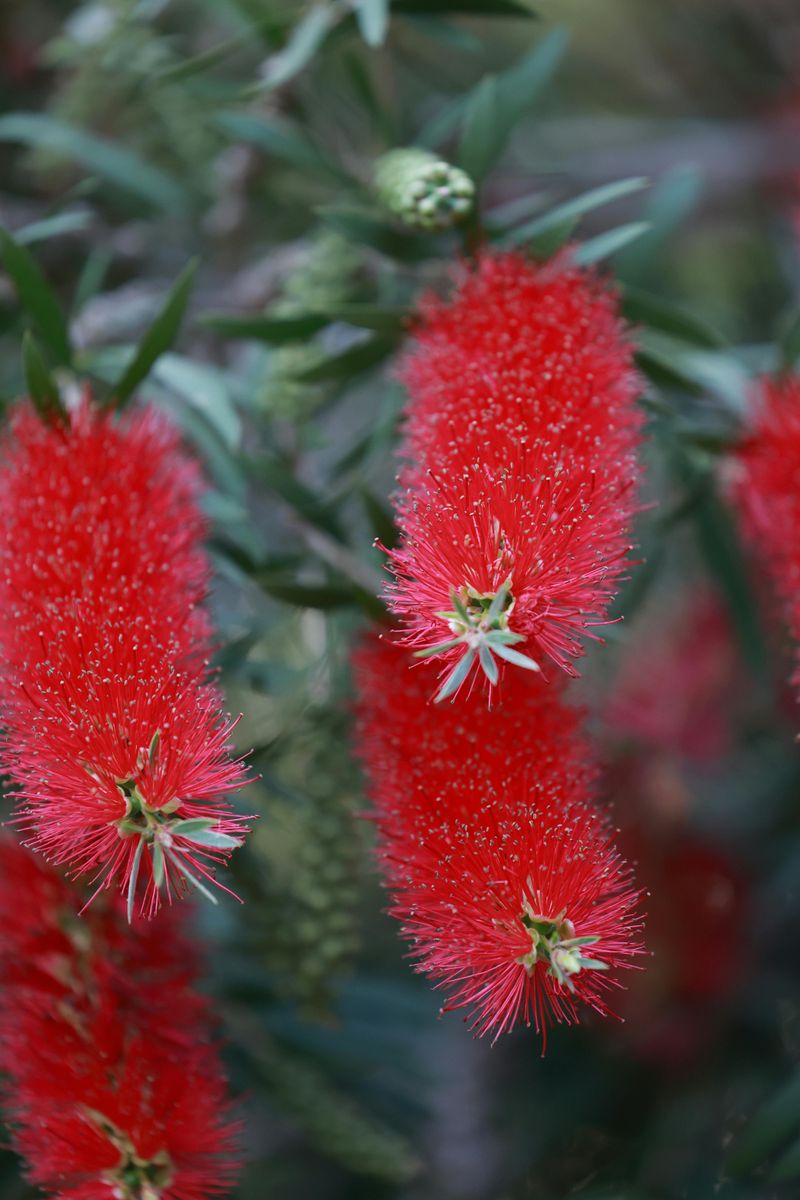
Image Credit: © Andy Lee / Pexels
Bold, tropical-looking foliage in a plant that survives Missouri winters. That is the Bottlebrush Buckeye in a nutshell, and it turns heads every single time.
Aesculus parviflora spreads slowly by suckering, forming a wide colony that creates dense screening. Along long fence lines, that spreading habit is a feature, not a flaw.
In early summer, it erupts in tall white flower spikes that look exactly like giant bottlebrushes. Each spike can reach twelve to eighteen inches long, one of the most dramatic bloom displays of any shade-tolerant shrub in the region.
The large, compound leaves give it a lush, almost tropical texture that makes the yard feel like a private retreat. Come fall, those leaves turn a clear, golden yellow before dropping cleanly without much mess.
Shade tolerance is one of its biggest advantages. It thrives under tall trees where most privacy shrubs struggle to survive, filling in those difficult north-facing or heavily shaded spots with ease.
Mature plants reach eight to twelve feet tall and can spread even wider over time. The suckering growth habit means the hedge fills gaps on its own, requiring less replanting and fewer replacements over the years.
Deer tend to leave it alone, which is a significant bonus for yards near wooded areas or open fields. Bottlebrush buckeye grows better with each passing year, rewarding long-term thinking over quick fixes.
For Missouri homeowners playing the long game, it is one of the most rewarding fence-line plants on this list.
7. Eastern Red Cedar
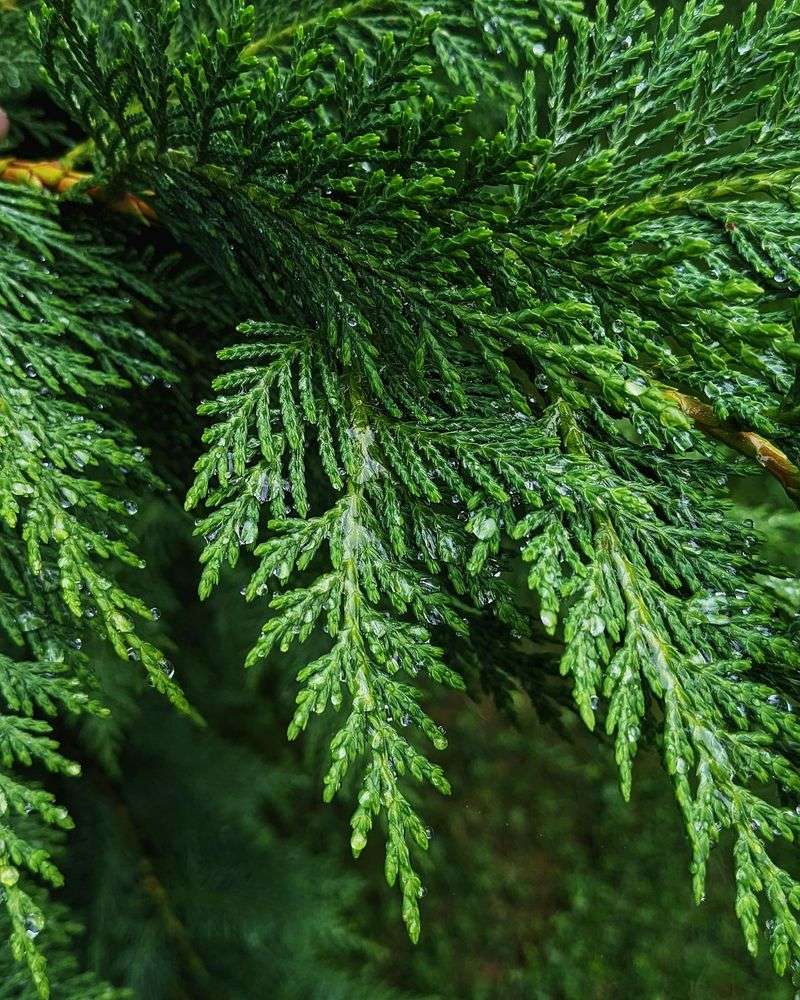
Eastern red cedar is the original Missouri privacy tree. It has been earning its place in the landscape long before arborvitae ever showed up at the garden center.
Juniperus virginiana grows naturally across the state. That means it is already perfectly adapted to the soil, climate, and rainfall patterns here..
It handles brutal summer heat, ice storms, and heavy clay with equal indifference. Few plants are this bulletproof, and that toughness is exactly why it is making a comeback in residential yards.
The dense, blue-green foliage provides year-round screening from the moment it is planted. As the tree matures, it develops attractive reddish-brown bark that peels in thin strips, adding visual texture that flat-sided arborvitae rows simply cannot offer.
Cedar waxwings, bluebirds, and mockingbirds flock to the small, waxy blue berries in late fall and winter. Planting a row of eastern red cedar along the back fence essentially builds a wildlife corridor right in your own yard.
Growth rate is moderate, averaging one to two feet per year under average conditions. Trees can reach thirty to forty feet at maturity, making them one of the tallest natural screening options available without going to a full-size tree species.
Columnar forms like Taylor or Emerald Sentinel stay narrow and upright, fitting easily into tight spaces. Spacing them four to six feet apart creates a solid screen within five to seven years.
Eastern red cedar proves that sometimes the best plant for the job was already growing here all along.
8. American Holly
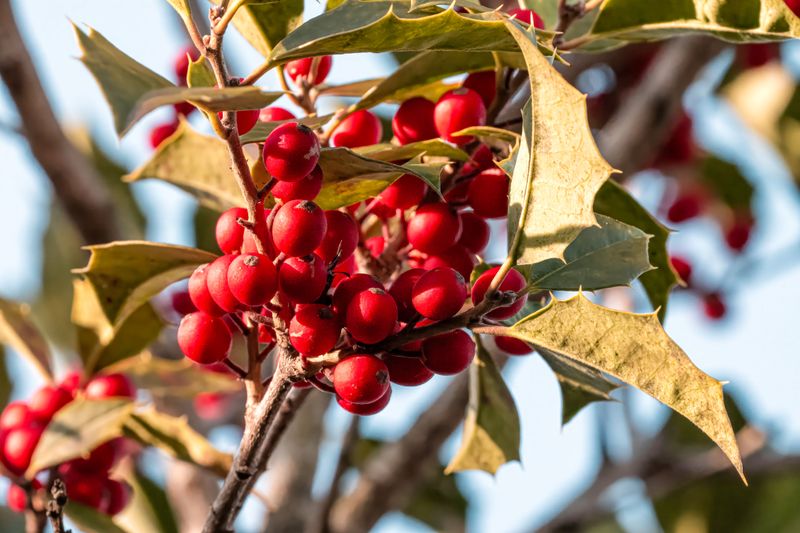
Image Credit: © David Kanigan / Pexels
Few plants look as sharp in the winter landscape as American holly. When every other shrub has gone bare, Ilex opaca stands tall with glossy, spine-tipped leaves and brilliant red berries.
This native tree can reach thirty to fifty feet tall, but it grows slowly enough to stay manageable for most residential yards. Its naturally pyramidal shape needs almost no pruning.
American holly stays full and dense from the ground up through its entire life. Unlike arborvitae, which can thin out at the base over time, holly just keeps delivering.
The berries are a critical winter food source for dozens of bird species, including cedar waxwings, robins, and hermit thrushes. Planting both a male and female holly ensures reliable berry production every season.
It adapts well to a range of soil conditions, preferring slightly acidic, well-drained soil but tolerating moderate clay with proper amendments. Mulching the root zone helps retain moisture and keeps soil temperatures stable through Missouri’s unpredictable winters.
Full sun produces the densest growth and heaviest berry crops. But American holly handles partial shade without complaint.
Established plants are remarkably drought tolerant, needing supplemental water only during extended dry spells in the first two years. American holly is a legacy plant, one you plant for yourself and leave behind for the next generation to enjoy.