Give Your Petunias Bigger Blooms With These New Jersey Watering Tips
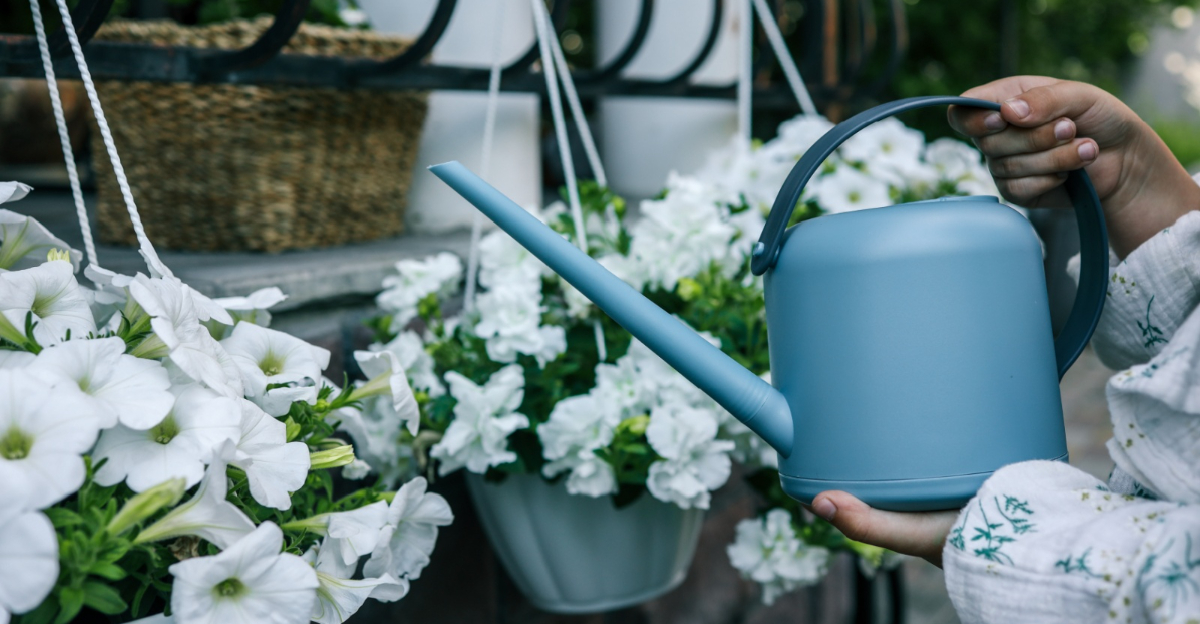
Petunias bring pure joy to any garden, painting the world in vivid pinks, purples, and whites from late spring straight through fall. Getting their watering right, however, separates a flourishing display from a struggling one.
New Jersey gardeners face a particular challenge: summers here shift unpredictably between steamy heat waves and unexpected dry stretches, leaving petunias vulnerable if you are not paying close attention.
The good news is that a few smart habits can change everything. Container-grown petunias dry out faster than those in garden beds, so each situation calls for a slightly different approach.
Checking the soil regularly, watering deeply rather than lightly, and adjusting for the season all make a meaningful difference. Once you find your rhythm, tending petunias across New Jersey becomes less guesswork and more pleasure.
Bold, vibrant blooms will carry your garden forward, putting on a spectacular show all the way to the first frost. Why not give your petunias exactly what they need to shine all season long?
Water In The Morning For Maximum Bloom Power
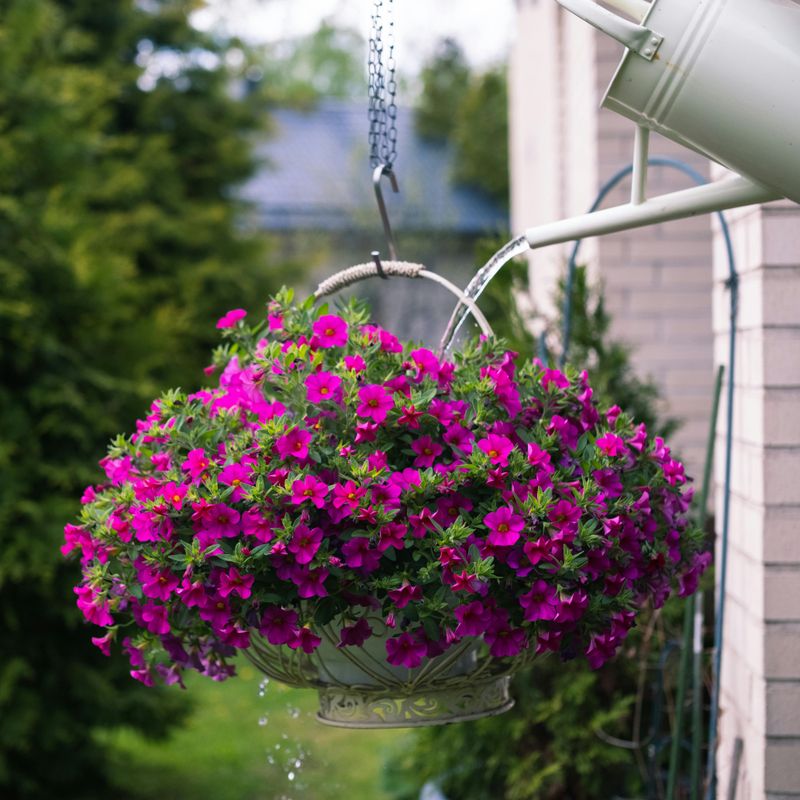
Most gardeners water whenever they remember, but timing actually changes everything for petunias. Morning is one of the best times to water your petunias.
When you water early, the soil soaks up moisture before the afternoon sun has a chance to burn it off.
The leaves and stems have time to dry out completely before evening, which cuts down on mold and fungal problems that love damp, cool conditions overnight.
In New Jersey, summer mornings can already feel warm by eight o’clock, so aiming for sunrise or just after gives your plants a cool, refreshing drink right when they need it most.
Think of it like breakfast for your flowers. A solid morning drink fuels the whole day of blooming.
Petunias that get consistent morning hydration tend to produce more flowers and hold their color longer than those watered at random times.
If you skip a morning here and there, do not panic. Just avoid watering late at night, which leaves roots sitting in soggy soil for hours.
Build the morning habit, and your petunias will reward you with color that stops neighbors in their tracks.
Check The Soil Before Watering With The Finger Test
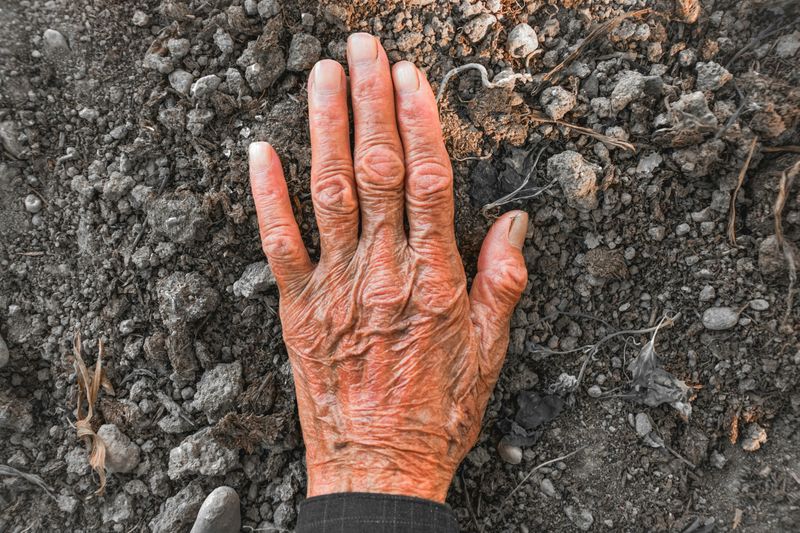
Overwatering petunias is a surprisingly common issue, and it can damage blooms just as quickly.
Before you reach for the hose, stick your finger about one inch into the soil near the base of your petunia plant. If the soil feels moist and cool, hold off.
If it feels dry and crumbly, it is time to water. This simple finger test takes about three seconds and saves you from the two biggest petunia mistakes: soggy roots and bone-dry stress.
Container petunias dry out faster than those planted in garden beds, so check pots daily during warm stretches.
Garden bed petunias typically need checking every couple of days unless rain has been generous.
New Jersey summers can be unpredictable, swinging from a week of rain to ten days of dry heat without much warning. The finger test keeps you honest regardless of what the weather app says.
Your New Jersey Garden Changes Every Week. Your Plan Should Too.
Gardening in New Jersey changes quickly throughout the season. Every Friday you’ll receive a simple weekly plan showing exactly what to plant, prune, fertilize, harvest, and protect so you never miss the right timing.
It also trains your instincts over time. After a few weeks, you will start to notice how the soil looks and feels at each stage, and you will water with real confidence instead of guessing.
Trust your finger more than the calendar, and your petunias will thank you with non-stop color.
Water More During New Jersey Heat Waves To Prevent Wilting
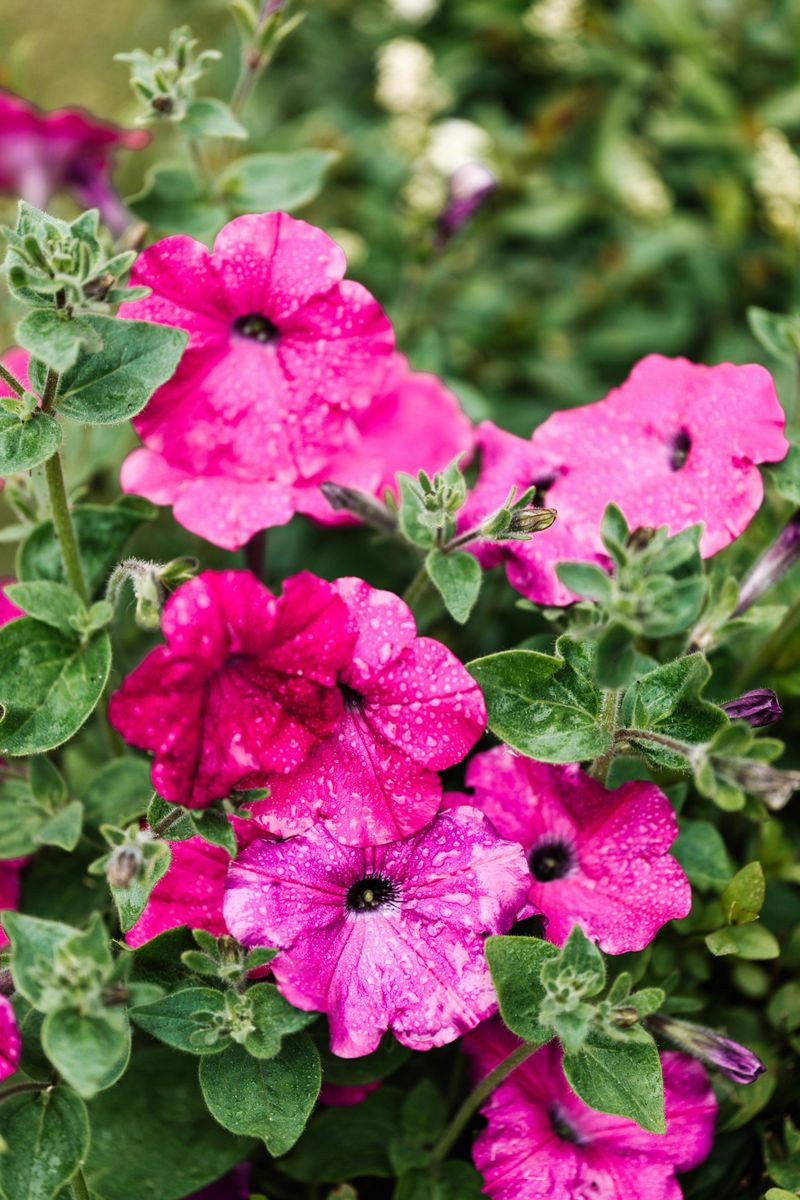
When temperatures in New Jersey climb past 90 degrees for days in a row, your petunias are working overtime just to survive. Heat waves pull moisture out of the soil and out of the plant itself at a surprisingly fast rate.
During those intense heat periods, water once in the morning and again in the early evening to keep them from wilting into limp, faded shadows of themselves.
Watch for the early signs of heat stress: drooping stems, curling leaves, or flowers that close up and refuse to open.
These signals mean your plant is already struggling, so act fast and give it a deep, slow drink.
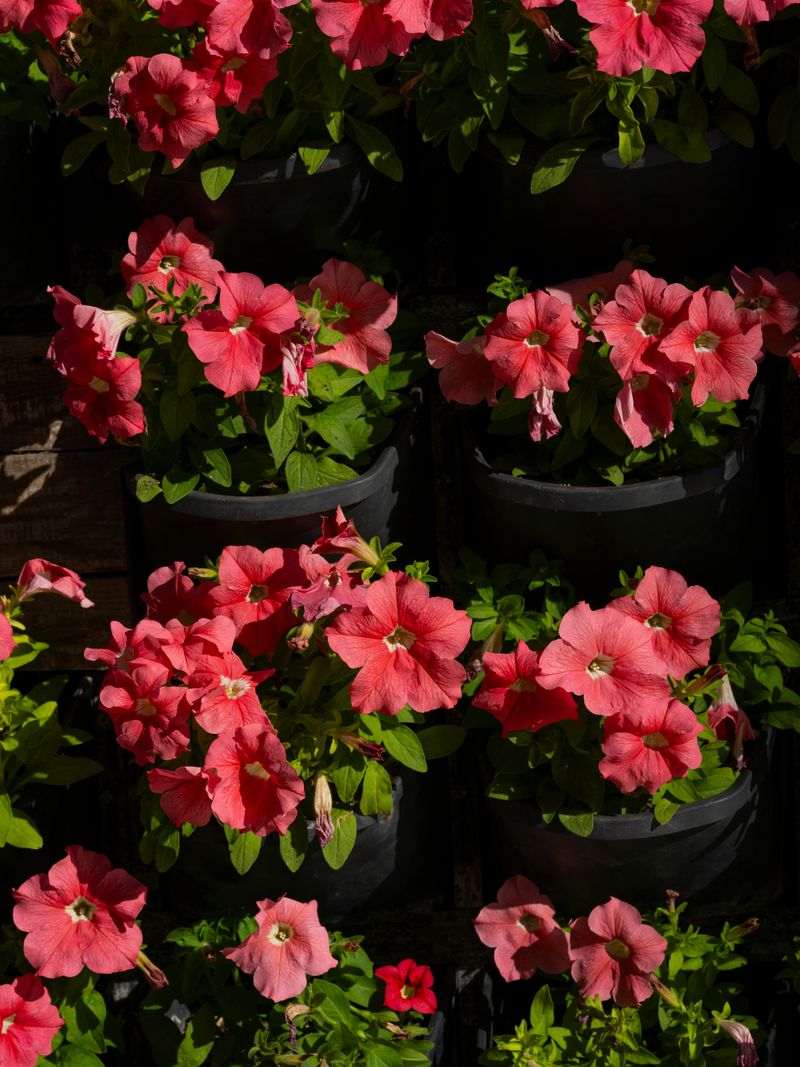
Container petunias are especially vulnerable during heat waves because darker or metal pots can absorb significant heat from the sun and warm the roots from the outside in.
Moving pots to a spot with afternoon shade during extreme heat can buy your plants some relief.
Garden bed petunias have more insulation from the ground, but they still need extra attention when the thermometer spikes.
A little extra water during a heat wave is the kindest thing you can do for your blooms, and it keeps the color show going strong all summer.
Water At The Base, Not Overhead, For Healthier Plants
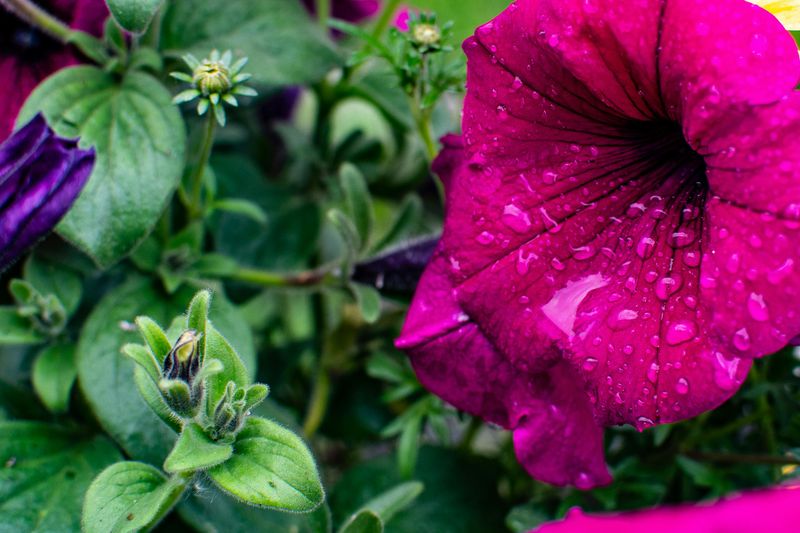
Splashing water all over the leaves and blooms of your petunias feels satisfying, but it is actually one of the fastest ways to invite disease and damage.
Wet petals can increase the risk of botrytis, a gray mold that spreads quickly in humid conditions, which is something New Jersey summers have plenty of.
Directing water straight to the base of the plant means the roots get exactly what they need without the foliage getting soaked.
A simple watering wand with a long handle makes this easy, letting you reach under the canopy of leaves and deliver water right to the soil surface.
Overhead sprinklers might seem convenient, but they waste water through evaporation and leave your petunias looking beaten up after a heavy spray session.
Flowers that stay dry last longer on the plant, which means more color for a longer stretch of the season.
This technique also helps you use less water overall, since you are not spraying it into the air or onto surfaces where it does no good. Aim low, go slow, and let the soil drink steadily.
Once you switch to base watering, you will notice fewer brown spots on leaves and blooms that hold their shape and vibrancy much longer.
Water Deeply And Thoroughly To Build Strong Roots
Shallow watering is a trap that too many gardeners fall into without realizing it. When you give your petunias just a quick sprinkle, only the top layer of soil gets wet, and the roots stay dry just an inch or two below the surface.
Over time, roots chase that surface moisture and never grow deep, which makes the whole plant fragile and prone to wilting the moment conditions get tough.
Deep watering means you soak the soil until moisture reaches at least six inches down, encouraging roots to stretch downward where temperatures stay cooler and more stable.
A slow, steady stream held in one spot for thirty to sixty seconds per plant is far more effective than a fast sweep across the whole bed.
You can test whether you have watered deeply enough by pushing a wooden skewer or pencil into the soil after watering. If it comes out damp several inches down, you nailed it.
Deep-rooted petunias are tougher, more heat-tolerant, and produce more flowers over a longer season.
Think of each deep watering session as an investment in your plant’s future strength. Give them a reason to grow down, and they will reward you by growing up beautifully.
Use Drip Irrigation Or A Soaker Hose For Consistent Moisture
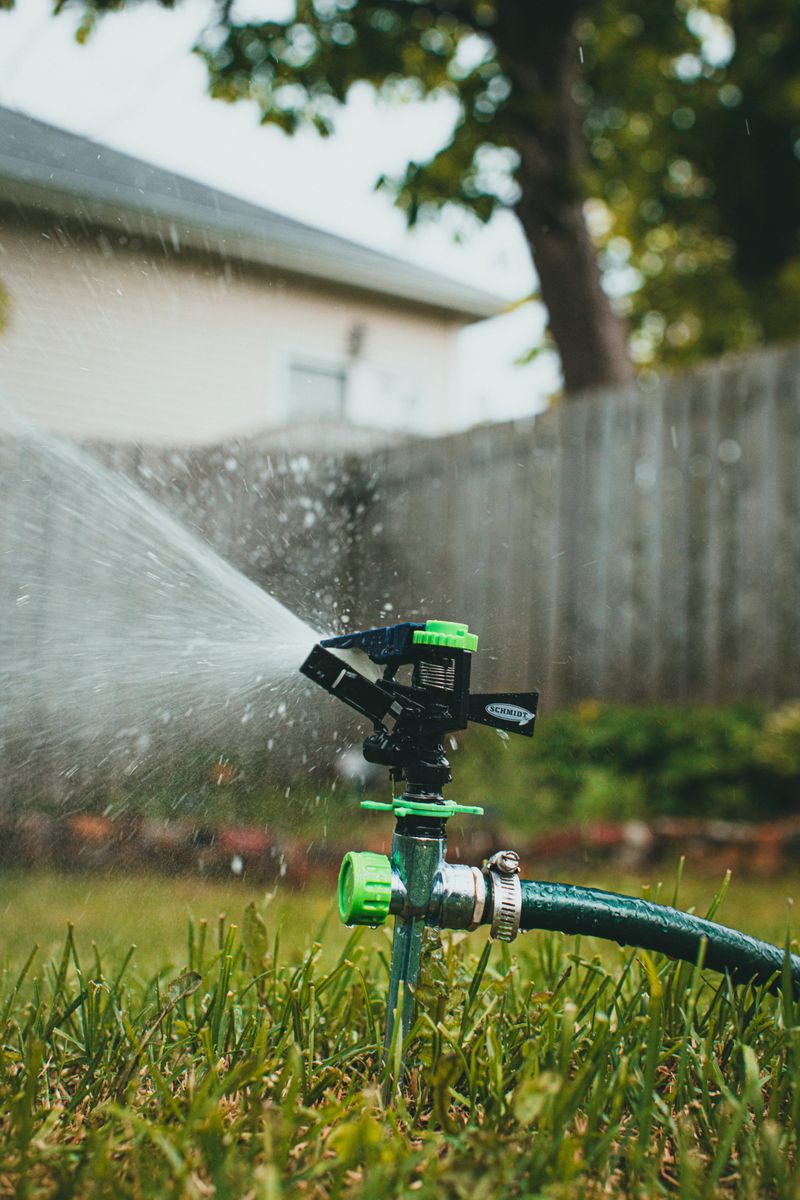
If you prefer a more hands-off approach, there is a smarter way to keep petunias hydrated. Drip irrigation and soaker hoses deliver water slowly and steadily right at the root zone, which is exactly where petunias need it most.
These systems reduce water waste dramatically by skipping the leaves and flowers entirely and sending moisture straight into the soil.
A soaker hose is especially affordable and easy to set up. Just wind it through your garden bed, connect it to an outdoor spigot, and let it run for thirty to forty-five minutes.
Pairing a soaker hose with a simple timer means your petunias get watered at the same time every morning without you lifting a finger.
Drip irrigation systems are a step up in precision, with individual emitters placed near each plant for targeted delivery.
Both options help maintain consistent soil moisture, which is the secret to petunias that bloom continuously rather than in unpredictable bursts.
In a state where summer rainfall can be feast or famine, a reliable watering system takes the guesswork out of the equation entirely. Set it up once and spend the rest of the season simply enjoying the show.
Ensure Pots Have Drainage Holes To Avoid Root Rot
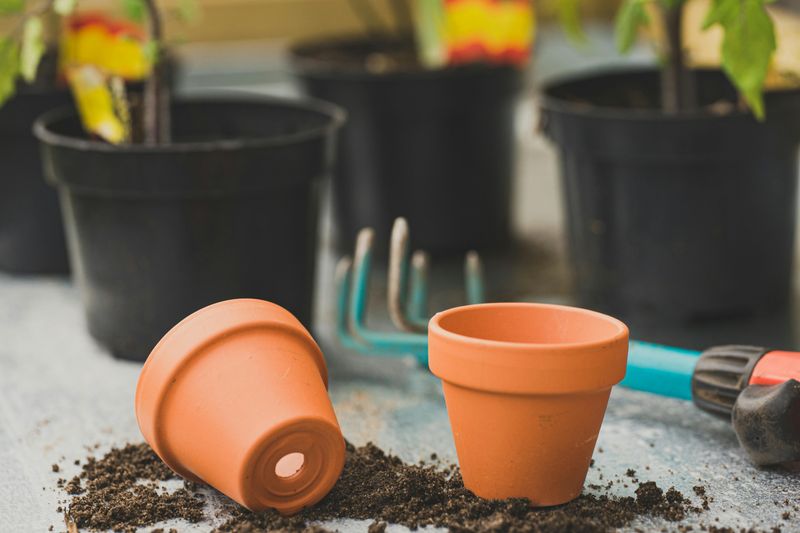
Standing water at the bottom of a pot is the silent enemy of every container petunia you have ever grown.
When water cannot escape, it pools around the roots and creates the perfect conditions for root rot, a fungal condition that damages healthy roots and creates conditions they simply cannot recover from.
Before planting petunias in any container, flip it over and check for drainage holes. If there are none, grab a drill and make some, or choose a different pot entirely.
Terracotta pots are a popular choice because they are porous and allow excess moisture to evaporate through the walls, giving roots a little extra breathing room.
Plastic pots hold moisture longer, which can be helpful in summer heat, but they absolutely need drainage holes to prevent waterlogging.
Placing a layer of coarse gravel or broken pottery pieces at the bottom of the pot before adding soil can help improve drainage even further.
Avoid placing saucers under pots that collect standing water for days at a time. Empty them after every watering session.
Healthy drainage keeps the roots oxygenated and active, which translates directly into more blooms and a longer-lasting display. Good drainage is essential.
It is the foundation every thriving petunia needs. One thing worth knowing: petunias are considered mildly toxic to dogs and cats, so if pets share your garden space, keep them from nibbling on the plants.
Add Mulch In Garden Beds To Lock In Moisture
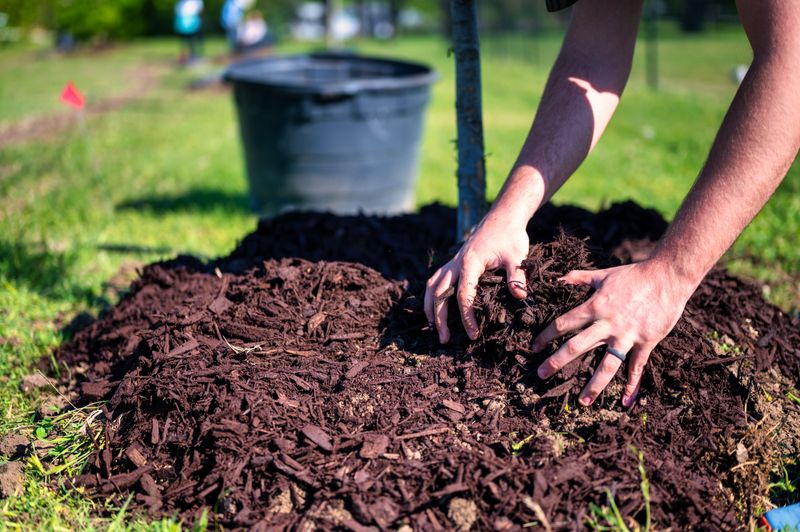
One of the easiest tricks experienced gardeners use is also one of the most underrated: mulch. Spreading a two to three inch layer of organic mulch around your petunias creates a barrier between the soil and the hot summer air, slowing down evaporation significantly.
In New Jersey’s warm summers, unprotected soil can lose a surprising amount of moisture within just a few hours of watering, especially during heat waves.
Mulch acts like a cozy blanket for your soil, keeping it cooler, moister, and more stable throughout the day.
Shredded bark, wood chips, and straw are all solid options that break down slowly and add organic matter to the soil over time.
Keep the mulch a couple of inches away from the base of each petunia stem to avoid trapping moisture directly against the plant, which can cause stem rot.
Beyond moisture retention, mulch also suppresses weeds that compete with petunias for water and nutrients.
Less weeding means more time admiring your blooms, which sounds like a pretty good trade.
Apply mulch right after a deep watering session to seal in that moisture before the sun gets a chance to pull it back out. Your petunias will stay hydrated longer, and you will water less often.
Pinch Off Wilted Blooms And Prune Regularly For Better Growth
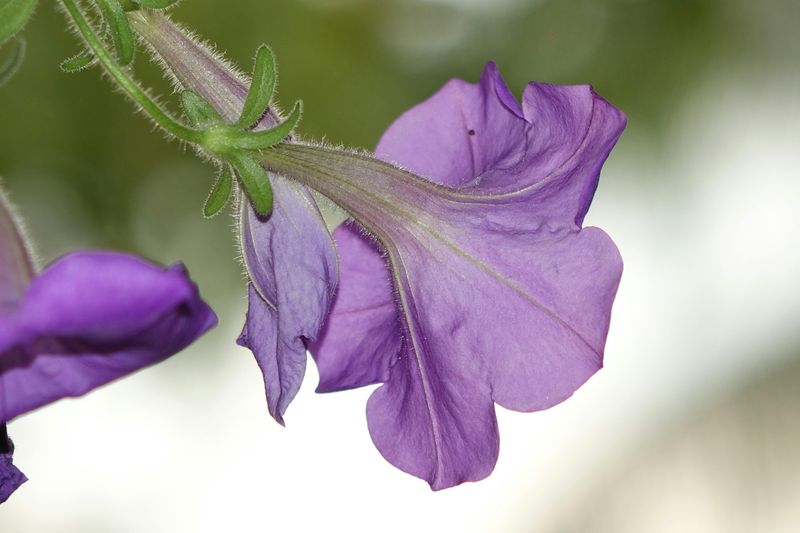
Spent blooms are not just unattractive. They are actively pulling energy away from the parts of your petunia that could be producing fresh new blooms.
Removing spent flowers by pinching or snipping them off redirects the plant’s resources toward making new buds instead of forming seeds from old ones.
Make it a habit to walk through your garden every few days with a pair of small scissors or just your fingertips and remove any blooms that have faded or shriveled.
Regular pruning goes one step further. If your petunias start to look leggy, with long bare stems and flowers only at the tips, trim them back by about one third.
This might feel drastic, but petunias bounce back from pruning with impressive speed, especially when paired with consistent watering.
After a good trim, give your plants a deep drink and a dose of fertilizer to fuel the regrowth. Within a week or two, you will see fresh stems and new buds pushing out from the base of the plant.
Petunias that are deadheaded and pruned regularly tend to stay compact, full, and colorful for the entire season rather than burning out by midsummer. A few minutes of grooming pays off in weeks of extra blooms.
Fertilize Alongside Watering To Supercharge Your Petunias
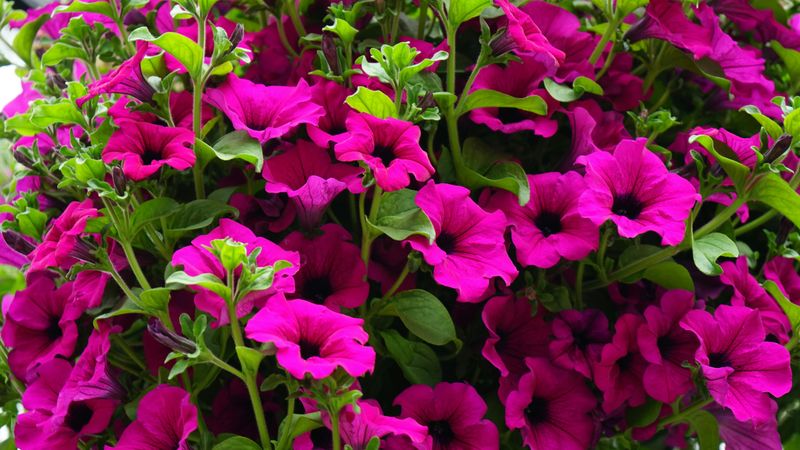
Petunias are heavy feeders, which means watering alone is not enough to keep them blooming at full power all season long.
Pairing your regular petunia watering routine with a balanced fertilizer is the combination that truly unlocks their potential.
Apply a water-soluble fertilizer with a balanced ratio of nitrogen, phosphorus, and potassium every one to two weeks, following your product’s instructions.
Nitrogen fuels leafy green growth, phosphorus supports strong root development and flower production, and potassium helps the plant handle heat and stress.
The best time to apply liquid fertilizer is right after watering, when the soil is already moist and ready to absorb nutrients without burning the roots.
Slow-release granular fertilizers are another option. Sprinkle them around the base of each plant at the start of the season and let them work gradually over several weeks.
Signs that your petunias need feeding include pale yellow leaves, small or sparse flowers, and stems that seem weak and floppy.
Consistent feeding alongside smart petunia watering in your garden is the dynamic duo that produces those bold, full, and colorful displays that last well into the season.
Feed them well, water them right, and your petunias will bloom like they have something to prove.