Michigan Gardeners Are Finally Getting More Zucchini By Doing These Things Differently
Zucchini has a reputation for being so productive that gardeners joke about leaving bags of it on neighbors’ porches anonymously. But talk to enough Michigan gardeners and you find a surprising number of them struggling to get a decent harvest.
The plants look healthy, the flowers show up, and then somehow the actual zucchini never quite materializes the way it should. Michigan’s shorter growing season adds some pressure to the situation, but that’s not usually the real problem.
The real problem tends to be a cluster of small habits and overlooked details that quietly work against production all season long.
Gardeners who started doing things differently are getting noticeably better results from the same amount of space, and the changes they made aren’t complicated.
Most of them wish someone had pointed this out a few seasons earlier.
1. Planting In Full Sun Instead Of Partial Shade
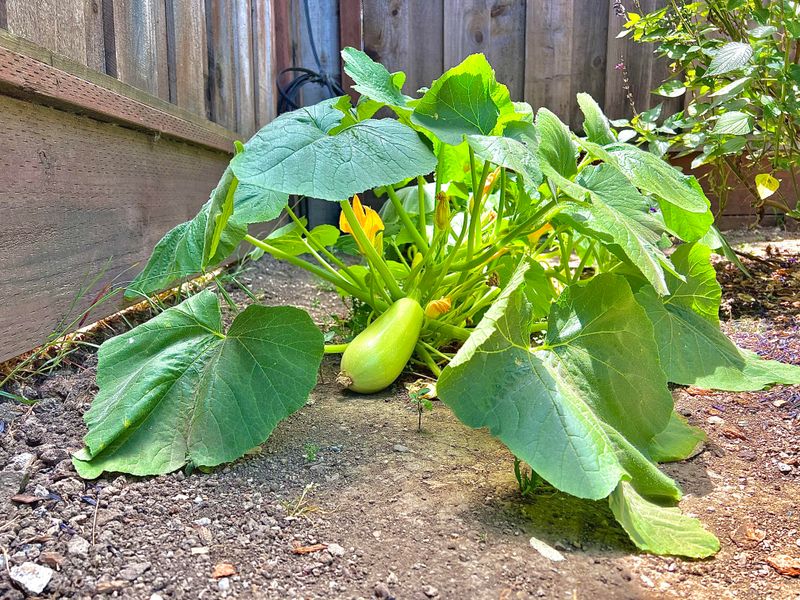
Sunlight is the engine behind every zucchini plant, and Michigan gardeners who finally moved their plants out of the shadows are seeing the difference right away.
Zucchini needs a minimum of six to eight hours of direct sunlight each day to produce fruit consistently.
Anything less and the plant shifts its energy toward growing leaves instead of setting fruit.
Partial shade might seem harmless, especially during hot summers, but it quietly works against you. Plants in shaded spots tend to grow tall and leggy, produce fewer flowers, and attract more disease because the foliage stays damp longer.
Full sun keeps the leaves dry and the plant focused on what you actually want: zucchini.
Before planting, spend a day watching how sunlight moves across your garden. Spots near fences, trees, or buildings can lose hours of valuable light without you realizing it.
A small shift of just a few feet can completely change how productive a plant becomes. Michigan summers are short, so every hour of sun your zucchini gets truly counts.
Give your plants the brightest spot available and they will reward you with a harvest worth bragging about all season long.
2. Watering Deeply Instead Of Frequently
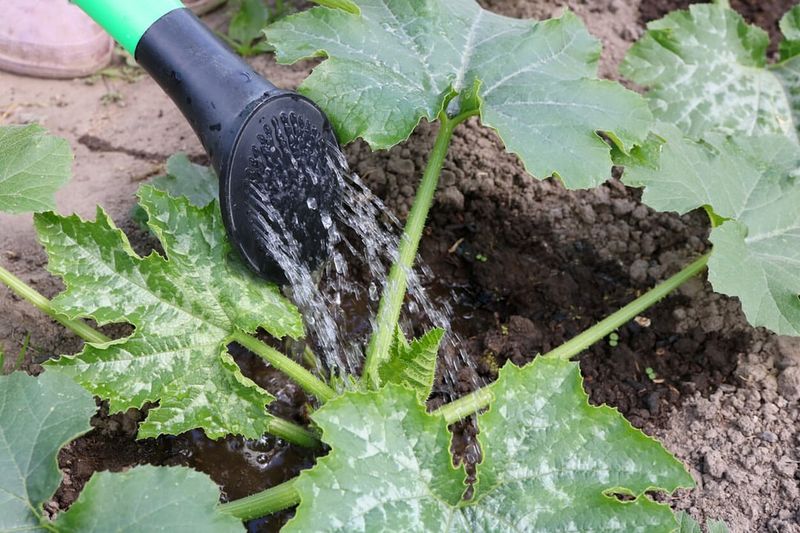
Shallow, frequent watering is one of the most common mistakes zucchini growers make, and it quietly limits how much fruit a plant can produce.
When water only reaches the top inch or two of soil, roots stay near the surface where they are vulnerable to heat and drought.
Deep watering, on the other hand, encourages roots to grow down where moisture lasts longer and temperatures stay cooler.
In Michigan, summer heat can be intense and inconsistent, which makes root depth especially important. A plant with deep roots can handle a dry week far better than one with shallow roots.
The goal is to water slowly and thoroughly, soaking the soil to a depth of at least six inches. Doing this two or three times per week is far more effective than a quick sprinkle every day.
One easy way to check if you are watering enough is to push a finger or a wooden dowel six inches into the soil after watering. If it comes out moist all the way down, you are on the right track.
Your Michigan Garden Changes Every Week. Your Plan Should Too.
Gardening in Michigan changes quickly throughout the season. Every Friday you’ll receive a simple weekly plan showing exactly what to plant, prune, fertilize, harvest, and protect so you never miss the right timing.
Drip irrigation or a soaker hose works wonderfully for zucchini because it delivers water directly to the roots without wetting the leaves. Wet foliage invites powdery mildew, which is a real problem for gardeners throughout the growing season.
3. Adding Mulch Before Summer Heat Arrives
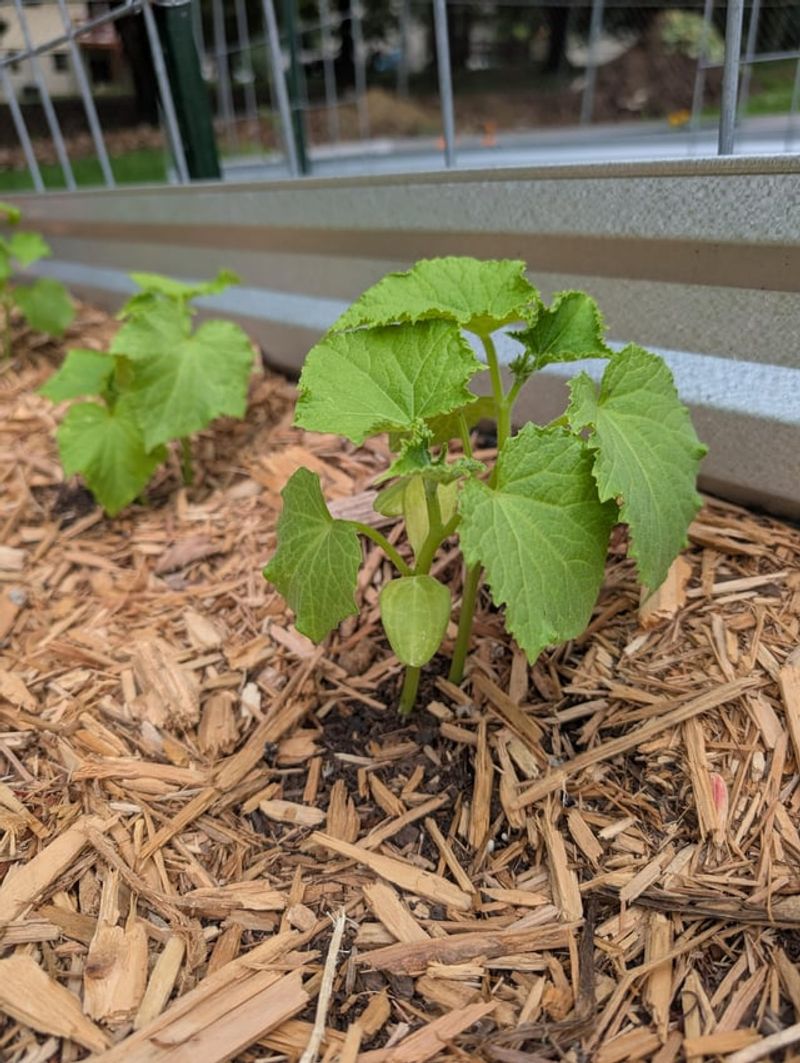
Mulch might be the most underrated tool in a Michigan zucchini gardener’s toolkit.
Spreading a two to three inch layer of straw, wood chips, or shredded leaves around your plants before the heat of summer arrives does more for your garden than most people expect.
It locks moisture in the soil, keeps roots cool, and dramatically cuts down on how often you need to water.
Michigan summers can swing between heavy rain and dry spells, and that inconsistency stresses zucchini plants. Mulch acts like a buffer, smoothing out those swings by keeping soil moisture more even throughout the week.
It also blocks weed seeds from sprouting, which means less time pulling weeds and more time enjoying your harvest.
Another benefit that often gets overlooked is how mulch reduces soil splash during rainstorms. When raindrops hit bare soil, they can splash fungal spores and bacteria up onto the lower leaves of your plants.
Over time, that leads to disease problems that slow down fruit production. Mulch breaks the impact of those raindrops and keeps the soil where it belongs.
Apply it early in the season before the ground heats up, and refresh it mid-summer if it starts to thin out. Your zucchini plants will stay healthier, longer, and that means more fruit for your kitchen.
4. Harvesting Zucchini Earlier And More Often
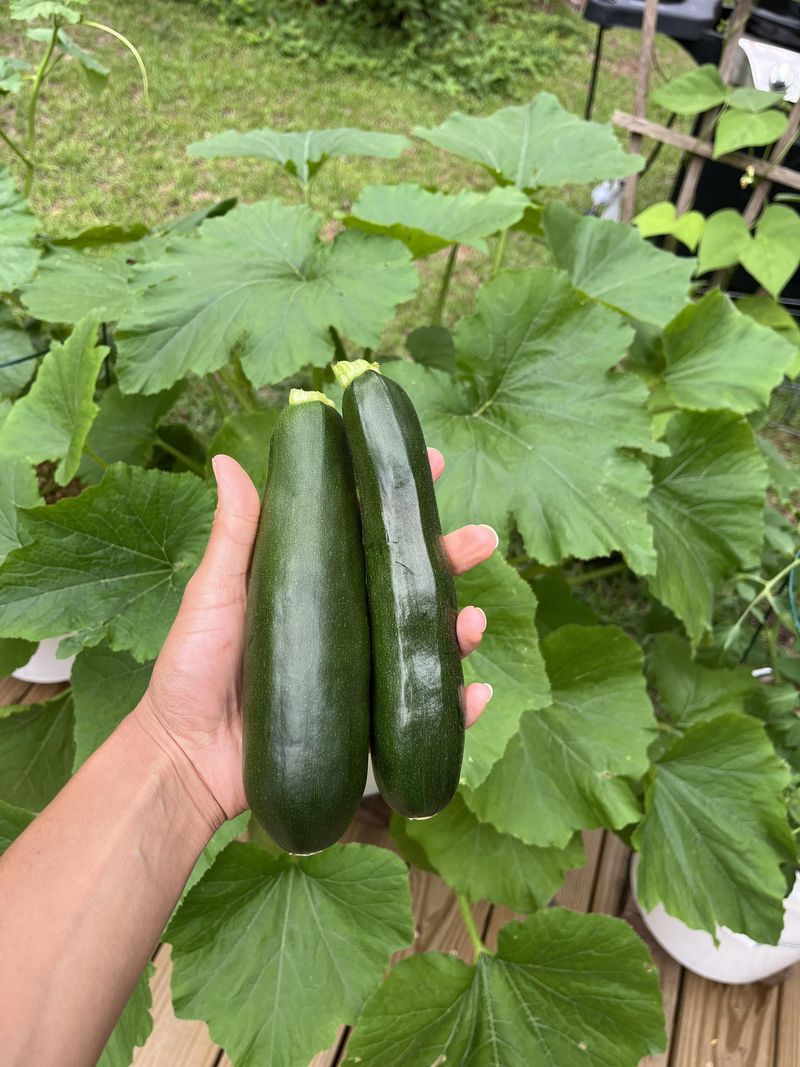
Here is something that surprises a lot of first-time zucchini growers: the more you pick, the more the plant produces. Zucchini plants are wired to keep making fruit until they successfully grow a mature seed.
When you leave a zucchini on the vine too long, the plant thinks its job is done and slows way down. Picking frequently sends the signal to keep going.
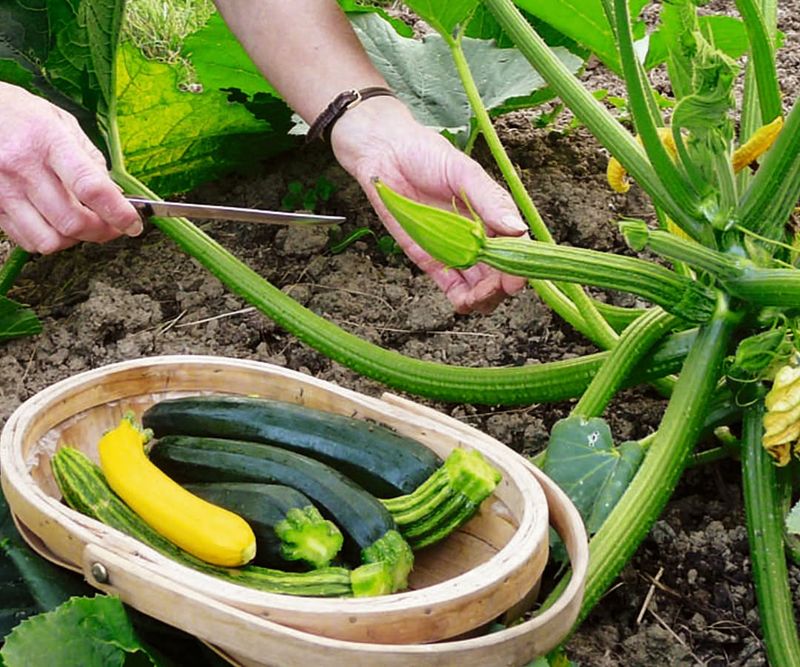
The sweet spot for harvesting is when zucchini are six to eight inches long. At that size they are tender, flavorful, and perfect for cooking.
Waiting until they balloon into giant clubs might feel satisfying, but those oversized fruits pull enormous energy from the plant and crowd out the smaller ones trying to develop. One forgotten zucchini hiding under a leaf can quietly stall your entire harvest.
Michigan gardeners who harvest every two to three days during peak season consistently report bigger overall yields than those who wait for larger fruit. Make it a habit to check under the big leaves because zucchini hide surprisingly well.
A small fruit can go from perfect to oversized in just two or three days during warm weather. Keep a basket handy, check your plants regularly, and do not feel guilty about picking them young.
That is exactly what the plant wants you to do, and your summer meals will be better for it.
5. Giving Plants More Space For Airflow
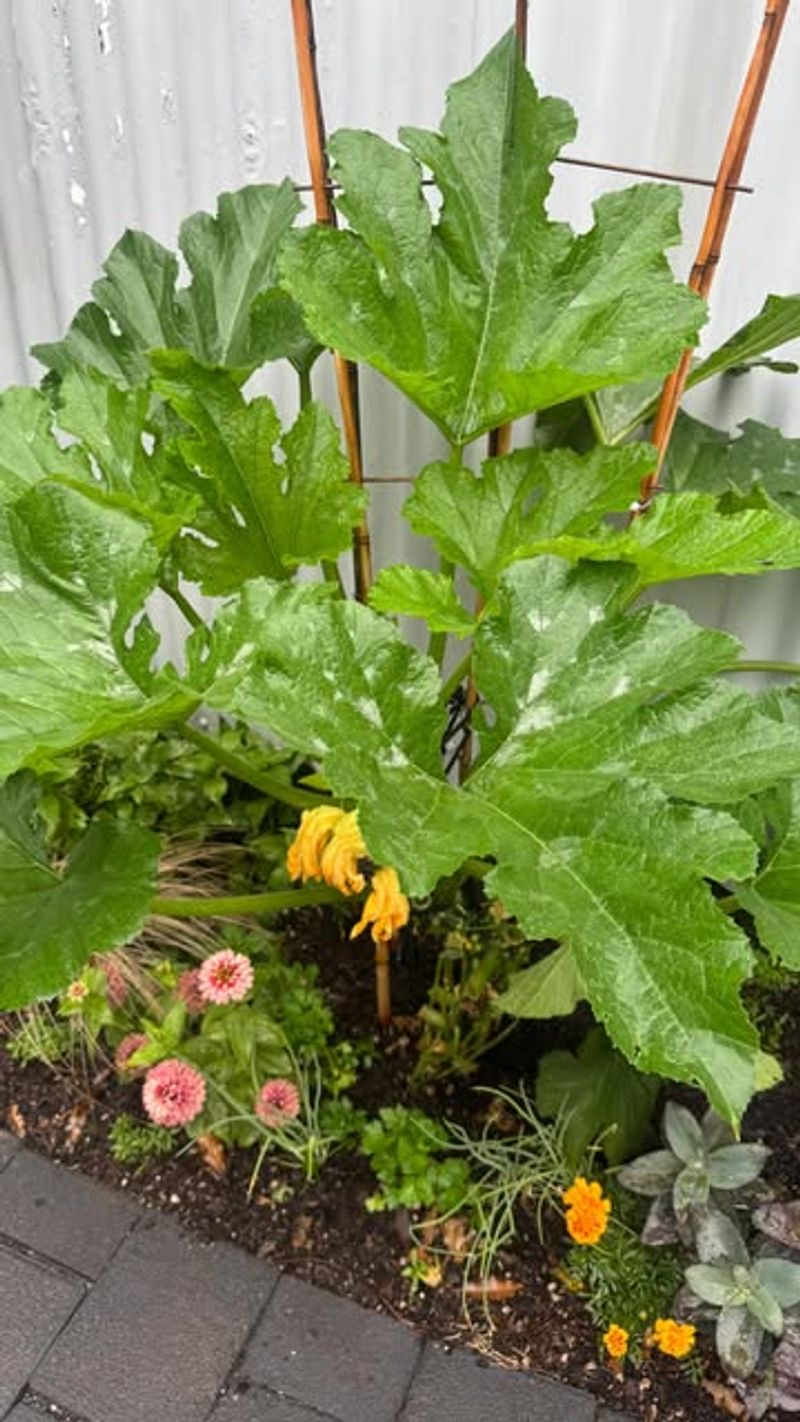
Crowding zucchini plants is a classic mistake that costs gardeners a lot of fruit every season. It is tempting to squeeze in as many plants as possible when space feels limited, but zucchini are big plants that need room to breathe.
Proper spacing is not just about physical space, it is about airflow, and airflow is everything when it comes to keeping plants healthy and productive.
When leaves and stems are packed too tightly together, moisture gets trapped and stays on the foliage longer after rain or morning dew. That damp environment is exactly where powdery mildew and other fungal diseases thrive.
Once those problems take hold, plant health declines quickly and fruit production drops off. Spacing plants three to four feet apart in all directions allows air to move freely through the garden and keeps leaves drying out faster.
Good spacing also helps pollinators do their job more efficiently. Bees and other insects can move easily between flowers when plants are not tangled together, which leads to better pollination and more fruit setting.
If you are working with a smaller garden, try growing one or two well-spaced plants instead of four cramped ones. You will almost certainly end up with more zucchini from the healthier plants.
Sometimes doing less actually gives you more, and zucchini spacing is one of the best examples of that principle in action.
6. Improving Pollination For Bigger Harvests
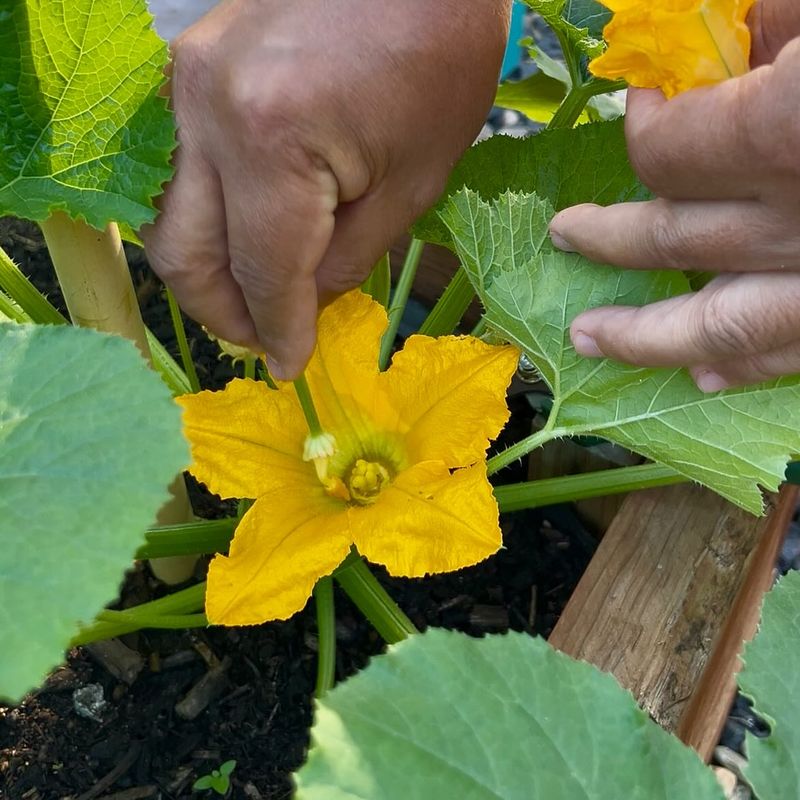
Zucchini plants produce both male and female flowers, and without pollinators transferring pollen between them, fruit simply will not form.
Many Michigan gardeners have stared at a plant covered in flowers wondering why nothing is developing, and poor pollination is almost always the answer.
A healthy garden buzzing with bees is one of the most reliable signs that your zucchini will produce well.
You can recognize pollination problems by looking at the tiny fruit behind female flowers. If those small zucchinis turn yellow and shrivel up within a few days of appearing, the flower was not properly pollinated.
Male flowers appear first and do not have that small fruit at their base. The timing between male and female flowers can sometimes be off, especially early in the season, but consistent problems usually point to a lack of pollinators visiting your garden.
Attracting more bees is easier than most people think. Planting flowers like borage, marigolds, or lavender nearby draws pollinators in and keeps them coming back.
Avoiding pesticide use during flowering hours also makes a big difference. If pollinator activity is still low, you can hand-pollinate by using a small paintbrush or a cotton swab to transfer pollen from a male flower to a female one.
It takes about thirty seconds and works incredibly well. Michigan gardeners who try hand pollination are often amazed at how quickly their zucchini production picks back up.
7. Watching For Squash Vine Borers Earlier
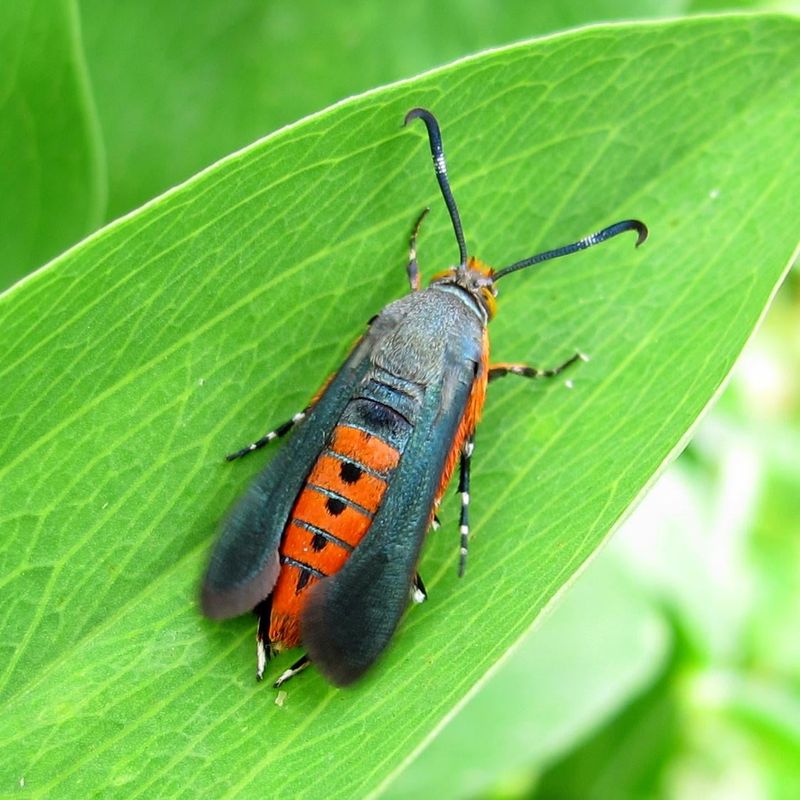
Squash vine borers are one of the most frustrating pests Michigan zucchini growers face, and the key to managing them is catching the problem early. These insects lay their eggs on the lower stems of squash plants in late June and July.
Once the larvae hatch and burrow inside, they feed on the interior of the stem and can collapse an entire plant within days if left unchecked.
The adult vine borer is actually a moth that looks a bit like a red and black wasp. Knowing what it looks like helps you spot it hovering around your plants before it lays eggs.
Early warning signs on the plant itself include small entry holes at the base of the stem, sawdust-like frass near those holes, and stems that suddenly look wilted even when the soil is moist. Catching these signs in the first few days gives you a real chance to respond.
One practical method Michigan gardeners use is wrapping the lower six inches of stem with aluminum foil before peak egg-laying season begins. This makes it harder for the moth to access the stem.
Row covers placed over young plants early in the season also work well, though you will need to remove them once flowers appear so pollinators can get in.
Monitoring your plants every few days during July is the single best thing you can do to protect your harvest from this persistent pest.
8. Planting In Compost-Enriched Soil
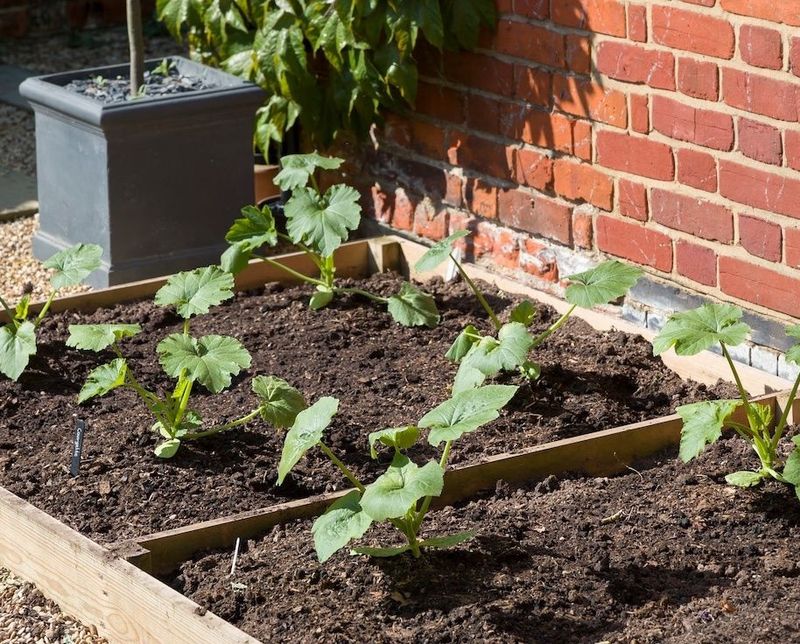
Zucchini are heavy feeders, which means they pull a lot of nutrients from the soil throughout the growing season. Plants grown in poor or depleted soil might survive, but they rarely thrive.
Mixing generous amounts of finished compost into your garden bed before planting gives zucchini the rich, fertile foundation it needs to grow strong, stay healthy, and produce fruit consistently from early summer all the way through fall.
Compost does more than just add nutrients. It improves soil structure, which helps with both drainage and moisture retention.
Sandy Michigan soils drain too fast and dry out quickly, while heavy clay soils hold too much water and suffocate roots. Compost works in both situations, loosening clay and helping sandy soil hold onto moisture longer.
That balance is exactly what zucchini roots love. A good starting point is working two to four inches of compost into the top twelve inches of soil before planting. If you have a compost bin at home, this is a perfect use for it.
If not, bagged compost from a garden center works just as well. Some Michigan gardeners also side-dress their plants with a thin layer of compost mid-season to give them a second boost right when fruit production is in full swing.
Healthy soil grows healthy plants, and healthy plants grow more zucchini. It really is that straightforward.
9. Avoiding Excess Nitrogen Fertilizer
More fertilizer does not always mean more zucchini, and nitrogen is the perfect example of why.
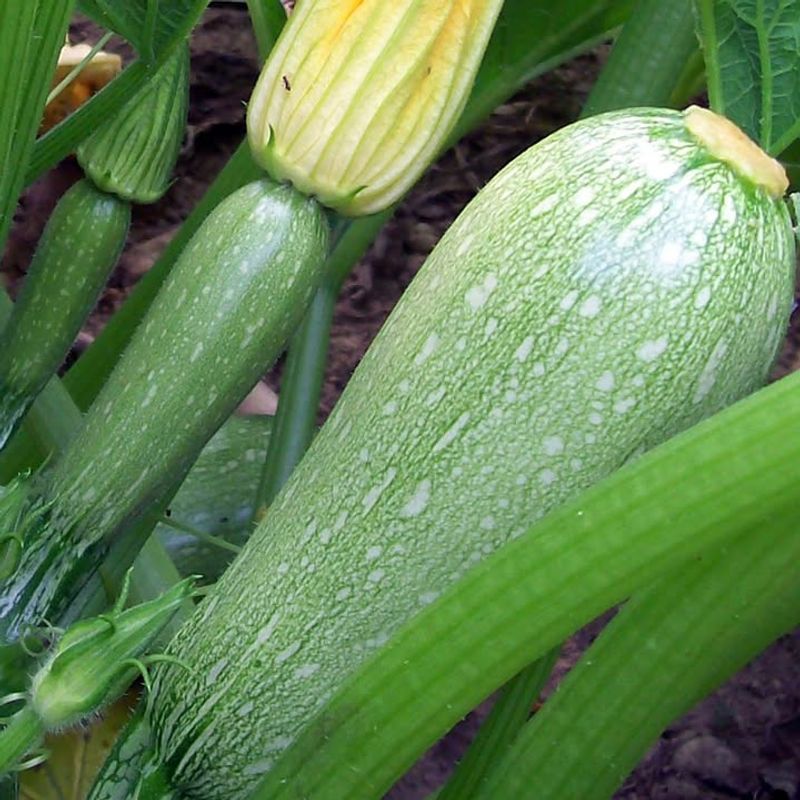
Nitrogen is the nutrient most responsible for leafy green growth, and while zucchini plants do need some of it, too much causes the plant to put nearly all its energy into producing enormous leaves and thick stems.
The result is an impressive-looking plant that produces surprisingly little fruit.
Many Michigan gardeners reach for a high-nitrogen fertilizer thinking it will supercharge their garden, and for leafy crops like lettuce or spinach that strategy works great. But zucchini need a more balanced approach.
A fertilizer with roughly equal parts nitrogen, phosphorus, and potassium supports both healthy foliage and strong fruit development. Phosphorus and potassium play key roles in flower formation and fruit set, which is where your real harvest comes from.
If your zucchini plants look incredibly lush and leafy but flowers are sparse or fruit is not forming well, excess nitrogen could be the issue.
Cutting back on fertilizer and letting the plant focus on reproduction rather than growth often turns things around within a couple of weeks.
Testing your soil before the season starts is a smart move because it tells you exactly what your garden needs instead of guessing.
A simple soil test from a Michigan State University extension office can save you a lot of frustration and wasted product throughout the growing season.
10. Succession Planting For A Longer Harvest
Most gardeners plant zucchini once in late spring and hope for the best all season long. Succession planting flips that approach entirely.
By starting a second round of seeds three to four weeks after your first planting, you create a backup crop that takes over right when your original plants start to slow down or struggle with late-season pests and disease.
It is one of the smartest moves a Michigan gardener can make. Zucchini plants tend to be most productive in their first six to eight weeks of fruiting.
After that, vine borers, powdery mildew, and general fatigue from a full summer of production can cause yields to drop noticeably.
Having a fresh round of plants coming into their peak just as the older ones decline keeps fruit coming to your kitchen without a gap in the middle of summer.
In Michigan, the growing window is tight but workable. A second planting started in early to mid-July can produce fruit well into September before the first frost arrives.
Starting seeds indoors for just a week or two before transplanting outside speeds things up nicely. Some gardeners even use this strategy three times across the season for an almost continuous harvest.
Succession planting requires a little extra planning upfront, but the payoff is a steady supply of fresh zucchini from June all the way through early fall without the usual mid-summer slowdown most gardeners just accept as normal.