What To Know Before Planting A Living Fence Around Your Oregon Yard
A living fence sounds simple until Oregon weather gets involved. One yard may sit in fog half the morning.
Another may bake through dry summer afternoons. Add deer, soggy soil, nosy neighbors, and plants that grow faster than expected, and your “easy green screen” can become a lot more interesting.
That does not mean you should skip it. A living fence can be one of the best upgrades for an Oregon yard when it is planned well.
It can make your space feel tucked away without the hard look of a solid fence. It can also give birds a place to perch and make the whole yard feel more settled.
The trick is knowing what you are planting before you dig. Pick plants that fit your region, your space, and your patience level.
The right choices can give you privacy that feels natural, fresh, and worth the wait.
Check Your Property Line Before You Plant
Before you ever put a plant in the ground, know exactly where your property ends and your neighbor’s begins. This sounds simple, but it trips up a lot of homeowners every year.
Planting even a foot over the line can create legal problems that are expensive and stressful to fix.
Pull out your property survey if you have one. If you don’t, your county assessor’s office can usually help you find records.
You can also hire a licensed surveyor to mark the boundaries clearly. It’s worth the cost before you invest in dozens of plants.
Most cities and counties in this state also have setback rules. These rules say how far from the property line you must plant.
Setbacks can range from one foot to several feet depending on your zoning. Check with your local planning department before you start.
Tall hedges near shared fences can also cause neighbor disputes even when they’re technically on your land. A hedge that blocks sunlight from a neighbor’s garden can damage your relationship with them fast.
Being upfront with your neighbors about your plans before planting goes a long way.
Some neighborhoods have HOA rules too. These may limit hedge height or plant species.
Read your HOA documents carefully. A little research now saves a lot of trouble later and helps your living fence start off on the right foot.
Think About The Mature Width, Not The Nursery Pot Size
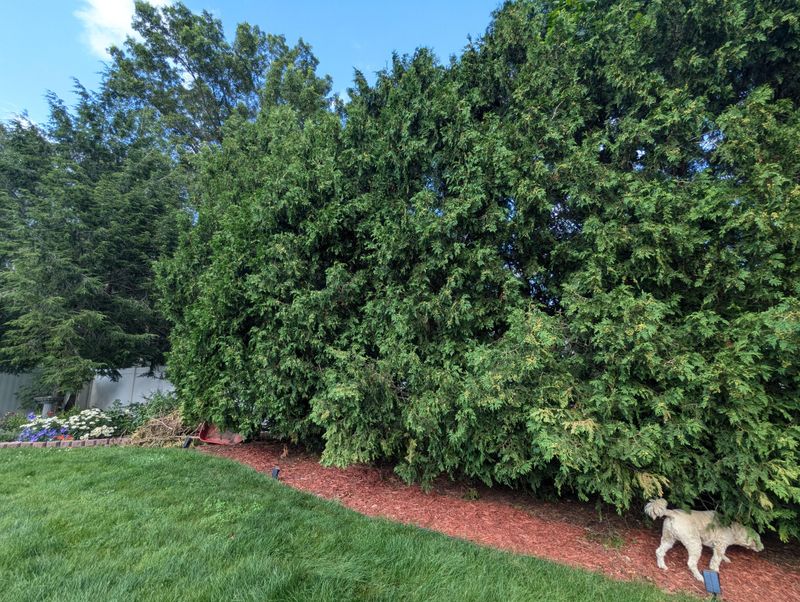
That little three-gallon shrub at the nursery looks so manageable. It fits perfectly in your cart and seems like it would barely take up any space.
But five years from now, that same plant might be six feet wide or more.
Most people plan for height when they choose hedge plants. Width is just as important and often gets ignored.
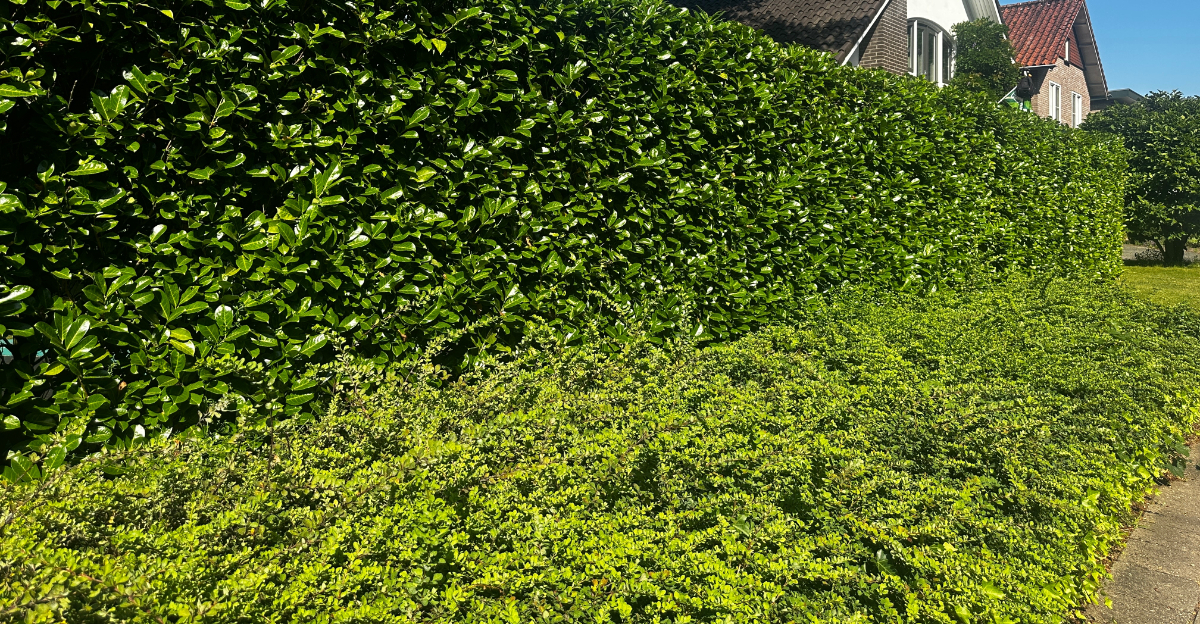
A plant like cherry laurel or Portuguese laurel can spread eight to ten feet wide at maturity. If you plant them two feet apart thinking they’ll form a tight wall, you may end up with a crowded, unhealthy mess.
Your Oregon Garden Changes Every Week. Your Plan Should Too.
Gardening in Oregon changes quickly throughout the season. Every Friday you’ll receive a simple weekly plan showing exactly what to plant, prune, fertilize, harvest, and protect so you never miss the right timing.
Always look up the mature spread of any plant before you buy it. The tag on the pot usually lists mature height and width.
If it doesn’t, ask a nursery staff member or look it up online. Reputable nurseries in this state will usually know the answer.
Spacing plants correctly from the start gives each one room to grow naturally. It also reduces the amount of pruning you’ll need to do later.
Proper spacing improves air circulation, which helps prevent fungal issues that are common in our wet climate.
When you’re mapping out your hedge, use stakes and string to mark the actual mature spread of each plant.
Walk the line and make sure it still feels right. Adjusting the plan on paper is much easier than digging up established plants later.
Leave Room To Prune From Your Side
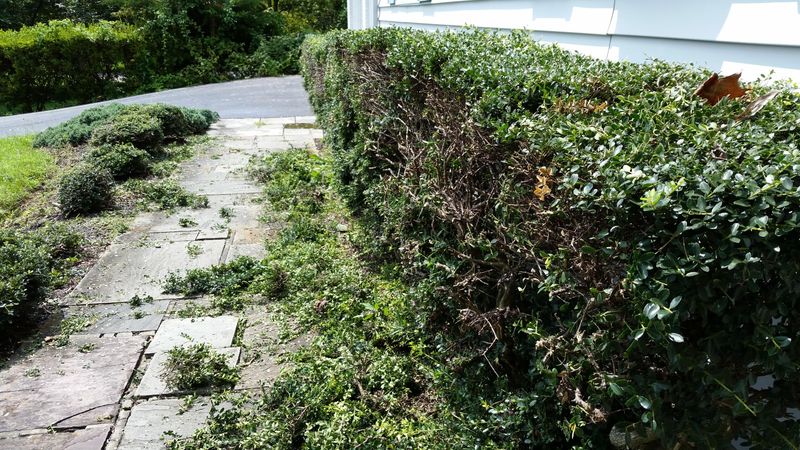
Planting a hedge right up against your fence or property line might seem like a smart use of space. But when that hedge grows tall and thick, you’ll need to get behind it to prune it.
If there’s no room, you’ll have a real problem.
A good rule of thumb is to leave at least two to three feet between the back of your hedge and your property line.
This gives you a narrow path to walk through and swing your pruning tools. It also keeps branches from growing onto your neighbor’s property.
Neglected hedges get scraggly fast. Without regular trimming, many species will grow unevenly, develop bare patches at the base, or push outward in ways that crowd out other plants.
Regular pruning keeps your living fence looking tidy and encourages denser growth.
Access matters even more for tall hedges. If you’re growing a screen that reaches ten or twelve feet, you’ll eventually need a ladder.
Having space to safely set up a ladder on your own property is essential. Trying to prune from the wrong angle is both dangerous and ineffective.
Think about tool access too. Hedge trimmers, loppers, and hand saws all need room to work.
Tight spaces make every pruning session harder and more time-consuming. Planning that access corridor before you plant is one of the simplest ways to make long-term hedge maintenance much easier on yourself.
Choose Plants That Handle Oregon Rain And Summer Dry Spells
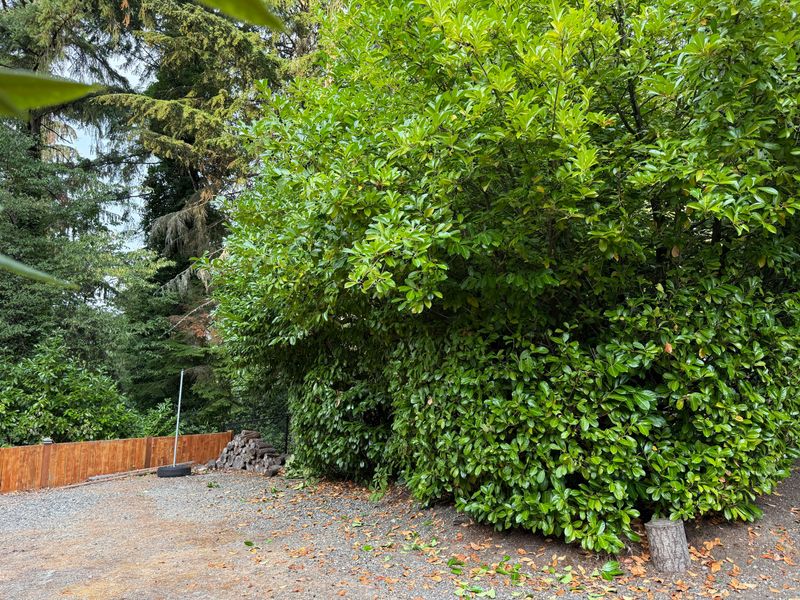
Our state has a split personality when it comes to weather. West of the Cascades, winters are wet and mild.
Summers turn surprisingly dry, sometimes with no significant rain for two to three months. East of the mountains, winters can be cold and harsh while summers get hot and dry.
Not every plant can handle both extremes. Some shrubs that do great in wet winters struggle badly when summer heat arrives and rain disappears.
Choosing the wrong plants means spending your entire summer hauling a hose around just to keep things alive.
Native plants are often the best choice for living fences here. Oregon grape, red osier dogwood, and native hawthorn are all tough, adaptable, and attractive.
They’re used to our rainfall patterns and don’t need much extra care once they get established.
Non-native options like Portuguese laurel, western red cedar, and Leyland cypress also perform well across much of this state. They tolerate wet winters and can handle moderate drought once their roots are deep enough.
Ask your local nursery which species do best in your specific region.
Avoid plants that need consistently moist soil year-round unless you’re prepared to irrigate heavily every summer. Also skip plants that are prone to root rot in soggy winter conditions.
Matching the plant to the actual climate where you live makes all the difference in how your hedge looks five years from now.
Don’t Plant Too Close To Sidewalks, Driveways, Or Fences
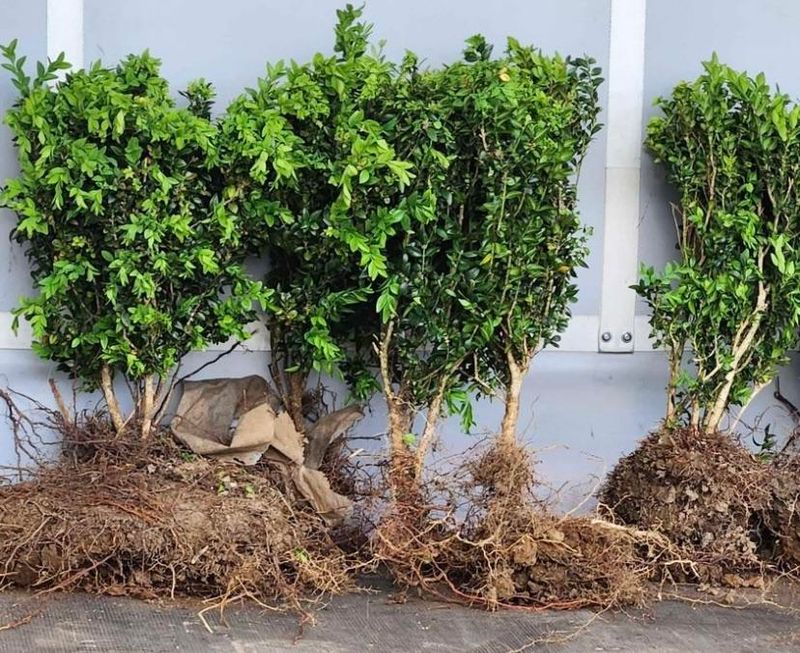
Roots are powerful. They grow slowly and quietly underground, and most homeowners don’t think about them until something goes wrong.
Planting a hedge too close to a sidewalk, driveway, or existing fence can cause serious structural damage over time.
Large-rooted species like privet, holly, and some laurels can push up concrete and crack pavement as they grow. This kind of damage is costly to repair.
It can also create tripping hazards on public sidewalks, which may make you legally responsible for fixing them.
Existing wooden fences are vulnerable too. Shrubs planted right against a fence trap moisture, which speeds up wood rot.
Branches rubbing against fence boards wear away paint and protective coatings. Over time, the fence can warp, stain, or break apart faster than it should.
A safe general guideline is to keep hedge plants at least three feet away from any hardscape or structure. For large trees used as screens, five feet or more is smarter.
That buffer zone protects both your plants and your property from costly conflicts.
It’s also worth thinking about visibility at driveways and street corners. A tall hedge planted near a driveway exit can block your sightlines when pulling out.
Many municipalities have rules about hedge height near intersections for exactly this reason. Check local codes and use common sense to keep your hedge both beautiful and safe for everyone around it.
Decide Whether You Want Evergreen Privacy Or Seasonal Screening
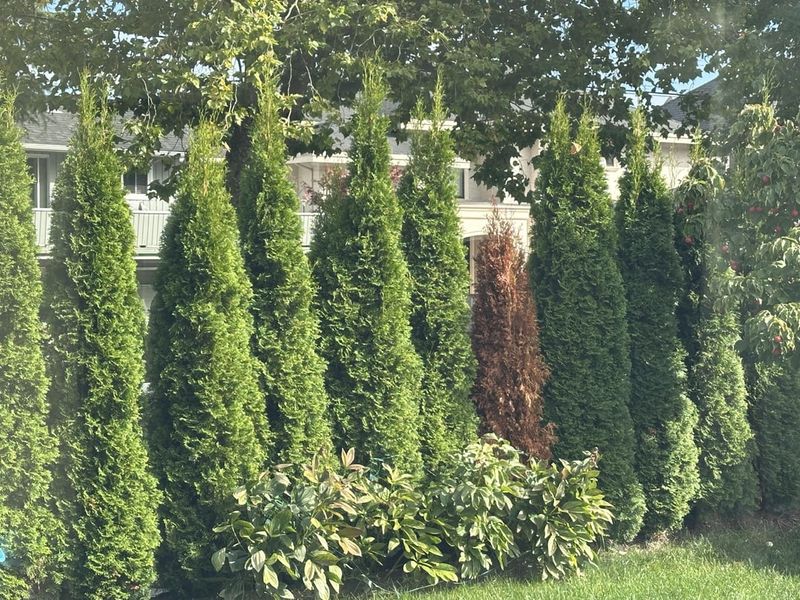
One of the first big decisions you’ll face is whether to plant evergreen or deciduous shrubs. Both have real advantages, and the right choice depends on what you actually need from your living fence.
Evergreen plants keep their leaves year-round. That means you have privacy in January just as much as in July.
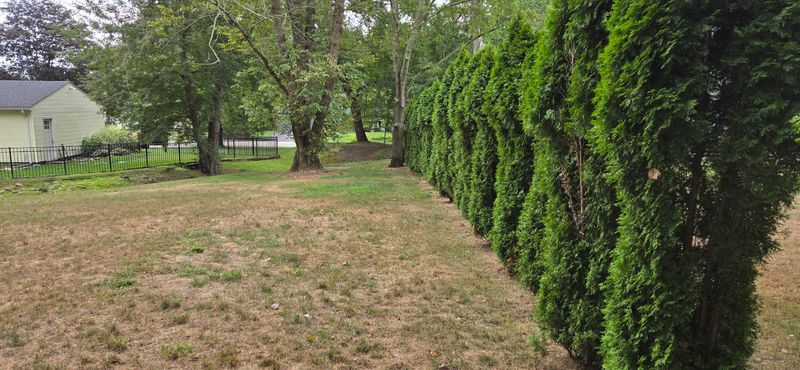
For most homeowners, this is the most appealing option. Species like arborvitae, cherry laurel, and photinia stay dense and green through every season and block views consistently.
Deciduous plants drop their leaves in fall and stay bare through winter. During those months, your screening disappears.
But deciduous hedges often offer something evergreens can’t match: spectacular seasonal interest. Shrubs like viburnum, native hawthorn, and red-twig dogwood bring flowers in spring, colorful berries in fall, and interesting bark in winter.
Think honestly about why you want a living fence. If your main goal is blocking a neighbor’s window or a busy street view, go evergreen.
If you want a hedge that supports wildlife, adds seasonal color, and feels more naturalistic, a mix of deciduous and evergreen plants might be perfect.
Many experienced gardeners in this state choose a blend of both types. This approach gives year-round structure from the evergreens while the deciduous plants add visual variety and ecological value.
It also makes your hedge more resilient, since no single pest or disease can wipe out the whole planting at once.
Mix Plants Instead Of Building One Long Pest-Prone Wall
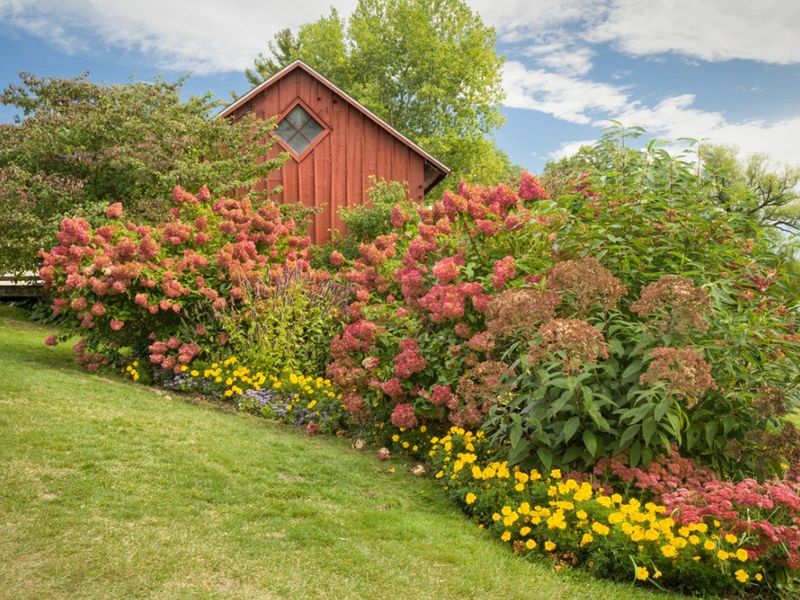
A single-species hedge looks clean and uniform. It’s easy to plan and simple to maintain.
But planting one type of shrub in a long, unbroken row is actually one of the riskiest things you can do for long-term hedge health.
When every plant in your hedge is the same species, a single pest or disease can travel from one end to the other without stopping.
This state has seen entire neighborhoods lose rows of Leyland cypress to canker disease and Emerald arborvitae to bagworms. A monoculture hedge has no natural resistance built in.
Mixing two or three compatible species creates a more resilient planting. If one species gets hit hard by a pest, the others keep the hedge intact.
You still get privacy and structure, but your whole fence line isn’t at risk from one bad season.
A mixed hedge also looks more natural and interesting. Varying leaf textures, colors, and flowering times create a living tapestry rather than a plain green wall.
Pollinators and birds love the diversity too. A hedge that supports wildlife adds real ecological value to your yard.
Good combinations for this state include mixing western red cedar with red-flowering currant, or pairing Portuguese laurel with native serviceberry. Ask your local nursery for suggestions that work well together in your specific area.
A little variety in your plant palette goes a long way toward building a hedge that stays healthy for decades.
Plan For Watering While The Hedge Gets Established
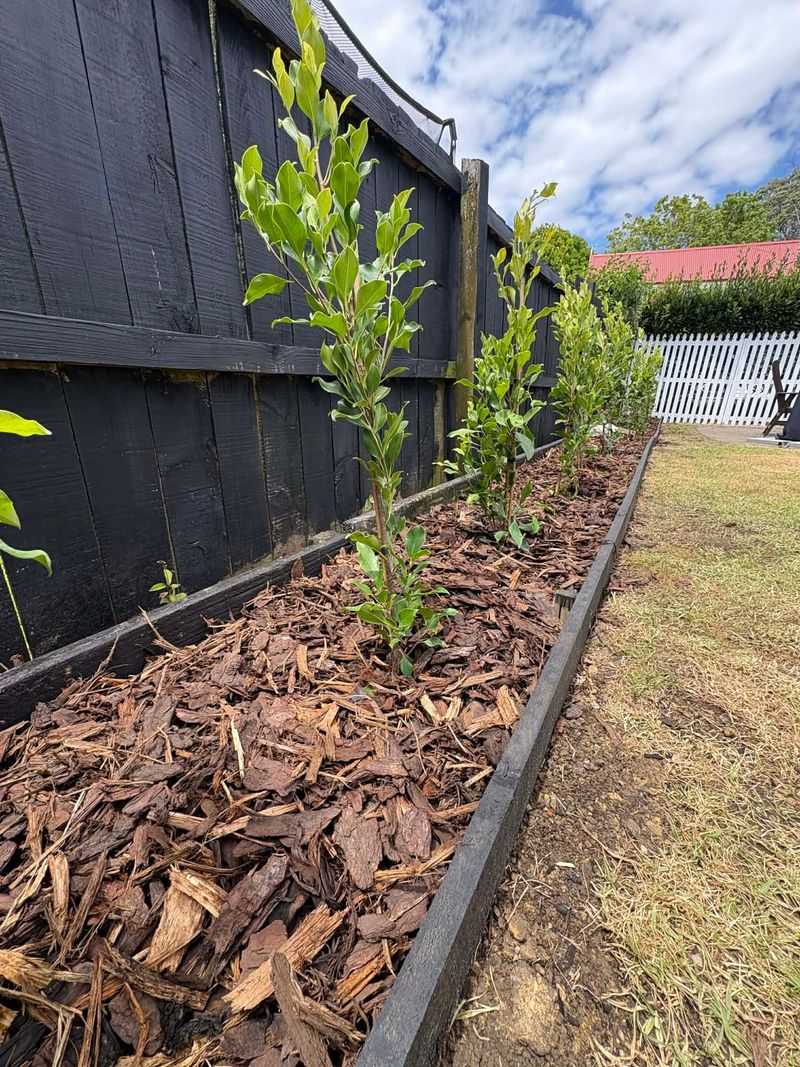
New plants are vulnerable. No matter how tough or drought-tolerant a shrub is supposed to be at maturity, it needs consistent water during its first one to three years in the ground.
This establishment period is when most young hedges struggle or fail.
In this state, the timing of planting matters a lot. Fall planting takes advantage of our rainy season, giving new plants months of natural moisture before summer arrives.
Spring planting means you’ll be watering heavily by June or July when the rain stops and temperatures climb.
Soaker hoses are one of the most efficient tools for hedges. Lay them along the base of your planting before you mulch.
They deliver water slowly and directly to the root zone with very little waste. Drip irrigation systems work even better if you’re willing to invest in the setup.
Deep, infrequent watering is better than light, frequent watering. When you water deeply, roots follow the moisture downward.
This creates a stronger, deeper root system that can handle dry spells much better once the plant matures. Shallow watering keeps roots near the surface where they dry out quickly.
A thick layer of mulch, around three to four inches deep, helps hold soil moisture and keeps roots cool during summer heat.
Keep mulch a few inches away from the base of each stem to prevent rot. Good watering habits in the first few years set your hedge up for a long, healthy life.