8 Plants Worth Considering For Tennessee Fence Lines Instead Of Arborvitae
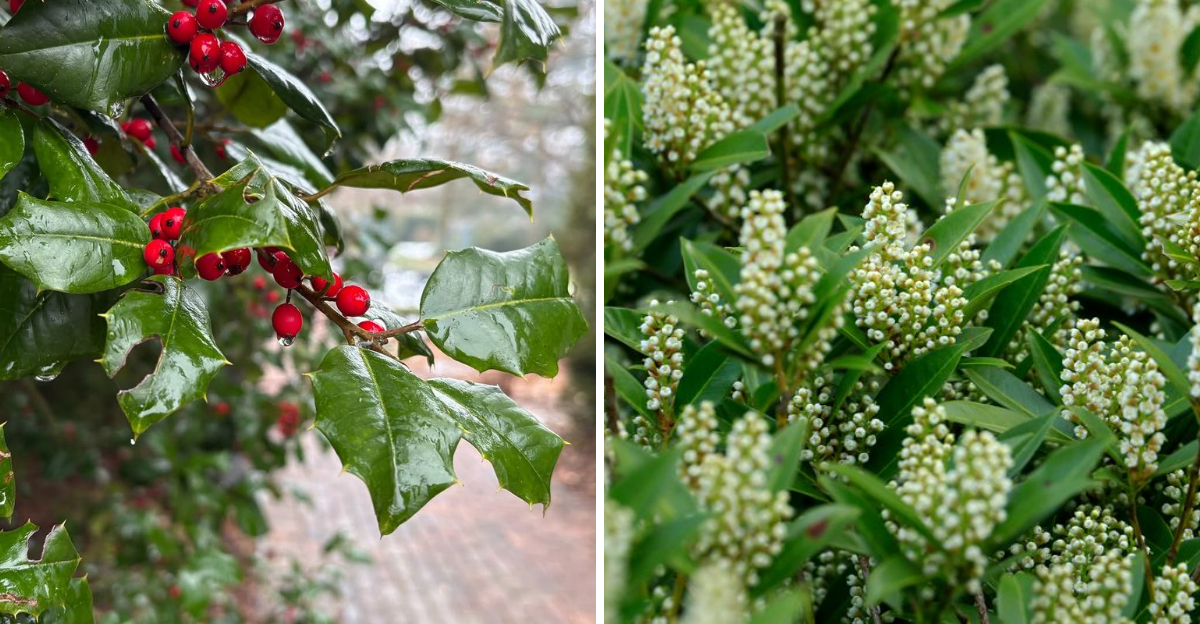
Tennessee gardeners are done settling for brown patches and pest-riddled hedges. My own arborvitae row looked promising the first spring, then spent the next two summers turning an embarrassing shade of rust.
For years, this evergreen dominated privacy screens across the state, but the Volunteer State’s humid summers and unpredictable winters have exposed its weaknesses.
Disease, dieback, and disappointment have pushed homeowners to look far beyond the familiar green wall.
The good news arrives with a long list of tough, beautiful alternatives ready to take its place. Native and adapted plants thrive here with far less fuss and far more character.
Many bring gifts that arborvitae never could: vivid fall color, wildlife shelter, and year-round visual interest that changes with every season. The South’s best-kept landscaping secret? It’s been growing by the roadside for years.
1. Foster’s Holly
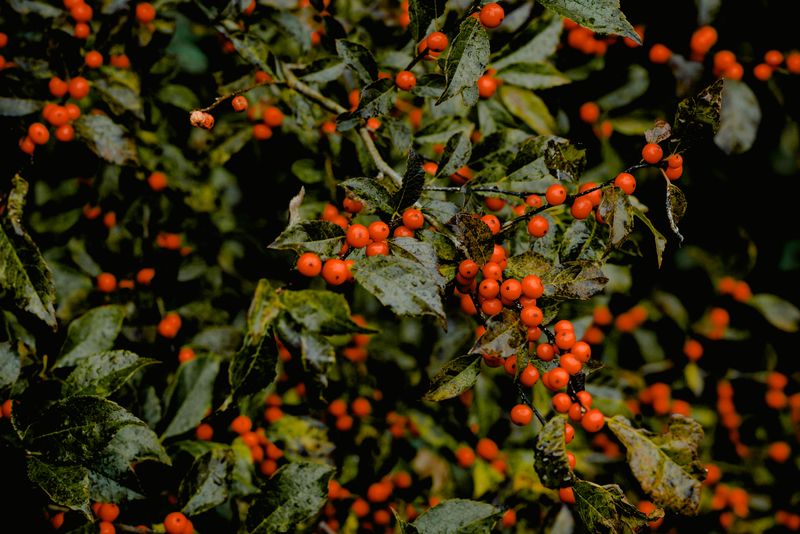
Foster’s Holly is the evergreen overachiever your fence line has been quietly waiting for. This native hybrid grows steadily, eventually reaching 15 to 20 feet tall with a naturally pyramidal shape that needs no pruning to look intentional.
Plant a row along your property boundary. You will have a dense, polished green wall within a few seasons.
It holds its good looks through every season, including the gray stretch of a Tennessee winter.
The glossy, narrow leaves stay sharp and attractive year-round, giving the fence line that clean, structured appearance worth chasing.
Bright red berries arrive each fall and persist well into winter, drawing cedar waxwings, American robins, and hermit thrushes right to your yard.
Foster’s Holly handles Tennessee’s clay soils and summer humidity with ease, asking for very little once it settles in. Full sun to partial shade both work well, giving homeowners real flexibility when planning placement along a fence.
It is also notably resistant to the common pests and diseases that frustrate gardeners who have tried less adapted evergreens in the region.
Non-invasive and well-behaved in the landscape, though it is worth noting that holly berries are toxic to humans, dogs, and cats if ingested. Plant with that in mind if pets or young children spend time near the fence line.
2. Eastern Red Cedar
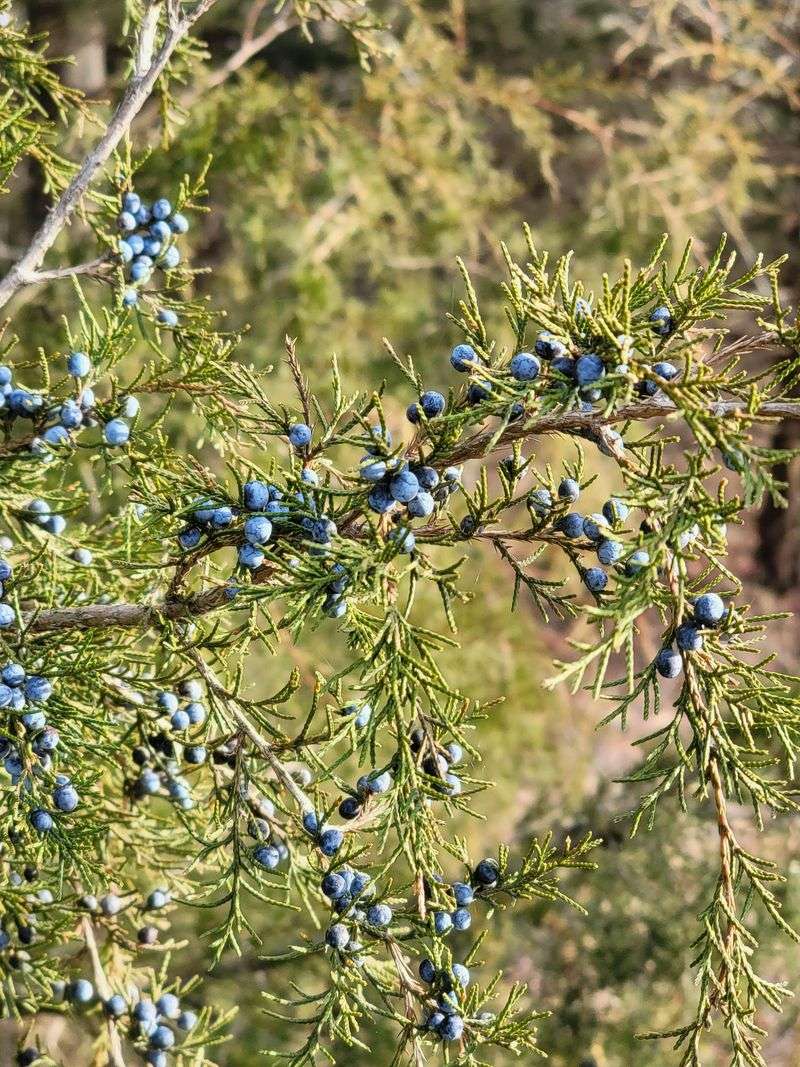
Eastern Red Cedar is not just a tree; it is a piece of Tennessee’s natural history growing right in your backyard.
This native evergreen has been anchoring fence lines across the state for centuries, long before landscapers had a name for what they were doing.
Seed-eating birds like cedar waxwings and yellow-rumped warblers absolutely flock to its small blue berries every winter, turning your fence line into a lively feeding station.
Tough does not begin to cover what this plant can handle. Eastern Red Cedar thrives in rocky, shallow, or clay-heavy soils where most ornamentals would throw in the towel.
It laughs at drought, shrugs off ice storms, and keeps its color through the harshest Tennessee winters without a drop of extra care from you.
Growth is steady rather than explosive, reaching heights of 30 to 40 feet at maturity, which means serious, lasting privacy that arborvitae simply cannot match in the long run.
Your Tennessee Garden Changes Every Week. Your Plan Should Too.
Gardening in Tennessee changes quickly throughout the season. Every Friday you’ll receive a simple weekly plan showing exactly what to plant, prune, fertilize, harvest, and protect so you never miss the right timing.
The aromatic wood also naturally repels certain insects, adding a subtle but practical bonus to its already impressive resume. Planting near a cedar chest suddenly makes a lot more sense.
One smart tip for homeowners replacing arborvitae on Tennessee fence lines is to source locally grown seedlings, which tend to be better adapted to regional soil and rainfall patterns.
Spacing them 8 to 10 feet apart allows each tree to develop its full, dense form. Few plants offer this combination of wildlife value, durability, and deep-rooted regional character.
Eastern Red Cedar releases natural compounds into the soil that can slow the growth of nearby grasses and some plants. Leaving a small buffer between the trees and your lawn or garden beds is a smart move to avoid any issues.
More importantly, it is the primary alternate host for cedar-apple rust, a fungal disease that can cause serious damage to apple, crabapple, and hawthorn trees.
Homeowners with fruit trees or ornamental crabapples nearby should either choose a different species or plan for significant separation between the cedars and any susceptible trees.
3. Wax Myrtle
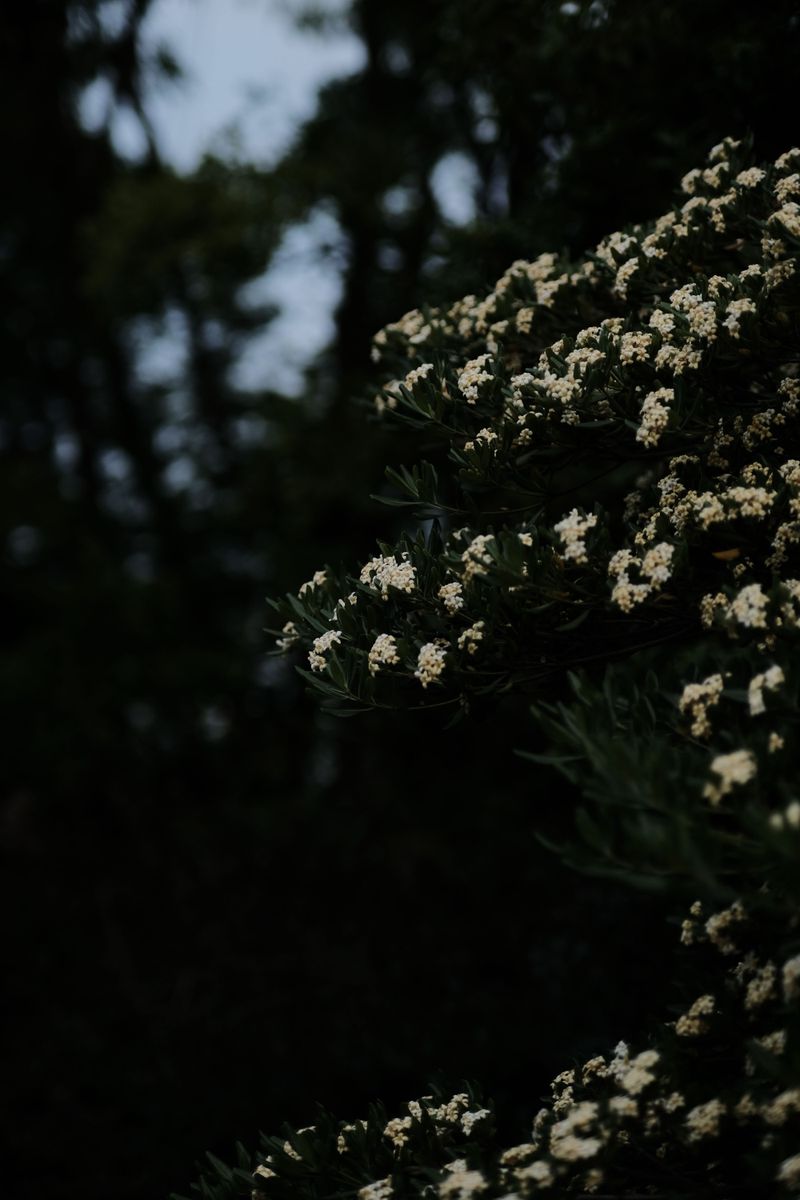
Scratch a Wax Myrtle leaf and you will instantly understand why Southern gardeners have loved this plant for generations.
That clean, spicy fragrance is not just pleasant; it signals that you are dealing with a plant that produces natural oils making it resistant to many common pests and diseases.
For anyone who has watched a row of arborvitae turn brown and crispy from spider mites or bagworms, that kind of built-in defense is genuinely exciting.
Wax Myrtle grows fast, often reaching 10 to 15 feet in just a few years, creating a lush, semi-evergreen screen that fills in quickly along a fence line.
The silvery-green foliage has a fine texture that looks elegant without requiring any fussing. In Tennessee, it holds most of its leaves through mild winters and rebounds quickly after cold snaps.
Birds absolutely adore the small, waxy berries that appear in fall and persist through winter, attracting yellow-rumped warblers, tree swallows, and bluebirds.
Planting Wax Myrtle means you are essentially installing a free bird feeder that never needs to be refilled.
That alone makes it a worthy replacement for any plant that offers nothing to wildlife. Wet or poorly drained spots that would rot most shrubs are no problem for Wax Myrtle, which actually thrives in moist soils.
It also handles full sun and coastal-style winds with ease, making it flexible enough for almost any Tennessee yard.
It may spread gradually by suckers over time, so a light tidy once a season keeps it exactly where you want it. Once established, it asks for almost nothing in return for a beautiful, fragrant fence line.
4. Native Hawthorn
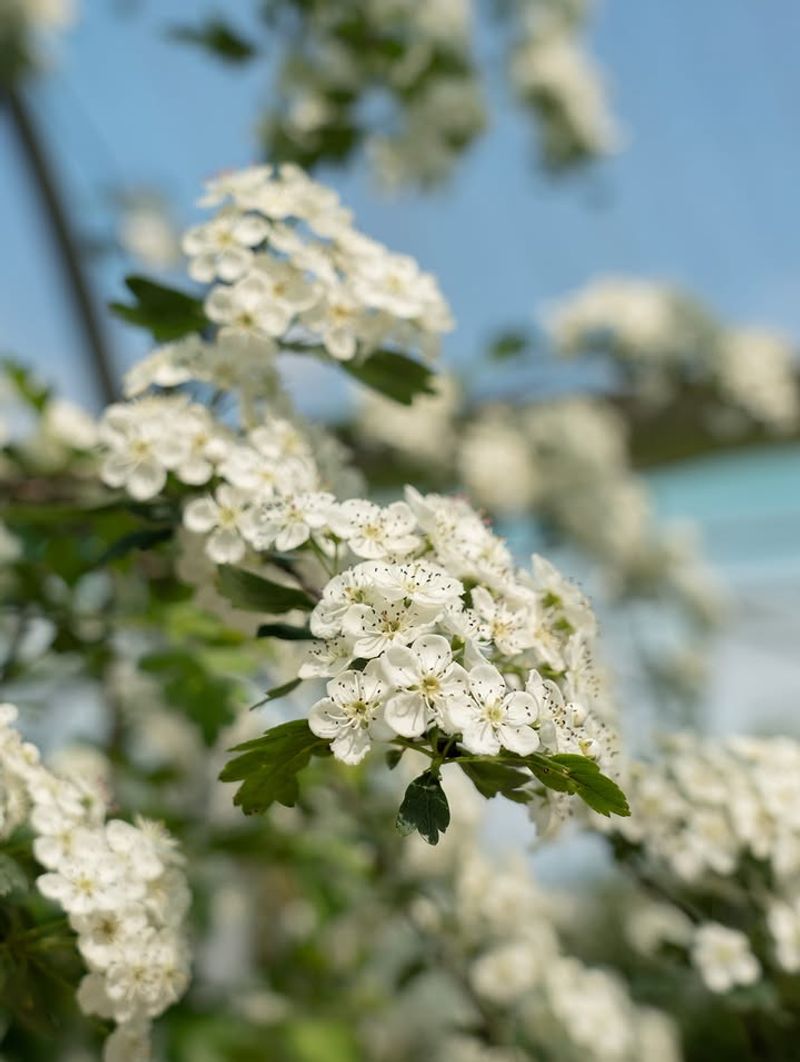
Some plants protect themselves. This one protects you. This is not a shrub that simply fills space along a property edge.
Native Hawthorn earns its place through a combination of toughness, seasonal beauty, and ecological generosity that few ornamental alternatives can match.
Spring brings dense clusters of white blossoms that pull in pollinators before most neighboring plants have leafed out.
By late summer, those flowers give way to small red berries that cedar waxwings, robins, and mockingbirds depend on well into the cold months.
The branching structure grows irregular and interlocking over time, forming a screen that stays effective through every season.
Clay soil, rocky slopes, and stretches of ground that flood briefly after heavy rain rarely slow it down.
Arborvitae needs reasonably good drainage and a bit of coddling to stay healthy long-term; Native Hawthorn simply does not.
Deer tend to give the thorny canopy a wide berth, which removes one of the most common frustrations for homeowners planting along open fence lines.
Space plants roughly ten feet apart to allow the natural spread to fill in without crowding. Plant in early spring, water through the first season, and step back.
The thick gloves are not optional when working near the branches, but that same quality is exactly what makes this shrub such an effective barrier. A fence line anchored by Native Hawthorn is one that genuinely holds its ground.
5. Nellie Stevens Holly
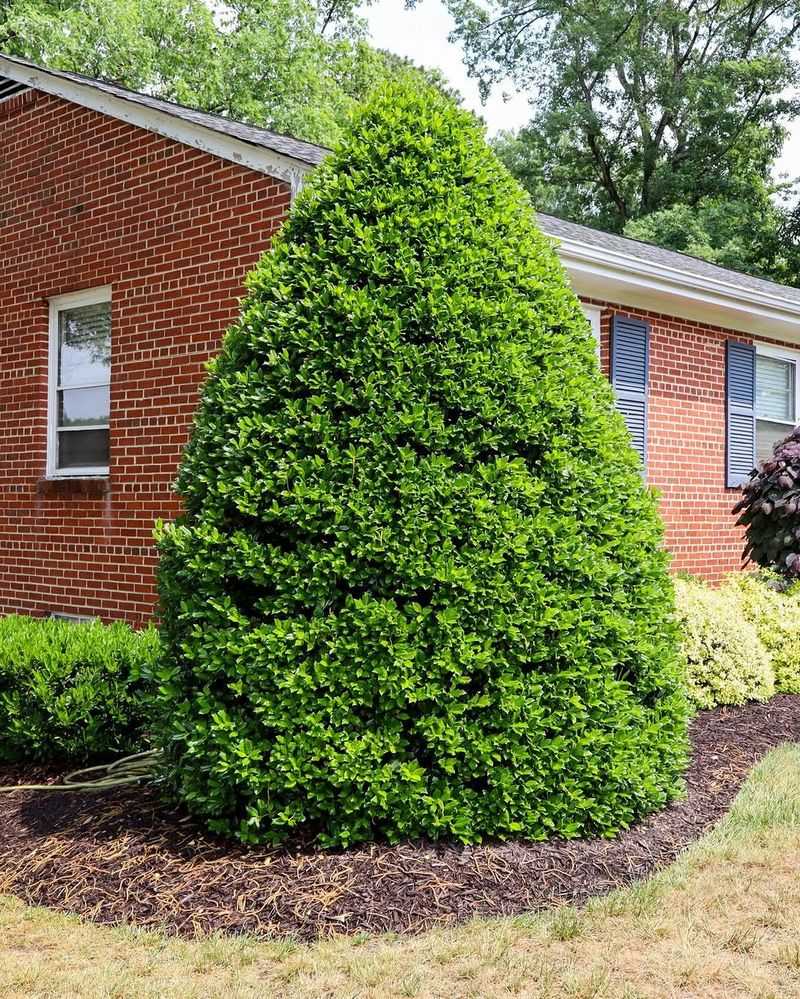
Nellie Stevens Holly is the kind of plant that makes fence-line planning feel easy. Fast-growing, densely branched, and evergreen through every season, it builds a thick, polished screen along a property boundary.
Very little encouragement from the gardener is needed to get it there. Mature plants reach 15 to 25 feet tall with a naturally pyramidal shape that looks intentional without a single pruning session.
It responds well to shaping if a more formal hedge is the goal, giving homeowners flexibility in how they manage the planting.
The glossy, dark green leaves are spiny and attractive year-round, giving the fence line a sharp, clean appearance. That clean look holds even through the gray stretch of a Tennessee winter when most other plants have little to offer.
In fall and early winter, bright red berries arrive in abundance, drawing cedar waxwings, American robins, and mockingbirds to the planting in steady numbers.
Nellie Stevens Holly thrives in full sun to partial shade and handles clay-heavy soils and summer humidity without the dieback and browning that plague less adapted evergreens.
It is notably more heat-tolerant than many holly varieties, which makes it a particularly strong performer in Middle and West Tennessee where summers are long and punishing.
One male pollinator holly nearby improves berry production significantly, though Nellie Stevens often sets some fruit even without one due to its hybrid nature.
Holly berries are toxic to humans, dogs, and cats, so placement near areas where pets or small children play regularly is worth thinking through carefully before planting.
For a fast, wildlife-friendly, year-round privacy screen on a fence line anywhere in the Volunteer State, Nellie Stevens Holly is one of the most rewarding choices available.
6. Cherry Laurel
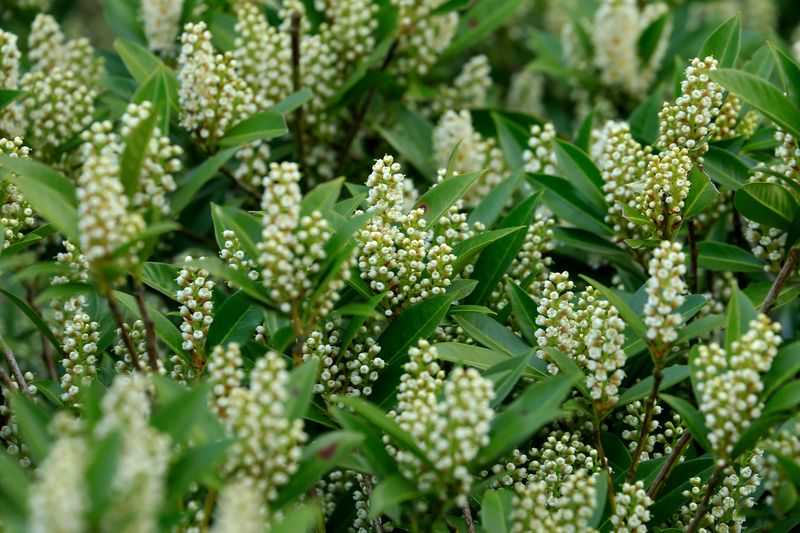
Cherry Laurel brings bold, lush evergreen presence to a Tennessee fence line in a way that few other shrubs can match.
The large, glossy dark green leaves are among the most attractive of any screening plant available in the region. They give hedges a rich, almost tropical density that looks striking through every season.
Even in the depths of winter, that fullness and color hold without fading. Growth is fast and reliable, typically reaching 10 to 18 feet at maturity depending on the variety.
The dense branching habit fills in thoroughly over just a few seasons, creating genuine privacy along a fence line. In spring, upright clusters of small white flowers appear along the branches.
They add brief but pleasant seasonal interest before the plant returns its energy to building its robust evergreen framework.
Cherry Laurel adapts well to the range of conditions found across Tennessee, tolerating clay soils, partial shade, and humid summers.
Disease pressure stays low when plants are given reasonable air circulation, which is easy to achieve with proper spacing. Varieties like ‘Skip’ and ‘Otto Luyken’ offer more compact options well suited to tighter spaces along a fence.
Standard Cherry Laurel suits larger fence runs where maximum height and density are the priority.
One important note that should never be overlooked is that the leaves, stems, and berries of Cherry Laurel contain compounds that are toxic to humans, dogs, cats, and livestock if ingested. This does not make it unsuitable for most yards.
It is, however, essential information for households with pets or young children, and should factor into placement decisions from the start.
Pruning once or twice a year keeps it shapely and encourages dense interior growth, making it one of the most manageable fast-growing privacy screens for fence lines across the Volunteer State.
7. American Holly
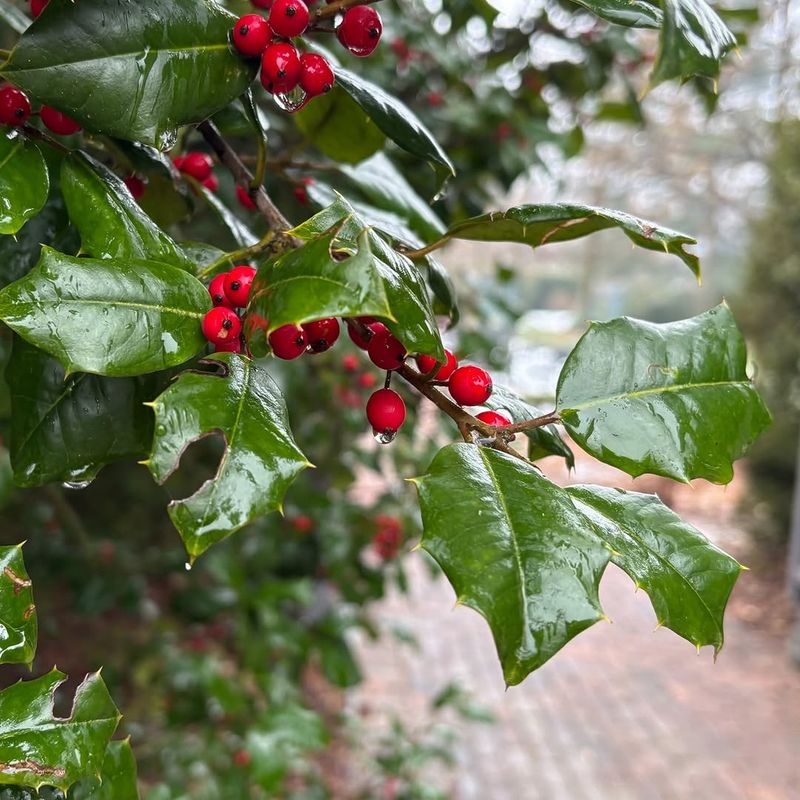
American Holly is one of Tennessee’s most handsome native trees, and its credentials as a long-term privacy screen are genuinely impressive.
Growing 15 to 30 feet tall with a dense, broadly pyramidal form, it builds a substantial evergreen wall along a fence line. That wall improves with every passing year and ultimately outlasts almost anything else a homeowner might plant.
The spiny, matte green leaves hold their color reliably through all four seasons, giving the fence line structure and depth even in the coldest months.
That is something deciduous alternatives simply cannot offer when winter arrives and the leaves are gone.
Bright red berries arrive in fall and persist well into winter, making American Holly one of the most valuable wildlife plants in the entire southeastern region.
More than 18 species of birds feed on the berries, including cedar waxwings, eastern bluebirds, hermit thrushes, and American robins working through the planting on cold winter mornings.
As a true native, American Holly has spent generations adapting to the soils, rainfall patterns, and temperature swings found across the Volunteer State.
It thrives in full sun to partial shade and handles clay and average garden soils well. The humidity and occasional dry spells that challenge less regionally adapted plants are not a concern for a tree this deeply rooted in the region.
A male pollinator holly within reasonable distance improves berry production on female trees. When establishing a row, planting at least one male nearby is worth planning for from the start.
As with all hollies, the berries are toxic to humans, dogs, and cats, worth noting before planting in yards where pets roam freely along the fence line.
For anyone building a serious, lasting, wildlife-rich privacy screen on a Tennessee property, American Holly is a native plant that genuinely earns its place.
8. Inkeberry Holly
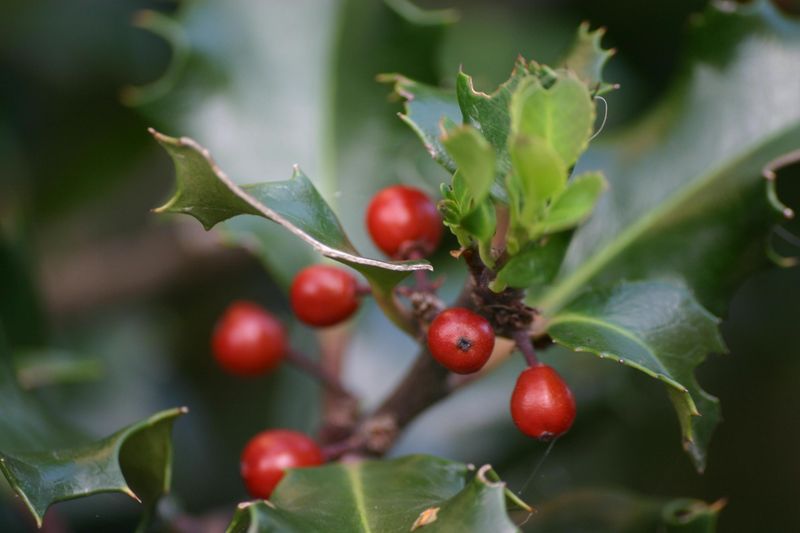
Inkberry Holly does not get nearly the attention it deserves, and Tennessee fence lines are quieter and less interesting for it.
This native evergreen shrub is one of the most adaptable screening plants available in the region, thriving in conditions that defeat most ornamentals. It asks for almost nothing in return for a dense, year-round green presence along a property boundary.
Growing 5 to 8 feet tall with a rounded, multi-stemmed habit, Inkberry forms a solid, weed-suppressing mass that fills in reliably over two to three seasons.
The small, smooth, dark green leaves stay attractive through every season, holding their color even in the coldest winters.
That kind of reliability is exactly what frustrates gardeners who have planted less adapted evergreens in similar spots and watched them brown and decline.
Wet soils, clay, poor drainage, and partially shaded sites are all conditions Inkberry handles with ease. It naturally grows along streambanks and in low-lying areas throughout the Volunteer State.
That natural range means it is genuinely built for the kinds of problem spots along fence lines where other plants repeatedly fail. Small black berries arrive in fall and persist through winter, providing a quiet but consistent food source for birds.
Eastern bluebirds, brown thrashers, and hermit thrushes are among the species that move through yards in colder months specifically to feed on them.
Compact cultivars like ‘Shamrock’ and ‘Strongbox’ offer tidier, more upright habits that suit formal fence-line plantings particularly well, reducing the occasional legginess of the straight species.
For Tennessee homeowners dealing with wet, shaded, or difficult fence-line conditions, Inkberry Holly is the native evergreen that quietly solves the problem without drama.