These Are The Georgia Vegetables That Produce Through Summer Heat When Everything Else Stops
Some vegetables seem to give up the moment summer heat settles in. Growth slows, harvests shrink, and plants that looked great in spring suddenly stop pulling their weight in the garden.
Georgia gardeners deal with this every year. By the time the hottest part of the season arrives, many popular crops are already struggling.
It can feel like the garden is running out of steam long before summer is over.
Fortunately, not every vegetable reacts the same way. A small group of heat tolerant crops thrives during the conditions that cause problems for many others.
These vegetables keep growing through hot weather and can continue producing when much of the garden has already started slowing down.
1. Okra Stays Productive Long After Spring Crops Fade
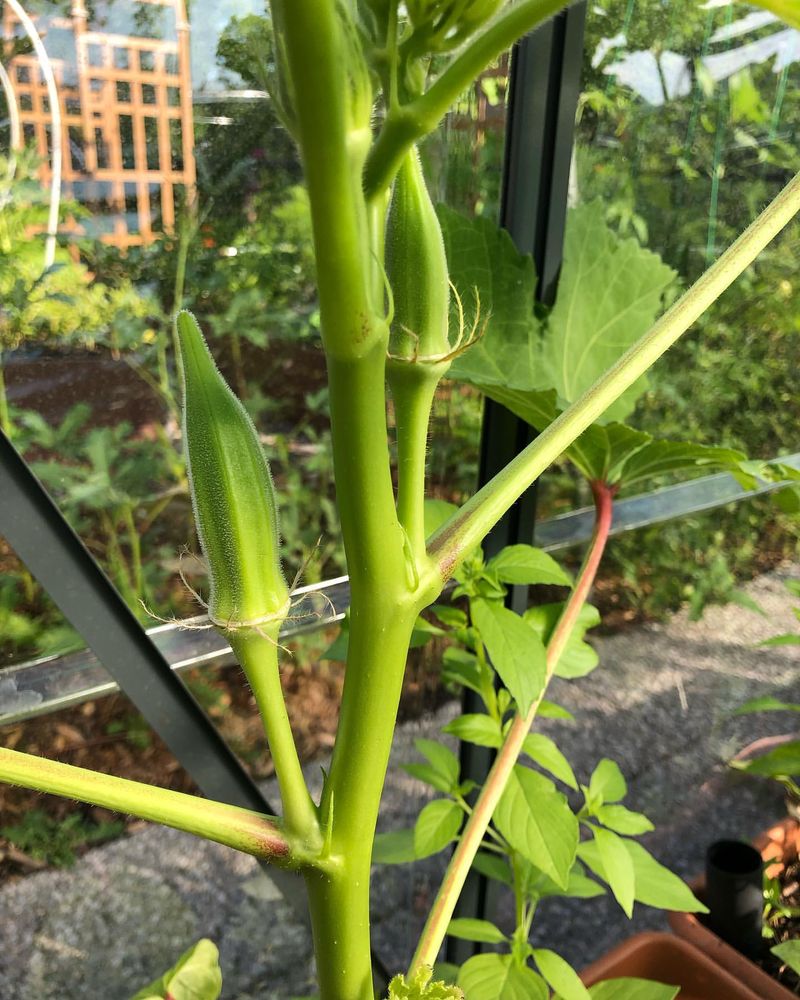
Okra handles extreme heat with ease. Seriously, the hotter it gets, the faster this plant grows and the more pods it throws out.
Most gardeners in the South already know this, but it still surprises people who move here from cooler climates.
Plant okra after your last frost date when soil temperatures hit at least 65 degrees. Cold soil slows germination badly, so patience pays off early.
Space plants about 18 inches apart. They can reach six feet tall by midsummer, so give them room.
Pick pods every two to three days without fail. Pods left on the plant get woody and tough fast in summer heat.
Regular harvesting actually signals the plant to keep producing, so skipping a day or two can slow your whole harvest down.
Clemson Spineless is the most popular variety for good reason. It produces reliably, handles drought reasonably well once established, and the pods stay tender longer than some older varieties.
Burgundy okra is another solid choice and adds some color to the garden.
Water deeply once or twice a week rather than giving shallow sprinkles daily. Deep watering encourages roots to go down, which helps plants handle dry stretches better.
Okra rarely needs fertilizing heavily, but a light application of balanced fertilizer at planting helps get things started strong.
Strong sunlight exposure throughout the day is one of the biggest factors behind high pod production, with shaded plants producing noticeably fewer flowers and pods.
2. Southern Peas Set Pods During Long Dry Spells
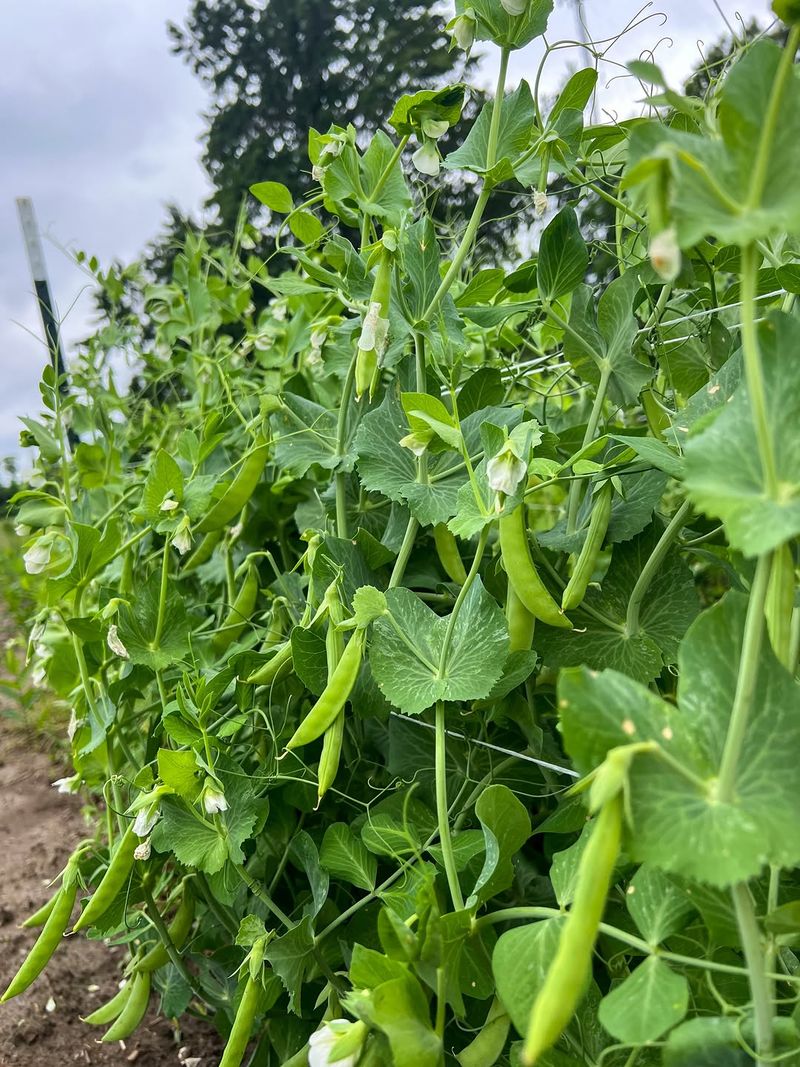
No other vegetable handles summer drought quite like Southern peas.
Crowder peas, black-eyed peas, and purple hull peas all belong to the same family.
They share one remarkable quality and keep setting pods when other plants have already surrendered to the heat.
Southern peas actually fix nitrogen in the soil as they grow. That means they improve your garden bed while feeding you at the same time.
You rarely need to fertilize them heavily, and too much nitrogen actually pushes leafy growth instead of pod production.
Plant them in full sun after all frost risk has passed and soil is warm. They germinate quickly in hot soil, often sprouting within five to seven days.
Direct sow them about an inch deep and four inches apart in rows.
Your Georgia Garden Changes Every Week. Your Plan Should Too.
Gardening in Georgia changes quickly throughout the season. Every Friday you’ll receive a simple weekly plan showing exactly what to plant, prune, fertilize, harvest, and protect so you never miss the right timing.
Purple Hull Pink Eye is one of the most reliable varieties for hot-weather production. Mississippi Silver and Whippoorwill are also strong performers that handle heat and occasional dry spells without much fuss.
Most varieties mature in 60 to 70 days from planting.
Pick pods when they start showing color but before they dry completely on the vine. Fresh-shelled peas have a completely different flavor than dried ones.
If you want to freeze them, blanch briefly in boiling water then pack them into bags. They hold flavor well in the freezer for months.
3. Sweet Potatoes Spread Quickly Once Summer Arrives
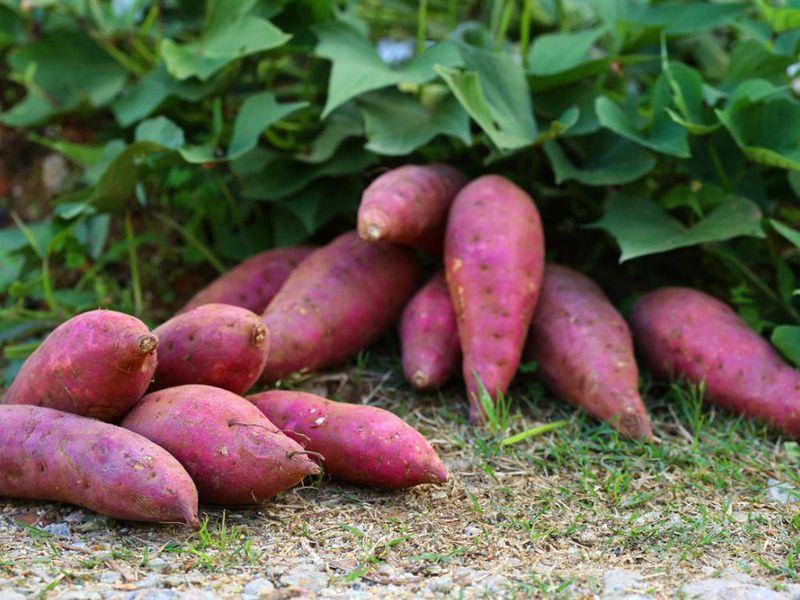
Sweet potatoes want heat, humidity, and long growing seasons. That combination makes them perfectly suited for summers in the South, where the growing window stretches long enough for tubers to size up properly before fall arrives.
Start with slips rather than seeds. Slips are small rooted cuttings grown from mature sweet potatoes.
You can buy them from garden centers in spring or grow your own by placing a sweet potato in water until it sprouts. Plant slips after your last frost date, spacing them about 12 inches apart in raised rows.
Once established, sweet potato vines spread aggressively. A single plant can cover several square feet of garden space by midsummer.
Some gardeners let vines roam freely, while others train them to stay in bounds. Either approach works fine as long as plants get full sun.
Beauregard is the most widely grown variety in the South and performs consistently well in heat and humidity. Georgia Jet is another popular option that matures a bit faster, making it useful if your growing season gets cut short by an early frost.
Harvest tubers about 90 to 120 days after planting slips, depending on the variety. Wait until vines start yellowing slightly before digging.
Cure freshly dug sweet potatoes in a warm, humid spot for 10 to 14 days. Curing converts starches to sugars and dramatically improves flavor.
4. Malabar Spinach Climbs Rapidly Up Trellises
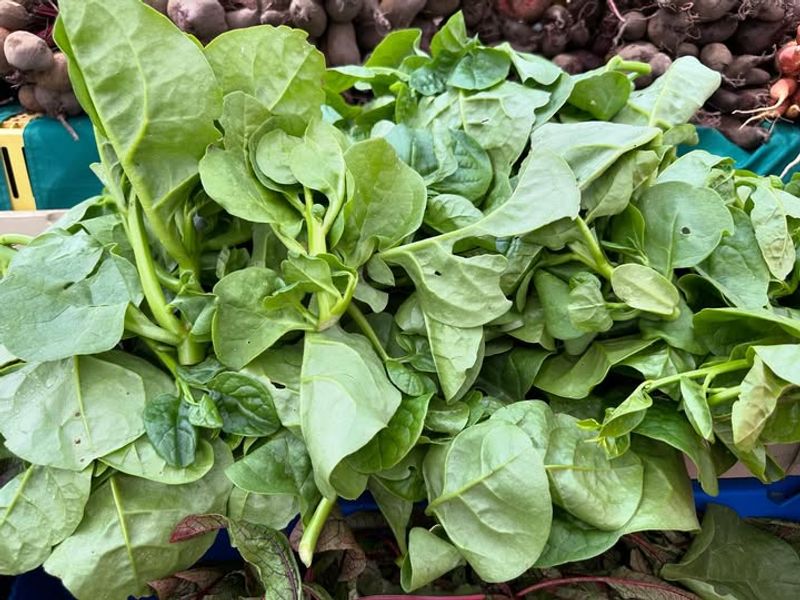
Regular spinach bolts the moment temperatures climb past 75 degrees. Malabar spinach does the exact opposite.
It waits for heat to arrive before really taking off, and by midsummer it can cover a six-foot trellis completely.
Technically not a true spinach, Malabar spinach is a tropical vine with thick, glossy leaves that hold up well in humid heat. The flavor is mild with a slight mucilaginous texture when cooked, similar to regular spinach but a bit earthier.
Raw leaves work well in salads when young and tender.
Plant seeds or transplants after all frost risk is gone and temperatures are consistently warm. Seeds can take two to three weeks to germinate, so starting indoors a few weeks early gives you a head start.
Once growing, the vine moves fast and needs sturdy support.
Give it a trellis, fence, or even a chain-link barrier to climb. Full sun produces the most vigorous growth, though it tolerates partial shade better than most heat-loving vegetables.
Water regularly during establishment, then ease back once the vine is well rooted.
Harvest outer leaves and stems as needed throughout summer. Cutting regularly encourages new growth from lower nodes.
Red-stemmed Malabar spinach adds visual interest to the garden and has the same flavor as the green variety. Both handle heat and humidity without slowing down until frost finally arrives in fall.
5. Yardlong Beans Flower For Months At A Time
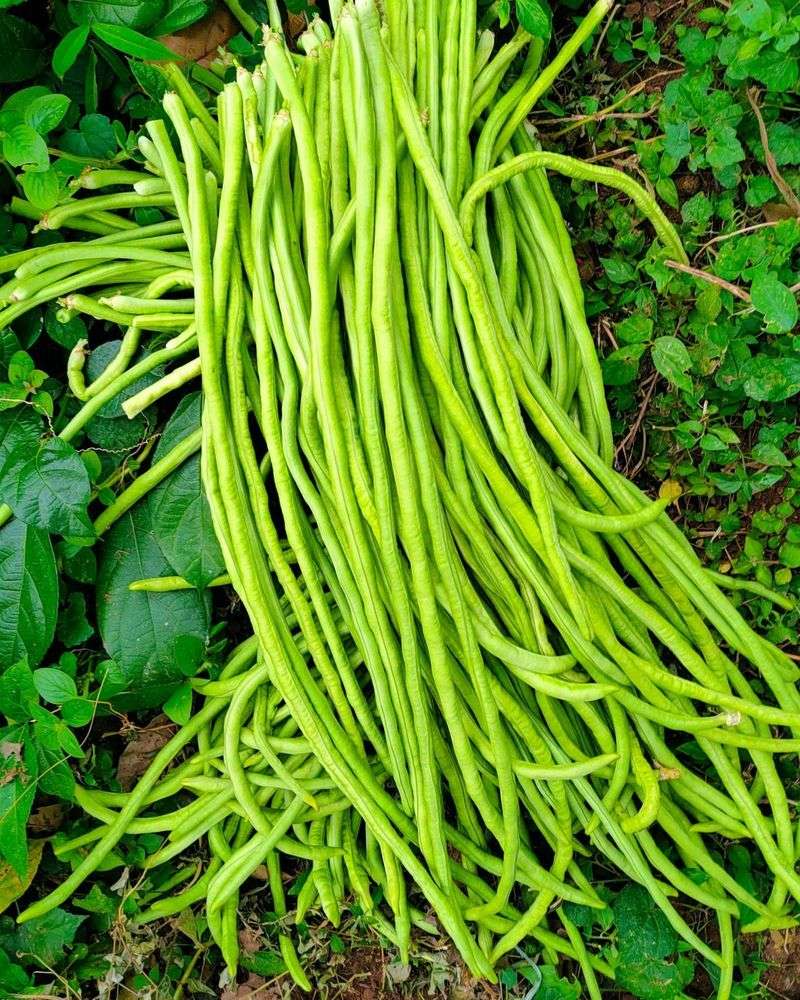
Yardlong beans are one of those vegetables that seem almost too productive for the space they take up.
A single plant can produce dozens of pods through summer, with a much longer harvest period than green beans in hot weather.
Also called asparagus beans or Chinese long beans, these vines are closely related to Southern peas rather than common green beans.
That relationship matters because it means they share the same heat and drought tolerance that makes Southern peas so reliable.
Plant seeds directly in warm soil after frost risk passes. They germinate quickly when soil is at least 65 degrees.
Provide a sturdy trellis right from the start because vines climb aggressively and can reach eight feet or taller by peak summer.
Pods are best harvested young, around 12 to 18 inches long, before they become fibrous and tough. Check plants every two days during peak production.
Pods can go from perfect to overripe surprisingly fast in summer heat. Leaving mature pods on the plant slows new pod development.
Red Noodle is a popular variety with deep burgundy pods that turn green when cooked. Orient Wonder and Chinese Red Noodle both perform well in humid, hot conditions.
Stir-fry, steam, or pickle the pods for completely different flavor experiences. Yardlong beans rarely disappoint when summer temperatures climb into the 90s.
6. Armenian Cucumbers Deliver Harvests For Weeks
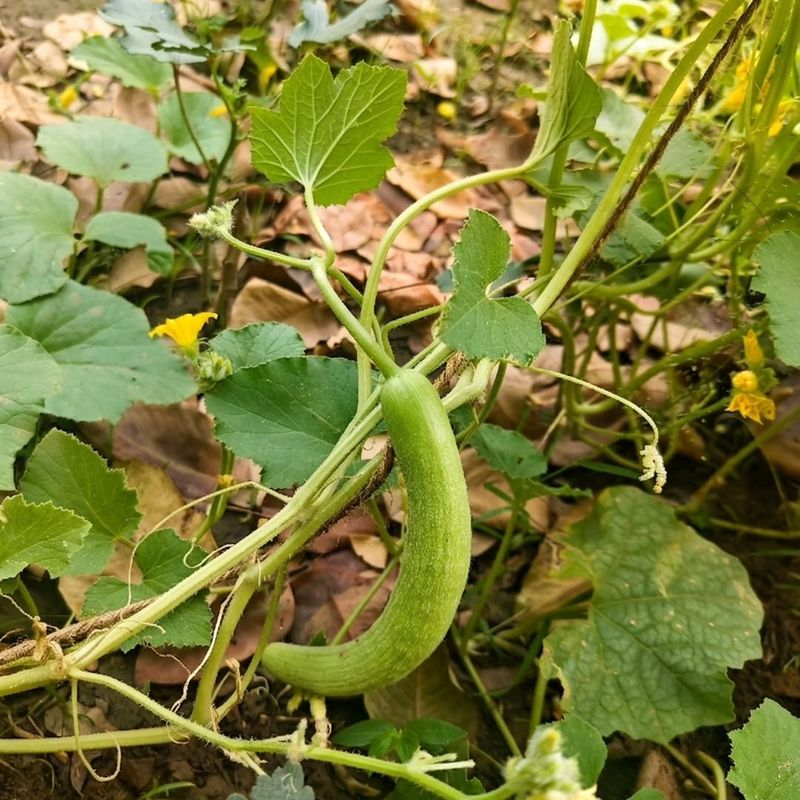
Regular cucumbers struggle badly in intense heat. They get bitter, production slows down, and plants often look ragged by late July.
Armenian cucumbers handle that same heat without missing a beat, staying productive and mild-flavored well into late summer.
Despite the name, Armenian cucumbers are technically a type of muskmelon, not a true cucumber. That distinction explains why they handle heat so much better than standard varieties.
The flavor is mild, slightly sweet, and never bitter, even when fruits grow quite large.
Plant seeds or transplants after frost risk is completely gone. They prefer full sun and warm soil.
Give them a trellis to climb because trellising keeps fruits straight, improves air circulation, and makes harvesting much easier. Fruits can get heavy, so use strong support.
Harvest fruits when they reach 12 to 18 inches long for the best flavor and texture. Younger fruits are tender and thin-skinned enough to eat without peeling.
Larger fruits develop thicker skin but stay mild and usable. Check plants every few days during peak production.
One of the best features of Armenian cucumbers is their tolerance for heat-related stress. When standard cucumbers turn bitter and stop producing, Armenian types keep going.
They also handle irregular watering better than most cucumbers, though consistent moisture produces the best results. A light layer of mulch around the base helps retain soil moisture and keeps roots cooler during peak summer temperatures.
7. Eggplant Rarely Slows Down Once Established
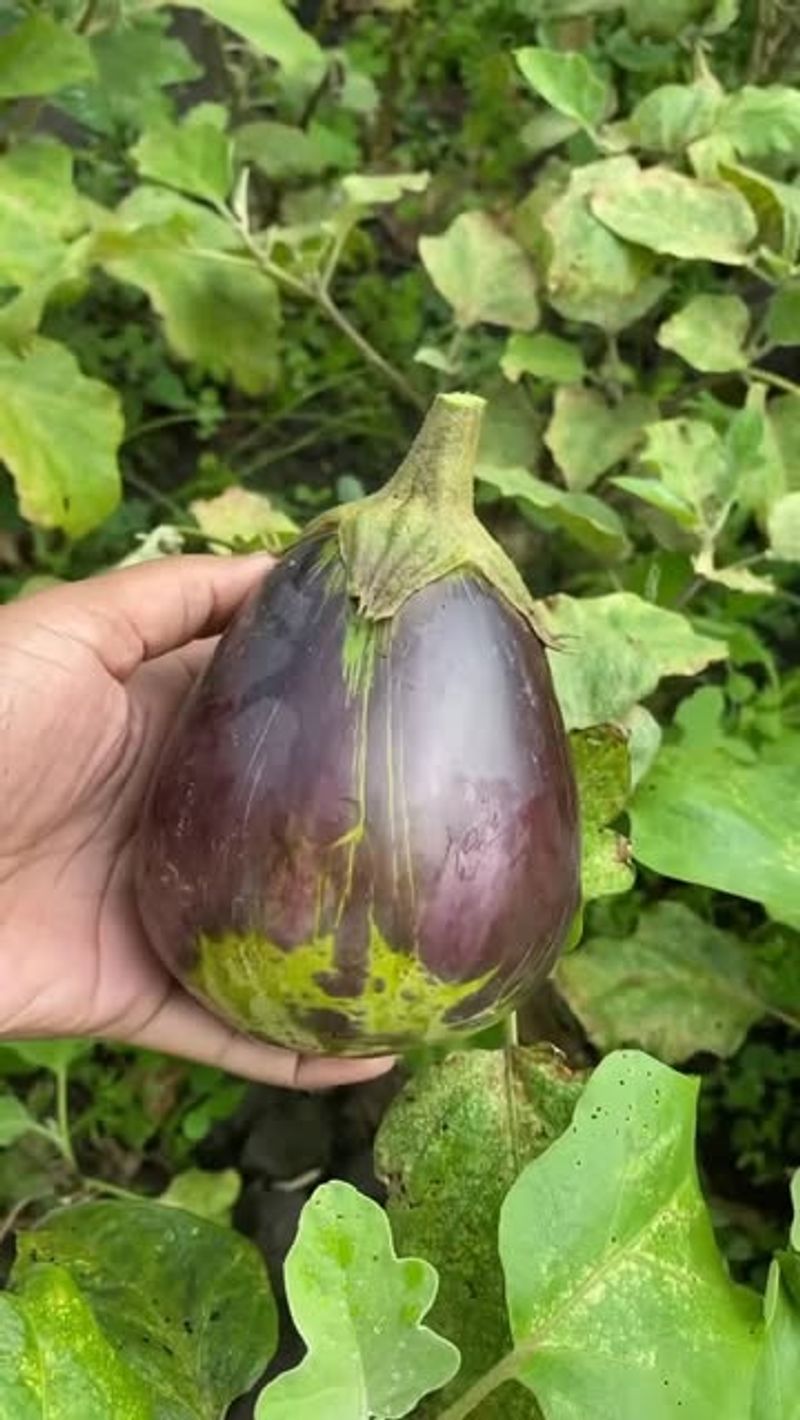
Eggplant is built for exactly the kind of weather that shuts down most other garden vegetables. Long, hot summers with high humidity are not a problem for this crop.
Once plants establish strong root systems, they just keep going and going through the worst of summer.
Set transplants out after your last frost date when nighttime temperatures stay consistently above 55 degrees. Eggplant is sensitive to cold early on, and a late chill can set plants back significantly.
Waiting a bit longer than you think necessary pays off in faster early growth.
Space plants 24 to 30 inches apart in full sun. Eggplant wants as much light as it can get.
Compact spacing invites fungal problems in humid conditions, especially during periods of heavy summer rain followed by intense heat.
Black Beauty is the classic variety most people recognize, but Japanese and Asian varieties like Ichiban or Ping Tung Long often outperform it in hot, humid conditions.
Smaller-fruited varieties tend to set fruit more reliably when temperatures spike above 95 degrees.
Harvest fruits while skin is still glossy and tight. Dull skin signals overripeness, and the flesh inside turns bitter and seedy quickly after that point.
Cut fruits from the plant with pruning shears rather than pulling, which can damage stems. Regular harvesting keeps plants productive for months, often right up until the first fall frost finally arrives.
8. Hot Peppers Reach Peak Harvest Later In The Season
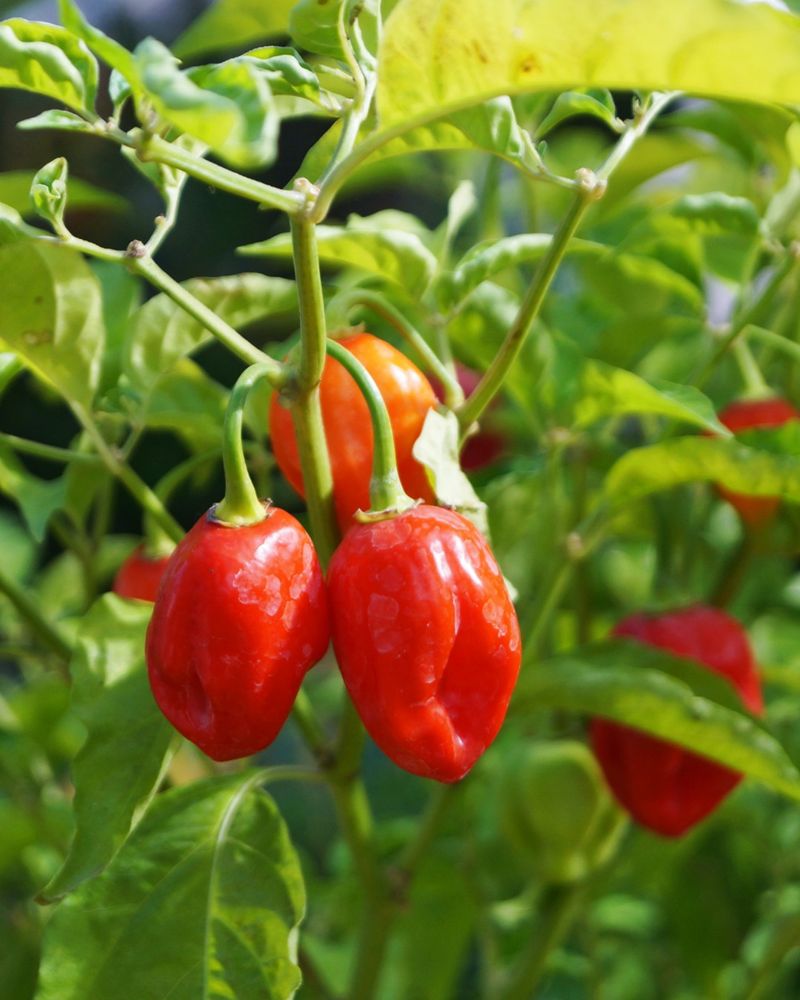
Most peppers start slowly in spring, looking almost unimpressive through June. Then August arrives, temperatures peak, and hot pepper plants transform into some of the most productive things in the entire garden.
Peak harvest comes late, and that timing works perfectly for summer gardeners.
Hot peppers need a long growing season to reach full production. Starting seeds indoors 8 to 10 weeks before your last frost date gives plants the head start they need.
Transplant outdoors only after nights stay reliably warm, usually mid to late spring in most parts of the South.
Cayenne, jalapeño, Thai hot, and habanero all perform well through intense summer heat. Habaneros especially seem to love the most brutal conditions and often produce the most heavily during August and September.
Cayennes are easier to manage and produce reliably across a wider range of conditions.
Water consistently but avoid waterlogged soil. Peppers handle some drought stress, but prolonged dry periods reduce fruit set noticeably.
Mulching around plants helps maintain even soil moisture and keeps roots from overheating in direct sun.
Ripe peppers have the best flavor and highest heat levels. Green peppers are usable but milder and slightly less complex in flavor.
Leaving fruits on the plant until fully colored rewards you with better taste. Dry or ferment excess peppers for long-term storage.
A productive plant can yield hundreds of peppers in a single growing season under good conditions.