The Best Drought-Tolerant Arizona Flowering Plants That Bloom Through Monsoon Season
Monsoon season can completely change the look of a garden. One week the landscape is baking under dry conditions, and the next it is dealing with sudden downpours, humidity, and stormy weather.
Not every flowering plant is prepared for that kind of shift.
Arizona gardeners know how quickly summer conditions can change. Plants that struggle through heat rarely improve once monsoon season arrives.
Those that thrive tend to have something in common. They are built to handle both drought and seasonal rain without losing their momentum.
The difference becomes obvious when flowers keep blooming while other plants begin slowing down. A few reliable choices continue producing color through some of the toughest months of the year.
Their staying power is exactly what makes them stand out.
1. Red Bird Of Paradise Keeps Blooming After Summer Storms
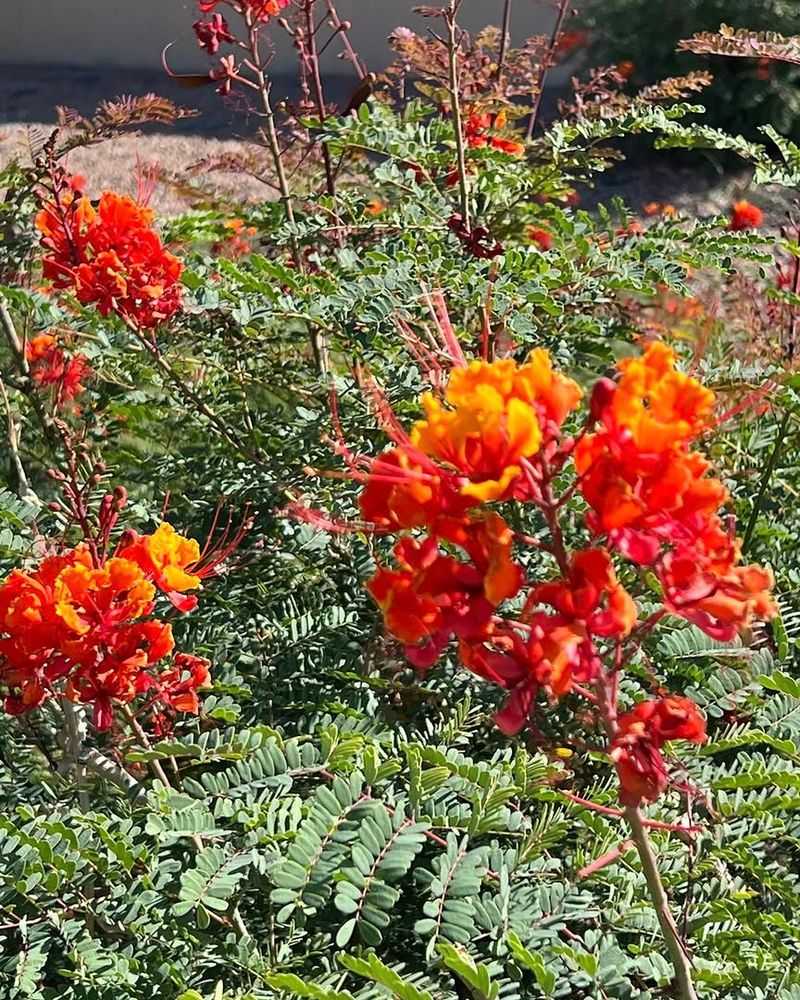
Bold, fiery, and almost impossible to overlook, Red Bird of Paradise puts on its best show right when summer storms start moving through the desert Southwest.
It handles both dry spells and sudden monsoon downpours without skipping a beat. Once established in well-draining soil, it rarely needs extra watering.
The plant stores energy through dry stretches and rebounds fast after rain.
Blooms typically appear in late spring and keep going strong through late summer. The flowers are bright orange-red with long red stamens that attract hummingbirds and butterflies regularly.
Mature plants can reach six to ten feet tall, so give them space. Planting near a wall or fence can help protect stems from strong monsoon winds.
Pruning hard in late winter encourages fresh, vigorous growth before the heat arrives. Skip the fertilizer unless your soil is very poor.
Too much nitrogen pushes leafy growth over flowers.
It is native to tropical dry forests but has adapted exceptionally well to low-desert conditions. In Phoenix or Tucson, it is one of the most dependable summer bloomers you can put in the ground.
Few shrubs match its ability to stay colorful through intense heat while many other flowering plants slow down for the season.
2. Angelita Daisy Continues Flowering During Monsoon Season
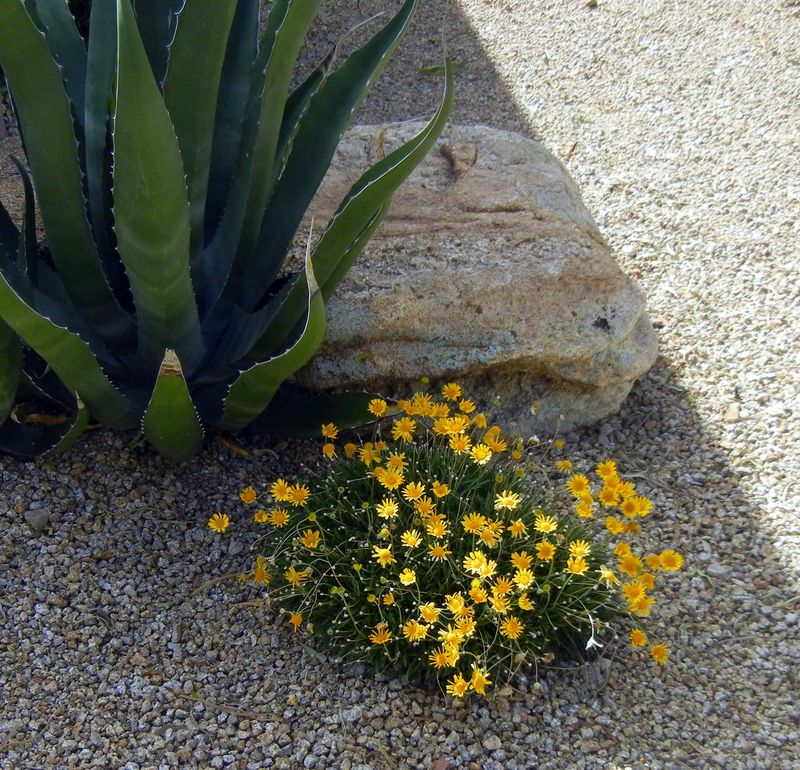
Tiny flowers, huge staying power. Angelita Daisy earns its spot in any desert garden by doing something most plants refuse to do: bloom almost year-round, including through the wet and steamy monsoon months.
Each golden-yellow flower sits on a slender stem above fine, dark green foliage. Up close, the plant looks delicate.
In reality, it is remarkably tough and handles both drought and temporary waterlogging surprisingly well.
It grows about one foot tall and spreads up to two feet wide. That low, compact shape makes it ideal for borders, rock gardens, and containers on covered patios.
One thing to watch: Angelita Daisy prefers sharp drainage. If monsoon water pools around the roots for more than a day or two, root rot can become a problem.
Raised beds or gravelly soil help a lot.
Deadheading spent blooms is not strictly necessary, but doing it occasionally keeps the plant looking tidy and can encourage fresh buds. Cut back lightly after the main monsoon push fades.
Your Arizona Garden Changes Every Week. Your Plan Should Too.
Gardening in Arizona changes quickly throughout the season. Every Friday you’ll receive a simple weekly plan showing exactly what to plant, prune, fertilize, harvest, and protect so you never miss the right timing.
Full sun is non-negotiable. Shade reduces flowering significantly.
In the low desert, plant it where it gets at least six to eight hours of direct sunlight daily for the best results.
3. Baja Fairy Duster Handles Heat And Humidity With Ease
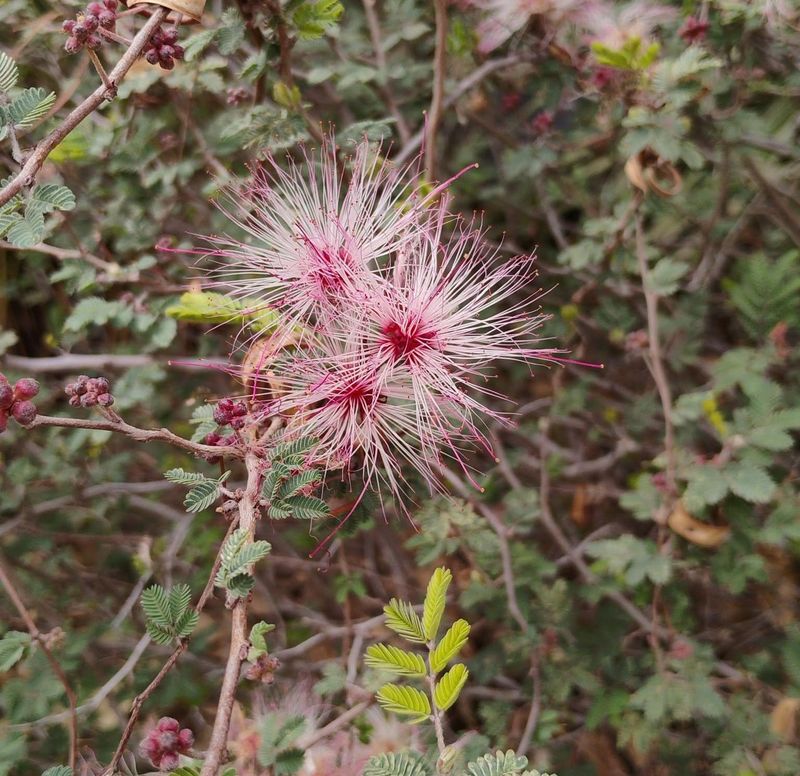
Even in extreme heat, this plant keeps forming soft, feathery flowers.
Baja Fairy Duster is one of those plants that looks like it belongs in a tropical garden but thrives in full desert conditions without much help from you.
Unlike its close cousin, the regular Fairy Duster, the Baja variety blooms more heavily and for a longer stretch. Flowers start in late winter and can continue into fall, often picking back up after monsoon rains arrive.
It grows into a loose, open shrub about three to five feet tall. The feathery pink-red flowers attract hummingbirds and native bees throughout the blooming season.
Established plants need very little supplemental water. During monsoon season, natural rainfall is usually enough to keep them going strong.
Overwatering is a more common mistake than underwatering with this plant.
Pruning once a year in late winter keeps the shape tidy and encourages dense new growth. Avoid cutting it back too hard or too late in the season, since that can delay flowering.
It performs well in rocky, low-nutrient soils. Amending the planting hole with rich compost is not necessary and can actually reduce its natural hardiness over time.
4. Chuparosa Stays Colorful During Arizona Summers
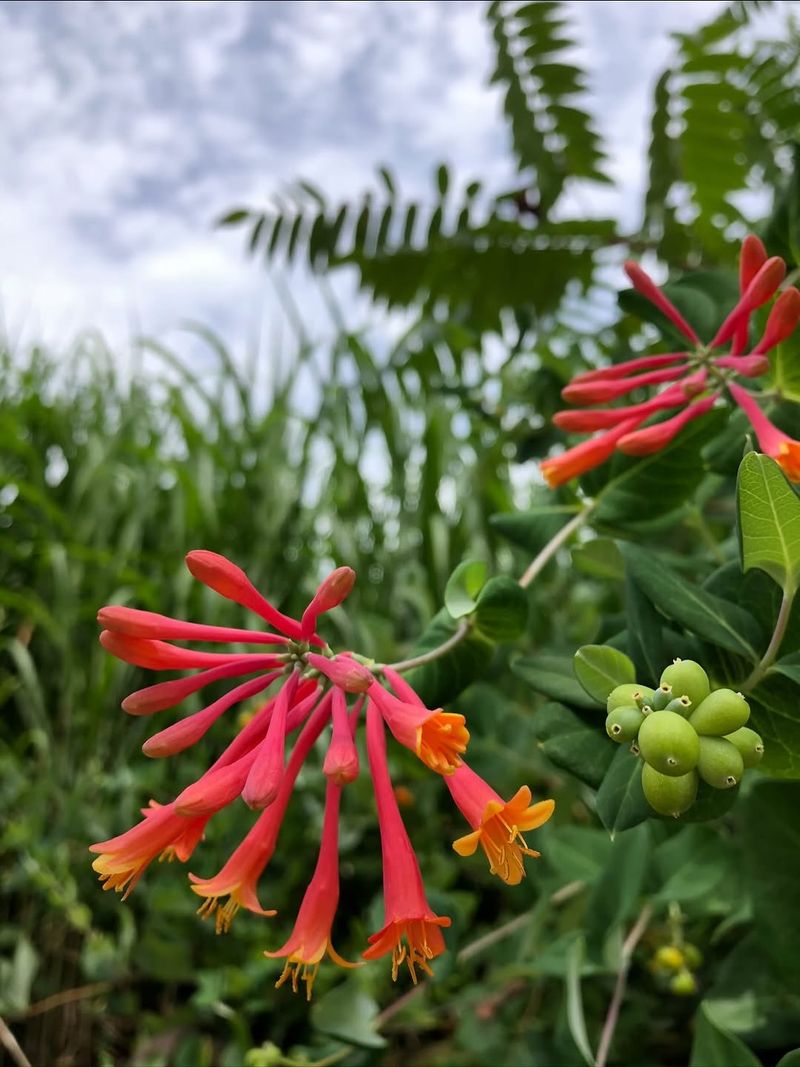
Hummingbirds figured out Chuparosa long before gardeners did. Its name literally means hummingbird in Spanish, and watching one hover at the flowers on a hot July morning is hard to forget.
Red tubular flowers cover the arching green stems from late winter through summer. Monsoon rains often trigger a fresh flush of blooms, making it one of the most reliable sources of color during the hottest, muggiest stretch of the year.
It grows three to five feet tall with a loose, sprawling habit. In a natural desert wash or low spot, it thrives.
In a manicured garden, occasional shaping keeps it from getting too wild-looking.
Water it deeply once every two to three weeks during dry periods. Once monsoon rains kick in, back off completely.
Chuparosa does not like sitting in wet soil for extended periods.
Leafless stems in summer are completely normal and not a sign of stress. The plant drops leaves in extreme heat to conserve moisture, then leafs out again when temperatures ease or rain arrives.
Plant it in full sun for the best flowering. Partial shade works but tends to reduce bloom density noticeably.
It pairs well with desert willow and brittlebush in a mixed planting scheme.
5. Desert Ruellia Thrives In Both Dry And Rainy Conditions
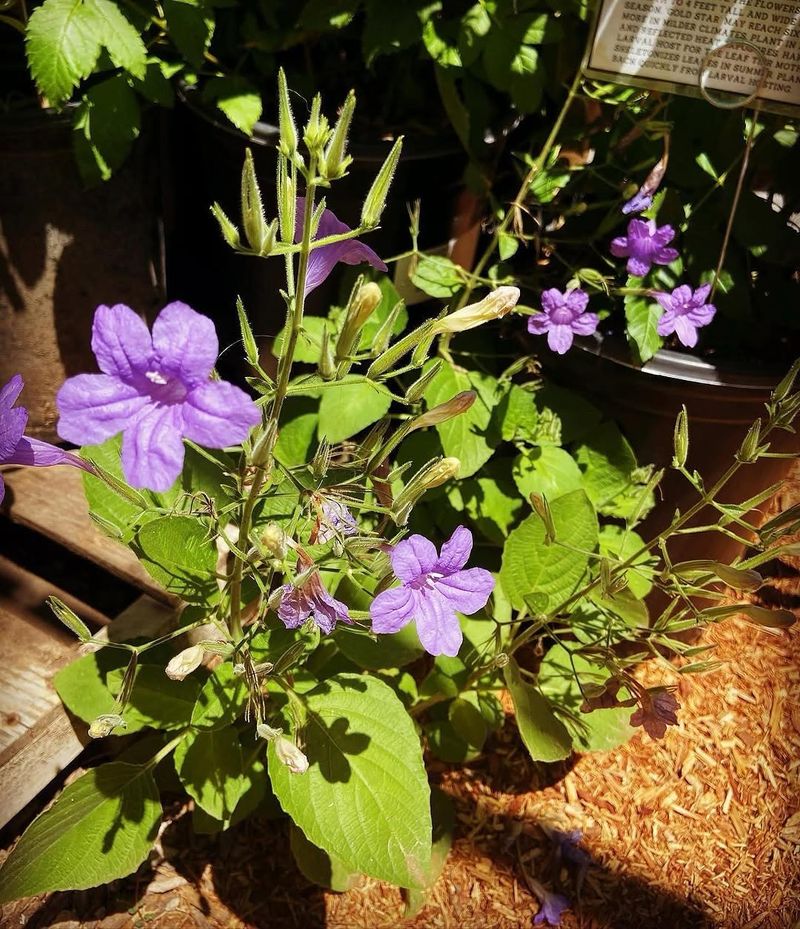
Purple blooms popping up in the middle of a scorching summer? That is exactly what Desert Ruellia delivers, and it does it whether the ground is bone dry or soaked from a monsoon storm.
Also called Desert Petunia, it produces trumpet-shaped lavender to purple flowers almost continuously from spring through fall. Each individual bloom lasts only one day, but new ones open constantly, so the display never looks sparse.
It spreads by underground runners and can fill in a garden bed fairly quickly. Some gardeners love that habit for ground cover.
Others find it needs occasional editing to stay contained in smaller spaces.
Water needs are minimal once established. Monsoon rainfall alone is typically enough to sustain healthy blooming through late summer.
In unusually dry stretches between storms, a deep soak every ten days helps.
It handles both heavy clay and sandy soils better than most desert plants. Good drainage is still preferred, but Desert Ruellia is forgiving when conditions are not perfect.
Full sun brings the most flowers. Light shade is tolerated but can stretch stems out and reduce bloom density.
Cut it back hard in early spring to encourage compact, fresh growth before the heat season begins.
6. Autumn Sage Keeps Color Going In Hot Weather
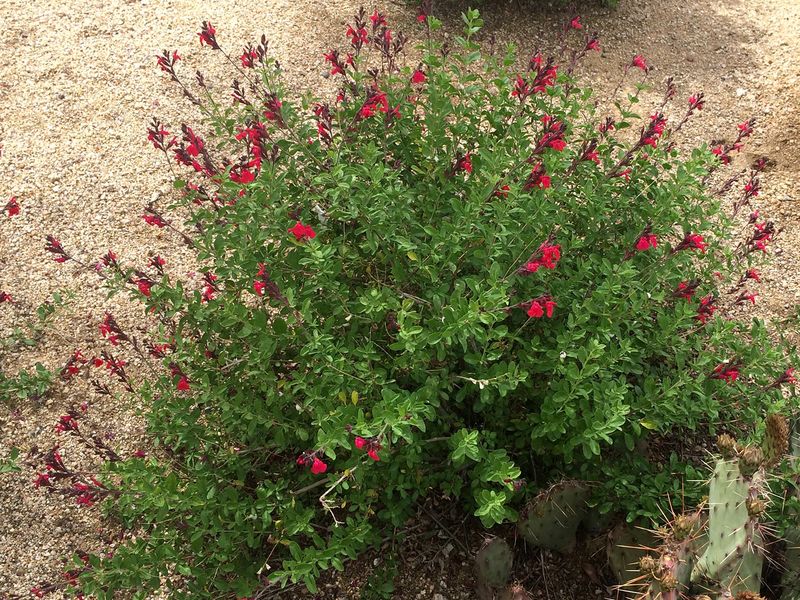
Red flowers in 105-degree heat. Autumn Sage pulls that off without drama, making it one of the most practical color plants you can grow in the low to mid-elevation desert Southwest.
Despite the name, it starts blooming in spring and keeps going through summer, fall, and sometimes into early winter depending on elevation.
Monsoon rains give it a noticeable boost, triggering fresh flushes of bright red, coral, or pink blooms depending on the variety.
It stays compact, usually two to three feet tall and wide. That size works well in mixed borders, along walkways, or in containers that get moved to covered spots during intense monsoon thunderstorms.
Hummingbirds seek it out consistently. Planting it near a window or patio gives you a front-row view of the activity throughout summer.
Water every seven to ten days during dry stretches. When monsoon rains are steady, cut back supplemental irrigation entirely.
Root rot from overwatering is the most common reason plants struggle.
Shear the plant back by about one-third after each major bloom cycle. That light pruning keeps the shape tight and encourages the next round of flowers to come in dense and full rather than sparse and leggy.
7. Globe Mallow Stands Up To Dry Conditions And Summer Rain
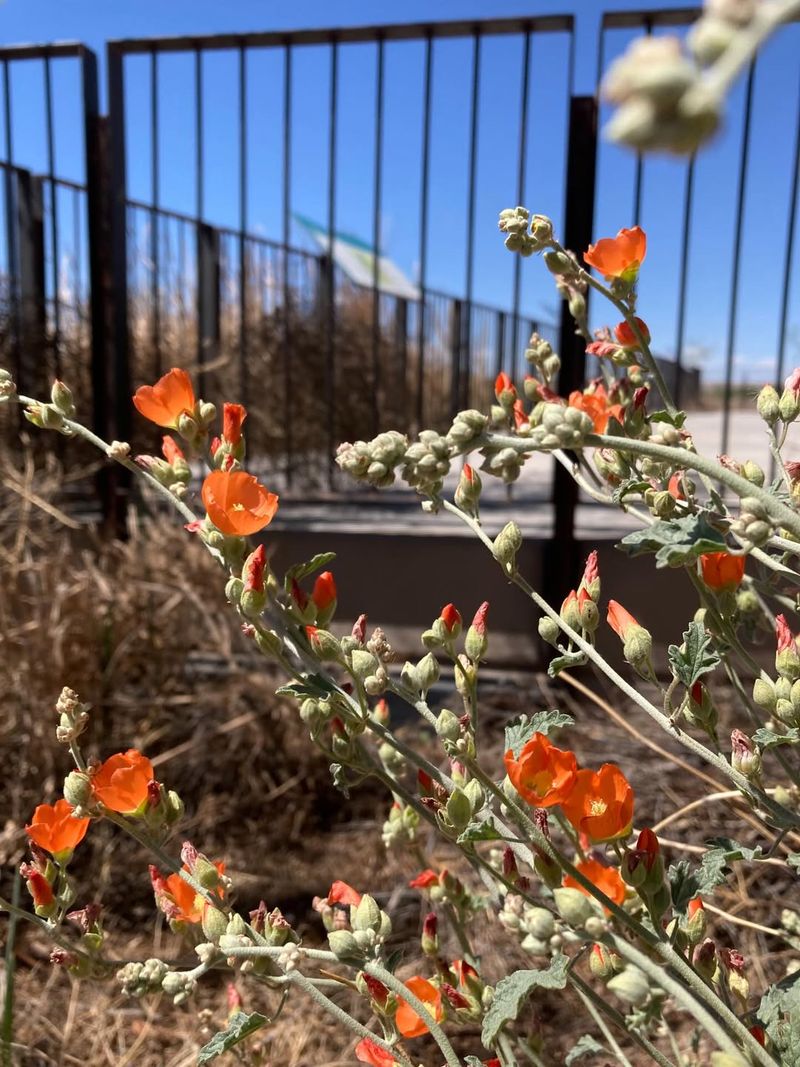
Bright orange cups of color scattered across a dry desert hillside. Globe Mallow is one of the most recognizable wildflowers in the Southwest, and it earns its keep in garden settings just as well as it does in the wild.
It blooms heavily in spring, slows during the hottest weeks, then picks back up when monsoon moisture arrives. That second flush of flowering in late summer is one of the reasons it stays so popular with desert gardeners.
Plants grow two to three feet tall with an open, airy structure. The soft gray-green foliage provides a nice contrast against the vivid orange blooms.
Some varieties also come in lavender, pink, and white.
One caution worth knowing: the tiny leaf hairs can irritate eyes and skin for some people. Wear gloves when pruning and avoid touching your face afterward.
It reseeds freely in open soil. That can be a good thing if you want it to naturalize across a large area, but plan ahead if you prefer a more controlled garden layout.
Water deeply once a week during establishment. After the first full growing season, rainfall and occasional deep soaks are usually enough.
It handles poor, rocky soil with ease and rarely needs fertilizer to perform well.
8. Damianita Holds Its Yellow Color For Months
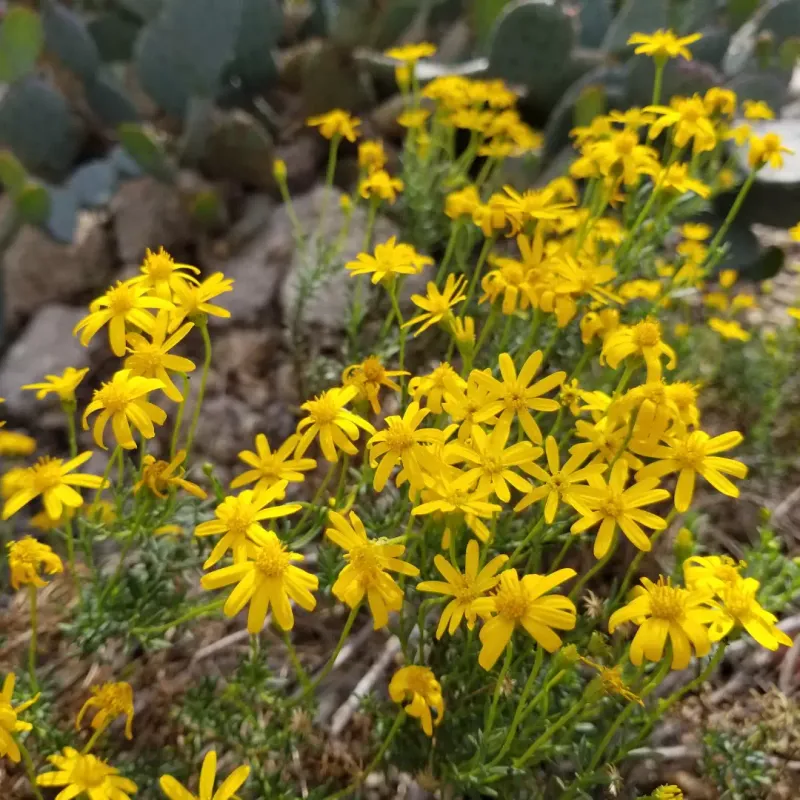
Steady, reliable, and covered in yellow for months at a stretch. Damianita does not put on one dramatic show and disappear.
It just keeps producing small, cheerful flowers with almost no attention from the gardener.
It blooms most heavily in spring but continues flowering into summer and often pushes new buds after monsoon rains move through. The bright yellow daisy-like flowers cover the plant densely enough to nearly hide the dark green foliage underneath.
Growth stays compact, usually one to two feet tall and slightly wider. That low mounding shape works well along borders, on slopes, and in rock gardens where other plants struggle to hold on.
Damianita has a strong, aromatic scent that some people enjoy and others find sharp. Brushing against the foliage releases the fragrance, which some say resembles chamomile or a herbal tea blend.
It demands sharp drainage above all else. Wet feet from clay soil or poor drainage will cause problems faster than heat or drought ever would.
Raised planters or gravelly native soil suits it best.
Minimal pruning is needed. A light trim after the spring bloom keeps the shape neat.
In the low desert, it holds its color longer than most small shrubs and rarely looks worn out even after a long, hot summer.
9. Yellow Bells Rarely Pause Once Monsoon Rains Arrive
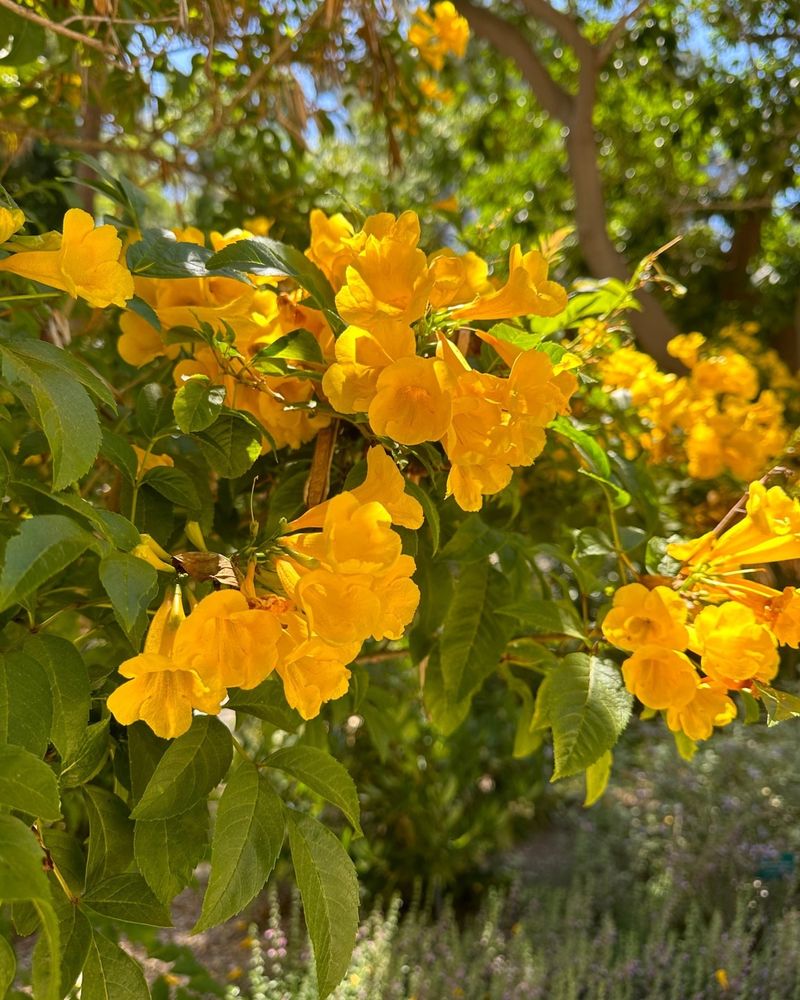
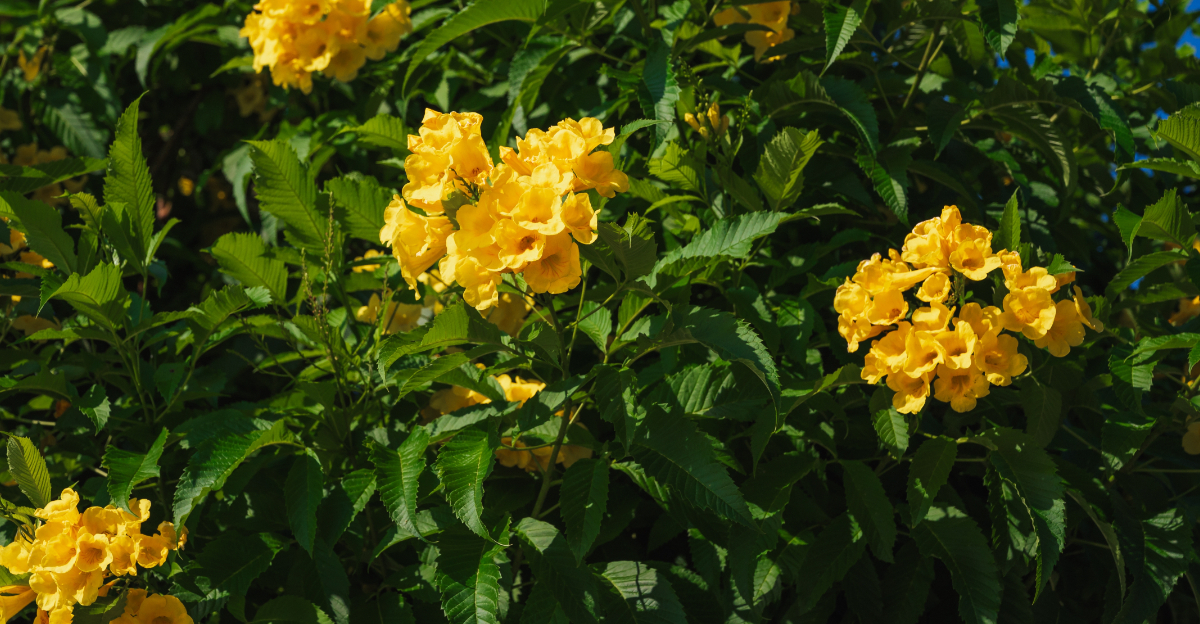
Few plants flip a switch as fast as Yellow Bells when the first monsoon rain hits. Within days of a good soaking, this shrub explodes with bright golden-yellow trumpet flowers that seem almost too cheerful for the brutal desert summer.
Technically called Tecoma stans, it grows fast and can reach six to twelve feet tall if left unpruned. In a garden setting, regular trimming keeps it tidy and at a manageable size without reducing flowering much.
Blooms appear from late spring and continue through fall, often intensifying after each significant rain event. Butterflies and hummingbirds visit the flowers regularly throughout the season.
It is one of the most heat-tolerant flowering shrubs available for low-desert gardens. Full sun and reflected heat from walls or pavement do not slow it down.
In fact, extra heat often pushes heavier flowering.
Established plants need very little supplemental irrigation. Monsoon rains typically provide more than enough moisture to carry them through summer.
Overwatering leads to excessive leafy growth and fewer blooms.
Prune hard in late winter before new growth begins. Remove any frost-damaged stems down to healthy wood.
New growth comes on quickly and the first flowers usually appear by April or May in warmer low-desert locations.