Pennsylvania Gardeners Are Filling Their Worst Shade Spots With These Native Plants
Every Pennsylvania yard has at least one spot that seems to defeat everything planted in it. Deep shade under a dense canopy, dry ground packed with competing roots, or that narrow side of the house that barely sees sky.
These are the places most gardeners eventually give up on, throwing in a few hostas out of habit and accepting that nothing will ever really thrive there. Native Pennsylvania plants are changing that expectation in a meaningful way.
There is a growing group of natives specifically suited to the kind of difficult shade conditions that standard garden plants cannot handle, and they do not just survive in those spots.
They settle in, spread gradually, and eventually turn a problem area into one of the more interesting corners of the yard.
Pennsylvania gardeners who have started filling their worst shade spots with these plants are consistently surprised by how quickly the results shift from struggling to genuinely thriving.
1. Wild Ginger
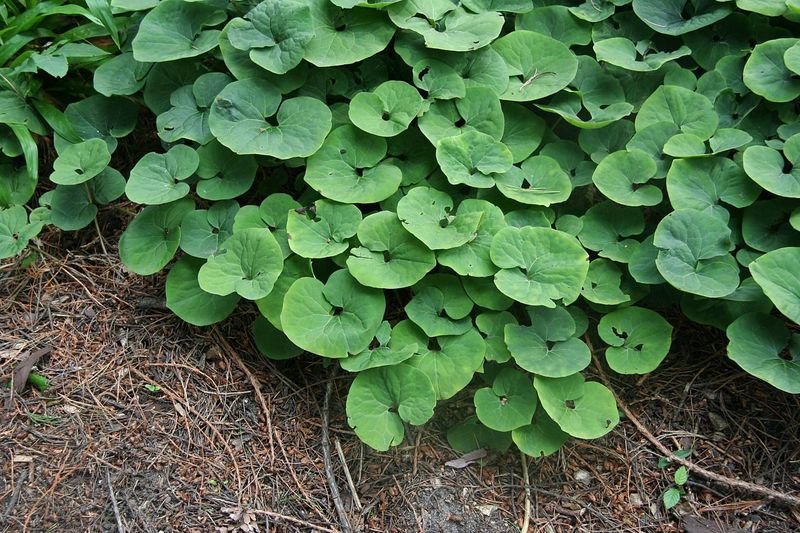
Most people walk past Wild Ginger without a second glance, but once you plant it in a tough shade spot, you will wonder how you ever gardened without it.
This low-growing native creates a thick, lush carpet of broad, heart-shaped leaves that block out weeds and cover bare soil beautifully. It thrives in the kind of deep, dry shade where most other plants simply give up.
Wild Ginger spreads slowly through underground stems called rhizomes. Over a few seasons, it fills in gaps naturally without becoming invasive or aggressive.
That makes it a great choice for gardeners who want results without constant maintenance. You can plant it once and let it do its thing year after year.
One cool detail many people do not know is that Wild Ginger produces small, hidden flowers near the base of the plant in early spring.
These blooms are pollinated by beetles and ants rather than bees, which is a neat reminder of how connected native plants are to local ecosystems. The flowers are easy to miss, but they matter.
In Pennsylvania, this plant handles cold winters and hot summers without much fuss. It prefers moist, rich soil but adapts well to drier conditions once established.
Pair it with ferns or Solomon’s Seal for a layered woodland look that feels completely natural. Wild Ginger is a quiet powerhouse that earns its place in any shady garden.
2. Foamflower
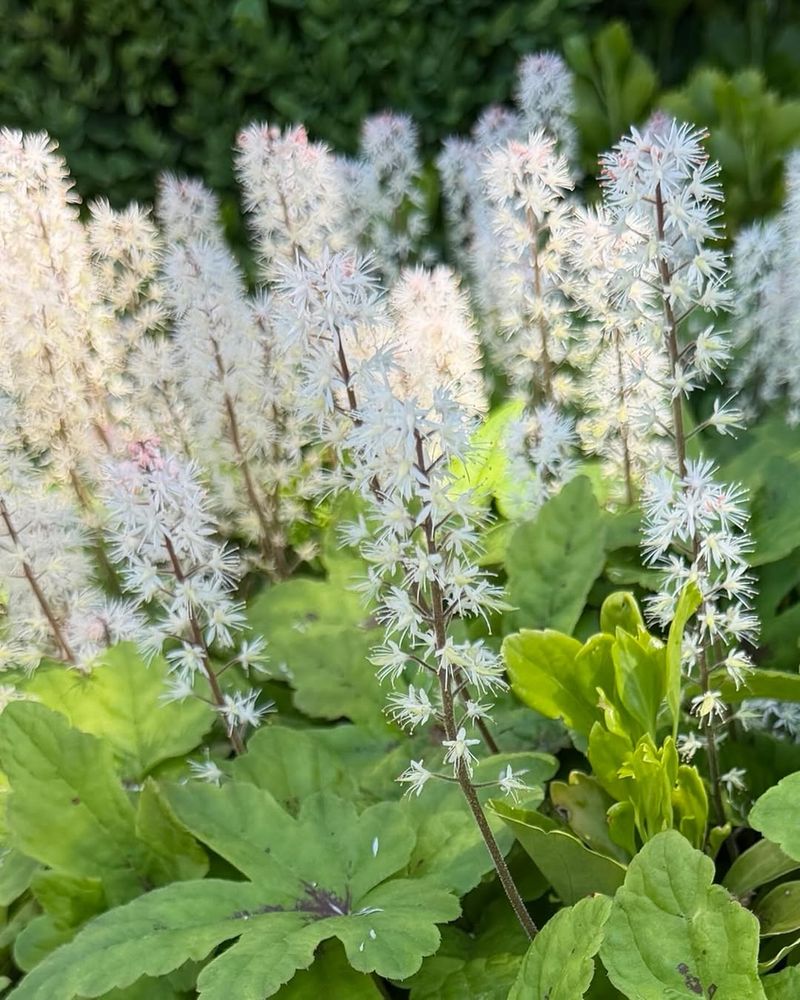
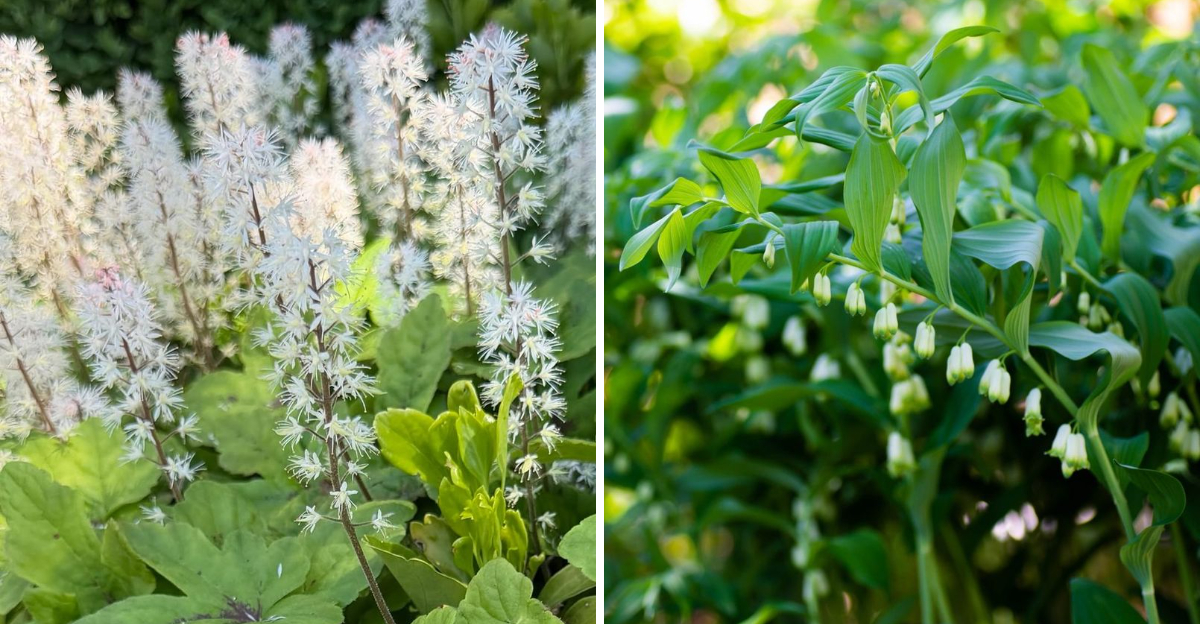
Few plants earn their name as perfectly as Foamflower. In spring, it sends up airy spikes of tiny white flowers that look exactly like foam floating above the woodland floor.
Those blooms light up shady corners that would otherwise look dull and lifeless during the season when every gardener wants color the most.
Foamflower is a spreader, but a polite one. It creeps outward through runners, slowly filling in bare patches without smothering neighboring plants.
That makes it especially useful along shaded garden borders or beneath large trees where competition for resources is tough. Once it gets going, it forms a reliable, weed-suppressing mat of attractive foliage.
Your Pennsylvania Garden Changes Every Week. Your Plan Should Too.
Gardening in Pennsylvania changes quickly throughout the season. Every Friday you’ll receive a simple weekly plan showing exactly what to plant, prune, fertilize, harvest, and protect so you never miss the right timing.
The leaves are just as interesting as the flowers. They have a maple-like shape and often show reddish or purplish markings through the growing season, adding visual interest long after the spring blooms have faded.
Some varieties even hold their foliage into winter, giving you color in the garden during colder months.
Pennsylvania gardeners love Foamflower because it is genuinely low-effort. Plant it in moist, well-drained soil with good organic matter, and it handles the rest.
It pairs beautifully with Wild Ginger, ferns, and native sedges for a layered woodland planting.
Pollinators like native bees and small butterflies visit the flowers regularly, so you are supporting local wildlife at the same time. For a shady spot that needs both beauty and function, Foamflower delivers on every level.
3. Pennsylvania Sedge
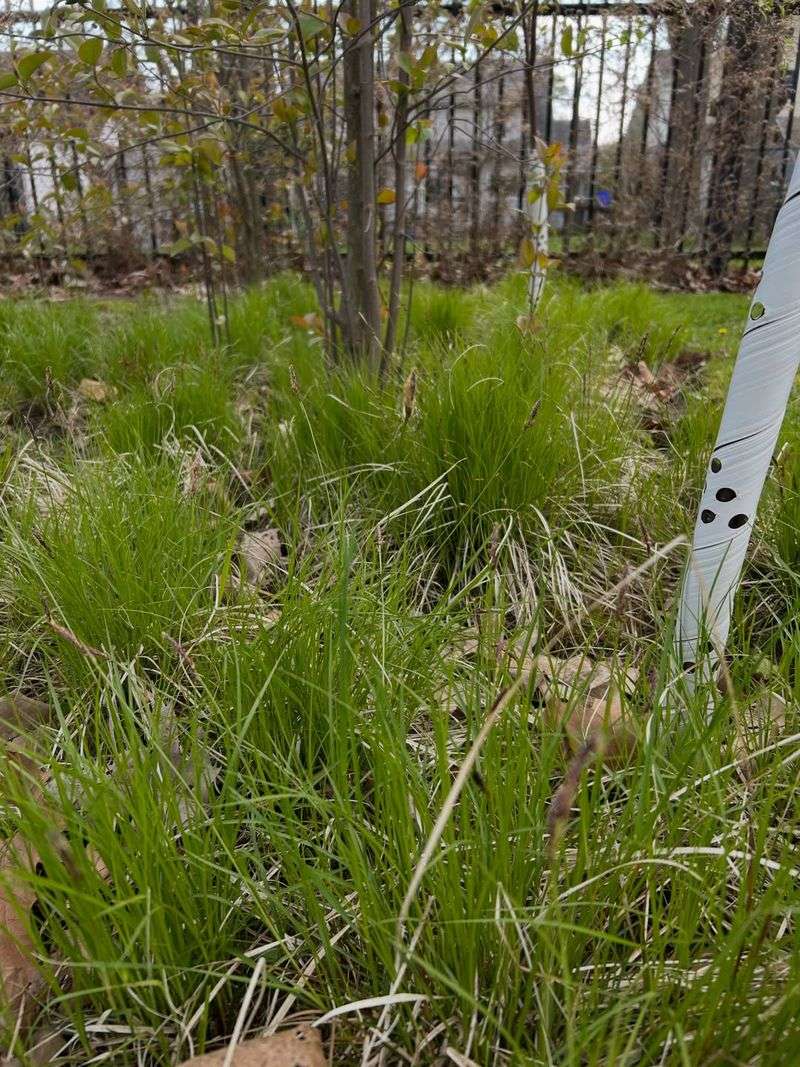
Grass lawns and deep shade simply do not get along. If you have tried again and again to grow turf under a big oak or maple and failed every time, Pennsylvania Sedge might be the answer you have been looking for.
This native sedge forms a soft, fine-textured carpet that looks surprisingly lawn-like without needing full sun, frequent mowing, or heavy watering once established.
Pennsylvania Sedge is incredibly adaptable. It handles dry shade, which is one of the hardest conditions in any garden.
Tree roots soak up most of the moisture, leaving the soil dry and compacted. Most plants struggle in those conditions, but this sedge handles them with ease. It stays a manageable height of around six to twelve inches and rarely needs to be cut back.
This plant is also a quiet hero for local wildlife. It serves as a host plant for several native butterfly and moth species, which means planting it supports more than just your garden’s looks.
Birds also use sedge-covered areas as foraging ground, searching through the foliage for insects and seeds throughout the year.
For gardeners who want a clean, tidy appearance in shaded areas, Pennsylvania Sedge fits the bill without demanding much in return. It looks great planted in masses under trees or along shaded pathways.
Combine it with spring ephemerals like trillium or with Foamflower for a naturalistic design that practically takes care of itself. It is a workhorse dressed up as a pretty groundcover.
4. Christmas Fern
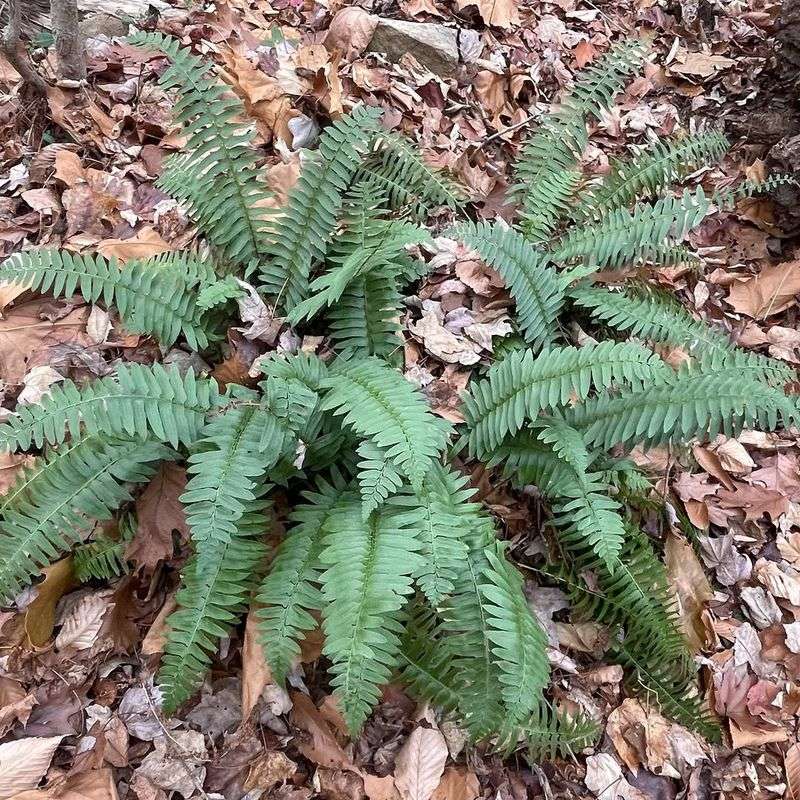
There is something deeply satisfying about a plant that stays green all winter long. Christmas Fern earned its name because early American settlers used its evergreen fronds to decorate their homes during the holiday season.
That same winter toughness makes it one of the most reliable natives you can plant in a challenging shade spot in Pennsylvania today.
This fern handles conditions that would frustrate most gardeners. Dry shade, rocky slopes, clay soil, and heavy root competition are all situations where Christmas Fern keeps performing.
It grows in graceful, arching clumps that reach about two feet tall and wide, providing year-round structure in spots that would otherwise look bare and neglected during the colder months.
In spring, new fronds called fiddleheads emerge from the center of each clump in a tightly curled shape. They unfurl slowly into full, dark green fronds that stay fresh-looking through fall and into winter.
The old fronds flatten to the ground as snow falls, creating a natural mulch layer that protects the plant and enriches the soil as they break down.
Christmas Fern is also a great erosion-control plant on slopes where rainfall tends to wash soil away. Its fibrous root system holds the ground firmly in place.
Wildlife benefits too, as some birds nest among the fronds and insects overwinter beneath the foliage. Plant it alongside Wild Ginger or Solomon’s Seal for a shade garden combination that looks polished and functions beautifully through every season.
5. Allegheny Spurge
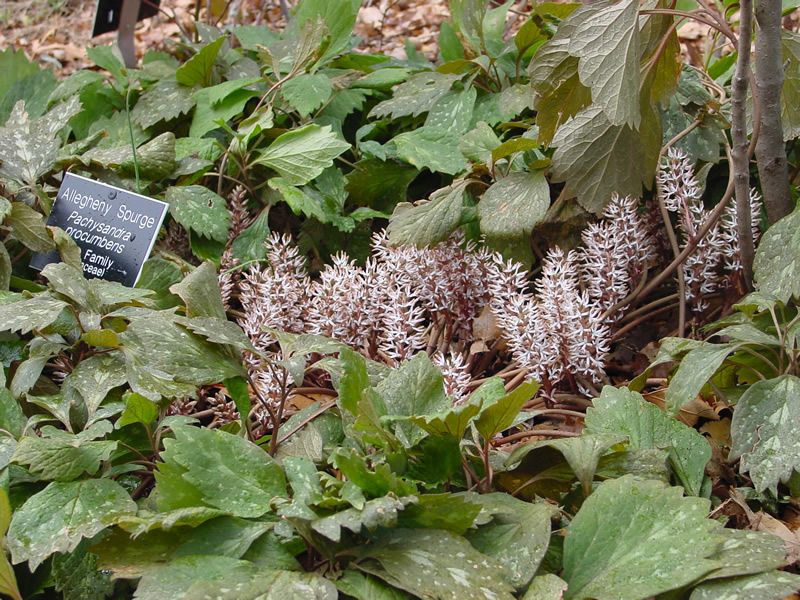
Dry shade under mature trees is one of the most challenging spots in any yard. Allegheny Spurge was practically made for exactly that situation.
Native to the Appalachian region, including much of Pennsylvania, this low-growing evergreen groundcover thrives where soil is dry, rooty, and starved of sunlight. It is one of those plants that seems to actually enjoy difficult conditions.
The foliage is striking year-round. Allegheny Spurge produces dark green leaves with subtle silver or grayish patterning that adds texture even when nothing is blooming.
In spring, it sends up small spikes of fragrant white flowers that attract early pollinators looking for food after a long winter. Those blooms are a welcome surprise in a spot where flowers are usually hard to find.
One of the best things about this plant is how it handles bare soil. Allegheny Spurge spreads slowly but steadily, gradually covering exposed ground and crowding out weeds over time.
It is not aggressive, so it works well alongside other woodland natives without taking over. That steady, dependable spread makes it ideal for gardeners who want a long-term solution rather than a quick fix.
Maintenance is minimal once established. It rarely needs watering after its first season and does not require fertilizer in a typical woodland setting.
Deer tend to avoid it, which is a real bonus in many Pennsylvania neighborhoods. Plant it in groups of three or more for faster coverage, and pair it with Christmas Fern for a textured, layered look that stays attractive through winter.
6. Blue Wood Aster
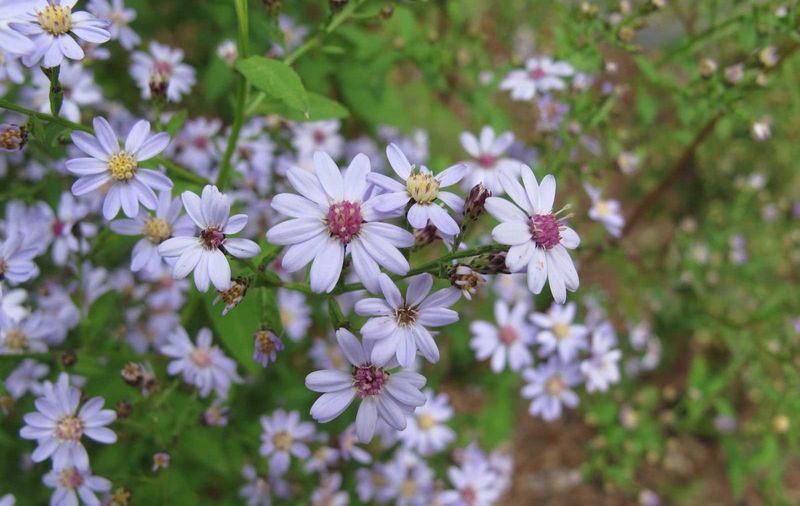
By September, most shade gardens have lost their spark. Flowers have faded, foliage looks tired, and the garden feels like it is just waiting for winter.
Blue Wood Aster shows up right at that moment and changes everything. Its small lavender-blue flowers open in late summer and keep going well into fall, bringing color and energy back to shady spots when almost nothing else is blooming.
This native aster is a true workhorse for pollinators. Bees, butterflies, and other insects depend heavily on late-season flowers to build up energy before cold weather arrives.
Blue Wood Aster provides exactly that resource, making it one of the most ecologically valuable plants you can add to a shaded yard. Goldenrod and asters together are often called the most important fall plants for native pollinators in the eastern United States.
Blue Wood Aster grows two to four feet tall and spreads through self-seeding, gradually naturalizing in a woodland garden over time. It tolerates dry shade but performs best with some moisture and decent organic matter in the soil.
The foliage is attractive through summer, providing a leafy backdrop before the flowers steal the show in fall.
Gardeners who love a natural, slightly wild look will enjoy how Blue Wood Aster fills space without looking overgrown or messy. It layers well with ferns, sedges, and other shade natives that peak earlier in the season.
Cutting it back hard in early spring keeps the clumps tidy and encourages fresh, vigorous growth each year. It is one of those plants that rewards patience with a spectacular seasonal finish.
7. Solomon’s Seal
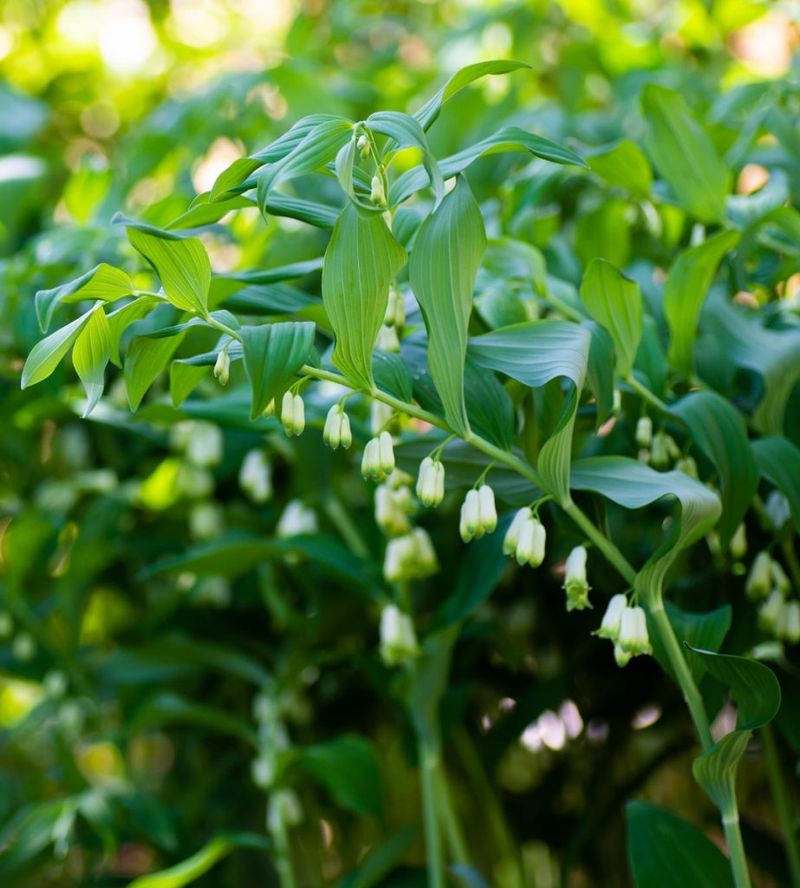
Elegant is not a word most people use to describe a shade plant, but Solomon’s Seal earns it completely. Its long, arching stems curve outward in a way that feels almost sculptural, with pairs of oval leaves arranged neatly along each stem.
In late spring, small white bell-shaped flowers dangle underneath those leaves like tiny lanterns, creating one of the most graceful displays in any shaded garden.
Solomon’s Seal is a plant with real staying power. It spreads gradually through underground rhizomes, slowly forming wider colonies over many years.
That patient, steady growth makes it perfect for filling in large shaded areas without overwhelming neighboring plants. Once a colony establishes itself, it looks completely natural, as though it has always been part of the landscape.
In fall, the stems turn a warm golden yellow before the plant goes dormant for winter. That seasonal color change adds one more reason to love it.
Birds are drawn to the dark blue-black berries that follow the spring flowers, so you get wildlife activity in your shade garden well into the cooler months. It is a plant that gives something interesting to look at across every season.
Soil preparation matters a bit more with Solomon’s Seal than with some other natives. It prefers rich, moist, well-drained soil with plenty of organic matter.
Amending your planting area with compost before putting it in the ground gives it the best possible start. Pair it with Christmas Fern or Wild Ginger for a classic Pennsylvania woodland combination that looks effortlessly beautiful year after year.