The Perennials You Should Be Cutting Back Right Now In California For A Second Bloom
A tired summer garden is not always finished. Many perennials only need a quick cut to start pushing out fresh growth again.
Once the first flush of flowers fades, the plant may look messy, stretched, or dull. That is the perfect time to step in with clean pruners.
California heat can move the season along fast, so timing matters. Cut too late and the plant may not have enough energy for another show.
Cut the right plant at the right point, and you may get a second wave of color before summer slows everything down. This simple task can also keep beds neater and help plants stay fuller.
A few minutes of trimming now can turn fading flowers into a garden that still has plenty left to give.
1. Santa Barbara Daisy
Few plants are as cheerful and low-maintenance as Santa Barbara Daisy.
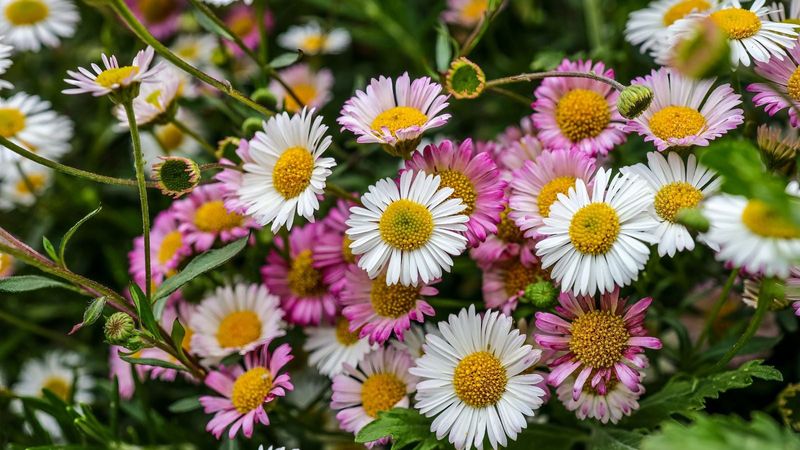
Known botanically as Erigeron karvinskianus, this little charmer produces tiny daisy-like flowers in white and soft pink almost year-round in warm climates like ours.
Over time, the plant can get straggly and produce fewer blooms. That is your cue to grab your shears.
Cut the whole plant back by about half or even two-thirds. It might look a little bare right after, but within a few weeks, fresh new growth will fill in fast.
This plant spreads easily and can self-seed around the garden. Cutting it back also helps keep it from taking over neighboring plants.
It thrives in sunny spots with well-drained soil and very little water once established.
Santa Barbara Daisy works beautifully as a ground cover, along pathways, or spilling over garden walls. After a cutback, expect a fresh flush of those sweet little flowers in no time.
It is one of the easiest plants to maintain in our state’s gardens.
Gardeners in coastal areas especially love this plant because it handles mild conditions so well.
Give it a trim every few months and it will keep rewarding you with blooms season after season without much fuss at all.
2. Mexican Bush Sage
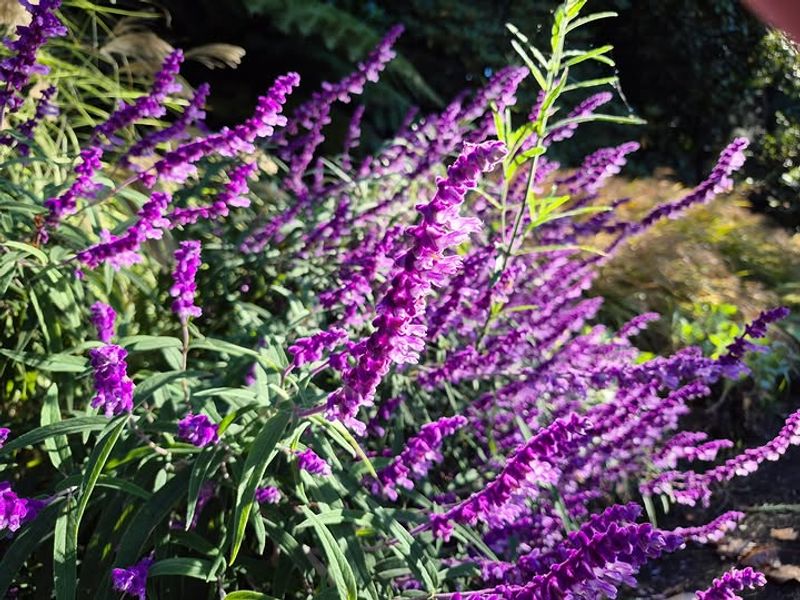
There is something almost magical about Mexican Bush Sage in full bloom. The long, velvety purple and white flower spikes are a standout in any garden and pollinators absolutely love them.
Salvia leucantha, as it is formally known, can get quite tall and floppy by midsummer.
Cutting it back hard in late summer or early fall encourages a fresh round of those stunning spikes just in time for the cooler months.
Trim it down by about one-third to one-half of its total height.
After cutting, water it well and give it a light feeding with a balanced fertilizer. New growth appears quickly, and the plant often looks better than it did before the trim.
This is especially true in warmer inland areas of our state.
Mexican Bush Sage is drought-tolerant once established, which makes it a favorite for water-wise gardens.
It loves full sun and well-drained soil. Avoid planting it in areas with standing water or heavy clay.
Hummingbirds are particularly drawn to the flowers, so cutting back and encouraging a second bloom means more wildlife activity in your yard too.
Your California Garden Changes Every Week. Your Plan Should Too.
Gardening in California changes quickly throughout the season. Every Friday you’ll receive a simple weekly plan showing exactly what to plant, prune, fertilize, harvest, and protect so you never miss the right timing.
It is a win for both the garden and the local ecosystem. This sage is truly one of the hardest-working plants you can grow here.
3. Autumn Sage
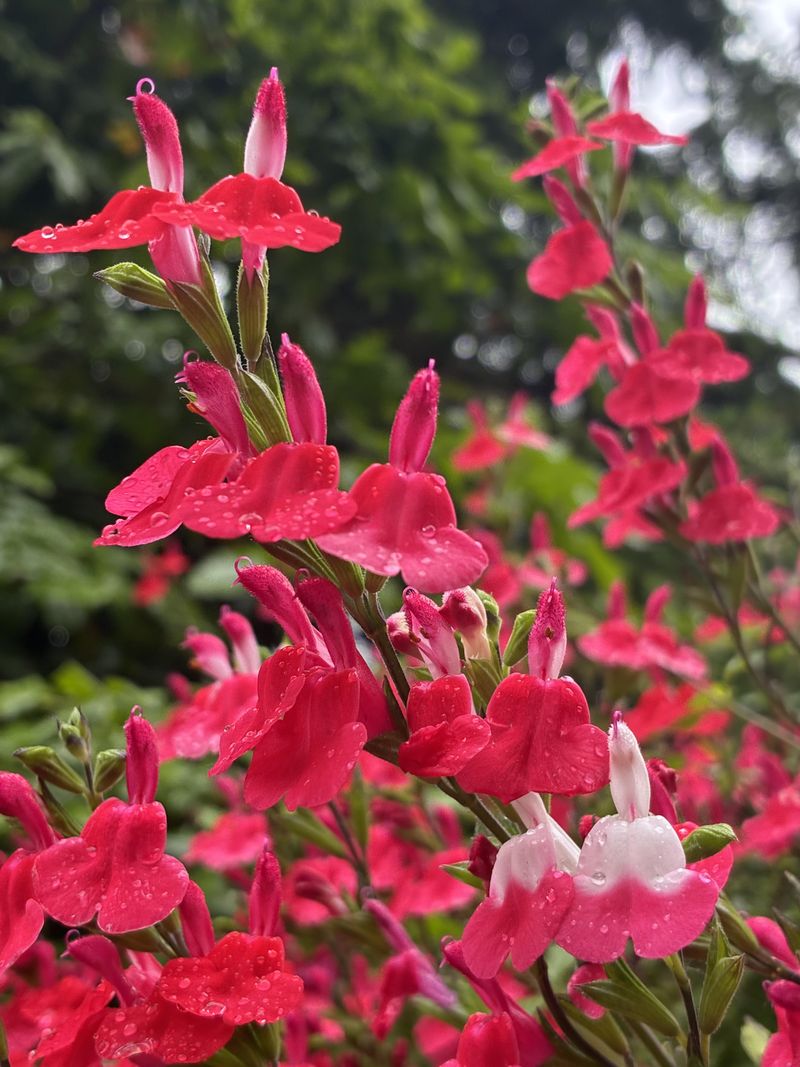
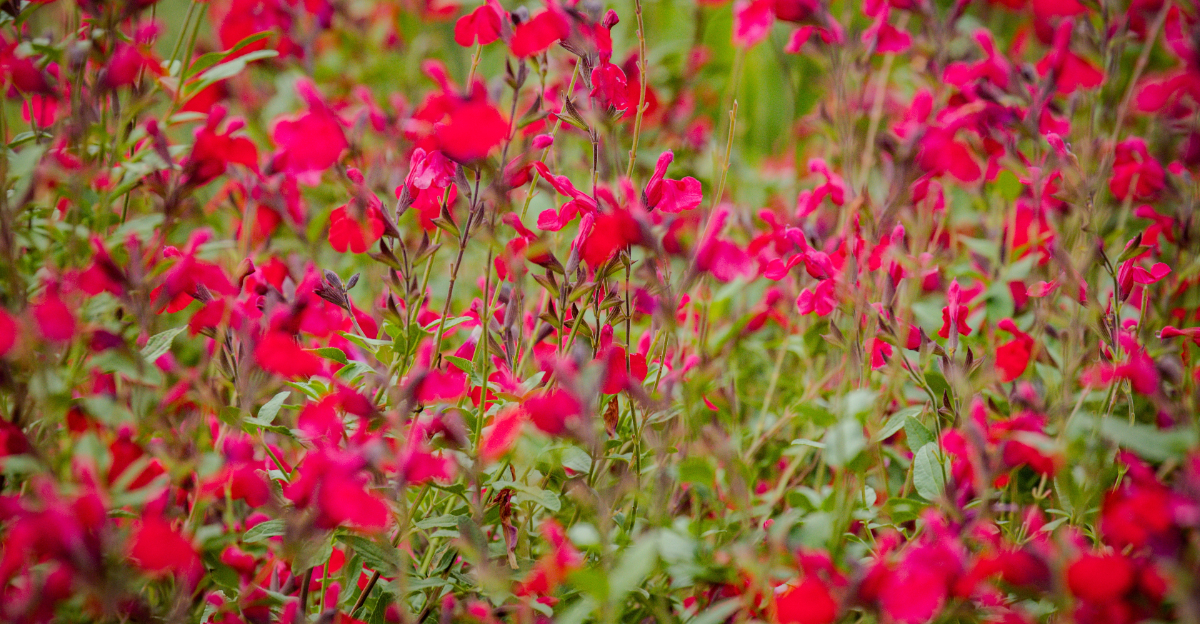
Autumn Sage punches well above its weight in the garden. Salvia greggii produces cheerful tubular flowers in shades of red, pink, coral, and white, and it blooms for a remarkably long season with the right care.
By midsummer, this plant can look a bit ragged. The stems get woody and the blooms thin out.
That is the perfect time to cut it back by about one-third. Do not be afraid to be firm with your pruning.
This plant is tougher than it looks. After a good trim, Autumn Sage rebounds quickly. Within a few weeks, new stems emerge covered in fresh buds.
The second round of blooms often arrives in fall, which is one of the most beautiful seasons in our state’s gardens.
This plant thrives in full sun and handles heat and drought well. It is a great choice for slopes, borders, and dry garden beds.
Hummingbirds are regular visitors to its flowers, which adds extra life to your outdoor space.
Did you know Autumn Sage is native to Texas and northern Mexico? It adapted beautifully to our warm, dry climate and is now a staple in water-wise gardens across the state.
Regular cutbacks keep it compact, productive, and looking its best all year long.
4. Jerusalem Sage
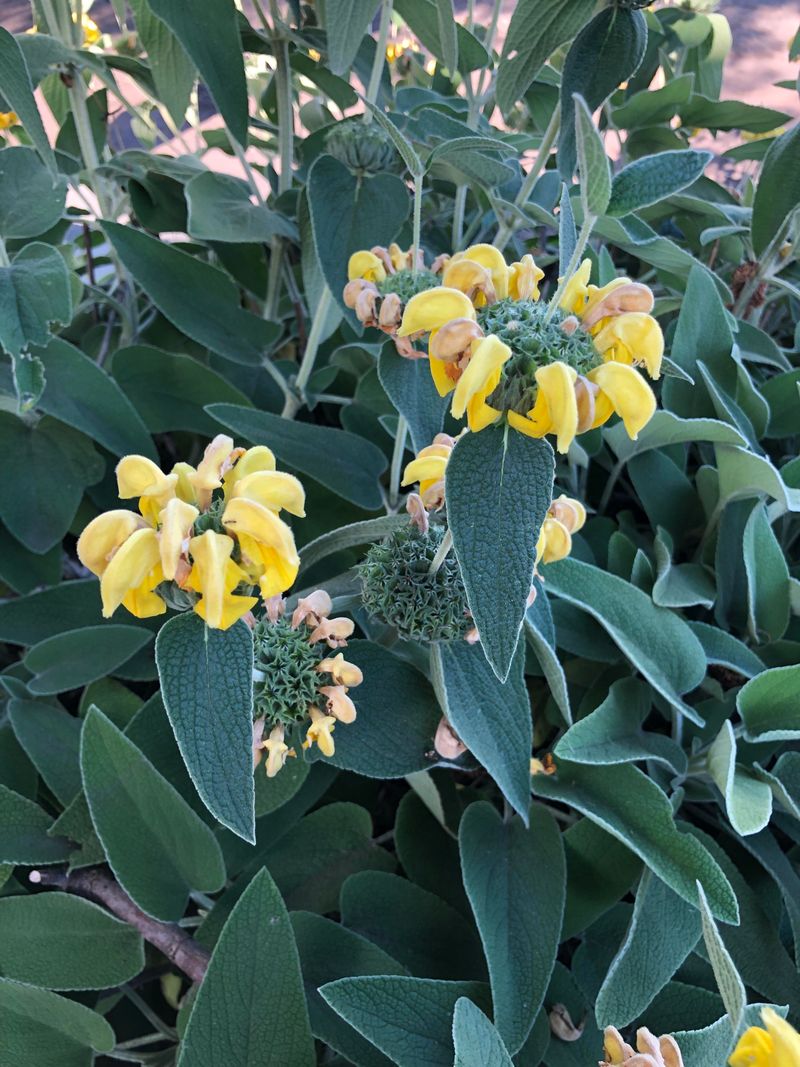
Jerusalem Sage is one of those plants that makes you stop and look twice.
Its bright yellow, whorled flowers sit in stacked rings along upright stems, creating a dramatic and eye-catching display in the garden.
Phlomis fruticosa is a tough Mediterranean native that loves hot, dry conditions. It fits right in with our state’s summer climate.
After the first flush of flowers fades, the plant can look untidy. Cutting the flower stems back to just above a set of healthy leaves encourages it to push out new growth.
Do not cut into the woody base of the plant. Focus on trimming the spent flower stems by about half.
This keeps the plant healthy and stimulates fresh leafy growth that often leads to a second, lighter bloom later in the season.
Jerusalem Sage thrives in full sun and poor, well-drained soil. It is extremely drought-tolerant and actually performs better with less water in summer.
Overwatering is one of the few things that can cause problems for this plant.
Its silvery-green foliage is attractive even when it is not in bloom, making it a valuable year-round plant in the landscape.
Pair it with lavender, rosemary, or other Mediterranean herbs for a cohesive, low-water garden design that looks stunning from spring through fall.
5. Wallflower
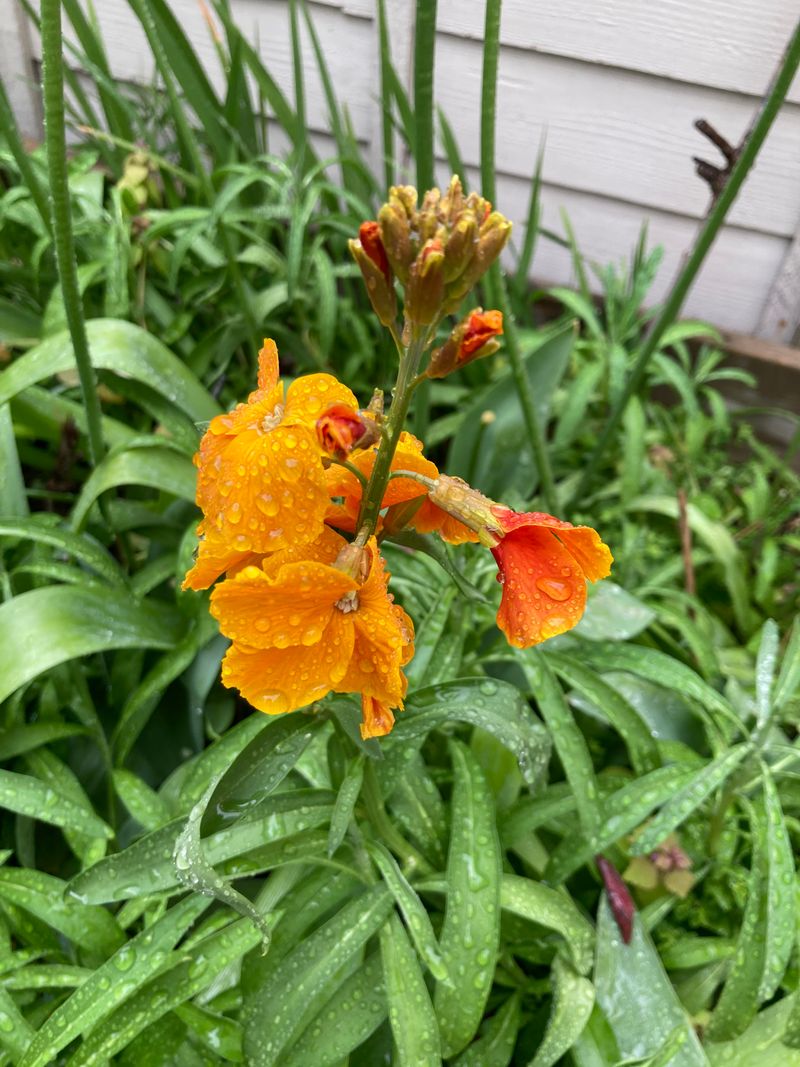
Wallflowers are one of the most underrated plants in the perennial garden.
Their rich, spicy fragrance and jewel-toned flowers in shades of orange, yellow, red, and purple make them a true garden treasure from late winter through spring.
Once the main flush of blooms finishes, Wallflowers can look stretched and tired.
Cutting them back by about one-third right after blooming helps the plant stay compact and often triggers a second round of flowers.
It is a simple step that most gardeners skip, but it really pays off. Wallflowers, particularly the perennial Erysimum varieties, perform best in coastal and mild inland areas of our state.
They prefer full sun and well-drained soil. They are not fans of heavy clay or waterlogged conditions.
After trimming, give the plant a light dose of a balanced fertilizer to support new growth. Keep the soil evenly moist but not soggy during the regrowth period.
Once established again, ease back on watering as these plants are fairly drought-tolerant.
One fun fact: despite the name, Wallflowers do not actually need a wall to grow. The name comes from their habit of growing in rocky crevices in the wild.
They are equally happy in garden beds, containers, or along sunny borders where they can show off their vibrant colors freely.
6. Gaura
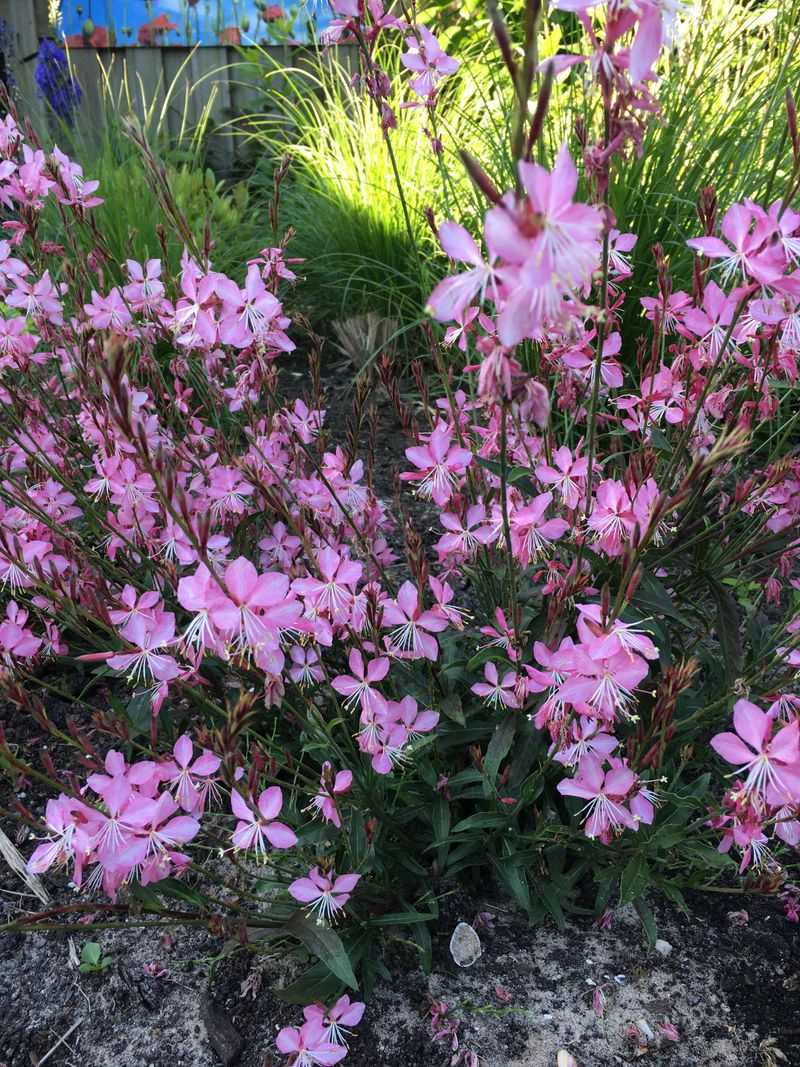
Gaura, sometimes called Whirling Butterflies, has a light and airy quality that few other perennials can match.
Its slender wands of white or pink flowers dance in the slightest breeze, giving the garden a soft, romantic feel all season long.
By midsummer, Gaura can get floppy and overgrown. The stems sprawl outward and the plant loses its graceful form.
A hard cutback, trimming the plant down to about six to eight inches from the ground, reinvigorates it completely.
New stems emerge quickly and the plant bounces back looking refreshed. After cutting, water consistently for the first week or two to support recovery.
Gaura is drought-tolerant once established, but it appreciates a little extra moisture right after a big trim. A light application of slow-release fertilizer also helps fuel new growth.
This plant loves full sun and thrives in well-drained soil. It handles the heat of inland areas well and also does beautifully along the coast.
It is a versatile performer across many parts of our state. Gaura pairs wonderfully with ornamental grasses, salvias, and lavender in mixed borders. Its feathery texture creates a beautiful contrast with bolder, more structured plants.
After a cutback, expect fresh blooms to appear within three to four weeks, often lasting well into the fall months.
7. Erysimum
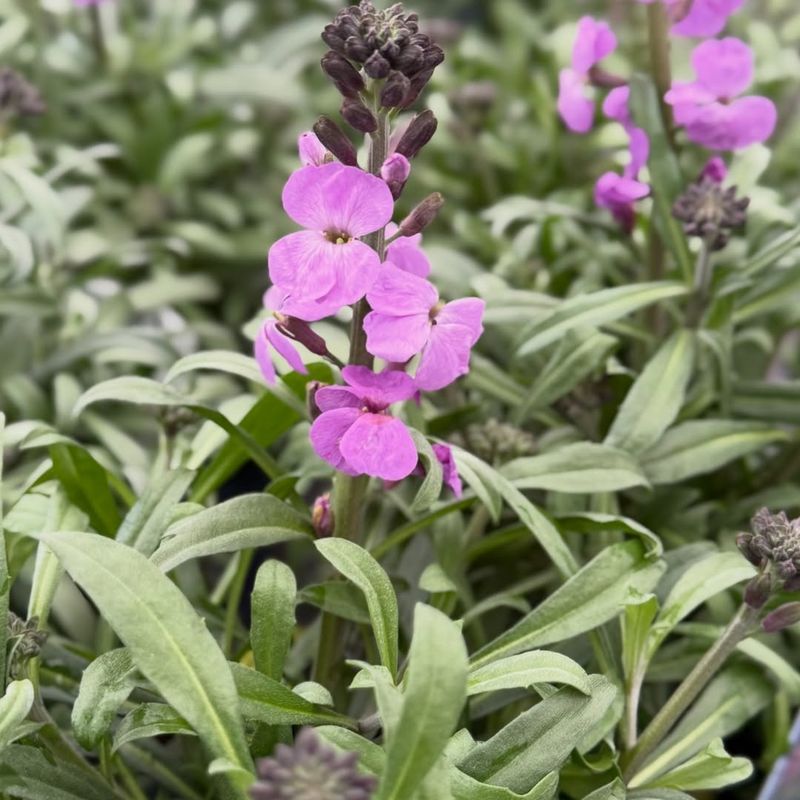
Erysimum is a hardworking perennial that earns its place in the garden with almost non-stop color.
Unlike its biennial cousins, perennial Erysimum varieties keep coming back year after year, especially in the mild conditions of our state.
After the main spring bloom, the plant often becomes woody and leggy. Left alone, it produces fewer flowers over time.
A firm cutback right after the first flush of blooms is the key to keeping it productive. Trim stems back by about one-third to one-half, cutting just above a healthy set of leaves.
Avoid cutting into the old, woody base of the plant as it may struggle to regrow from there. Focus on the green, flexible stems for best results.
New growth usually appears within two to three weeks after pruning. Erysimum prefers full sun and excellent drainage. Sandy or loamy soils suit it best.
It is a great candidate for raised beds, rock gardens, and coastal garden borders where drainage is naturally good.
The flowers are a magnet for butterflies and bees, making it a fantastic choice for pollinator-friendly gardens.
Colors range from soft yellow and orange to deep purple and brick red, so there is an Erysimum variety to suit almost any garden palette.
Cutting it back regularly is the single best thing you can do to keep it vibrant and floriferous.
8. Nepeta
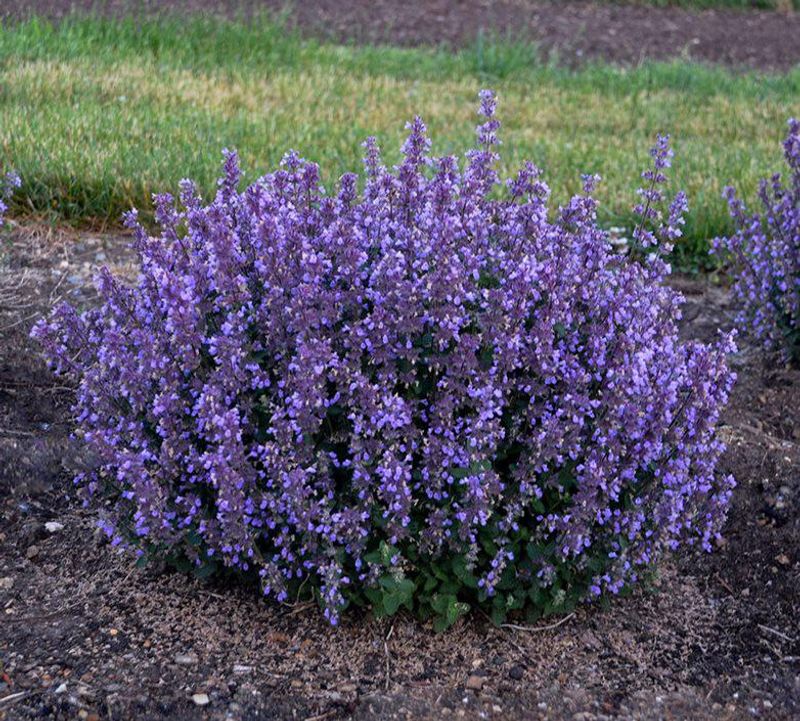
Catmint, or Nepeta, is one of the most reliable and rewarding perennials you can grow in our state.
Its soft lavender-blue flower spikes bloom from spring into summer, creating a hazy, romantic effect in borders and garden beds.
Once the first flush of flowers fades and the plant starts to look tired, it is time to act. Cut Nepeta back by about half to two-thirds of its total height.
Use sharp shears and make clean cuts just above a set of leaves. The plant responds quickly and enthusiastically to this treatment.
Within a few weeks, a fresh mound of silvery-green foliage emerges, followed by a second round of those lovely purple-blue flower spikes.
In many parts of our state, Nepeta can even produce a third flush of blooms before the year is out.
This plant thrives in full sun with well-drained soil. It is highly drought-tolerant once established, making it a smart choice for water-conscious gardeners.
It also handles poor soil conditions better than most perennials.
Nepeta is a well-known favorite of cats, who are attracted to the plant’s scent. But it is also a top pick for bees, butterflies, and other beneficial insects.
Its long bloom season, easy care, and pollinator appeal make it one of the most valuable plants in any perennial garden. Do not skip the cutback.
9. Shasta Daisy
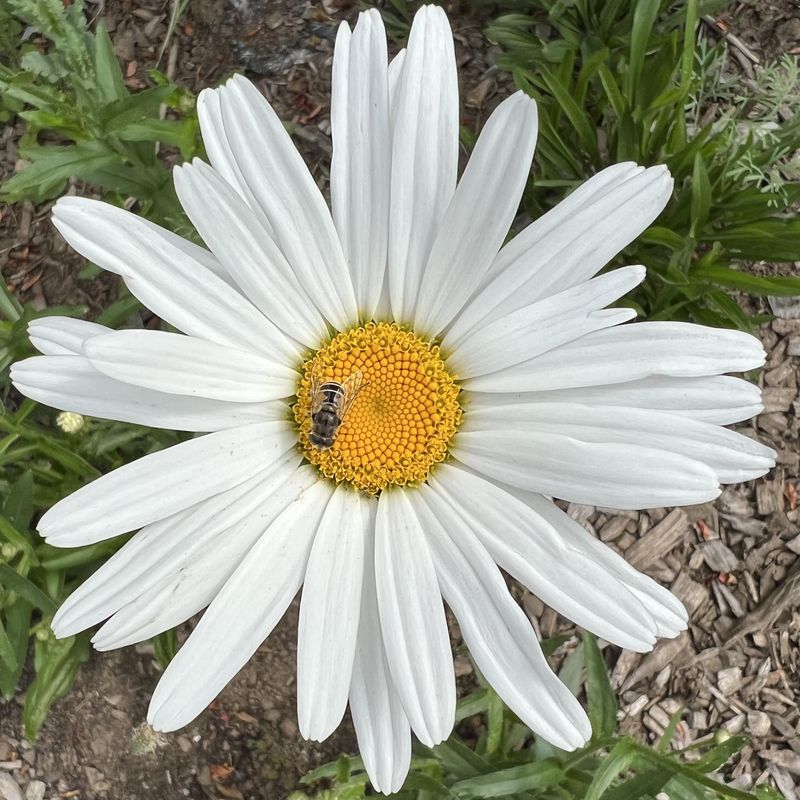
Shasta Daisies are a classic for a reason. Their crisp white petals and sunny yellow centers bring a cheerful, cottage-garden charm that never goes out of style.
They are a beloved staple in gardens all across our state. After the main bloom in late spring and early summer, Shasta Daisies tend to slow down.
Deadheading spent flowers regularly during the bloom period extends the season.
But once flowering really winds down, a harder cutback to about six inches from the ground encourages a fresh round of growth and often a second bloom.
Water the plant well after cutting back and apply a light balanced fertilizer to support recovery. Shasta Daisies appreciate consistent moisture but do not like soggy conditions.
Good drainage is essential for keeping them healthy and strong.
These plants do best in full sun but can tolerate light afternoon shade in hot inland areas. Dividing clumps every two to three years also helps keep them vigorous and blooming freely.
Over time, the center of the clump can get crowded and produce fewer flowers. Shasta Daisies attract butterflies and make excellent cut flowers for bouquets.
Bringing them indoors lets you enjoy their bright, simple beauty in a vase for up to a week. Few perennials offer this much value for so little effort in the garden.
10. Hardy Geranium
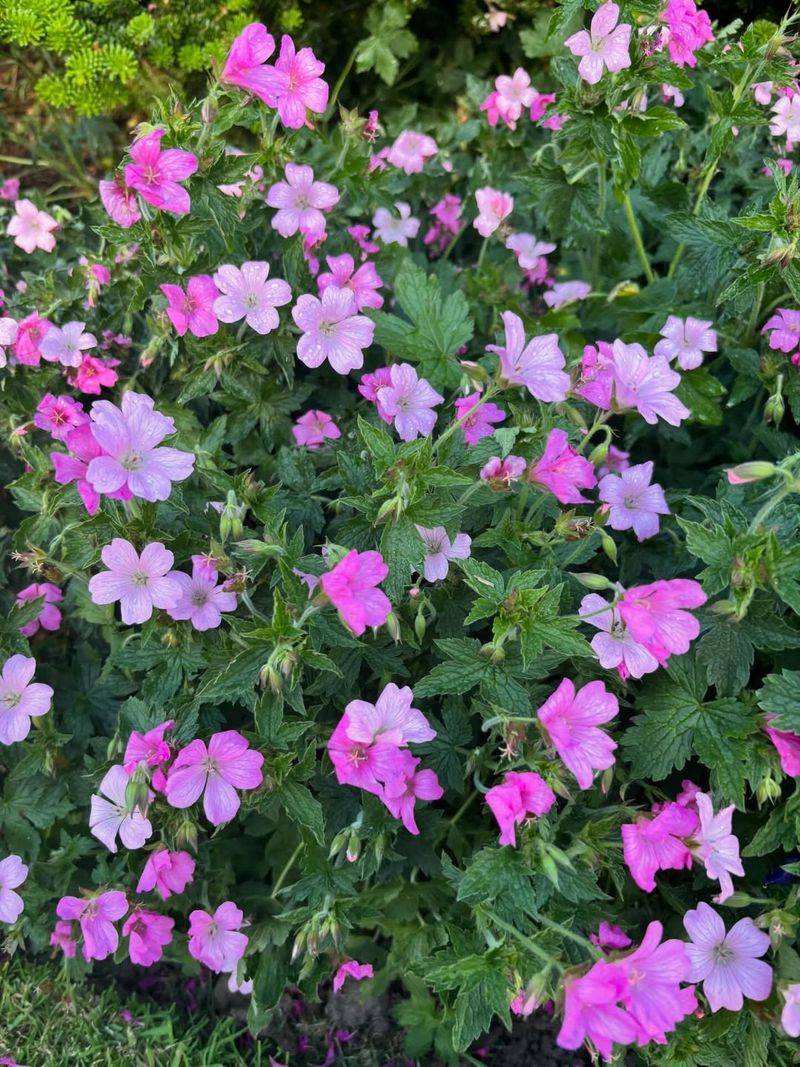
Hardy Geraniums, also called cranesbills, are some of the most adaptable and appealing perennials available to gardeners in our state.
Unlike their tender pelargonium cousins, true Hardy Geraniums come back reliably year after year with minimal fuss.
After the spring and early summer bloom, many varieties start to look untidy. The foliage yellows and the plant sprawls outward.
Cutting the whole plant back hard, right down to a few inches above the ground, gives it a fresh start. It might look drastic, but the plant handles it well.
Fresh new leaves emerge quickly after cutting, and in many cases a second flush of flowers follows within four to six weeks.
The new foliage is often a brighter, more vivid green than before the trim, which adds visual appeal even before the flowers return.
Hardy Geraniums tolerate a wide range of conditions. They grow in full sun to partial shade and adapt to various soil types, though they prefer good drainage.
Their flexibility makes them useful in many different garden situations across our state.
Some varieties, like Geranium ‘Rozanne,’ are especially known for their long bloom season and ability to rebound after cutting.
With so many colors, sizes, and textures available, there is a Hardy Geranium to suit almost every garden style and space.
A well-timed trim is the secret to getting the most from these reliable, hard-working plants.