Detroit Area Gardeners Should Plant These Before June Slips Away In Michigan
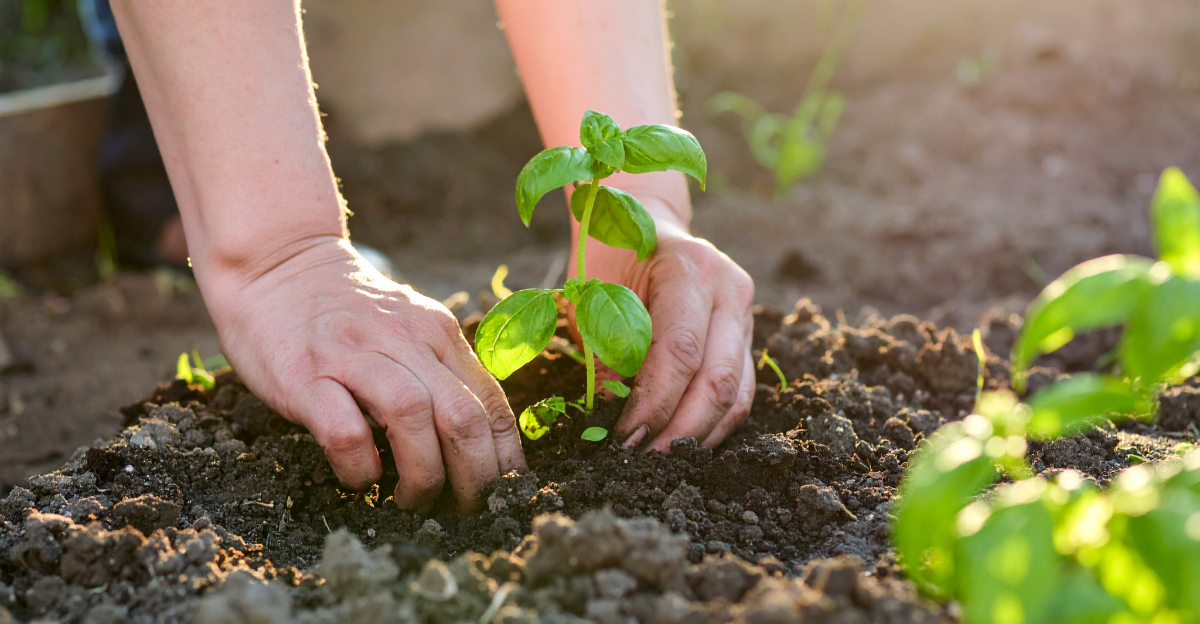
June in the Detroit area has this particular quality where it feels like summer is just getting started, so there’s plenty of time left for everything. That feeling is a little misleading.
The planting window for several vegetables and flowers that still have a real shot at producing before fall is open right now, and it closes faster than it seems.
Detroit’s growing season is workable but not forgiving about timing, and what you put in the ground this week versus three weeks from now can mean the difference between a full harvest and a frost-shortened disappointment.
The good news is that the list of what still makes sense to plant right now is longer than most people expect. A surprising amount is still very much on the table if you move on it while the calendar is still on your side.
1. Bush Beans
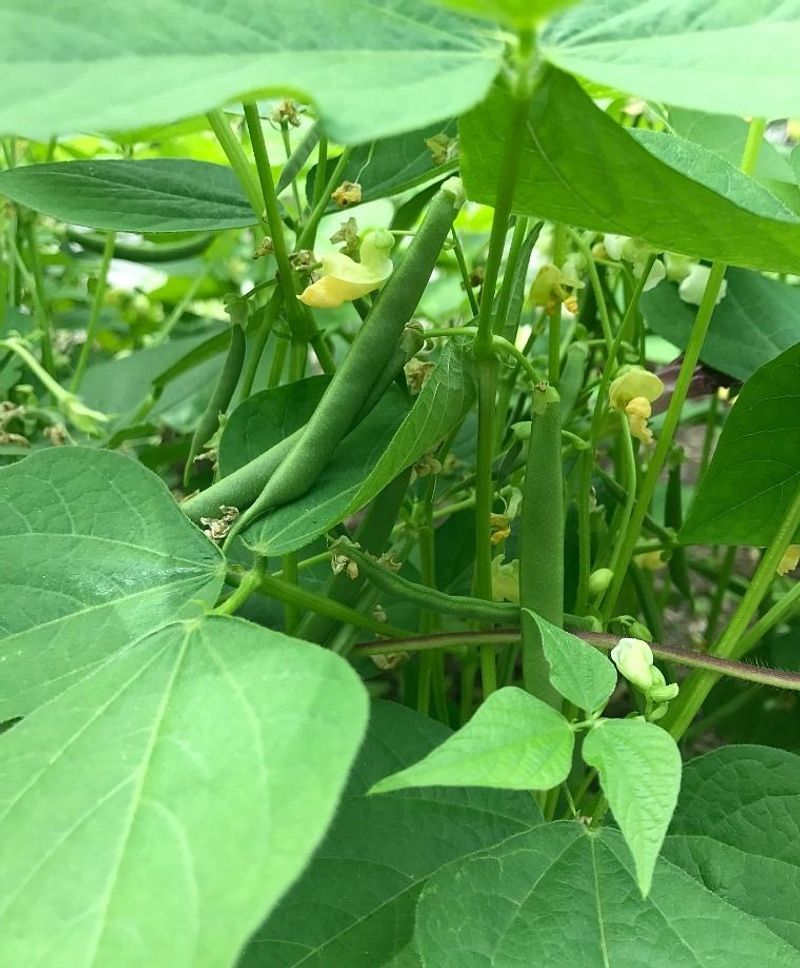
Few vegetables reward impatient gardeners quite like bush beans. They germinate fast, grow without the need for staking or trellises, and can go from seed to harvest in as little as 50 to 60 days.
For Detroit-area gardeners, June soil temperatures are right in the sweet spot, usually sitting between 60 and 85 degrees Fahrenheit, which is exactly what bush beans need to sprout quickly and establish strong roots.
Planting now means you could be picking fresh beans by mid to late July. Even better, bush beans are perfect for succession planting.
Try sowing a new row every two to three weeks to keep fresh beans coming all the way through August.
Give them a sunny spot with well-drained soil and about an inch of water per week. Avoid overhead watering when possible, since wet foliage can invite fungal issues.
Space seeds about three to four inches apart in rows, and you will be surprised how quickly things take off. Bush beans are also excellent for kids who are learning to garden, because the results come fast and the plants are forgiving.
A small 10-foot row can produce a surprisingly generous harvest that keeps your dinner table stocked with one of summer’s most satisfying vegetables all season long.
2. Pole Beans
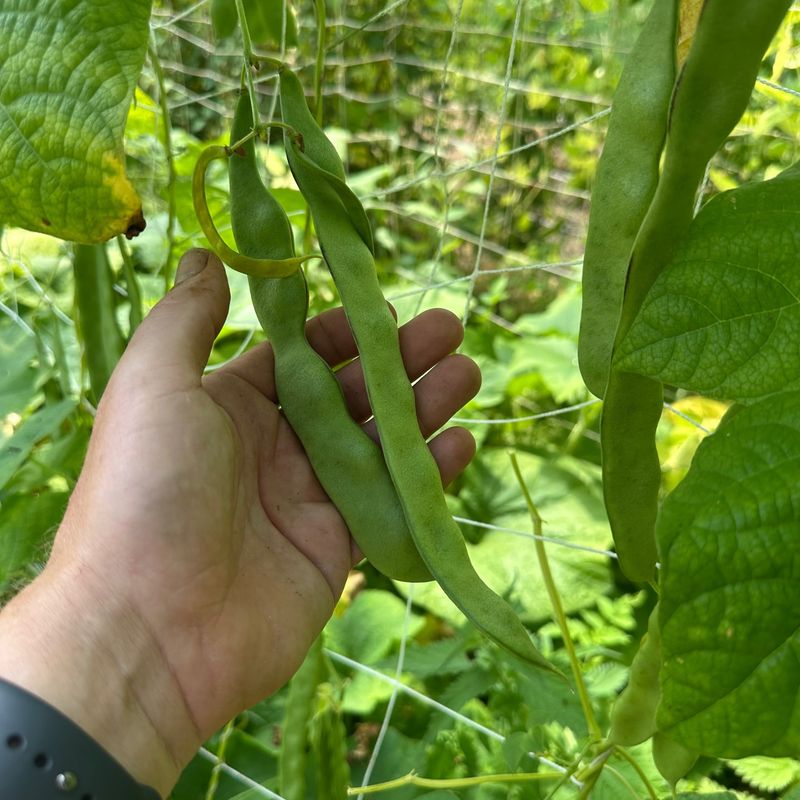
If garden space is limited, pole beans might just become your new favorite crop. Unlike their bush cousins, pole beans grow vertically, climbing up trellises, fences, or simple bamboo teepees, which means you can grow a lot of food in a very small footprint.
Planted in June, they have enough time to climb, flower, and produce a steady stream of beans well into September across southeast Michigan.
Pole beans tend to produce over a longer window than bush varieties, which makes them a smart choice for gardeners who want a continuous harvest rather than one big flush. Once the plants start producing, regular picking is key.
The more you harvest, the more the plant pushes out new pods.
Set up your support structure before planting so you do not disturb the roots later. Plant seeds about four to six inches apart at the base of your trellis, in a spot that gets at least six hours of direct sun.
Your Michigan Garden Changes Every Week. Your Plan Should Too.
Gardening in Michigan changes quickly throughout the season. Every Friday you’ll receive a simple weekly plan showing exactly what to plant, prune, fertilize, harvest, and protect so you never miss the right timing.
Water consistently at the base of the plant, and add a layer of mulch to hold moisture during hot July and August days. Pole beans are also surprisingly ornamental.
Their leafy vines and delicate white or purple flowers add a lush, vertical element to any garden bed that looks as good as it produces.
3. Cucumbers
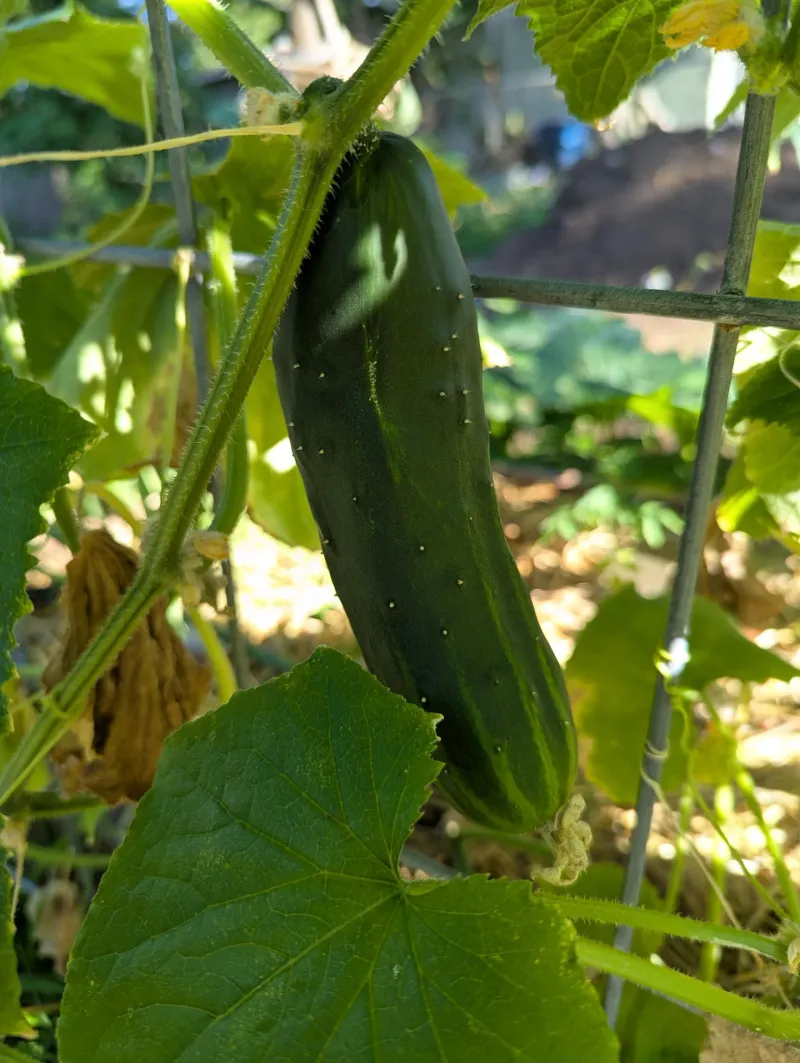
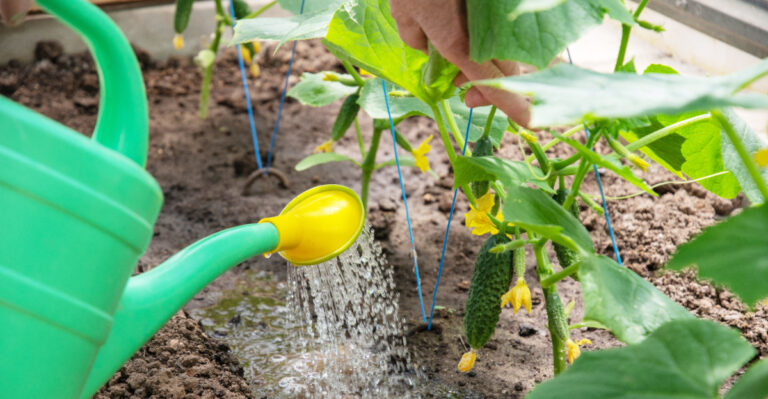
Warm soil is the secret weapon cucumbers need, and June in the Detroit area delivers exactly that. Once soil temperatures climb above 65 degrees Fahrenheit, cucumber seeds germinate quickly and seedlings take off with impressive speed.
You can go from seed to your first harvest in roughly 55 to 65 days, which means fresh cucumbers on your counter by early August if you plant now.
Cucumbers are thirsty plants. They are made up of about 96 percent water, so consistent moisture is non-negotiable.
Aim for at least one to two inches of water per week, and try to water at the base of the plant rather than from above. Uneven watering is one of the main reasons cucumbers turn bitter or develop oddly shaped fruits.
Train vining varieties up a trellis or cage to save ground space and improve air circulation, which helps keep the foliage healthy through the humid Michigan summers. Bush varieties work well in raised beds or containers if you are short on space.
Harvest cucumbers when they are still firm and bright green, before they yellow and get seedy. Waiting too long signals the plant to slow down production.
Pick often, and the plant will keep rewarding you all the way through late summer with crisp, garden-fresh cucumbers perfect for salads, snacking, and pickling.
4. Summer Squash
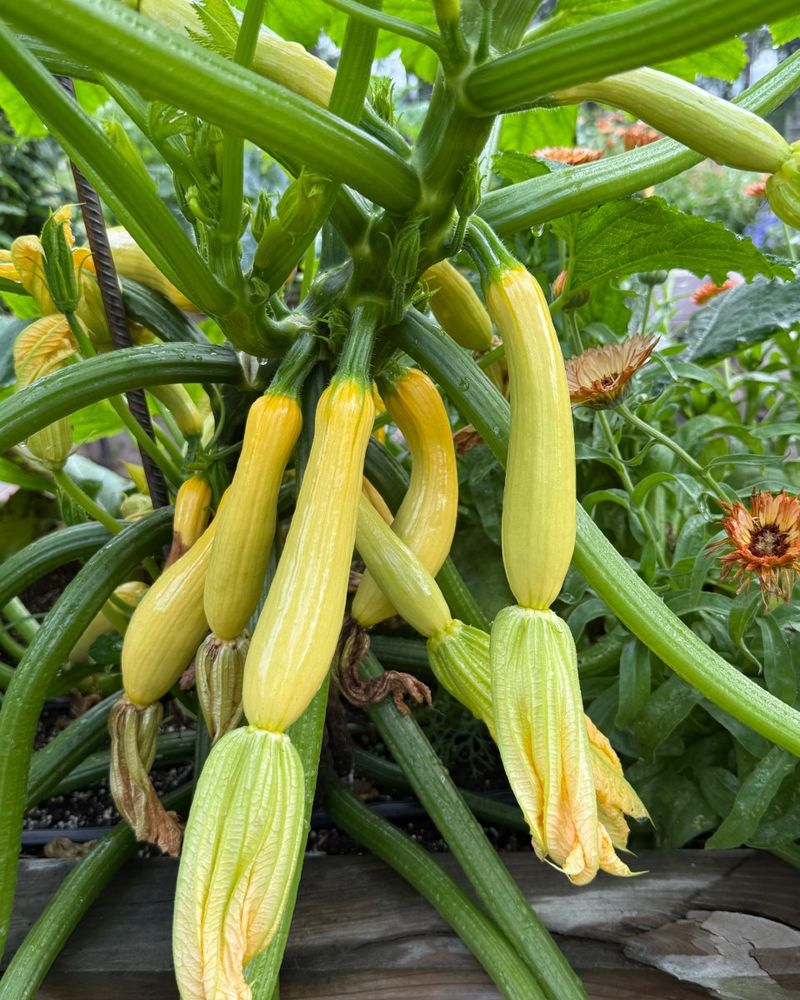
Summer squash has a well-earned reputation for being one of the most productive vegetables a home gardener can grow, and planting in June still gives southeast Michigan gardeners plenty of time to enjoy a generous harvest.
The plants grow quickly once the soil is warm, and most varieties go from transplant or direct seed to first harvest in about 50 days.
One of the most common issues with summer squash is powdery mildew, a white coating that shows up on leaves later in the season. Good spacing is your best defense.
Give each plant at least 24 to 36 inches of room so air can move freely around the foliage. Avoid watering late in the evening, and remove any heavily affected leaves as the season progresses to slow the spread.
Plant in full sun with rich, well-amended soil for the best results. A handful of compost worked into the planting hole gives plants a strong nutritional foundation right from the start.
Squash are also heavy feeders, so a balanced fertilizer applied every few weeks keeps production rolling through the summer. Harvest fruits when they are small to medium in size, typically six to eight inches long, for the best flavor and texture.
Larger fruits tend to be tougher and less flavorful, so checking the plants every couple of days keeps quality high and production steady.
5. Zucchini
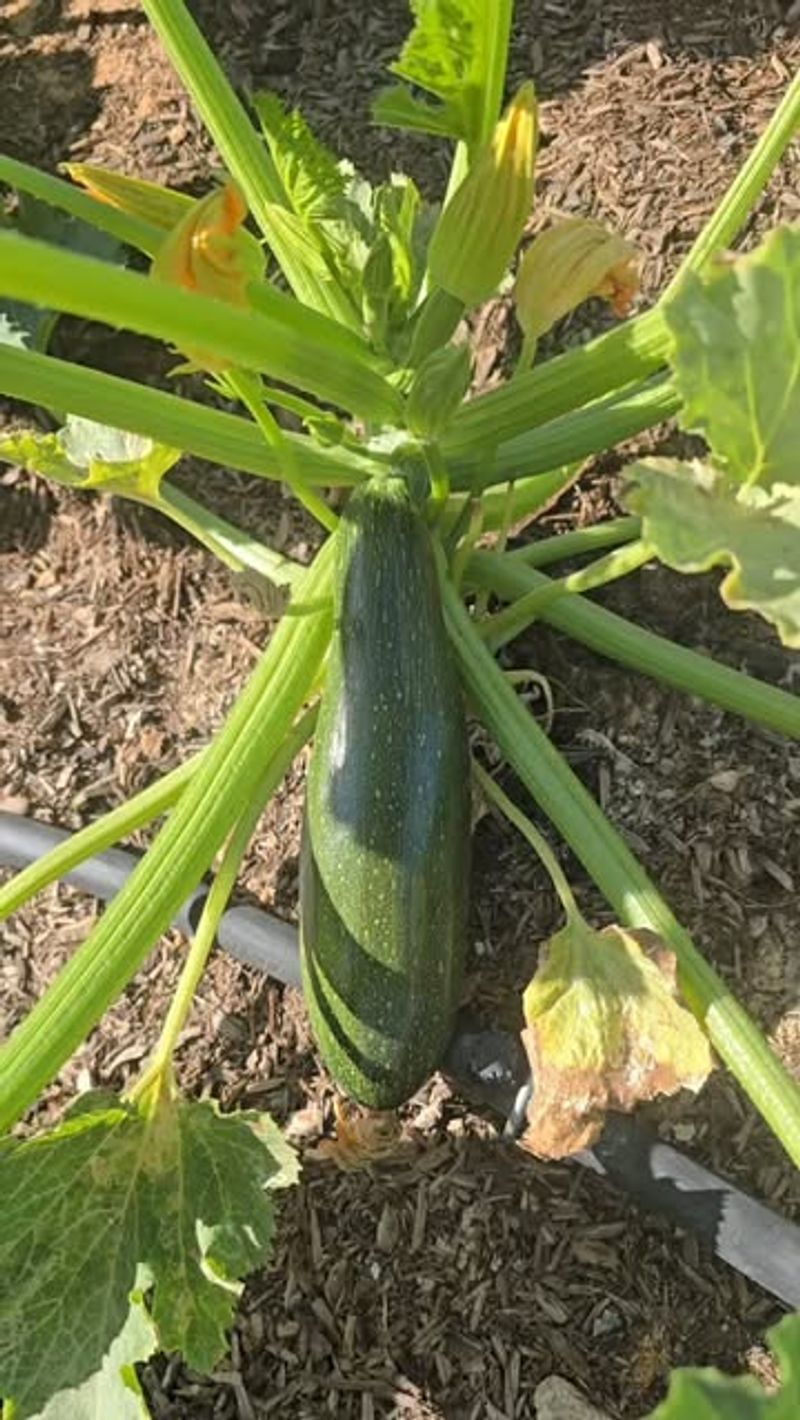
Zucchini is practically legendary among home gardeners for how fast and how much it produces, and June planting in the Detroit area sets you up for exactly that kind of abundance.
Seeds germinate within a week in warm soil, and plants can start producing fruits in as little as 45 to 55 days.
By mid-July, you could easily be picking your first zucchini, with plenty more to follow.
Here is the most important tip seasoned zucchini growers swear by: harvest often and harvest early. Zucchini fruits that are left on the plant too long grow into oversized, seedy clubs that are tough to cook with and signal the plant to slow down new production.
Picking fruits when they are six to eight inches long keeps the plant in high gear and the quality of each fruit at its peak.
Plant zucchini in a sunny spot with fertile, well-drained soil, and give each plant plenty of elbow room, at least two to three feet in every direction. They have big, sprawling leaves that can shade out neighboring plants if placed too close together.
One or two plants is usually more than enough for a family of four. If you notice poor fruit set early in the season, that is often a pollination issue.
Gently brushing the inside of male and female flowers with a small paintbrush on a sunny morning can help things along beautifully.
6. Basil
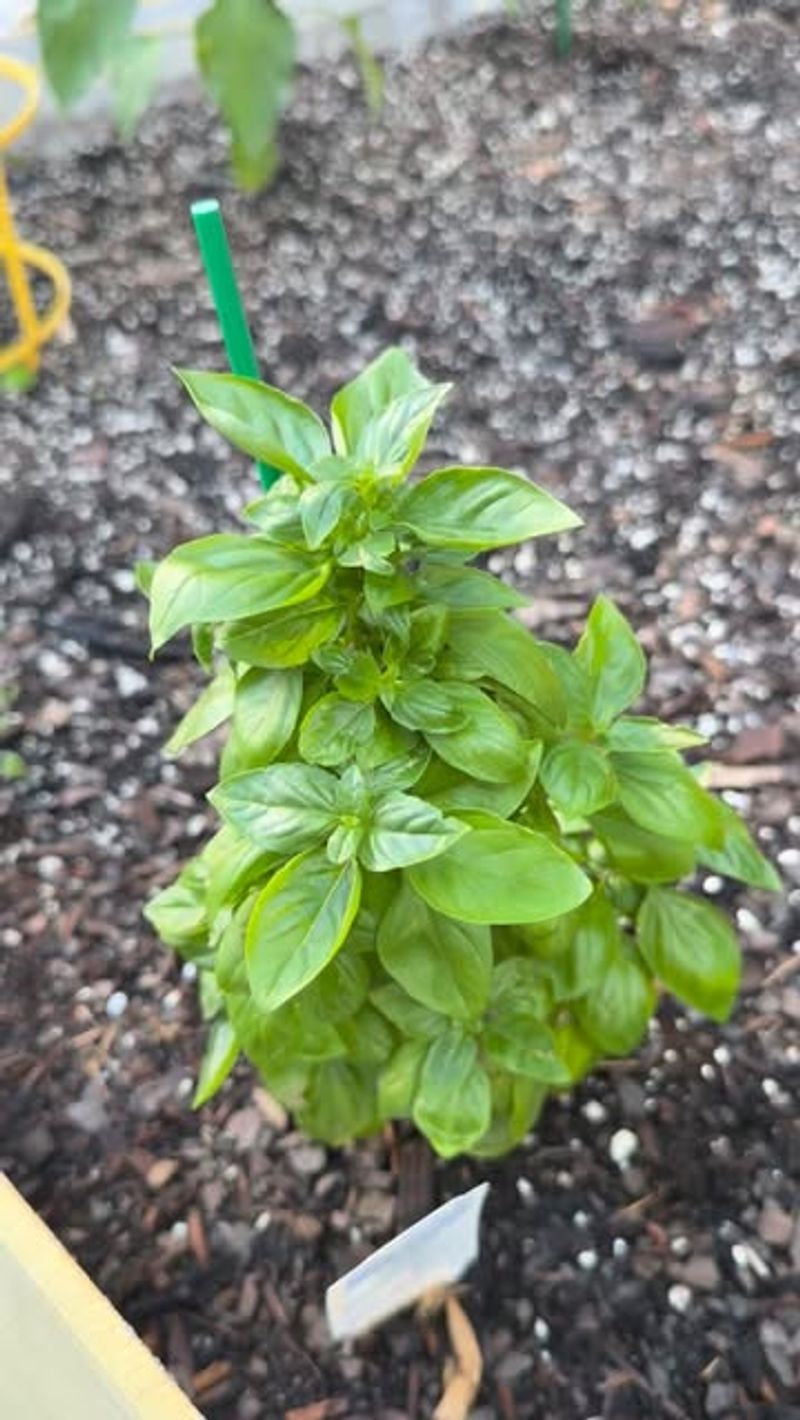
Basil is one of those plants that just belongs in a summer garden, and June is the perfect moment to get it growing in the Detroit area.
This herb absolutely loves warm temperatures, and once nighttime lows are consistently above 50 degrees Fahrenheit, which they typically are in southeast Michigan by early June, basil takes off with incredible energy.
Cold soil and cool nights are basil’s biggest setbacks, so planting now rather than in May actually works in your favor.
Grow basil near your tomatoes and peppers for a classic companion planting combination that many gardeners swear by.
Whether or not the pest-repelling claims hold up in every garden, having fresh basil steps away from your tomato plants makes cooking with both incredibly convenient.
Basil also thrives in containers, which means apartment dwellers with a sunny balcony or patio can enjoy it just as easily as those with large garden beds.
Pinch off flower buds as soon as they appear to keep the plant producing flavorful, tender leaves all season long. Once basil bolts and goes to seed, the leaves turn bitter and production slows significantly.
Regular harvesting from the top down encourages bushy, full growth rather than tall, leggy stems. A single healthy basil plant can provide enough fresh leaves for pesto, Caprese salads, pasta, and garnishes from now straight through the first frost of fall.
7. Swiss Chard
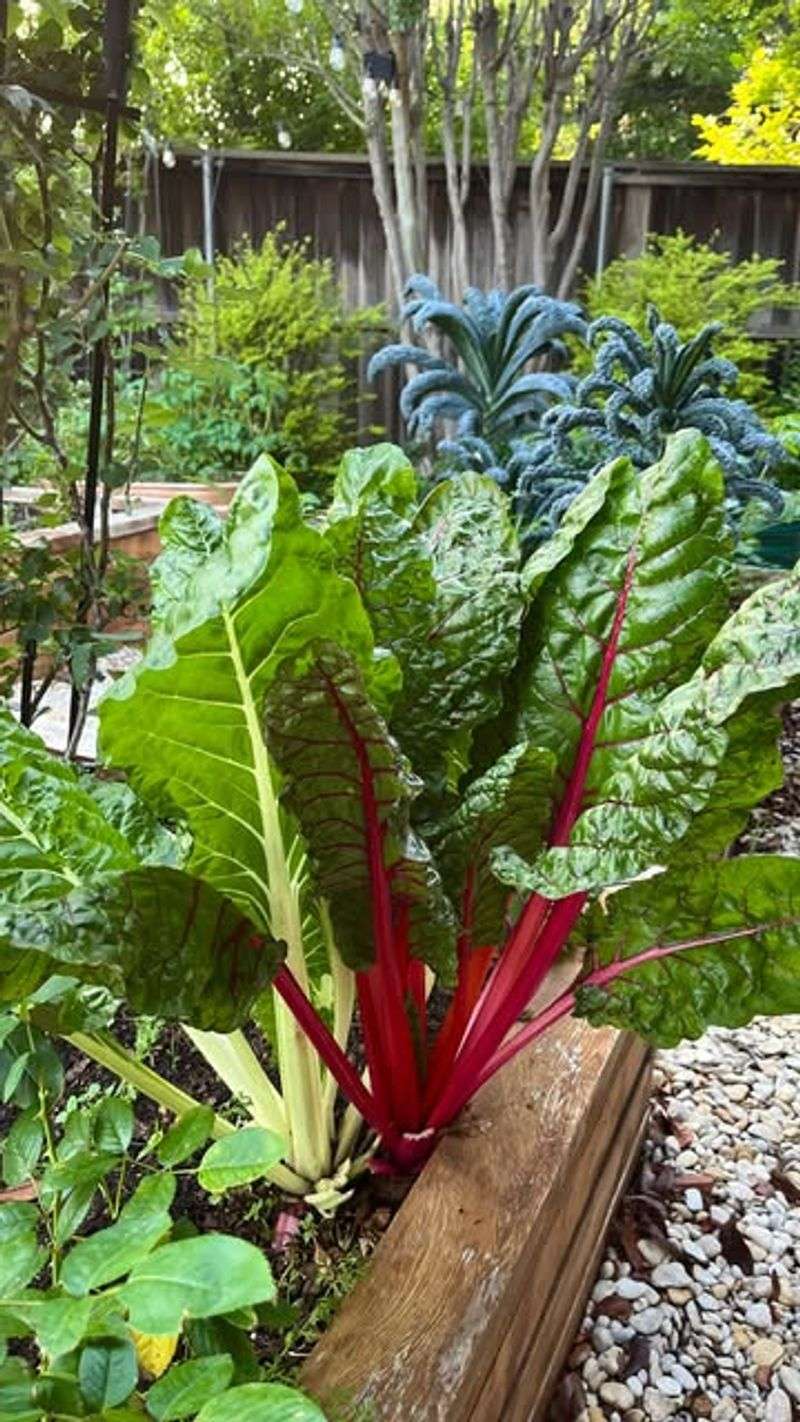
Swiss chard is one of the toughest, most versatile greens you can plant in a Michigan garden, and June is still an excellent time to get seeds or transplants in the ground.
Unlike lettuce or spinach, which tend to bolt and turn bitter in the summer heat, Swiss chard handles warm temperatures with ease and keeps right on producing through the hottest months of the year.
The colorful stems of rainbow chard varieties, which range from deep red and golden yellow to bright orange and white, make it one of the most visually striking plants in any vegetable bed.
It looks almost too pretty to eat, but the flavor is mild, slightly earthy, and incredibly versatile in the kitchen.
Saute it with garlic, toss it into soups, or use the large leaves as wraps for grain-based fillings.
Swiss chard planted in June will continue producing well into October in southeast Michigan, especially if you use a row cover during early cold snaps in fall. Harvest outer leaves first, leaving the center of the plant intact so new growth keeps coming.
A light layer of mulch around the base of each plant helps regulate soil moisture and keeps roots cool during August heat waves.
Give it full sun to partial shade and consistent watering, and Swiss chard will practically take care of itself all the way through the end of the growing season.
8. New England Aster
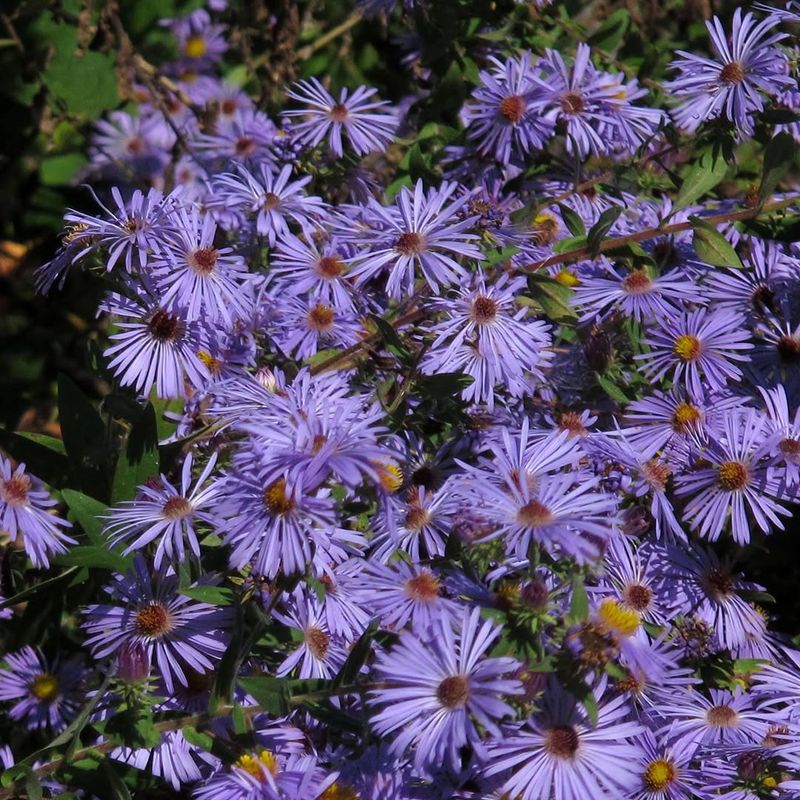
Planting a New England aster in June might seem early since its big show comes in fall, but that early start is exactly what makes it so worthwhile.
Getting this native perennial in the ground now gives the root system months to establish before the plant bursts into a stunning display of purple, pink, or white daisy-like flowers in September and October.
A well-rooted plant blooms far more vigorously than one planted closer to fall.
New England asters are native to Michigan and much of the eastern United States, which means they are naturally adapted to the climate, soil, and seasonal rhythms of the Detroit area.
They attract a wide range of pollinators, including bumblebees, honeybees, and migrating monarch butterflies that pass through southeast Michigan in early fall on their way to Mexico.
Plant in a sunny to partly sunny location with average to moderately moist soil. These plants are surprisingly low maintenance once established and do not need much fertilizing.
Pinching the stems back by about half in late June or early July encourages a fuller, more compact plant with more flower stems come fall. Without that pinch, plants can get tall and floppy.
New England asters pair beautifully with ornamental grasses and goldenrod in naturalistic garden designs, and they provide one of the most important late-season food sources for pollinators when most other flowers have already finished for the year.
9. Butterfly Weed
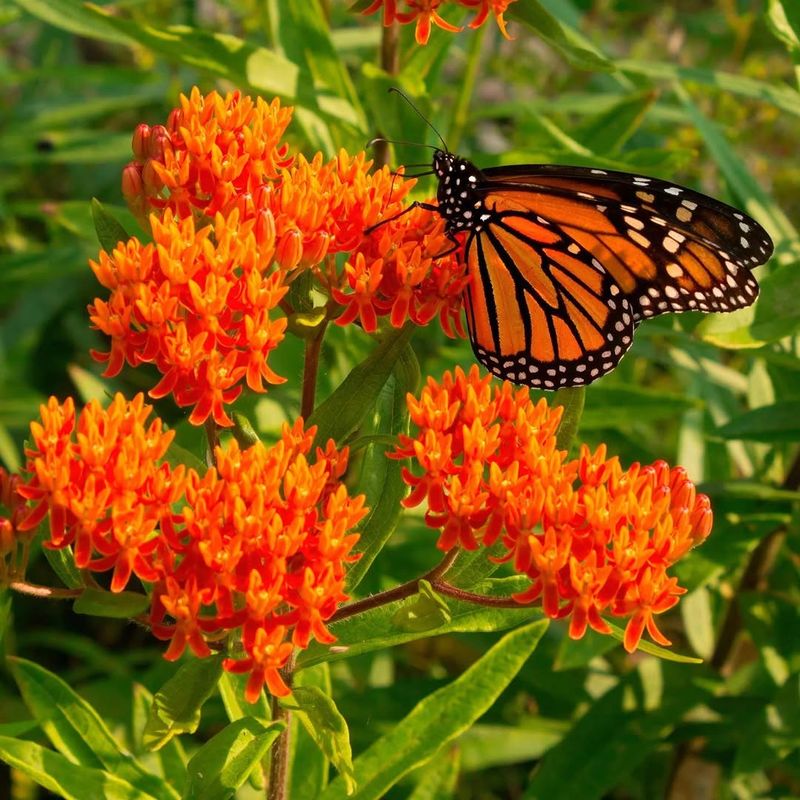
Butterfly weed is one of the most rewarding native plants a Michigan gardener can add to their yard, and June planting gives it exactly the warm conditions it needs to settle in and thrive.
This native milkweed species produces brilliant clusters of bright orange flowers that are practically irresistible to monarch butterflies, who depend on milkweed plants as the only host for laying their eggs and feeding their caterpillars.
Unlike common milkweed, butterfly weed grows in a tidy, upright clump that tops out around two feet tall, making it a great fit for smaller garden spaces, borders, or pollinator beds.
It thrives in full sun and well-drained soil, and once established, it is remarkably drought tolerant.
In fact, soggy or overly rich soil is one of the few things that can set this plant back, so avoid heavy clay spots or areas that stay wet after rain.
Patience is part of growing butterfly weed from a young plant or transplant. It can take a full season or two to really hit its stride, but the wait is absolutely worth it.
The taproots run deep, which is what gives the plant its long-term toughness and drought resistance. Avoid moving it once it is established, since transplanting disrupts those deep roots.
Plant it now in June, give it a season to get comfortable, and next summer you will have a thriving, butterfly-filled focal point that supports one of the most beloved insects in the entire Midwest.