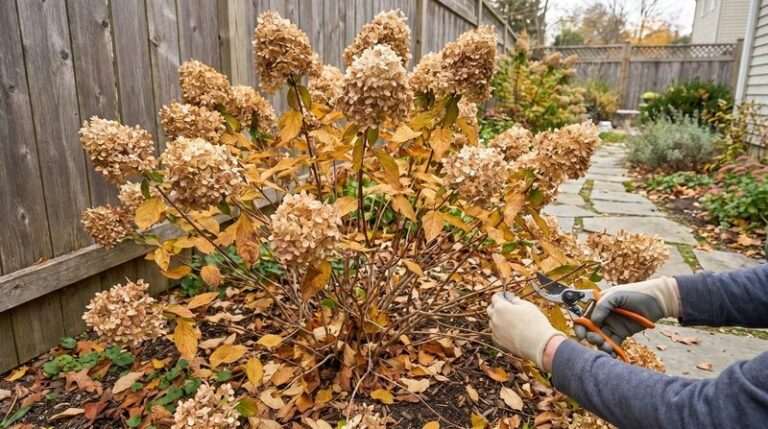
The One Thing You Must Do To North Carolina Peonies In June Or They Won’t Bloom Next Year
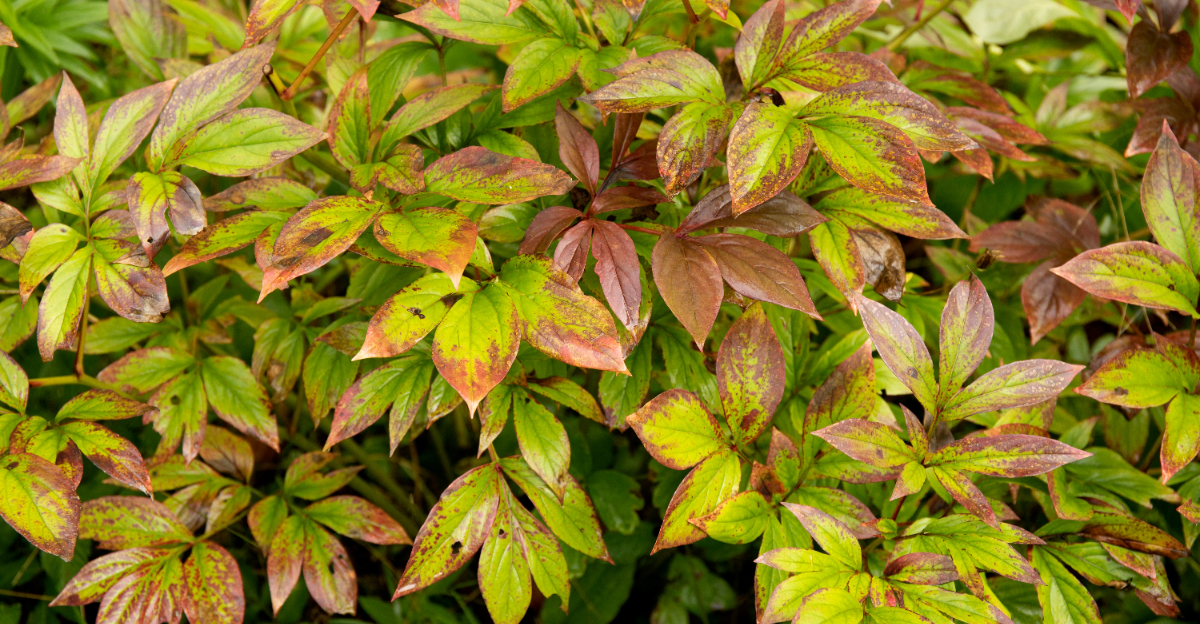
Peonies put on one of the most spectacular shows in the entire North Carolina garden, and then just like that, it’s over. The blooms fade, the petals drop, and most gardeners shift their attention to everything else demanding care in June.
That’s completely understandable, but here’s the thing: what you do or don’t do to your peonies in the weeks right after blooming directly determines what happens next May.
These plants are already working on next year’s flowers before June is out, and one specific task during this window either sets them up for a full, gorgeous display or quietly guarantees a disappointing one.
It’s not complicated, it doesn’t take long, and most gardeners who’ve missed it didn’t even know it mattered. Now you do, and the timing is right in front of you.
1. Leave The Foliage Alone After Flowering
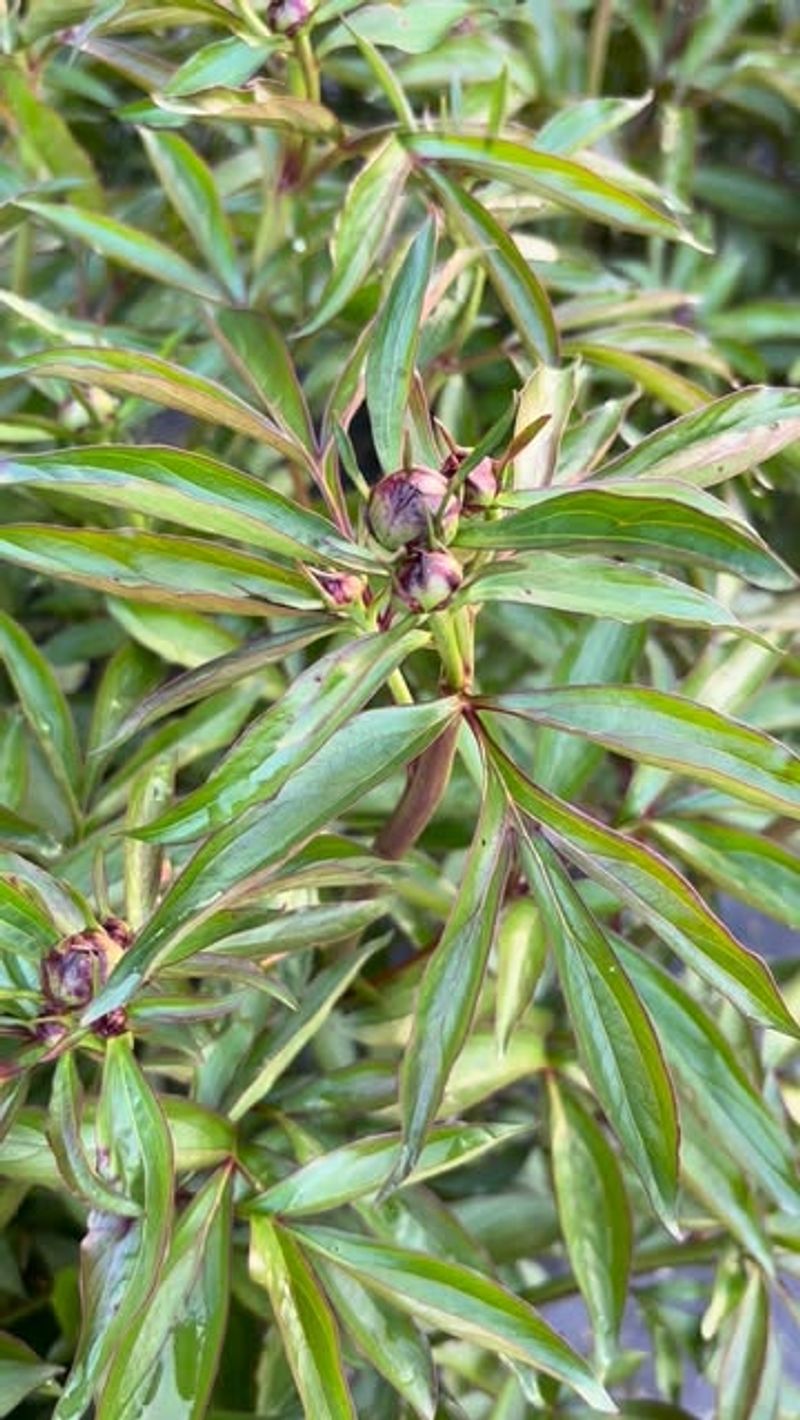
Most gardeners see faded peony blooms and immediately want to tidy everything up by cutting the whole plant back.
That urge to clean up is completely understandable, but acting on it too soon is one of the biggest mistakes you can make with peonies in North Carolina.
The foliage that remains after flowering is not just decoration. It is the engine that powers next year’s blooms.
After the petals drop, the green leaves shift into a kind of quiet, behind-the-scenes work mode. They absorb sunlight all through June, July, and into the early fall, converting that light into energy that gets stored deep in the roots.
Without that stored energy, the plant simply will not have enough fuel to produce flower buds for the following spring season.
North Carolina summers can be humid and warm, which can make peony foliage look a little tired by August. Even if the leaves seem less than perfect, resist the urge to cut them down.
A slightly imperfect leaf still performs photosynthesis. Healthy or not, every green leaf is doing meaningful work for your plant.
Leaving the foliage alone is genuinely the most important thing you can do for your peonies in June. No special product, no extra watering routine, and no fancy fertilizer replaces this one simple action.
Patience is truly the gardener’s best tool when it comes to peonies thriving year after year in the Carolinas.
2. Peonies Build Next Year’s Flower Buds Through Their Leaves
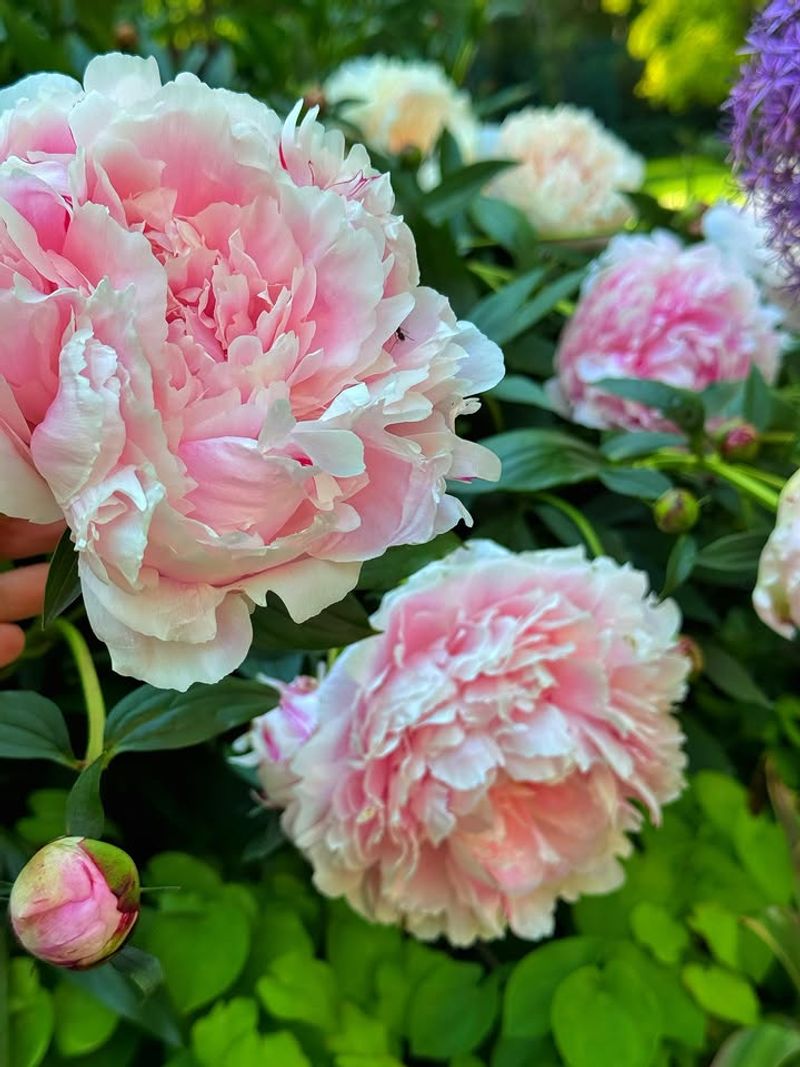
Here is something that surprises a lot of gardeners: peonies actually start building next year’s flower buds just weeks after this year’s blooms finish.
That process happens almost invisibly, underground, and it depends entirely on the energy produced by the leaves still standing above the soil.
Think of the foliage as a solar panel system powering a rechargeable battery buried in the roots.
The scientific term for this process is photosynthesis, but the real-world result is simple. The more healthy leaf surface a peony has working through June and summer, the more carbohydrates get stored in the root system.
Those stored carbohydrates are what the plant draws on when it pushes up new growth the following spring and forms those gorgeous, full flower buds gardeners love.
Your North Carolina Garden Changes Every Week. Your Plan Should Too.
Gardening in North Carolina changes quickly throughout the season. Every Friday you’ll receive a simple weekly plan showing exactly what to plant, prune, fertilize, harvest, and protect so you never miss the right timing.
In North Carolina, peonies already deal with heat and humidity that can stress the plants during summer. Removing the foliage early adds even more stress by cutting off the plant’s only food-producing system.
A peony that goes into fall with depleted root energy may push up leaves next spring but produce very few flowers, or sometimes none at all.
Understanding this connection between the leaves and the blooms changes how you see your garden in June. Those broad green leaves are not just filler between seasons.
They are actively working, building, and storing. Protecting them through summer is the single most powerful commitment you can make to a spectacular peony display next May.
3. Cutting Back Green Foliage Too Early Reduces Stored Energy
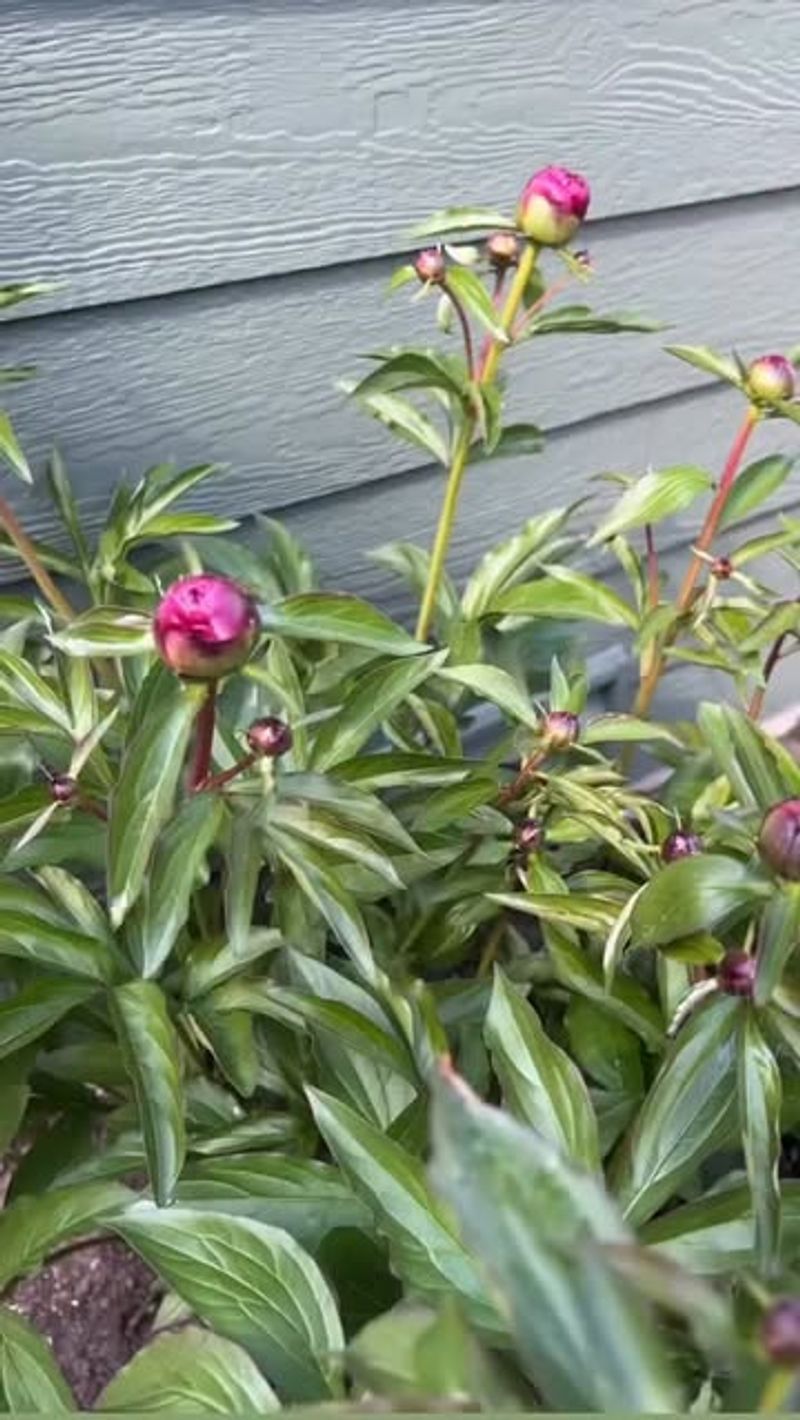
Cutting peony foliage back while it is still green is a bit like unplugging your phone charger at fifteen percent battery. The plant simply does not get enough stored energy to power next year’s performance.
Many gardeners do this without realizing the long-term impact, especially when the blooms are gone and the plant seems to just be taking up space in the summer border.
Research on perennial plants consistently shows that early removal of green foliage reduces the carbohydrate reserves stored in the root system.
For peonies specifically, those reserves are critical because the flower buds for next spring are set during the late summer and early fall period.
If the roots are running low on stored energy during that window, bud formation suffers noticeably.
In North Carolina, where the growing season extends well into October, peonies have a long runway to build those reserves if you let them. Cutting back in June or July shortens that runway significantly.
Even cutting back in August is earlier than ideal, though late August is generally more forgiving than midsummer cuts.
A great rule of thumb is to wait until the foliage starts showing natural signs of decline on its own. When leaves begin to yellow or look papery rather than crisp and green, that is the plant naturally winding down its food production.
That is your signal that the energy transfer is mostly complete and trimming back is finally appropriate and safe for the plant’s future health.
4. Remove Spent Flowers But Keep Every Healthy Leaf
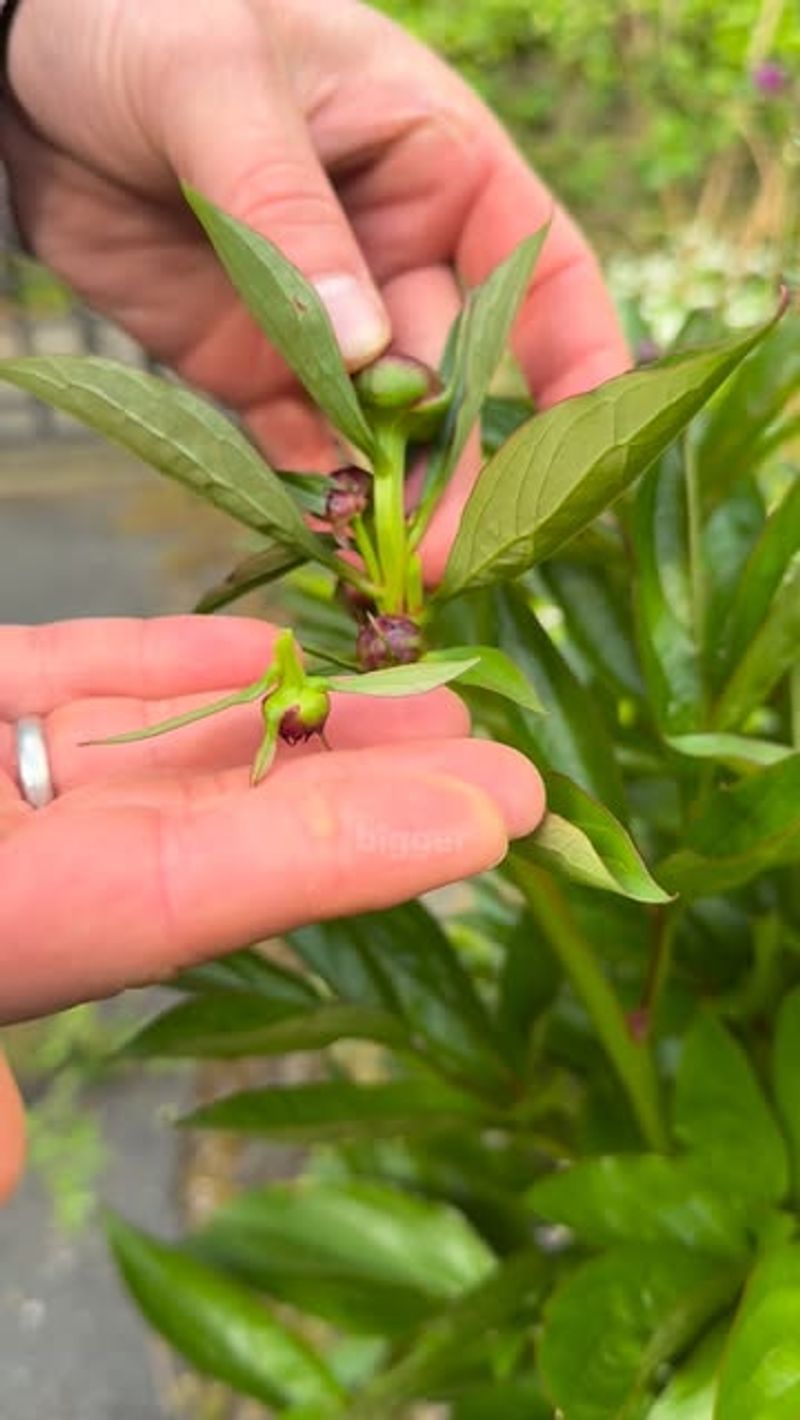
There is a smart middle ground that experienced peony growers follow every June, and it makes a real difference in how the plants perform the following year. You absolutely should remove the spent, faded flowers once they drop their petals.
But the key is to stop right there and leave every healthy green leaf completely untouched on the stem below.
Removing spent blooms, a practice called deadheading, prevents the plant from putting energy into forming seed pods. Peony seeds are not how most gardeners propagate these plants anyway, and seed production pulls resources away from root energy storage.
Snipping off just the flower head at the top of the stem, while keeping the leaves below intact, gives the plant the best of both worlds.
Use clean, sharp pruners when you deadhead. A clean cut reduces the chance of introducing any fungal issues, which peonies in humid North Carolina summers can occasionally deal with.
Wiping your blades with rubbing alcohol between cuts is a small habit that pays off over time, keeping your plants cleaner and healthier through the season.
Gardeners who follow this approach often notice a visible difference in their plants by late summer. The foliage stays fuller and more vigorous when it is not competing with developing seed pods for the plant’s resources.
More energy in the leaves means more energy moving into the roots, and more energy in the roots means a much more rewarding bloom season waiting for you next spring in your North Carolina garden.
5. June Sunlight Helps Fuel Next Year’s Blooms
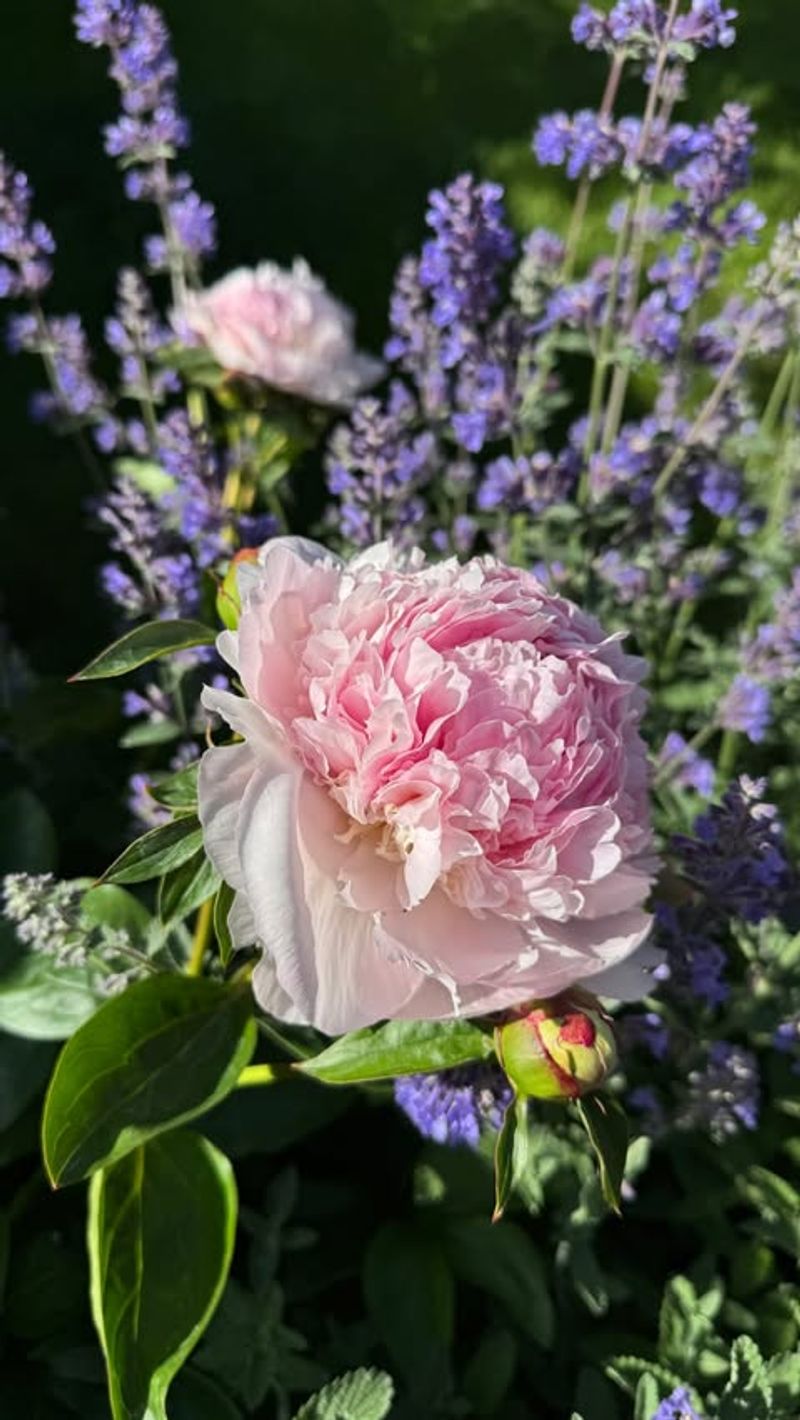
June in North Carolina brings long days and strong sunlight, and your peonies are designed to take full advantage of every hour of it. Right after blooming wraps up, the plant enters what you might call its energy-harvesting phase.
The leaves stretch wide and face the sun, quietly converting light into the sugars and starches that will feed the plant through dormancy and fuel the next bloom cycle.
Peonies are sun-loving plants that perform best with at least six hours of direct sunlight daily. In June, when days are at their longest, a peony with a full set of healthy leaves can absorb an impressive amount of solar energy.
That is exactly why this month, right after flowering, is so important. The combination of long days and intact foliage creates ideal conditions for root energy loading.
Shading can be a real issue in some North Carolina gardens where trees have leafed out fully by early summer.
If your peonies are getting significantly less sun than they were in spring, it is worth noting that reduced light does reduce the plant’s ability to store energy efficiently.
Trimming nearby branches to allow more light through is worth considering as a long-term garden improvement.
Sunlight and foliage working together through June and into summer are not separate factors. They are partners in the same process.
Protecting the leaves so they can catch every ray of that long summer sun is one of the simplest and most rewarding investments you can make for your peony garden’s future.
6. Healthy Leaves Help Strengthen The Root System
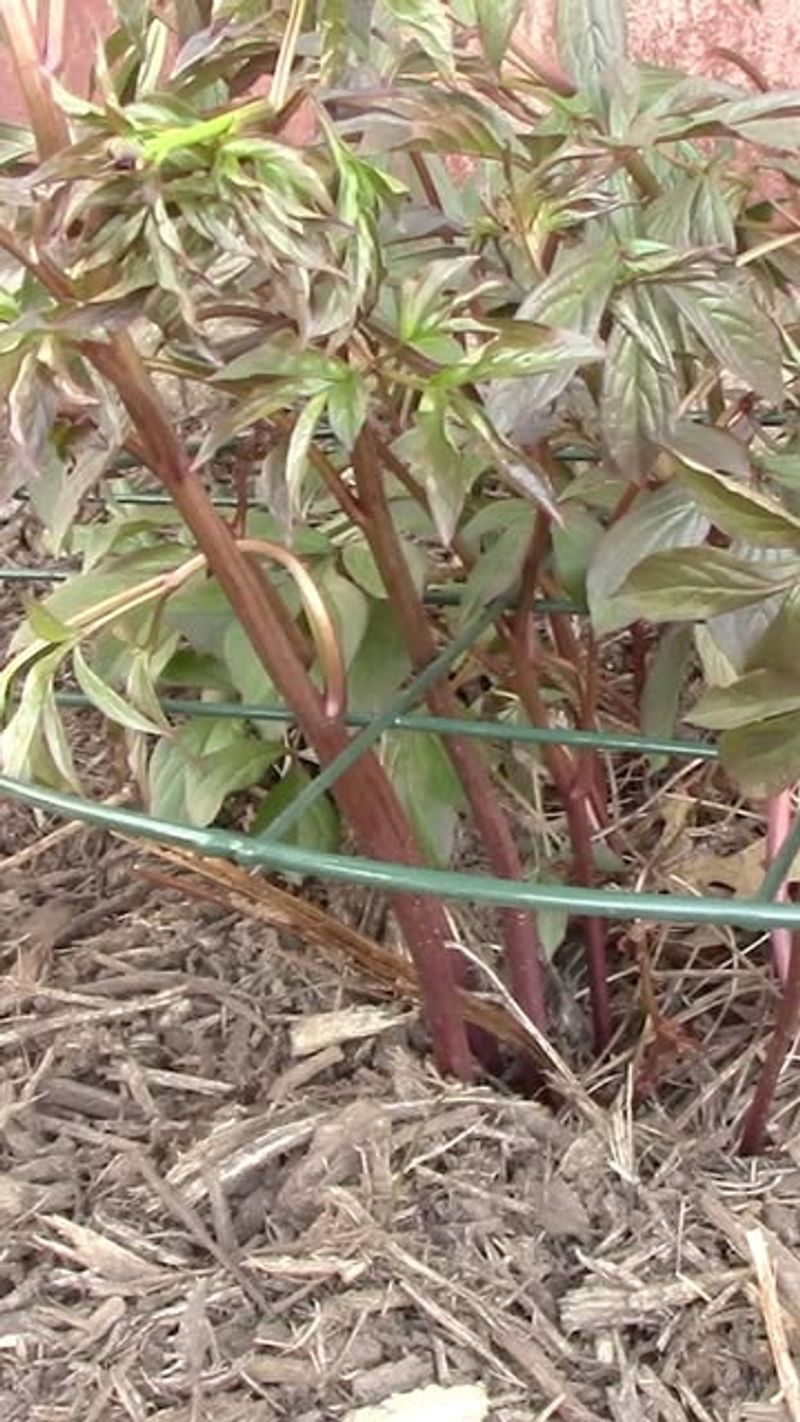
Beneath every thriving peony plant is a robust root system that has been quietly built up over years of good leaf management.
The roots of an established peony can reach deep into the soil, storing enormous amounts of energy that the plant uses for growth, cold hardiness, and flower production.
But those roots do not strengthen themselves. They depend almost entirely on what the leaves send down to them.
Photosynthesis in the leaves produces glucose, which travels down through the stems and into the roots where it gets converted into starch for long-term storage.
The more leaf surface area a plant maintains through summer, the more of this energy transfer can happen.
A peony with a full, healthy canopy of leaves is essentially supercharging its own root system every single day the sun shines.
In North Carolina, where peonies experience warm and sometimes stressful summers, having a well-fed root system also helps with stress tolerance.
Plants with strong root reserves are better equipped to handle heat, occasional drought, and the general demands of the growing season without losing vigor. A well-rooted peony bounces back faster from anything summer throws at it.
Mulching around the base of your peonies is a great companion habit to protecting the foliage. A two to three inch layer of organic mulch keeps soil moisture more consistent and moderates soil temperature during hot spells.
Together, good foliage care and smart mulching create a support system that builds stronger, more deeply rooted peonies season after season.
7. Foliage Should Stay Until It Naturally Yellows Or Browns In Fall
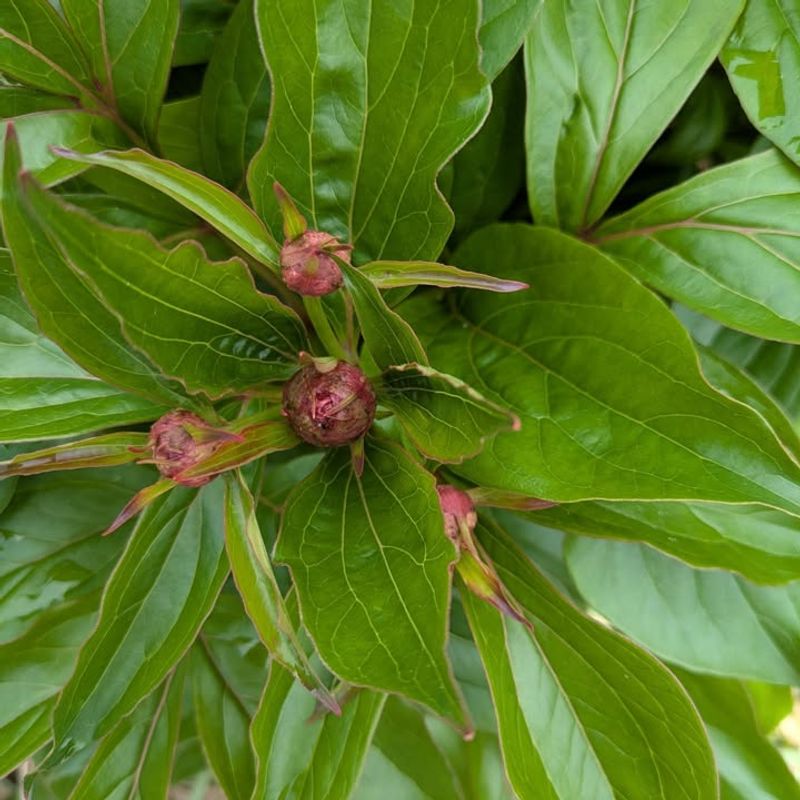
Timing matters enormously when it comes to cutting back peonies, and the best guide is not the calendar but the plant itself. Peony foliage in North Carolina will naturally begin to yellow and brown as fall temperatures cool and daylight shortens.
That visible change is the plant’s own signal that it has finished its energy-production work for the season and is preparing to go dormant.
Most years in North Carolina, that natural decline happens somewhere between late September and November, depending on the specific location and the weather patterns of that particular year.
Waiting for those signs before cutting the plant back ensures that you are not interrupting the process before it is complete. The plant is in charge of the timeline, not the gardener’s schedule.
Once the foliage has yellowed or browned naturally, you can cut the stems back to just an inch or two above the soil line. Removing the old foliage at this point actually helps reduce the chance of fungal issues overwintering in the debris.
Cleaning up in fall rather than summer gives you the tidy garden look you want without sacrificing any of the plant’s energy storage potential.
Some gardeners feel tempted to cut back in early September just to refresh the garden’s appearance before fall. If the leaves are still green at that point, even slightly, it is worth waiting a few more weeks.
Every extra week of green foliage adds a little more energy to the root system, and that added energy can make a noticeable difference in bloom count the following spring.
8. The Best-Blooming Peonies Usually Keep Healthy Leaves All Summer
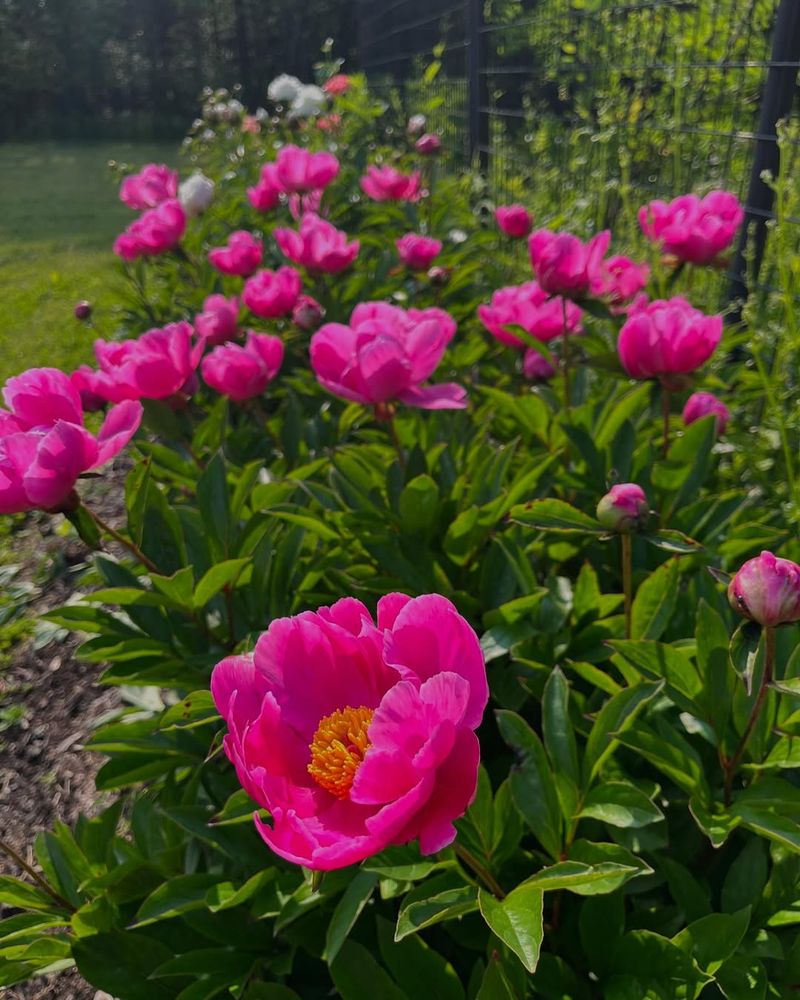
Walk through any garden where peonies bloom spectacularly year after year, and you will almost always notice the same thing: the foliage looks full, green, and healthy well into late summer. That is not a coincidence.
Gardeners who get the most impressive peony blooms are typically the ones who have learned to value the leaves just as much as the flowers themselves.
Keeping foliage healthy all summer involves more than just leaving it alone. Good air circulation helps prevent fungal issues like botrytis, which can affect peony leaves in humid North Carolina conditions.
Planting peonies with enough space between them, typically three to four feet apart, allows air to move freely through the clump and keeps the foliage drier and less vulnerable to disease.
Watering habits also play a role in foliage health through summer. Deep, infrequent watering encourages roots to grow deeper and keeps the plant more resilient during dry spells.
Overhead watering, especially in the evening, can promote fungal growth on the leaves. Watering at the base of the plant in the morning is always the smarter approach for keeping foliage clean and functional through the season.
The peonies that bloom most reliably every spring are the ones that were allowed to fully recharge through the previous summer.
Protecting that foliage from June all the way through its natural fall decline is the single habit that separates gardeners who wonder why their peonies stopped blooming from those who enjoy a full, breathtaking display every single year without fail.