What’s Behind Yellow Rose Leaves In Indiana Each June (And How To Fix It)
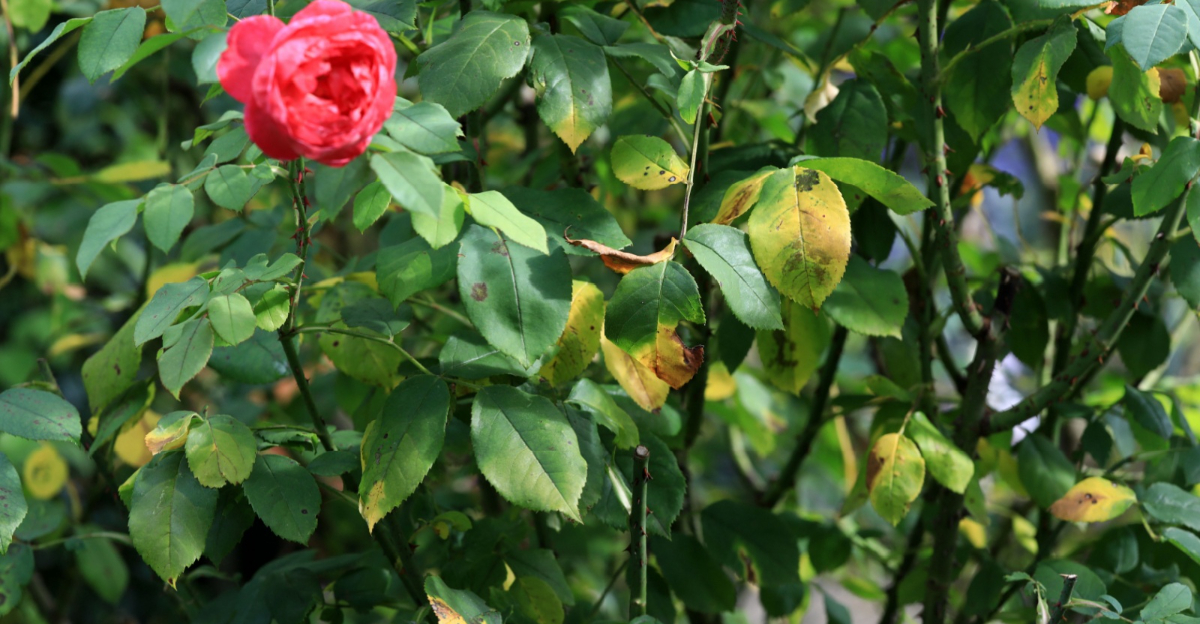
Your roses were the stars of the garden in May. Now it’s June, and those same leaves are fading to yellow.
You’re standing there wondering what went wrong.
Here’s the thing: yellow leaves in June are one of the most common rose complaints in Indiana, and they’re almost never a lost cause.
Roses are expressive plants. When something is off, whether it’s too much water, not enough nutrients, or a fungal issue creeping in, they show it in the leaves.
That’s actually useful information once you know how to read it.
Indiana’s June is a particular kind of tricky. The shift from mild spring conditions to heat and humidity can happen within days, and roses feel that change before you do.
The good news is that most common causes can be improved, and most of them are simpler than you’d expect. Let’s figure out what your roses are trying to tell you.
June Is A Turning Point For Indiana Roses, And Here’s Why
June hits Indiana rose bushes like a pop quiz nobody studied for. The shift from mild spring weather to early summer heat happens fast, and roses feel every degree of that change.
Soil temperatures rise quickly in June. Roots that were happy in cool spring ground suddenly struggle to pull up water and nutrients efficiently.
Yellow rose leaves often appear during this transition because the plant is reacting to stress it cannot hide. The leaves are essentially waving a flag at you.
Indiana’s June weather also brings irregular rain patterns. One week brings heavy downpours, the next brings dry, baking heat that cracks the topsoil.
Roses need consistency to stay healthy, and June rarely delivers that. The plant responds to these swings by dropping or discoloring its lower leaves first.
Paying close attention to your roses during the first two weeks of June gives you a real advantage. Catching yellowing early means you can correct the problem before it spreads up the entire bush.
Think of June as the month your roses reveal their weaknesses. What you learn now can shape how strong they grow through July and August.
Overwatering And Poor Drainage Are Usually The Culprit
Soggy roots are sneaky troublemakers. Most gardeners assume yellow leaves mean the plant needs more water, but overwatering is actually one of the top causes of yellow rose leaves in June.
When soil stays wet too long, roots cannot breathe. Oxygen gets pushed out of the soil, and the roots begin to suffocate slowly.
Indiana clay soil makes this problem worse. Clay holds moisture like a sponge and drains poorly, especially after a rainy spring week.
Check your soil before grabbing the hose. Push your finger about two inches into the ground near the base of your rose bush.
If the soil feels wet or muddy, skip watering for a day or two. Roses need moist soil, not saturated soil.
Poor drainage can also come from compacted ground around established bushes.
Your Indiana Garden Changes Every Week. Your Plan Should Too.
Gardening in Indiana changes quickly throughout the season. Every Friday you’ll receive a simple weekly plan showing exactly what to plant, prune, fertilize, harvest, and protect so you never miss the right timing.
Over time, foot traffic and heavy rain pack the soil down and block water from moving through naturally.
Fixing drainage is easier than most people expect. Adding a layer of compost around the base loosens clay soil and improves airflow to the roots over time.
Raised planting beds or amended soil with perlite mixed in also help a lot. Once the roots can breathe again, new green growth can follow within a few weeks.
Nutrient Deficiencies That Show Up In The Soil
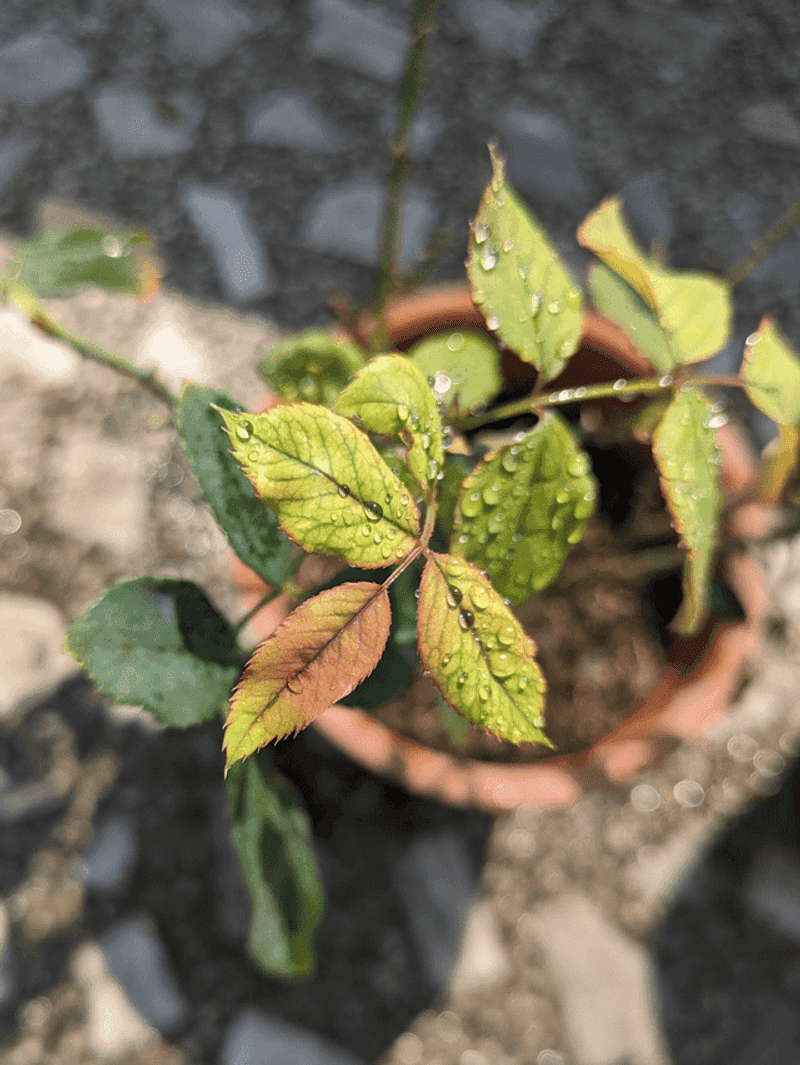
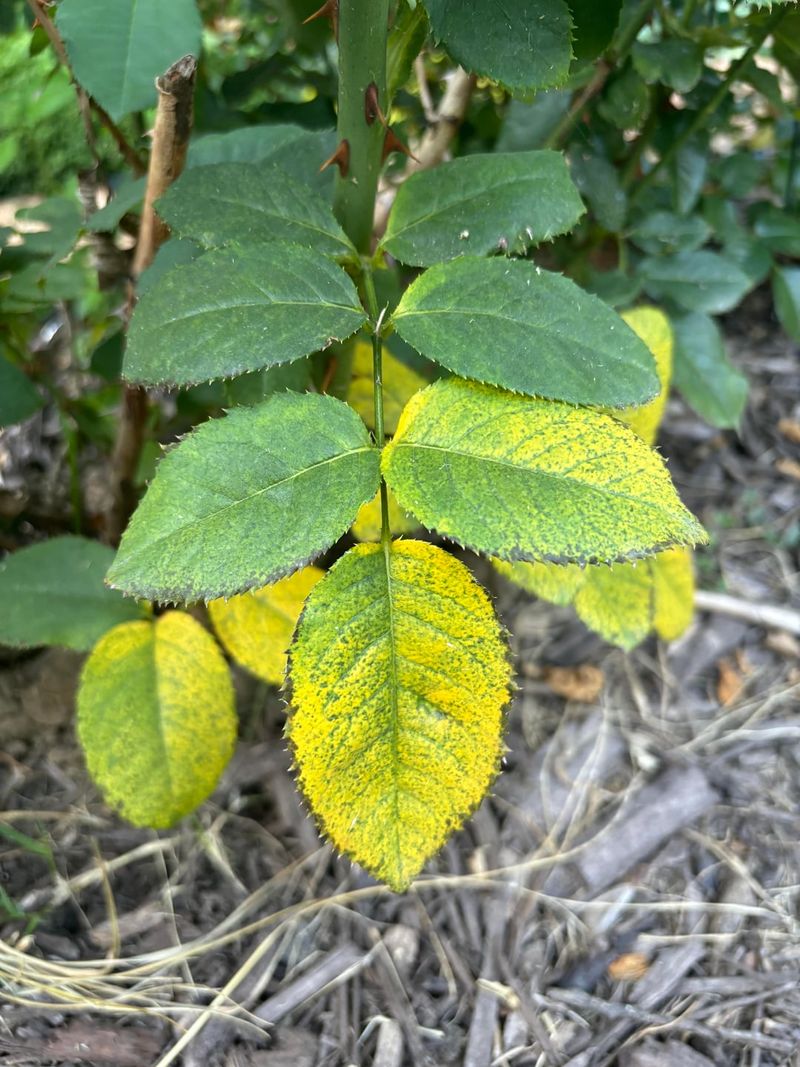
Pale yellow leaves with green veins are a classic clue. That specific pattern usually points to an iron or magnesium shortage in your soil, both of which are common in Indiana gardens by June.
Roses are heavy feeders. They pull nutrients from the soil constantly, especially during the spring bloom rush, and by June the soil can feel like an empty pantry.
Nitrogen deficiency is another frequent offender. When nitrogen runs low, the older lower leaves turn yellow first while the newer growth at the top stays green temporarily.
Getting a simple soil test from your local extension office or a garden center tells you exactly what is missing. Tests are inexpensive and can save you from guessing wrong.
Applying a balanced rose fertilizer in early June helps replenish what the plant burned through in spring. Look for a balanced rose fertilizer on the label.
Magnesium deficiency responds well to a foliar spray of Epsom salt dissolved in water. Mix one tablespoon per gallon and apply it directly to the leaves in the morning so it absorbs before the heat of the day.
Feeding your roses on a consistent schedule through summer keeps the soil stocked and the leaves looking strong. Healthy soil gives your roses the best possible foundation to thrive.
Fungal Diseases That Strike Indiana Roses In Early Summer
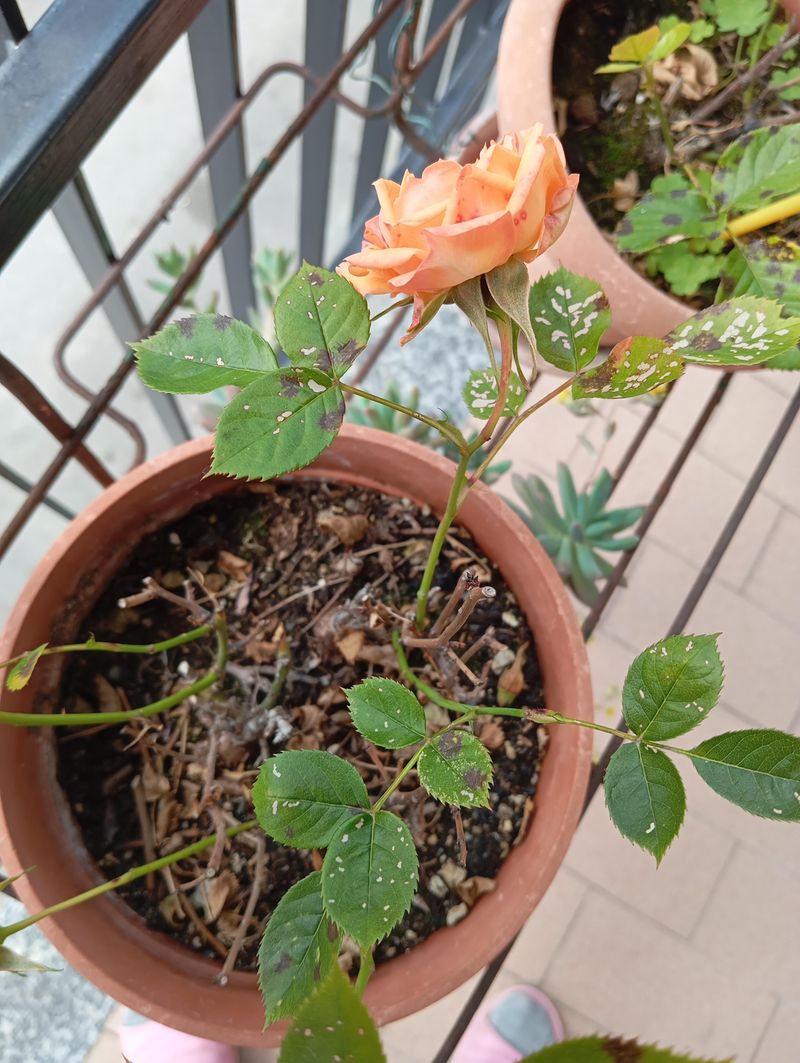
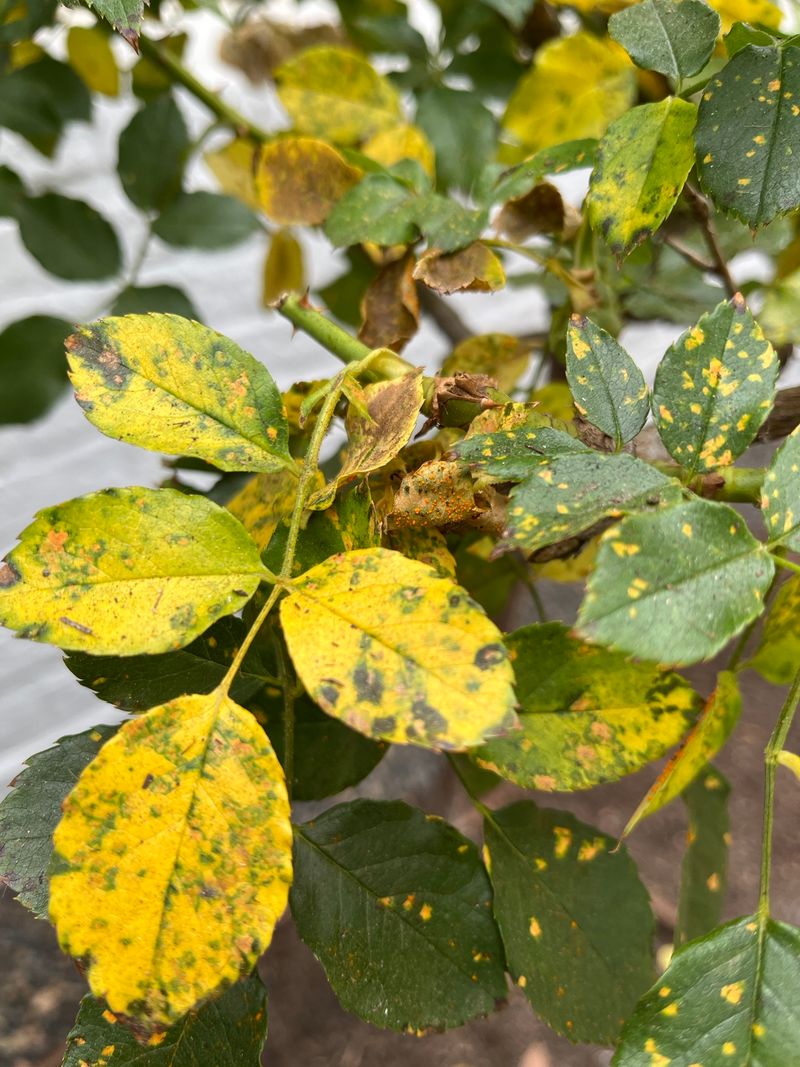
Black spot does not mess around. This fungal disease is the number one reason rose leaves turn yellow and drop in early summer across the Midwest, and Indiana gardens are especially vulnerable.
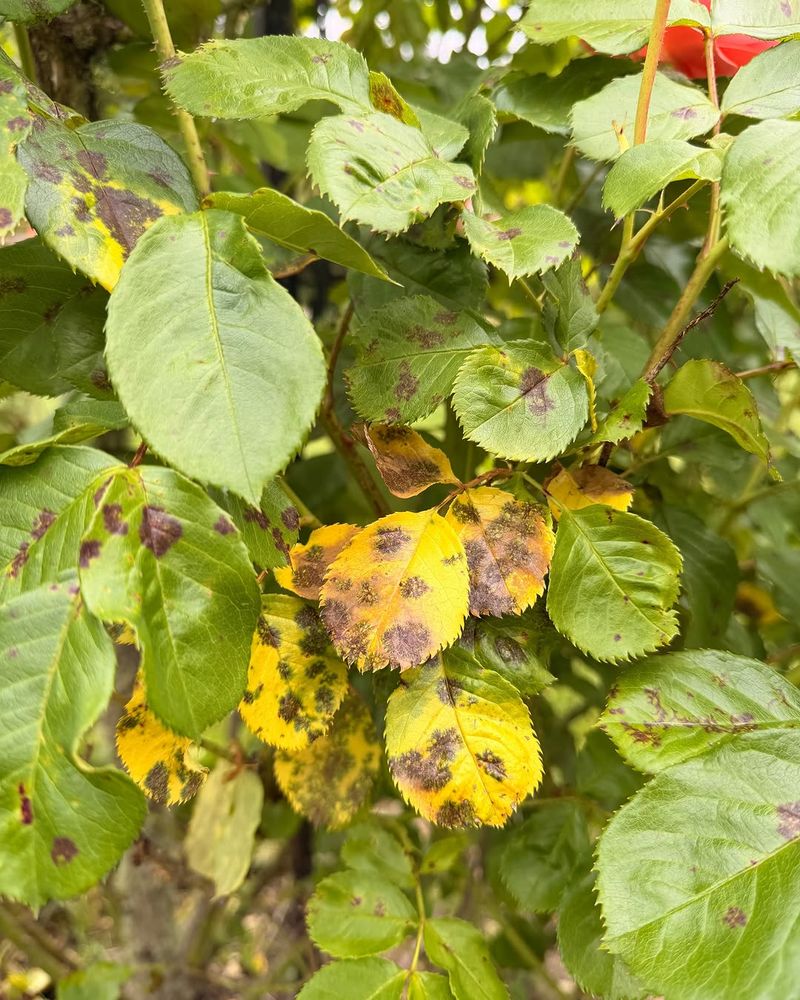
Black spot starts as small dark circles on the upper surface of leaves. Within days, the surrounding leaf tissue turns yellow and the leaf falls off entirely.
Humid mornings followed by warm afternoons create the perfect environment for fungal spores to spread. Indiana’s June weather creates near-ideal conditions for this disease to spread.
Downy mildew and rose rust are two other fungal problems that cause yellowing. Rust shows up as orange powder on the undersides of leaves, while downy mildew leaves grayish patches on top.
Removing and bagging infected leaves immediately slows the spread. Never compost diseased leaves because spores can survive and reinfect your garden the following season.
Fungicidal sprays containing copper or neem oil work well as both a treatment and a preventative measure. Apply them early in the morning so the leaves dry before evening humidity settles in.
Improving air circulation around your bushes by pruning crowded canes also helps a great deal. Fungus struggles to take hold when leaves stay dry and air moves freely through the plant.
How Indiana’s June Heat And Humidity Stress Your Roses
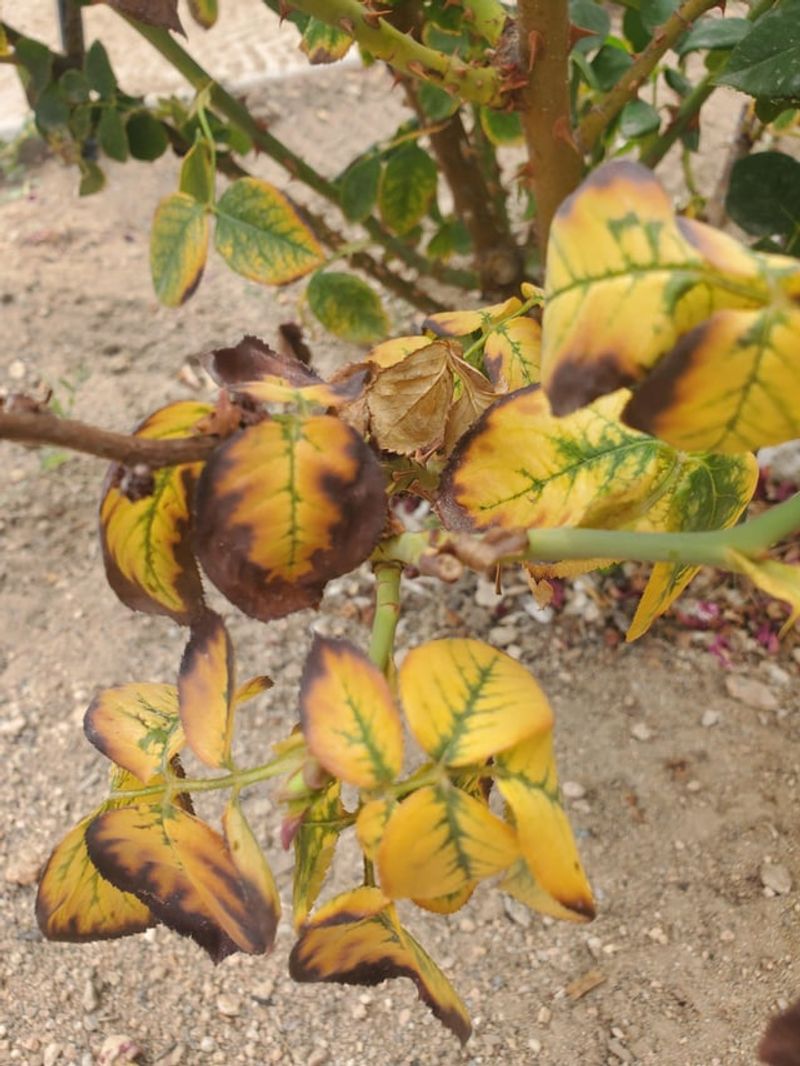
Roses are tougher than they look, but Indiana’s June heat can push even the hardiest varieties to their limit. When temperatures climb past 85 degrees, roses begin conserving energy by dropping leaves.
Heat stress often looks a lot like drought stress. Leaves curl inward, turn yellow at the edges, and sometimes brown at the tips before falling.
High humidity adds another layer of trouble. Wet air slows the natural evaporation from leaves, which disrupts how the plant cools itself and moves water up from the roots.
Mulching around the base of your rose bushes is one of the simplest and most effective ways to fight heat stress. A two to three inch layer of wood chips or shredded bark keeps the soil cool and retains moisture longer.
Watering deeply in the early morning gives roots a full supply before the heat of the day arrives. Shallow, frequent watering actually makes heat stress worse by keeping roots near the dry surface.
Afternoon shade from a nearby fence or tree can protect roses during the hottest part of the day. Even two hours of afternoon shade can make a real difference in plant health.
Stressed roses are also more vulnerable to pests and disease.
Pests That Cause Yellowing And How To Spot Them Early
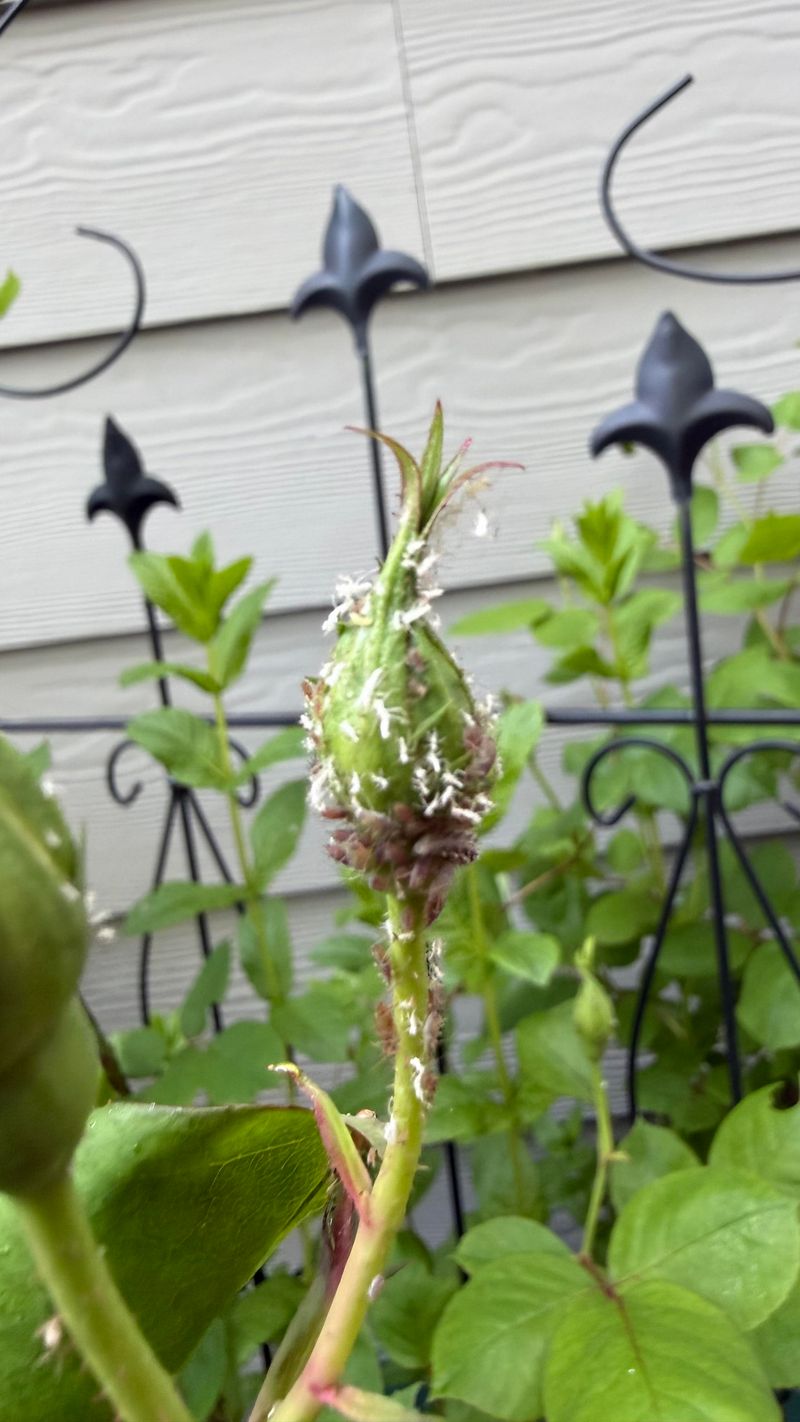
Tiny bugs can cause massive damage. Spider mites, aphids, and rose slugs are three of the most common pests that trigger yellow leaves on Indiana roses during June.
Spider mites are nearly invisible to the naked eye, but the damage they leave behind is easy to spot. Leaves develop a dusty, stippled look with tiny yellow or white dots scattered across the surface.
Hold a white piece of paper under a suspicious leaf and tap the branch gently. If tiny moving specks fall onto the paper, you have confirmed a spider mite problem.
Aphids cluster on new growth and the undersides of young leaves. They suck the sap out of the plant, which causes leaves to yellow, curl, and sometimes become sticky with their waste.
A strong blast of water from the garden hose knocks aphids off the plant quickly. Repeating this every few days for a week usually gets mild infestations under control without any chemicals.
Rose slugs are the larvae of a small wasp, and they skeletonize leaves by eating the green tissue between the veins. The remaining leaf turns yellow and papery before falling off.
Catching pest problems early keeps them manageable. Check the undersides of your rose leaves every few days during June so nothing gets a head start on your garden.
How To Fix Yellow Leaves And Keep Your Roses Healthy Through Summer
Good news: yellow rose leaves are a problem with real solutions. Once you identify the cause, fixing it is usually straightforward, though some recoveries take a few weeks to show results.
Start with a full inspection of your rose bush. Check the soil moisture, look at both sides of the leaves, and note where the yellowing is happening on the plant.
Lower leaves yellowing first usually signals a nutrient issue or overwatering. Yellowing scattered throughout the bush with spots often points to a fungal disease.
Prune away any yellowed or infected leaves with clean, sharp shears. Removing damaged growth helps the plant redirect its energy toward producing new, healthy foliage.
Feed your roses with a quality rose fertilizer every four to six weeks through summer. Consistent feeding keeps the soil balanced and prevents deficiency-related yellowing from coming back.
Apply a layer of fresh mulch around the base to regulate soil temperature and hold moisture. This one step helps address heat stress, watering inconsistency, and root health all at once.
A little observation, the right product, and a consistent routine are all it takes. Give your roses what they need now, and they’ll reward you with a strong second bloom.