What It Really Means When Carpenter Bees Start Showing Up Around Your North Carolina Porch
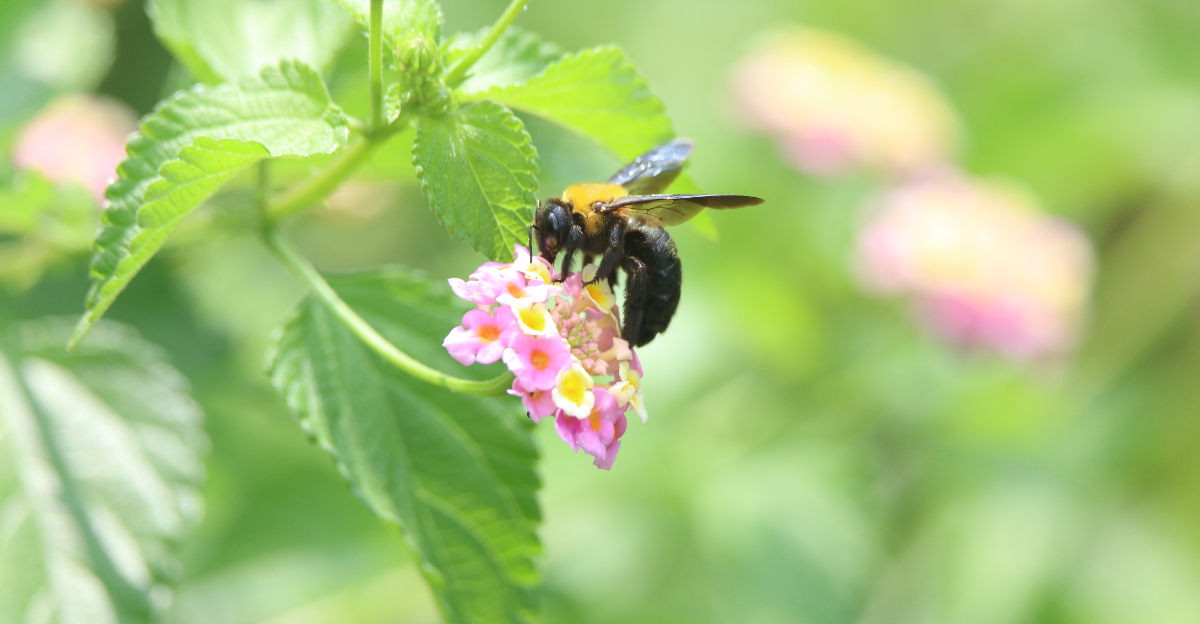
You walk outside and there they are, big, bold, and flying with a confidence that feels slightly personal.
Carpenter bees hovering around your porch, your eaves, your wooden fence, circling in that distinctive way that makes you wonder what exactly they’re planning.
Most people’s first reaction is to get rid of them as fast as possible, which is understandable.
But before you do anything, it helps to know what their presence is actually telling you about your home and your yard, because carpenter bees don’t show up randomly.
They’re responding to something specific, and understanding what that is gives you much more useful information than just knowing they’re annoying.
Some of what they signal is genuinely worth addressing. Some of it might actually change how you feel about having them around in the first place.
1. They Are Looking For Nesting Sites In Bare Or Unpainted Wood
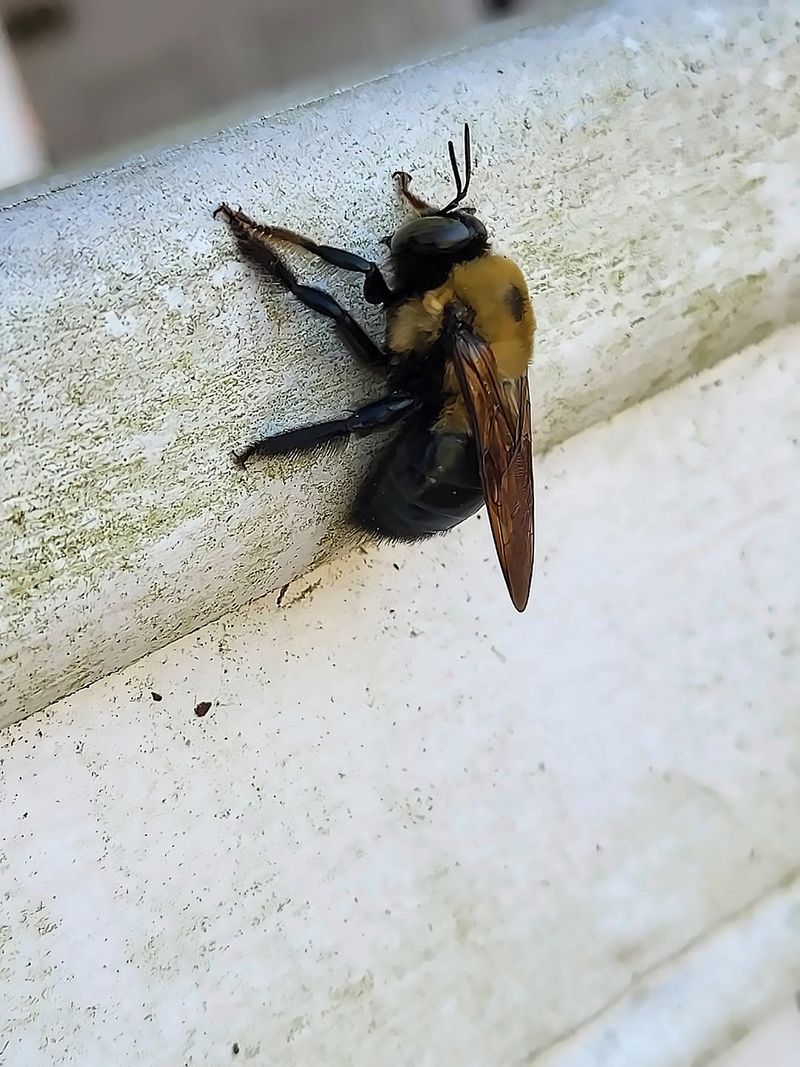
Bare wood on a porch is basically a welcome sign for carpenter bees. These bees do not eat wood the way termites do.
Instead, they chew through it to create smooth, round tunnels where they lay their eggs and raise the next generation. If your porch has exposed, unfinished wood, it becomes one of the most attractive nesting spots in the neighborhood.
Carpenter bees prefer wood that has no paint, stain, or sealant on it. Fascia boards, porch railings, deck beams, and pergola posts are all common targets when left untreated.
The good news is that a small number of nesting holes does not automatically mean your structure is in serious trouble. One or two tunnels rarely cause major damage on their own.
The bigger concern comes when the same spots get used season after season, allowing tunnels to grow longer over time. Catching the activity early gives you the best chance to protect your wood before anything significant happens.
A coat of exterior paint or wood sealant goes a long way toward making your porch far less appealing to these industrious little nesters. Treating exposed wood is one of the easiest and most effective steps a homeowner can take.
2. Spring And Early Summer Is Their Most Active Season
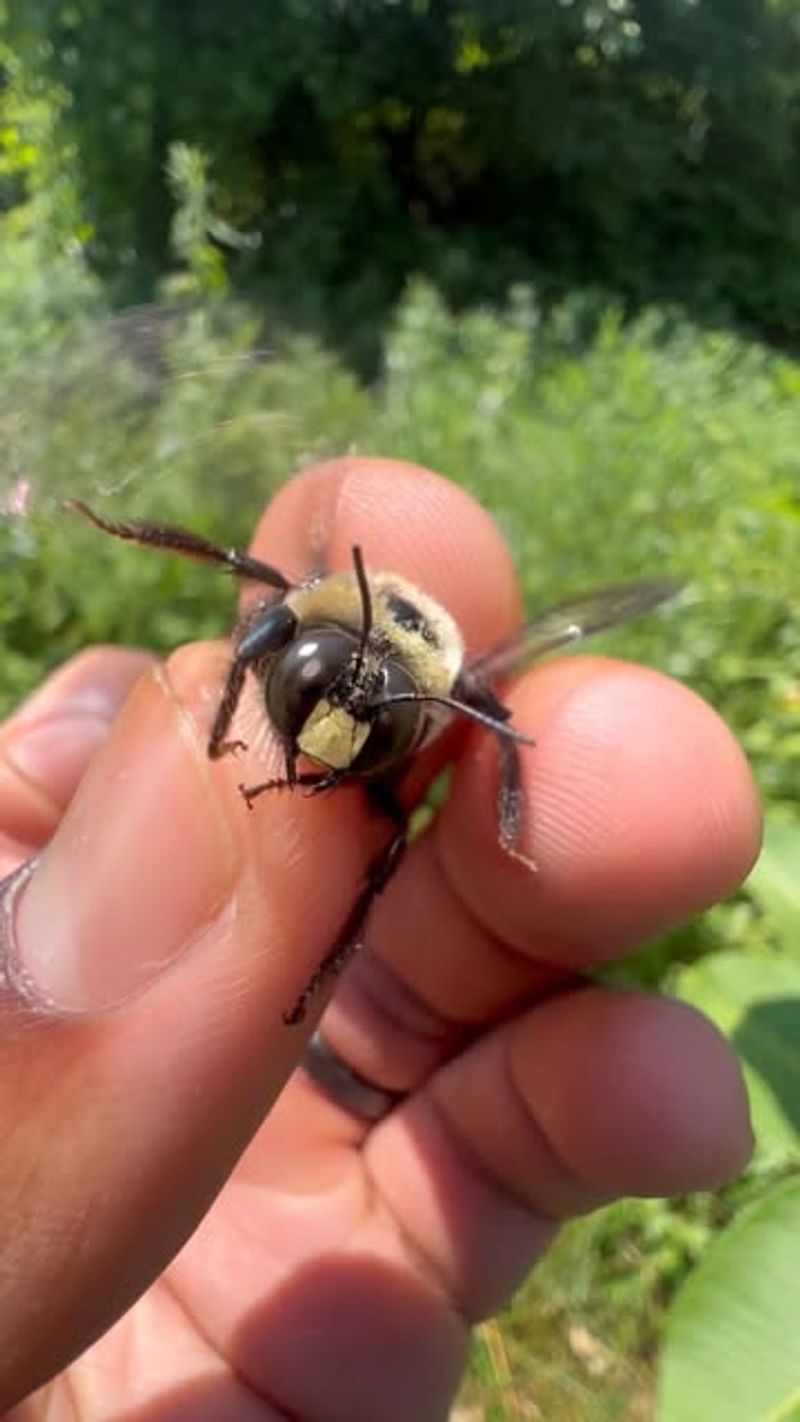
Every spring in North Carolina, carpenter bees seem to appear almost overnight. Warmer temperatures and longer days trigger their emergence from the tunnels where they spent the winter.
By April and May, activity around porches and wooden structures reaches its peak, making this the time of year when most homeowners first notice them buzzing around.
Mating happens during this busy spring window, which is why you often see multiple bees hovering near the same spot at once. After mating, females get straight to work chewing new tunnels or refreshing old ones to prepare for their eggs.
Each female typically lays a small number of eggs, carefully packing each chamber with pollen and nectar as a food source for the larvae.
By late summer, activity slows down considerably as the new generation develops inside the tunnels. The bees that emerge in late summer will eventually find shelter in existing tunnels to wait out the winter.
Your North Carolina Garden Changes Every Week. Your Plan Should Too.
Gardening in North Carolina changes quickly throughout the season. Every Friday you’ll receive a simple weekly plan showing exactly what to plant, prune, fertilize, harvest, and protect so you never miss the right timing.
Knowing this seasonal rhythm makes it much easier to plan ahead. If you want to treat or seal your wood, late summer through early fall is actually the ideal window to do it, after the active season winds down but before the next spring cycle begins again.
3. Male Carpenter Bees Often Hover Near People
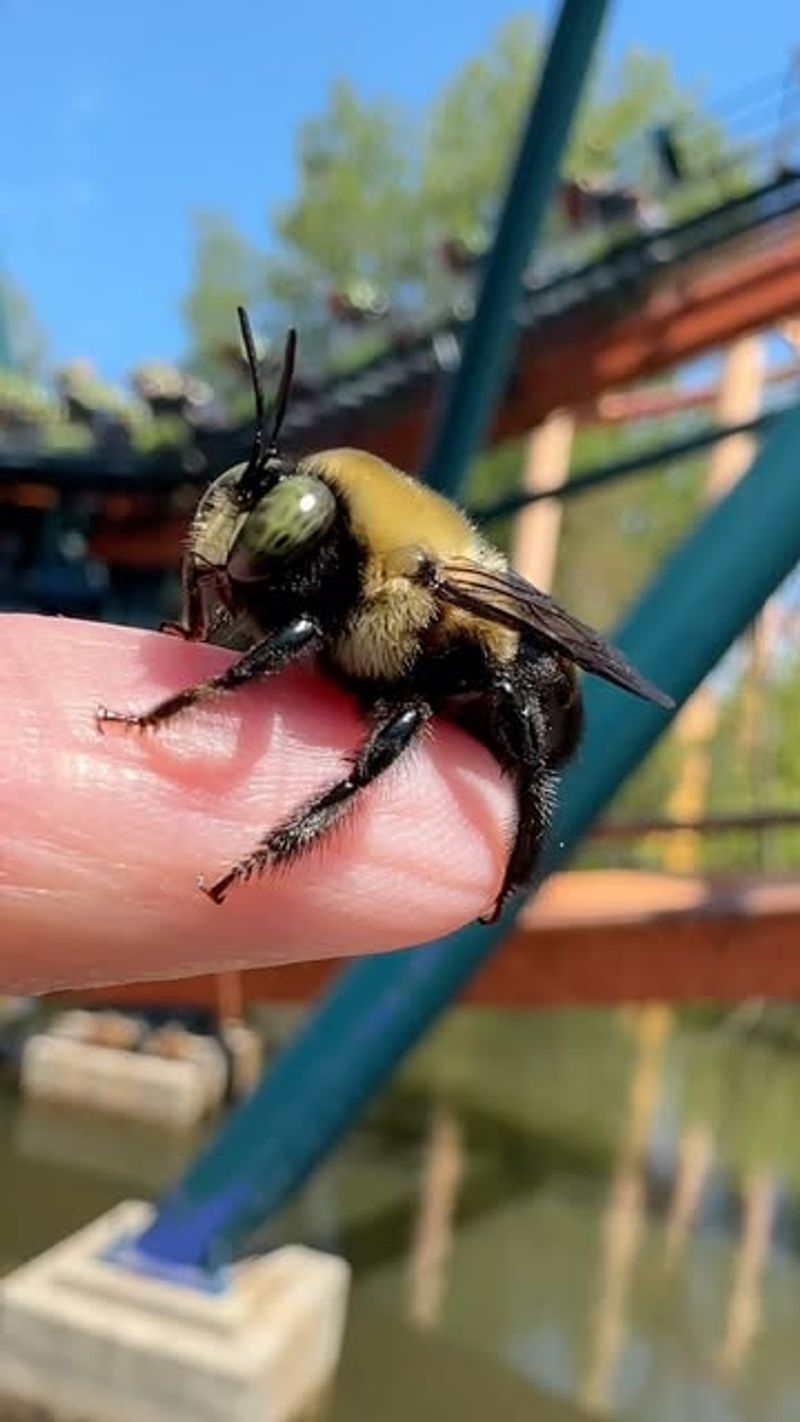
Few things startle a porch visitor quite like a large bee flying straight toward their face and refusing to back off. That bold, hovering bee is almost certainly a male carpenter bee, and here is the surprising truth about him: he cannot sting.
Males simply do not have a stinger. All that dramatic hovering and darting around is just territorial display behavior, nothing more.
Male carpenter bees set up patrol zones near nesting sites and spend their days chasing off anything they perceive as a threat, including other bees, insects, and yes, curious humans.
They are genuinely relentless about it, which makes them feel far more intimidating than they actually are.
Once you know they are completely harmless, it is actually pretty entertaining to watch them work.
Female carpenter bees do have stingers and are capable of stinging, but they are remarkably non-aggressive. A female will almost never sting unless she is physically handled or trapped.
Watching which bee is doing the hovering can actually help you tell the two apart. Males often have a small yellow or white patch on their face, while females tend to be entirely black on the face.
Knowing this makes the whole experience on your porch feel a lot less stressful.
4. Their Presence Usually Means The Area Supports Pollinators
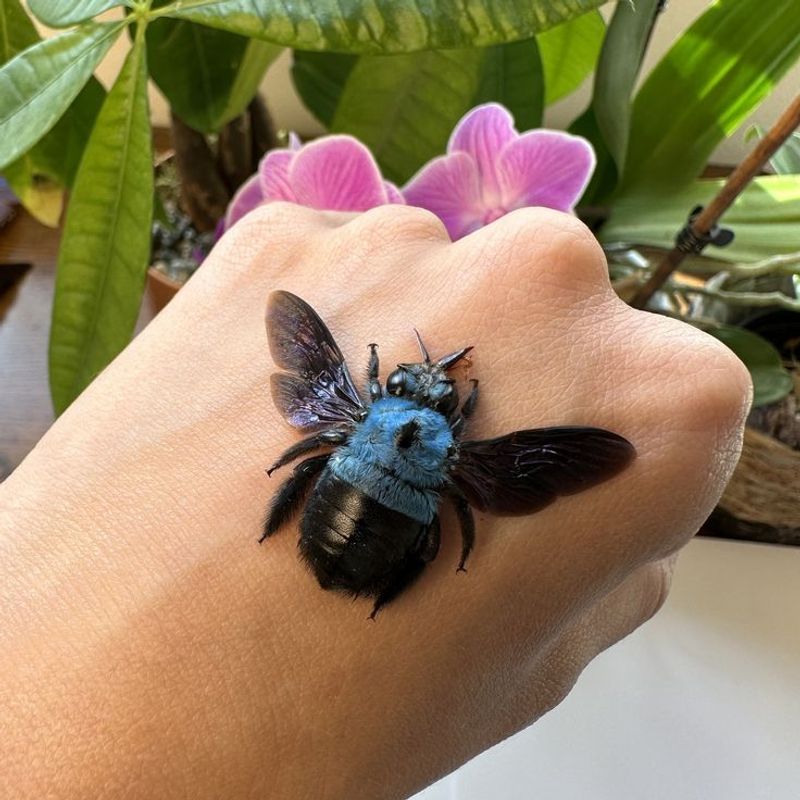
Carpenter bees are not just wood-boring nuisances. They are genuinely important native pollinators, and their appearance around your porch often signals that your yard and neighborhood offer a healthy, food-rich environment for wildlife.
That is actually something to feel proud of as a homeowner and gardener. One of the most impressive things about carpenter bees is a behavior called buzz pollination, or sonication.
They grab onto a flower and vibrate their flight muscles at just the right frequency to shake loose pollen that other pollinators cannot access.
Plants like tomatoes, blueberries, and passionflowers depend heavily on this technique. Native North Carolina plants such as purple coneflower, black-eyed Susan, and native wisteria are particularly popular with carpenter bees.
A yard full of native flowering plants is going to attract carpenter bees consistently, and that is largely a positive sign for the local ecosystem. Gardens that support carpenter bees also tend to support other beneficial insects, birds, and small wildlife.
The presence of these bees suggests your outdoor space has real ecological value. Appreciating them as pollinators while also managing where they nest on your structures gives you the best of both worlds, a thriving garden and a protected porch.
5. They Prefer Softwoods Such As Pine And Cedar
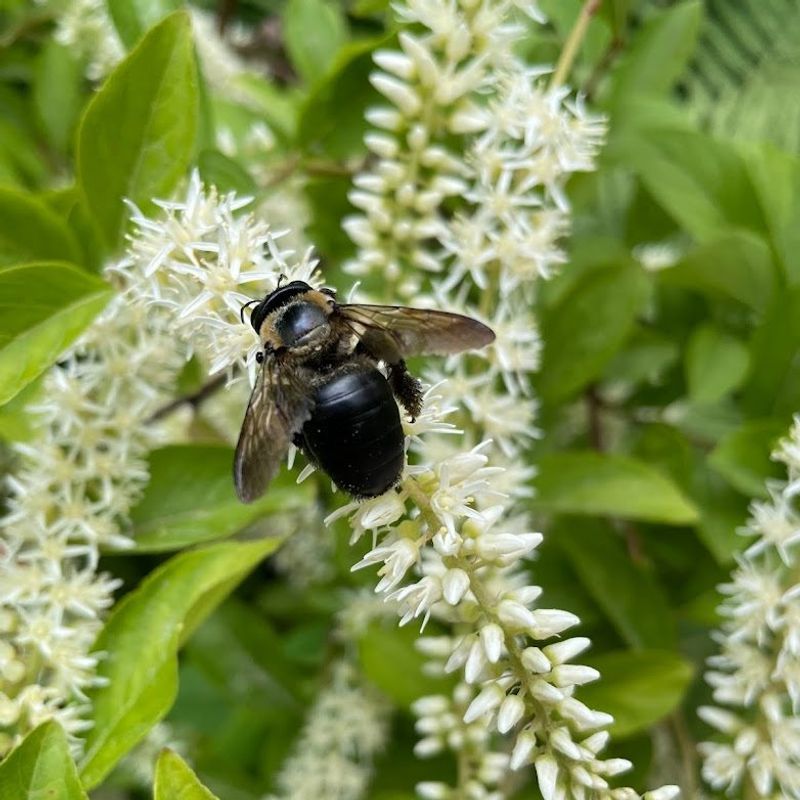
Not all wood is equally appealing to a carpenter bee. Softwoods are their top choice, and in North Carolina, that means pine and cedar are the most commonly targeted materials on residential porches and decks.
Both woods are widely used in outdoor construction across the state, which is part of why carpenter bee activity is so common here.
Cedar is particularly attractive because it is naturally soft, easy to chew through, and often left unfinished or lightly treated. Pine is similarly soft and widely used for porch railings, fascia boards, and trim.
Redwood, another softwood used in outdoor structures, also ranks high on their list of preferred nesting materials. Hardwoods like oak or pressure-treated lumber are generally much harder to tunnel through and are far less frequently targeted.
Sawdust or a yellowish-brown stain below a small hole on your porch is often the first clue that carpenter bees have chosen your softwood for nesting.
Checking the undersides of railings and the edges of fascia boards each spring gives you an early heads-up.
Replacing softwood trim with harder materials during renovations, or consistently keeping all wood sealed and painted, dramatically reduces the chances of your porch becoming a favorite nesting destination season after season.
6. Small Round Holes Are Usually The First Sign
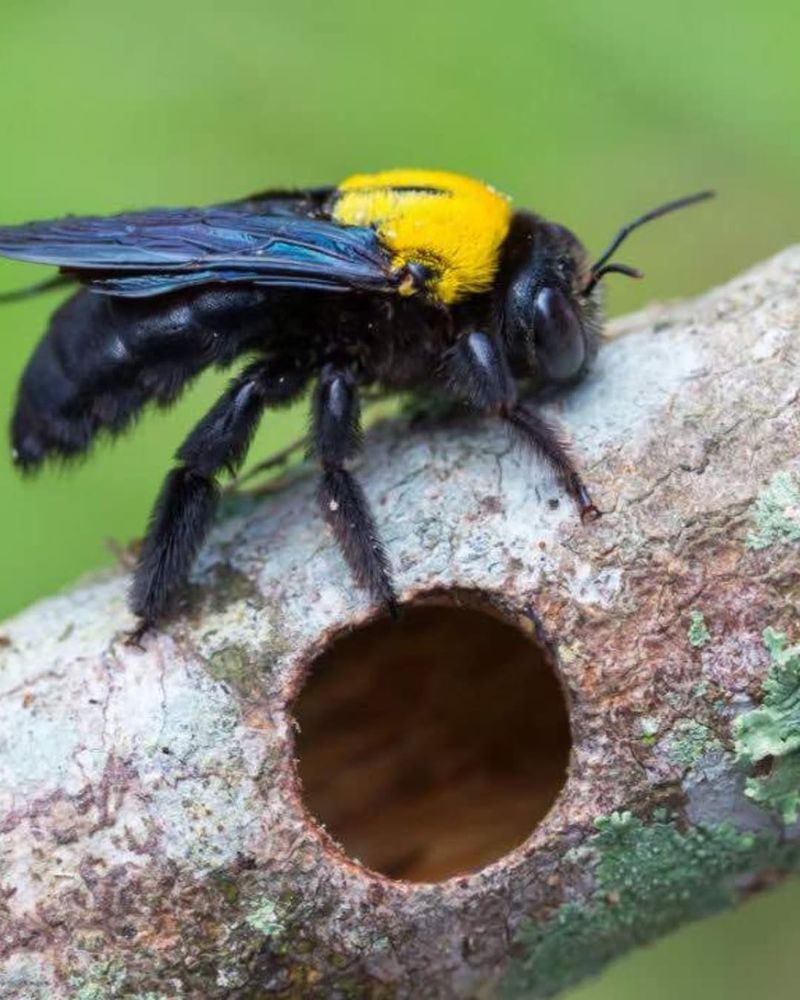
Spotting a small, perfectly round hole in your porch wood is one of the clearest signs that carpenter bees have moved in.
These entrance holes are remarkably neat, usually about half an inch in diameter, with smooth edges that almost look drilled rather than chewed. Finding one means a female has already been hard at work.
The hole you see on the surface is just the entry point. Inside, the tunnel turns and runs with the grain of the wood, sometimes extending six inches or more in length.
Each tunnel gets divided into separate chambers, with one egg and a supply of pollen packed into each section. A single tunnel can house multiple eggs from the same female over the course of a season.
Common locations for these holes include the undersides of porch railings, the edges of fascia boards, wooden beams, and the ends of deck boards.
Checking the undersides of horizontal surfaces is especially important because bees often prefer those spots for protection from rain.
Fresh sawdust or a coarse, yellowish powder below a hole confirms recent activity. Catching these signs early in the spring, before more tunnels get added nearby, gives you the most options for protecting your porch wood going forward.
7. Old Nest Tunnels May Be Reused
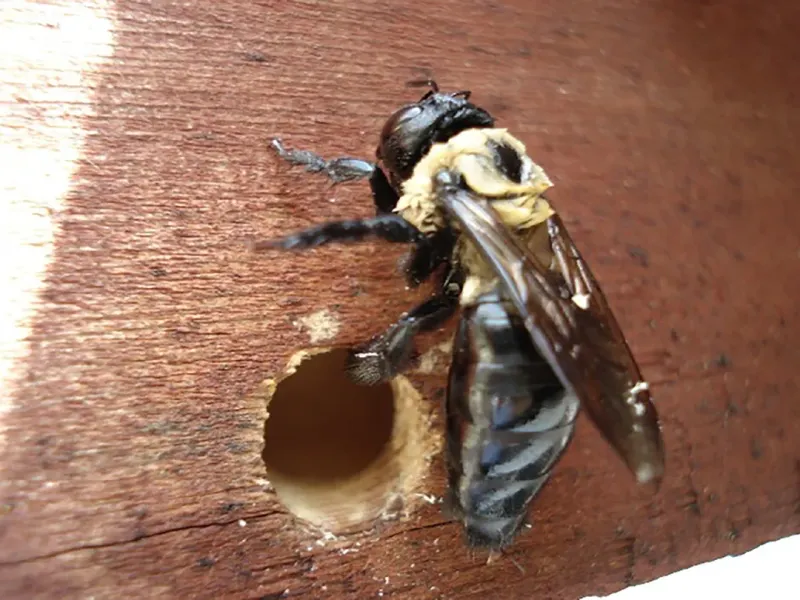
Carpenter bees have a strong sense of real estate loyalty. Once a tunnel exists in a piece of wood, it becomes a resource that future bees are likely to use again.
This behavior is one of the main reasons activity tends to cluster in the same spots on a porch year after year, even when new wood is available nearby.
Females often return to the same general area where they were raised, a behavior researchers call natal philopatry. They may clean out and extend an existing tunnel rather than starting a completely new one, which takes less energy and time.
Over multiple seasons, a single original tunnel can grow significantly longer as each new occupant adds chambers to the end of it.
This reuse pattern is actually useful information for homeowners. If you notice bees consistently returning to the same board or beam every spring, that spot likely has existing tunnels that are being extended.
Filling old holes with wood putty or steel wool after the active season and then painting over the area removes the invitation for the next round.
Acting between seasons, rather than waiting for activity to ramp up again, is the most practical approach to breaking the reuse cycle and protecting your porch over the long term.
8. Woodpeckers May Follow Carpenter Bee Activity
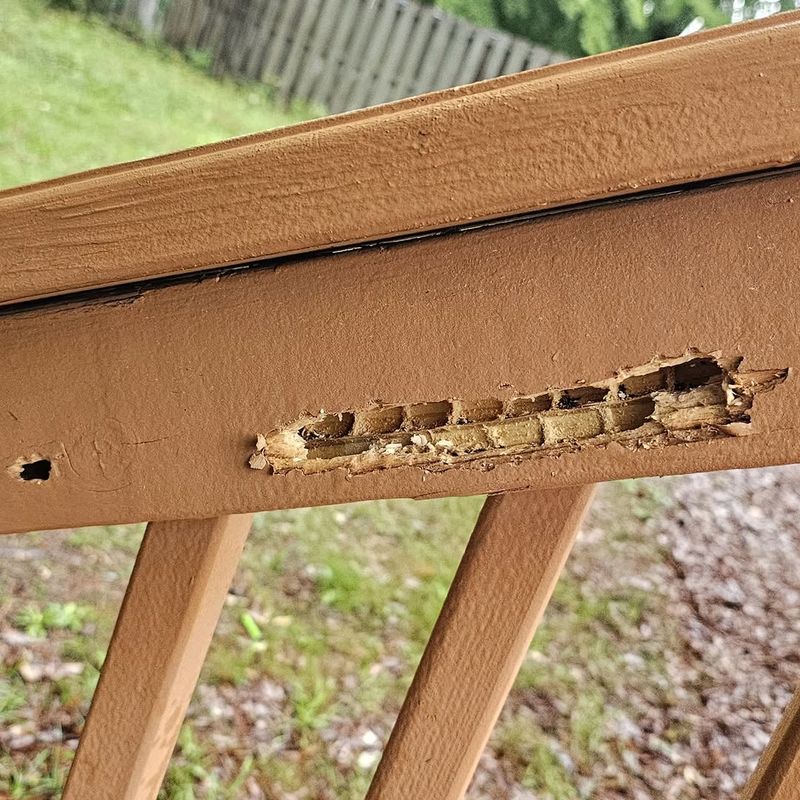
Here is something most homeowners do not expect: where carpenter bees nest, woodpeckers often follow.
Several woodpecker species common to North Carolina, including the downy woodpecker and the red-bellied woodpecker, have learned to associate carpenter bee tunnels with a reliable food source.
The larvae developing inside those tunnels are exactly what they are after. Woodpeckers use their sharp beaks to hammer into the wood and extract the bee larvae from inside the tunnels.
The damage they cause can actually be more dramatic and visible than anything the carpenter bees created on their own.
A woodpecker working on a porch post can leave large, jagged holes and splintered wood in a short amount of time, turning a minor nesting situation into a more noticeable structural concern.
Seeing fresh, rough woodpecker damage near smooth carpenter bee entrance holes is a strong signal that larvae are actively developing inside the wood.
This combination of bee activity and woodpecker attention is a good reason to take the situation more seriously and consider treating or replacing the affected wood during the off-season.
Managing carpenter bee nesting early in the season reduces the chance of attracting woodpeckers later.
Keeping your wood sealed and painted remains the most straightforward way to avoid this particular chain of events on your porch.
9. Painted Or Sealed Wood Is Usually Less Attractive
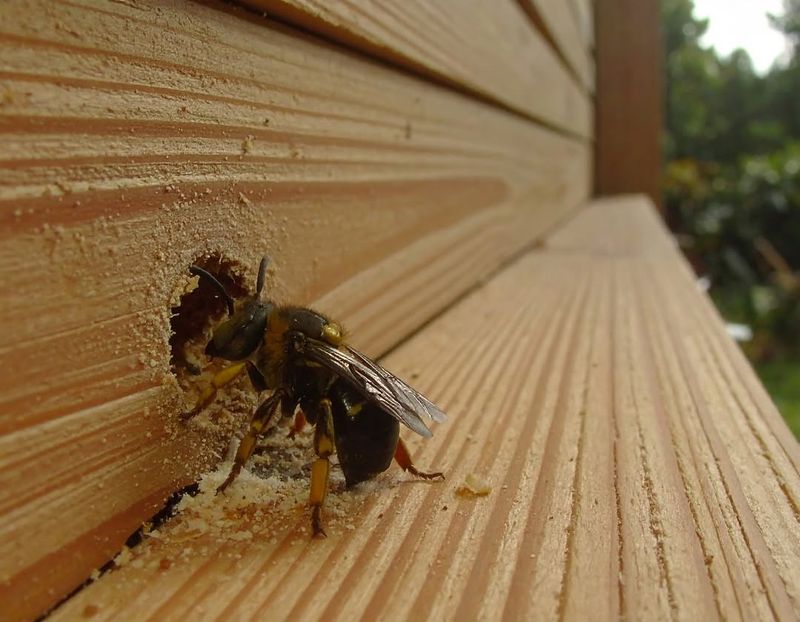
Paint is one of the simplest and most effective tools a homeowner has when it comes to discouraging carpenter bees. Bees strongly prefer raw, unfinished wood, and a solid coat of exterior paint or stain makes the surface far less inviting.
It is not a perfect barrier, but it dramatically reduces the odds of your porch becoming a nesting site.
Oil-based paints and solid-color stains tend to offer better protection than clear sealers or semi-transparent stains, though any coverage is better than none.
The key is making sure every surface is fully coated, including the undersides of railings, the ends of boards, and any trim pieces that might otherwise go unnoticed.
Bees are resourceful and will find the one small patch of bare wood if it exists.
Keeping up with regular maintenance matters just as much as the initial application. Peeling or chipping paint exposes raw wood underneath, which can quickly become an entry point.
Doing a quick inspection of your porch each spring before carpenter bee season kicks off lets you catch any spots that need a touch-up before they attract attention.
A well-maintained, fully sealed porch is genuinely one of the best long-term strategies for coexisting with carpenter bees without constant conflict or repeated structural repairs.
10. A Few Bees Does Not Mean An Infestation
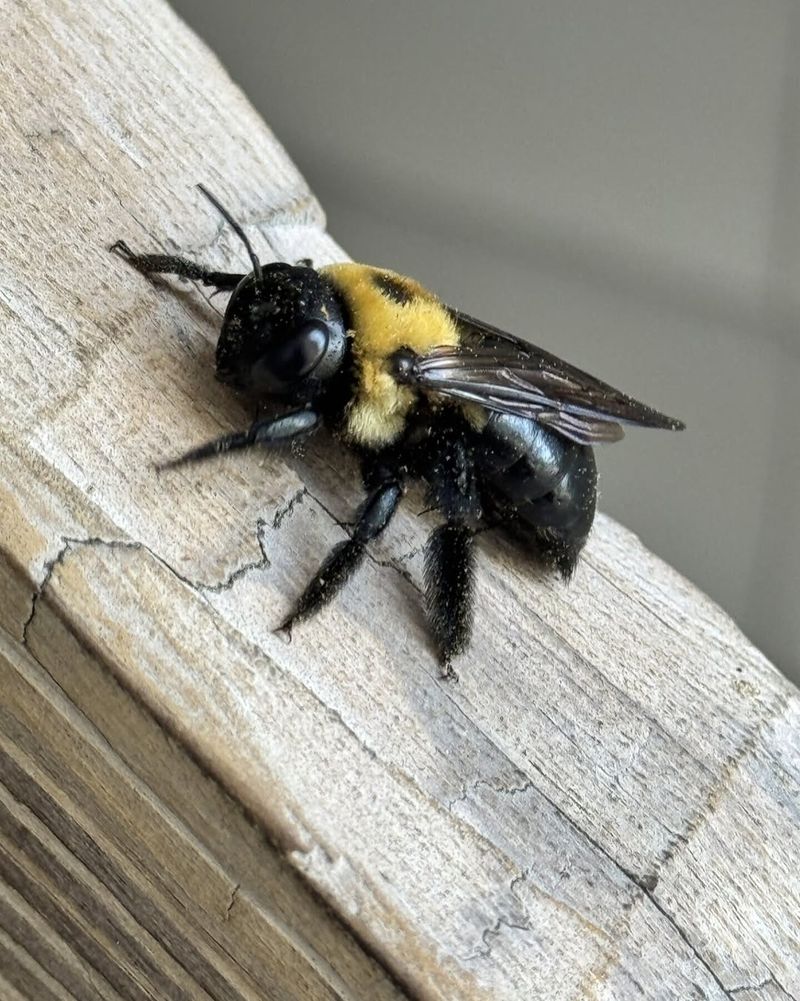
Seeing one or two carpenter bees buzzing around your porch on a warm spring afternoon is not cause for alarm.
Many homeowners immediately assume the worst when they spot these large bees, but occasional activity is completely normal and does not indicate a serious infestation.
Understanding the difference between regular bee presence and a genuine recurring problem saves a lot of unnecessary stress.
A true infestation, if you want to call it that, involves multiple active nesting sites, visible structural damage accumulating over several seasons, and bees returning in larger numbers year after year to the same spots.
A single female nesting in one board causes minimal damage in a single season. The wood around her tunnel remains structurally sound in most cases, and the impact is largely cosmetic.
The more relevant question is whether the same activity keeps happening in the same places every spring. If you notice new holes appearing near old ones, or existing tunnels getting noticeably longer, that pattern deserves attention.
Monitoring rather than reacting immediately gives you better information. Keep a simple record of where you see holes each spring and whether the numbers are growing.
That kind of observation over two or three seasons tells you far more about the actual situation on your porch than a single sighting ever could.
11. Native Flower Gardens Can Increase Bee Sightings
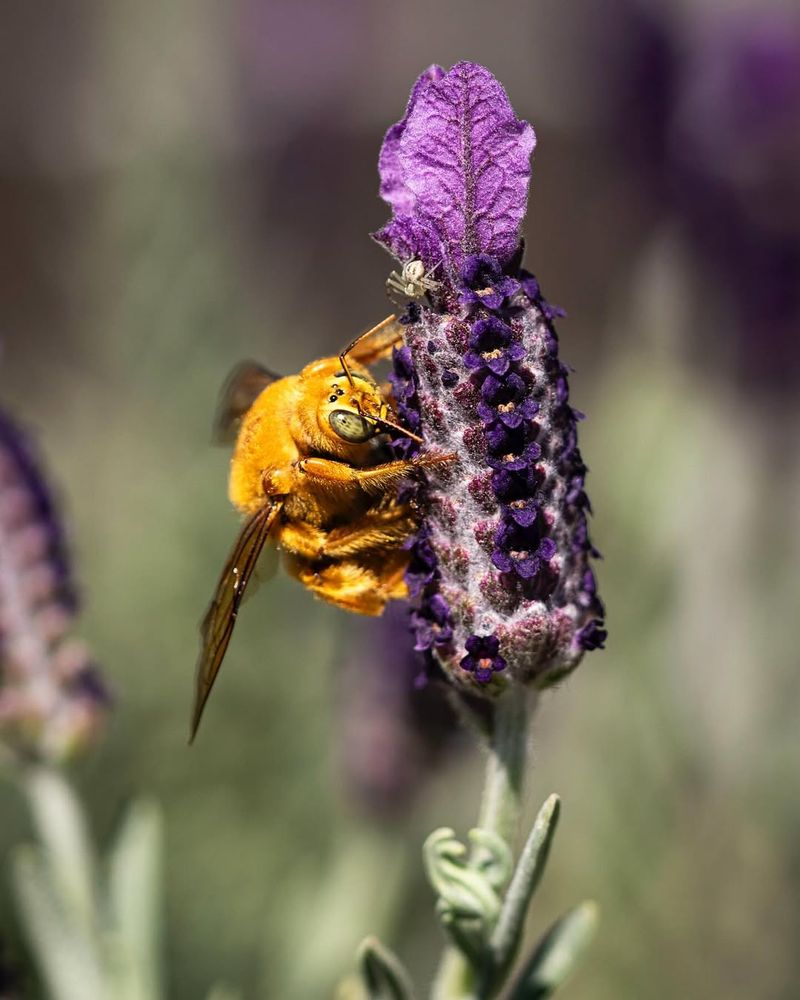
Planting a pollinator-friendly garden in North Carolina is one of the most rewarding things a homeowner can do for local wildlife, but it does come with an interesting side effect: more carpenter bees.
These bees are strongly drawn to native flowering plants, and a yard full of their favorites will naturally increase how often you see them around your property.
Plants like purple coneflower, black-eyed Susan, native passionflower, and bee balm are particularly attractive to carpenter bees. They also love the blooms of native shrubs like buttonbush and beautyberry.
The more diverse and abundant your native plantings are, the more consistently carpenter bees will visit throughout the warm months.
This is genuinely great news for your garden, since their buzz pollination technique benefits many flowering plants and vegetables.
The connection between a thriving native garden and increased bee activity around your porch simply means your yard has become a welcoming habitat.
You can enjoy both the garden benefits and a protected porch by focusing your planting areas away from wooden structures and keeping all wood on the porch properly sealed.
Thoughtful garden placement gives the bees plenty of foraging opportunities while steering them naturally away from the spots where nesting would cause problems. It is a balance that works well with just a little planning.
12. Monitoring Is Better Than Immediate Panic
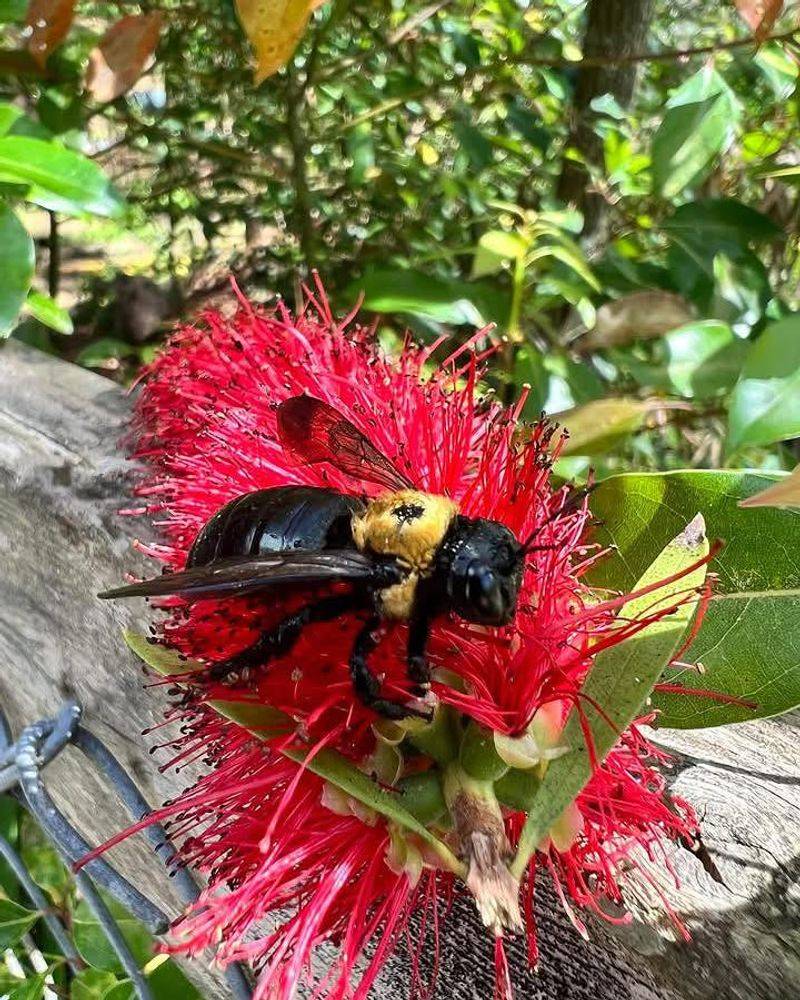
The moment you spot a carpenter bee hovering near your porch, the instinct to act immediately can feel overwhelming. Stepping back and observing first is almost always the smarter move.
Most carpenter bee activity around a porch is manageable, and understanding what you are actually dealing with before taking any action leads to better outcomes every time.
Start by noting where the bees are spending most of their time and whether you can find any entrance holes in the wood. Check the undersides of railings, fascia boards, and any exposed beams.
If you find one or two holes with no signs of woodpecker activity or spreading damage, your situation is mild and monitoring over the course of a season is completely reasonable.
Documenting what you see with photos and dates helps you track whether things are staying the same or getting worse.
Preventive action makes the most sense when monitoring shows a clear pattern of returning bees, new holes appearing near old ones, or tunnels visibly growing longer across multiple seasons.
At that point, filling existing holes with wood putty after the season ends, then painting or sealing all exposed wood, is a practical and effective response.
Reaching out to a local extension service or pest professional is always an option if the activity feels beyond what simple maintenance can handle. Calm observation is genuinely your most powerful first tool.