These Are The Aggressive Ohio Yard Plants You’ll Regret Planting No Matter How Good They Look Now
Some plants have a gift for first impressions. Lush, fast-growing, covered in blooms, priced right at the nursery.
Ohio gardeners bring them home, put them in the ground, and spend the next several years trying to get rid of them. That is not an exaggeration.
Certain plants sold without a single warning label will take over a flower bed, jump a fence line, and crowd out everything around them. They will also laugh at your attempts to pull them back.
The frustrating part is how good they look that first season. Nothing signals trouble.
By the time the problem becomes obvious, roots have gone deep, seeds have spread wide, and you are committed to a battle that did not have to happen. Ohio’s climate gives aggressive spreaders exactly what they need to get out of hand fast.
A little research before you plant saves a lot of regret later. This list is that research.
1. English Ivy Creeps Farther Than You Expect
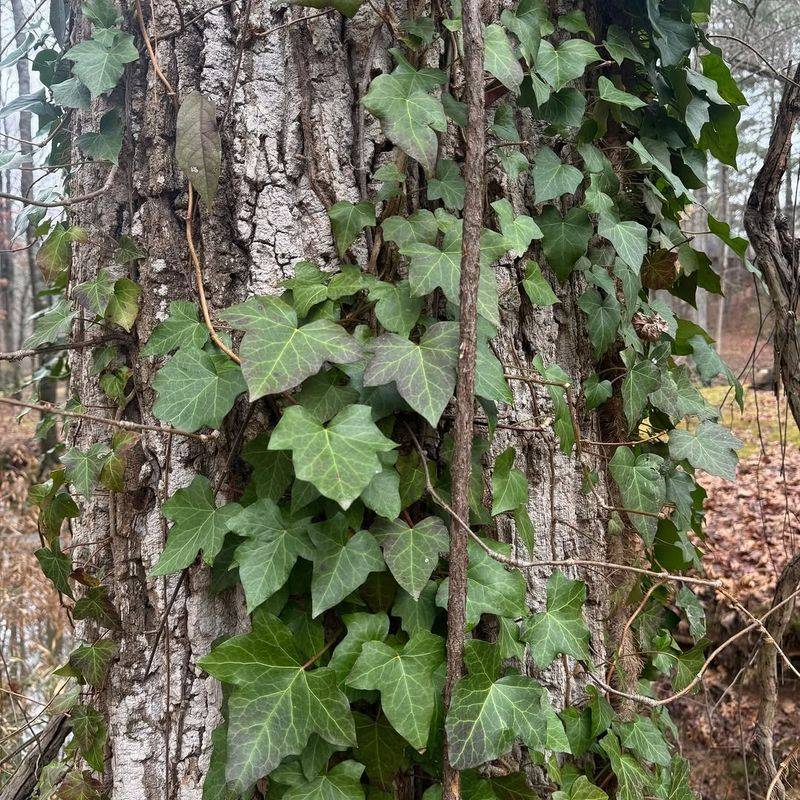
That tidy patch of English ivy you planted along the fence last year? Give it two or three more seasons and you might not recognize your yard.
English ivy is one of the most deceptively aggressive ground covers sold in garden centers across this state.
It spreads by both runners along the ground and by seeds that birds carry into nearby natural areas. Once it gets established, it can cover large sections of lawn, creep into garden beds, and climb tree trunks.
When ivy wraps around a tree, it adds weight and can block sunlight from reaching the bark.
Ohio State University Extension and other local sources warn that English ivy can escape cultivated areas and move into woodlands and natural spaces. It forms dense mats that crowd out native wildflowers and low-growing plants that wildlife depends on.
The evergreen leaves look appealing year-round, which is part of why people keep planting it. But that same quality makes it hard to manage once it spreads beyond where you want it.
Removing established ivy is slow, physical work that often requires multiple attempts over several seasons.
Avoid planting English ivy near wooded edges, trees, or fence lines where it can escape easily. Better-behaved native alternatives like wild ginger or Pennsylvania sedge offer attractive ground coverage without the long-term regret.
2. Burning Bush Looks Pretty Until It Spreads Everywhere

Few shrubs turn heads in October quite like burning bush. That electric red color is genuinely stunning, and it’s easy to understand why so many homeowners have planted it over the years.
But invasive plant sources are clear that this shrub has a serious spreading problem.
Birds eat the berries and deposit seeds in woodlands, fence rows, roadsides, and natural areas far from where the original plant sits. Seedlings establish quickly and can form dense patches that push out native shrubs and understory plants.
The Ohio Invasive Plants Council lists burning bush as a plant of concern because of this exact behavior.
The frustrating part is that the spread happens quietly. You enjoy the fall color in your yard while seedlings sprout unseen along the tree line or in a nearby park.
Your Ohio Garden Changes Every Week. Your Plan Should Too.
Gardening in Ohio changes quickly throughout the season. Every Friday you’ll receive a simple weekly plan showing exactly what to plant, prune, fertilize, harvest, and protect so you never miss the right timing.
By the time you notice the problem, it’s already well established.
A few weeks of fall color simply aren’t worth the years of unwanted spread that can follow. If you already have burning bush in your landscape, consider replacing it gradually with native shrubs that offer similar or better fall interest.
Highbush blueberry, native viburnums, and blackhaw are all Ohio-friendly options with great seasonal color. They support local birds and pollinators rather than competing with native plant communities.
That’s a much better trade than a shrub that looks good for six weeks and causes problems for years.
3. Japanese Barberry Turns Landscaping Into A Thorny Problem
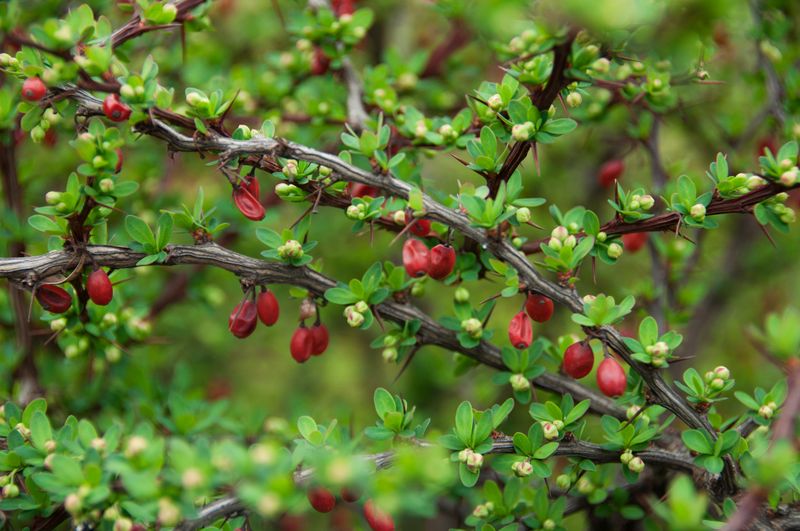
Reach into a Japanese barberry without gloves and you’ll understand immediately why this plant is such a headache. The thorns are sharp, dense, and unforgiving.
But the physical discomfort is just the beginning of the problems this shrub can cause in local yards.
State University Extension and Ohioline both identify non-native barberry as invasive in Ohio. It spreads readily into forests and natural areas, where it forms dense, thorny thickets that are extremely difficult to remove.
Its low, arching branches shade out native wildflowers and seedlings on the forest floor.
There’s also a documented connection between dense barberry thickets and higher populations of black-legged ticks. That is a concern worth taking seriously for any family that spends time outdoors.
Researchers have found that the humid microclimate inside barberry patches creates favorable conditions for tick survival.
Barberry comes in many cultivars, including popular purple-leafed varieties, which makes it a common choice in retail garden centers. But the cultivar doesn’t change the invasive behavior.
Seeds still spread, and seedlings still establish in natural areas.
State University Extension recommends avoiding new plantings and consulting their management guidance if you need to remove existing shrubs.
Native alternatives like native ninebark or spicebush offer similar ornamental interest with far better ecological value.
If you spot barberry seedlings outside your beds, remove them promptly before they get established.
4. Bamboo Takes Over Faster Than Most Homeowners Realize

Bamboo has a reputation as a fast grower, but most people don’t fully appreciate just how fast until it’s already crossed into the neighbor’s yard.
Running bamboo, which is the type most commonly sold at garden centers, spreads through underground rhizomes that can travel several feet per year.
Those rhizomes don’t stop at your property line, and they don’t stop at your garden bed edge either. They push through lawns, under patios, between fence posts, and into places you never intended.
Once running bamboo is established, removing it requires serious effort over multiple growing seasons.
Clumping bamboo behaves differently and stays more contained, but running varieties are far more common in residential plantings across this state. The visual appeal is real.
Bamboo can create a dense privacy screen quickly, which is exactly why homeowners keep buying it. But the long-term containment challenge is rarely mentioned at the point of sale.
If you’re serious about growing bamboo, a physical rhizome barrier installed at least 24 to 30 inches deep around the entire planting area can help slow the spread. But barriers require regular inspection and maintenance to stay effective.
A gap or crack in the barrier is all a determined rhizome needs.
For most residential yards, running bamboo is simply not worth the risk without a serious containment plan in place from day one.
Research your specific variety before planting and check whether your local municipality has any restrictions on bamboo plantings.
5. Periwinkle Escapes Garden Beds And Smothers Better Plants
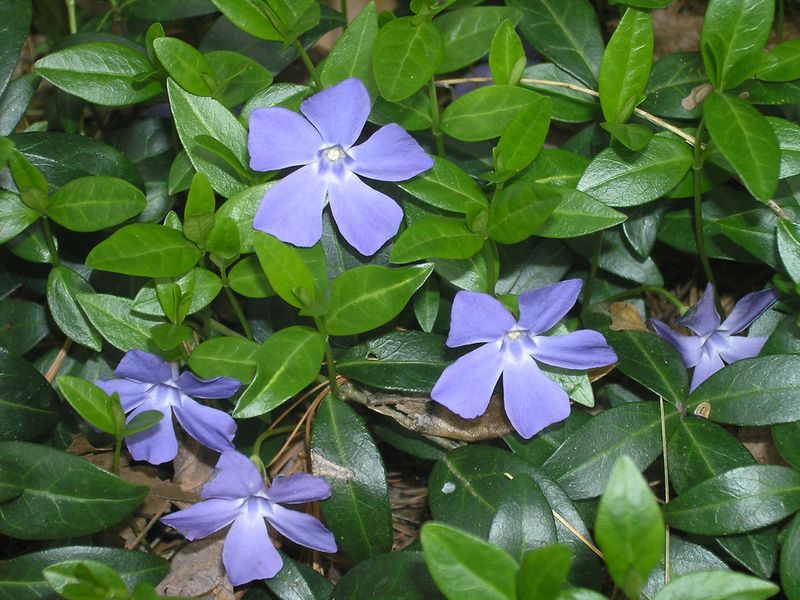
Periwinkle has a sweet look about it. Those small purple flowers and glossy evergreen leaves make it seem like a perfect, no-fuss ground cover for shaded spots.
The problem is that it rarely stays where you put it.
Dense mats of periwinkle creep steadily beyond bed edges, move into lawn areas, and push into shaded natural spaces nearby. In wooded settings, it can smother native wildflowers like trillium, wild ginger, and spring ephemeral plants that take years to establish.
Invasive plant and native plant sources often flag aggressive ground covers like periwinkle for exactly this reason.
The Ohio Invasive Plants Council includes periwinkle on its list of invasive plants. It notes that the plant spreads vegetatively and can escape cultivation into natural areas.
Once a thick mat forms, it blocks light and competes heavily with any other plants trying to grow in the same space.
Part of what makes periwinkle so tricky is that it looks tidy and controlled for a while. Then one season you notice it has crept three feet past the bed edge into the lawn or down a slope toward the tree line.
Rolling it back once it’s established takes real work.
Avoid planting periwinkle near woodland edges, shaded slopes, or anywhere it can move unchecked. Native alternatives like wild ginger, foamflower, or green-and-gold offer attractive evergreen or semi-evergreen coverage with far less risk of escape.
6. Wintercreeper Climbs, Crawls, And Crowds Out Native Growth
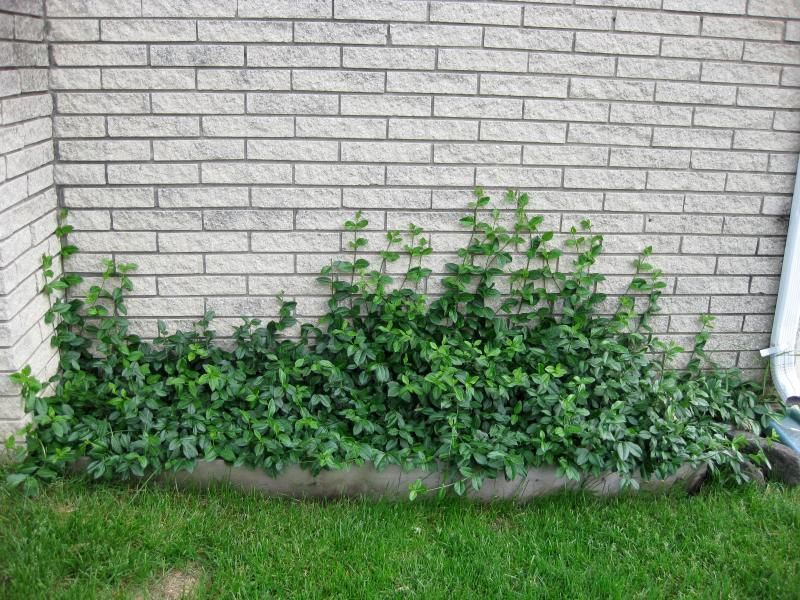
Wintercreeper might be one of the most misunderstood plants in landscaping. People buy it as a reliable evergreen ground cover, and it delivers on that promise a little too well.
It doesn’t just cover the ground. It climbs fences, trees, and structures while simultaneously spreading across the soil below.
That dual behavior is what makes it genuinely troublesome. A single plant can function as both a creeping mat and a climbing vine at the same time.
Ohio invasive plant sources, including the Ohio Invasive Plants Council, list wintercreeper as invasive in this state. It escapes yards and spreads into forests and natural areas with ease.
In wooded areas, wintercreeper forms dense ground-level mats that block native wildflowers and tree seedlings from getting established. When it climbs trees, it can eventually reach the canopy and put stress on the host tree over time.
The evergreen foliage persists through winter, giving it a head start over native plants each spring.
Many homeowners plant it specifically because it’s tough and easy. It tolerates shade, dry conditions, and poor soil.
Those same qualities make it nearly unstoppable once it moves beyond the intended planting area.
If you have wintercreeper in your yard, check regularly whether it’s reaching any nearby trees or spreading beyond your beds. Remove climbing stems from tree trunks as soon as you spot them.
Native ground covers like wild ginger or Pennsylvania sedge are far better choices for shaded, low-maintenance spots.
7. Callery Pear Creates Bigger Problems Than Spring Blooms Are Worth
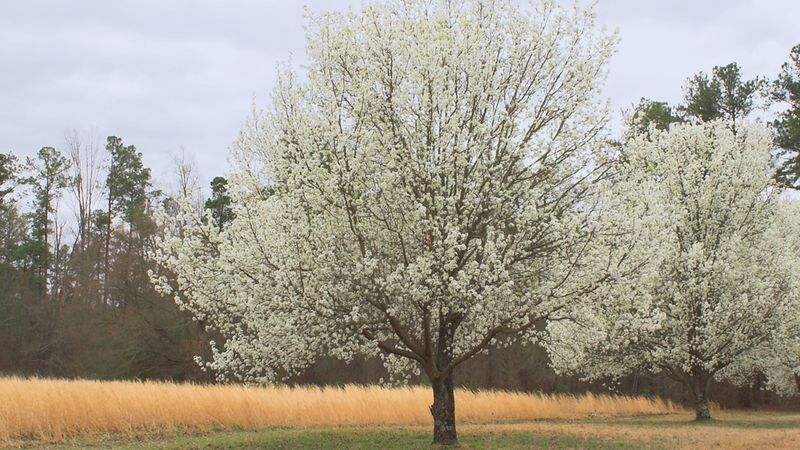
Every spring, Callery pear trees put on a show that makes people want to plant one immediately. The white blooms are thick, bright, and hard to miss.
But the problems that come with this tree are serious enough that the state made a decisive move about it.
As of January 1, 2023, Callery pear is illegal to sell, grow, or plant here under Ohio Department of Agriculture regulations.
This makes it one of the clearest examples of a plant that looks appealing but causes documented harm to the state’s natural areas.
Callery pear spreads aggressively into fields, roadsides, forest edges, and open natural areas. Different Callery pear varieties cross-pollinate and produce fertile seeds that birds spread widely.
The resulting seedlings often grow into thorny, dense thickets that are very difficult to clear.
Beyond the invasive spread, Callery pear has structural weaknesses. The branch angles are narrow and prone to splitting, especially in ice storms or heavy winds.
Homeowners who planted these trees years ago often deal with major branch failures before the tree reaches full maturity.
If you still have a Callery pear on your property, consider replacing it with a better-suited ornamental tree. Ohio Department of Natural Resources and Extension sources suggest options like serviceberry, redbud, or native crabapple.
These trees offer real seasonal interest, support local wildlife, and won’t spread into the landscape around your home the way Callery pear does.
8. Lily Of The Valley Spreads Quietly Before You Notice The Mess
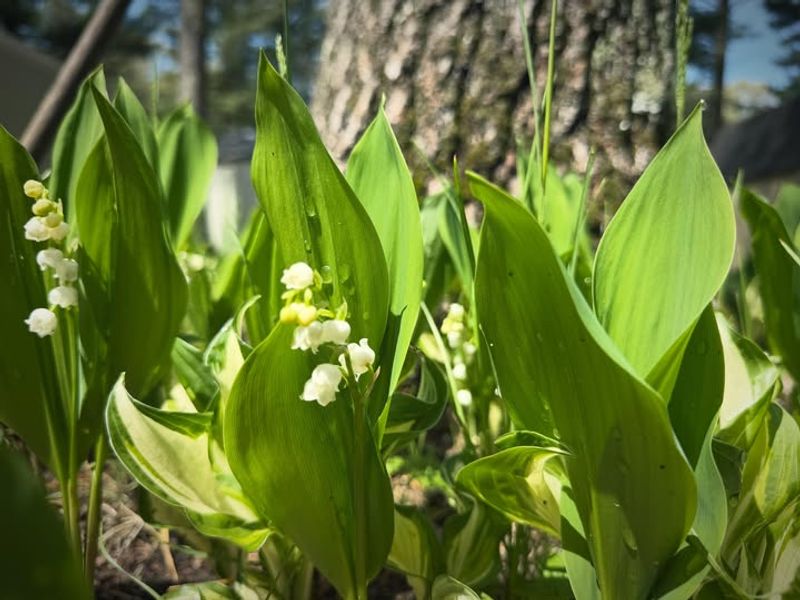
There’s something genuinely charming about lily of the valley. The tiny white bell-shaped flowers smell wonderful, and the broad green leaves look lush in shaded spots where other plants struggle.
It’s the kind of plant that gets passed from one gardener to another like a gift. The catch is that it spreads far more aggressively than most people expect.
Lily of the valley spreads through underground rhizomes that expand steadily season after season. Over time, it forms thick patches that crowd out smaller shade plants like hostas, ferns, and native wildflowers growing in the same bed.
Once a dense colony establishes, it’s very difficult to remove completely because the rhizomes break apart easily during digging.
Lily of the valley is not officially listed as invasive in our state the same way some other plants are. However, gardening and Extension sources widely describe it as aggressive and persistent in garden settings.
That distinction matters. It may not be escaping into natural areas at the same scale as some plants on this list.
However, in a mixed shade bed, it can quietly take over and ruin the diversity you worked to create.
Avoid planting it in beds where you want multiple plant types to coexist. Contained areas like a raised planter or a clearly edged bed with hard borders work better for keeping it in check.
If you want fragrant shade plants, native alternatives like wild blue phlox or Solomon’s seal offer similar charm with more predictable behavior.