Why Your California Garden Looks Healthy But Fails In Heat
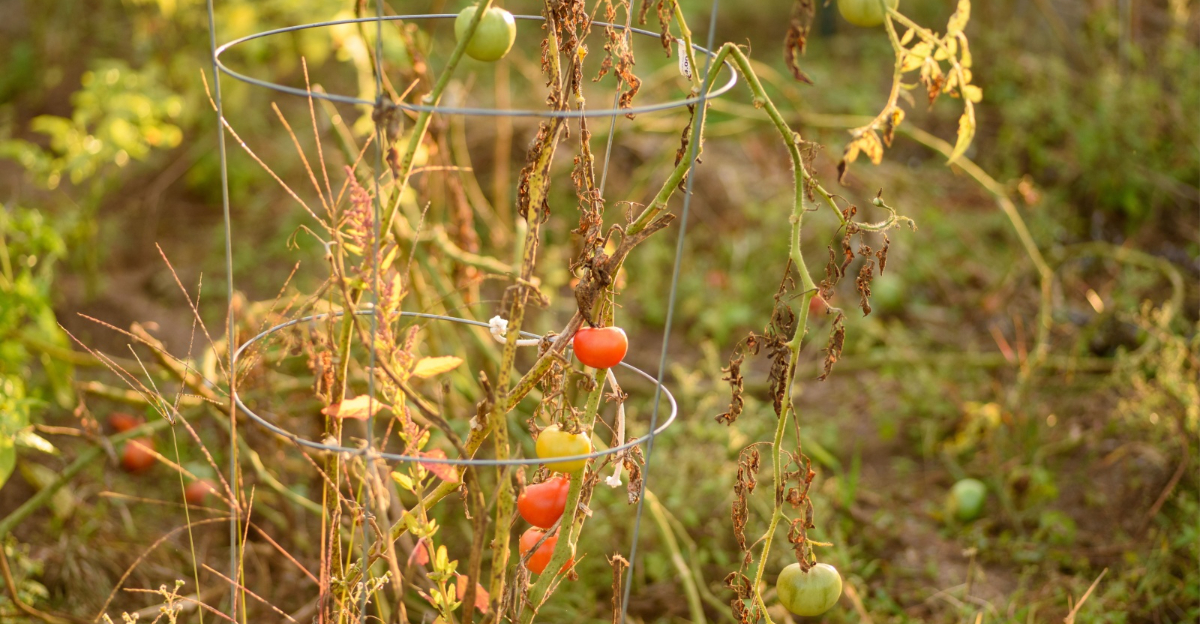
California gardens have a flair for the dramatic. Everything looks gorgeous through spring, the plants are lush, the soil feels cooperative, and you are honestly feeling pretty good about your gardening skills.
Then summer shows up and suddenly things start wilting, dropping leaves, and looking stressed in ways that seem to come out of nowhere.
Here is the thing though, it did not actually come out of nowhere.
The real story was happening underground the whole time, where shallow roots, dry soil, thin mulch, and uneven watering were quietly setting the stage for exactly this moment.
Coastal gardens, inland yards baking through triple digits, it does not matter where you are in California. What works beautifully in April can stop working almost completely by July.
Understanding what is really going on below the surface is where the fix actually starts.
1. Roots Are Too Shallow From Light Watering
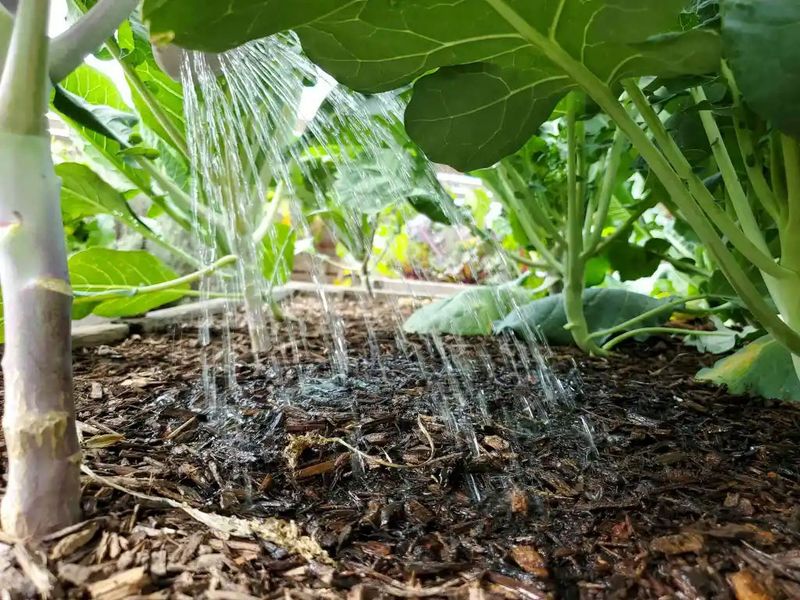
Light, frequent watering might seem like the responsible choice, but it can quietly set your plants up for trouble when California heat arrives. When water is applied in small amounts, it only soaks into the top few inches of soil.
Roots follow moisture, so they stay near the surface rather than growing downward where the soil stays cooler and holds more water.
During mild weather, shallow-rooted plants can look perfectly healthy. There is enough surface moisture to keep them going.
But once temperatures climb into the 90s or higher, that top layer of soil dries out fast. Plants with shallow roots suddenly have very little water available, and they show it quickly through wilting, leaf scorch, or dropping foliage.
Deep, infrequent watering encourages roots to grow further down into the soil profile. For most ornamental shrubs, perennials, and landscape plants in California, watering less often but for longer periods helps roots reach deeper, more stable moisture.
A soil probe or long screwdriver pushed into the ground is a simple way to check how far water is actually penetrating. Aim for moisture to reach at least 8 to 12 inches for most plants.
Adjusting your watering habits before hot weather arrives gives roots time to establish at a useful depth.
2. Soil Dries Faster Than Expected
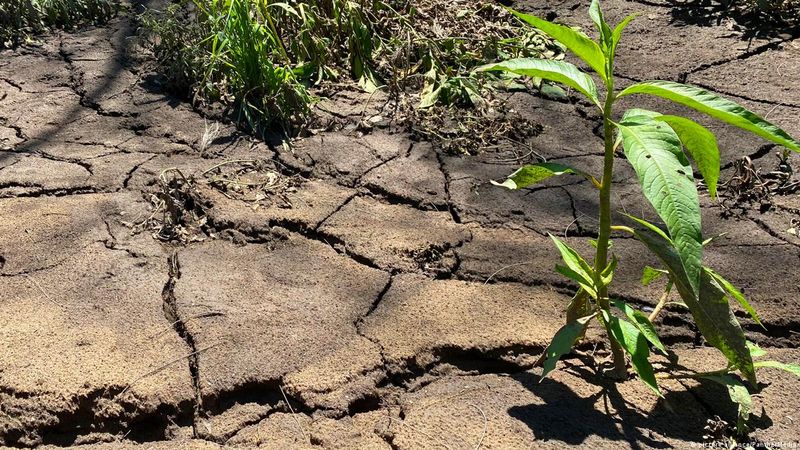
Not all soil holds water the same way, and in many California yards, soil dries out far faster than most gardeners expect. Sandy soils drain quickly and can lose available moisture within a day or two after watering.
Even clay soils, which hold water longer, can dry out unevenly, staying wet in some spots while becoming hard and dry in others.
During hot weather, evaporation pulls moisture out of the soil quickly, especially in exposed beds without shade or mulch cover. Soil surface temperatures in direct sun can climb well above air temperature, speeding up moisture loss even further.
A plant that received a solid watering two days ago may already be dealing with dry soil by the time the next scheduled irrigation runs.
Checking soil moisture by hand or with an inexpensive moisture meter is more reliable than following a fixed calendar schedule. Push your finger or a probe a few inches into the soil near the root zone.
Your California Garden Changes Every Week. Your Plan Should Too.
Gardening in California changes quickly throughout the season. Every Friday you’ll receive a simple weekly plan showing exactly what to plant, prune, fertilize, harvest, and protect so you never miss the right timing.
If it feels dry below the surface, the plant likely needs water sooner than expected. Amending soil with organic matter such as compost helps improve water retention in sandy soils and drainage in heavy clay.
In California landscapes, understanding your specific soil type makes a real difference in how well plants handle heat stress between watering cycles.
3. Pots Heat Up And Dry Out Quickly
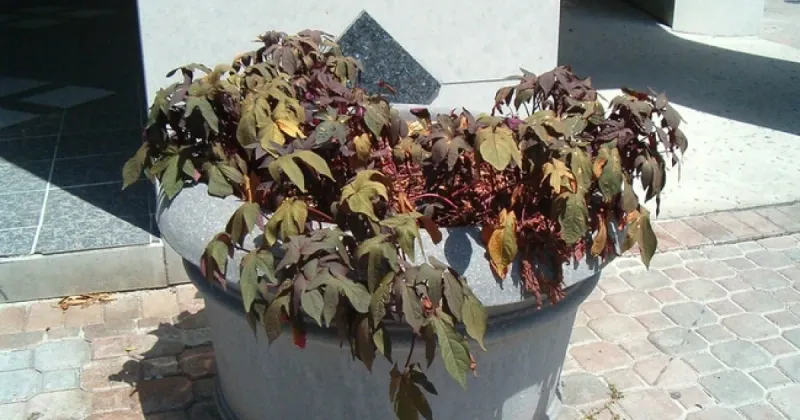
Container gardening is popular across California, but pots come with a heat vulnerability that in-ground plants do not share. When temperatures rise, the walls of a container absorb heat from all sides, not just from above.
Dark-colored plastic pots and unglazed terra cotta can heat up dramatically in direct sun, and that heat transfers directly into the root zone.
Roots sitting in overheated soil struggle to absorb water efficiently, even when the soil feels moist.
The combination of hot root temperatures and rapid moisture evaporation from the container surface means potted plants can dry out within hours on a hot afternoon.
A plant that looked fine in the morning may be visibly stressed by midday.
Moving containers to a spot with afternoon shade during summer helps reduce heat buildup significantly. Grouping pots together also provides some insulation and slows moisture loss.
Light-colored or double-walled containers hold less heat than dark or thin-walled ones. Watering container plants more frequently during heat waves is often necessary, since the small volume of soil dries out much faster than ground soil.
Placing saucers under pots can help retain some moisture, though it is worth emptying them after a day or two to avoid root issues.
Checking containers daily during hot California weather is a straightforward habit that protects plants before stress becomes visible.
4. Mulch Is Too Thin To Protect The Root Zone
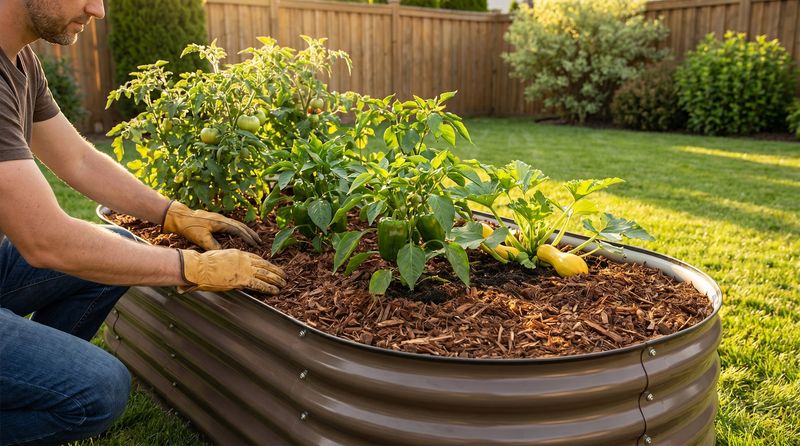
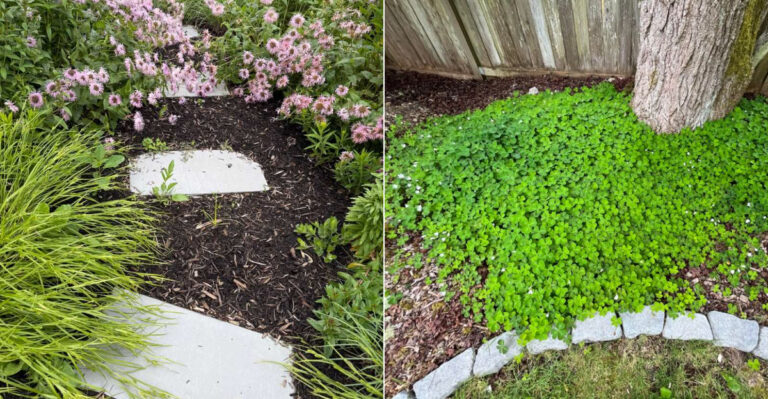
Mulch is one of the most effective tools gardeners have for managing soil moisture and temperature during hot weather, but a thin layer often does not do enough. Many homeowners spread mulch once and let it break down over time without adding more.
By summer, what started as a useful layer may have thinned down to just an inch or less, which provides minimal insulation for the root zone below.
A mulch layer that is too thin allows the soil surface to heat up quickly in the sun, which accelerates moisture evaporation and can stress plant roots.
Research from university extension programs consistently recommends a mulch depth of 3 to 4 inches for most landscape beds to meaningfully reduce soil temperature and conserve moisture.
Going deeper than 4 to 5 inches around plant stems is not recommended, since thick mulch piled against stems can cause problems.
Wood chips, shredded bark, and other coarse organic mulches work well in California landscapes. They break down slowly, add organic matter to the soil over time, and help regulate soil temperature more effectively than fine or compacted materials.
Keep mulch a few inches away from plant stems and tree trunks to allow airflow. Refreshing mulch in late spring before summer heat arrives is a simple, low-cost step that pays off noticeably when temperatures climb in July and August.
5. Watering Schedules Are Not Adjusted For Summer Heat
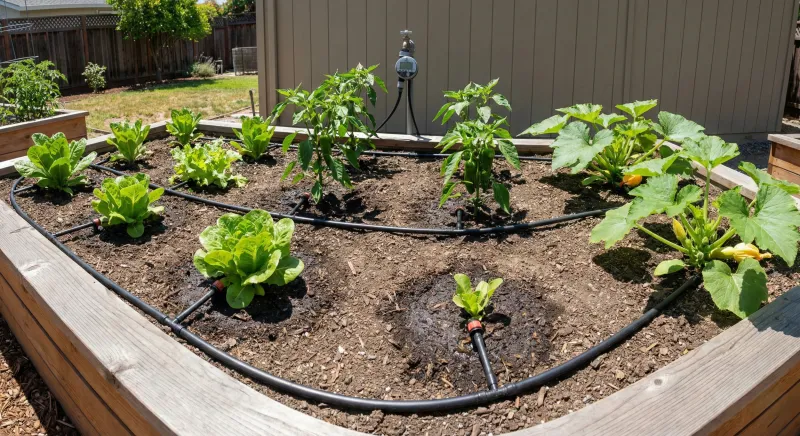
Setting an irrigation schedule in spring and leaving it unchanged through summer is one of the most common reasons California gardens struggle in heat. As temperatures climb and days get longer, plants need more water than they did during cooler months.
A schedule that was appropriate in May can leave plants short on moisture by July, even if it felt like plenty at the time.
California’s dry season runs roughly from late spring through early fall, and during that period, plants rely almost entirely on irrigation rather than rainfall.
The evapotranspiration rate, which is how quickly water moves from the soil and plant leaves into the air, increases significantly as heat builds.
This means the same plants need more frequent or longer watering sessions to maintain adequate soil moisture during summer compared to spring.
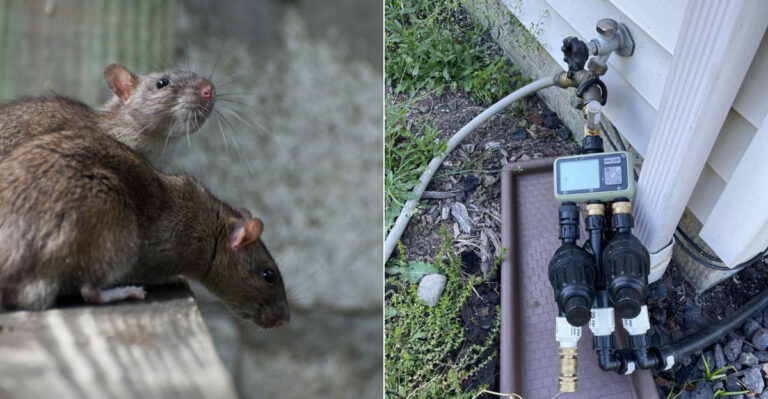
Most irrigation controllers allow seasonal adjustments, and many water districts provide free evapotranspiration data to help gardeners calibrate their systems.
Checking soil moisture regularly rather than relying solely on a fixed schedule helps catch problems before plants show visible stress.
Deep watering less frequently is generally more effective than shallow daily watering, but during extreme heat events, supplemental hand watering may be necessary for sensitive plants.
Reviewing and updating your irrigation schedule at least once a month during summer is a practical habit that helps California landscapes stay resilient through the hottest months.
6. Trees And Shrubs Are Not Watered Deeply Enough
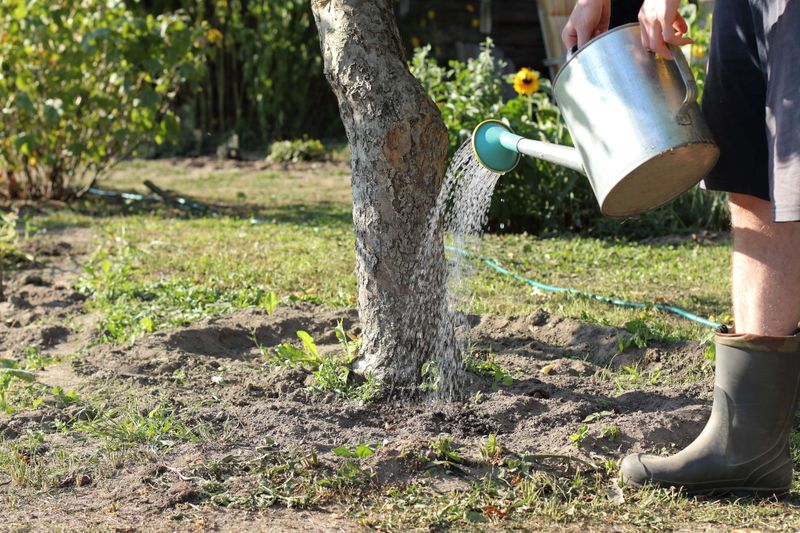
Trees and shrubs are often assumed to be tough enough to take care of themselves, especially once they have been in the ground for a few years.
In many California landscapes, established woody plants do develop stronger drought tolerance over time, but they still benefit from deep, thorough watering during summer, particularly during prolonged heat events or dry spells that stretch for weeks.
Shallow or brief watering sessions may wet the top layer of soil without reaching the deeper root zone where trees and shrubs actually absorb most of their water.
A 10-minute sprinkler run may look like enough from the outside, but the water may only penetrate a few inches, leaving the bulk of the root system dry.
Over time, plants cope with this by keeping roots near the surface, which reduces their resilience in heat.
Watering trees and large shrubs slowly and deeply allows moisture to soak down 12 to 18 inches or more, which is where established root systems are most active.
Drip emitters, soaker hoses, or slow hand watering near the drip line, which is the outer edge of the canopy, reaches more of the root zone than watering right at the base of the trunk.
In California, spacing out deep watering sessions every one to two weeks for established trees and shrubs during summer is a reasonable starting point, adjusting based on soil type and recent temperatures.
7. New Plants Are Treated Like Established Plants
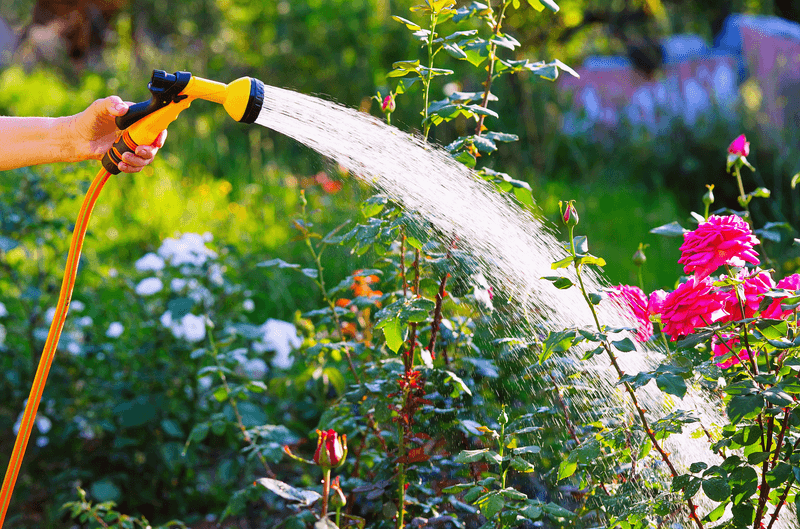
Planting something new and watching it look healthy for a few weeks can give a false sense that it is settling in well.
New plants, whether shrubs, perennials, or small trees, have not yet developed the root systems they need to access water and nutrients from a wider area of soil.
Until roots spread beyond the original root ball, the plant depends almost entirely on moisture in a very small zone.
In California, summer is a particularly challenging time for new plantings. The heat is intense, the soil dries quickly, and young roots have almost no buffer.
Even a day or two without sufficient moisture can set a new plant back noticeably.
Many gardeners water on the same schedule as their established plants, not realizing that new arrivals need much more frequent attention, sometimes daily or every other day during the hottest stretches.
Checking the soil directly around the root ball of a new plant is the most reliable way to know if it needs water. The surrounding soil may feel moist while the root ball itself is dry, since roots have not yet grown outward to connect with the broader soil moisture.
Watering slowly and directly over the root ball helps. Most new plants in California landscapes need consistent, attentive watering for at least one to two growing seasons before they develop the root depth to handle heat more independently.
Planting in fall rather than summer gives new plants a better start.
8. Native Plants Get The Wrong Summer Care
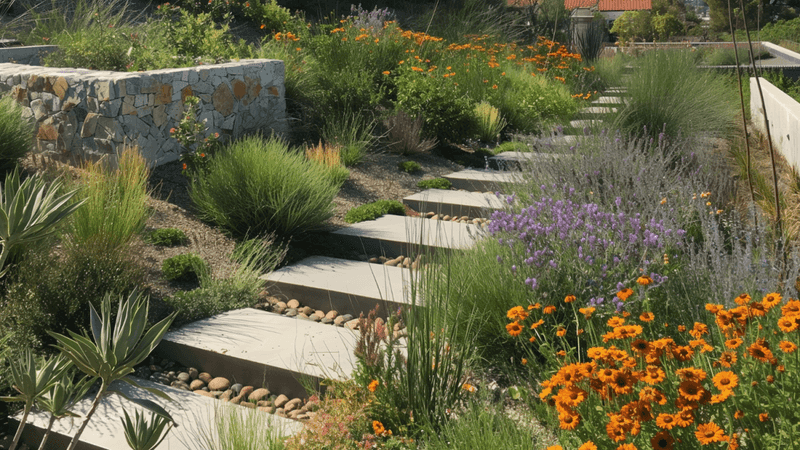
California native plants have a reputation for being low-maintenance, and many of them truly are once established.
However, that reputation sometimes leads gardeners to either ignore them completely in summer or water them on the same schedule as thirsty ornamental plants.
Both approaches can cause problems, and the signs of stress are not always obvious until a plant is already struggling.
Many California natives evolved to handle a dry summer dormancy period. During this time, they slow their growth and reduce water use naturally.
Overwatering during summer dormancy, especially with warm water from a hot irrigation system, can actually harm these plants more than drought does. Root rot and fungal issues are common when natives receive too much water during their natural rest period.
On the other hand, newly established natives do need some summer water during their first one to two years until roots are deep and wide enough to sustain them through dry months.
The key is understanding which plants you have and what their specific summer needs are.
Deep, infrequent watering, roughly once every two to four weeks for established natives depending on species and conditions, is often more appropriate than regular irrigation.
Avoiding overhead watering and keeping mulch away from plant crowns helps reduce moisture-related issues.
Learning the summer habits of the California natives in your garden makes it much easier to give them the right level of care without overdoing it.