Why You Should Let These Herbs Bloom In Your Oregon Garden
Herbs do not have to stay perfectly clipped to be useful. Once they bloom, they can bring a whole new kind of value to an Oregon garden.
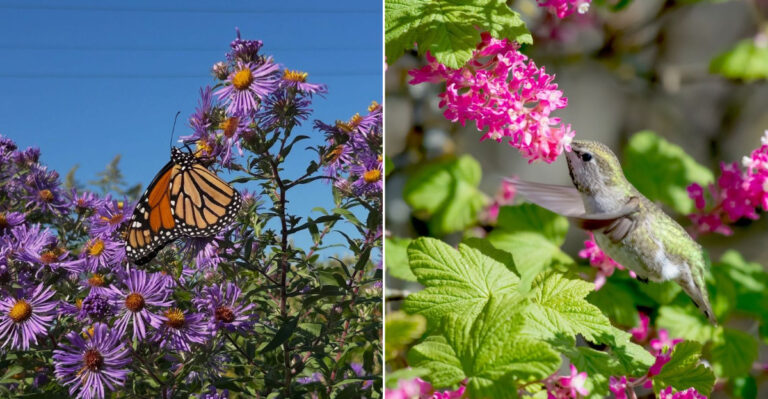
Tiny flowers can draw bees, butterflies, and other helpful insects right where your vegetables and fruiting plants need them. They can also add soft color without taking up extra space.
Many herbs look charming when they flower, especially along paths, raised beds, and sunny borders. The trick is knowing which ones deserve a little freedom.
Basil, thyme, oregano, chives, cilantro, and dill can all offer more than flavor when they start blooming.
Let the right herbs flower at the right time, and your garden can feel busier, brighter, and more balanced.
You may still harvest plenty for the kitchen, but now those same plants are working outside too.
1. Let Dill Bloom To Feed Beneficial Insects
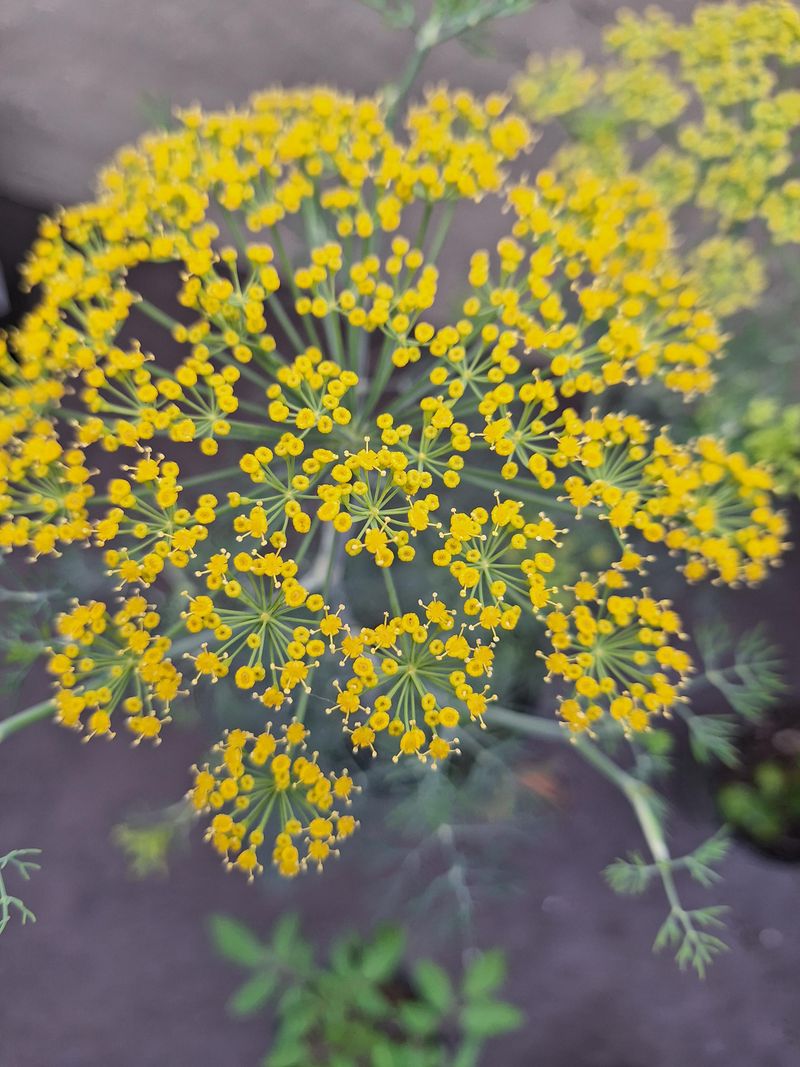
Few plants put on a show quite like dill when it finally bolts and bursts into those wide, flat-topped yellow flower clusters.
Most gardeners panic and pull it out, but that would be a missed opportunity. Those blooms are basically a buffet for beneficial insects.
Dill flowers belong to the carrot family, and they produce nectar and pollen in a form that tiny insects can easily access.
Parasitic wasps, hoverflies, and predatory beetles are all drawn to dill blooms.
These insects are some of your best allies in the garden because they hunt and feed on common pests like aphids, caterpillars, and whiteflies.
In this state, dill tends to bolt in late spring or early summer when temperatures start to rise. That timing lines up perfectly with when pest populations begin to build.
Letting dill flower creates a natural pest control system without sprays or chemicals. It is a simple cause-and-effect relationship that works quietly in the background.
You can still harvest leaves from other dill plants while letting one or two go to flower. That way you get the best of both worlds.
Once the flowers fade, the seeds that form are also useful in the kitchen for pickling and seasoning.
Leaving a few seed heads standing also lets dill self-sow, which means free plants next season with almost no effort on your part.
2. Cilantro Flowers Bring In Tiny Pest-Eating Wasps
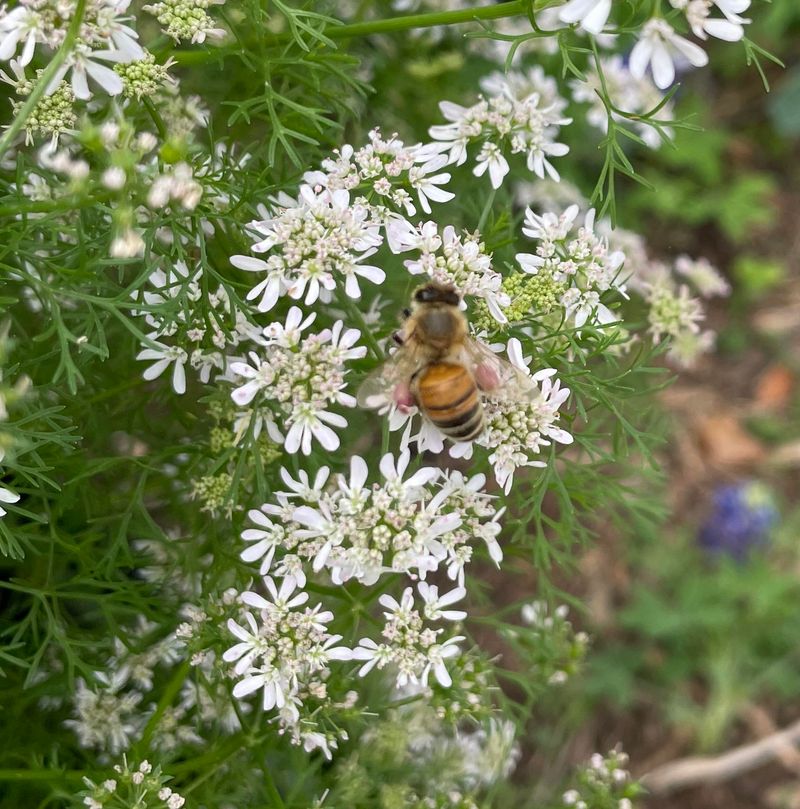
Cilantro is one of the fastest herbs to bolt, and that can feel frustrating when all you wanted was leaves for salsa.
But here is the thing: those small white flower clusters are incredibly valuable to your garden.
They attract parasitic wasps so small you would barely notice them flying around. These wasps do not sting people. They are far too tiny for that.
What they do instead is hunt down caterpillars, aphids, and other soft-bodied pests and lay their eggs inside them. It sounds intense, but it is one of nature’s most effective pest control strategies.
Encouraging these wasps means fewer pest problems without reaching for a single spray bottle.
Cilantro flowers appear quickly after the plant bolts, usually in late spring in this region. The flowers are delicate and lacy, and they open up fast.
Your Oregon Garden Changes Every Week. Your Plan Should Too.
Gardening in Oregon changes quickly throughout the season. Every Friday you’ll receive a simple weekly plan showing exactly what to plant, prune, fertilize, harvest, and protect so you never miss the right timing.
If you blink, you might miss the window. Letting even one or two cilantro plants go to flower each season can make a noticeable difference in your pest levels over time.
Another bonus is that cilantro is easy to let self-seed. Once the flowers fade and seeds form, you can leave them on the plant or collect them as coriander spice.
Either way, nothing goes to waste. Staggering your plantings so some are always bolting while others are still leafy gives you a steady supply of both herbs and habitat all season long.
3. Chive Blossoms Feed Bees Before Summer Peaks
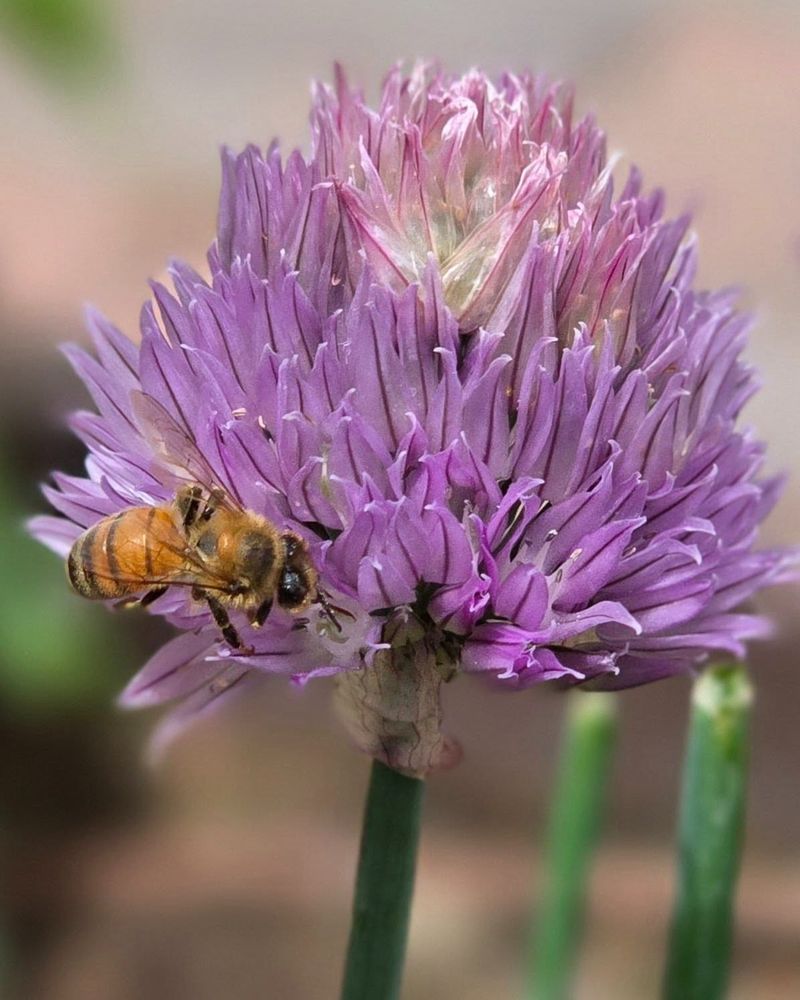
There is something cheerful about a cluster of chive blossoms popping up in early spring. Those round, purple pompom flowers are one of the first herb blooms to appear in the season, and bees absolutely love them.
In fact, chives often bloom before most other garden flowers have opened, making them a critical early food source.
Bumblebees and honeybees need to feed as soon as they become active in spring. If there is not enough nectar available, colonies can struggle before the season really gets going.
Chive blossoms help bridge that gap. They open reliably in April and May in much of this state, right when bees are most in need of a consistent food supply.
Growing chives is easy. They come back every year without much fuss, and a single clump will spread slowly over time.
You can divide them every few years to keep them tidy and share starts with neighbors.
They do well in borders, raised beds, containers, and even in partial shade, which makes them flexible for almost any garden setup.
After the blossoms fade, you can deadhead most of them to encourage a second flush of growth. But leave a few to go fully to seed if you want free plants next year.
The flowers are also edible and have a mild onion flavor. They make a beautiful and tasty garnish on salads, dips, and soups, so nothing about letting them bloom is ever wasted.
4. Oregano Flowers Turn Into A Pollinator Magnet
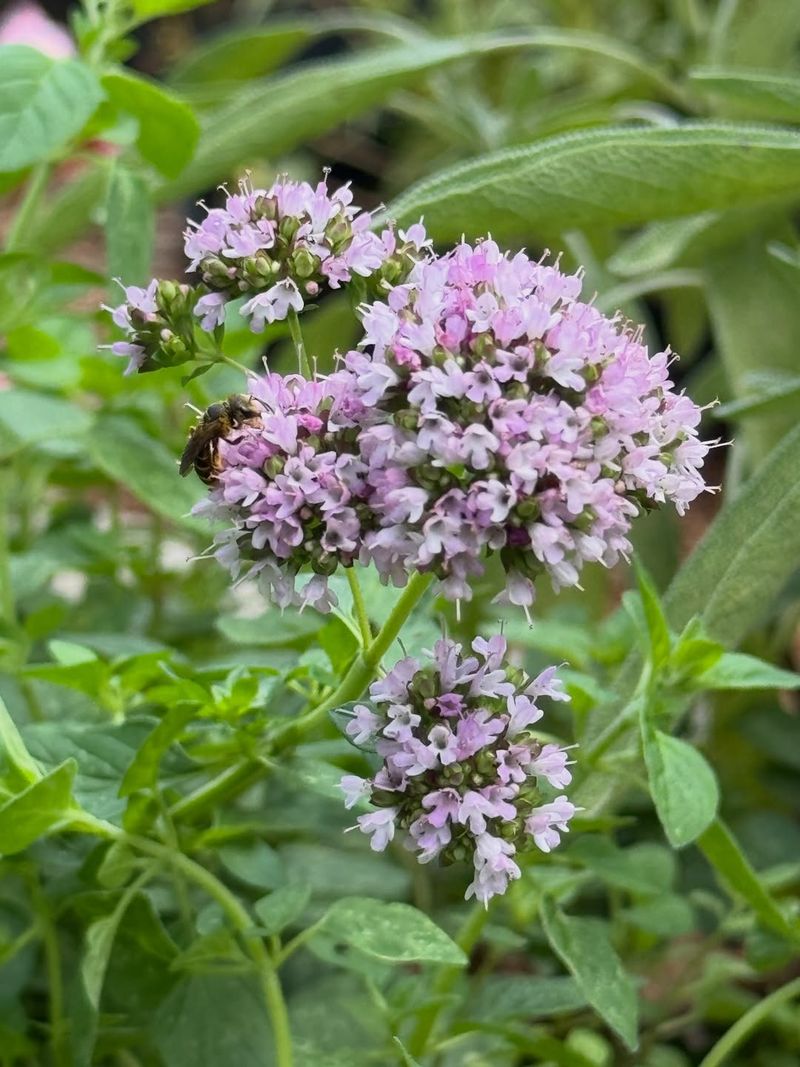
When oregano starts to flower, something almost magical happens in the garden. The small pink and purple blooms appear in clusters along the tops of the stems, and within hours, the plant seems to hum with activity.
Bees, butterflies, and hoverflies show up in numbers that are hard to ignore. Oregano is one of the best pollinator plants you can grow in this region.
Studies have shown that flowering oregano attracts more bee species than many dedicated wildflowers.
That is a remarkable fact for such a common kitchen herb. The flowers are small, which makes them easy for a wide range of insect sizes to access.
In this state, oregano blooms in midsummer, which is a critical time for pollinators. Many spring flowers have already faded by then, and late-summer bloomers have not opened yet.
Oregano fills that gap beautifully. Letting it flower creates a reliable mid-season nectar source that pollinators can count on year after year.
You do not need to sacrifice flavor to let oregano bloom. Simply harvest the leaves you need before the plant flowers, then let the rest go.
You can also cut a few stems back hard to keep some plants leafy while others bloom freely. Dried oregano flowers also have a pleasant fragrance and can be used in sachets or mixed into dried herb bundles.
It is a low-effort addition to your garden that pays off in a big way for local pollinators and your vegetable yields alike.
5. Thyme Blooms Make Path Edges Buzz With Bees
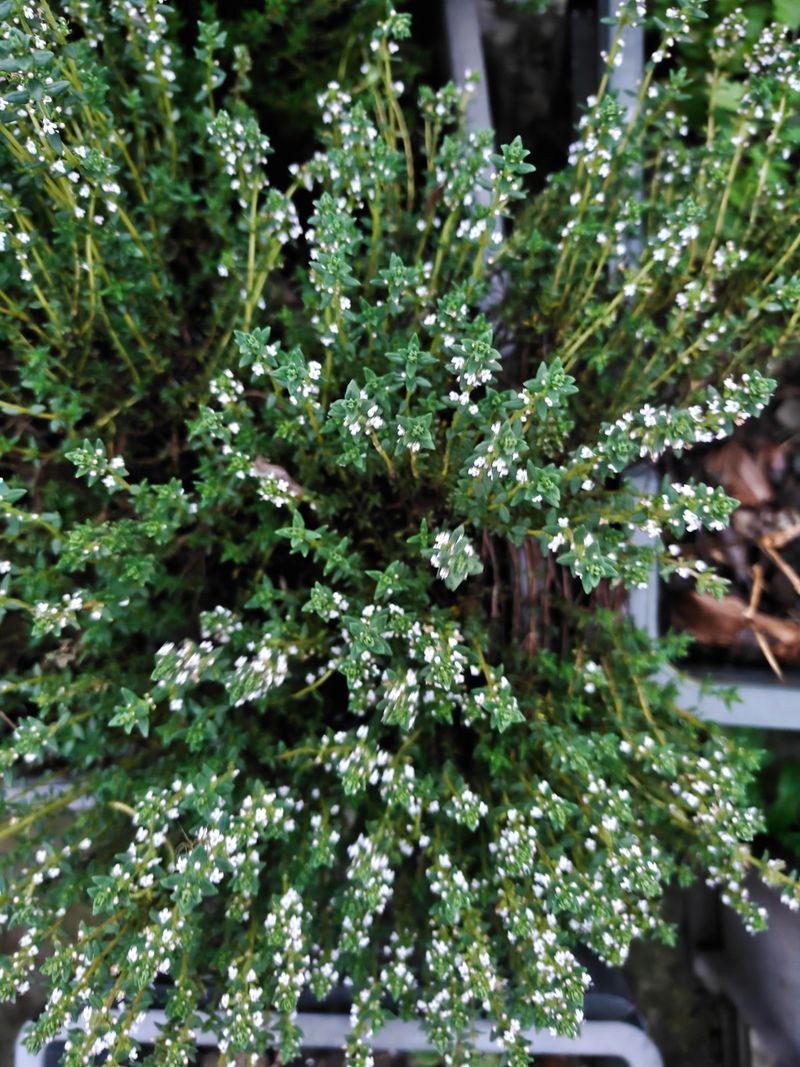
Creeping thyme planted along path edges is already a popular landscaping choice in this state, but most people trim it back before it has a chance to flower.
That is a shame, because those tiny blooms are absolutely packed with nectar.
Bees go wild for them, and the effect is a gentle buzzing soundtrack along your garden walkways.
Thyme flowers are small and delicate, ranging from pale pink to soft purple depending on the variety. They open in late spring and early summer, carpeting the plant in color.
The low-growing habit of many thyme varieties means the flowers sit right at ground level, making them especially accessible to smaller bee species that cannot always reach taller blooms.
One of the best things about thyme is how tough it is. It handles foot traffic, dry spells, and rocky soil with ease.
In the warmer, drier parts of this state, thyme thrives where other herbs struggle. Its drought tolerance makes it a smart choice for low-maintenance garden edges and slopes that are hard to water regularly.
Letting thyme bloom also does not reduce its usefulness in the kitchen by much. The flavor in the leaves stays strong even as the plant flowers.
You can still harvest sprigs for cooking right through the bloom period. Once flowering is done, a light trim will tidy the plant up and encourage fresh leafy growth.
It is one of the most effortless ways to support pollinators while keeping your garden looking neat and well-tended.
6. Sage Flowers Add Color And Nectar To Dry Beds
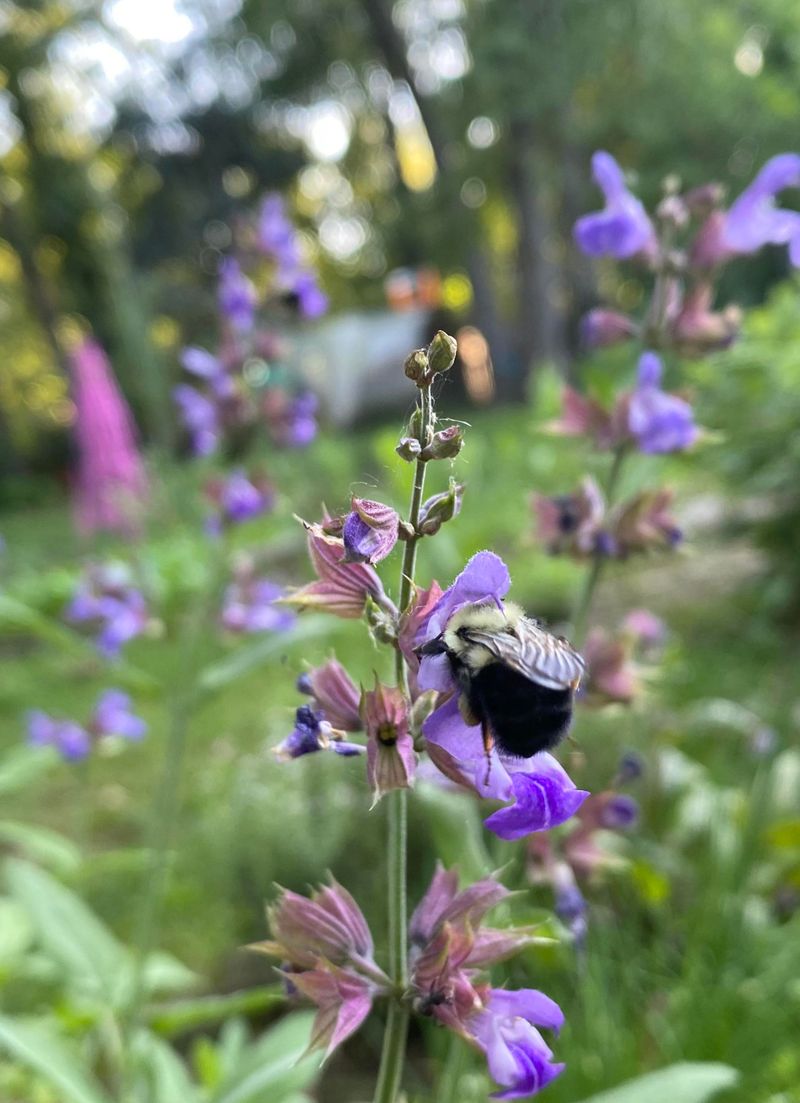
Common culinary sage puts on a surprisingly beautiful show when it flowers. The tall spikes of violet-blue blooms rise well above the soft gray-green leaves and create a striking contrast in the garden.
For a plant that most people grow purely for Thanksgiving stuffing, it has some serious ornamental value.
Sage flowers are especially popular with bumblebees, which are strong enough to push past the tubular bloom shape to reach the nectar inside.
Hummingbirds also visit sage flowers regularly in this region.
Having a plant that attracts both bees and hummingbirds is a genuine bonus for any garden focused on supporting local wildlife.
In drier parts of this state, sage is one of the most reliable herbs you can grow. It handles heat and low water once established, making it perfect for south-facing beds or spots where irrigation is limited.
Letting it flower means you are adding a nectar source to exactly the kind of dry habitat where pollinators often struggle to find food.
After blooming, sage can be cut back by about a third to keep it from getting too woody. This also encourages a fresh flush of leaves for fall harvests.
The flowers themselves are edible and have a mild, slightly floral flavor. You can use them to decorate plates or steep them lightly in oil or vinegar.
Sage is one of those herbs that genuinely earns its place in the garden at every stage of its growth cycle.
7. Basil Blooms Can Help Pollinators Late In The Season
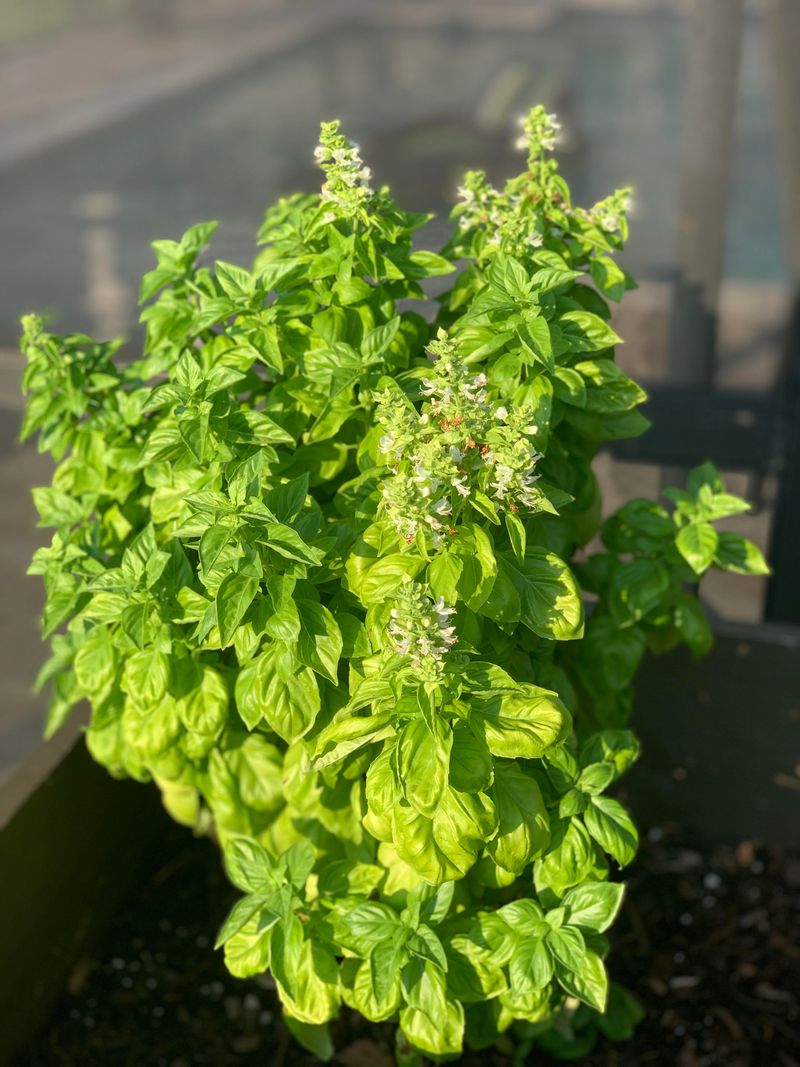
Most gardening advice tells you to pinch basil flowers off constantly to keep the leaves coming. That advice makes sense if your only goal is a big leaf harvest.
But if you care about your garden ecosystem, letting at least one basil plant bloom in late summer can be a real gift to pollinators.
Basil flowers in late summer and early fall, which is a time when many other nectar sources are winding down.
Bees are still active and building up stores before cooler weather arrives, and they need food.
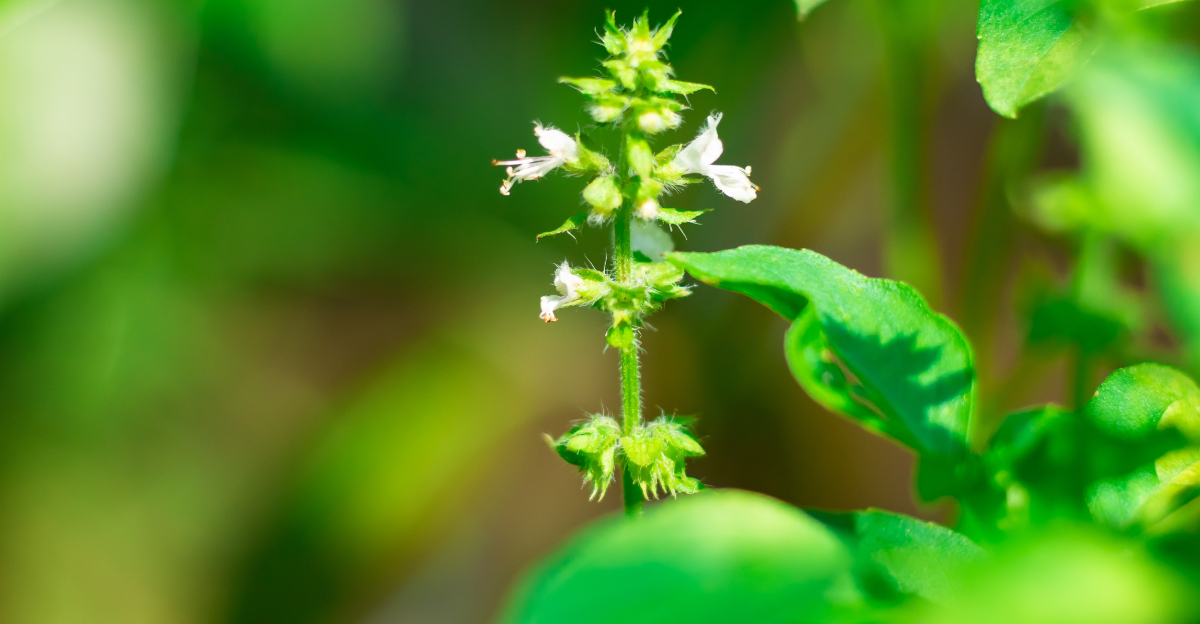
A blooming basil plant gives them a reliable late-season stop. The small white flowers are simple and open, making them easy for many bee species to access quickly.
There is also a sensory bonus to letting basil bloom. The flowers carry a sweet, spicy fragrance that drifts through the garden on warm afternoons.
It is one of those small pleasures that makes spending time outdoors more enjoyable. The scent is similar to the leaves but softer and slightly sweeter.
You can manage your basil so that some plants stay leafy for cooking while others are allowed to flower freely.
This gives you the harvest you need without giving up the ecological benefits. Once a basil plant has fully flowered and set seed, it will naturally slow down.
Collecting those seeds is a great way to save money, since you can replant them next spring without buying new starts from a nursery.
8. Parsley Flowers Support Swallowtail Caterpillars
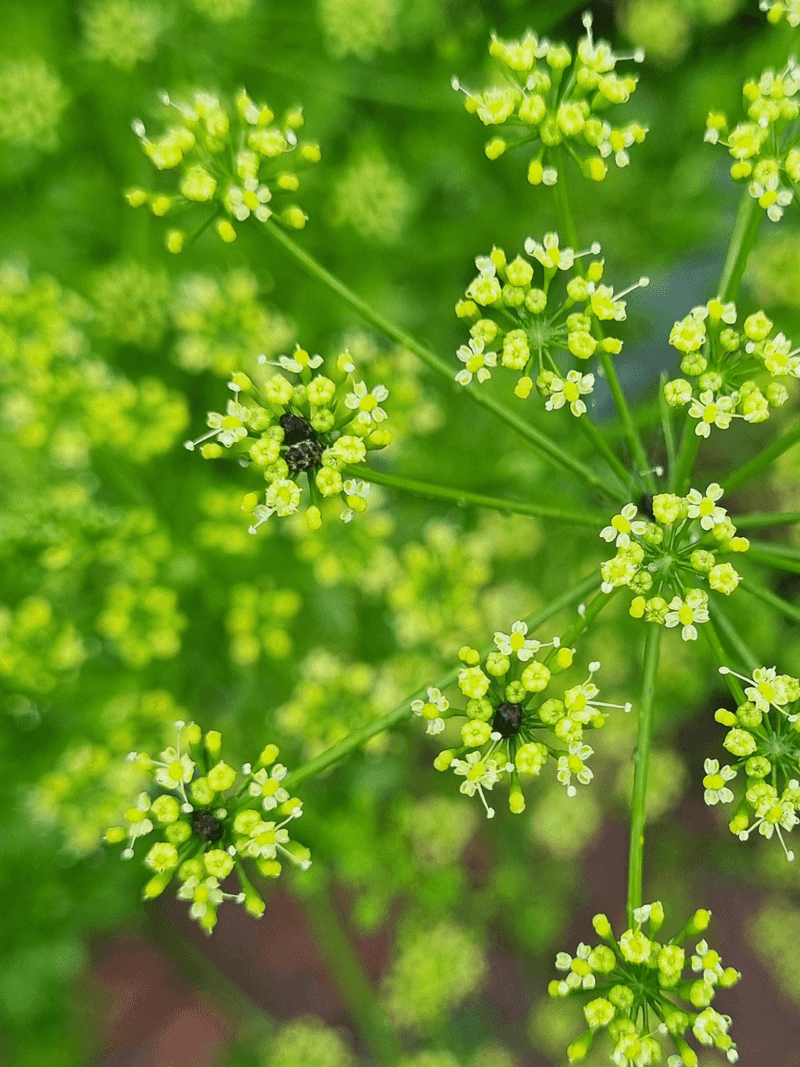
Parsley is a host plant for swallowtail butterflies, and that fact alone makes it worth growing with generosity.
The bold black and yellow caterpillars of the black swallowtail feed almost exclusively on plants in the carrot family, and parsley is one of their favorites.
Letting parsley flower extends the plant’s usefulness and keeps it standing longer for those caterpillars to use.
When parsley bolts in its second year, it sends up tall stems topped with flat clusters of tiny white flowers.
Those blooms attract the same beneficial insects as dill and cilantro, including parasitic wasps and hoverflies.
The plant becomes a multi-purpose habitat that supports the full food web in your garden.
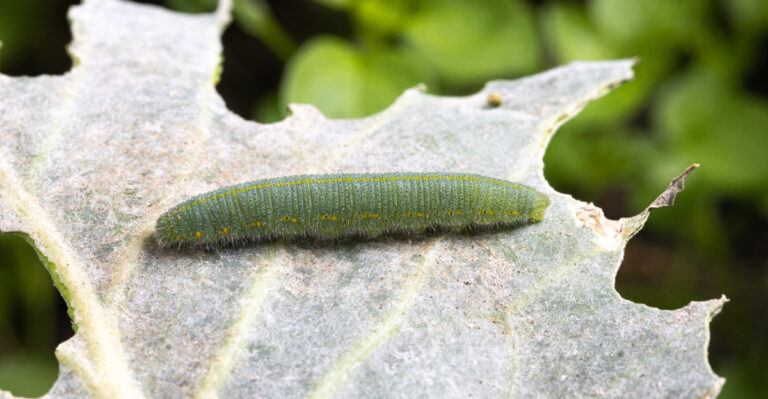
Spotting a swallowtail caterpillar on your parsley is exciting, especially for kids. They are chunky, colorful, and surprisingly bold.
Many gardeners who see them for the first time assume they are harmful and remove them.
But leaving them alone means you will eventually have a beautiful butterfly visiting your garden. That trade feels very fair.
Parsley is a biennial, meaning it spends its first year growing leaves and its second year flowering and setting seed.
Letting it complete that cycle means you get a new crop of self-sown seedlings with no extra effort.
Plant a fresh batch each spring alongside your second-year plants so you always have both young leafy parsley for cooking and older flowering plants for wildlife.
It is a simple rotation that keeps the garden productive and alive with movement.
9. Fennel Blooms Bring In Hoverflies And Lacewings
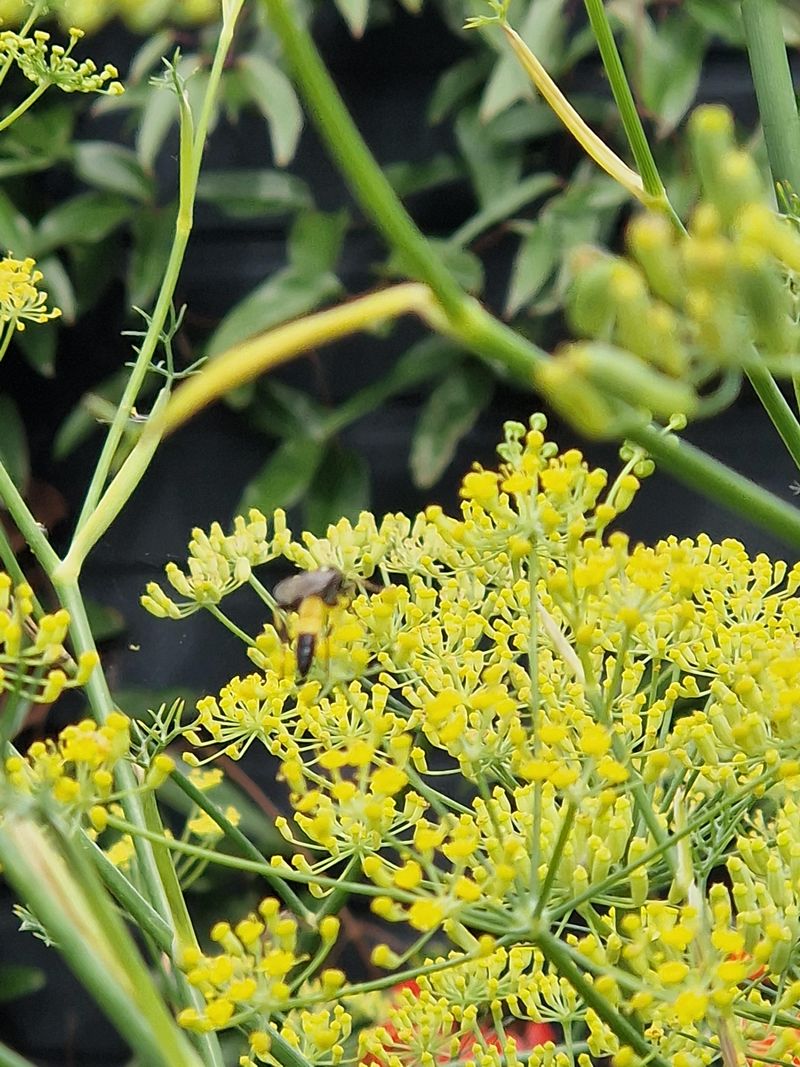
Fennel is a bold, architectural plant that can grow quite tall, and when it blooms, it becomes one of the most insect-friendly plants in the entire garden.
The large, flat-topped yellow flower clusters are a magnet for hoverflies and lacewings, two groups of insects that are incredibly valuable to any vegetable grower.
Hoverfly larvae feed on aphids. A single larva can consume hundreds of aphids before it pupates.
Adult hoverflies look like tiny bees or wasps, which confuses some people, but they are completely harmless and focused entirely on feeding and reproducing.
Lacewings are equally impressive. Their larvae eat aphids, thrips, mites, and small caterpillars with remarkable efficiency.
Fennel blooms in midsummer in this region, and the flowers last for several weeks. That extended bloom time gives beneficial insects a long window to feed and lay eggs nearby.
Having fennel in or near your vegetable beds creates a kind of natural pest management zone that works around the clock without any input from you.
One thing to keep in mind is that fennel can spread aggressively if seeds are left to drop freely. Deadheading some of the spent flower heads after bloom will keep it from taking over.
Bronze fennel is a popular ornamental variety that adds rich color to the garden while offering all the same ecological benefits as common green fennel.
Either type will reward you with a steady parade of beneficial insects from the moment the first flowers open.