What It Takes To Keep Salvia Blooming All Summer In Virginia
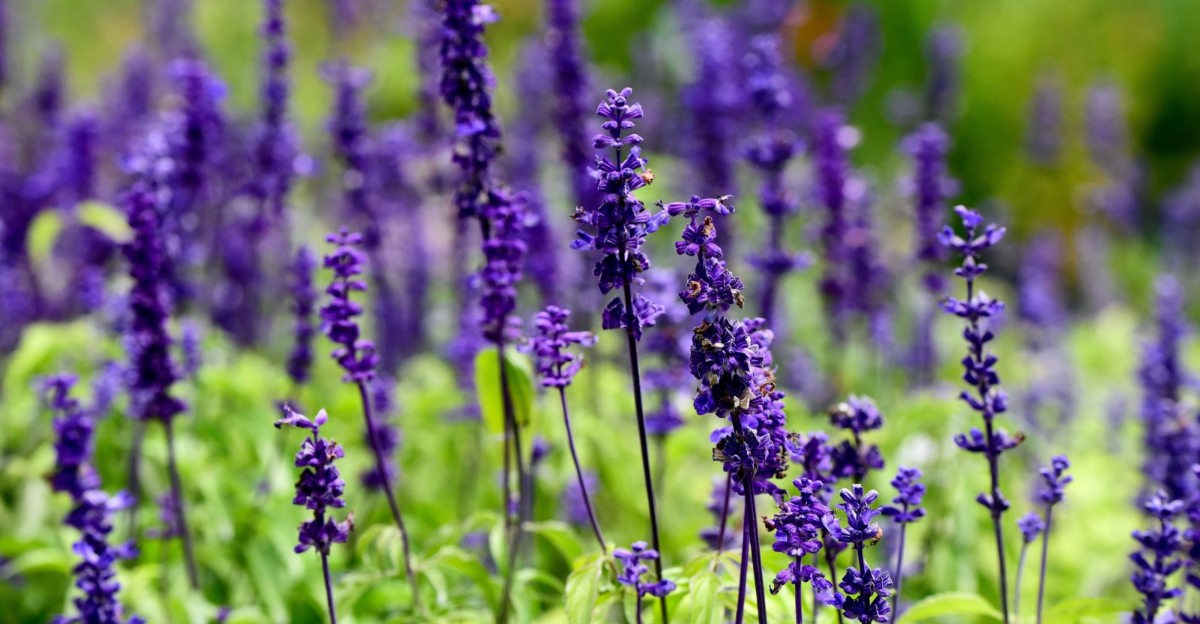
Could salvia be the plant your garden has been missing? Those tall, jewel-toned spikes come in purple, red, and blue.
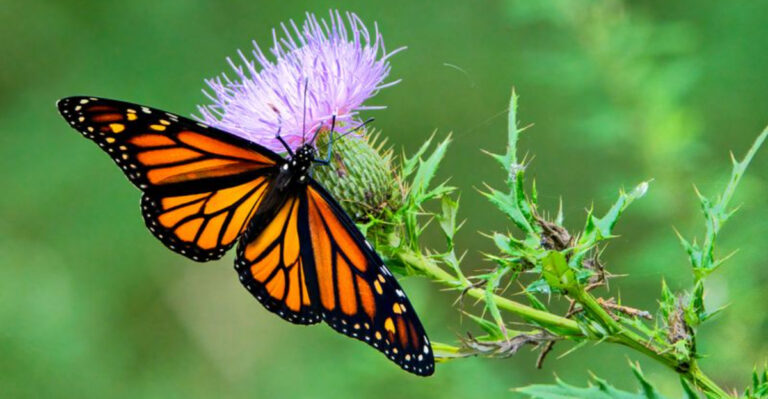
They pull in butterflies and hummingbirds all season long.
And somehow, they earn you unsolicited compliments from neighbors who can’t quite figure out what you’re doing differently.
Here in Virginia, summer comes in hot and humid fast. Salvia needs more than a sunny spot and good intentions to keep performing through September.
The good news is that the habits that make the difference are genuinely simple. Most gardeners skip them not because they’re lazy but because nobody ever explained why they matter.
Once you understand what salvia actually needs to keep producing blooms, things get a lot easier.
From planting decisions that set you up for success to mid-season habits that keep salvia blooming long after other plants have given up, it’s all here.
Spent Blooms Are Holding Your Salvia Back
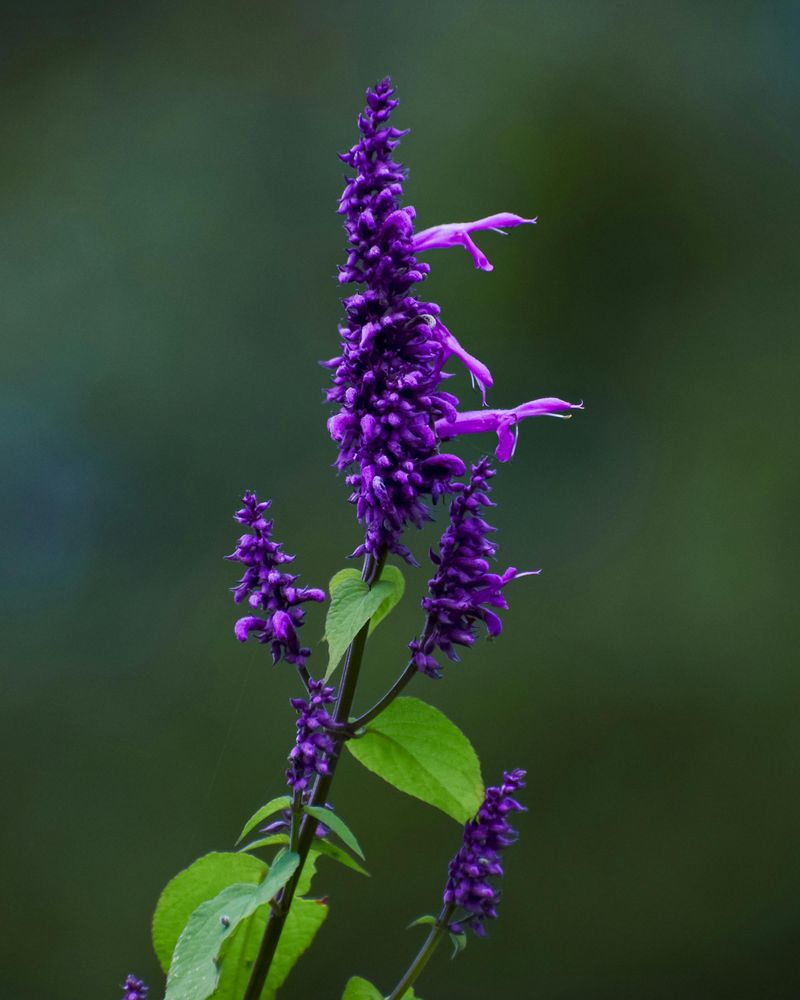
Removing spent blooms is the single most powerful move you can make for non-stop salvia color. When a flower spike finishes blooming, the plant shifts its energy toward making seeds instead of new flowers.
Snipping off those spent spikes tricks the plant into producing fresh blooms instead. Grab a pair of clean garden scissors or pruning shears and cut each spent spike all the way back to just above the next set of healthy leaves below it.
Don’t just pinch off the tip, because that leaves a stubby stem that slows regrowth. Make this a weekly habit during the growing season, and a quick ten-minute walk through the garden can extend your bloom time by weeks.
The more you cut, the more the plant pushes out new growth to replace what was removed. Some gardeners skip this step assuming the plant will rebloom on its own, but it can take significantly longer and produce fewer flowers.
Staying consistent with this habit is the difference between a plant that looks tired by August and one still putting on a show in September. Think of it as sending a clear signal to the roots that there is still more work to do, and salvia responds every time.
Choosing The Right Salvia For Virginia’s Climate
Not all salvia plants handle Virginia summers the same way. Some varieties struggle in the heat and humidity, while others thrive and keep blooming right through the dog days of August.
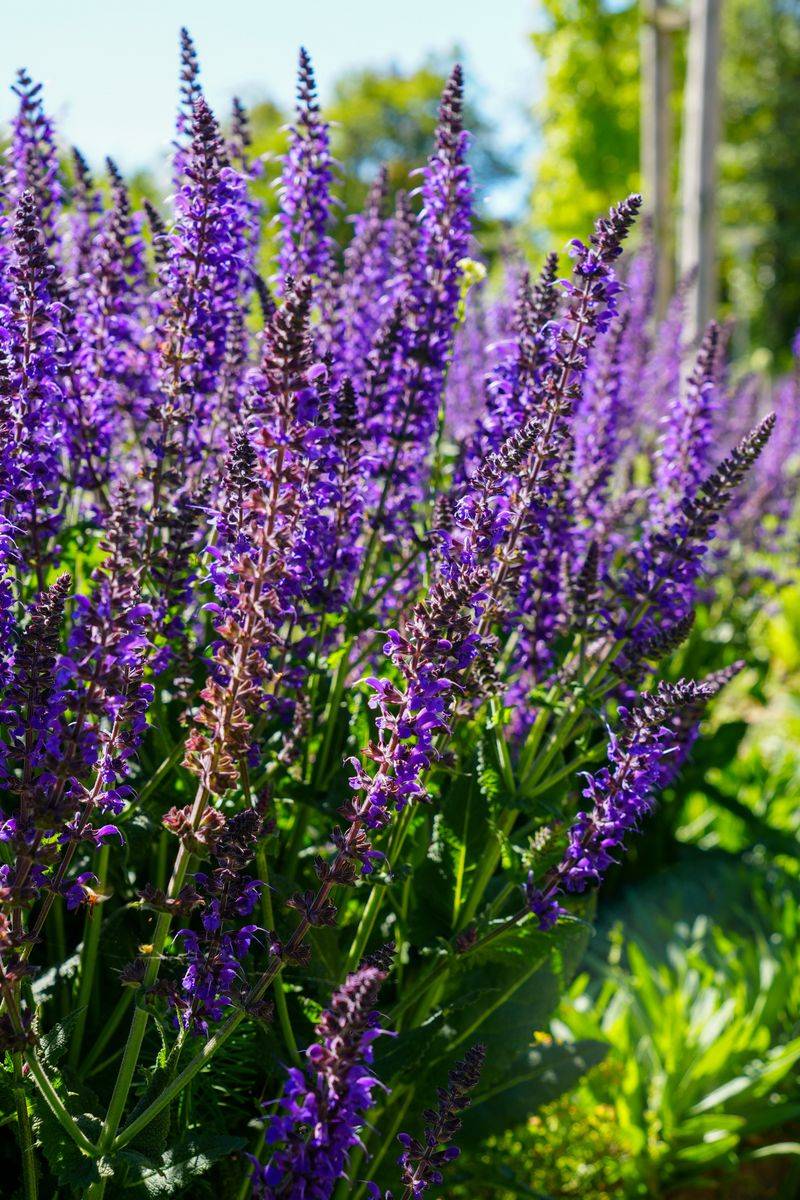
Picking the right type from the start saves a lot of frustration later. Salvia nemorosa, also called meadow sage, is one of the most reliable choices for the region.
Varieties like ‘May Night’ and ‘Caradonna’ handle the heat without complaint and rebloom aggressively when spent blooms are removed. They stay compact and tidy, making them a natural fit for garden borders.
For taller drama and hummingbird traffic, Salvia guaranitica is a standout performer. ‘Black and Blue’ is especially popular for its deep cobalt flowers and long, reliable bloom habit through summer into fall.
Your Virginia Garden Changes Every Week. Your Plan Should Too.
Gardening in Virginia changes quickly throughout the season. Every Friday you’ll receive a simple weekly plan showing exactly what to plant, prune, fertilize, harvest, and protect so you never miss the right timing.
Salvia coccinea, or tropical sage, is another heat-tolerant option that blooms in red, pink, and white. It reseeds itself generously, so you often get free plants the following spring.
Avoid varieties labeled for cool climates or short seasons if you want all-summer performance. Read the tags carefully at the nursery and look for words like heat-tolerant, reblooming, or long season.
Where And How To Plant For Maximum Bloom
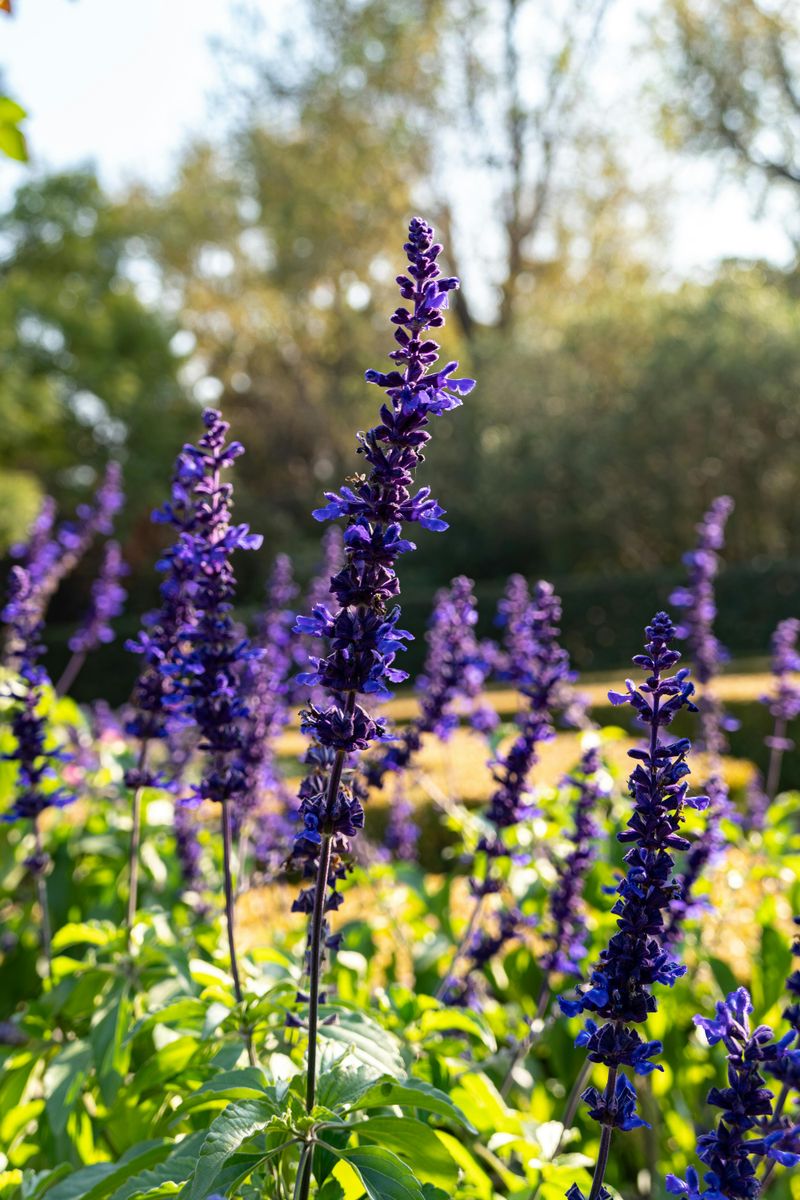
Location changes everything when it comes to salvia performance. These plants are sun lovers and need at least six hours of direct light each day to bloom their best.
However, some salvias tolerate part shade, especially in hot climates. Drainage matters just as much, since salvia roots struggle in wet soil.
Amend your soil with compost and coarse sand before planting, or use a raised bed. Crowding plants reduces airflow and encourages powdery mildew, so give each plant twelve to eighteen inches of breathing room.
Set the crown at soil level when planting. Burying it too deep can cause rot during Virginia’s wet summer spells.
A light layer of mulch around the base helps retain moisture without smothering the roots. The best time to plant is in spring after the last frost date, which typically falls between mid-March and mid-April depending on your county.
Getting plants established early gives them time to build strong root systems before the summer heat arrives. Strong roots mean stronger blooms all season long.
Watering And Feeding Without Overdoing It
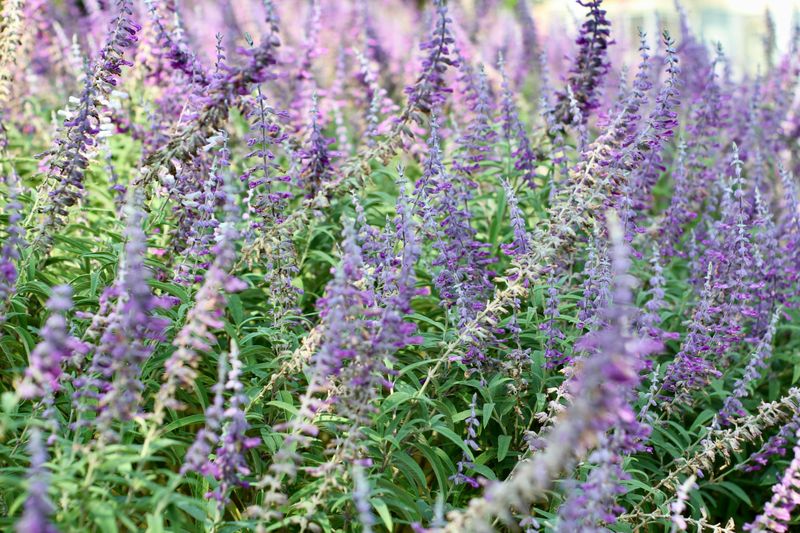
Salvia is tougher than it looks, and overwatering is one of the fastest ways to work against it. Once established, most salvia varieties are drought-tolerant and prefer to dry out slightly between waterings.
Soggy roots lead to root rot, fewer blooms, and a plant that struggles all season. Water deeply but infrequently, aiming for about one inch per week during the growing season, either from rain or supplemental watering.
Check the soil two inches down before reaching for the hose. If it still feels damp, wait another day or two.
Drip irrigation or soaker hoses work better than overhead sprinklers for salvia. Keeping the leaves dry reduces the risk of fungal issues, which are a real concern in Virginia’s humid summers.
Morning watering is always better than evening if you are using any overhead method. Feeding salvia does not need to be complicated, and a balanced slow-release granular fertilizer applied once in spring is usually enough for the whole season.
Too much nitrogen pushes leafy growth at the expense of flowers. If your salvia looks pale or sluggish mid-season, a light dose of liquid fertilizer with a higher middle number can help, but only if your soil or fertilizer label supports the extra phosphorus.
Feed sparingly and let the plant show you what it needs.
What To Do When Blooms Slow Down Mid-Summer
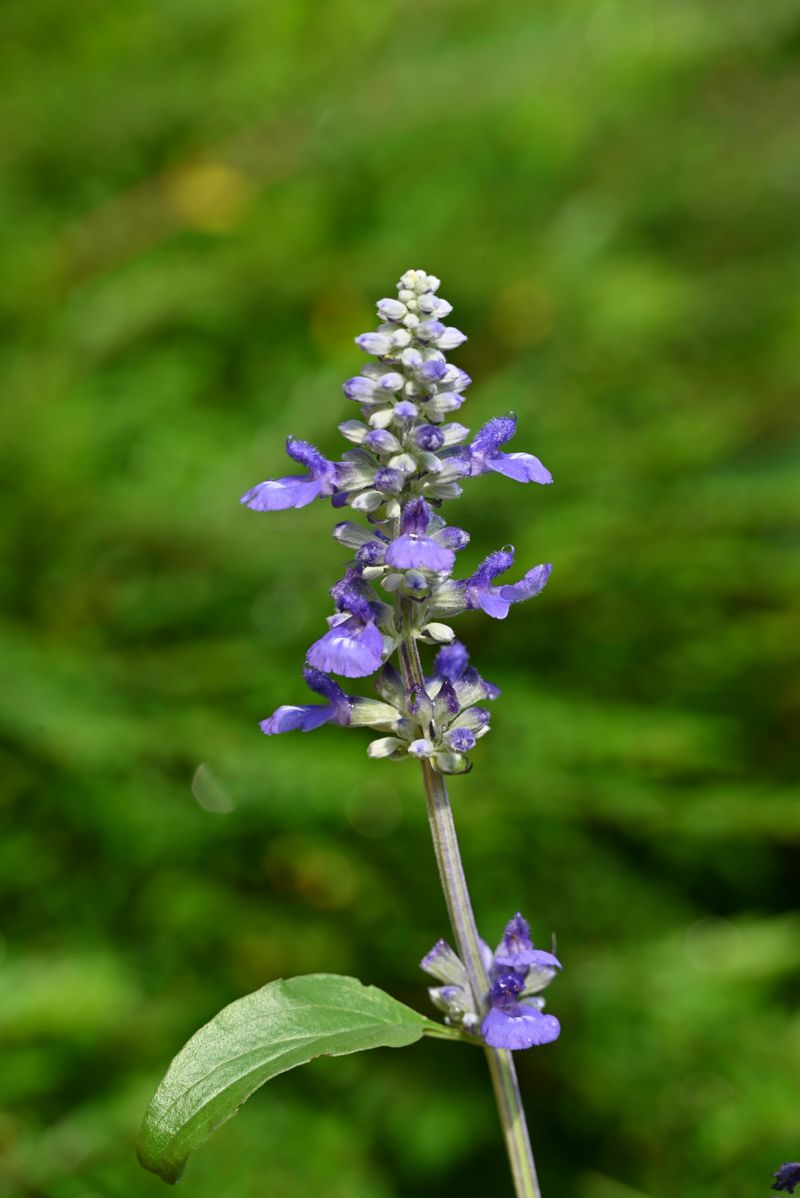
Mid-summer is when many gardeners panic because their salvia suddenly looks tired and bare. The flower spikes are gone, the foliage looks leggy, and the whole plant seems to be taking a break.
This is completely normal, and the fix is simpler than most people expect. Cut the entire plant back by about one-third of its height, using clean sharp shears and making the cuts just above a leaf node.
This trim signals the plant to push out an entirely new flush of growth, and blooms typically follow within two to three weeks. After cutting back, give the plant a deep watering and a light feeding with a phosphorus-forward fertilizer.
This combination jumpstarts recovery and fuels the new growth that is about to emerge. Resist the urge to cut back more than one-third at once, since removing too much foliage slows recovery instead of speeding it up.
A moderate trim is always safer than a dramatic one, especially during the hottest weeks of the season.
That second flush is often just as impressive as the first. It is one of the most satisfying moments in the summer garden.
Common Mistakes That Cut The Season Short
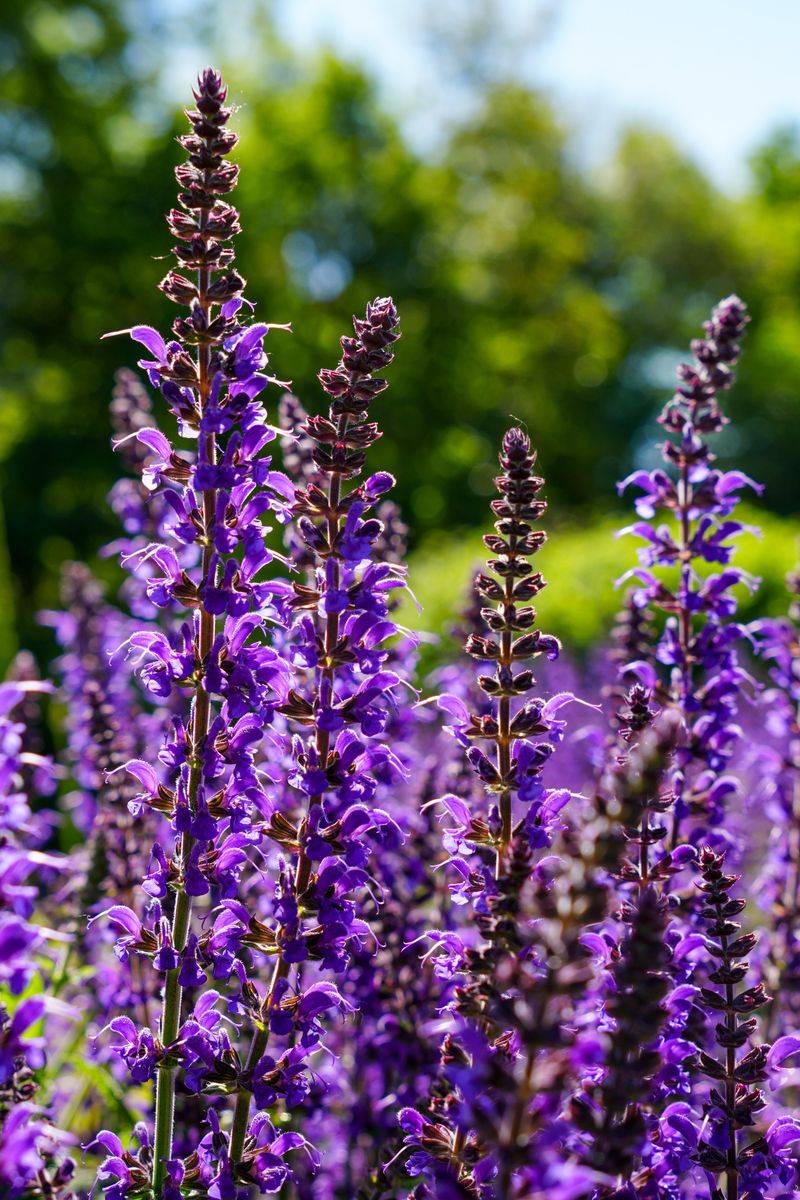
Even experienced gardeners make mistakes with salvia. The most common one is planting in too much shade.
If your salvia is producing mostly leaves with few flowers, move it. A sunnier spot can turn things around quickly.
Letting spent spikes go to seed is another way to stall your blooms. It tells the plant its job is done for the year, and a plant focused on seed production stops putting energy into new flowers.
Overwatering is sneaky because the symptoms look similar to underwatering. Yellowing leaves, wilting despite wet soil, and a general lack of vigor are all signs the roots are struggling, so check the soil before adding more water.
Using too much high-nitrogen fertilizer produces beautiful, bushy green plants with almost no flowers. Nitrogen feeds leaves, not blooms, so switch to a bloom-booster formula if your salvia is all foliage with little color to show for it.
Planting varieties that are not suited to Virginia’s humidity is perhaps the biggest mistake of all. Do your homework before buying, and choose heat-tolerant reblooming varieties from the start.
That one decision alone can mean fewer headaches and far more flowers from June all the way through the end of summer.
The Simple Habit That Keeps Salvia Going All Season
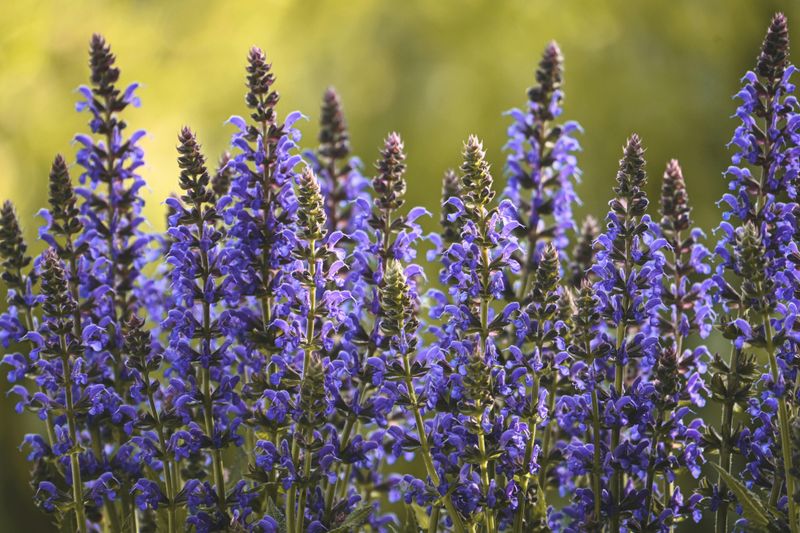
Consistency is the quiet secret behind every garden that looks effortless. Salvia does not ask for much, but it does ask for regular attention.
Gardeners who check in a few times a week almost always get better results. Build a simple weekly routine around your salvia.
Spend a few minutes trimming spent blooms and checking soil moisture. A quick look for yellowing leaves or pest damage goes a long way.
Catching small problems early keeps them from becoming big ones. Keep a pair of clean pruning shears somewhere easy to grab, because when tools are within reach, you are far more likely to use them.
Take a few photos of your salvia throughout the season. Comparing images from week to week helps you spot changes you might otherwise miss, and it gives you a record of what worked so you can repeat it next year.
Salvia rewards the gardeners who show up. A little time each week translates into a display that lasts all summer long in Virginia, from the first warm morning to the last golden day of fall.