The Right Way To Prune Basil For A Bigger Harvest In New Jersey
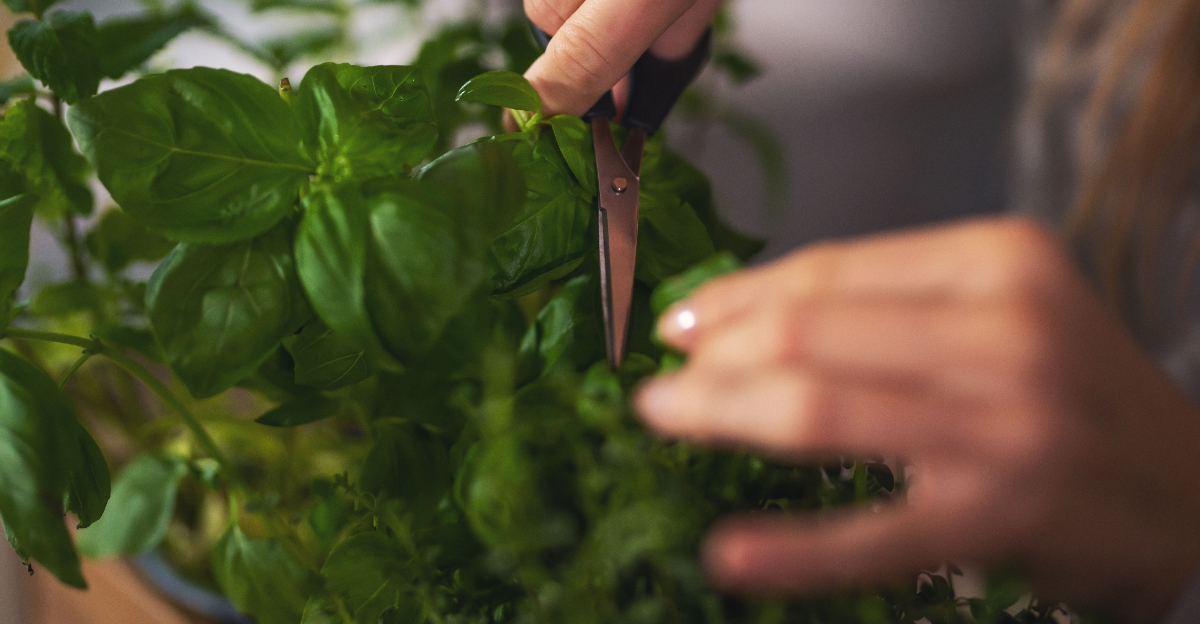
Most gardeners plant basil once, harvest it a handful of times, and then watch it go to seed before summer is even halfway over. It does not have to go that way.
Pruning is what separates a basil plant that burns out by July from one that keeps producing through September.
And the good news is that it is not complicated. A few simple cuts in the right places, made at the right time, and your plant responds by growing back bushier than before.
New Jersey summers are long enough to get a serious harvest out of even a single plant. But only if you know what you are doing with the scissors.
When to cut? Where to cut?
And how to keep your basil producing from the first warm week all the way to fall? Find out now!
The Basics Of Basil Pruning Every Gardener Should Know
Fresh basil does not grow itself into a beautiful, bushy shape on its own. Left alone, it shoots straight up, gets leggy, and flowers fast.
Pruning basil the right way from the start changes everything about how the plant grows.
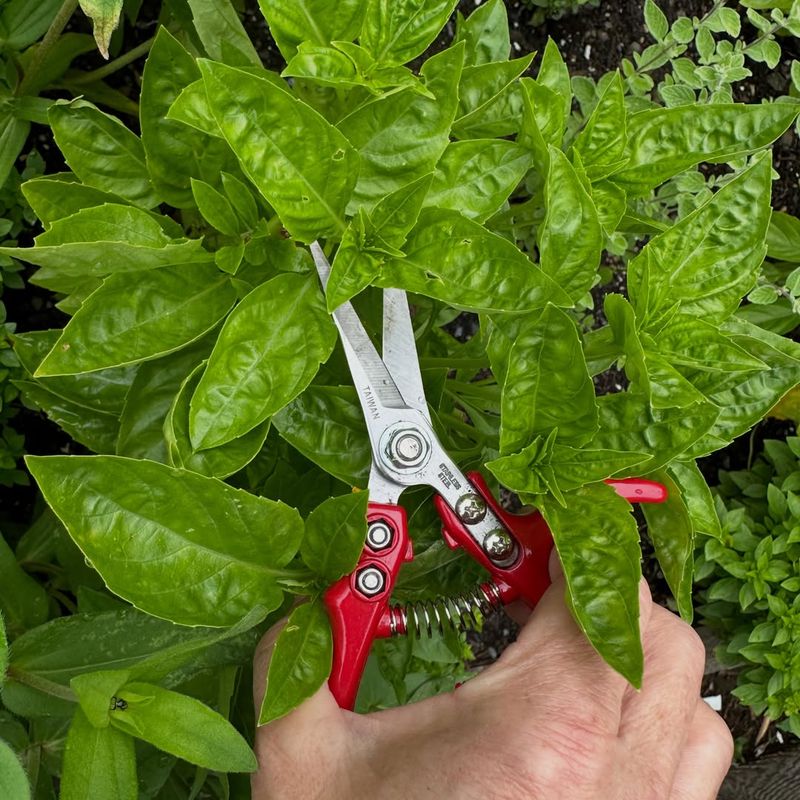
The core idea is simple: cutting the plant encourages it to branch out sideways instead of growing tall and thin. Each time you snip above a leaf node, two new stems will typically sprout from that spot.
That means double the growth from a single cut. A leaf node is the small bump where leaves attach to the stem.
Always cut just above a pair of leaves. Never strip the stem bare or cut below the lowest leaves.
You do not need fancy tools to get started. A clean pair of kitchen scissors or small garden snips works perfectly.
The most important thing is keeping your blades clean so you do not spread bacteria between plants. Start pruning when the plant has at least three sets of leaves.
Cutting too early stresses a young seedling before it has enough roots to recover. Patience at the start pays off with a stronger, more productive plant later in the season.
Think of every cut as an investment. The more thoughtfully you prune, the more your basil rewards you with thick, fragrant growth all summer long.
The Right Time To Start Pruning Basil In New Jersey
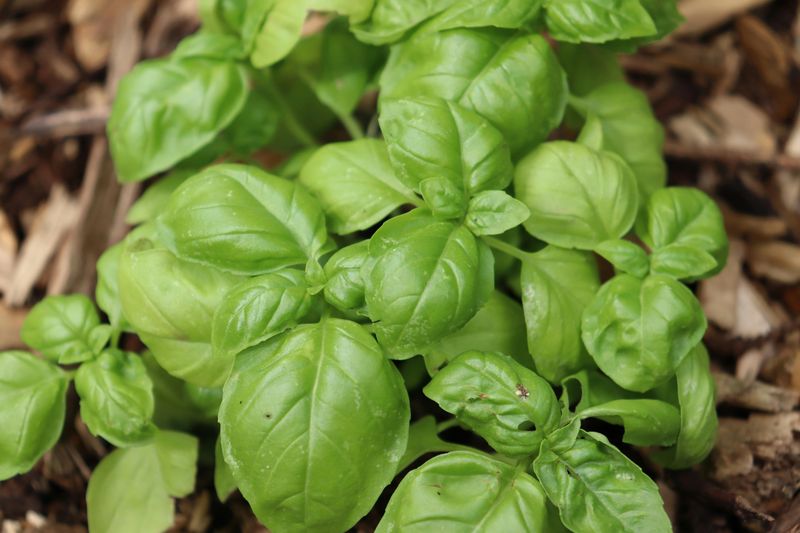
Timing is everything with basil, especially in a state like New Jersey where the growing season has a clear start and finish. The weather here swings from humid summer heat to cool fall nights fairly quickly.
Getting your pruning schedule right means you squeeze every possible week out of the season. Start watching your plant closely once it reaches about six inches tall.
That is usually the size when it has enough roots and energy to handle its first trim. For most New Jersey gardeners, that moment comes sometime in late May or early June.
Do not wait until the plant looks overgrown before making your first cut. Early pruning shapes the plant while it is young and flexible.
Your New Jersey Garden Changes Every Week. Your Plan Should Too.
Gardening in New Jersey changes quickly throughout the season. Every Friday you’ll receive a simple weekly plan showing exactly what to plant, prune, fertilize, harvest, and protect so you never miss the right timing.
Waiting too long can make the stems woody and harder to manage. Outdoor basil in this region loves warm soil and full sun.
Once nighttime temperatures stay consistently above 50 degrees, your plant is ready to grow fast. That warmth is your green light to start pruning regularly.
Aim to prune every one to two weeks throughout June, July, and August. By September, the days get shorter and growth slows down.
Shift your focus then to harvesting what remains before the cold moves in. Knowing your local season takes the guesswork out of the whole process and keeps your plant productive right up until the end.
The Best Cuts For Bushier, Fuller Growth
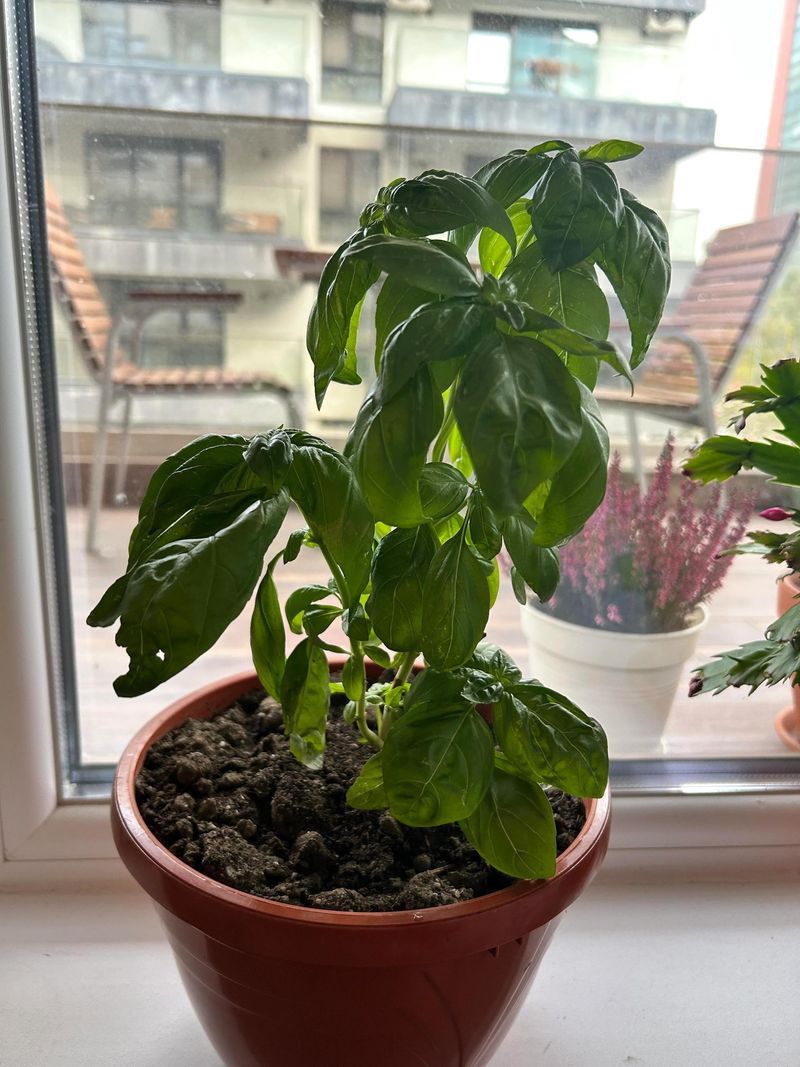
Not all cuts are created equal when it comes to basil. Where you place your scissors on the stem completely changes how the plant responds.
A good cut sends energy outward into new branches. A bad one wastes that energy or leaves the plant open to disease.
Always cut just above a leaf node, which is where two leaves meet the main stem. Leaving about a quarter inch of stem above the node protects the new growth from drying out.
This tiny detail makes a noticeable difference over time. When you remove the top of a stem, the plant redirects energy into the two buds sitting just below the cut.
Both of those buds grow into full branches. After a few rounds of pruning, one stem becomes four, then eight, then a genuinely full and bushy plant.
Do not cut more than one-third of the plant at once. Taking too much at one time shocks the roots and slows recovery.
A conservative approach keeps growth steady and consistent all season.
Go for the tallest stems first. Removing the highest growth encourages lower branches to catch up, which creates a more even, rounded shape.
A well-shaped plant also gets better airflow, which reduces the chance of mold or pest problems. Each snip is a small act of design.
You are literally sculpting the plant into something more productive and beautiful with every session.
Keeping Up With Basil Through The Season
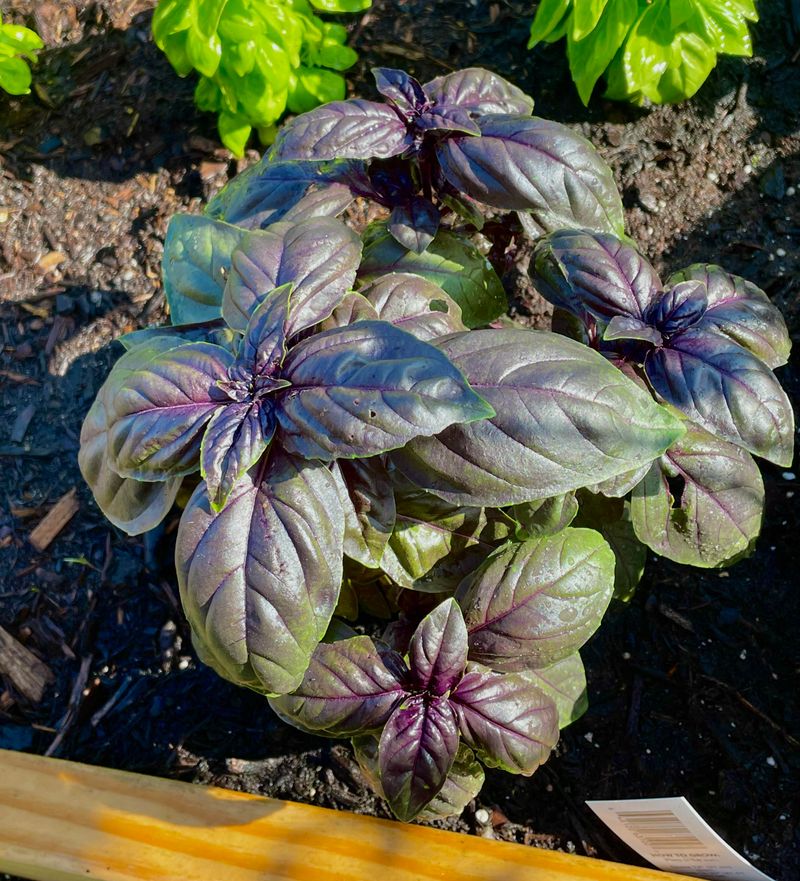
One pruning session is not enough. Basil grows fast during summer, and staying on top of it regularly is what separates a mediocre harvest from an abundant one.
Think of it less like a chore and more like checking in with a plant that is always eager to grow. Set a reminder to check your basil every week or ten days.
During peak summer heat, the plant can push out new growth surprisingly fast. Skipping two or three weeks means you come back to a plant that has already started bolting.
Bolting is when the plant puts energy into making flowers and seeds instead of leaves. Once that happens, the flavor of the leaves often changes.
They turn slightly bitter and lose the sweet, bright taste that makes fresh basil so special. Catch bolting early by scanning the top of each stem for small, tightly clustered buds.
Pinch those off immediately before they open into full flowers. Removing them redirects energy back into leaf production where you want it.
Consistent attention throughout the season also helps you notice problems early. Yellowing leaves, spots, or wilting can signal watering issues or pests.
Catching those signs during your regular pruning sessions means you can fix small problems before they become big ones. Stay engaged, check in every week, and a good growing season can easily become a great one.
Flowering Basil And What To Do About It
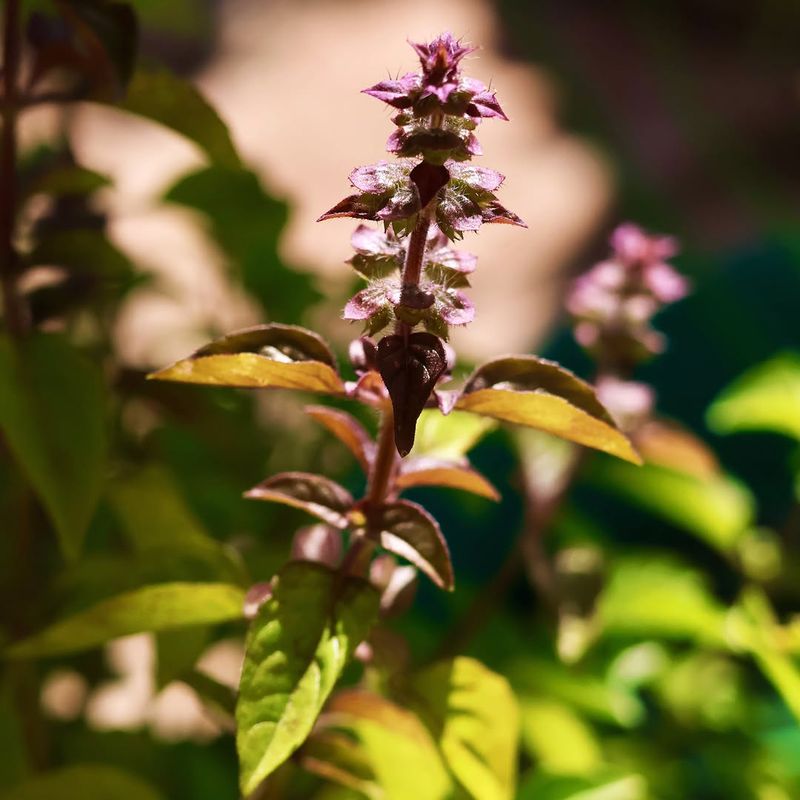
Flowers on a basil plant look pretty, but they are actually a warning sign for any gardener who wants to keep harvesting. When basil blooms, its whole focus shifts from making leaves to producing seeds.
That biological switch changes the plant in ways you can taste. The leaves become tougher and carry a slightly sharp, almost medicinal flavor once flowering kicks in.
That bright, sweet basil taste fades noticeably. Most home cooks find the difference pretty obvious once they have tasted both.
The fix is simple and satisfying: pinch off every flower spike you see. Use your fingers or scissors to remove the bud cluster right at the base of the spike.
Do this consistently and the plant keeps making tender, flavorful leaves instead. Some gardeners worry about removing flowers because they look nice.
Here is a useful trade-off to consider: you can have a flowering basil plant that looks decorative, or a leafy one that tastes incredible. For culinary use, leaves always win.
If you do let a few flowers open, they are actually edible and taste mildly like the leaves. Toss them into salads or use them as a garnish.
They add a delicate flavor and a lovely visual touch to summer dishes. Staying ahead of the flowers can extend your harvest by several weeks each season.
Pruning Mistakes That Might Slow Your Plant Down
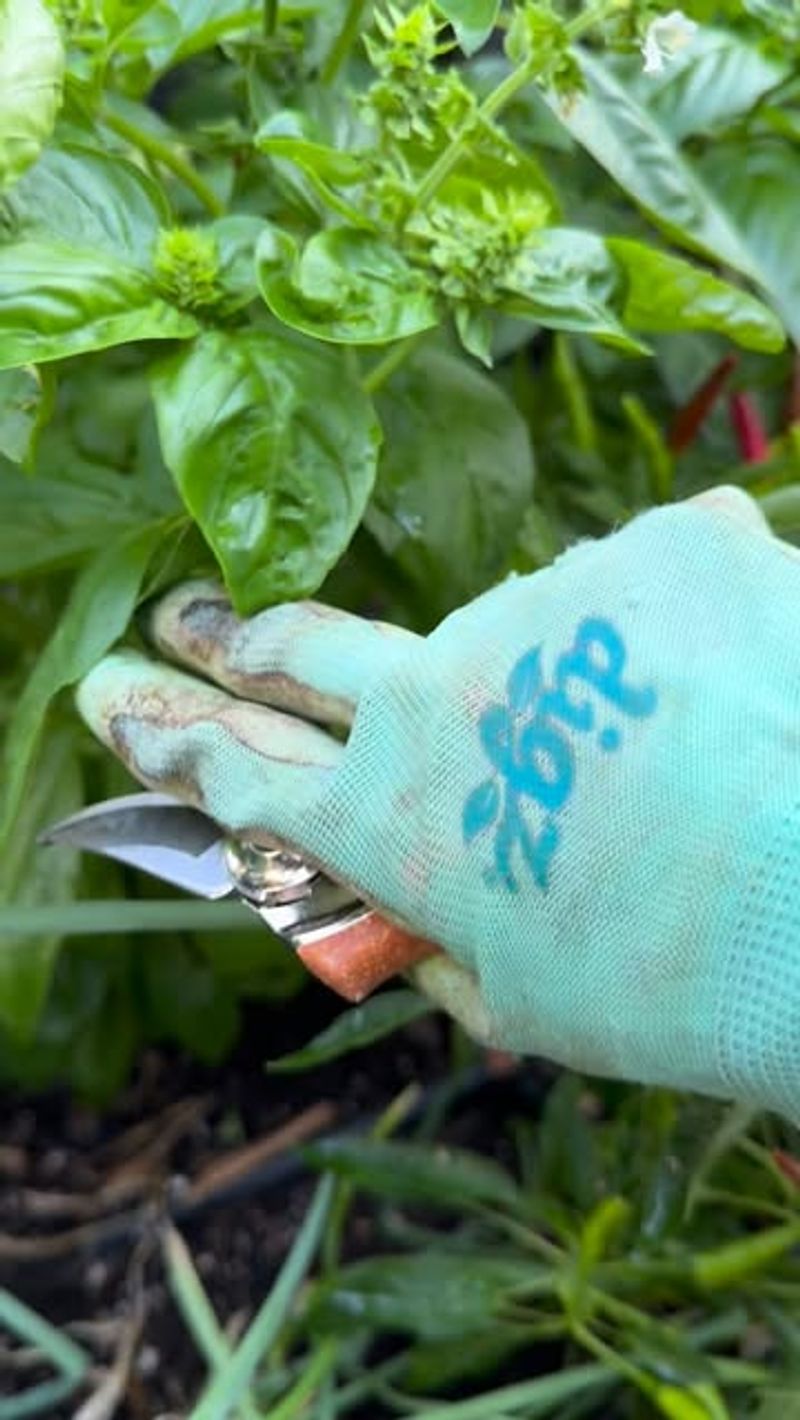
Even experienced gardeners make pruning mistakes that quietly sabotage their basil harvest. Most of these errors are easy to fix once you know what to look for.
Identifying them early saves weeks of slow or stunted growth. One of the most common mistakes is cutting too low on the stem.
Snipping below the lowest leaf node leaves the plant with nothing to grow from at that branch. The stem essentially stops producing and becomes spent wood.
Another frequent error is pruning too infrequently and then cutting too aggressively to make up for it. Removing more than one-third of the plant at once sends it into recovery mode.
Growth slows down while the plant tries to stabilize itself. Using dull or dirty scissors is a surprisingly damaging habit.
Dull blades crush rather than cut the stem, which can create rough edges that invite bacteria and fungal issues. Wipe your blades with rubbing alcohol between plants and sharpen them regularly.
Pruning in the heat of midday can also stress the plant unnecessarily. Morning is a good time to cut because the plant is well-hydrated and temperatures are cooler.
The cuts heal faster and the plant bounces back more quickly. Avoiding these common slip-ups is a straightforward way to keep your basil growing strong.
Small adjustments in technique add up to a noticeably better harvest by the end of summer.