These Texas Garden Pests Show Up Every June (Stop Them Before They Spread)
June in Texas is when certain garden pests shift from a background annoyance to a real problem, and the window between catching them early and dealing with a full infestation is shorter than most gardeners expect. These are not random visitors.
The same pests show up in Texas gardens every June on a predictable schedule, driven by temperature, plant growth stages, and conditions that this time of year reliably delivers.
By the time the damage is obvious, populations have often been building for weeks, and getting them under control becomes significantly harder.
The gardeners who come out ahead are almost always the ones who know what to watch for, where to look, and how to act before numbers get out of hand.
Knowing which Texas pests peak in June and what early signs to catch before they spread is one of the most practical things you can do for your garden right now.
1. Tomato Hornworm
Picture walking out to your tomato plants one morning and finding whole branches completely stripped of leaves overnight. That is the kind of damage a tomato hornworm can do, and it happens faster than most gardeners expect.
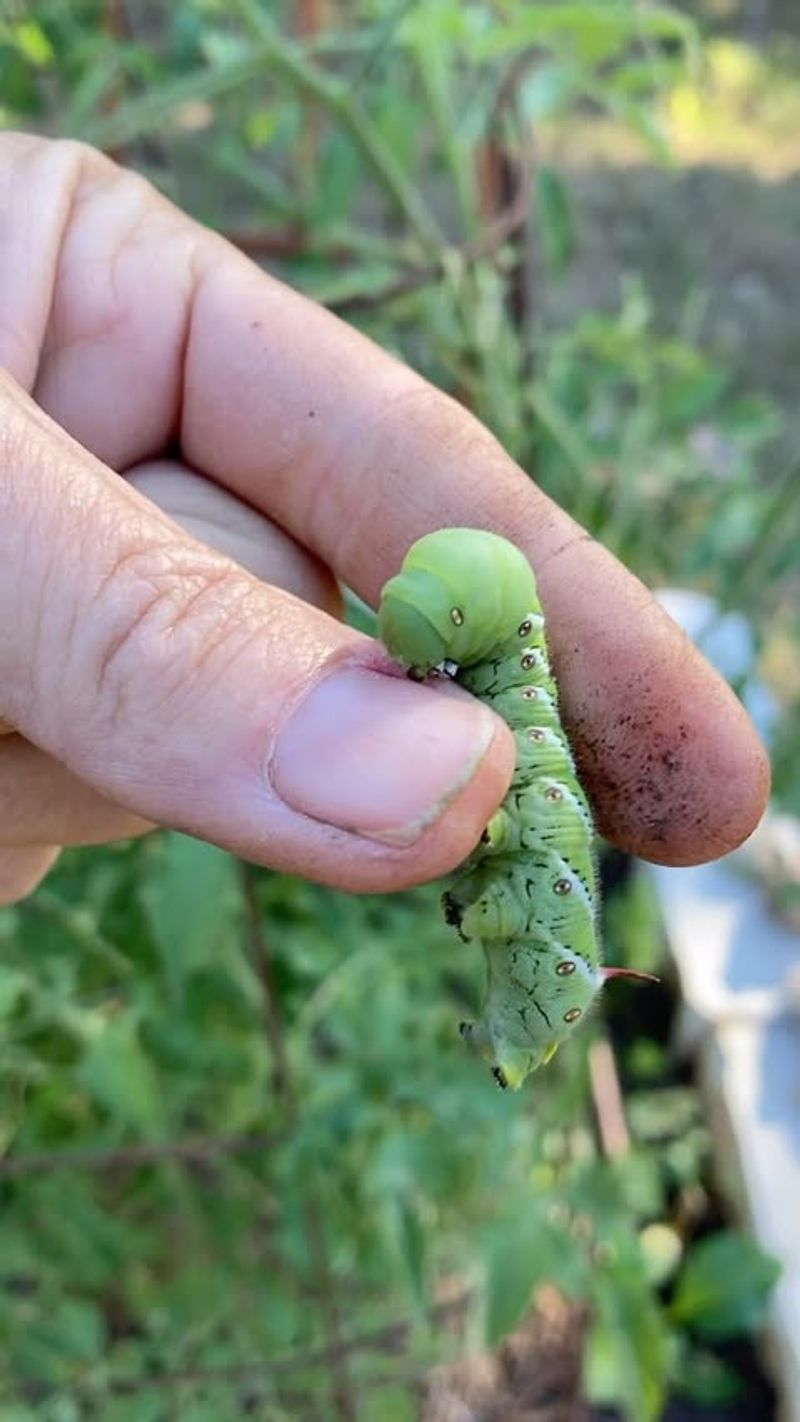
These caterpillars are some of the biggest you will ever see in a Texas garden, growing up to four inches long.
Their bright green color makes them surprisingly hard to spot because they blend right in with the stems and leaves of tomato plants. Look carefully along the main stem and under larger leaves.
You might also notice dark green or black droppings on the leaves or soil below, which is a sure sign one of these caterpillars is nearby.
Tomato hornworms do not just eat leaves. They will also chew into the fruit itself, leaving large, ugly gouges that make tomatoes unusable.
One or two hornworms can do serious damage to a single plant in just a day or two. The best way to deal with them is simple: check your plants every single day during June and handpick any hornworms you find.
Drop them into a bucket of soapy water or relocate them far from your garden. You can also use Bacillus thuringiensis, a natural bacteria spray that targets caterpillars without harming beneficial insects.
Encouraging parasitic wasps in your yard is another smart move, since these tiny wasps lay eggs directly on hornworms and help keep their numbers down naturally.
2. Aphid
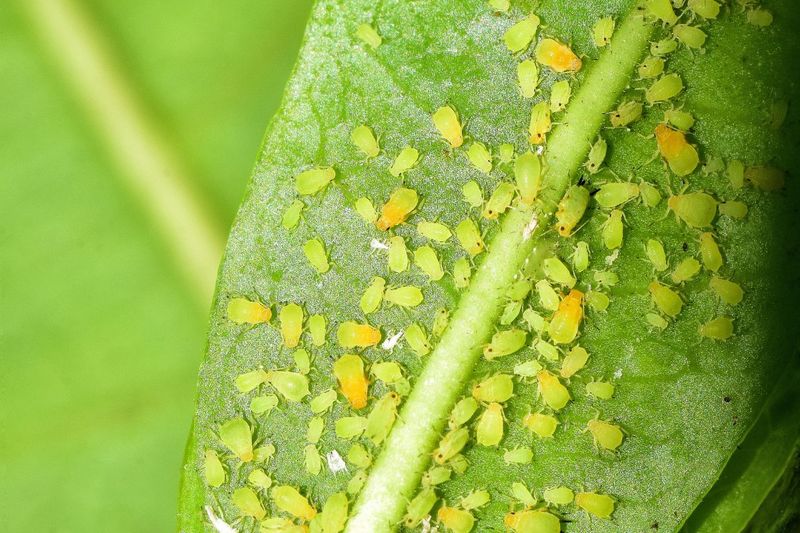
Aphids are tiny, but do not let their size fool you. A small group of aphids can turn into a massive infestation within just a few days when Texas summer heat kicks in.
These soft-bodied insects reproduce at an almost unbelievable rate, with females capable of producing dozens of offspring without even needing a mate.
You will usually find them clustered on new growth, the undersides of leaves, or along tender stems. They come in several colors including green, yellow, black, and even pink depending on the species.
As they feed, they suck out the sap from your plants, causing leaves to curl, yellow, and look distorted. They also leave behind a sticky substance called honeydew, which can lead to a black sooty mold forming on your plants.
Your Texas Garden Changes Every Week. Your Plan Should Too.
Gardening in Texas changes quickly throughout the season. Every Friday you’ll receive a simple weekly plan showing exactly what to plant, prune, fertilize, harvest, and protect so you never miss the right timing.
One of the easiest and most satisfying ways to fight aphids is to hit them with a strong spray of water from your garden hose.
Do this in the morning so plants have time to dry out before evening. Repeat every couple of days and you will knock their numbers down quickly.
Ladybugs and lacewings are natural predators that love to munch on aphids, so attracting these beneficial insects to your garden is a smart long-term strategy. Planting flowers like marigolds, dill, and fennel nearby helps bring them in.
For heavier infestations, insecticidal soap sprays work well and are safe to use around most vegetables and flowers.
3. Spider Mite
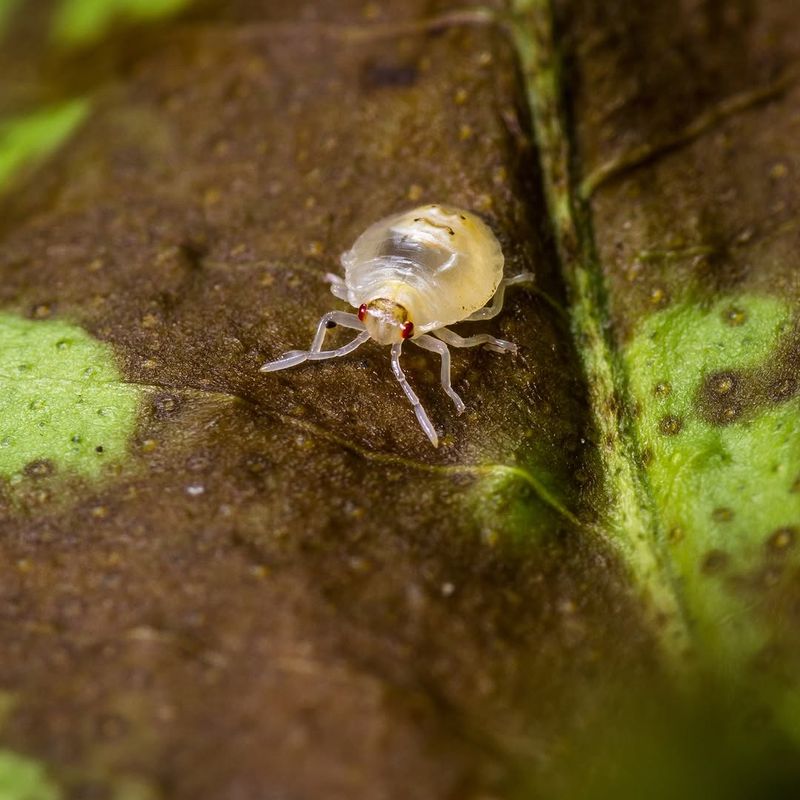
When the Texas summer heat cranks up and rain becomes scarce, spider mites move in fast. These microscopic pests thrive in hot, dry conditions, which makes June in Texas practically a paradise for them.
They are not actually insects but are more closely related to spiders and ticks, and they can multiply into massive colonies before most gardeners even realize they have a problem.
Spider mites feed by piercing plant cells and sucking out the contents, which causes tiny yellow or bronze speckles to appear on the tops of leaves. Flip a leaf over and you might see fine, silky webbing stretched across the surface.
That webbing is one of the clearest signs you are dealing with spider mites. Heavily infested plants start to look dull, dry, and faded.
Because they are so small, spider mites are easy to miss during casual garden walks. Get into the habit of checking the undersides of leaves on your most vulnerable plants, especially tomatoes, beans, cucumbers, and ornamental shrubs.
A magnifying glass can help you spot them before numbers get out of hand. Keeping your plants well-watered is one of the best defenses against spider mites, since dry and stressed plants are much more vulnerable.
Misting the undersides of leaves with water disrupts their colonies and reduces their numbers.
Neem oil and insecticidal soap are both effective treatments and are easy to find at any garden center. Repeat applications every five to seven days for best results.
4. Whitefly
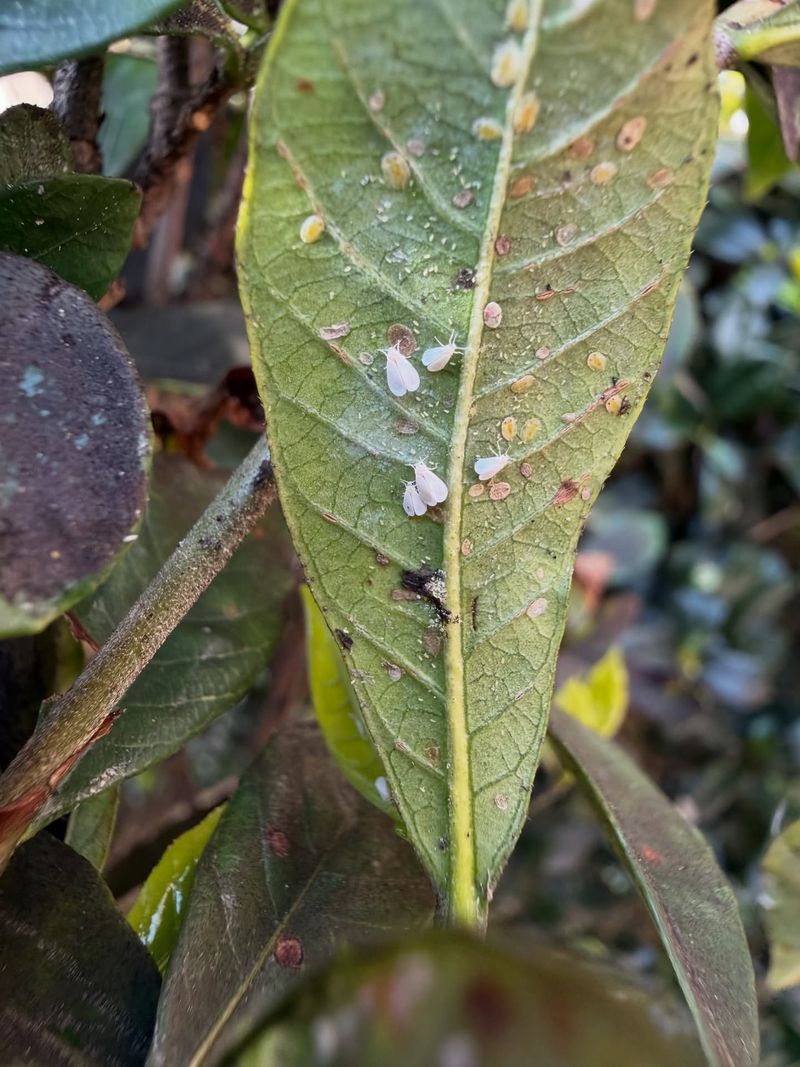
Shake a tomato plant in June and a cloud of tiny white insects might fly up in your face. That is the whitefly, and once they settle into your garden, getting rid of them takes real patience.
Whiteflies are not true flies despite their name. They are more closely related to aphids and scale insects, and they cause similar damage by feeding on plant sap.
These pests love warm-season plants like tomatoes, peppers, eggplants, and hibiscus, which means Texas gardens in June are basically an all-you-can-eat buffet for them.
Both the adults and their immature nymphs feed on plants, sucking out sap and weakening growth.
Like aphids, they also produce honeydew, which leads to sooty mold and makes plants look grimy and unhealthy.
Yellow sticky traps are one of the most effective tools for monitoring and managing whitefly populations. Hang them near affected plants and check them every few days.
When you see whiteflies showing up on the traps, that is your cue to take action before numbers explode.
Reflective mulch placed on the soil around your plants can confuse whiteflies and discourage them from landing. Insecticidal soap and neem oil both work well when sprayed directly on infested leaves, especially the undersides where whiteflies like to hide.
Try to spray in the early morning or late evening to avoid harming beneficial insects and to prevent leaf burn in the intense Texas heat. Consistent monitoring is your strongest tool here.
5. Leaf-Footed Bug
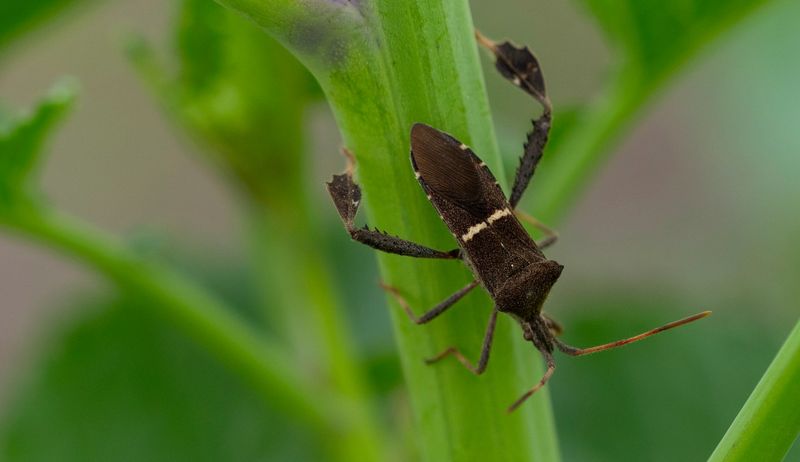
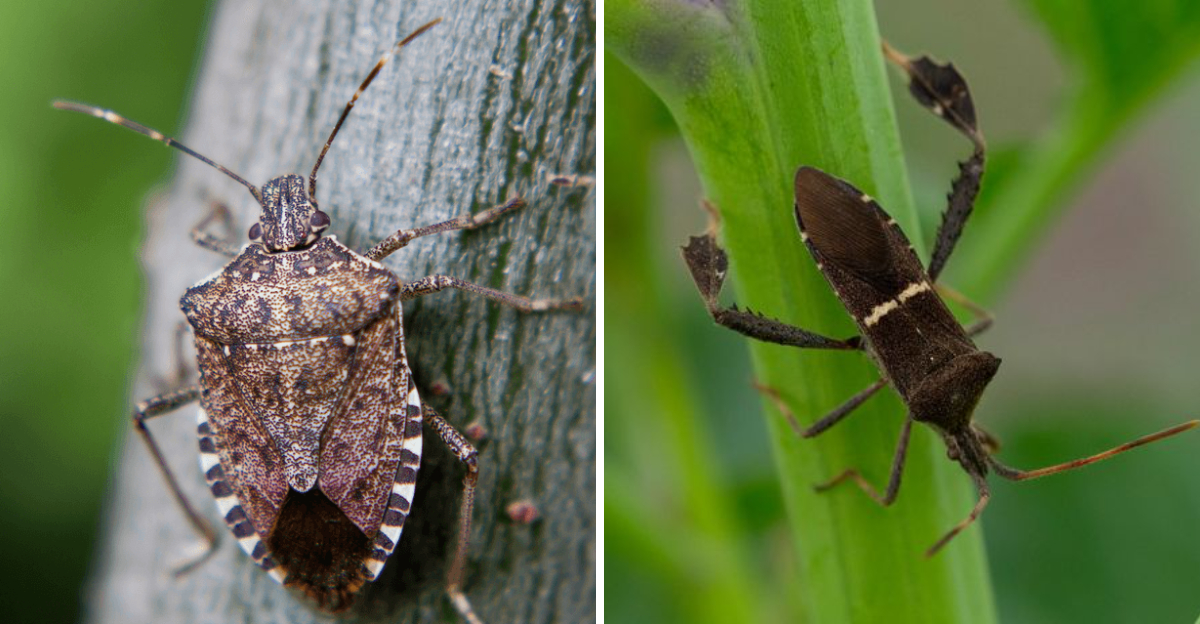
Leaf-footed bugs have a look that makes them easy to identify once you know what to search for. Their back legs have a flat, leaf-shaped section that sticks out on either side, giving them their name.
They are medium to large in size, brownish-gray in color, and they move around your garden with a slow, almost confident swagger that can be pretty annoying to watch.
These bugs are a real problem for Texas gardeners because they attack a wide range of plants including tomatoes, peaches, pomegranates, squash, and even sunflowers. They use their piercing mouthparts to puncture developing fruit and feed on the juices inside.
This causes hard, discolored spots on tomatoes and can make fruit taste bitter or corky in the damaged areas. On peaches and pomegranates, the damage can cause fruit to drop early.
Catching them early in June is key because their populations grow through the summer. Check your plants regularly for clusters of shiny, barrel-shaped eggs lined up neatly in rows along stems and leaves.
Scrape these egg masses off and drop them into soapy water before they hatch. Adult leaf-footed bugs can be handpicked in the early morning when they are slower and less likely to fly away. Wear gloves because they can release an unpleasant odor when disturbed.
Row covers placed over young plants can provide a physical barrier. Kaolin clay spray is another option that makes plants less attractive to these pests without using harsh chemicals.
6. Stink Bug
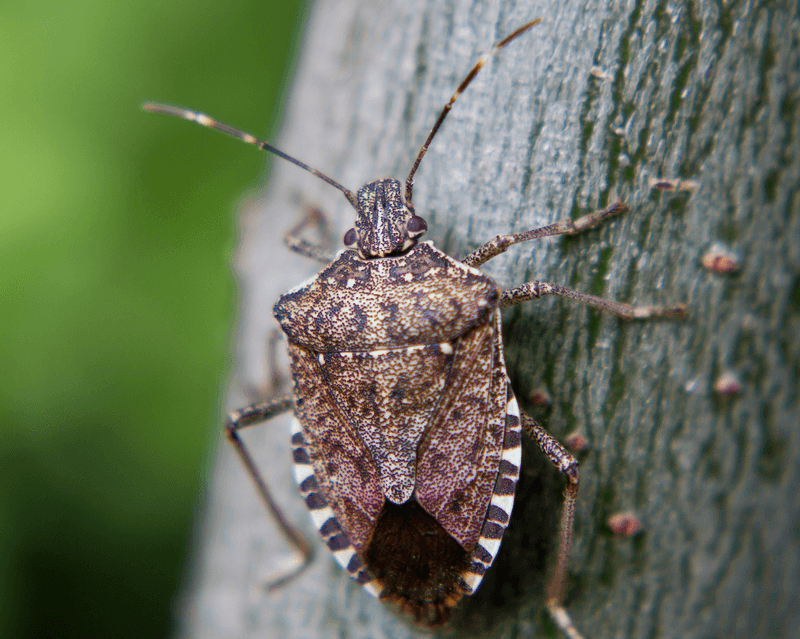
Few garden pests are as frustrating as the stink bug, and not just because of the smell they release when threatened.
These shield-shaped insects are sneaky, resilient, and capable of ruining a surprising amount of fruit and vegetables before you even notice they are there. In Texas, June marks the start of their most active season.
Stink bugs use a needle-like beak to pierce the skin of fruits and vegetables and feed on the juices inside. The damage they leave behind looks like sunken, discolored spots or cloudy patches under the skin of tomatoes and peppers.
On beans and okra, feeding causes distorted pods. The inside of affected fruit often has a pithy, off-flavor texture that makes it unpleasant to eat.
They are attracted to a wide range of plants and can move from weeds and wild areas right into your garden.
Walking through your garden in the early morning gives you the best chance of spotting them before they become too active. Check the undersides of leaves and around developing fruit where they like to hide.
Handpicking is effective but requires care since disturbing them causes that famous stink. Use a jar of soapy water and knock them in rather than grabbing them directly.
Kaolin clay and neem oil sprays can deter feeding. Keeping weeds and tall grasses around your garden trimmed back reduces the hiding spots and travel corridors stink bugs use to move into your planting areas throughout the season.
7. Squash Vine Borer
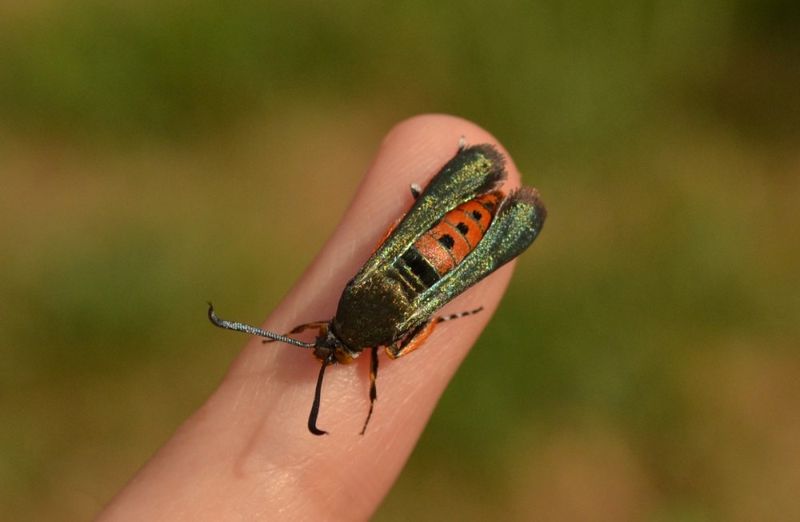
Squash vine borers are one of those pests that seem to appear out of nowhere and cause chaos almost overnight. One day your squash or pumpkin plant looks perfectly healthy, and the next day it is wilting dramatically despite being well-watered.
That sudden collapse is a classic sign that a squash vine borer larva has been tunneling through the main stem, cutting off the flow of water and nutrients to the rest of the plant.
The adult is actually a moth that looks a bit like a wasp, with orange and black markings on its body. It lays flat, reddish-brown eggs at the base of squash stems in June.
The eggs are tiny and easy to miss, but finding and removing them before they hatch is one of the most effective ways to protect your plants. Check the base of your squash plants every few days starting in early June.
Once the larvae are inside the stem, options get trickier. You can try slitting the stem lengthwise, removing the larva, and then burying that section of stem under moist soil to encourage new root growth.
It sounds dramatic, but it sometimes works surprisingly well. Covering young squash plants with row covers until they start flowering can prevent the adult moths from laying eggs in the first place.
Wrapping the base of stems in aluminum foil is another trick that some gardeners swear by. Planting a second round of squash in late June can also give you a backup crop if your first planting gets hit hard.