What It Really Means When A Fox Shows Up In Your Texas Yard
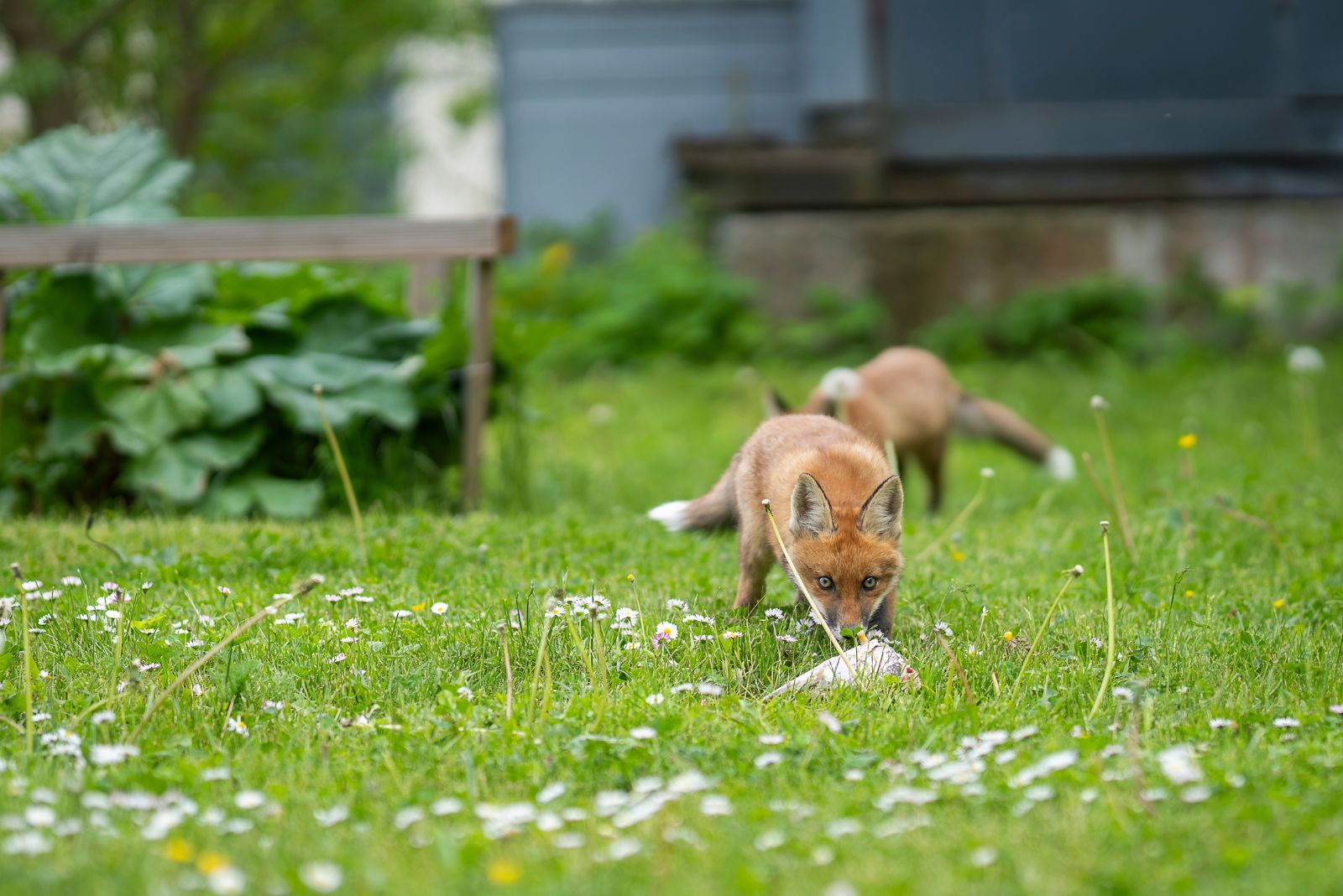
Spotting a fox in a Texas yard tends to produce one of two reactions, quiet amazement or quiet alarm, and both are understandable.
Foxes are striking animals, and seeing one up close in a residential setting raises questions that most homeowners are not sure how to answer. Is it healthy? Is it a problem?
Does it mean something about the neighborhood or the yard itself? In most cases the appearance of a fox tells a specific story about the local habitat and what your property is offering, and it is a less alarming story than many people assume.
Gray foxes and red foxes both move through Texas neighborhoods more regularly than most residents realize, and their behavior and timing during a visit usually reveals quite a bit about what is drawing them in.
Understanding what a fox sighting actually means, and when if ever it warrants concern, gives a much clearer picture than the initial reaction usually provides.
1. Your Yard Has Plenty Of Food Nearby
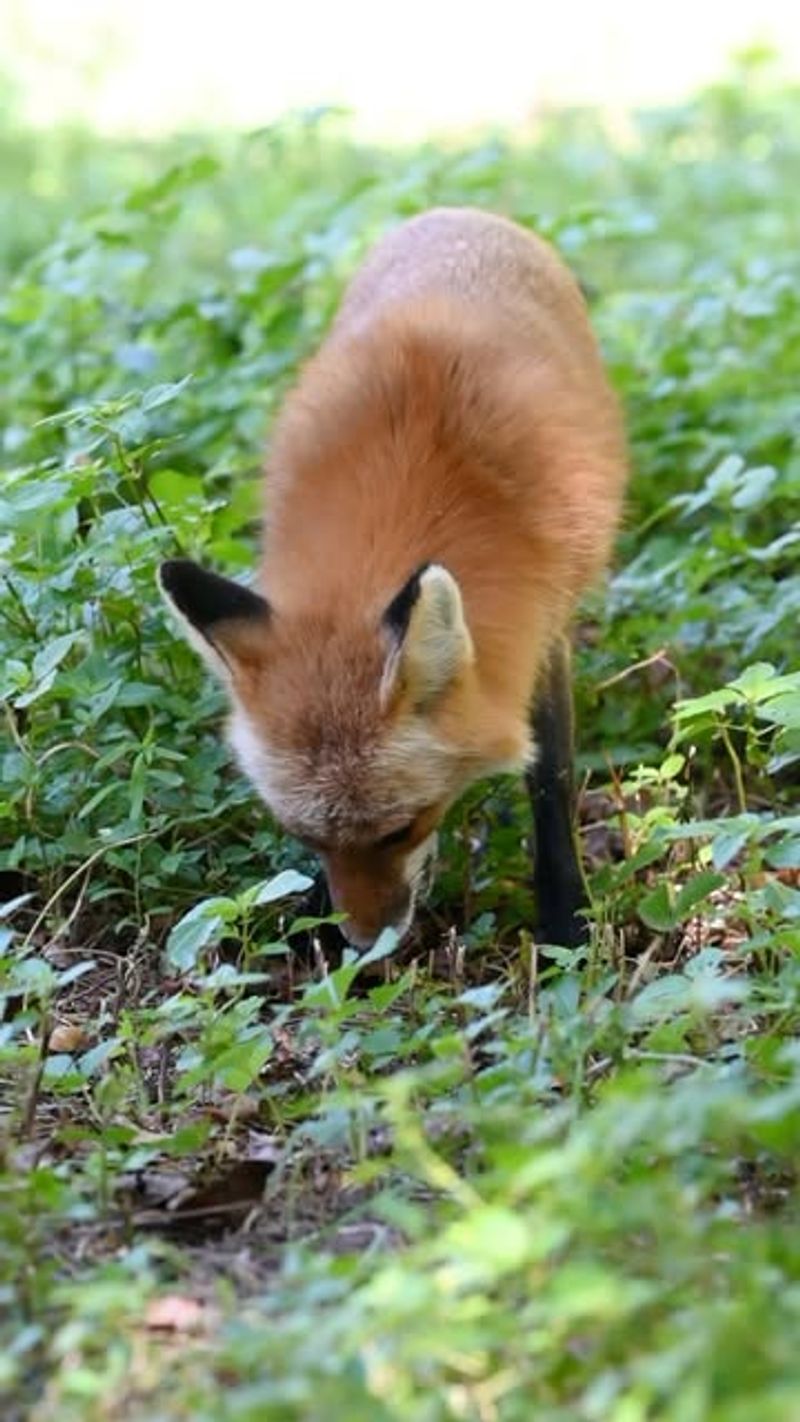
Foxes are practical animals. When food is easy to find, they follow it without hesitation. If one showed up in your yard, there is a good chance your space is offering something worth stopping for.
Rodents like mice and rats are a top food source for foxes. But that is not all. Fallen fruit from trees, unsecured pet food left outside, birdseed scattered on the ground, and even large insects can all attract a hungry fox.
Rabbits living under your deck or in your garden beds are also a major draw. Texas yards, especially those with mature trees, gardens, or compost piles, tend to support a surprising amount of wildlife lower on the food chain. Foxes notice this quickly.
They have sharp noses and excellent hearing, so even a single mouse hiding under your porch could bring one sniffing around.
If you want fewer fox visits, reducing food attractants is the most effective first step. Bring in pet food bowls at night.
Pick up fallen fruit regularly. Use squirrel-proof feeders or move birdseed off the ground. Seal gaps under porches and sheds where rodents might nest.
Doing these things removes the invitation. Foxes are opportunists, not troublemakers. Once the easy meals disappear from your yard, they will naturally shift their attention elsewhere.
Think of their visit as a helpful signal that your yard is supporting a lively little ecosystem worth paying attention to.
2. You Live Near Good Wildlife Habitat

Location matters a lot when it comes to fox activity. Texas is home to both red foxes and gray foxes, and both species thrive in areas where natural habitat is close by. If a fox wandered into your yard, your neighborhood is probably near something wild.
Creek corridors are a big one. In Texas, these strips of trees and brush along waterways act like highways for wildlife.
Foxes use them to travel between hunting areas while staying hidden from roads and people. Undeveloped fields, wooded lots, and parks tucked into suburban areas also serve as home base for local fox populations.
Your Texas Garden Changes Every Week. Your Plan Should Too.
Gardening in Texas changes quickly throughout the season. Every Friday you’ll receive a simple weekly plan showing exactly what to plant, prune, fertilize, harvest, and protect so you never miss the right timing.
Gray foxes in particular are comfortable in dense, brushy terrain. They can even climb trees, which makes wooded Texas neighborhoods especially appealing to them.
Red foxes tend to prefer open edges where fields meet forests, which is common across much of Central and East Texas.
Living near good habitat is actually something to feel proud of. It means your area still supports native wildlife.
Many Texas communities have worked hard to preserve green space, and foxes are one sign that those efforts are paying off.
You do not need to do anything special just because a fox passed through. Simply knowing that natural corridors exist near your home helps explain why wildlife shows up from time to time.
Foxes are just following the landscape they have always known, and your yard happened to fall along the route.
3. The Fox May Be Hunting Mice And Rats
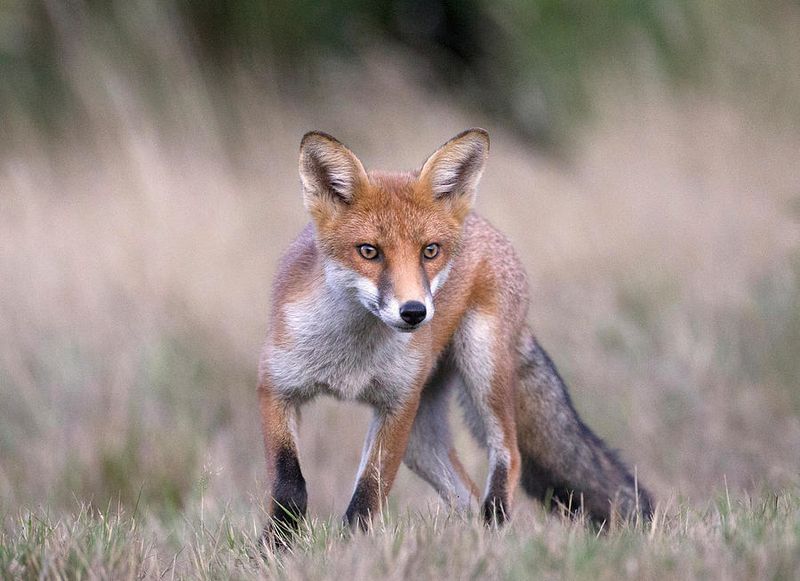
Picture this: a fox freezes suddenly in your yard, tilts its head, then leaps straight into the air and dives nose-first into the grass. That is called mousing, and it is one of the coolest hunting moves in the animal kingdom.
If you catch a fox doing this in your yard, congratulations, you just watched a natural pest control expert at work.
Foxes are incredibly skilled rodent hunters. Their hearing is so precise they can detect a mouse moving under six inches of snow or soil.
In Texas, where warm weather keeps rodent populations active almost year-round, foxes stay busy hunting throughout every season.
Mice, rats, voles, and similar small animals make up a big part of a fox’s regular meals. This makes foxes genuinely useful neighbors.
One fox can consume hundreds of rodents over the course of a year. That is fewer mice chewing through your garden, your garage walls, or your compost bin.
Many Texas homeowners who initially worried about a fox in the yard later realized the fox was doing them a favor. Rodent problems quietly decreased after regular fox sightings.
It is a natural balance that has worked for thousands of years. Rather than chasing the fox away immediately, consider watching from a safe distance for a few minutes. You might witness the full hunting sequence.
It is a reminder that wildlife plays a real and helpful role in keeping neighborhood ecosystems balanced and functioning well.
4. There Could Be A Den Nearby
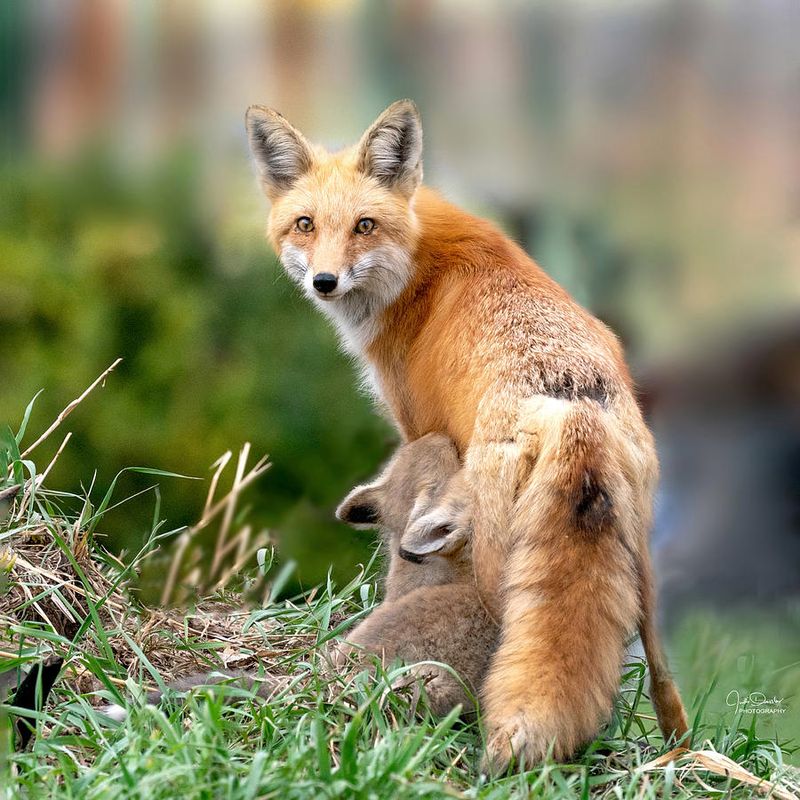
Spring and early summer bring one of the most magical wildlife moments possible in Texas: fox kits.
If you are seeing a fox more regularly during these months, especially in the morning or evening, there is a real chance a den is tucked somewhere close to your property.
Foxes typically give birth between February and April in Texas. The mother, called a vixen, chooses sheltered spots for her den.
Common locations include under sheds, decks, brush piles, fallen logs, or in abandoned burrows dug by other animals. The den needs to be quiet, hidden, and close to food.
Adult foxes with young kits nearby will make more frequent trips through the surrounding area. They are hunting constantly to feed their growing family.
Seeing a fox multiple times a week near your yard during spring is a strong hint that a den is within a short distance.
If you suspect a den under your shed or deck, stay calm and avoid disturbing it. The family will typically move on naturally once the kits are old enough to travel, usually by late summer.
Sealing the area after they leave is a smart way to prevent future denning. Watching a fox family from a respectful distance is an experience many Texans remember for years.
The kits are playful and curious, tumbling over each other while the adults keep watch. It is a rare and genuinely special glimpse into wild family life happening just steps from your back door.
5. A Healthy Fox Usually Wants To Avoid You
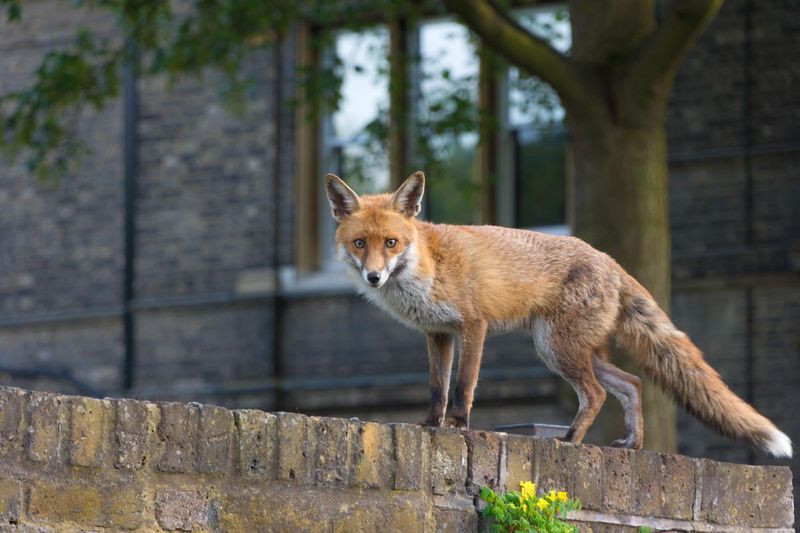
Most people imagine foxes as bold or sneaky animals, but the truth is almost the opposite. A healthy fox is naturally wary of humans and prefers to keep its distance.
That quick glance it gave you before trotting away? That is exactly the behavior you want to see.
Wild foxes that have had little contact with people tend to startle easily. They may freeze when they spot you, then quietly slip away through a fence gap or into nearby brush.
This cautious behavior is a great sign. It means the fox has not been fed by people and has not lost its natural instinct to stay clear of human activity.
Foxes that seem overly bold, stumble around, or approach people without hesitation are a different story. That kind of unusual behavior can sometimes signal illness, though it is worth noting that not every bold fox is sick.
Some young foxes are simply curious and inexperienced. Still, keeping your distance from any fox that acts strangely is always the right move.
Never feed a wild fox. Feeding them breaks down their natural caution and can create problems for both the fox and your neighbors.
A fox that expects food from humans quickly becomes a nuisance and may lose the survival skills it needs.
If a healthy fox passes through your yard, simply enjoy the sighting from inside or at a respectful distance. Give it space, stay quiet, and it will move along on its own without any drama or conflict.
6. It Doesn’t Mean Your Yard Has A Problem
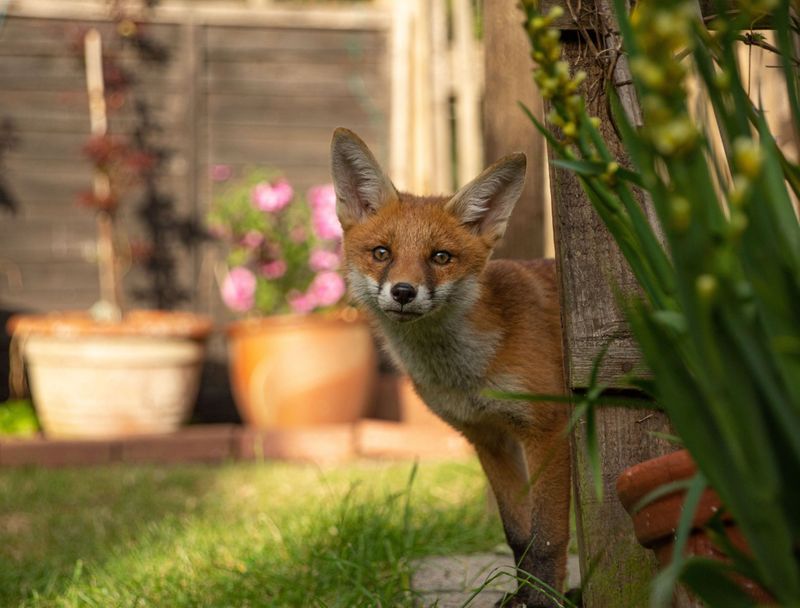
Finding a fox in your yard does not mean something is wrong. No alarm needs to go off. Your yard is not broken, dangerous, or overrun with wildlife. In most cases, a fox is simply passing through its normal territory, which can cover several miles in a single night.
Foxes are wide-ranging animals. Their home range in Texas can stretch anywhere from one to five miles depending on food availability and habitat.
Your yard might sit right in the middle of a route a fox has been using for months without you ever noticing. One visible sighting does not mean a sudden invasion.
Many homeowners assume that seeing a fox means their yard needs to be fixed or cleaned up. But foxes visit perfectly tidy yards just as often as messy ones. They are following smells, sounds, and instinct, not judging your landscaping choices.
Foxes are a native part of Texas wildlife. Seeing one is actually a sign that your local ecosystem has enough diversity and green space to support a healthy predator. That is something worth appreciating rather than worrying about.
If the fox was a one-time visitor, it may never return. If it comes back occasionally, simple steps like securing food sources and closing off den-friendly spaces under structures will usually keep things peaceful.
Living alongside urban and suburban wildlife in Texas is genuinely possible with just a little knowledge and a calm, informed perspective on what a fox visit actually means.