These Texas Yard Habits Are Quietly Destroying Your Lightning Bug Population

Lightning bug numbers have been dropping across Texas for years, and while habitat loss and light pollution get most of the blame, what happens in individual yards contributes more to the decline than most homeowners realize.
The habits that quietly work against lightning bugs are not dramatic or obviously destructive.
They are ordinary parts of yard maintenance that seem completely harmless on the surface but interfere with the lightning bug life cycle at multiple stages.
These insects need specific conditions to breed, feed, and survive through the seasons, and the way most Texas yards are managed right now disrupts those conditions in ways that add up over time.
The encouraging part is that the damage is reversible. Small adjustments to everyday yard habits can make a real difference, and some of them actually reduce the amount of work you are doing rather than adding to it.
If your yard used to have more lightning bugs than it does now, this is worth reading closely.
1. Keeping The Lawn Too Short

Picture a perfectly manicured lawn, trimmed down to nearly nothing, with every blade of grass cut as low as possible. It looks tidy, but for lightning bugs, that kind of yard is basically uninhabitable.
Lightning bugs depend on taller grass and low-growing vegetation to survive, and when that gets cut away, they have nowhere left to go.
During the day, adult lightning bugs rest in grass and low plants to stay cool and hidden from predators. If the grass is too short, they have no shelter.
Females also need taller grass to lay their eggs close to the soil. Without that cover, egg-laying becomes nearly impossible, and the next generation of lightning bugs never gets a chance to hatch.
Mowing too frequently also disturbs the ground layer where larvae live and feed. Lightning bug larvae spend months in the soil and leaf litter, slowly growing before they ever flash a single light.
Cutting the grass too often and too short can disrupt that process and reduce how many adults emerge the following season.
An easy fix is to simply raise your mower blade a few inches. Letting grass grow a little taller, especially along fence lines, garden edges, or back corners of the yard, creates the kind of habitat lightning bugs need.
You do not have to let your entire yard go wild. Even small patches of slightly taller grass can make a real difference.
Giving lightning bugs just a little breathing room goes a long way toward keeping them coming back year after year.
2. Using Broad-Spectrum Insecticides
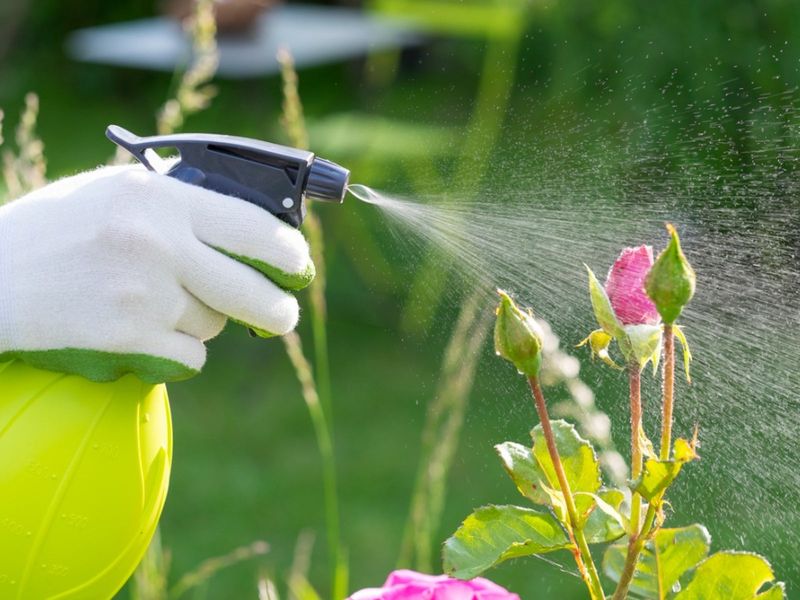
Most people grab a can of bug spray without thinking twice about what else it might affect. Broad-spectrum insecticides are designed to wipe out a wide range of insects fast.
The problem is they do not stop at the pests you are trying to get rid of. Lightning bugs end up caught in the crossfire, and their populations take a serious hit every time these products are used.
Your Texas Garden Changes Every Week. Your Plan Should Too.
Gardening in Texas changes quickly throughout the season. Every Friday you’ll receive a simple weekly plan showing exactly what to plant, prune, fertilize, harvest, and protect so you never miss the right timing.
Lightning bugs are insects, just like mosquitoes or aphids. When a broad-spectrum spray is applied to a yard, it coats leaves, soil, and grass with chemicals that can be harmful to nearly any insect that comes into contact with them.
Adult lightning bugs that land on treated plants can absorb those chemicals through their bodies. Larvae living in the soil can be exposed when runoff carries the product downward.
Even products that are marketed as safe for gardens can be problematic. Pyrethrin-based sprays, for example, are commonly used in organic gardening but are still highly toxic to all insects, including lightning bugs.
Just because something is natural does not mean it is harmless to beneficial insects. Switching to targeted pest control methods can help protect lightning bugs while still managing problem insects.
Sticky traps, neem oil applied carefully to specific plants, or introducing natural predators like ladybugs can reduce pest damage without blanket chemical coverage.
If you do use a spray, try to apply it only to the affected area and avoid spraying during evening hours when lightning bugs are most active. Small changes in how and when you treat your yard can have a surprisingly big impact on firefly survival.
3. Removing Every Leaf And Twig From The Yard

Raking up every single leaf and hauling away every fallen twig might feel like good yard maintenance, but it is one of the most underrated threats to lightning bug populations. That layer of natural debris on the ground is not just clutter.
For lightning bug larvae, it is home, food, and protection all rolled into one. Lightning bug larvae hatch in late summer or fall and spend the next several months living in moist organic matter near the soil surface.
They feed on small invertebrates, snails, and worms that also live in leaf litter. Without that layer of decaying leaves and natural debris, the larvae have no food source and no moisture, and they cannot survive long enough to reach adulthood.
Leaf litter also acts like a natural blanket over the soil, keeping it moist and cool during Texas winters. When that layer is removed, the ground dries out faster and temperatures fluctuate more dramatically.
Lightning bug larvae are sensitive to those changes, and a harsh, exposed winter can significantly reduce how many survive until spring.
You do not have to leave your yard looking completely unkept. Instead, try leaving leaves in garden beds, under shrubs, or in a back corner of the yard.
Mulching leaves with a mower instead of bagging them is another great option. The shredded pieces break down faster and still provide habitat.
Even a small leaf pile tucked along a fence or under a tree can support a surprising number of larvae. Keeping some natural messiness in your yard is one of the simplest ways to help lightning bugs thrive season after season.
4. Leaving Outdoor Lights On All Night

There is something almost poetic about the fact that our love of outdoor lighting might be dimming the natural light show lightning bugs put on every summer.
Leaving porch lights, flood lights, and decorative string lights on all night long is one of the most common habits in Texas yards, and it creates a serious problem for fireflies trying to find a mate.
Lightning bugs communicate through flashing light. Males fly through the air producing specific flash patterns, and females waiting in the grass flash back in response.
Each species has its own unique signal. When artificial lights flood the yard all night, those signals get lost in the glare.
Males cannot see female responses, females cannot distinguish male flashes from background light, and mating simply does not happen.
Over time, this leads to fewer eggs being laid and fewer adults emerging the following season. Studies have shown that firefly populations near brightly lit areas tend to be significantly smaller than those in darker environments.
Light pollution is considered one of the growing threats to firefly numbers across the country, and Texas is no exception.
Fortunately, fixing this problem is straightforward. Put outdoor lights on timers so they shut off by 10 or 11 p.m.
Use motion-activated lights instead of ones that stay on all night. Switch to amber or warm-toned bulbs, which are less disruptive to insects than bright white or blue-toned LEDs.
Turning off unnecessary lights during peak firefly season, which runs from late spring through midsummer in most of Texas, gives lightning bugs the darkness they need to communicate, mate, and keep their populations strong.
5. Eliminating Damp Areas Completely
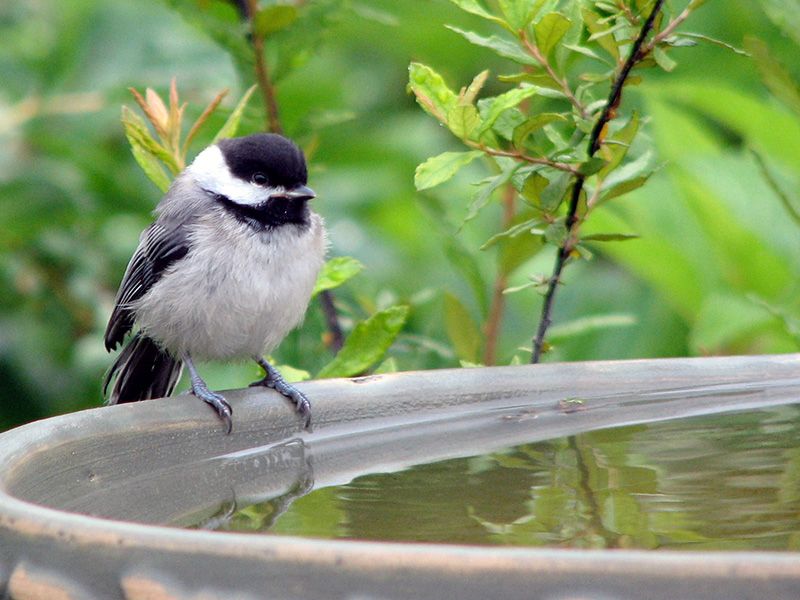
Walk through a Texas summer and you quickly learn how relentless the heat and dryness can get. Many homeowners respond by draining low spots, filling in wet areas, and doing everything possible to keep the yard dry and firm underfoot.
That is completely understandable, but it comes at a cost for lightning bugs, which genuinely need some level of moisture to survive.
Humidity and damp environments are not just preferences for fireflies. They are requirements.
Adult lightning bugs are most active on warm, humid nights. Larvae need moist soil to move through as they hunt for food.
Even eggs need a certain level of ground moisture to develop properly. A yard that has been completely dried out and drained offers very little in the way of suitable habitat for any stage of the lightning bug life cycle.
Low-lying areas that collect water after rain, shaded spots under trees, and areas near garden hoses or birdbaths naturally create the kind of humidity that lightning bugs are drawn to.
When those areas are eliminated, fireflies have fewer reasons to stay in or return to your yard.
You do not need a swamp to attract lightning bugs. A simple birdbath, a small garden pond, or even a consistently watered garden bed can create enough local humidity to make a difference.
Leaving a naturally shaded low spot in your yard intact rather than filling it in is another easy option. Planting native shrubs and trees that create shade also helps retain soil moisture during hot Texas summers.
Small, intentional choices about water and shade can turn a dry yard into a much more welcoming environment for these glowing nighttime visitors.
6. Replacing Diverse Plantings With Large Areas Of Turf
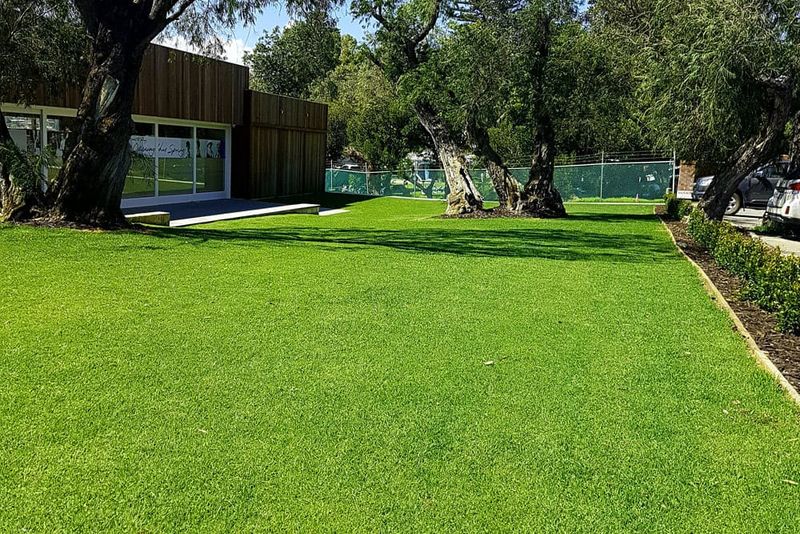
Somewhere along the way, the idea of a perfect yard became synonymous with wall-to-wall turf grass. Clean, uniform, and easy to maintain, a full turf lawn looks neat and organized.
But from a lightning bug’s perspective, it is about as welcoming as a parking lot. Replacing diverse plantings with large stretches of monoculture lawn removes nearly everything that fireflies need to survive.
Native plants, shrubs, wildflowers, and natural garden beds create a layered environment with varying heights, textures, and moisture levels. That complexity supports not just lightning bugs but also the small insects, snails, and worms that lightning bug larvae feed on.
A yard full of only one type of grass offers none of that variety. The food web collapses, and so does the firefly population.
Native Texas plants like beautyberry, turk’s cap, and native grasses such as Gulf muhly create ideal conditions for lightning bugs. These plants provide resting spots for adults, ground cover for larvae, and natural humidity near the soil.
They also attract the kind of biodiversity that makes a yard a functioning little ecosystem rather than just a flat green surface.
Converting even a small section of turf into a native plant garden can make a noticeable difference.
A garden bed along a fence, a cluster of native shrubs near a corner, or a strip of wildflowers along a walkway all add the kind of habitat diversity that lightning bugs respond to.
You do not have to give up your lawn entirely. Adding variety at the edges and in unused corners is enough to start bringing fireflies back. A little wildness goes a very long way.