The Wildfire-Resistant Plants Oregon Homeowners Are Planting Around Their Homes Right Now
Wildfire season makes every planting choice feel more important. Around Oregon homes, the best plants are not just pretty.
They can also help create a cleaner, safer space when they are placed and maintained well. Firewise landscaping starts with smart choices near the house, especially in dry areas, windy spots, and slopes that heat up fast.
Plants with high moisture, open growth, and low resin are usually better than dense, oily, or twiggy options. That does not mean your yard has to look bare.
Many Oregon friendly plants can bring flowers, texture, and structure while fitting a safer landscape plan. Spacing still matters.
So does pruning, cleanup, and keeping leaves away from walls and gutters. Choose plants with care now, and your home’s edge can look beautiful while being better prepared for hot, dry weather.
1. Yarrow Stays Low And Handles Dry Oregon Summers
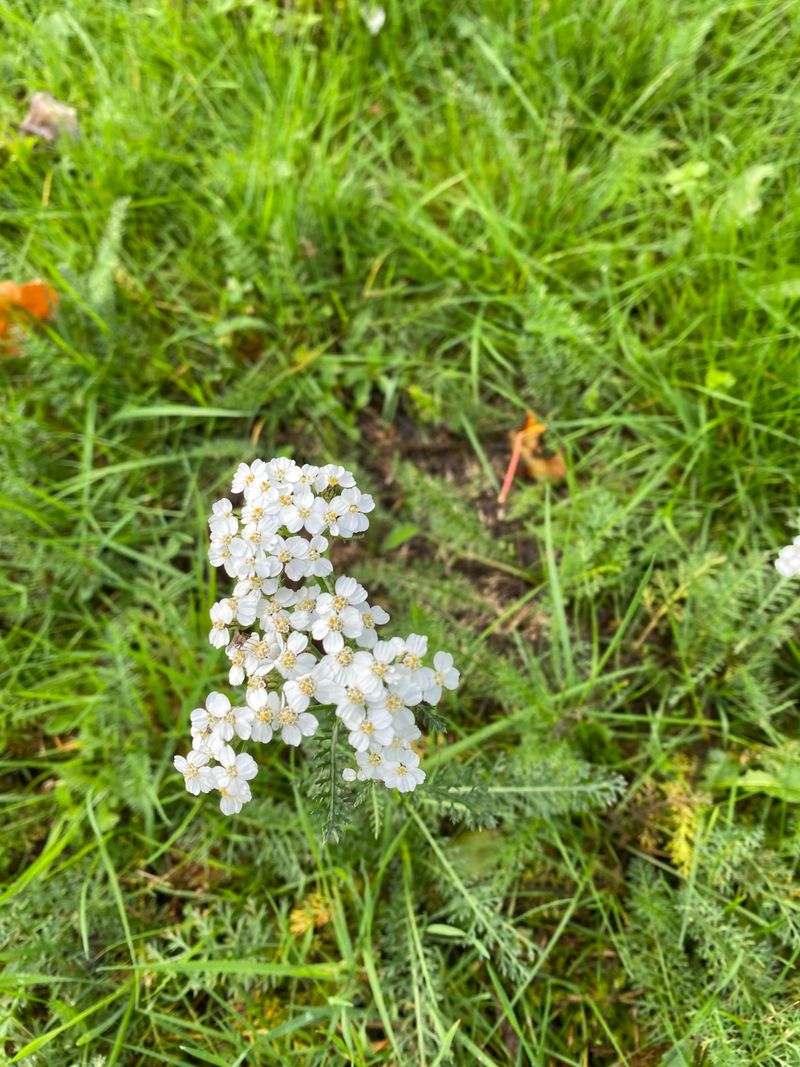
Few plants earn their keep as quickly as yarrow does in a fire-prone yard. It spreads low across the ground, forms dense mats, and holds up through weeks of dry summer heat without much help from a garden hose.
That combination makes it one of the most talked-about fire-wise plants in our state right now. Yarrow belongs to the genus Achillea, and it has a long history of being tough.
It grows naturally in dry meadows and rocky hillsides, so it already knows how to handle conditions that would stress most garden plants.
Its feathery leaves stay relatively moist compared to other drought-tolerant plants, which means they are less likely to catch and carry a flame quickly.
Homeowners love it because it comes in a wide range of colors, from bright yellow to soft white and deep red.
It works well along driveways, pathways, and the edges of lawns where you want something attractive but low-maintenance.
Planting it in well-drained soil and giving it full sun will bring out its best performance. Once established, it needs very little watering.
Cutting it back after it blooms helps keep it tidy and encourages fresh growth. Yarrow also attracts pollinators like bees and butterflies, so you get beauty and wildlife benefits along with the fire resistance.
It is a smart, practical, and genuinely lovely choice for any fire-wise landscape in our region.
2. Oregon Stonecrop Adds Fire-Wise Cover To Hot Edges
There is something almost sculptural about the way Oregon stonecrop hugs a rocky edge or spills over a garden border.
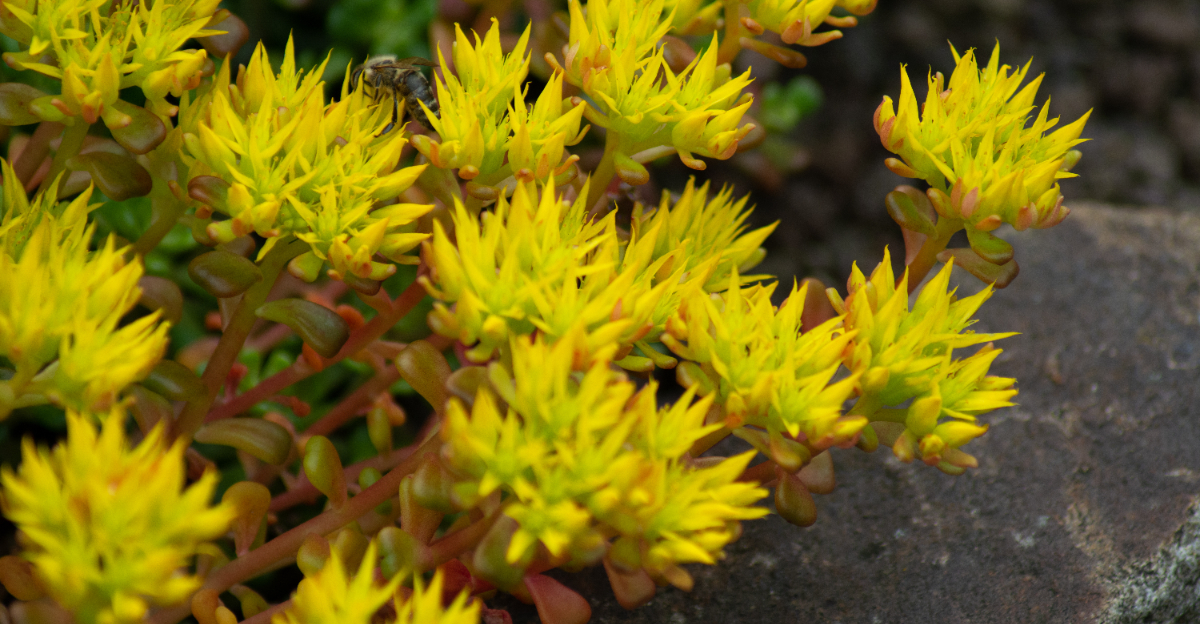
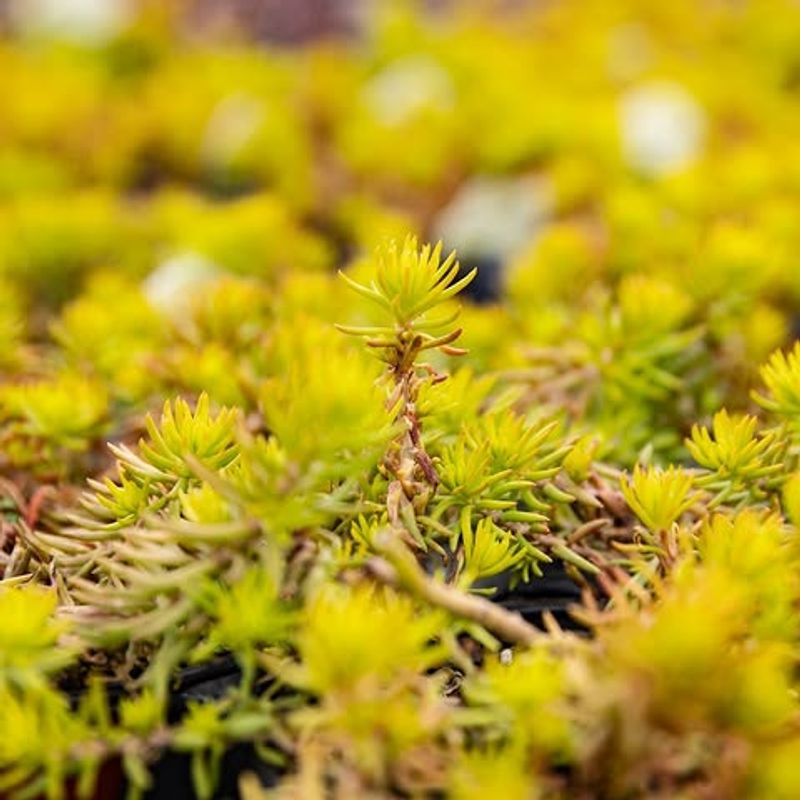
Its small, fleshy leaves store water the way a cactus does, which is exactly why fire safety experts love it.
When surrounding plants dry out and become fuel, stonecrop stays plump and harder to ignite.
Native to our state and much of the Pacific Coast, this plant thrives in the exact conditions that challenge other groundcovers.
Rocky slopes, gravelly soil, and full sun exposure are where it performs best.
Those are also the spots around a home that tend to be the most fire-vulnerable, which makes this plant a natural fit for those high-risk zones.
Stonecrop grows only a few inches tall, so it never becomes a ladder fuel that helps fire climb toward your roofline.
Your Oregon Garden Changes Every Week. Your Plan Should Too.
Gardening in Oregon changes quickly throughout the season. Every Friday you’ll receive a simple weekly plan showing exactly what to plant, prune, fertilize, harvest, and protect so you never miss the right timing.
It spreads slowly but steadily, eventually filling in gaps between rocks and along path edges.
In summer, it produces small yellow flowers that add a cheerful pop of color. The leaves often turn red or bronze in fall, giving the garden seasonal interest without any extra effort.
Planting it alongside gravel mulch and other succulents creates a low-water, fire-resistant zone that looks intentional and polished.
It is one of those plants that rewards you for doing almost nothing, and in a dry summer, that is exactly the kind of plant a smart homeowner wants in the ground.
3. Kinnikinnick Makes A Low Evergreen Groundcover
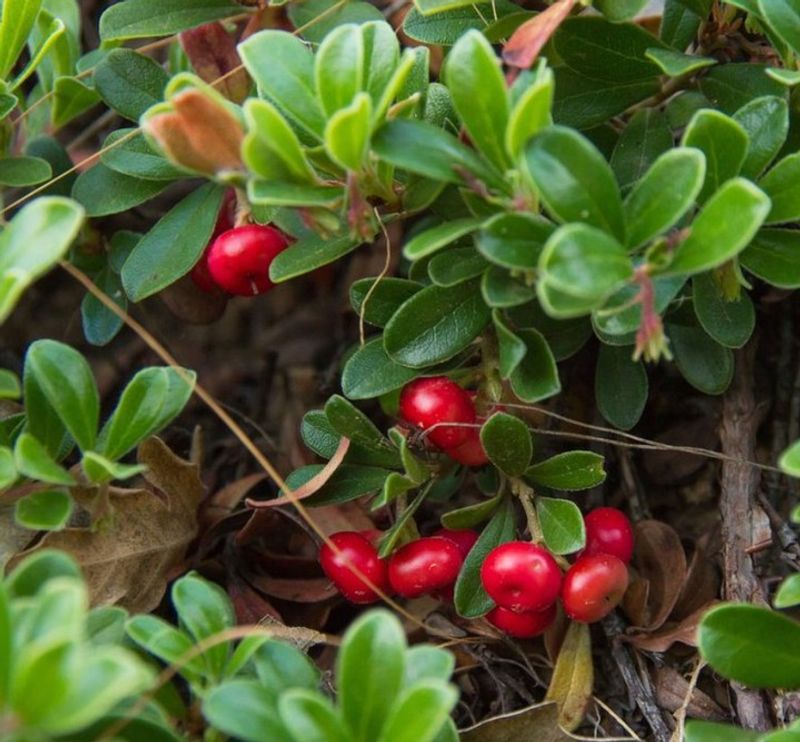
Walk through almost any dry forest in our state and you will likely find kinnikinnick creeping quietly across the ground.
This native evergreen groundcover has been growing in challenging conditions for thousands of years, and it brings that same resilience to home landscapes.
It stays low, spreads wide, and keeps its glossy green leaves year-round.
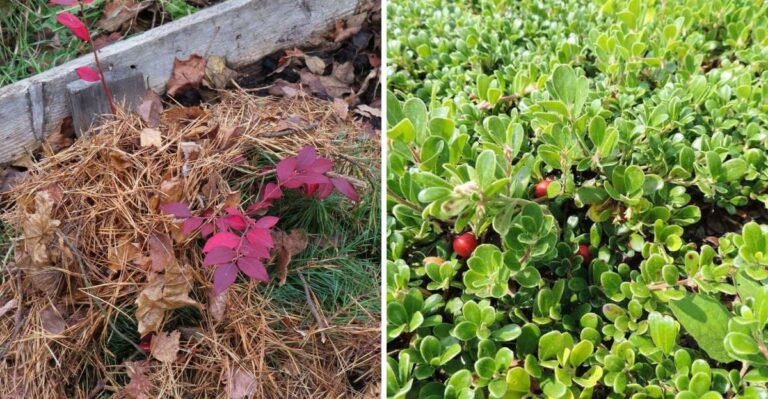
Also known as bearberry, kinnikinnick is a member of the manzanita family. Its leaves are thick and leathery, which means they do not dry out and crumble the way thinner leaves do during fire season.
That moisture retention is one of the key reasons fire-wise landscapers recommend it so often.
It forms a dense carpet that can replace fire-prone grass or wood-chip mulch in vulnerable areas close to the home.
It grows best in well-drained, slightly acidic soil and prefers full sun to partial shade. Once it gets established, it is remarkably low-maintenance.
It does not need fertilizing, and it handles drought without complaint. In spring, it produces tiny pink or white flowers, and by fall, bright red berries appear that birds love.
That wildlife value is a bonus that many homeowners appreciate. Planting it along slopes, under trees, or near the foundation of a house creates a living, fire-resistant layer that looks natural and neat.
For homeowners who want a groundcover that does real fire-protection work while also looking beautiful through every season, kinnikinnick is hard to beat.
4. Creeping Oregon Grape Works Better Than Dense Woody Shrubs
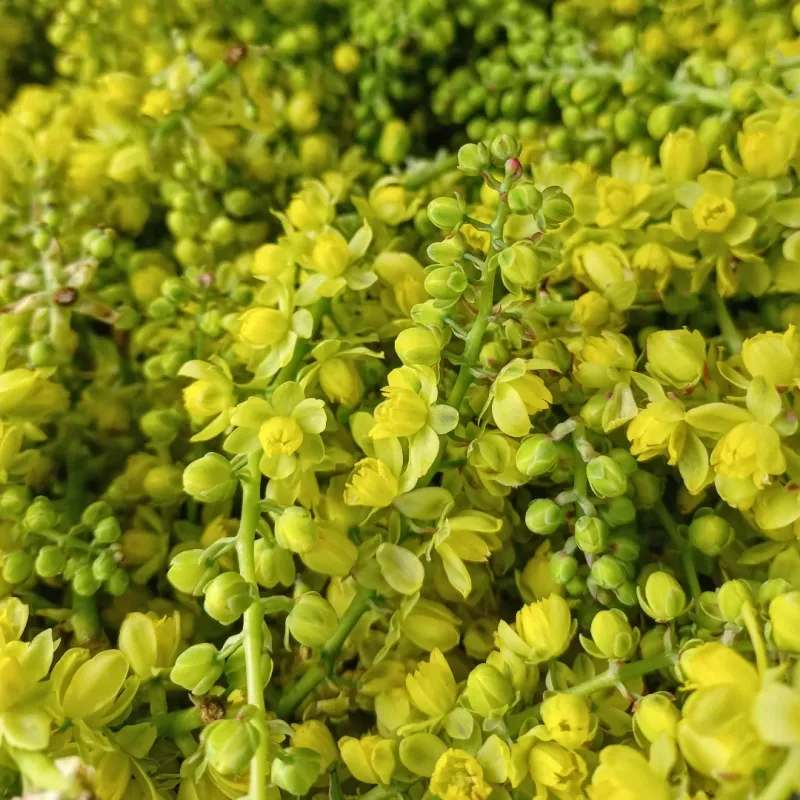
Most people know the tall Oregon grape as a landscape staple, but its low-growing cousin is quietly becoming the smarter choice for fire-wise yards.
Creeping Oregon grape stays close to the ground and never builds up the dense, dry woody mass that makes taller shrubs so dangerous during fire season.
It gives you the bold, evergreen look without the extra fuel load.
Native to western North America, this plant is well adapted to the dry summers and wet winters that define our state’s climate.
Its leathery, holly-like leaves hold up through heat and drought, and they do not become tinder the way the thin, papery leaves of ornamental shrubs sometimes do.
The plant spreads by underground stems, gradually filling in areas where you want consistent, low coverage.
In early spring, clusters of bright yellow flowers appear and attract native bees before most other plants have even started blooming. By late summer, dark blue berries follow, and birds flock to them eagerly.
The plant grows well in partial shade, which makes it useful under trees and along the shaded north sides of homes where other fire-resistant options struggle.
It tolerates poor soil and rarely needs supplemental water once it is settled in.
Homeowners who have replaced tall, overgrown foundation shrubs with creeping Oregon grape often say the yard looks cleaner, feels more open, and requires far less maintenance.
5. Sedum Holds Moisture In Its Fleshy Leaves
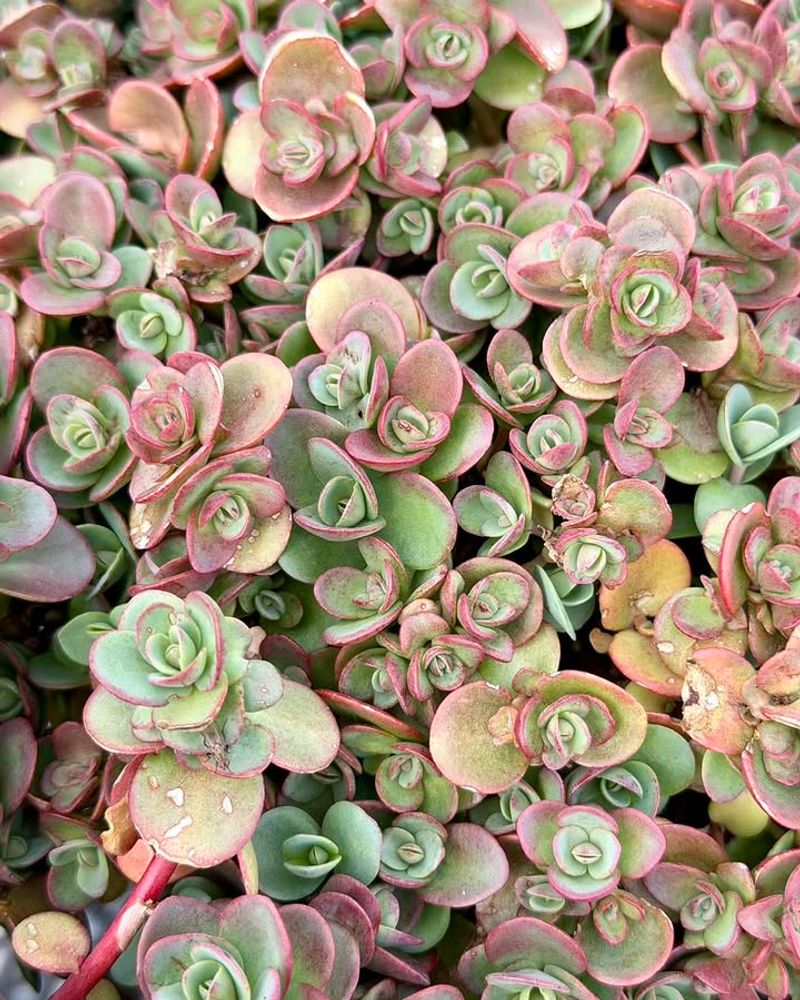
Succulents have had a big moment in recent years, but sedum is more than just a trendy garden plant. It is a serious fire-wise tool.
The thick, water-storing leaves that give sedum its distinctive look are exactly what make it slow to catch and carry a flame.
During the driest weeks of summer, sedum stays fleshy and moist while everything around it turns crispy.
There are dozens of sedum varieties available, and most of them do well in our state’s climate.
Low-growing sedums like Sedum spurium and Sedum acre spread fast, stay under six inches, and cover dry bare soil near homes.
Taller varieties like Sedum spectabile work well as border plants and add bold fall color.
Planting sedum in full sun and fast-draining soil brings out its best qualities. It does not like wet feet, so raised beds and rocky slopes are ideal spots.
Once it is established, you can basically forget about it. No regular watering, no pruning, and no fertilizing required.
It handles neglect with grace and rewards patience with steady, attractive growth. Mixing different sedum varieties together creates a layered, textured look that feels intentional and polished.
Many homeowners are now using sedum as a lawn replacement in sunny, south-facing areas where grass struggles and fire risk tends to be highest around the home.
6. Coral Bells Bring Low Foliage Near Shaded Entries
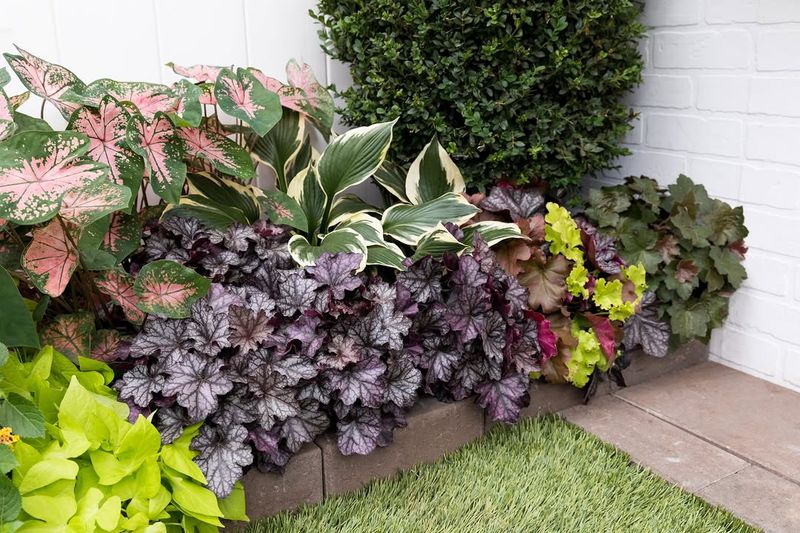
Shaded entryways and north-facing beds often get overlooked in fire-wise landscaping plans, but they matter just as much as sunny slopes. Coral bells are one of the best options for those spots.
Their broad, low-growing leaves form a dense rosette that stays close to the ground and resists drying out, even in the warmer parts of late summer.
Heuchera, as it is formally known, is a North American native that has been bred into dozens of stunning varieties. Leaf colors range from deep burgundy and chocolate brown to bright lime green and silvery purple.
That variety makes it easy to use in both formal and naturalistic garden designs.
The foliage stays relatively moisture-rich compared to many other shade-loving plants, which gives it better fire resistance than ferns or ornamental grasses in similar spots.
Coral bells grow best in partial to full shade with well-drained, humus-rich soil. They do appreciate occasional watering during dry spells, but they are far less thirsty than many flowering perennials.
Planting them close to the house near entry paths creates a welcoming, colorful buffer that also serves a practical safety purpose.
In late spring and early summer, slender stalks rise above the foliage and carry delicate bell-shaped flowers in pink, red, or white, which hummingbirds visit enthusiastically.
For homeowners who want fire-wise choices that also bring genuine charm to the areas closest to their front doors, coral bells are an outstanding and often underused option.
7. Douglas Iris Adds Native Structure Without Heavy Fuel
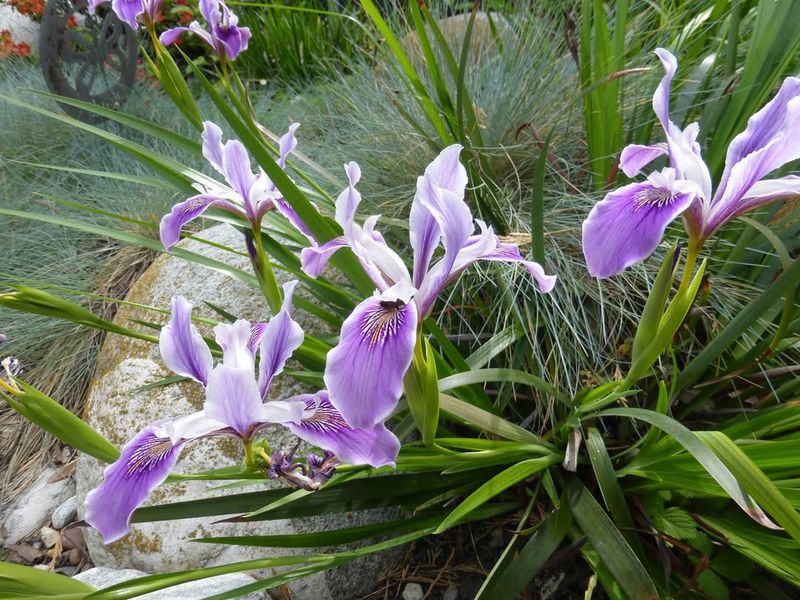
Not every fire-resistant plant has to look utilitarian. Douglas iris brings genuine elegance to the fire-wise garden with its slender, upright leaves and stunning spring blooms.
It is one of the most beautiful native plants our state has to offer, and it happens to check nearly every box on the fire-safety list at the same time.
Native to the coastal ranges and foothills of the Pacific Coast, Douglas iris is naturally adapted to dry summers and rocky, well-drained soils.
Its narrow leaves do not build up the dense, tangled thatch that makes ornamental grasses so risky during fire season.
The foliage stays relatively open and low, which means there is far less combustible material accumulating at the base of the plant over time.
Blooms appear in early to mid-spring and come in a gorgeous range of colors, from deep purple and lavender to creamy white and pale yellow.
After flowering, the plant settles into a tidy clump of green leaves that holds its shape through the summer.
It grows well in full sun to partial shade and handles dry conditions with ease once established. Dividing the clumps every few years keeps them healthy and looking their best.
Mixing Douglas iris with low-growing sedums or kinnikinnick creates a layered native plant palette that is both fire-resistant and visually rich.
Homeowners who want structure, color, and safety in one plant are finding Douglas iris to be a truly rewarding addition to their defensible space plantings.
8. Blue-Eyed Grass Keeps Borders Low And Open
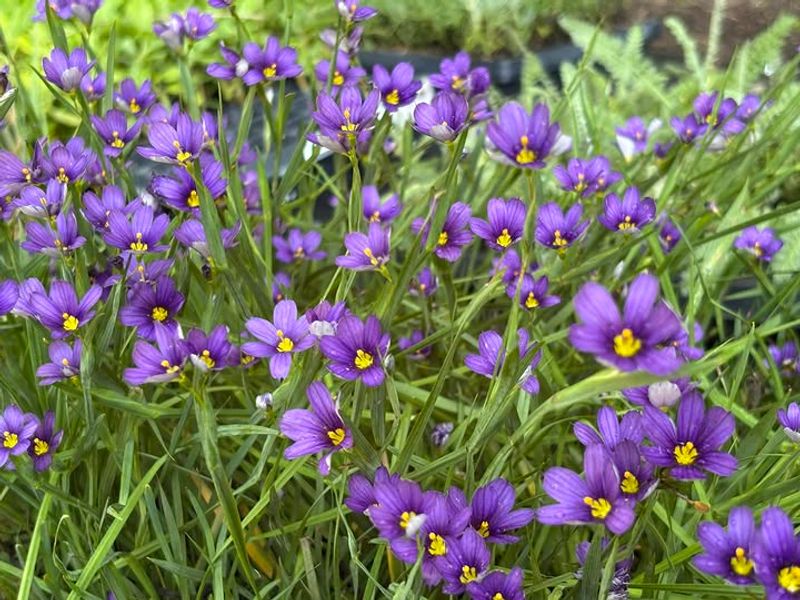
Despite its name, blue-eyed grass is not actually a grass at all. It belongs to the iris family, which already tells you something interesting about it.
The slender, upright leaves look grassy from a distance, but the plant behaves more like a well-mannered perennial.
It forms tidy clumps that never sprawl out of control or build up dangerous dry material at their base.
Fire-wise landscapers appreciate blue-eyed grass because it keeps borders open and airy.
Dense, tangled plantings are risky because they trap dry leaves and create pockets of built-up fuel.vBlue-eyed grass avoids that problem entirely.
Its upright form and modest size, usually under twelve inches tall, allow air to move through the planting freely, which reduces the accumulation of dry debris.
In spring and early summer, tiny violet-blue flowers with yellow centers appear at the tips of the stems. They are small but incredibly cheerful, and they attract native bees reliably.
The plant grows naturally in meadows and open woodlands throughout the Pacific Coast, so it is already well-suited to our climate without much intervention from the gardener.
It performs best in full sun with well-drained soil and needs very little water once it settles in.
Use it along paths, driveway edges, and bed borders for a clean, fire-resistant look that needs very little care through long dry summers.