The Meaning Behind Seeing A Mourning Dove In Your Texas Yard
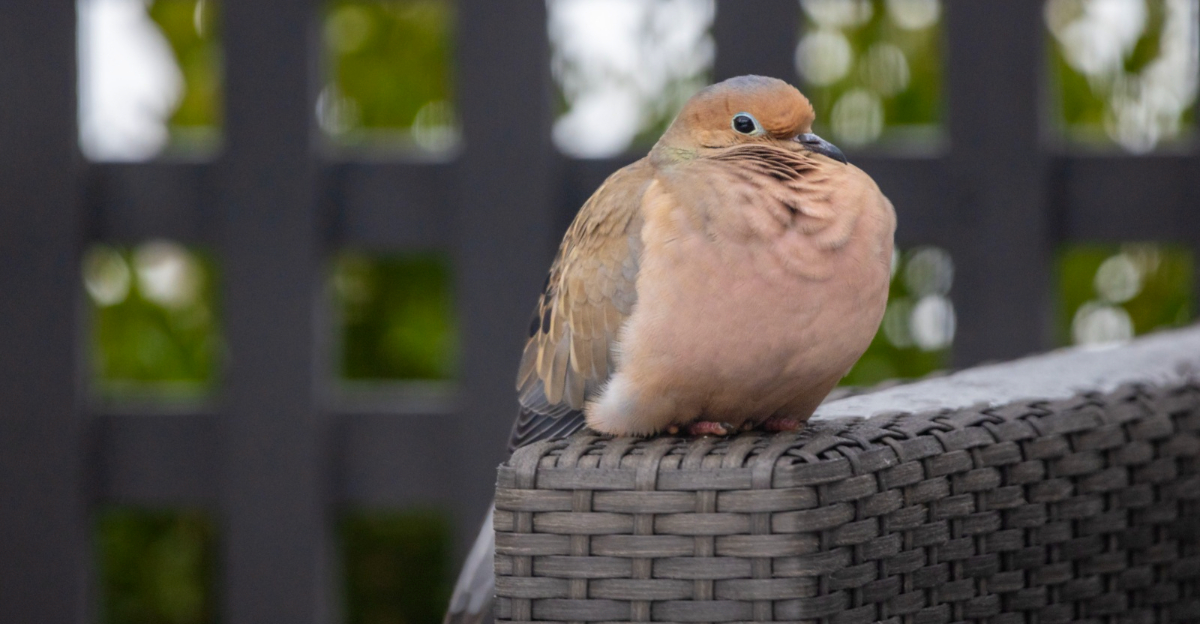
There’s something about spotting a mourning dove in your Texas yard that just makes you stop for a second.
Maybe it’s perched quietly on your fence, doing absolutely nothing in the most graceful way possible, or pecking around the lawn like it owns the place.
Either way, these soft-feathered birds have a presence that feels genuinely calming. Their gentle cooing is the kind of sound that makes a backyard feel like a peaceful place rather than just a patch of grass you mow on weekends.
It’s no surprise that so many people find themselves wondering what it actually means when a mourning dove shows up.
Some of that meaning is personal and cultural, shaped by long traditions and shared stories. And some of it comes down to something much simpler: your yard just happens to have exactly what they’re looking for.
1. It Can Symbolize Peace And Calm
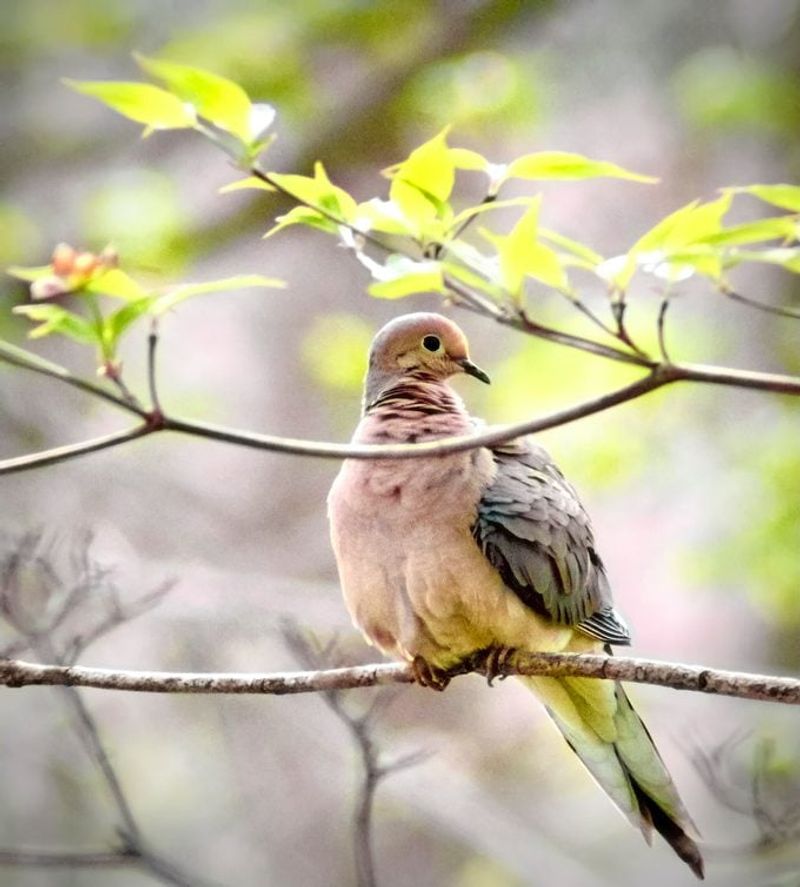
Few backyard moments feel as genuinely quiet as watching a mourning dove land softly on a fence post and just sit there. There is something about the way these birds carry themselves, slow and unhurried, that makes people pause and take a breath.
For many people across cultures and generations, the mourning dove has long been associated with peace, calm, and a sense of stillness in the middle of a busy day.
That feeling is not just imagination. The dove’s muted gray-brown colors, rounded shape, and soft cooing voice naturally create a calm atmosphere in any outdoor space.
When life feels rushed or overwhelming, noticing a dove in your Texas yard can feel like a small reminder to slow down.
While this symbolic meaning is a personal or cultural interpretation rather than a proven biological message, it is a deeply human response to a genuinely peaceful bird.
Many homeowners say that hearing a dove’s coo in the early morning is one of their favorite parts of starting the day.
Whether or not the bird means to offer comfort, the effect is real and worth appreciating in your own backyard.
2. It Can Represent Love Or Pair Bonding
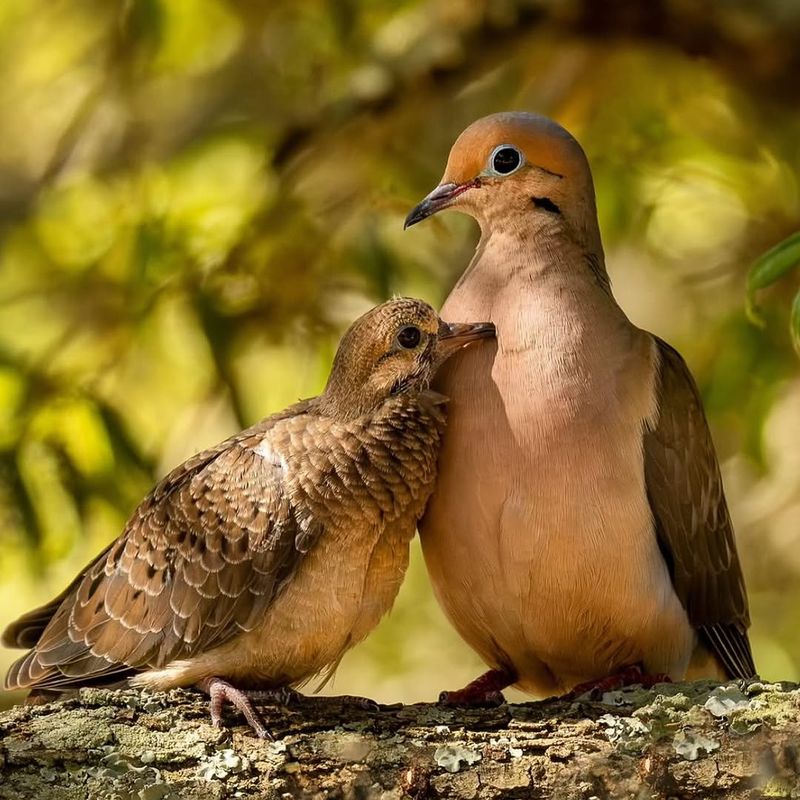
Seeing two mourning doves together in your yard is a sight that has inspired poets, artists, and romantics for centuries.
Mourning doves are well known for forming strong pair bonds, and mated pairs often stay together through a breeding season, sometimes returning to the same areas year after year.
When you spot a pair moving through your Texas yard side by side, it is easy to understand why so many people associate doves with love and devotion.
The connection between doves and romantic symbolism goes back through many cultures and traditions around the world.
In Texas yards, this can show up as a pair foraging together on open ground, preening each other on a low branch, or arriving at a seed source at the same time.
Their behavior genuinely reflects a close bond that most backyard birds do not display as visibly.
Of course, the idea that a dove visit carries a message about love is a personal interpretation rather than a scientific fact.
Your Texas Garden Changes Every Week. Your Plan Should Too.
Gardening in Texas changes quickly throughout the season. Every Friday you’ll receive a simple weekly plan showing exactly what to plant, prune, fertilize, harvest, and protect so you never miss the right timing.
Still, watching a bonded pair move quietly through your yard together is a real and touching piece of backyard wildlife behavior that many bird watchers find genuinely moving and worth encouraging through bird-friendly landscaping.
3. Your Yard May Offer Easy Ground Feeding
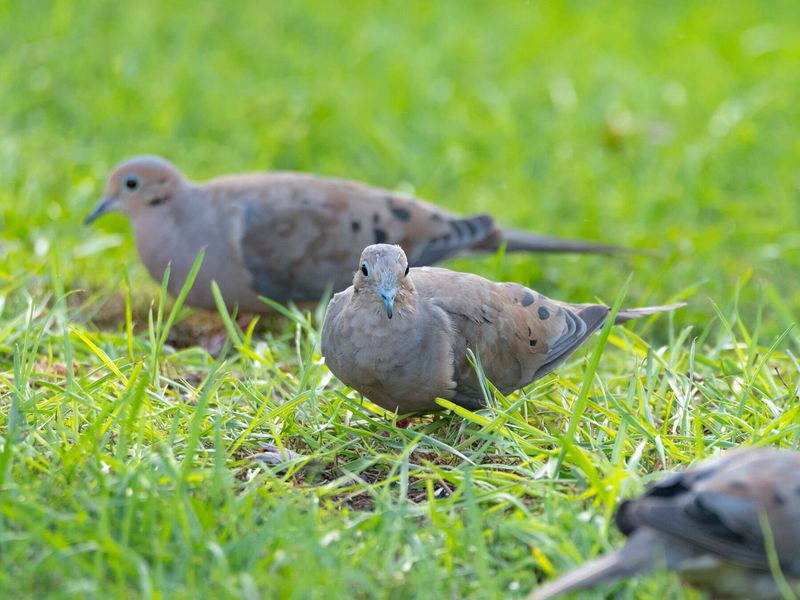
Open ground is one of the biggest reasons a mourning dove might show up in a Texas yard. Unlike many songbirds that prefer feeders mounted on poles, mourning doves are ground feeders by nature.
They walk slowly across open lawn areas, patios, driveways, and bare soil patches, picking up seeds that have fallen from nearby plants or feeders overhead.
If your yard has a mix of short grass, open soil, or a cleared patch near a seed source, mourning doves may find it an easy and reliable place to eat. They are especially drawn to millet, milo, cracked corn, and sunflower seeds.
Scattering a small amount of millet on the ground beneath a hanging feeder is one of the simplest ways to invite them in regularly.
Texas yards with mature native grasses or open garden beds can also provide natural seed sources that mourning doves appreciate.
Because they tend to feed in the open rather than under dense cover, they feel safer in yards where they have a clear view of their surroundings while eating.
Supporting that kind of open, seed-rich environment is a practical and wildlife-friendly way to encourage more visits from these calm, quiet birds throughout the year.
4. Your Yard May Have Suitable Perching Spots
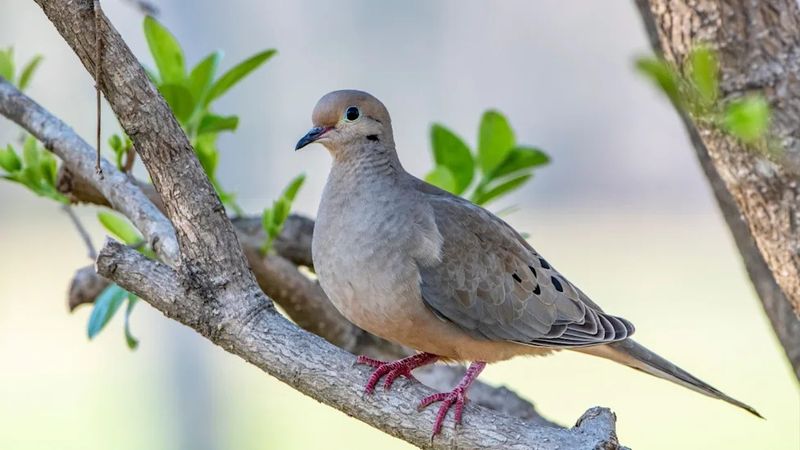
Fence lines, utility wires, low tree branches, and porch railings are some of the most common spots to find a mourning dove resting in a Texas yard.
These birds spend a lot of time perching between feeding sessions, and they tend to choose elevated spots with a clear view of the surrounding area.
If your yard offers that kind of open, elevated resting place, it may be drawing mourning doves in on a regular basis.
In Texas, wooden privacy fences, cedar posts, and the lower limbs of oak or pecan trees are especially popular perching spots for doves.
They often sit quietly for extended periods, which is why they can seem like they are visiting with intention rather than just passing through.
That stillness on a fence post is often simply a dove resting comfortably in a space it considers safe.
Yards that offer both perching spots and nearby food sources tend to see more consistent dove activity.
If you have noticed a mourning dove returning to the same fence rail or branch day after day, it likely means your yard checks the boxes for a comfortable and reliable stop.
Keeping perching areas accessible and avoiding heavy pruning of low branches can help maintain that welcoming environment for visiting doves.
5. Nesting Habitat May Be Nearby
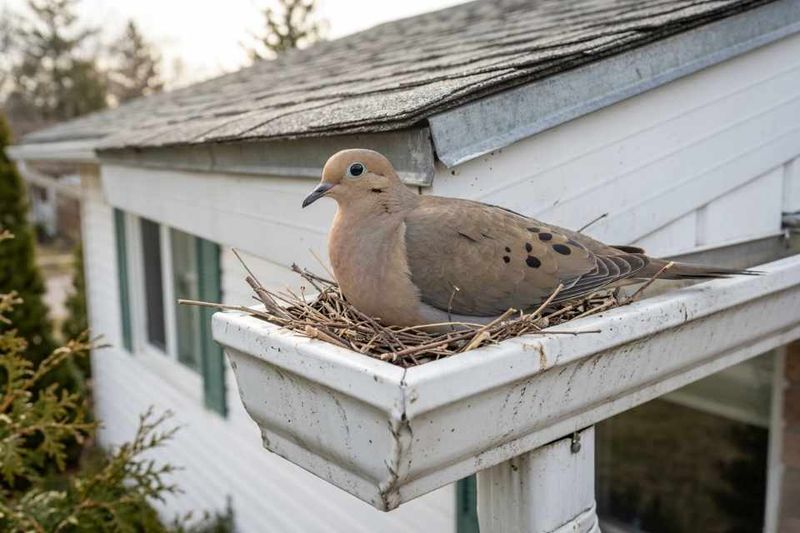
Mourning doves build some of the simplest nests in the bird world. A loose platform of twigs, pine needles, or plant stems placed in the fork of a small tree, on a ledge, or even on a flat surface is often enough for a nesting pair.
If you have been seeing a mourning dove in your yard regularly, there is a reasonable chance a nest is nearby, either in your own yard or just a few properties away.
In Texas, nesting can happen across a long season, sometimes beginning in late winter and continuing well into fall in warmer parts of the state.
Mourning doves may use the same general area for multiple nesting attempts in a single year, which means a yard that supports them in spring may continue to see visits through summer and beyond.
Shrubs, small ornamental trees, cedar hedges, and even potted plants on covered porches can provide the kind of low, sheltered spots that nesting doves may use.
Keeping a yard with a mix of open ground for feeding and some low woody plants or small trees for cover creates a well-rounded environment.
Noticing a dove spending extra time in one area of your yard could be a sign that nesting activity is underway nearby.
6. Open Feeding Space May Be Drawing Them In
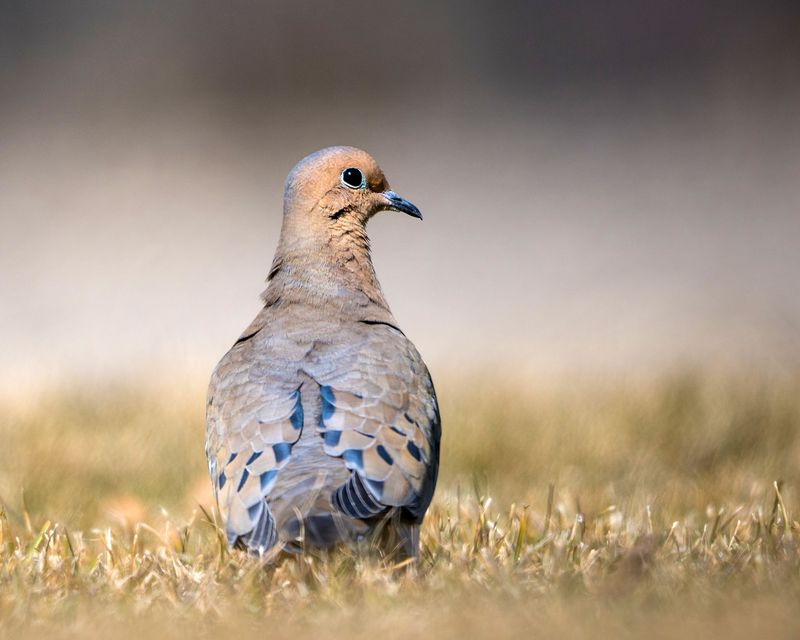
Wide open lawn areas are a genuine draw for mourning doves, and many Texas yards offer exactly that kind of space.
Unlike birds that prefer dense shrubs or tree canopy cover while feeding, mourning doves feel most comfortable eating out in the open where they can spot potential threats from a distance.
A large, flat lawn or open patio area can make a yard especially appealing to these birds.
If your yard has a broad stretch of short grass or a cleared garden border near a fence, mourning doves may visit regularly simply because the space suits their feeding style.
They tend to walk rather than hop, covering ground slowly and steadily as they pick up seeds. That walking behavior is easier in open areas without dense ground cover blocking their path.
Texas yards with native low-growing grasses or open mulched beds near seed sources can offer that ideal combination of openness and food availability.
Keeping part of your yard relatively clear and avoiding heavy ground-level plantings in feeding areas can make a meaningful difference.
Adding a ground-level tray feeder or scattering millet on an open patch of soil near a fence line are simple, low-effort ways to make your yard a regular stop for mourning doves throughout the year.
7. A Mourning Dove Visit Is Common In Texas
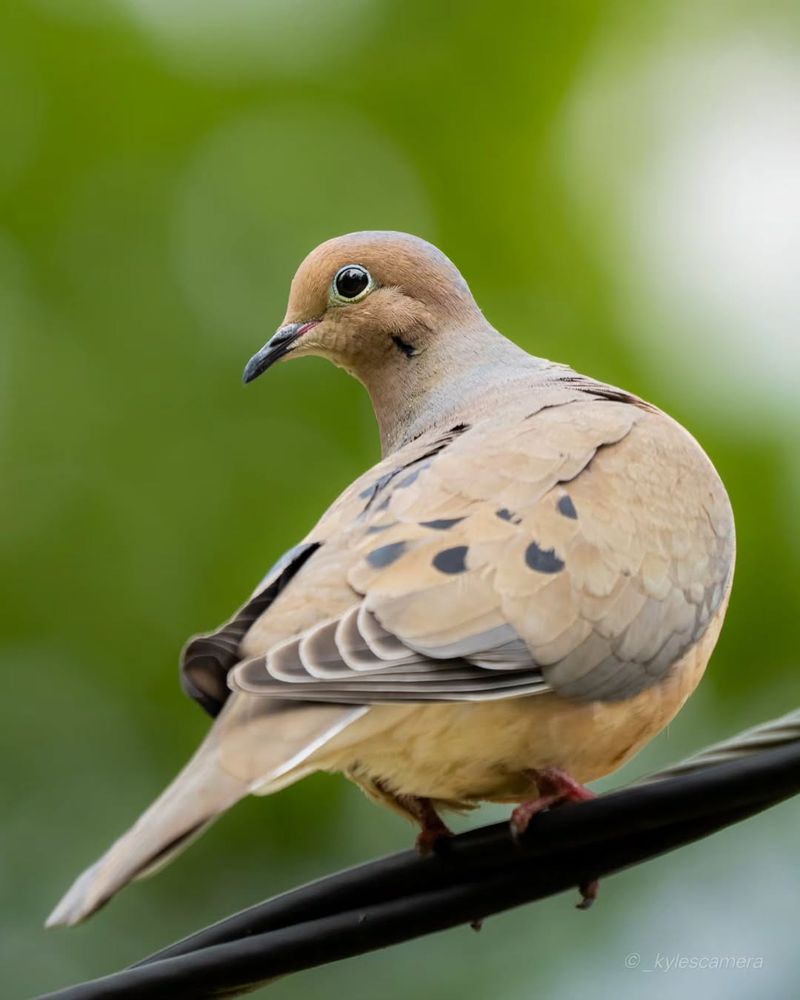
Across the state of Texas, mourning doves are one of the most widely distributed and frequently seen backyard birds.
From the Panhandle to the Gulf Coast and from East Texas pine forests to the Hill Country, these birds show up in nearly every type of Texas landscape.
So if you are seeing one in your yard, you are in very good company with bird watchers and casual backyard observers all across the state.
Texas offers mourning doves a warm climate, abundant seed sources, and a wide range of open habitats that suit their lifestyle well. Suburban neighborhoods with mixed lawns, gardens, and open spaces are especially hospitable.
The warm growing season also means seed-producing plants are available for a large portion of the year, giving doves a reliable food supply in residential areas.
Rather than treating a dove visit as a rare or unusual event, many experienced birders view it as a sign that the yard is doing something right from a wildlife perspective.
A consistent food source, open ground, and a few good perching spots are often enough to make your yard a regular stop.
Recognizing how common and adaptable mourning doves are in Texas helps put their visits in a helpful and grounded context.
8. A Bird-Friendly Yard May Encourage More Visits
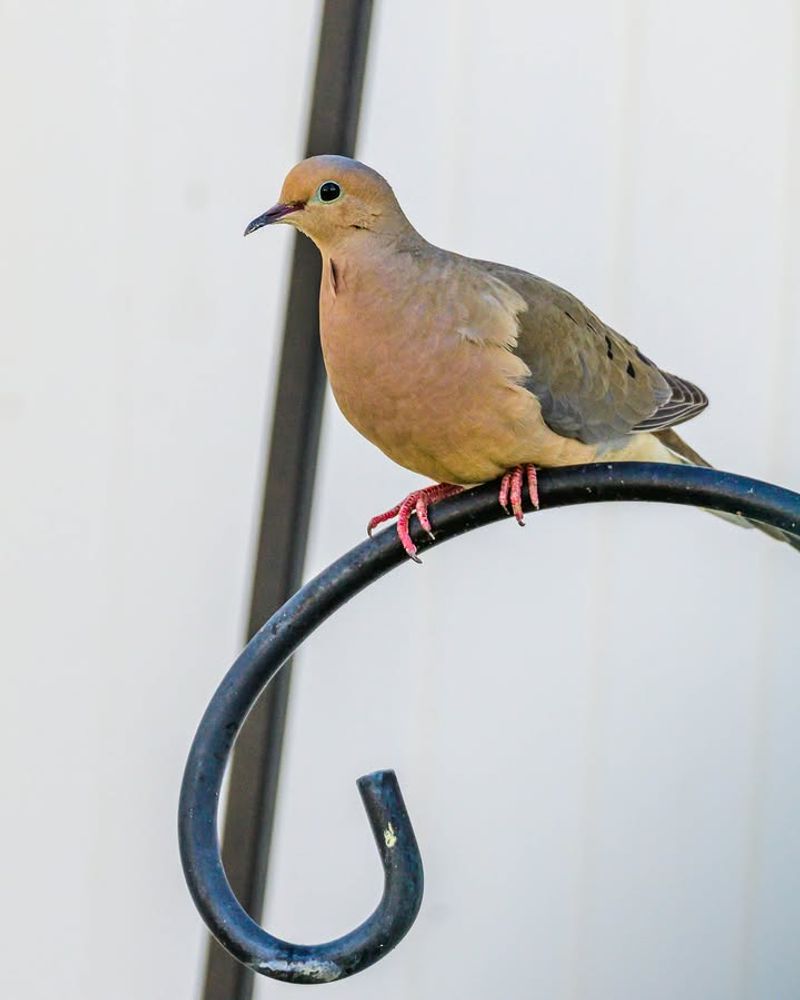
Creating a yard that welcomes mourning doves does not require a major landscaping overhaul. Small, thoughtful changes to how a yard is planted and maintained can make a noticeable difference in the number and variety of birds that stop by.
For mourning doves specifically, the key ingredients are open ground, seed availability, low perching spots, and a sense of safety from predators.
Native and adapted plants that produce small seeds are a great starting point for any Texas yard. Plants like native sunflowers, grasses, and seed-bearing wildflowers can provide natural food sources that mourning doves appreciate.
Keeping a section of the yard less manicured, with some bare or lightly mulched ground, gives doves a comfortable place to walk and forage without feeling crowded by dense plantings.
Minimizing pesticide use is another way to support backyard birds responsibly. A yard managed with wildlife in mind tends to have a healthier balance of insects, seeds, and plant life that supports a wider range of species.
Mourning doves may respond to these changes over time, becoming more consistent visitors as the yard becomes more reliably bird-friendly.
Even small adjustments to planting choices and yard maintenance habits can have a real and positive effect on backyard wildlife activity throughout the Texas seasons.
9. Nearby Water Or Daily Yard Activity May Play A Role
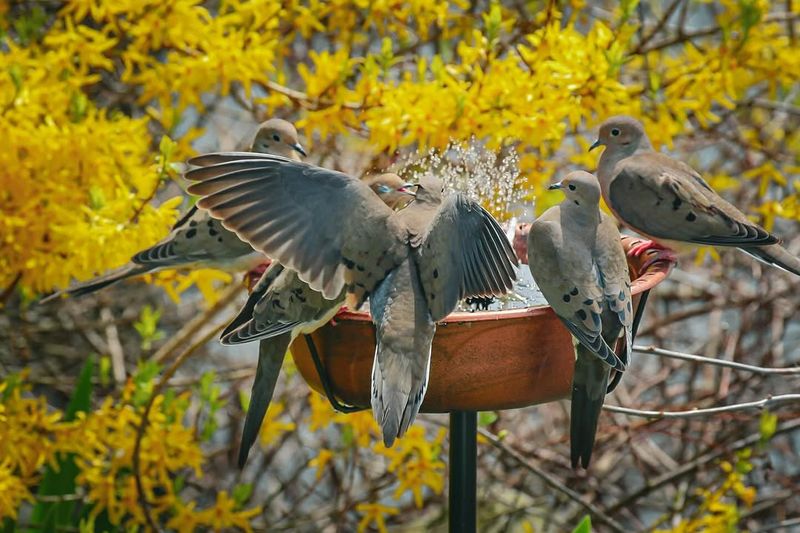
A reliable water source can be one of the most effective ways to bring more birds to a Texas yard, and mourning doves are no exception.
These birds need fresh water for drinking and occasional bathing, and in the heat, a clean birdbath can be a major draw.
Shallow birdbaths with a gently sloped edge work well because mourning doves prefer to wade in slowly rather than perch on a narrow rim.
Placing a birdbath in an open area of the yard, away from dense shrubs where cats or other animals might hide, gives doves the clear sightlines they prefer when approaching water.
Changing the water every couple of days and keeping the basin clean helps maintain a healthy and welcoming water source that birds will return to consistently.
Daily yard activity can also play a role in dove visits. Mourning doves often become accustomed to human presence over time, especially in yards where people move around calmly and predictably.
Regular routines like morning coffee on the porch, watering plants, or simply spending quiet time outdoors can help doves feel comfortable enough to visit without being startled away.
Over time, a Texas yard with fresh water, open ground, and calm daily activity can become a reliable spot where mourning doves feel at ease stopping by regularly.