The Silent Pennsylvania Garden Pest That Destroys Shrub Roots Before You Even Notice
The most damaging pest in a Pennsylvania garden is often the one you never actually see.
Above ground problems are easy to spot and respond to, but when damage is happening at the root level, the signs that something is wrong tend to show up slowly and get misread as drought stress, nutrient deficiency, or just a plant in decline for no obvious reason.
By the time a shrub starts looking seriously troubled, the damage underneath has usually been building for months.
There is a specific Pennsylvania garden pest that operates entirely below the soil surface, targeting the root systems of shrubs in a way that is almost impossible to catch early without knowing what to look for.
Understanding what this pest is, which shrubs it targets most aggressively, and what the early warning signs actually look like gives you a real chance at intervening before the damage becomes irreversible.
1. White Grubs Can Damage Shrubs Long Before Homeowners Realize What’s Happening
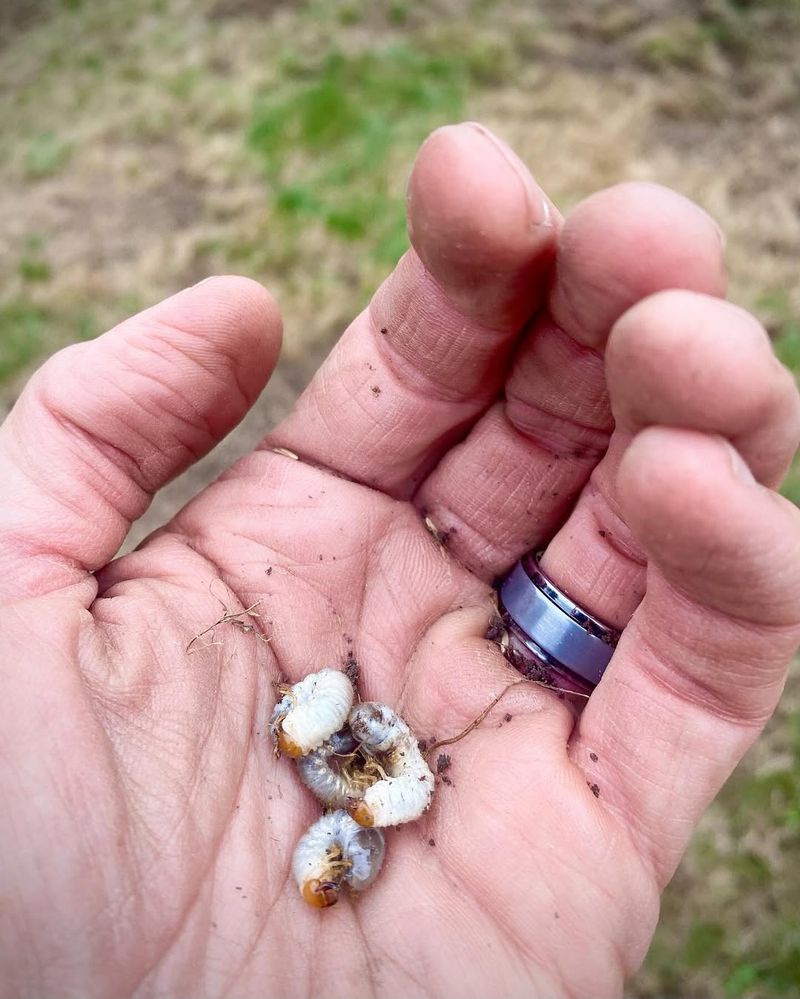
Most gardeners never suspect a problem until their favorite shrub starts looking sick. By that point, white grubs may have been feeding underground for weeks or even months.
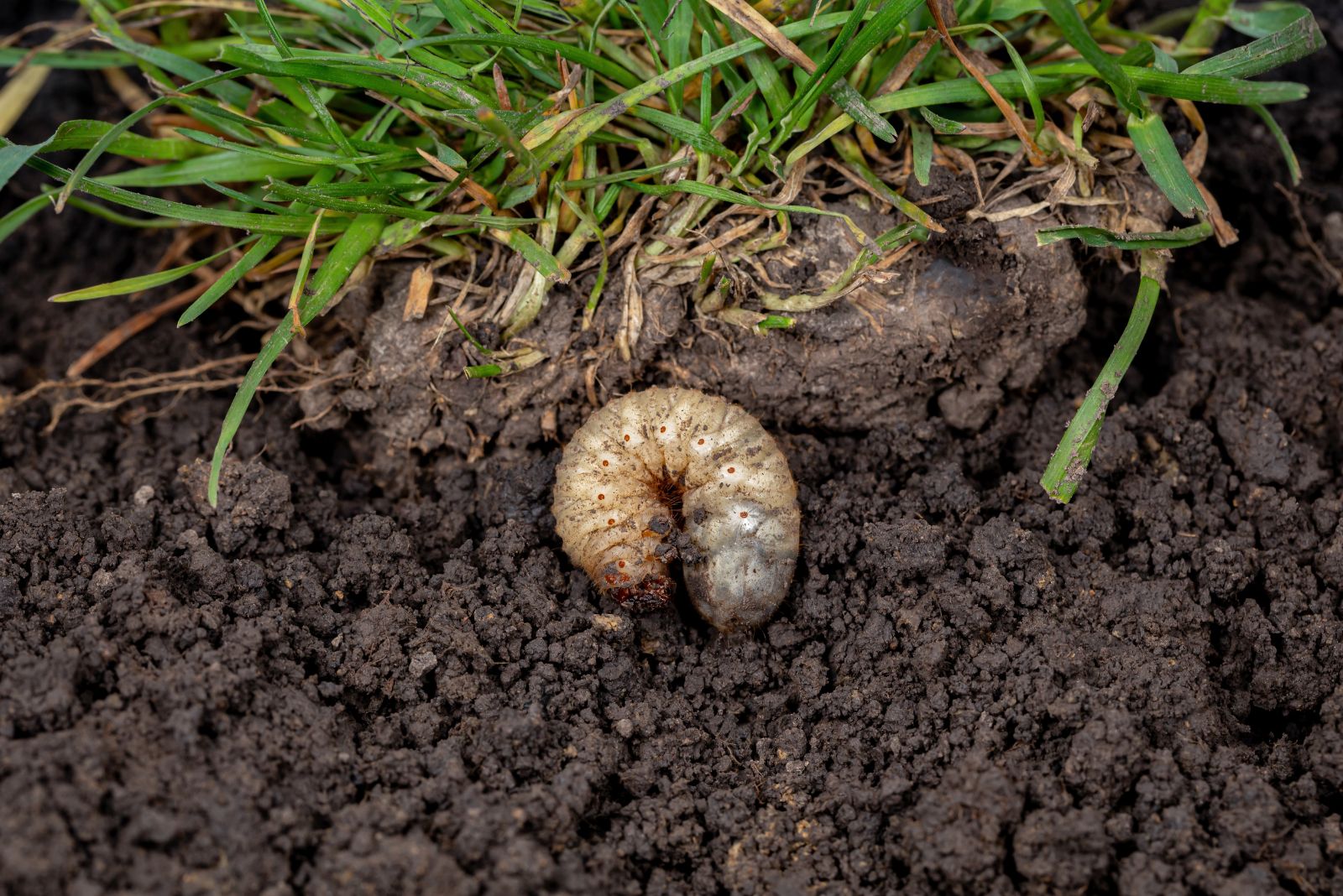
These plump, C-shaped larvae are the immature stage of beetles, including Japanese beetles, June bugs, and masked chafers, all of which are common throughout Pennsylvania.
Female beetles lay their eggs in the soil during summer, usually in lawns or garden beds with moist, healthy turf nearby. Once those eggs hatch, the tiny larvae begin feeding immediately.
They start on the smallest, most delicate roots first, the ones your shrub depends on most for absorbing water and nutrients.
Root damage is completely hidden from view. You cannot see what is happening beneath the surface just by looking at your plants.
A shrub can lose a significant portion of its root system before a single leaf shows any sign of stress. That delay between underground damage and visible symptoms is exactly what makes white grubs so difficult to catch early.
Infestations tend to build slowly over time. A small grub population one season can grow into a much larger problem the next if conditions are right and no action is taken.
Pennsylvania’s warm summers and rich, loamy soils create ideal conditions for grub populations to thrive and expand. Staying aware of this pest and knowing what to look for is the first step toward protecting your shrubs before serious harm is done.
2. White Grubs Feed Directly On Plant Roots
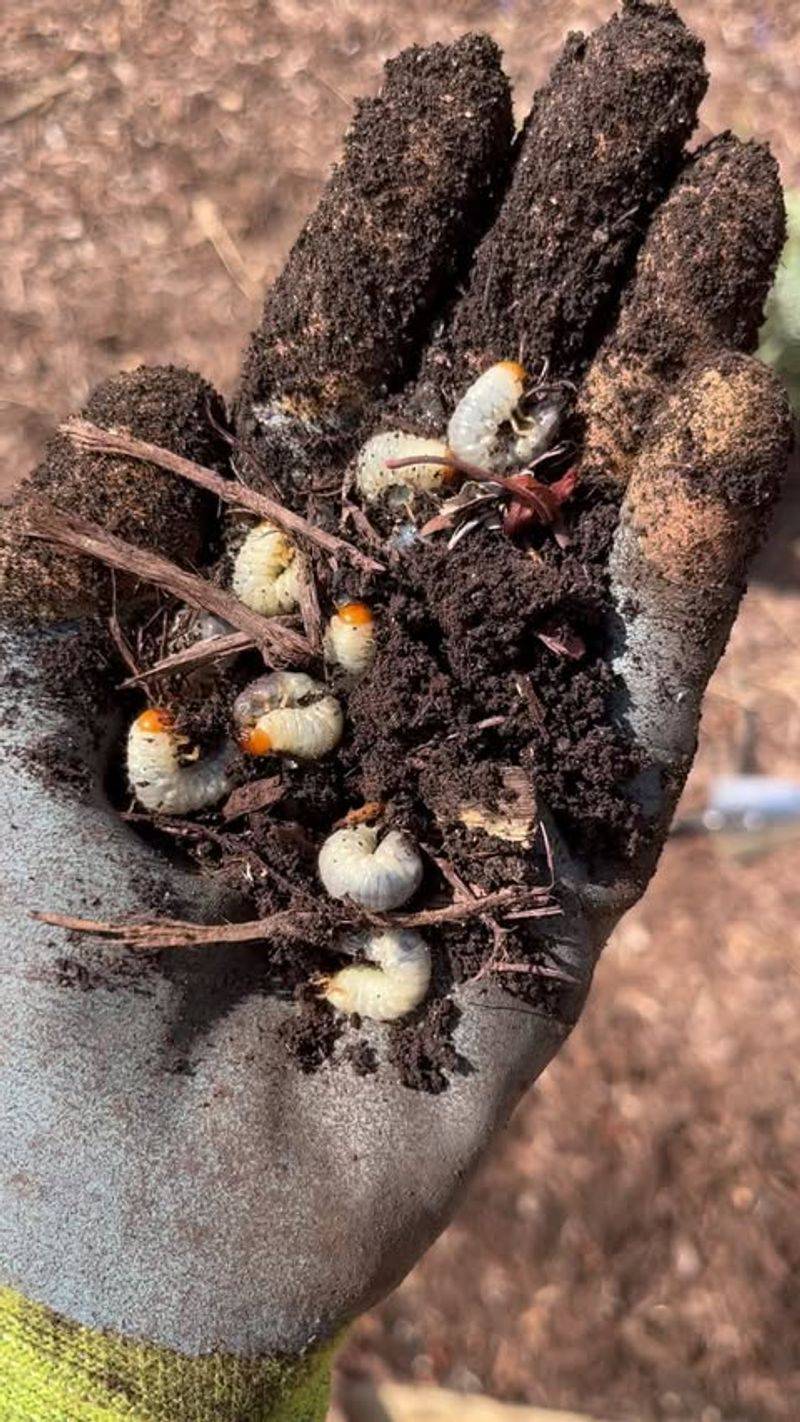
Picture tiny, hungry larvae curled just a few inches below your garden bed, quietly eating away at the very system your shrubs need to survive. That is exactly what white grubs do.
They live and feed entirely beneath the soil surface, making them nearly impossible to spot without digging.
Grubs start with the finest roots first. These feeder roots are the thinnest parts of the root system, but they do the most important work.
They pull moisture and nutrients up from the soil and send them throughout the plant. Losing even a portion of these roots puts real stress on a shrub, especially during hot or dry stretches.
Your Pennsylvania Garden Changes Every Week. Your Plan Should Too.
Gardening in Pennsylvania changes quickly throughout the season. Every Friday you’ll receive a simple weekly plan showing exactly what to plant, prune, fertilize, harvest, and protect so you never miss the right timing.
As grubs grow larger through the summer and into early fall, their appetite increases. Bigger larvae consume more root material at a faster rate.
A shrub that loses a large share of its feeder roots simply cannot take in enough water or food to stay healthy. Growth slows down, leaves may turn pale, and the plant becomes far more vulnerable to other stressors like drought, disease, or extreme temperatures.
One overlooked fact is that grubs can move through the soil, following root systems as they feed. A single infestation zone can spread gradually into areas that were previously untouched.
Checking the soil around struggling shrubs by digging down three to four inches can reveal whether grubs are present. Finding more than five grubs per square foot is generally considered a sign that treatment may be needed to protect your plants.
3. Shrubs Often Look Drought-Stressed Even When Soil Is Moist
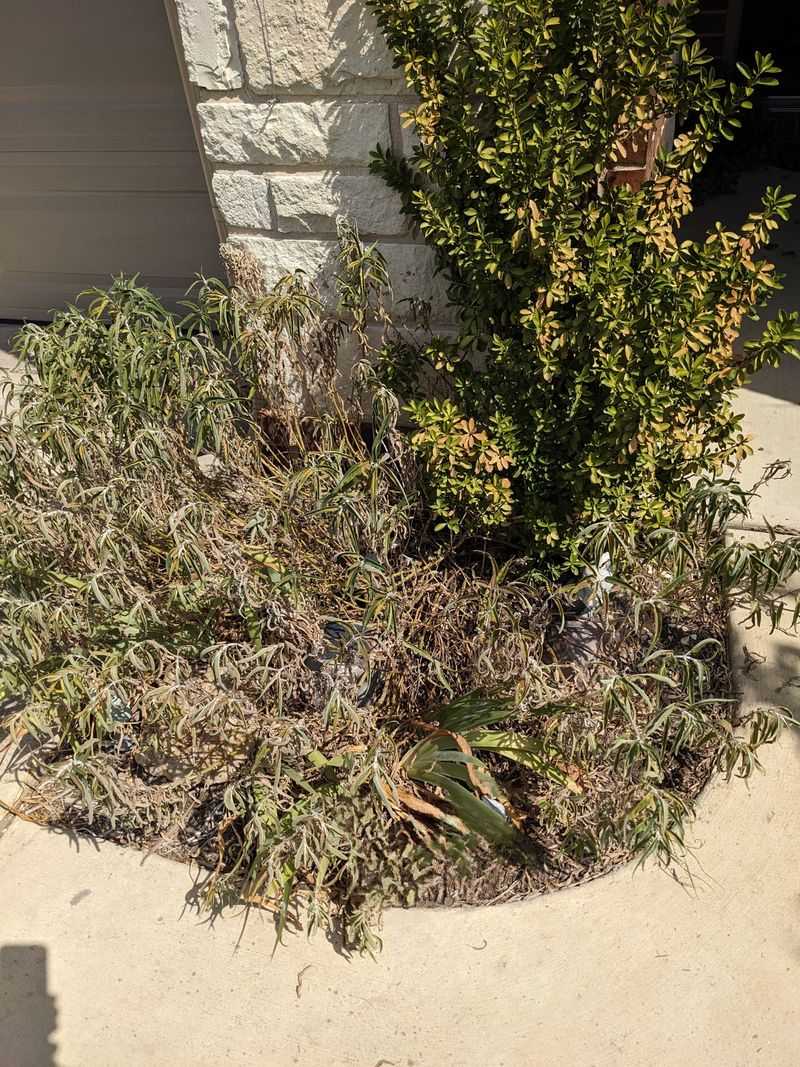
Walk through any Pennsylvania neighborhood in late summer and you might notice a shrub with drooping leaves and a yellowed, worn-out look, even though the garden bed around it appears well-watered. Many homeowners assume the plant just needs more water.
But adding more water to a grub-damaged plant rarely helps, and it can sometimes make things worse.
When grubs destroy feeder roots, a shrub loses its ability to pull moisture from the soil no matter how much water is available. The roots are simply not there to do the job anymore.
So the plant shows all the classic signs of drought stress, wilting, yellowing, browning leaf edges, even though the ground beneath it is perfectly moist.
Homeowners often spend weeks adjusting their watering schedule, adding fertilizer, or treating for fungal disease before realizing the real problem is underground. Grub damage mimics so many other plant problems that it frequently gets misdiagnosed.
Heat stress, root rot, and nutrient deficiency can all look very similar to grub-related decline.
A simple soil check can make a big difference. Gently dig around the base of a struggling shrub and look for white, C-shaped larvae in the top few inches of soil.
If grubs are present alongside drought-like symptoms in a well-watered plant, you have found your answer. Acting on that discovery quickly gives the shrub its best shot at recovering before the root system sustains too much damage to bounce back on its own.
4. The Worst Damage Happens Underground
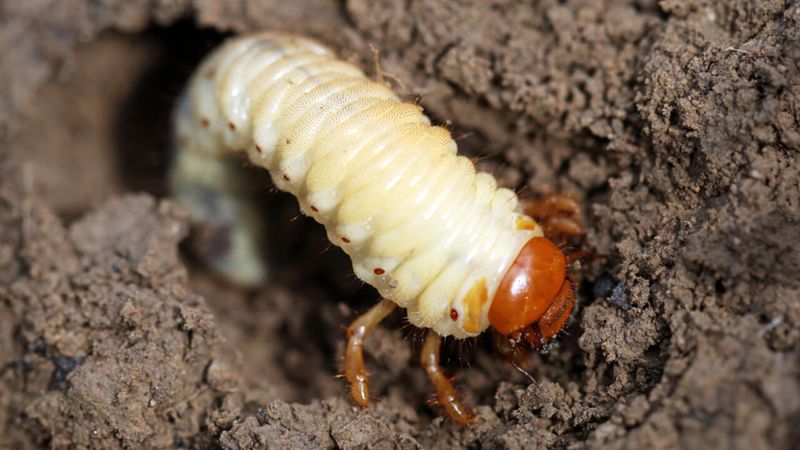
Here is something that surprises many gardeners: the most destructive part of a white grub infestation is never visible from the surface. Everything that matters happens underground, silently, over weeks and months.
By the time you notice something wrong with the foliage, the root system may already be in rough shape.
Homeowners rarely come face to face with the pest itself. Grubs stay buried in the soil throughout their larval stage, feeding and growing out of sight.
There is no visible chewing on leaves, no obvious trail of destruction, and no insect buzzing around the plant. The shrub just slowly starts to look worse and worse with no obvious explanation.
Root systems can be extensively damaged before a single symptom shows above ground. Young, healthy shrubs may hold on longer because they have more energy reserves to draw from.
But even they will eventually show stress if the root damage continues unchecked. Older or already-stressed shrubs may decline much faster once grubs move in.
Timing matters a lot with grub management. Treating a grub problem after foliage has already declined significantly is harder and less effective than catching it earlier.
Most grub treatments work best when larvae are small and still close to the soil surface, which happens in late summer through early fall in Pennsylvania.
Waiting until visible damage appears above ground often means the window for the most effective treatment has already passed.
Staying proactive and checking your soil regularly is the smartest approach any Pennsylvania gardener can take.
5. Certain Shrubs Are More Vulnerable Than Others
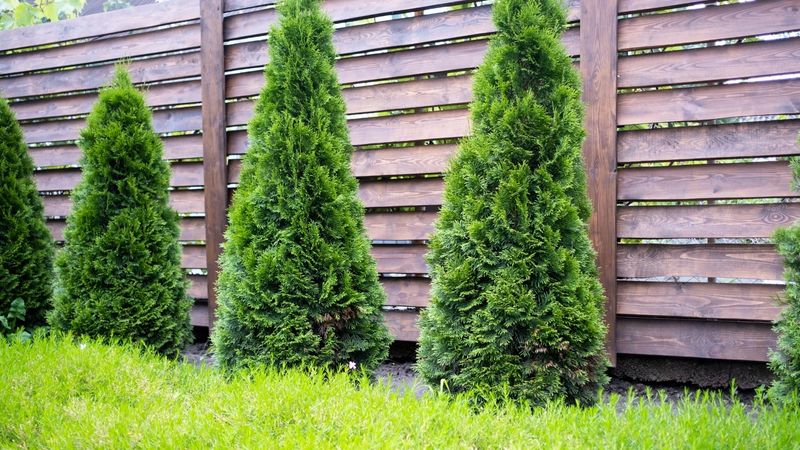
Not every shrub in your yard faces the same level of risk from white grubs. Age and overall plant health play a major role in how well a shrub can handle root loss.
Young shrubs that were recently planted are among the most vulnerable because their root systems are still small and have not had time to spread and establish.
Newly planted landscapes carry extra risk. When a shrub is first put in the ground, its root zone is compact and concentrated in one small area.
If grubs move into that zone, they can consume a large percentage of the available roots very quickly. An established shrub with a wide, deep root system has more cushion, but a young plant can be pushed into serious decline much faster.
Weakened plants also struggle to recover once root damage occurs. A shrub that was already dealing with poor soil, drought, or improper planting depth has fewer resources to fall back on.
When grubs add root loss to an already-stressed plant, the combined pressure can be overwhelming. Recovery becomes a slow and uncertain process.
Choosing the right shrubs for your Pennsylvania landscape and giving them strong care from the start can help reduce vulnerability.
Proper planting depth, good soil preparation, and consistent watering during the first two years help shrubs develop deep, wide root systems faster.
A robust root system does not make a shrub immune to grub damage, but it does give the plant a much better chance of surviving a moderate infestation without suffering long-term harm to its overall health and appearance.
6. Lawn Problems Often Appear Before Shrub Problems
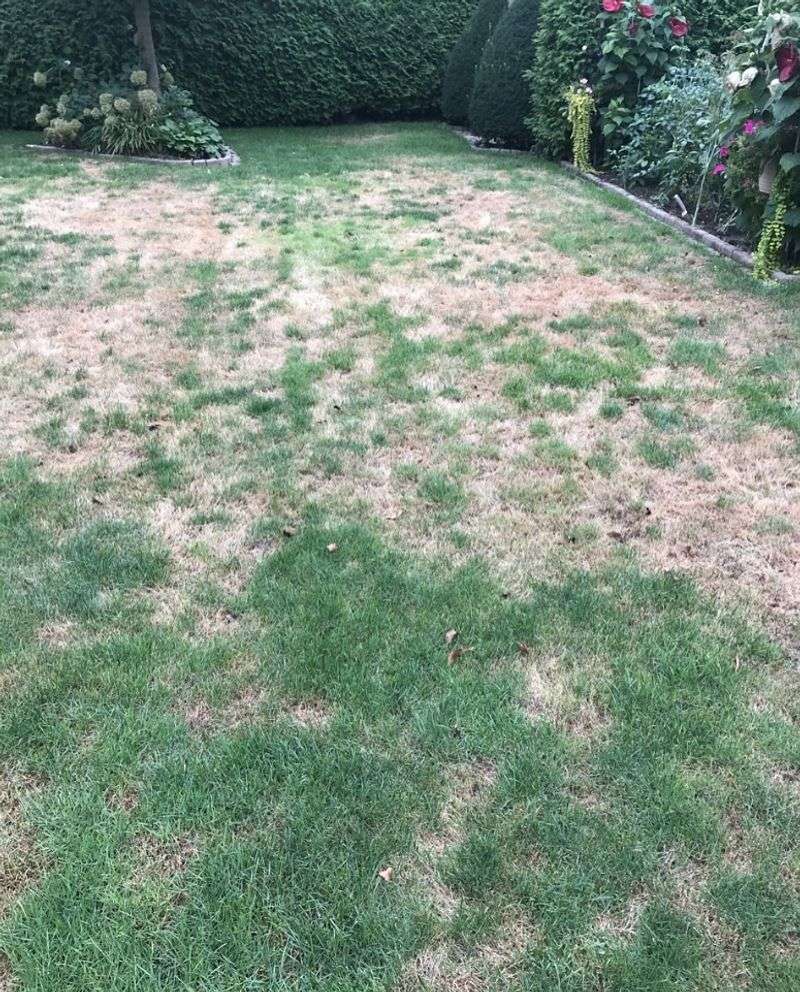
Your lawn might actually be the first place to notice a grub problem, even before your shrubs show any symptoms at all. White grubs do not limit themselves to garden beds.
They are just as happy feeding on grass roots, and turf damage often becomes visible before shrubs begin to decline.
Brown, spongy patches of turf that peel back easily like a loose rug are a classic sign of grub activity. Grass roots are being consumed beneath these areas, leaving the turf with nothing to anchor it to the soil.
If you notice irregular dry spots in your lawn during late summer or early fall, grubs could be the reason.
Wildlife behavior is another clue worth paying attention to. Skunks, raccoons, and birds like starlings and crows are well-known grub hunters.
If you wake up to find sections of your lawn dug up overnight, animals may be detecting and feeding on a grub population below the surface. Armadillos have also expanded their range into parts of Pennsylvania and behave the same way.
Early warning signs like these are easy to overlook or dismiss. A few dry grass patches might seem like a minor annoyance, and some animal digging can feel like a separate nuisance problem. But connecting these dots early gives you a real advantage.
Treating a grub problem while it is still concentrated in the lawn, before populations spread into nearby garden beds and start targeting shrub roots, is far easier and more effective than waiting until the damage becomes widespread across your entire landscape.