These Commonly Sold Pennsylvania Plants Should Come With A Warning Label
Garden centers across Pennsylvania stock plants based largely on what sells, and what sells is not always what is safe, responsible, or honest about its long-term behavior in a home landscape.
Some of the most commonly purchased plants in Pennsylvania come with problems that never make it onto the tag, from aggressive spreading habits that are difficult to reverse to toxicity levels that are genuinely dangerous around children and pets.
A few of them are invasive enough to cause real harm beyond the yard, and others have a way of taking over garden beds in a matter of seasons in ways that buyers were never warned about.
None of this information is hidden exactly, but it is rarely volunteered at the point of sale, and most gardeners find out the hard way.
This list covers plants that deserve a much more honest conversation before they end up in anyone’s shopping cart.
1. English Ivy
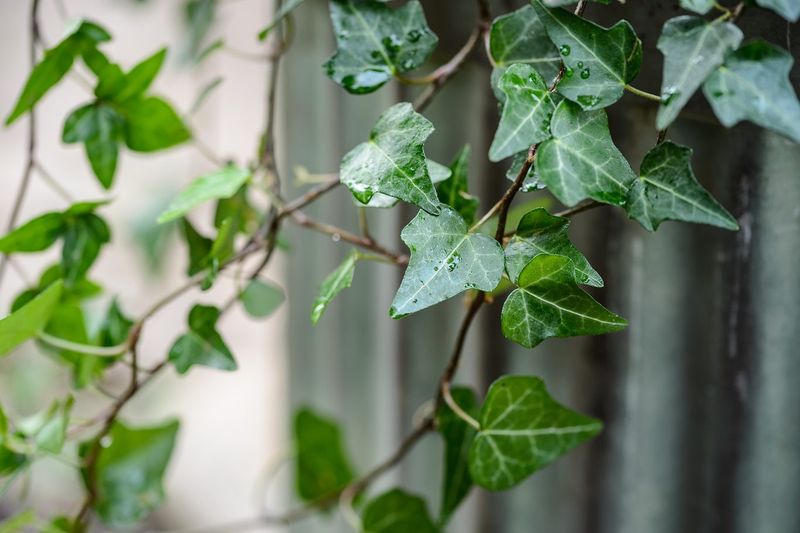
Few plants look as classic and charming as English Ivy climbing up a brick wall or spreading across a shaded garden bed. Nurseries across Pennsylvania have sold it for decades, and it is easy to see why.
It stays green year-round, grows in deep shade, and requires almost no attention once it gets going. That last part, though, is where things get complicated.
English Ivy does not stay politely in your garden. Once it gets established, it spreads quickly along the ground, smothering low-growing native plants that insects and birds depend on.
It also climbs trees, wrapping tightly around trunks and branches. Over time, the extra weight can make trees unstable and more likely to fall during storms.
In Pennsylvania woodlands, English Ivy has escaped from countless yards and crept into natural areas where it does not belong.
It forms a thick mat that blocks sunlight from reaching the forest floor, making it very hard for native wildflowers and tree seedlings to grow. Wildlife that depends on those native plants loses an important food source.
If you already have English Ivy in your yard, you do not have to panic. Removing it gradually and replacing it with native groundcovers like wild ginger or green-and-gold is a great step.
Native groundcovers look just as beautiful, stay in bounds, and actually support local pollinators and birds. Before planting English Ivy again, consider what a native alternative could do for your yard and your local ecosystem instead.
2. Vinca Minor
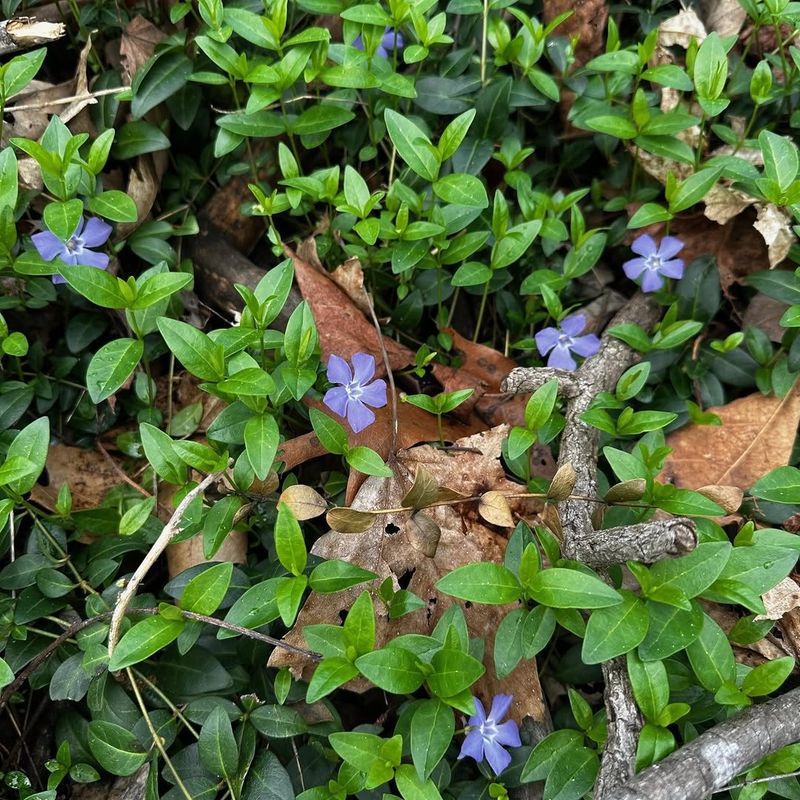
Vinca Minor, commonly called periwinkle, has one of those looks that makes gardeners fall in love at first sight. The small purple or blue flowers are genuinely pretty, and the dark green leaves stay tidy through much of the year.
Garden centers sell it as a reliable, low-maintenance groundcover, and in many ways, it delivers exactly that. The problem is that it delivers a little too well.
Periwinkle forms incredibly dense mats that are nearly impossible for anything else to grow through. In a contained garden bed, that might sound useful.
But Vinca Minor does not respect edges or borders. It creeps steadily outward, sneaking into nearby woodland areas where it shades out native spring wildflowers like trillium, bloodroot, and wild violets before they even get a chance to bloom.
Your Pennsylvania Garden Changes Every Week. Your Plan Should Too.
Gardening in Pennsylvania changes quickly throughout the season. Every Friday you’ll receive a simple weekly plan showing exactly what to plant, prune, fertilize, harvest, and protect so you never miss the right timing.
Pennsylvania has a rich tradition of native woodland wildflowers that depend on open forest floors in early spring. Vinca Minor directly threatens that.
Because it keeps its leaves through winter, it has a head start on native plants every single year, giving it a serious competitive advantage in natural spaces.
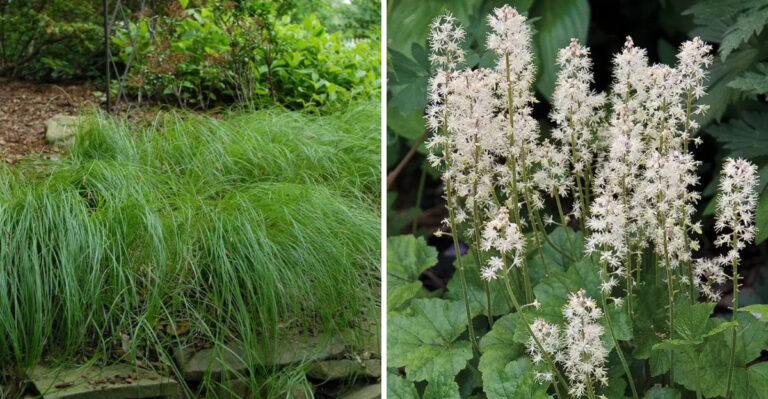
Swapping out Vinca Minor for native alternatives is easier than most people expect. Plants like foamflower, wild ginger, or Pennsylvania sedge can fill the same role in a shaded garden bed without the ecological baggage.
They support native bees, provide food for caterpillars, and blend beautifully into a natural landscape. Making that switch is one of the simplest ways a Pennsylvania gardener can make a meaningful difference for local wildlife right in their own backyard.
3. Japanese Barberry
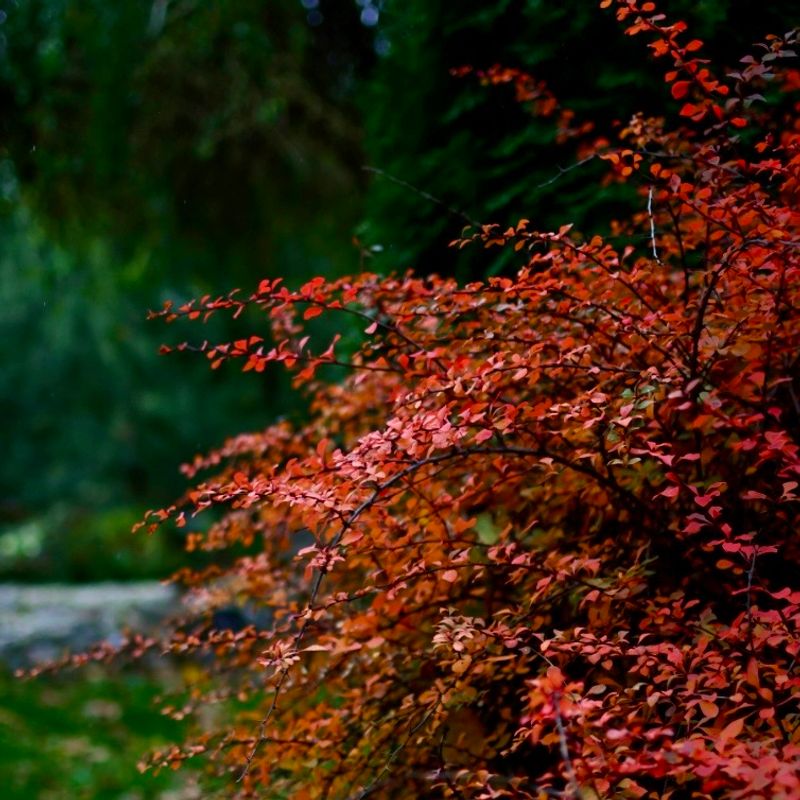
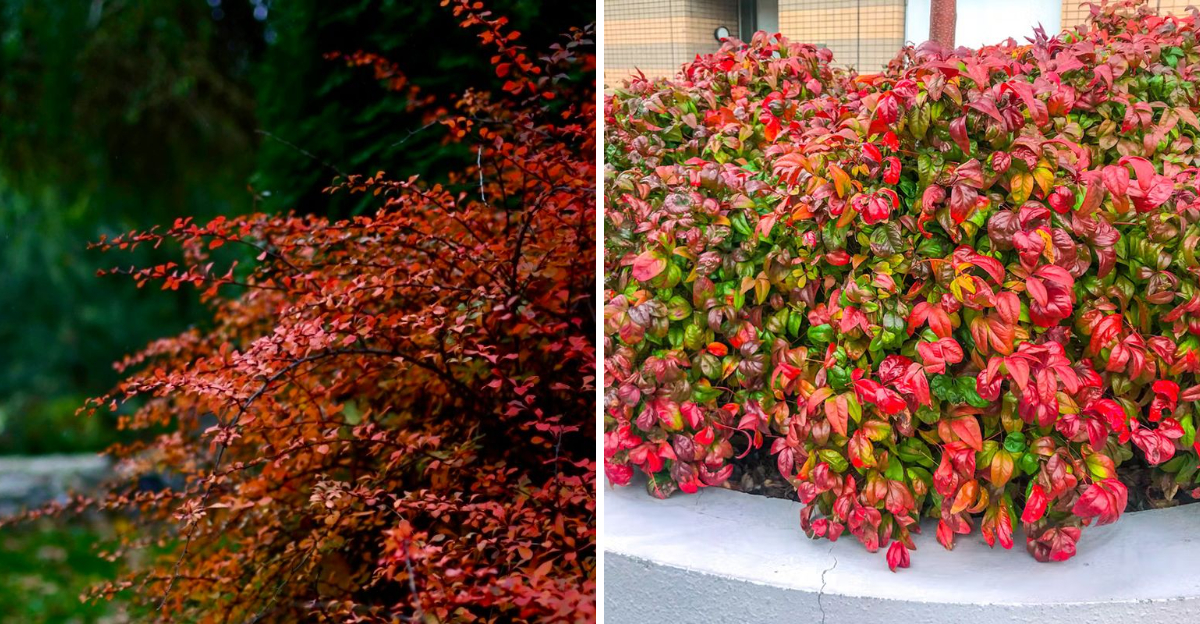
Japanese Barberry seems like a practical choice at first glance. It is tough, tolerates poor soil, handles drought, and comes in eye-catching colors from deep burgundy to bright green.
Garden centers love stocking it because it sells easily and survives in spots where other shrubs struggle. Landscapers have planted it along highways, in commercial properties, and in residential yards all across Pennsylvania for years.
Here is what the plant tag rarely mentions: Japanese Barberry is strongly linked to tick habitat. Studies have shown that areas with dense barberry thickets have significantly higher populations of black-legged ticks, the kind that can carry Lyme disease.
The shrub creates a humid, shaded microenvironment at ground level that ticks find very comfortable, especially during hot summers.
For a state like Pennsylvania, which consistently ranks among the highest in the country for Lyme disease cases, that connection matters a lot.
On top of the tick issue, Japanese Barberry spreads aggressively into natural areas. Birds eat the berries and scatter the seeds, allowing new plants to sprout in forests and fields far from the original garden.
Once it establishes in a natural area, it is very difficult to remove and crowds out native shrubs that wildlife depends on for food and shelter.
Native shrubs like spicebush, inkberry, or arrowwood viburnum make excellent replacements. They provide berries for birds, support native insects, and look fantastic in a Pennsylvania landscape without the ecological risks.
Choosing one of these instead of barberry is a straightforward swap that benefits your yard and your community at the same time.
4. Butterfly Bush
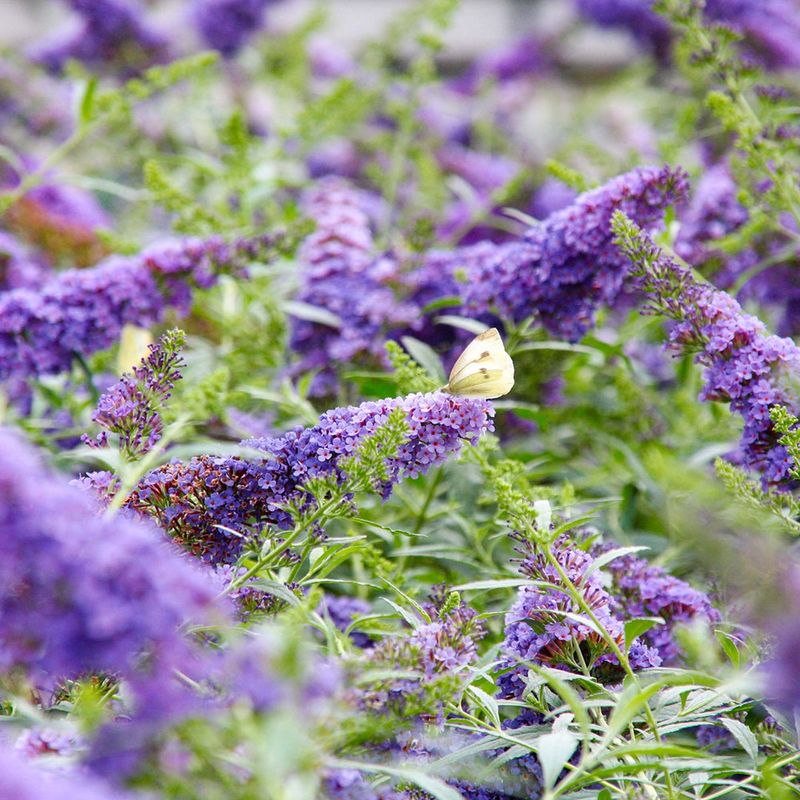
Walk past a butterfly bush in full bloom and it is hard not to stop and stare. The long, cone-shaped flower clusters come in purple, pink, white, and orange, and on a warm summer afternoon, they are absolutely covered in butterflies.
It looks like a wildlife garden success story. Garden centers market it as a must-have for pollinator gardens, and that reputation has made it one of the best-selling shrubs in Pennsylvania nurseries.
But the butterfly bush story has a catch that most gardeners never hear. Yes, adult butterflies love the nectar.
The plant is essentially a fast-food stop for butterflies passing through. What it does not do is support butterfly caterpillars.
Caterpillars need specific native host plants to eat and survive. A monarch caterpillar, for example, can only eat milkweed. A spicebush swallowtail needs spicebush or sassafras. Butterfly bush feeds none of them.
A garden full of butterfly bushes might attract beautiful adult butterflies on a sunny day, but it does nothing to help the next generation grow.
Butterfly populations across Pennsylvania are declining, and part of the reason is that gardens are full of nectar plants but short on native host plants where caterpillars can actually develop.
Replacing butterfly bush with native alternatives like native coneflowers, joe-pye weed, or native milkweed species makes a much bigger difference for butterfly populations.
These plants offer nectar for adults and food for caterpillars, giving butterflies a real chance to complete their life cycle.
Making that shift turns your garden from a quick snack stop into a place where butterflies can truly thrive.
5. Nandina
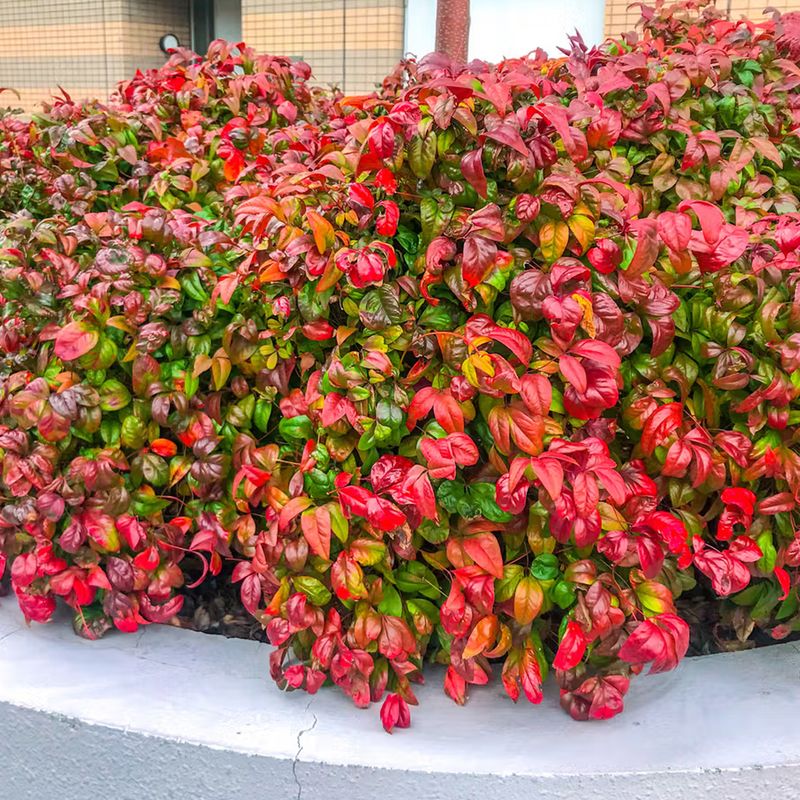
Nandina, sometimes called heavenly bamboo, has become a go-to choice for low-maintenance landscaping in Pennsylvania. It holds its colorful foliage through much of the year, produces clusters of bright red berries in winter, and rarely needs pruning or extra care.
On paper, it checks every box a busy homeowner could want. It is no surprise that nurseries and big-box garden centers stock it in large quantities every season.
The red berries, though, are a serious concern for birds. Nandina berries contain compounds that can be toxic to certain bird species when eaten in large amounts.
Cedar waxwings, which tend to eat berries in large flocks all at once, are especially vulnerable.
Reports of waxwings becoming ill after feeding heavily on Nandina berries have been documented in several states. For a plant marketed as wildlife-friendly, that is a significant problem.
Beyond the berry issue, Nandina offers very little value to Pennsylvania’s native wildlife. Native insects do not recognize it as a food source.
It does not support caterpillars, provides minimal nesting habitat, and its berries, while visually attractive, are not a safe or nutritious food option for most local bird species.
Swapping Nandina for native shrubs with winter berries is a smart and simple upgrade. American holly, winterberry holly, or native viburnums all produce berries that birds have safely relied on for thousands of years.
They support native insects, offer real wildlife habitat, and look just as striking in a winter landscape. Choosing native berry-producing shrubs is one of the best things a Pennsylvania gardener can do to genuinely support local bird populations.
6. Bradford Pear
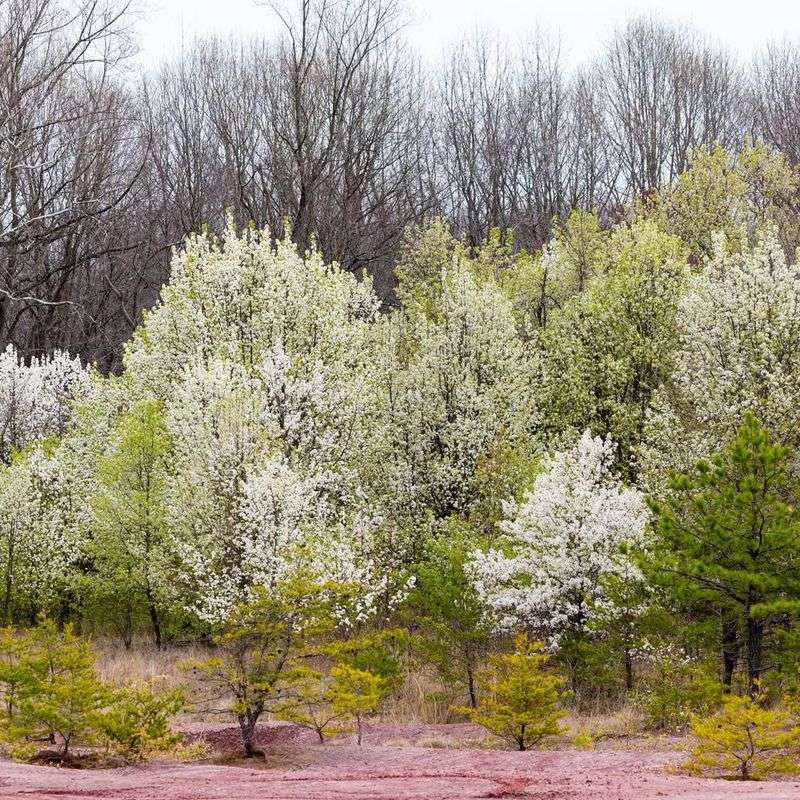
Every spring, Bradford Pear trees explode into clouds of white blossoms that line streets and fill front yards across Pennsylvania. For about two weeks, they look absolutely stunning.
Nurseries and landscapers sold them heavily for decades, and at one point they were considered one of the most popular ornamental trees in the country.
But underneath that beautiful spring show, Bradford Pear has some serious problems that have become impossible to ignore.
The tree has a naturally weak branch structure. As it grows older, the tight, upright branches create narrow angles that split easily under the weight of snow, ice, or heavy wind.
Homeowners across Pennsylvania have watched large sections of mature Bradford Pears come crashing down after winter storms, sometimes damaging fences, cars, and structures nearby.
Many trees do not even make it to old age before they start falling apart on their own. The ecological problems are just as serious. Bradford Pear was originally thought to be sterile, but it cross-pollinates with other pear varieties and produces viable seeds.
Birds spread those seeds into natural areas, where the trees sprout aggressively and crowd out native shrubs and trees.
In some Pennsylvania meadows and forest edges, Bradford Pear thickets have taken over large stretches of land that once supported diverse native plant communities.
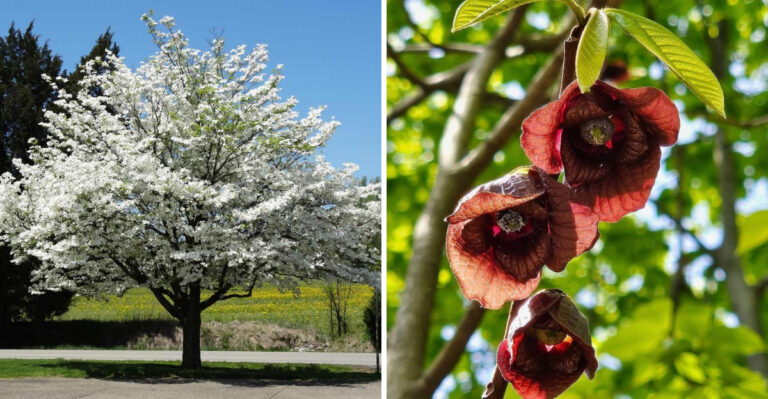
Native flowering trees make excellent replacements. Serviceberry, redbud, and native dogwoods all bloom beautifully in spring, support native insects and birds, and do not carry the structural or ecological risks of Bradford Pear.
Planting one of these instead is a choice that pays off for your yard and for Pennsylvania’s natural landscape for many years to come.