The One Thing You Must Do To North Carolina Liriope Before Summer Heat Sets In For Good
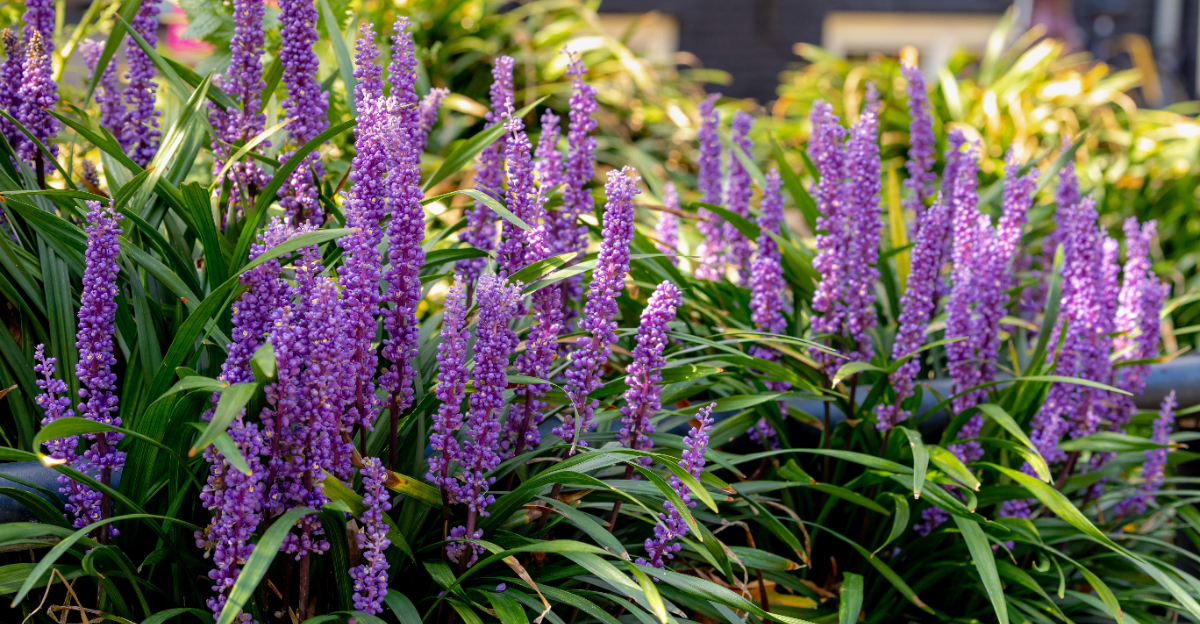
Liriope is one of the most dependable plants in the North Carolina landscape. It lines walkways, edges garden beds, fills in shady spots where other plants give up, and comes back every year without making demands.
Most gardeners treat it like it runs itself, which is mostly true, except for one specific window that comes around once a year and matters more than people realize.
Right now, before the full weight of summer heat settles in, there’s a task that makes a real difference in how liriope looks and performs through the rest of the season.
Skip it and the plant survives just fine, but it carries the evidence of that neglect in its appearance for months.
Do it at the right time and the whole planting looks refreshed, healthy, and sharp straight through fall.
Refresh The Mulch Around The Plants
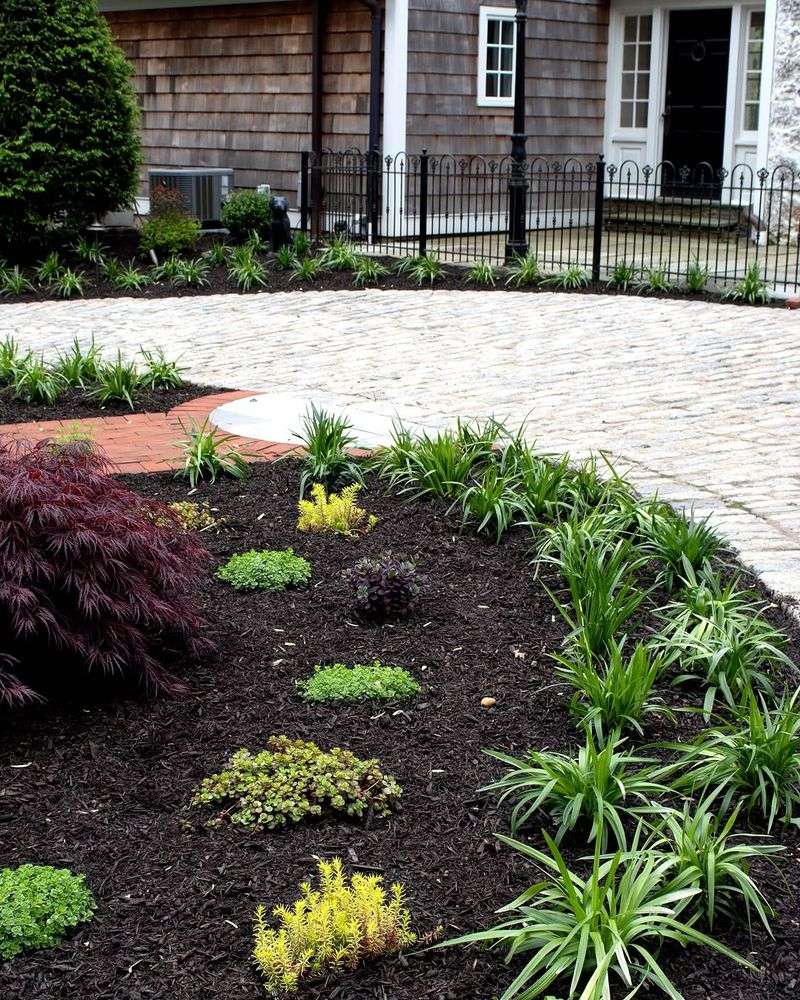
Mulching liriope before summer heat arrives is genuinely the single most impactful thing you can do for these plants.
Most gardeners focus on watering or fertilizing, but soil protection often delivers the biggest results.
A fresh layer of mulch acts like a blanket over the root zone, keeping moisture from escaping too quickly when temperatures climb.
North Carolina summers bring a combination of intense heat and unpredictable dry spells that can stress even tough plants like liriope.
Without adequate mulch, the top layer of soil bakes hard, roots struggle to absorb water efficiently, and plant health declines faster than most people expect.
Two to three inches of fresh mulch creates a buffer that works quietly but powerfully all season.
Beyond moisture, mulch also insulates roots from sudden temperature swings that happen between hot afternoons and cooler nights.
Liriope planted in bare soil experiences far more stress than mulched plants growing just a few feet away.
Refreshing your mulch in late spring, before the heat fully sets in, gives your liriope the strongest possible start heading into summer.
It is a low-effort task with high-reward results that experienced North Carolina gardeners rely on every single year without exception.
June Heat Can Dry Soil Faster Than Expected
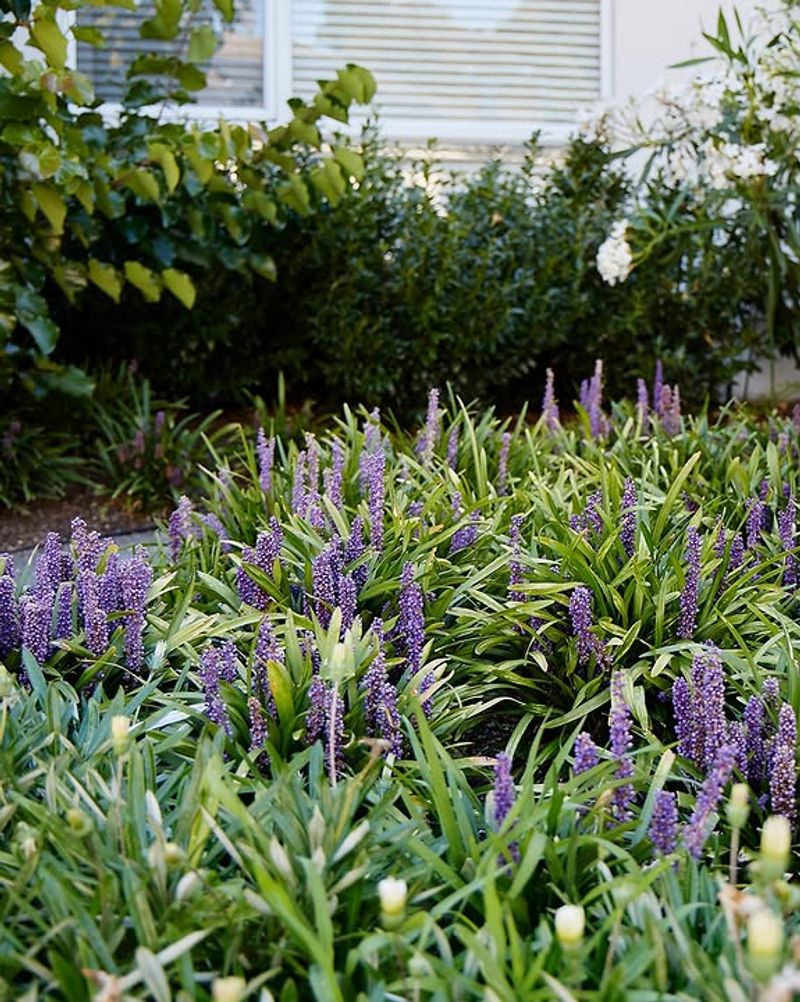
Most people underestimate how quickly North Carolina soil can lose moisture once June arrives in full force.
The combination of blazing sun, warm overnight temperatures, and occasional stretches without rain creates conditions that drain soil moisture faster than a typical summer day might suggest.
Liriope, while naturally resilient, still depends on consistent soil moisture to maintain healthy roots and attractive foliage.
Humidity in North Carolina can actually be deceiving. The air feels moist, but that moisture rarely makes it into the ground where plant roots actually need it.
Surface soil can dry out completely within a day or two after rain, leaving liriope roots working hard to find water in increasingly compact, warm soil.
When soil dries too fast, liriope leaves can start looking dull, slightly rolled, or less vibrant than normal.
These are early signs of moisture stress, and they often appear before gardeners realize watering is needed.
Staying ahead of this pattern means watching soil conditions closely as temperatures rise through June.
Your North Carolina Garden Changes Every Week. Your Plan Should Too.
Gardening in North Carolina changes quickly throughout the season. Every Friday you’ll receive a simple weekly plan showing exactly what to plant, prune, fertilize, harvest, and protect so you never miss the right timing.
Checking soil moisture with a finger test two inches below the surface gives you a much more accurate picture than simply looking at the top layer.
Consistent attention during this period helps liriope sail through the hottest weeks with far less visible stress and much stronger overall growth.
Mulch Helps Reduce Watering Needs
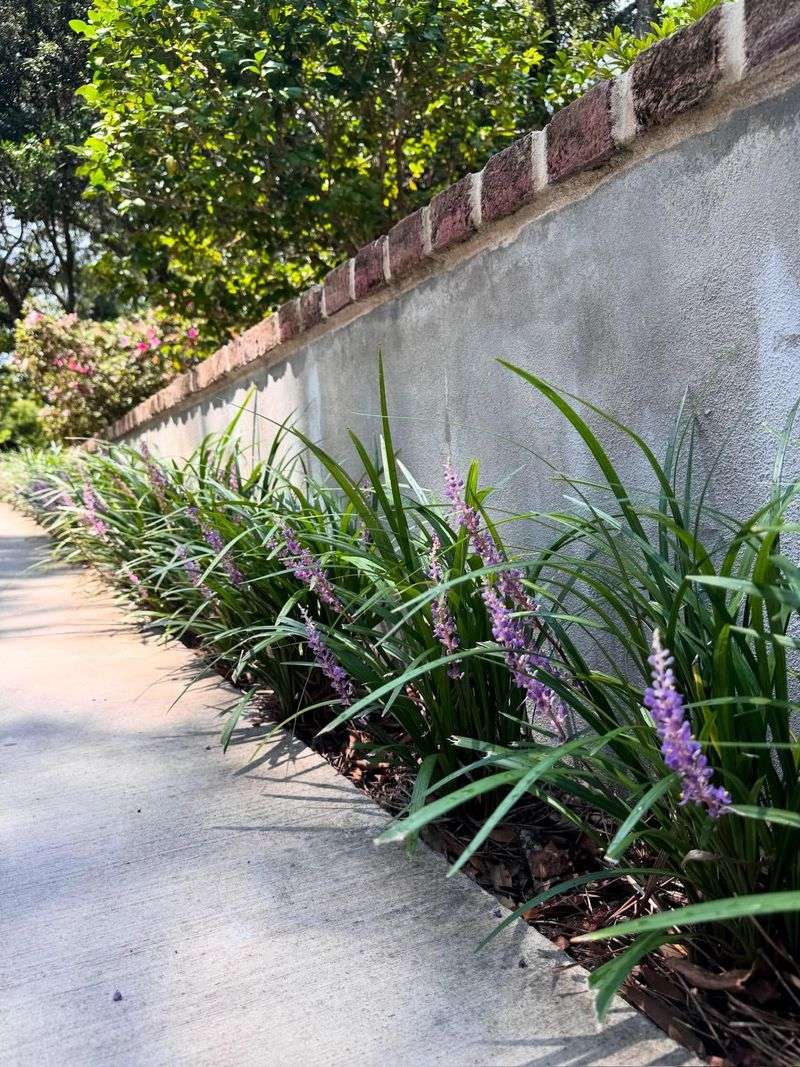
One of the most practical benefits of mulching liriope is the way it dramatically cuts down on how often you need to water.
A good two to three inch layer of organic mulch slows evaporation from the soil surface, keeping moisture available to roots for much longer between rain events or manual watering sessions.
For busy homeowners, this benefit alone makes mulching worth every bit of effort.
Research from university extension programs consistently shows that mulched garden beds retain significantly more moisture than bare soil beds under the same weather conditions.
In practical terms, this can mean the difference between watering every two days versus watering once a week during a dry stretch.
That adds up to real time and water savings across an entire North Carolina summer.
Liriope does not like to sit in waterlogged conditions, but it also performs best when soil moisture stays reasonably consistent rather than swinging between wet and bone dry.
Mulch creates that consistency naturally. It absorbs light rain and releases it gradually, and it slows moisture loss on hot afternoons when evaporation rates peak.
Gardeners who mulch their liriope properly often notice their plants look noticeably healthier and fuller compared to unmulched plants nearby, even when both receive the same amount of rainfall throughout the growing season.
Pine Bark Mulch Works Well In North Carolina Landscapes
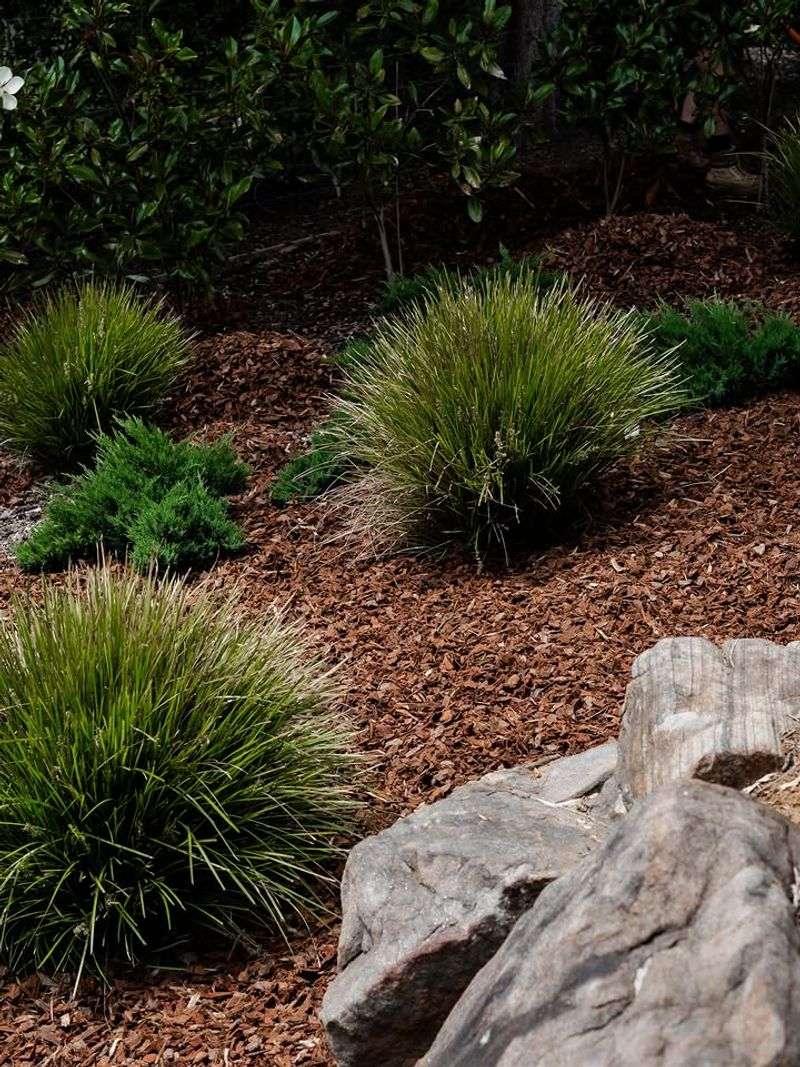
Walk through almost any established North Carolina neighborhood and you will notice pine bark mulch showing up in garden beds again and again.
There is a very good reason for that pattern. Pine bark mulch is widely available across the state, affordable, and it breaks down slowly enough to provide season-long benefits without needing constant replacement.
For liriope specifically, pine bark works well because it improves soil structure as it gradually decomposes.
It adds organic matter to the soil, which helps sandy coastal plain soils hold moisture better and helps clay-heavy Piedmont soils drain more efficiently.
Both of those improvements directly benefit liriope roots during summer stress periods.
Pine bark also tends to stay in place better than lighter mulch options, which matters in areas that receive heavy summer thunderstorms common across North Carolina.
Shredded hardwood mulch is another solid option and offers similar moisture retention benefits.
Avoid using dyed mulches made from recycled materials near liriope, since the quality of those products can vary and some may not break down in ways that benefit soil health.
Sticking with natural, organic mulch options gives liriope the best combination of moisture protection, root insulation, and long-term soil improvement that these plants genuinely need to thrive through the long, humid North Carolina summer season.
Mulch Helps Suppress Summer Weed Competition
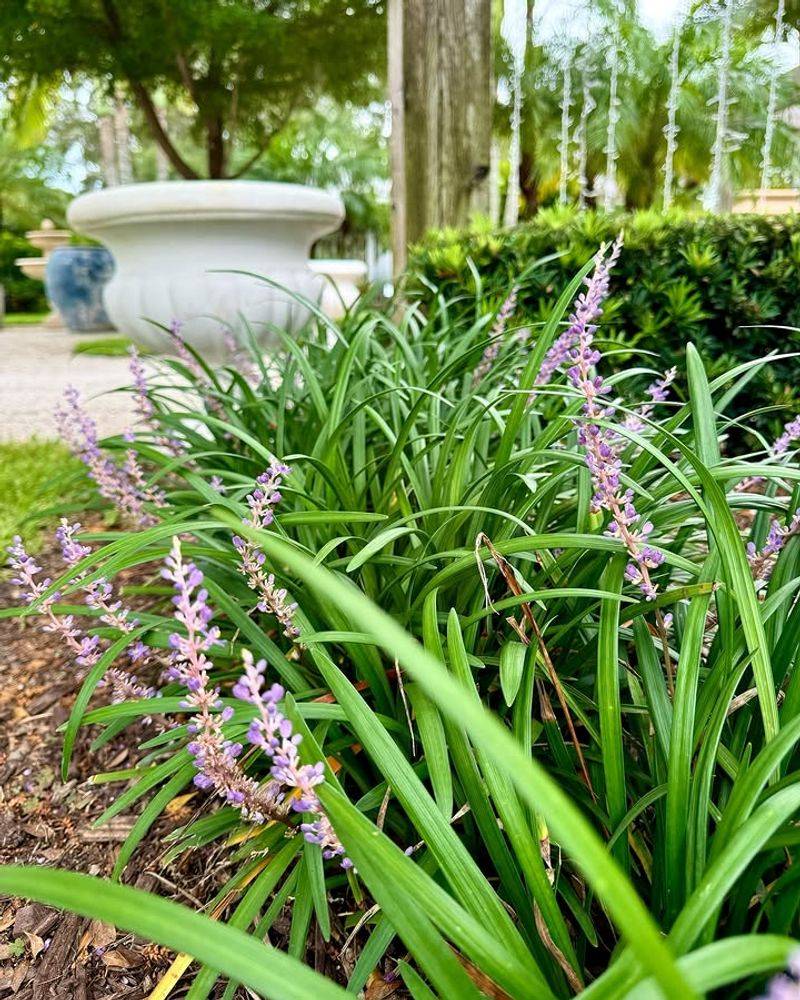
Weeds are relentless competitors, and summer is when they really hit their stride in North Carolina gardens.
When liriope has to compete with weeds for water and nutrients during the hottest months of the year, it often loses ground fast.
A solid mulch layer cuts off light to weed seeds sitting in the soil, preventing most of them from germinating in the first place.
Fewer weeds means liriope gets to use the available soil moisture and nutrients all for itself. During a dry July stretch when water is scarce, that advantage becomes enormous.
Plants that are not sharing resources with a dozen competing weeds simply perform better, maintain better color, and show stronger overall growth patterns through the summer season.
Hand-weeding around liriope in summer heat is also genuinely miserable work, so preventing weeds upfront with mulch saves both the plants and the gardener a lot of unnecessary struggle.
Even a two-inch mulch layer can reduce weed germination by a significant percentage compared to bare soil.
Going up to three inches provides even stronger suppression without creating problems for the liriope itself.
The key is keeping mulch spread evenly across the entire bed rather than leaving thin spots where weeds can easily push through.
Consistent coverage gives liriope the clean, competition-free growing environment it needs to stay healthy and attractive all summer long.
Keep Mulch Away From The Crown
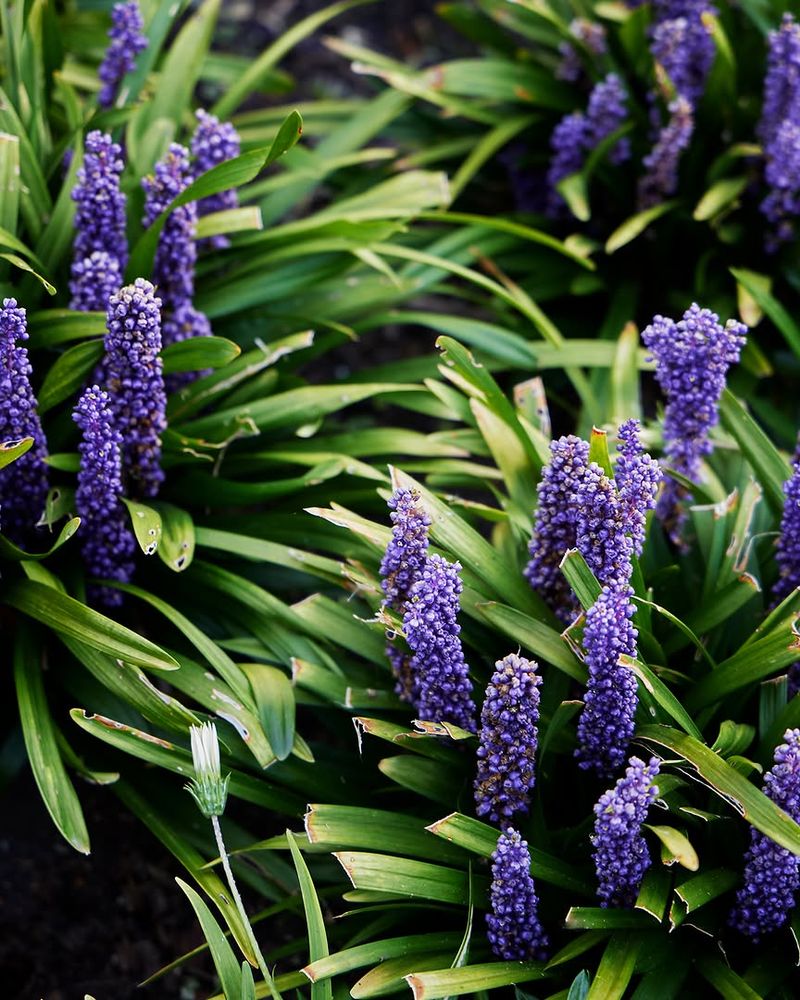
Mulching liriope correctly means knowing where not to put it just as much as knowing where to spread it.
One of the most common mistakes gardeners make is piling mulch directly against the crown of the plant, which is the point where the leaves emerge from the soil.
That habit might seem harmless, but it can cause real problems over time. When mulch sits against the crown, it holds moisture against plant tissue that needs to stay relatively dry and well-ventilated.
In North Carolina’s humid summer climate, that trapped moisture creates ideal conditions for fungal issues and crown rot, both of which can seriously weaken or permanently damage liriope plants.
The irony is that the mulch meant to protect the plant ends up creating the very conditions that harm it.
Proper placement means pulling mulch back one to two inches from the base of each plant, leaving a small clear zone around the crown.
The mulch should form a flat, even layer across the rest of the bed rather than mounding up against plant stems in a volcano shape.
That volcano mulching style is unfortunately common in landscaping, but it causes harm to many different plant types.
Keeping the crown area open and airy while still covering the surrounding soil gives liriope the moisture and temperature benefits of mulch without the risks that come from improper placement.
Fresh Mulch Helps Moderate Soil Temperatures
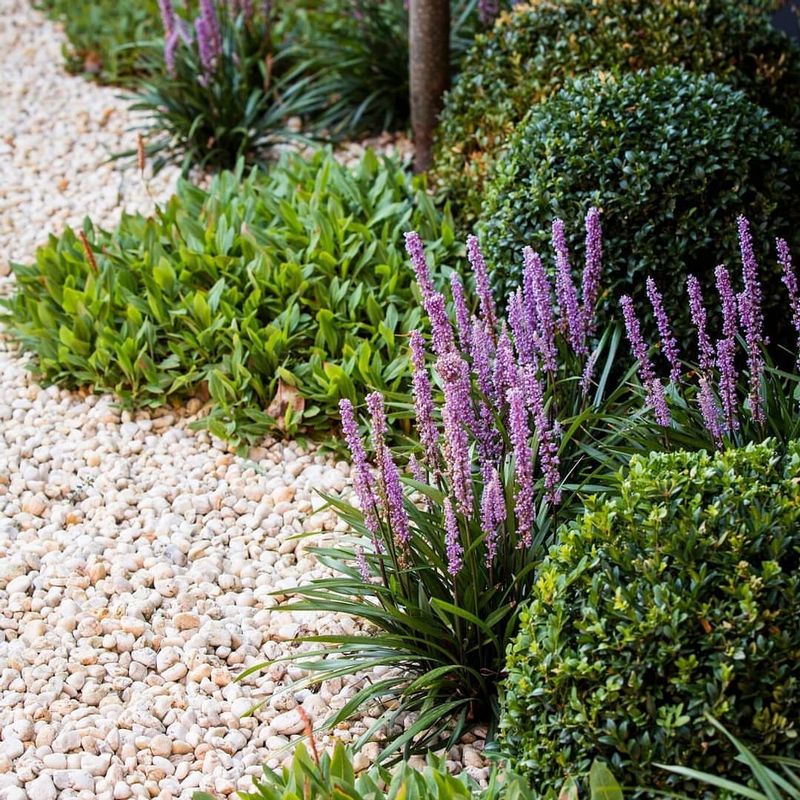
Soil temperature plays a bigger role in plant health than most gardeners realize.
When the surface soil heats up dramatically on a hot North Carolina afternoon, roots just below the surface experience that temperature spike almost immediately.
Extreme heat in the root zone slows nutrient uptake, reduces water absorption efficiency, and puts liriope under a type of stress that is hard to see from above ground until it becomes serious.
A layer of fresh organic mulch acts as insulation, keeping soil temperatures noticeably cooler than they would be in bare beds exposed directly to the sun.
Studies from horticultural research programs have found that mulched soil can stay several degrees cooler than unmulched soil during peak afternoon heat.
For a plant’s root system, those few degrees make a meaningful difference in how well it functions under summer stress. Night temperatures also matter.
North Carolina summers can swing between brutally hot days and somewhat cooler nights, and that temperature fluctuation stresses roots in both directions.
Mulch buffers those swings by slowing both the heating during the day and the cooling at night, creating a more stable environment where roots can function efficiently around the clock.
Applying fresh mulch in late spring, before the hottest weeks arrive, means the insulation layer is already in place and working when liriope needs it most throughout the long summer growing season.
Mulched Liriope Often Holds Better Color During Summer Stress
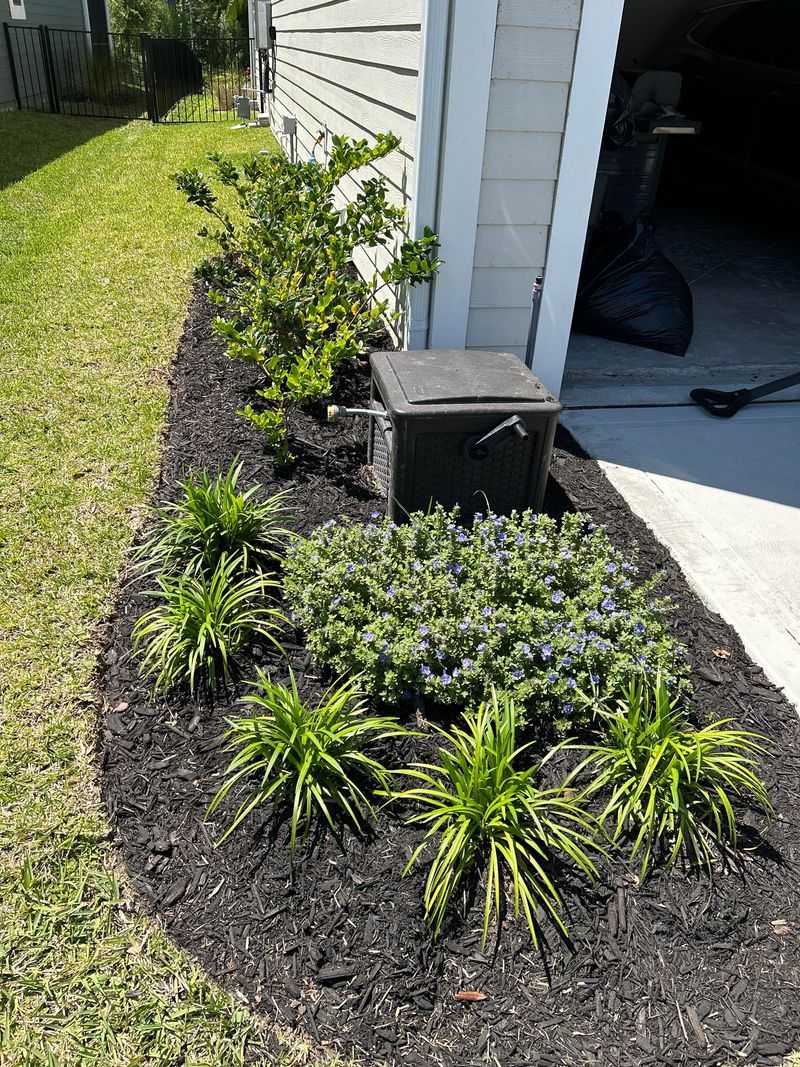
There is something genuinely satisfying about liriope that stays deep green and full-looking straight through July and August while other plants around it start to look tired and washed out.
That kind of summer performance does not happen by accident.
Consistent soil moisture and stable root temperatures are directly responsible for keeping liriope foliage looking its best when the heat is at its worst.
When roots stay cool and moist, the plant can focus its energy on maintaining healthy leaf tissue rather than diverting resources toward stress survival.
That means better chlorophyll production, stronger leaf structure, and the kind of rich green color that makes liriope such a popular landscape plant across North Carolina.
Mulch is the single biggest factor that makes this possible without requiring constant intervention from the gardener.
Liriope under prolonged moisture stress tends to develop a slightly yellowish or faded appearance, and individual leaf tips may start to look ragged or off-color.
Preventing that decline is far easier than reversing it once it starts.
Mulched plants rarely reach that point because the soil conditions simply stay more favorable throughout the season.
Homeowners who take the time to refresh mulch before summer fully arrives consistently report that their liriope looks noticeably better than neighboring plants that did not receive the same preparation.
It is a small investment of time that pays off in visible, season-long beauty.