Pine Straw Vs Mulch In North Carolina And The Better Choice For Weed Control
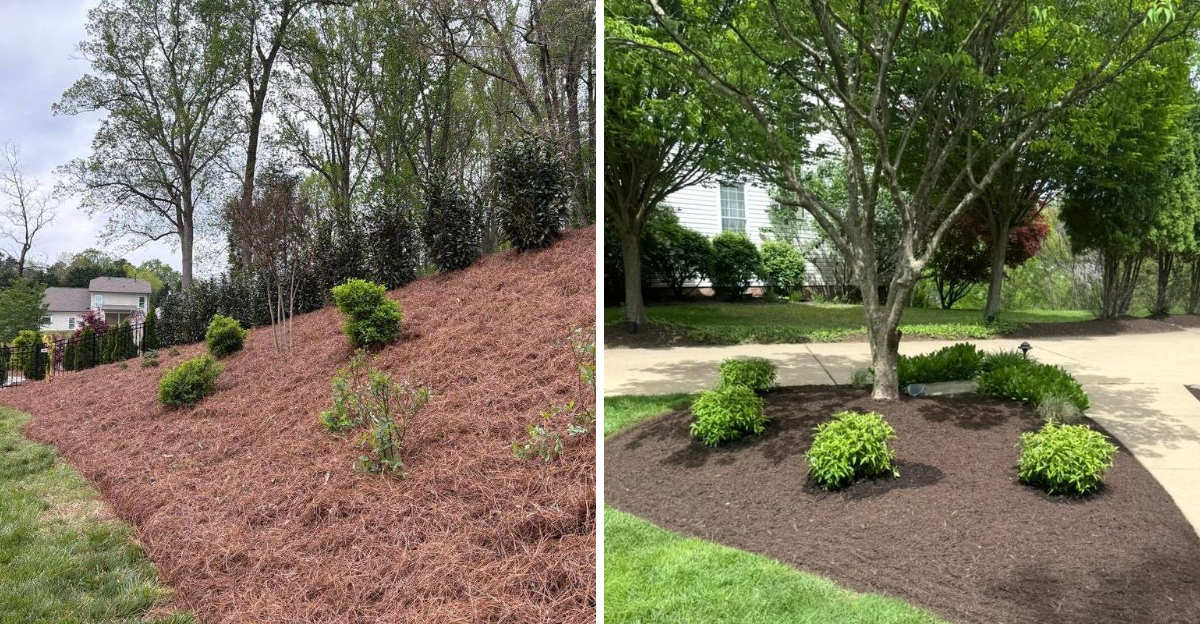
This debate comes up in practically every North Carolina gardening conversation, and people have strong opinions on both sides. Pine straw has deep roots in the region, cheap, available everywhere, and easy to spread in an afternoon.
Shredded mulch has its own loyal following, and the options at any garden center have multiplied over the years. But when the specific goal is weed control, the answer isn’t really a matter of personal preference.
The two materials behave very differently once they’re on the ground, and one of them does a noticeably better job of keeping weeds from getting established, staying in place after a hard rain, and lasting through a full North Carolina growing season.
Knowing which one actually performs better for suppression changes how you spend your time and money on one of the most repeated chores in the whole yard.
1. Pine Straw Blocks Some Weeds, But Not As Strongly As Wood Mulch
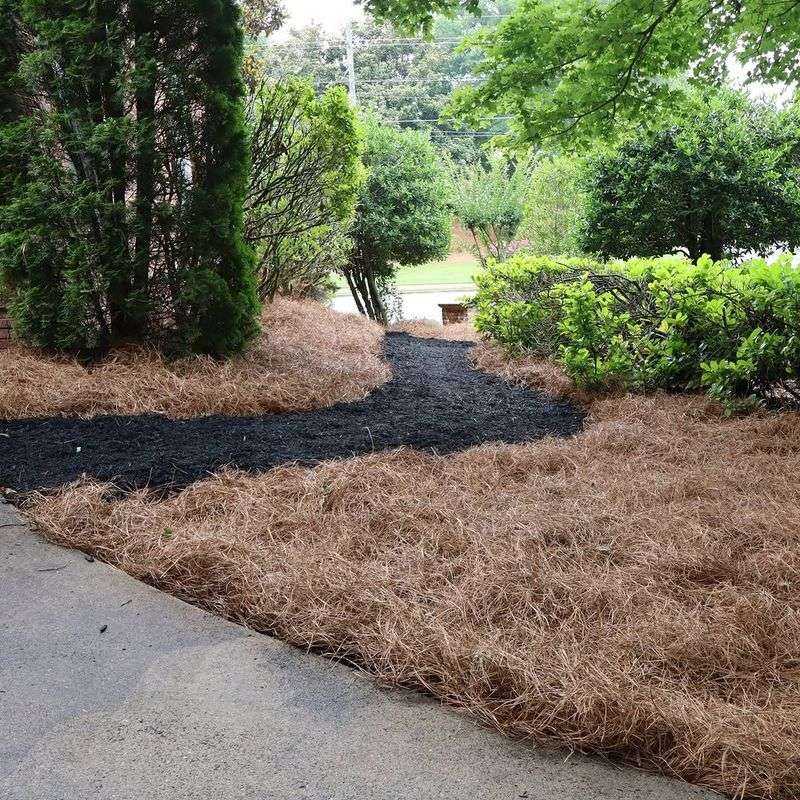
Pine straw has been a go-to ground cover across North Carolina for generations, and it genuinely does help reduce weed germination by shading the soil beneath it.
When sunlight cannot reach the soil surface, many weed seeds simply never sprout. That is a real benefit worth appreciating, especially in large landscape beds where covering ground quickly matters.
The problem is the texture. Pine straw needles are loose, light, and airy by nature, which means gaps form easily between them.
Those gaps let in just enough light and air for opportunistic weeds to find their footing. In beds with heavy weed pressure, that loose structure becomes a noticeable weakness.
Shredded hardwood mulch and pine bark mulch, on the other hand, tend to mat together over time, creating a much denser physical barrier against weed germination. That tight, layered structure is harder for weeds to push through.
North Carolina gardeners dealing with persistent weed problems in their flower beds or foundation plantings will usually find that wood-based mulches outperform pine straw when weed suppression is the top priority.
Pine straw still has its place, but for serious weed control, it rarely wins that head-to-head comparison against quality wood mulch.
2. Shredded Wood Mulch Usually Wins For Weed Control
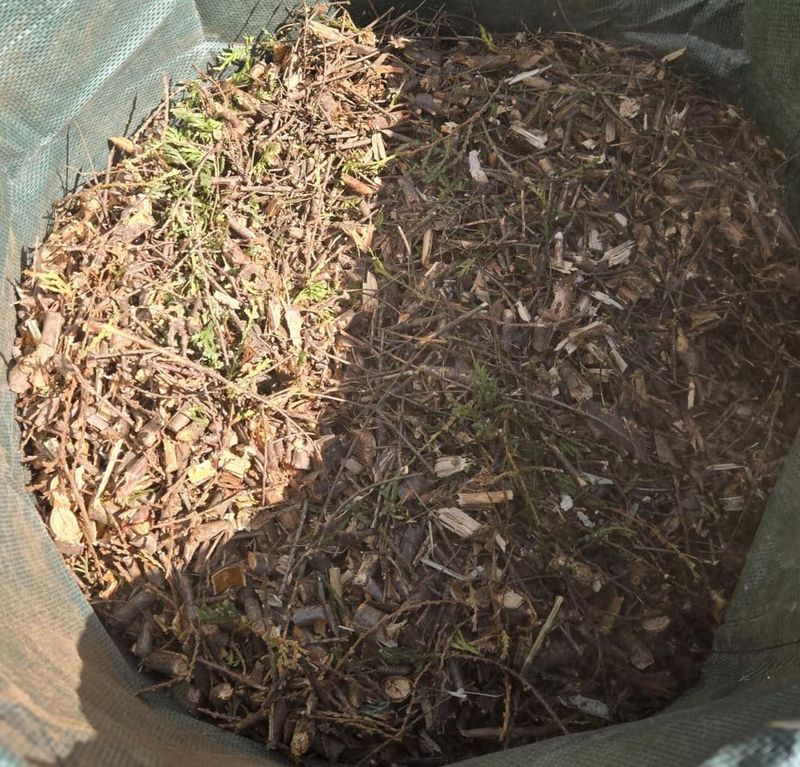
When it comes to suppressing weeds, shredded hardwood mulch has a clear structural advantage over pine straw.
As the individual wood pieces settle and break down slightly, they begin to interlock and compact into a dense mat that physically blocks weed seeds from reaching soil.
That dense layer is genuinely harder for weeds to penetrate compared to the airy gaps left by pine needles.
Pine bark mulch works in a similar way. The chunky, irregular shapes of bark pieces stack and overlap, cutting off light at the soil level more effectively than loose straw.
For North Carolina homeowners who want clean, low-maintenance beds around ornamental shrubs or perennials, this type of mulch delivers noticeably better long-term results.
Another advantage is moisture retention. Shredded wood mulch holds soil moisture well, which keeps plants healthier and reduces the stress that often makes weeds more competitive.
Your North Carolina Garden Changes Every Week. Your Plan Should Too.
Gardening in North Carolina changes quickly throughout the season. Every Friday you’ll receive a simple weekly plan showing exactly what to plant, prune, fertilize, harvest, and protect so you never miss the right timing.
A well-mulched bed with good moisture balance tends to grow fewer weeds naturally over time.
Applying a fresh two-to-three-inch layer of shredded hardwood each season gives your landscape beds the strongest possible defense against weed pressure without resorting to chemical treatments.
For most North Carolina gardeners focused on clean, attractive, weed-resistant beds, shredded wood mulch is simply the smarter and more effective choice.
3. Mulch Depth Matters More Than The Material Alone
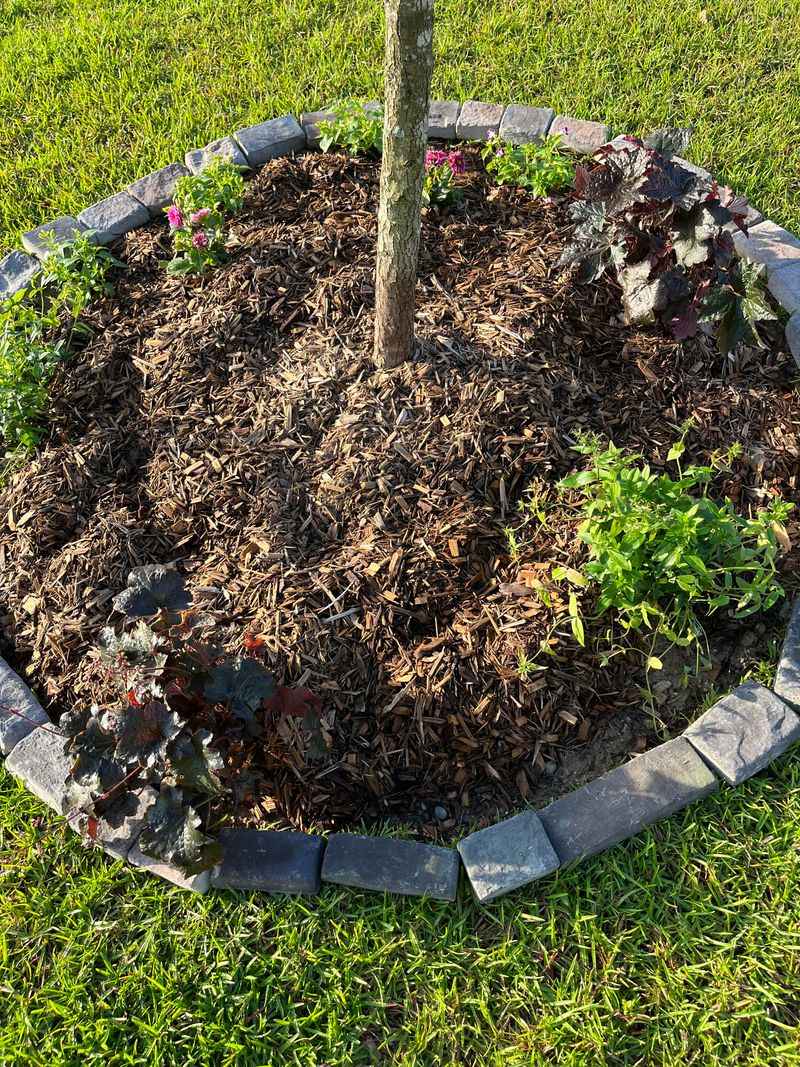
Here is something many gardeners overlook: the depth of your mulch layer often matters more than whether you chose pine straw or shredded wood. Even the best mulch material will fail at weed control if it is spread too thin.
A skimpy one-inch layer leaves plenty of room for weed seeds to find light and germinate without much resistance.
For organic mulches like shredded hardwood or pine bark, a two-to-three-inch layer is the sweet spot most North Carolina extension specialists recommend.
That depth is thick enough to block most annual weed seeds from sprouting while still allowing water and air to move through to plant roots.
Going deeper than three or four inches can actually cause problems by trapping too much moisture against the soil surface, which can encourage fungal issues or root stress in some plants.
Pine straw requires a slightly thicker application, often three to four inches, to achieve comparable weed suppression because of its loose, open texture. Refreshing your mulch layer each season keeps the depth consistent as older material breaks down.
Whether you choose wood mulch or pine straw, committing to the right depth from the start is the single most practical step North Carolina gardeners can take to get real, lasting weed control results throughout the growing season.
4. Pine Straw Breaks Down And Shifts More Easily
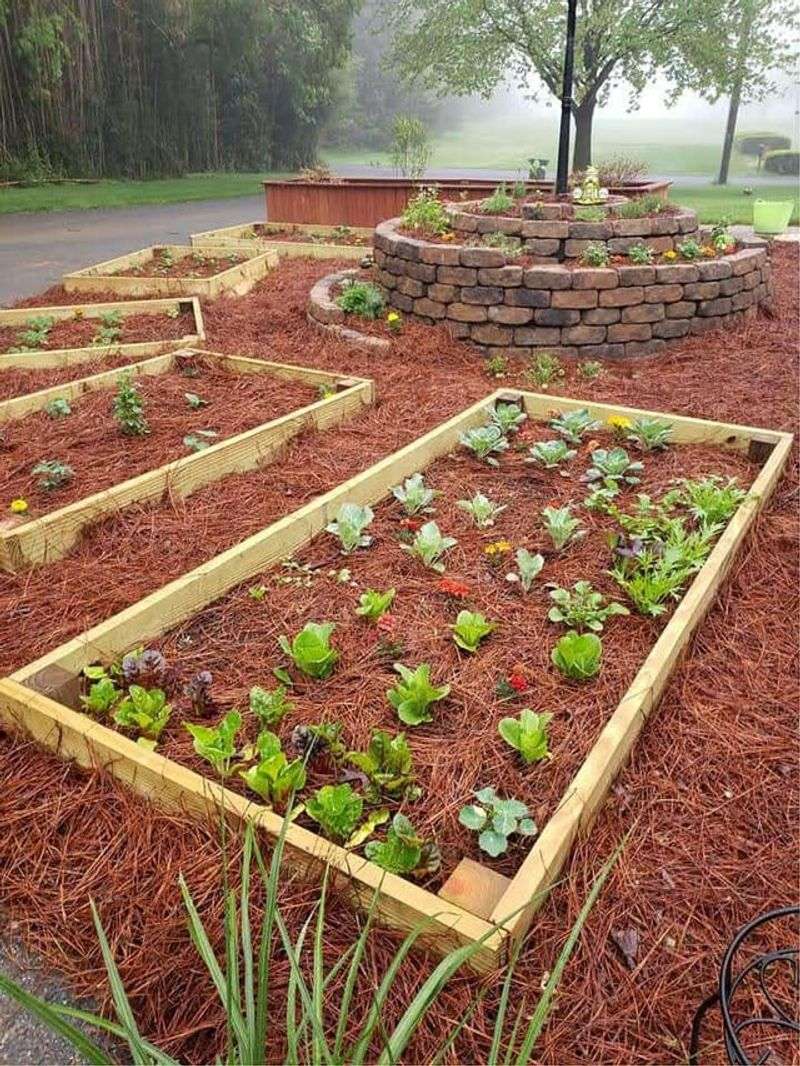
One of the biggest practical drawbacks of pine straw in North Carolina landscapes is how easily it moves around.
Heavy summer rainstorms, which are common across the state, can wash pine needles downhill, pile them against plant stems, or scatter them across walkways and lawn edges.
That movement leaves patches of bare soil exposed, and bare soil is basically an open invitation for weeds to move in fast.
Wind is another factor. Unlike heavier wood mulch, pine straw is light enough to blow across a bed on a breezy day, especially in open areas with little surrounding vegetation to act as a windbreak.
Foot traffic through garden areas can also scatter needles and thin out coverage in high-use spots.
On relatively flat beds, this shifting tendency means more frequent touch-ups to maintain adequate coverage. Gardeners sometimes find themselves re-raking and repositioning pine straw several times throughout the season just to keep bare spots covered.
Each time soil is exposed, weed seeds get another opportunity. Wood mulch, by contrast, stays put much more reliably on flat ground, holding its position through rain events and moderate wind without constant attention.
For busy North Carolina homeowners who want low-maintenance weed control, the shifting behavior of pine straw is a real and ongoing inconvenience worth factoring into your choice.
5. Wood Mulch Holds Better On Flat Foundation Beds
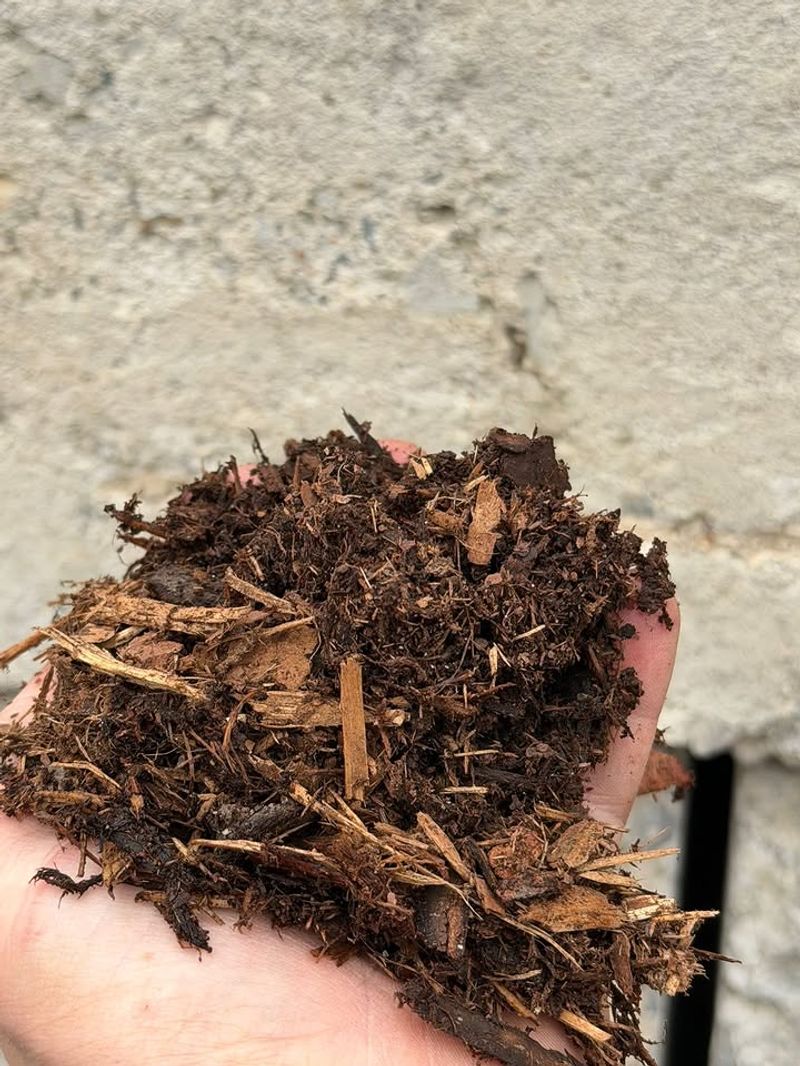
Foundation beds around homes are some of the most visible parts of a North Carolina landscape, and keeping them looking sharp while managing weeds is a priority for most homeowners.
Shredded wood mulch is a strong performer in these flat, bordered areas because it stays put reliably once it settles into place. Rain does not wash it around the way it does with lighter pine straw.
The interlocking texture of shredded hardwood creates a stable surface that resists displacement from sprinkler systems, garden hoses, and even moderate foot traffic near entryways.
Over time, the outer layer of wood mulch weathers to a pleasant gray-brown while the layer beneath continues to suppress weeds and retain soil moisture.
That combination of good looks and consistent function makes it a popular choice for foundation plantings across the state.
Pine bark nuggets are another solid option for flat foundation beds, offering similar stability with a slightly chunkier appearance that some homeowners prefer for curb appeal.
Both options outperform pine straw when long-term weed suppression in a stationary, well-defined bed is the main goal.
If you are refreshing your foundation beds this season, investing in a quality shredded wood mulch at the right depth gives you the best combination of moisture retention and lasting weed control without a lot of ongoing maintenance.
6. Pine Straw Can Be Better On Slopes
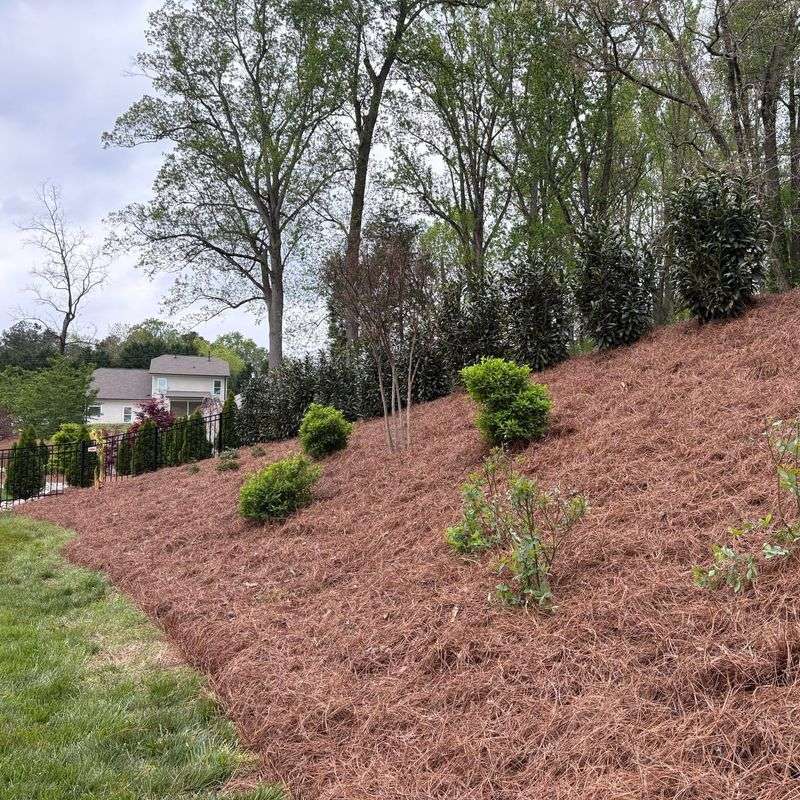
Slopes are where pine straw genuinely earns its reputation.
Unlike chunky wood mulch, which can slide or wash downhill during heavy North Carolina rainstorms, pine needles have a natural ability to interlock with each other and with surrounding vegetation.
That interlocking quality helps them grip slopes better than most other organic mulch options, especially on moderate inclines.
Large naturalistic landscape areas, wooded hillsides, and beds planted under pine trees are all environments where pine straw feels right at home.
It blends naturally into these settings, looks appropriate with the surrounding plant material, and is generally easy to spread across wide areas quickly.
Refreshing a pine straw slope is also straightforward since bales are lightweight and manageable compared to heavy bags of wood mulch.
Weed control on slopes with pine straw is decent but not perfect. The coverage can still thin out over time as needles settle and compact, so plan on refreshing the layer at least once a year to maintain effective suppression.
Adding a layer of landscape fabric beneath the pine straw before application can boost weed control on slopes significantly if weeds have been a consistent problem.
For North Carolina homeowners managing hilly or naturally wooded areas, pine straw offers a practical, cost-effective, and visually fitting solution that wood mulch simply cannot match in those specific conditions.
7. Neither One Stops Established Perennial Weeds
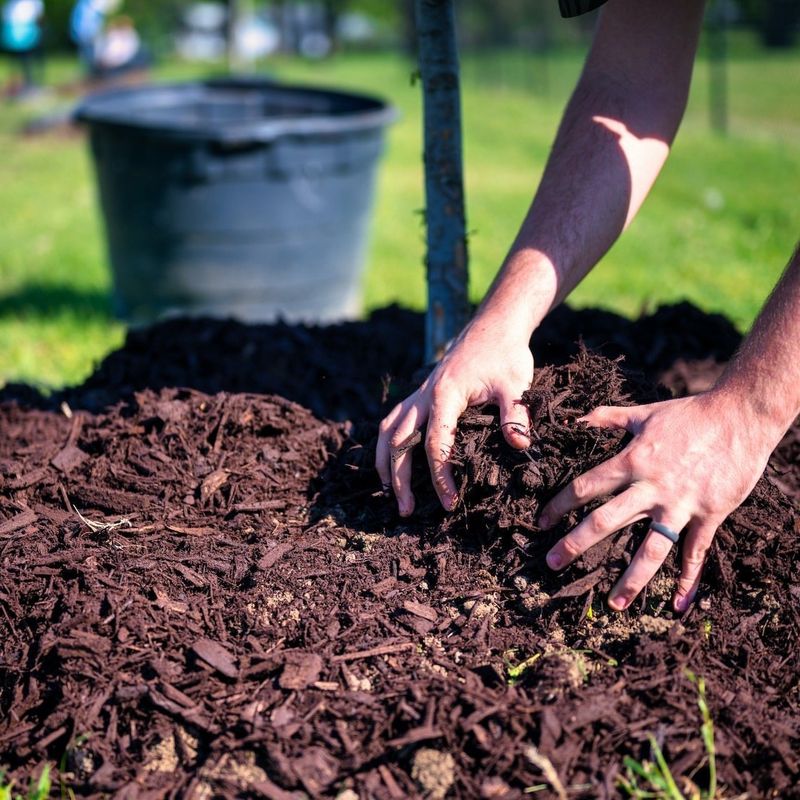
Both pine straw and wood mulch share one important limitation that every North Carolina gardener should understand before spreading a single handful: neither one will stop established perennial weeds that are already rooted in your soil.
Bermudagrass, nutsedge, wild violets, and ground ivy are notorious for pushing right through even thick mulch layers because their energy comes from deep root systems and rhizomes underground, not from surface light exposure.
Annual weeds, which germinate fresh from seed each season, are the ones most effectively managed by a good mulch layer. Perennials are a completely different challenge.
Their underground structures allow them to store energy and push new growth upward regardless of what is covering the soil surface. A four-inch layer of premium shredded hardwood will not stop a healthy stand of bermudagrass from resurfacing by midsummer.
The most effective approach for perennial weed management is to address the root systems directly before laying any mulch. Hand-pulling, smothering, or treating the area and allowing it to clear before mulching gives you a much cleaner starting point.
Once established perennial weeds are managed, a good mulch layer can then help prevent new seedling weeds from taking hold.
Skipping that first step and relying on mulch alone to handle deeply rooted perennials will consistently lead to disappointment, regardless of which material you choose.
8. The Best Choice Depends On The Bed
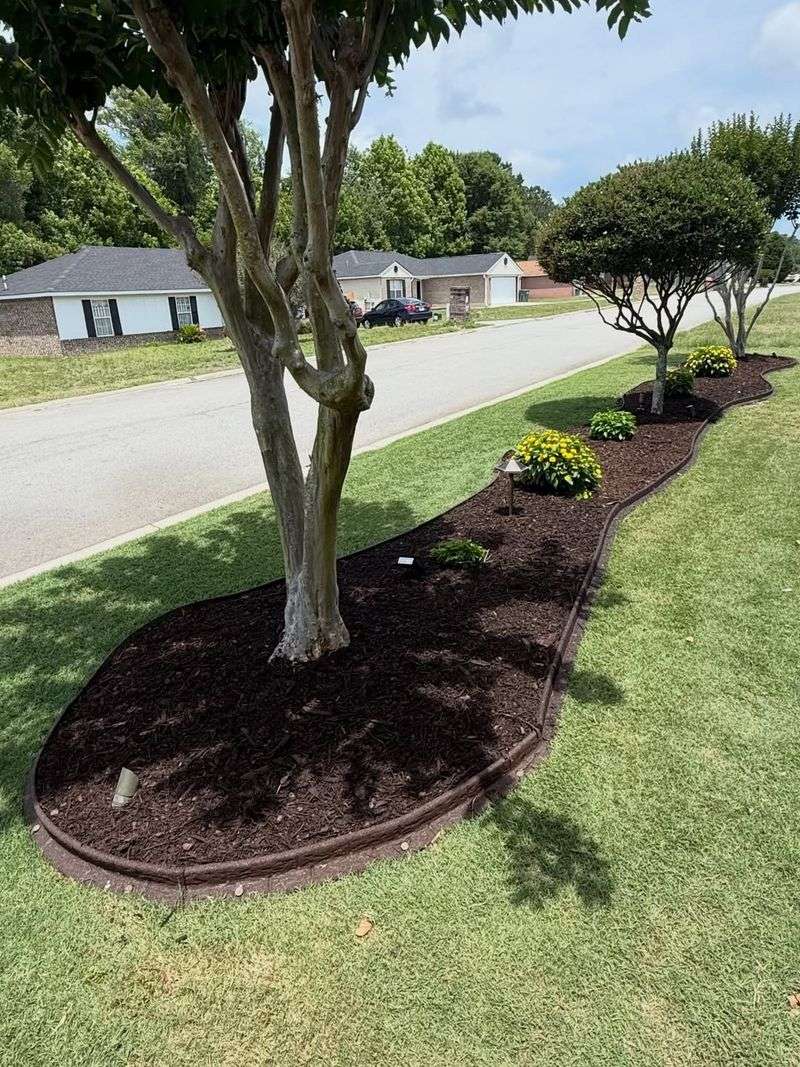
Picking between pine straw and wood mulch is not really about which one is universally better. The right answer genuinely depends on what kind of bed you are working with and what your top priorities are.
Understanding those differences upfront saves you from making a choice you will want to redo a season later.
Wood mulch is the stronger performer for weed control in flat foundation beds, formal garden borders, and any area where maximum suppression matters most. Its density, stability, and moisture retention give it a clear functional advantage in those settings.
Most North Carolina landscapers default to shredded hardwood or pine bark mulch for these applications precisely because the results are more consistent and require less frequent refreshing.
Pine straw shines in large naturalistic areas, wooded landscapes, slopes, and settings where a more rustic, natural aesthetic fits the surroundings.
It is also typically less expensive per square foot of coverage, which makes it appealing for homeowners managing very large properties.
Refreshing pine straw is quick and easy, and its lighter weight makes application far less physically demanding than hauling heavy bags of wood mulch.
The smartest approach for many North Carolina yards is actually using both, matching the material to the specific bed type rather than committing to one across the entire property. Thoughtful selection by bed type delivers the best overall results.
9. Keep Either Material Away From Stems And Trunks
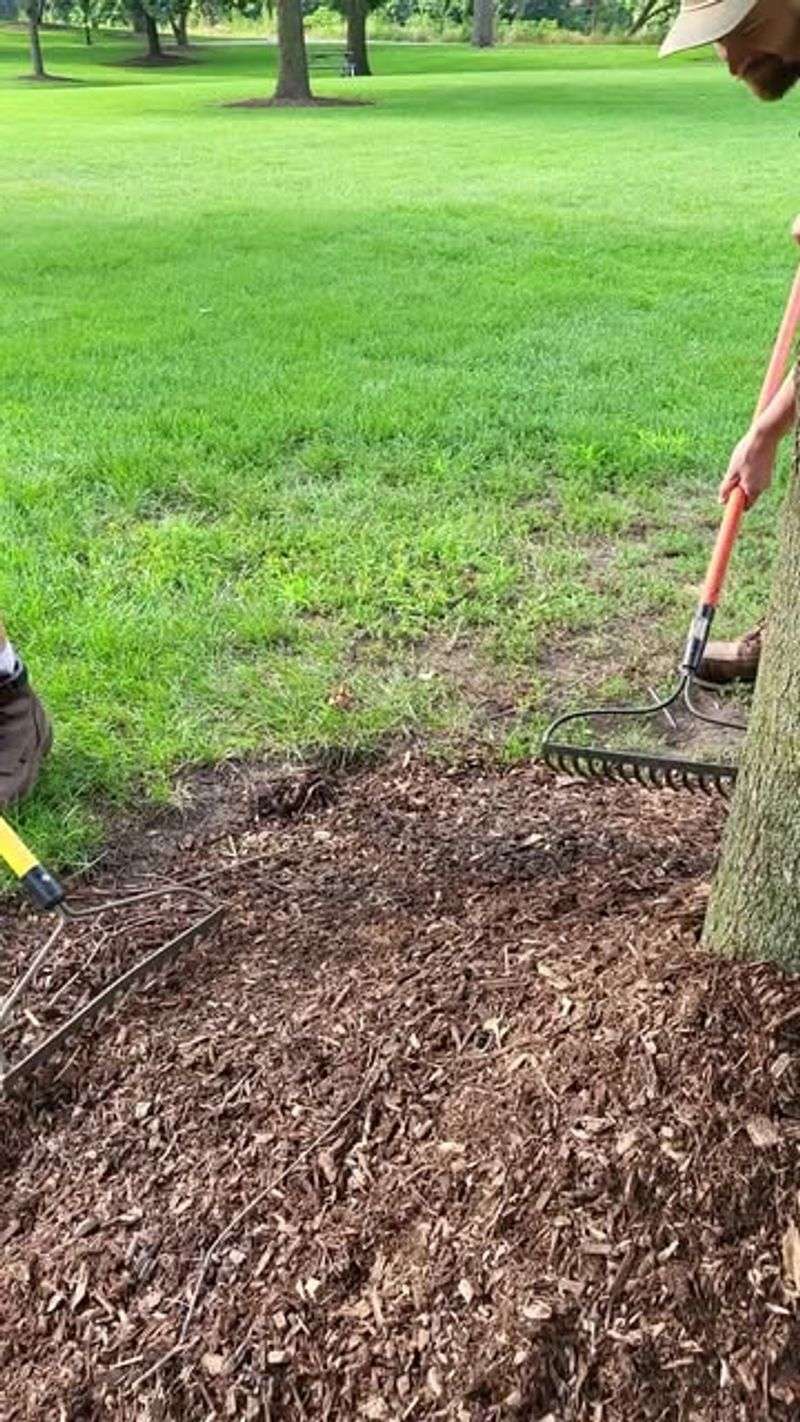
Regardless of whether you choose pine straw or wood mulch, one rule applies to both without exception: never pile either material directly against plant stems, tree trunks, or the crown of perennials.
This mistake is so common it has its own nickname in the landscaping world, volcano mulching, and it causes serious long-term problems for plants of all sizes.
When organic material stays in constant contact with bark or stems, it traps moisture against tissue that needs to breathe and stay relatively dry. Over time, that persistent moisture creates ideal conditions for fungal rot, bark deterioration, and disease.
Certain insects and rodents also use thick mulch piled against trunks as shelter, and they can cause additional damage to the plant tissue underneath.
The fix is straightforward and takes just a moment of extra care during application. Pull mulch or pine straw back a few inches from the base of every stem, trunk, or crown so that a clear ring of open soil surrounds each plant.
A two-to-three-inch gap is usually enough to prevent moisture buildup while still keeping the surrounding soil covered and protected. North Carolina gardeners who make this small adjustment consistently see healthier shrubs, trees, and perennials over time.
Good mulching technique matters just as much as choosing the right material in the first place.
10. For Weed Control, Fresh Mulch Beats Bare Soil Every Time
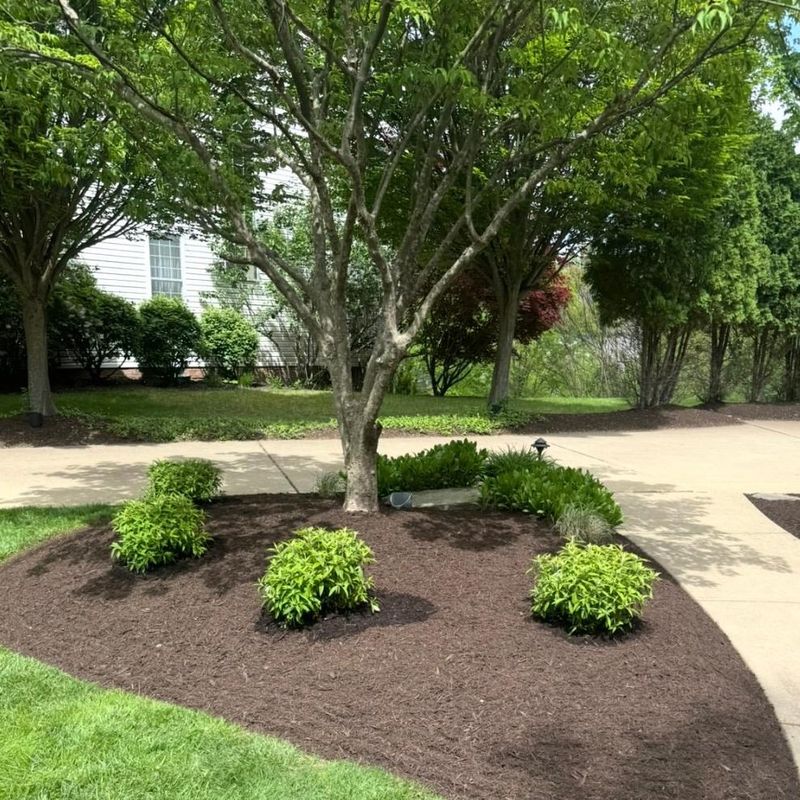
At the end of the day, the most important takeaway for any North Carolina gardener is this: covering your soil with something is almost always better than leaving it bare. Exposed soil is a weed magnet.
Sunlight reaches seeds, rain splashes them into position, and within a few weeks a bare bed can look like a weed garden all on its own. Both pine straw and wood mulch interrupt that cycle effectively.
The choice between them should come down to a few practical factors specific to your situation. Consider your weed pressure first.
If weeds have been aggressive in a particular bed, go with shredded wood mulch for stronger suppression. Think about your slope, your aesthetic preferences, your budget, and how often you realistically plan to refresh the material each year.
Pine straw refreshes faster and costs less upfront, making it a smart option for large, low-maintenance areas. Wood mulch costs more and takes more effort to apply, but it delivers better weed suppression and holds moisture more effectively in formal beds.
Neither option is a permanent fix on its own, and both work best when combined with good soil prep and consistent seasonal maintenance.
Starting with covered soil, choosing the right material for each specific bed, and refreshing it annually puts you well ahead of the weed pressure that challenges so many North Carolina gardeners every growing season.