These Are The North Carolina Vegetables That Struggle In June Heat And What To Grow Instead
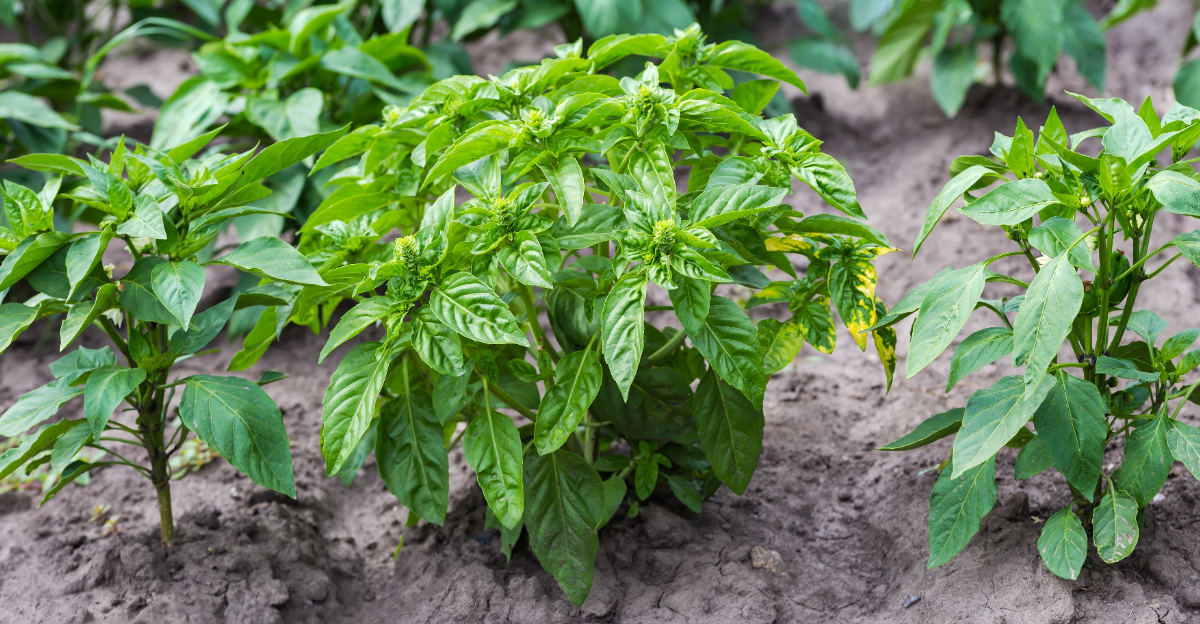
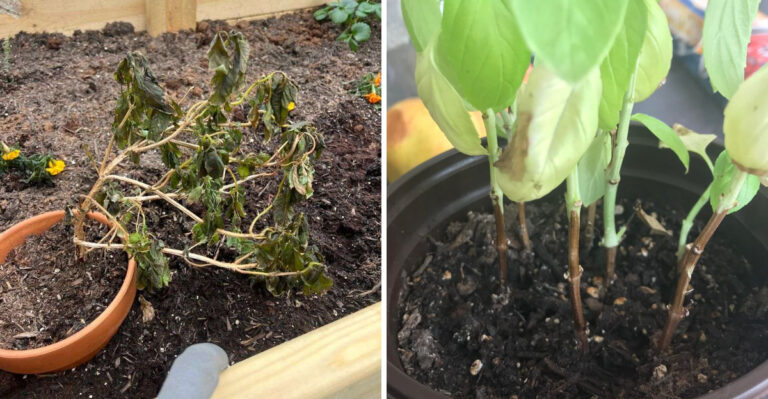
There’s a specific kind of gardening frustration that hits in June when plants that looked great in May suddenly start falling apart. Leaves yellow, production stalls, and the whole bed starts looking like it’s giving up right when summer should be hitting its stride.
North Carolina’s June heat is genuinely difficult for certain vegetables, and growing them past their window is a battle you’re unlikely to win no matter how much you water or adjust.
The smarter move is knowing which ones to pull and what to put in their place, because the summer garden doesn’t have to slow down just because a few crops have run their course.
Several vegetables are perfectly suited to go in right now and carry the garden forward through the hottest months with far less struggle than the plants you’ve been trying to keep alive.
1. Lettuce – Grow Southern Peas Instead
Lettuce loves cool weather and starts showing stress signals the moment June temperatures climb past 75 degrees. The plants send up tall flower stalks in a process called bolting, which makes the leaves taste bitter and unpleasant.
Your once-tender lettuce transforms into something tough and unappetizing within just a few days of consistent heat.
Most lettuce varieties simply weren’t bred to handle North Carolina’s intense summer conditions. The roots stay shallow and can’t access deeper soil moisture when the sun beats down relentlessly.
Water evaporates quickly from those delicate leaves, causing the plants to wilt even with regular watering.
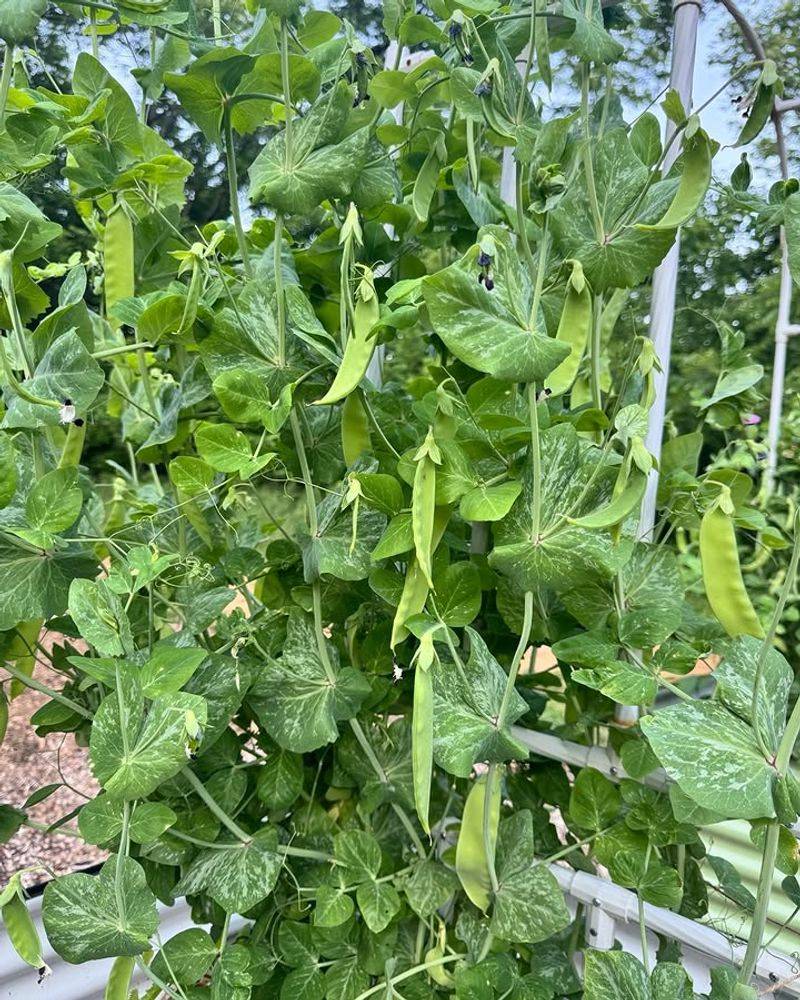
Southern peas offer an excellent alternative that actually prefers the heat you’re experiencing. These nitrogen-fixing legumes thrive when temperatures soar into the 90s, producing pods continuously throughout the hottest months.
Varieties like black-eyed peas, crowder peas, and purple hull peas were specifically developed for southern summers.
Plant southern peas directly in your garden soil once it warms up, spacing them about three inches apart in rows. They grow quickly and start producing edible pods within 60 days of planting.
The plants tolerate drought better than most vegetables and actually improve your soil quality by adding nitrogen.
Harvest the pods when they’re young and tender for fresh eating, or wait until they mature and dry for storage. Southern peas provide protein-rich nutrition and require minimal maintenance once established.
Your garden stays productive instead of sitting empty where lettuce once grew.
2. Spinach – Grow Okra Instead
Spinach belongs firmly in the cool-season category and begins struggling the moment nighttime temperatures stay above 50 degrees consistently. Once June arrives with its warm nights and hot days, spinach plants respond by flowering rapidly.
The leaves become smaller, tougher, and develop an unpleasant bitter flavor that makes them nearly inedible.
The biological imperative to reproduce kicks in when spinach experiences heat stress. Plants prioritize seed production over leaf growth, which means your harvest window closes abruptly.
Even bolt-resistant varieties can’t withstand prolonged exposure to North Carolina’s summer temperatures.
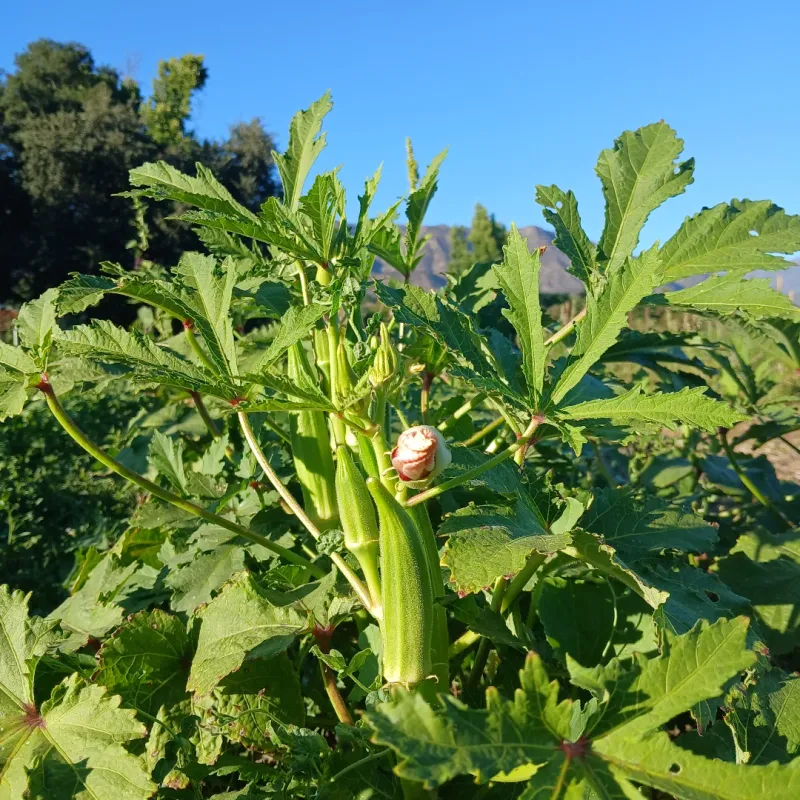
Okra stands as the perfect warm-weather replacement because it absolutely loves heat and humidity. This southern favorite won’t even germinate unless soil temperatures reach at least 65 degrees, and it produces best when temperatures climb into the 90s.
Your North Carolina Garden Changes Every Week. Your Plan Should Too.
Gardening in North Carolina changes quickly throughout the season. Every Friday you’ll receive a simple weekly plan showing exactly what to plant, prune, fertilize, harvest, and protect so you never miss the right timing.
The plants grow tall and sturdy, developing beautiful hibiscus-like flowers before forming tender pods.
Start okra seeds directly in your garden after the last frost date has passed and soil feels warm to the touch. Space plants about 12 to 18 inches apart in rows, giving them room to reach their full height.
They need full sun and well-drained soil but tolerate drought conditions remarkably well once established.
Harvest okra pods when they’re three to four inches long for the best texture and flavor. Pick them every other day during peak production to keep plants producing prolifically.
The more you harvest, the more pods the plants will generate throughout the entire summer season.
3. Arugula – Grow Bush Beans Instead
Arugula brings wonderful peppery flavor to spring salads but turns aggressively bitter when temperatures rise above 80 degrees. The plants bolt incredibly fast in hot weather, sometimes within just a week of the first heat wave.
Those delicate leaves that tasted so good in April become nearly inedible by mid-June.
Heat stress causes arugula to produce much higher levels of compounds that create its characteristic spiciness. What was pleasantly peppery becomes overwhelmingly harsh and unpalatable.
The plants also become tough and fibrous as they redirect energy toward flowering and seed production rather than tender leaf growth.
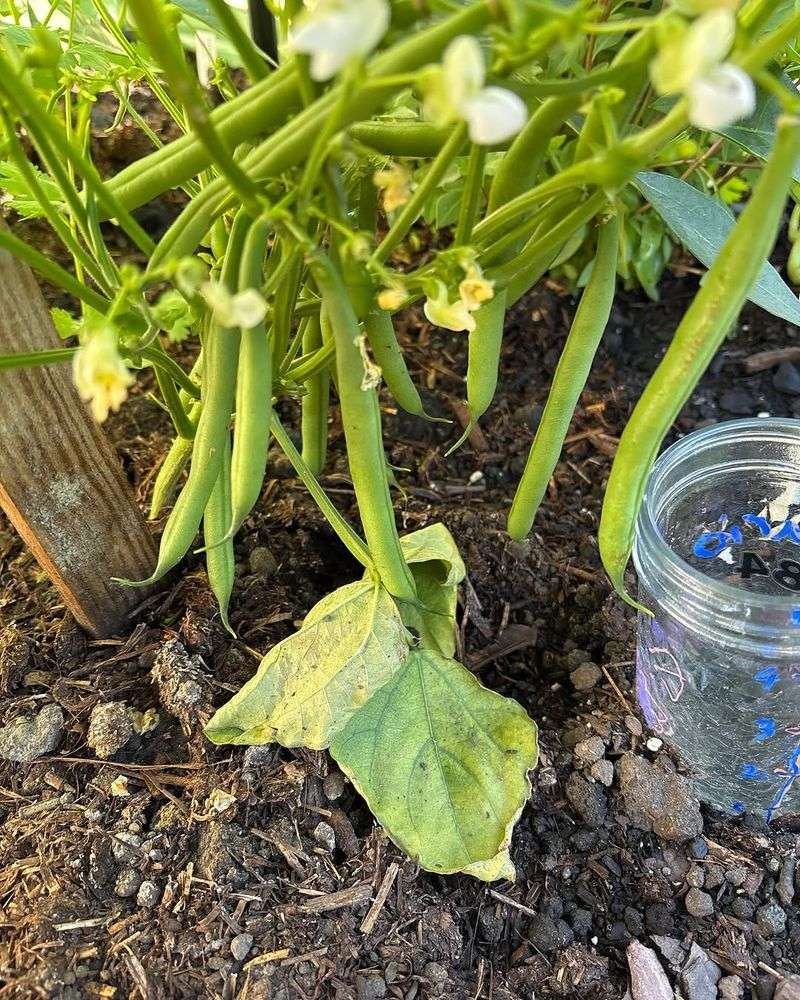
Bush beans provide an outstanding alternative that thrives in the exact conditions that make arugula miserable. These compact plants don’t require staking or trellising and produce abundantly throughout the summer months.
Varieties like Blue Lake, Provider, and Contender handle heat beautifully while generating tender, flavorful pods.
Sow bush bean seeds directly into warm garden soil, planting them about one inch deep and two inches apart. They germinate quickly in June’s warmth and start producing harvestable beans within 50 to 60 days.
The plants fix nitrogen in the soil, actually improving the growing conditions for whatever you plant next.
Pick beans when they’re young and slender, before the seeds inside become visible through the pod. Regular harvesting every few days encourages the plants to keep producing new flowers and beans.
Bush beans continue yielding until the first frost arrives, giving you months of fresh vegetables from a single planting.
4. Cilantro – Grow Basil Instead
Cilantro frustrates many North Carolina gardeners because it bolts at the first hint of sustained warmth. June temperatures trigger rapid flowering, transforming your cilantro patch into a forest of tall seed stalks within days.
The leaves lose their distinctive flavor and become sparse as the plant focuses entirely on reproduction.
This herb evolved in cooler Mediterranean climates and simply can’t adapt to southern summer heat. Even heat-tolerant varieties like Slow Bolt only delay the inevitable by a week or two.
The moment you see those characteristic white flowers appearing, the useful harvest period has essentially ended.
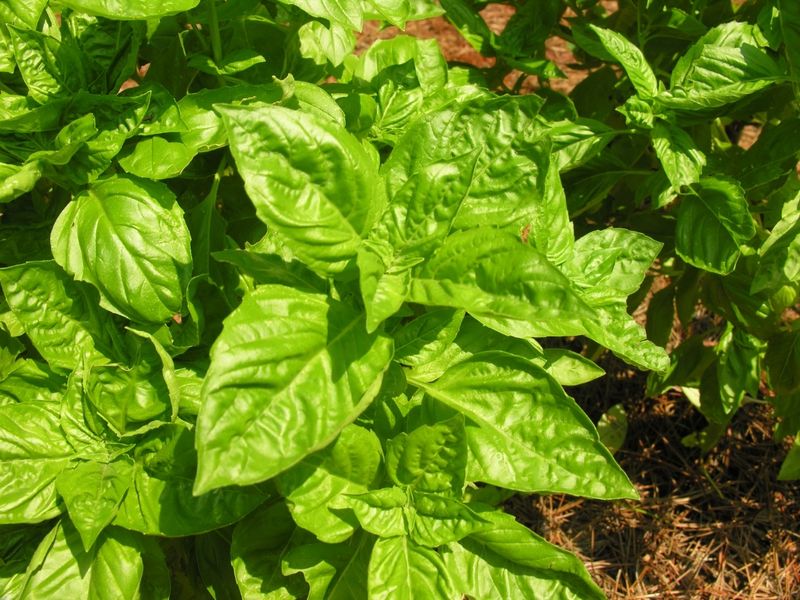
Basil emerges as the superior summer herb choice because it genuinely loves hot weather and produces more vigorously as temperatures climb.
Sweet basil, Thai basil, and purple varieties all thrive in conditions that would destroy cilantro. The plants become bushier and more aromatic when grown in full summer sun.
Plant basil seedlings or seeds after all danger of frost has passed and soil temperatures stay consistently warm. Space plants about 12 inches apart in well-drained soil with plenty of organic matter mixed in.
Basil needs regular watering during hot spells but responds with explosive growth and abundant leaves.
Pinch off flower buds as they appear to keep plants producing leaves rather than seeds. Harvest leaves regularly by cutting stems just above a leaf node, which encourages branching and bushier growth.
One basil plant can provide fresh herbs continuously from June through September with proper care and regular harvesting.
5. Bok Choy – Grow Sweet Potatoes Instead
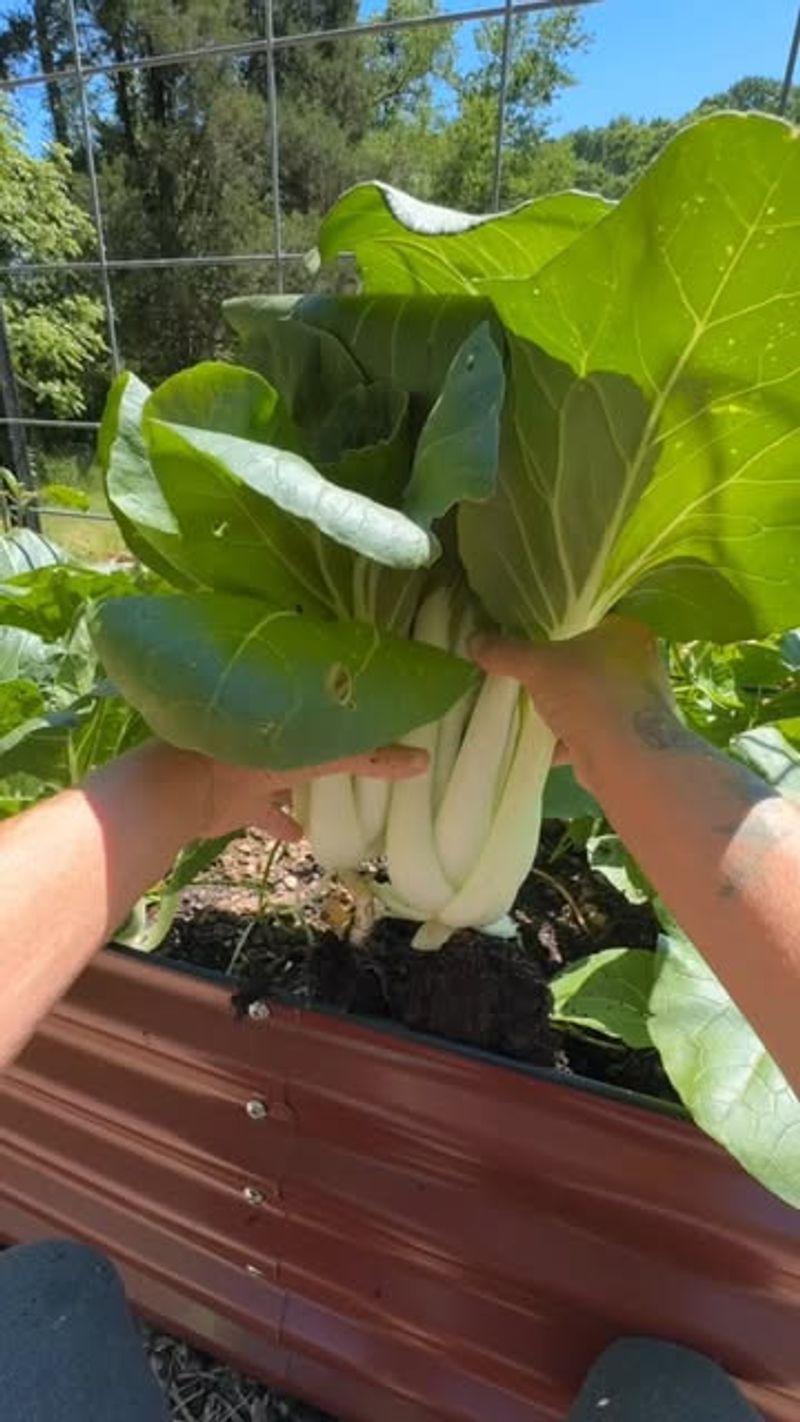
Bok choy belongs to the brassica family and shares the same heat sensitivity as other cool-season crops. June temperatures cause these Asian greens to bolt rapidly, sending up flower stalks that make the leaves tough and bitter.
The compact rosette shape that makes bok choy so appealing stretches into tall, gangly plants focused on seed production.
The tender, mild flavor that makes bok choy popular in stir-fries disappears once bolting begins. Leaves become fibrous and develop an unpleasant cabbage-like taste that intensifies with cooking.
Even young plants bolt quickly when exposed to North Carolina’s combination of long days and high temperatures.
Sweet potatoes offer a completely different approach to summer gardening that celebrates heat rather than fighting it.
These vigorous vines spread across the ground, producing beautiful heart-shaped leaves while developing nutritious tubers underground. They actually need hot weather and warm soil to generate their best yields.
Plant sweet potato slips in loose, well-drained soil after all frost danger has passed and temperatures stay reliably warm. Space them about 12 inches apart in rows, giving the vines plenty of room to spread.
The plants tolerate poor soil better than most vegetables and require minimal fertilizer once established.
Sweet potato vines grow vigorously throughout summer, creating a living mulch that shades out weeds and conserves soil moisture. The tubers develop slowly underground, sizing up as summer progresses.
Harvest them in fall before the first frost, when you’ll discover how well they thrived in the heat that destroyed your spring bok choy.
6. Radishes – Grow Cucumbers Instead
Radishes develop their crisp texture and mild flavor when they mature quickly in cool spring weather. June heat slows their growth while simultaneously making them woody and unpleasantly spicy.
The roots become pithy and fibrous instead of crunchy, and the sharp flavor intensifies to levels that most people find overwhelming.
Hot soil temperatures cause radishes to prioritize flowering over root development. The plants send up seed stalks before the roots reach harvestable size, leaving you with tiny, bitter radishes that aren’t worth eating.
Even fast-maturing varieties can’t outrun the heat once summer truly arrives.
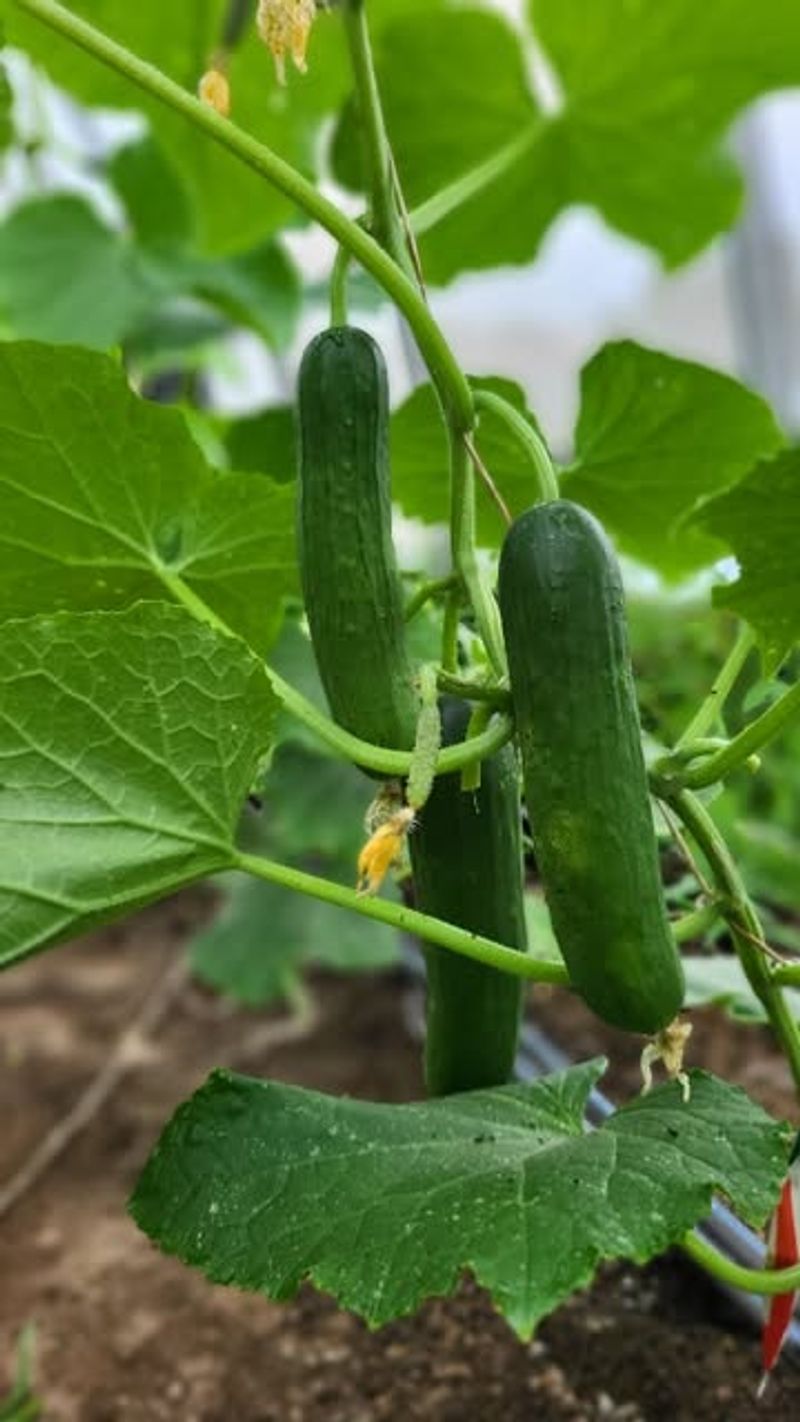
Cucumbers represent an ideal warm-weather substitute that enters its prime growing season just as radishes fail. These heat-loving vines produce prolifically throughout summer, generating crisp, refreshing vegetables perfect for hot weather eating.
Varieties range from tiny pickling types to long slicing cucumbers, all thriving in June’s warmth.
Plant cucumber seeds or transplants in rich, well-drained soil with plenty of compost mixed in. Provide a trellis or fence for vining types to climb, or choose bush varieties for smaller spaces.
Cucumbers need consistent moisture and benefit from mulch that keeps roots cool and soil evenly moist.
Harvest cucumbers when they reach the appropriate size for their variety, usually six to eight inches for slicing types. Pick them every day or two during peak production to keep vines generating new fruits.
The plants continue producing until fall frost arrives, giving you months of fresh cucumbers from the same space where spring radishes once grew.
7. Mustard Greens – Grow Malabar Spinach Instead
Mustard greens provide wonderful spicy flavor in spring salads and stir-fries but become problematic when June heat arrives. The plants bolt rapidly in warm weather, developing tall flower stalks and seed pods.
Leaves turn increasingly bitter and tough, losing the tender texture that makes them appealing for fresh eating or cooking.
The natural compounds that give mustard greens their characteristic spiciness intensify dramatically under heat stress. What was pleasantly peppery in April becomes harsh and nearly inedible by mid-June.
The plants also attract more flea beetles and other pests when stressed by high temperatures.
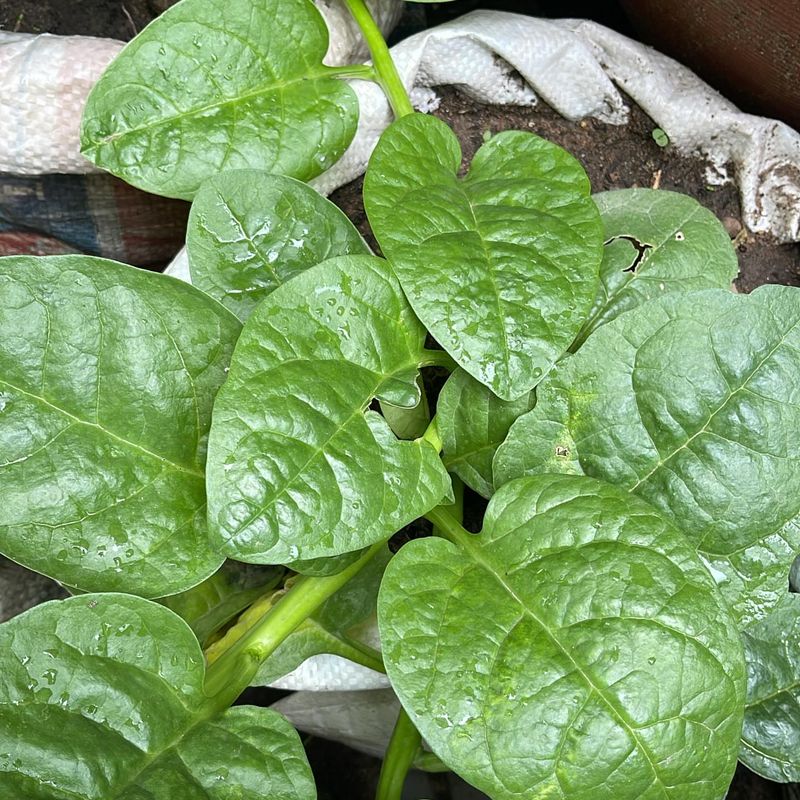
Malabar spinach offers an unusual but excellent warm-weather alternative that actually prefers heat and humidity. This climbing vine isn’t a true spinach but produces thick, succulent leaves with a mild flavor similar to regular spinach.
The plants thrive in conditions that would devastate traditional greens, producing continuously throughout the hottest months.
Start Malabar spinach from seeds or transplants after soil warms completely in late spring. Provide a sturdy trellis or fence for the vines to climb, as they can reach six to ten feet tall.
The plants need full sun and regular watering but tolerate heat and humidity that would destroy conventional leafy greens.
Harvest leaves and tender stem tips regularly to encourage bushier growth and prevent the vines from becoming too leggy. The leaves work well in any recipe calling for cooked spinach, though they’re not ideal for raw salads.
Malabar spinach produces edible leaves from June through September, filling the gap left by departed spring greens.
8. Turnips Grown For Greens – Grow Peppers Instead
Turnip greens taste wonderful when harvested young in cool spring weather, offering tender leaves with a pleasant mild flavor. June heat changes everything, causing the plants to bolt rapidly and the leaves to become tough and bitter.
The greens develop an unpleasant strong flavor that intensifies with cooking, making them far less appealing than spring harvests.
Plants redirect their energy toward root and seed production once temperatures climb, leaving you with sparse, fibrous leaves that aren’t worth harvesting.
Even varieties bred specifically for greens production can’t maintain quality through North Carolina’s summer heat.
The same conditions that make turnip greens fail create perfect growing weather for peppers.
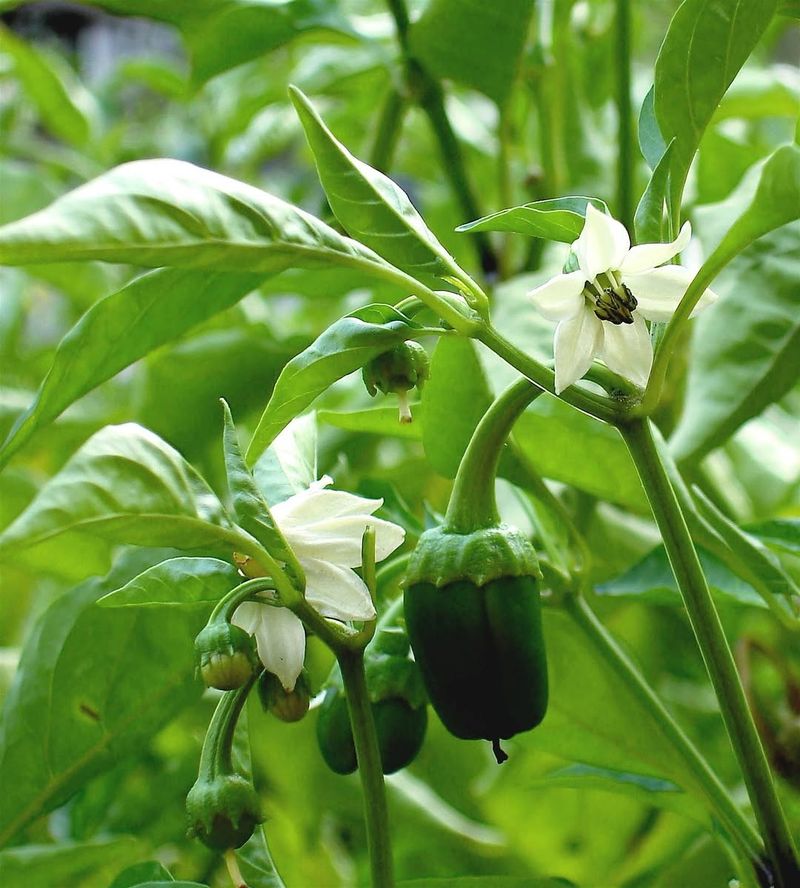
Peppers absolutely love summer warmth and produce their best yields when temperatures stay consistently hot. Bell peppers, banana peppers, jalapeños, and countless other varieties thrive in conditions that destroy cool-season greens.
The plants flower prolifically and set fruit continuously throughout the summer months.
Transplant pepper seedlings into the garden after soil warms completely and nighttime temperatures stay above 55 degrees consistently. Space plants 18 to 24 inches apart in full sun with rich, well-drained soil.
Peppers benefit from consistent moisture and appreciate mulch that keeps roots cool while conserving water.
Harvest peppers at any stage of maturity, from green and unripe to fully colored and sweet. Regular picking encourages plants to produce more flowers and fruits throughout the season.
The plants continue yielding until frost arrives in fall, providing months of fresh vegetables from the same garden space where turnip greens once struggled and failed in the heat.