The Weed That’s Spreading Through Ohio Neighborhoods Faster Than Ever This Year
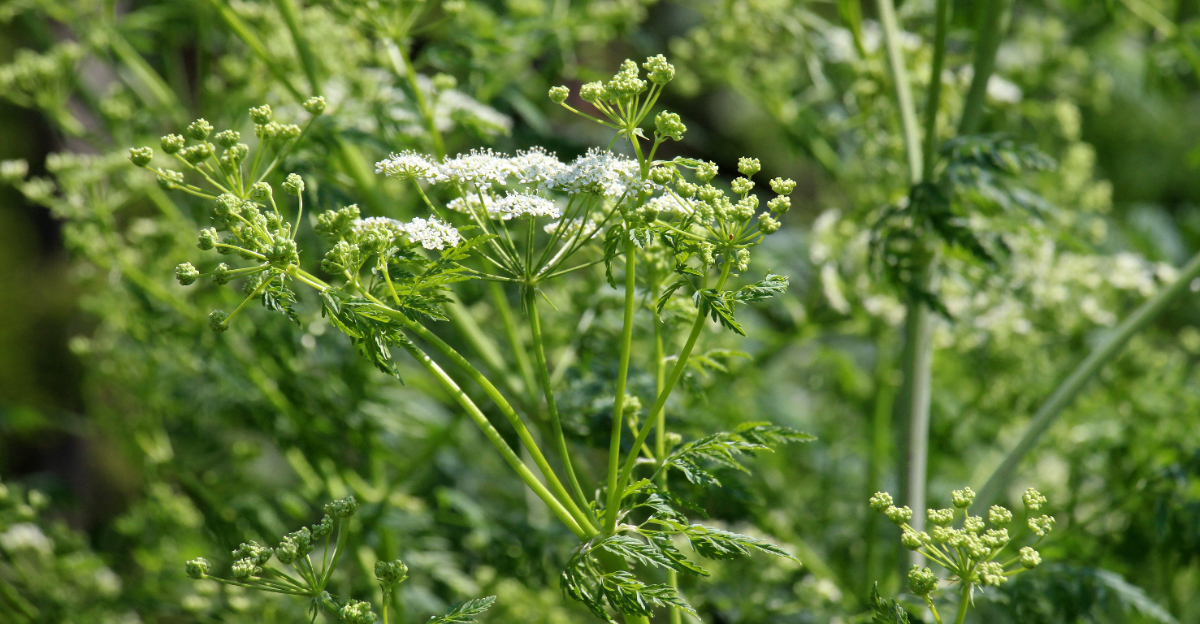
Ohio gardeners are pulling the same weed out of their beds, their lawns, their driveways, and their fence lines this year, and it keeps coming back faster than ever.
This is not your average nuisance weed that shows up seasonally and stays manageable with a little attention.
This one spreads aggressively, roots deeply, and produces seeds in numbers that make a single missed plant a serious problem for the following season. Neighbors are seeing it pop up in yards that never had it before.
Garden beds that stayed clean for years are suddenly dealing with it from every direction. Ohio’s recent weather patterns have given it ideal conditions to move fast and establish hard.
Most people do not even recognize it until it has already made itself at home. So what exactly is taking over our yards right now, and more importantly, how do you actually stop it?
1. Poison Hemlock Is Racing Through Ohio Neighborhoods This Year
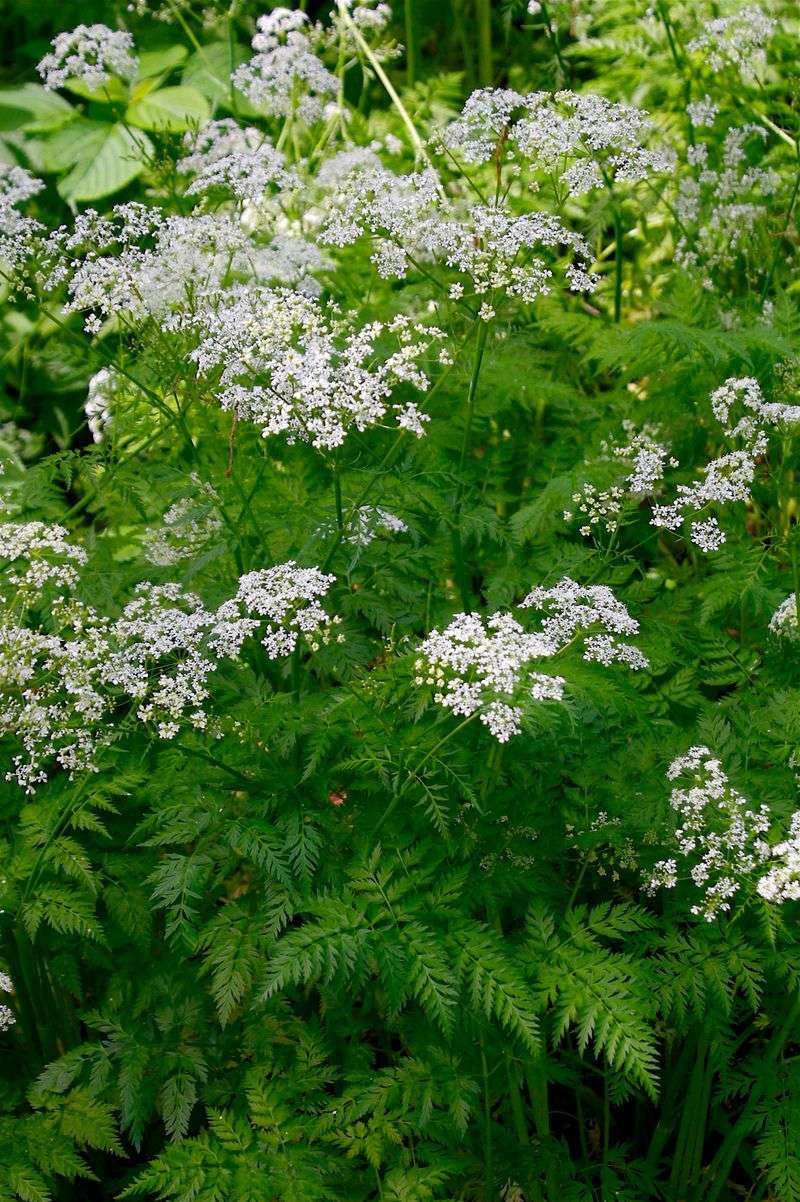
Walk along almost any roadside, park edge, or neglected fence row in this state right now, and there’s a decent chance you’ll spot it.
Poison hemlock has become increasingly visible and commonly reported across Ohio neighborhoods, according to State University Extension and Ohioline resources.
The plant is not just a rural farming concern anymore. It turns up near yard edges, trails, drainage areas, alleys, and public green spaces where the ground gets disturbed or mowing is inconsistent.
Knowing what it looks like matters. Poison hemlock has fern-like, bright green leaves with a strong unpleasant smell when crushed.
Its stems are smooth and hollow, often marked with distinctive purple blotches or reddish-purple spots near the base.
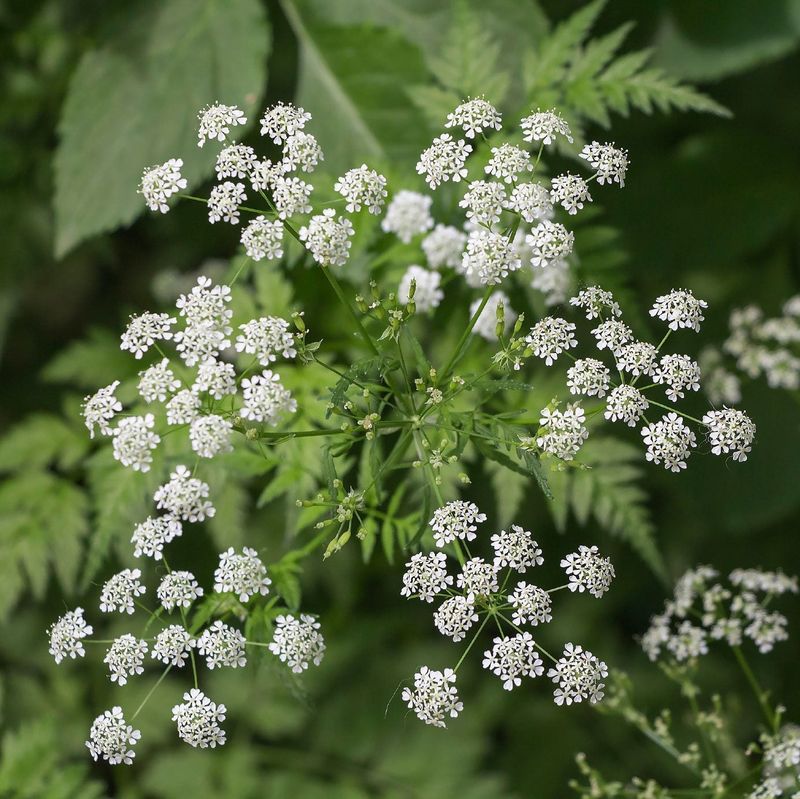
When it matures, it produces umbrella-shaped clusters of small white flowers that can make a large plant look almost decorative from a distance. That’s part of what makes it easy to overlook until a patch has already grown large.
Ohio Extension recommends confirming identification through reliable photos and descriptions before doing anything with the plant.
If you suspect poison hemlock near your home, start by checking Ohioline identification resources and contacting your local county Extension office for guidance.
2. Roadsides And Fence Lines Are Helping It Move Closer
Property edges and road shoulders are doing a lot of the heavy lifting when it comes to spreading this plant through neighborhoods.
Roadsides, fence rows, and ditch banks are frequently disturbed, unevenly mowed, or simply left unmanaged for long stretches of the season.
State University Extension notes that poison hemlock thrives in disturbed habitats. Transportation corridors like roadsides and rights-of-way create the open, low-competition ground where it can establish and expand.
Ditches and drainage channels also matter. Water can carry plant material and seeds along these pathways, connecting one property edge to another without anyone noticing until the plants are already up.
If your yard borders a road, alley, open lot, or shared fence line, those edges deserve a close look during the growing season.
Walking the perimeter of your property in early spring gives you the best chance of spotting young plants before they bolt upward and become harder to manage.
Your Ohio Garden Changes Every Week. Your Plan Should Too.
Gardening in Ohio changes quickly throughout the season. Every Friday you’ll receive a simple weekly plan showing exactly what to plant, prune, fertilize, harvest, and protect so you never miss the right timing.
Finding a small cluster near the edge of your property is a much easier situation than discovering a large stand that has crept along a fence line over several seasons. Make edge-checking a regular habit, not a one-time task.
3. Disturbed Soil Gives This Weed The Opening It Needs
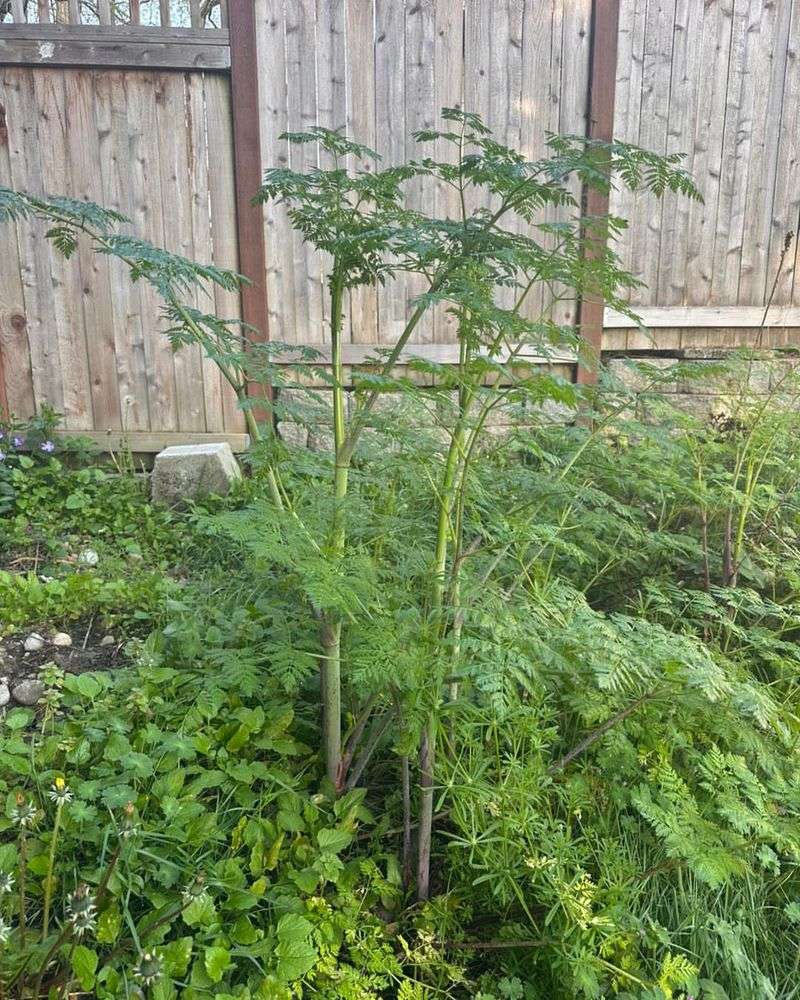
Freshly turned earth is practically a welcome mat for poison hemlock. Construction zones, utility work areas, eroded slopes, neglected garden beds, and thin patches of lawn are exactly the kinds of spots where this plant gets its start.
Extension guidance points out that poison hemlock is well-suited to disturbed ground, where competition from established plants is low and bare soil is exposed.
That’s why you’ll often see it pop up after ditch work, grading, or any project that breaks up the soil surface.
Homeowners can reduce those openings by reseeding thin turf spots and adding mulch to bare garden beds. They can also restore ground cover in areas disrupted by weather or yard projects.
These steps don’t guarantee the plant won’t appear, but they reduce the open-soil opportunities it depends on.
Monitoring recently disturbed areas through spring and early summer is especially useful. A quick walk-through after a construction project or after erosion from heavy rain can help you catch new seedlings before they establish a strong root system.
Consistent attention to your soil and turf is one of the most practical tools a Buckeye State homeowner has against this weed taking hold in the first place.
4. Spring Growth Makes Young Plants Easy To Miss
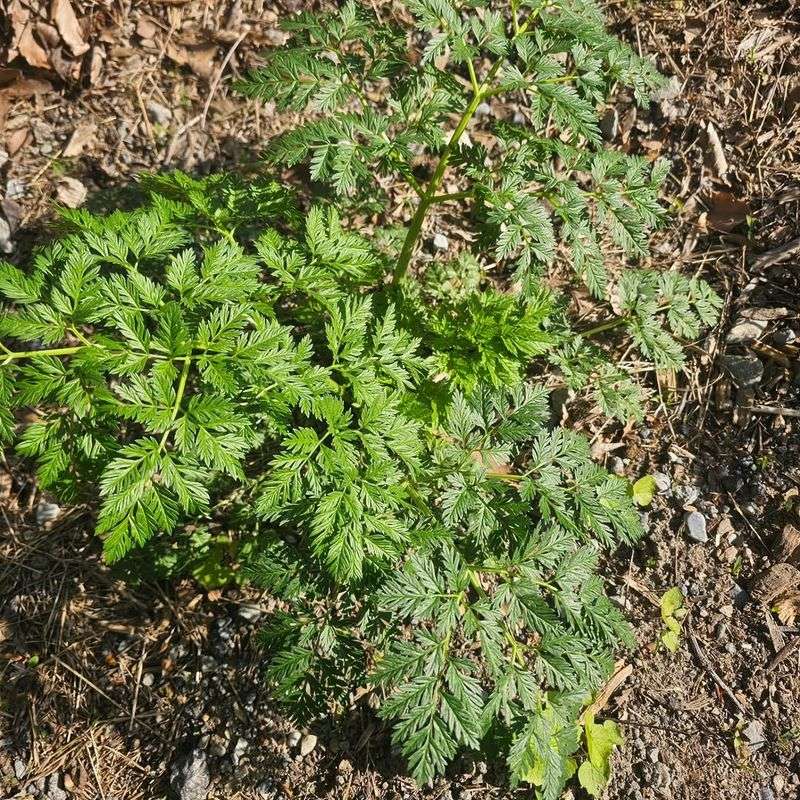
Before it shoots up tall and starts turning heads, poison hemlock spends its first season as a low, flat rosette hugging the ground.
Young plants blend easily into the mix of spring greenery, making them genuinely tricky to spot if you don’t know what to look for.
State University Extension describes the rosette stage as the plant’s first-year growth form.
The leaves are finely divided and fern-like, similar in appearance to carrot tops or parsley, which is part of why casual observers walk right past them without a second look.
Learning the rosette stage from Ohio Extension photos and descriptions before growth picks up in late winter and early spring gives you a real head start.
Check disturbed soil, yard edges, and drainage areas in early to mid-spring when rosettes are still small and manageable.
One habit worth building: wear gloves anytime you’re pulling or examining unknown plants. Even at the rosette stage, it’s a smart precaution to avoid skin contact with plants you haven’t positively identified.
If you find a rosette that matches Extension descriptions, note the location and check back regularly. Early detection at this stage is genuinely your best window for addressing the plant before it matures and produces seeds later in the season.
5. White Flower Clusters Turn Small Patches Into Big Warnings
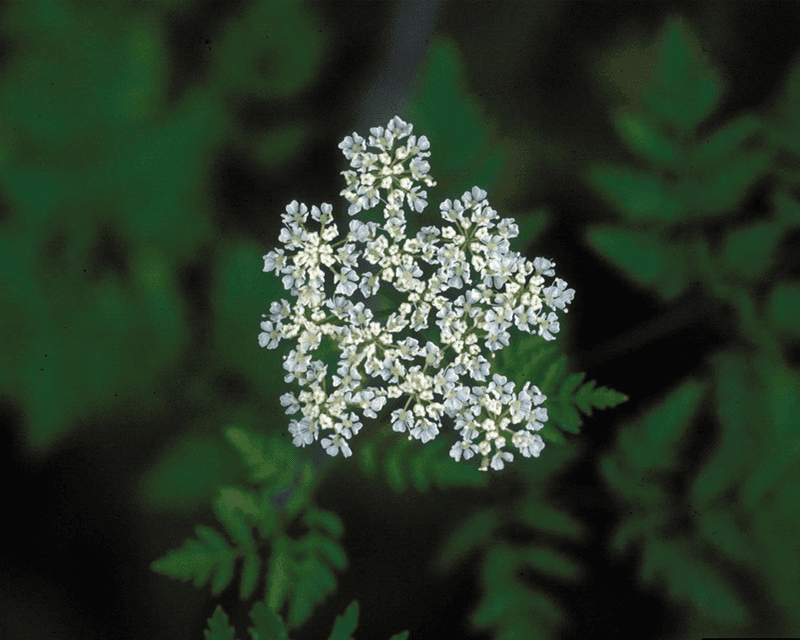
Once the white flowers appear, the plant is sending a clear message that the season for easy management is already behind you.
Poison hemlock produces clusters of tiny white flowers arranged in umbrella-like shapes called umbels, and a single mature plant can be quite striking in size and visibility.
Ohioline resources note that flowering plants are a signal that seed production is on the way.
Letting a patch reach full flower without any action means seeds will follow, and that increases the likelihood of seeing more plants return in the same area next season.
Here’s something important to keep in mind: not every white-flowered plant along a roadside or yard edge is poison hemlock.
Lookalike plants exist, including wild carrot and common elderberry, and misidentification can lead to unnecessary concern or, worse, improper handling of a plant that turns out to be something else entirely.
Before pulling, spraying, or otherwise handling a white-flowered roadside plant, confirm the identification. Use Extension resources or contact your local county Extension office.
Keep children and pets away from any suspect patches in the meantime.
A flowering patch is a useful alert. Treat it as a prompt to get a confirmed ID and make a plan, not as a reason to panic.
6. Mowing At The Wrong Time Can Spread The Problem
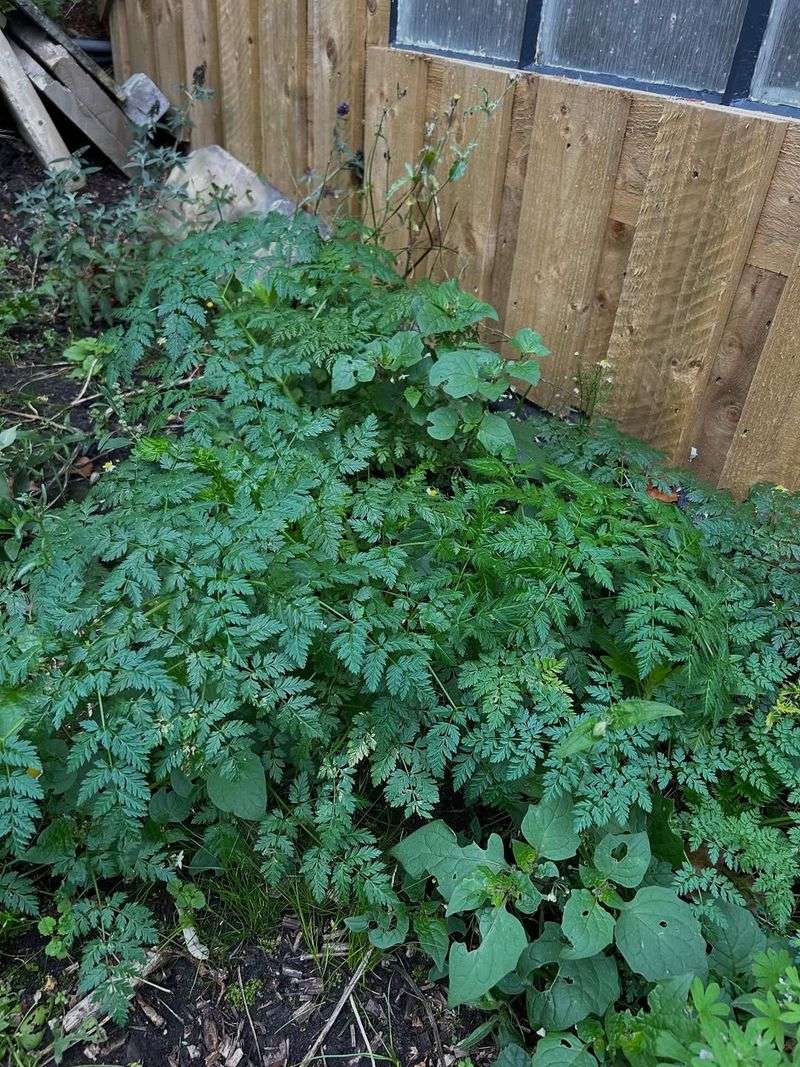
Grabbing the mower and running it through a weedy patch might feel like a quick fix, but timing matters a lot with poison hemlock.
Mowing mature plants after flowering or when seeds are already developing can scatter plant material and potentially spread the problem rather than reduce it.
State University Extension management guidance emphasizes that mowing can be part of a management strategy, but it needs to be done thoughtfully and at the right growth stage.
Cutting plants down before they set seed is a very different situation from mowing through a patch that’s already loaded with developing seeds.
Mowing also creates another concern. Running equipment through a stand of poison hemlock can expose the operator to plant sap and debris.
The plant contains toxic compounds, and contact with sap through cuts, eyes, or mucous membranes is something to avoid.
Wear long pants, long sleeves, gloves, and eye protection when working near suspected hemlock patches. Clean mower decks, blades, and any equipment that contacted plant material before using it elsewhere on your property.
If you’re not sure whether your mowing timing is right for the growth stage you’re dealing with, reach out to your local county Extension office before taking action. Getting the timing right the first time saves a lot of cleanup later.
7. Bare Hands Make Removal Riskier Than It Looks
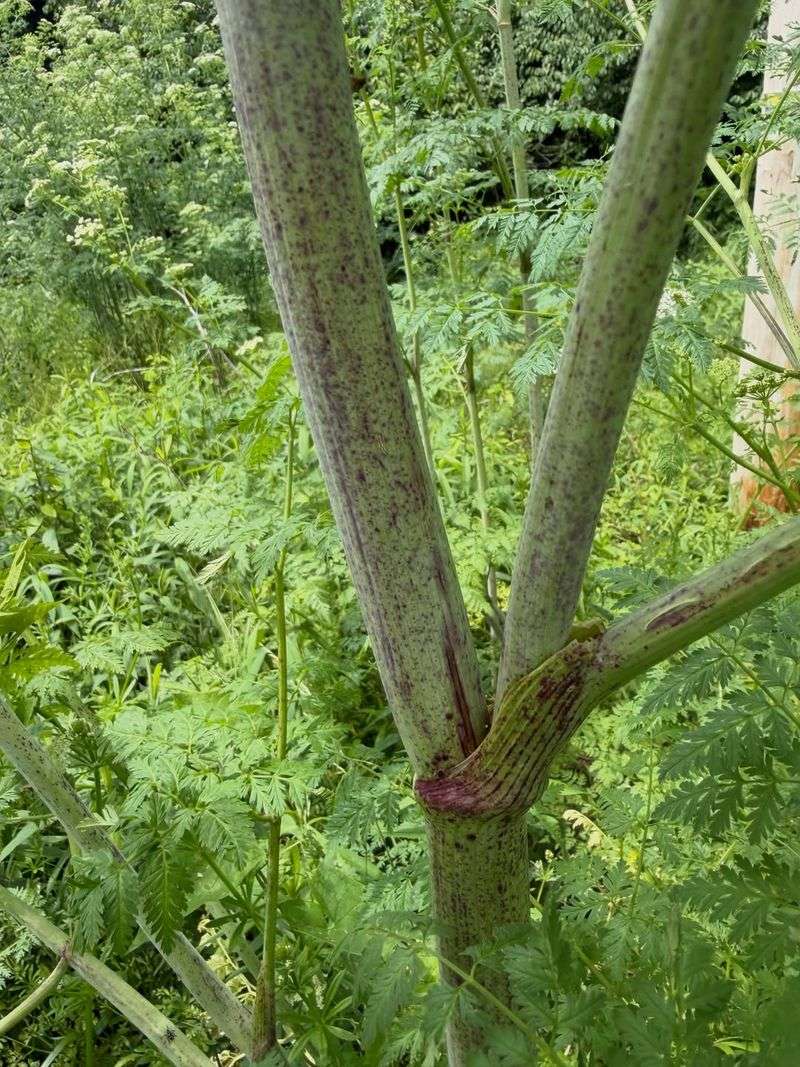
Poison hemlock might look like just another overgrown weed along the fence, but casual, unprotected handling is something Extension and public health sources consistently caution against.
The plant contains toxic alkaloids that can be absorbed through skin contact, especially if there are any cuts or abrasions present.
Ohioline and State University Extension both advise treating this plant with real care. Skin contact with sap, particularly around the eyes, nose, or mouth, is the main concern during removal or handling.
This is not a plant to grab barehanded while cleaning up a garden bed.
Proper gear makes a significant difference. Before working near any suspected hemlock patch, put on chemical-resistant gloves, long sleeves, long pants, eye protection, and closed-toe shoes.
Wash all exposed skin and your clothing thoroughly after any yard work in areas where the plant may be present.
If you’re dealing with a large patch, an uncertain identification, or an area near a school, park, or shared public space, professional help or direct guidance from your local Extension office is the smarter route.
There’s no reason to handle a large stand on your own without expert input.
Your local county Extension office can connect you with safe, effective options and help confirm what you’re dealing with before any removal work begins.
8. Fast Action Keeps One Patch From Becoming A Neighborhood Issue
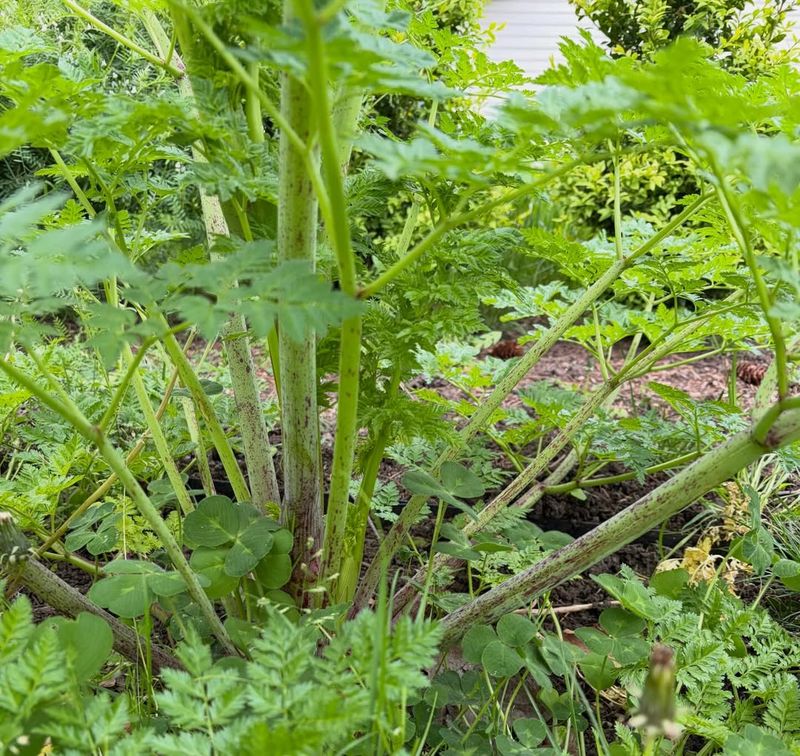
A single small cluster of poison hemlock along your fence line is a manageable situation. That same patch, left unchecked through a full growing season, can produce thousands of seeds and show up across several neighboring properties the following year.
State University Extension recommends consistent monitoring as a core part of any weed management approach.
Checking the same areas more than once during the season, especially after mowing, soil disturbance, or periods of heavy rain, gives you a much clearer picture of what’s actually happening at your property edges.
Community awareness matters too. If you notice a large stand near a public right-of-way, park, school, trail, or shared greenspace, reporting it to local authorities or contacting your county Extension office is a practical step that benefits everyone in the area.
You don’t have to manage public land yourself to make a difference.
Encouraging neighbors to check their own fence lines and yard edges during spring and early summer can turn individual awareness into a neighborhood-wide habit. One person’s identified patch is a heads-up for everyone nearby.
Practical, informed action taken early in the season is the most effective approach. It helps prevent poison hemlock from becoming a recurring problem in your yard and community.
Start checking now, stay consistent, and reach out to local Extension when you need backup.